TouristTap App in Kenya: How Travelers Pay Like Locals Without Cash

Why the TouristTap App Could Change Travel Payments for Tourists and Local Businesses What Is the TouristTap App? The TouristTap app is a travel payment solution designed to help visitors make cashless payments more easily while traveling in Kenya. Recent coverage and company materials describe it as an app that lets tourists pay local merchants using card-based, contactless technology instead of relying on cash, ATMs, or traditional card machines. Craft Silicon presents TouristTap as a way for travelers to “pay like locals,” while media reports explain that it is built to connect international cards with local payment rails and merchants across the tourism ecosystem. At its core, the TouristTap app addresses a familiar pain point in many travel destinations: tourists often arrive ready to spend, but payment options on the ground can be inconsistent. Some merchants accept mobile money only, some prefer till numbers or paybills, and others may not have card terminals at all. TouristTap aims to close that gap by allowing smoother transactions between international visitors and local businesses. Why Payment Friction Is a Big Problem for Travelers Travel should feel exciting, not stressful. Yet one of the quickest ways a trip can become frustrating is when paying for simple things becomes difficult. Tourists may need local currency immediately after landing, but ATMs can be inconvenient, scarce in some areas, or unfamiliar to first-time visitors. Small shops, curio sellers, tour operators, and independent service providers may also lack conventional card infrastructure, even when they serve international guests regularly. This is where the TouristTap app becomes relevant. Instead of forcing travelers to juggle cash, exchange rates, and limited acceptance points, the app is positioned as a bridge between global payment behavior and local commerce. That matters because convenience strongly shapes the visitor experience. When tourists can pay easily, they are more likely to spend confidently, support more local businesses, and enjoy the journey without unnecessary interruptions. This is also especially important in a tourism economy as large as Kenya’s, which recent reporting says generated about KES 500 billion in 2025. Who Built the TouristTap App? The TouristTap app was launched by Craft Silicon, a Kenyan fintech company. Multiple reports identify Craft Silicon as the company behind the platform, while the App Store listing names Little Limited as the developer. These are connected brands within the wider Craft Silicon ecosystem. That matters for trust. Travelers and merchants alike want to know whether a payment platform is backed by a serious technology company with real infrastructure, security standards, and support systems. In TouristTap’s case, public reporting links the app to established players and payment partnerships that include KCB and Visa infrastructure. How the TouristTap App Works The exact user flow may vary by device, but the broad model is clear from current sources. The TouristTap app enables tourists to use contactless payment methods through NFC-enabled devices. On Android, tap-to-pay functionality works natively through NFC, while on Apple devices the payment flow is routed through Apple Pay because of Apple’s tighter control over NFC access. For the tourist A traveler downloads the TouristTap app, signs up, and uses a compatible smartphone to initiate payments. Public descriptions indicate that the experience is meant to be quick and simple, with minimal registration friction and a focus on seamless use while on the move. For the merchant The merchant does not necessarily need a traditional point-of-sale terminal. Reports describe TouristTap as turning an NFC-enabled smartphone into a point-of-sale experience, making it easier for merchants who previously depended on cash or mobile money only. During the transaction The tourist taps or authorizes the payment, then the funds are routed to local payment endpoints such as till numbers, paybills, mobile wallets, or bank accounts, depending on the merchant setup. That is one of the most practical aspects of the TouristTap app: it is built for the realities of local commerce rather than forcing local businesses to adopt expensive new hardware first. Key Features of the TouristTap App 1. Cashless convenience One of the strongest selling points of the TouristTap app is that it reduces the need to carry cash. The App Store description explicitly encourages users to “ditch the cash,” while the official landing language centers on hassle-free travel payments. 2. Local payment compatibility TouristTap stands out because it appears designed not just for card acceptance in formal venues, but also for local merchant ecosystems that rely on till numbers, paybills, wallets, and bank transfers. That makes the TouristTap app more useful in real-world tourism settings, from urban restaurants to smaller traders and attractions. 3. NFC and contactless technology The app is built around NFC-powered payments, which support faster and more familiar payment behavior for many international travelers. That helps reduce awkward checkout moments and keeps transactions moving smoothly. 4. Apple Pay pathway on iPhone For iPhone users, TouristTap uses Apple Pay in place of direct native NFC tap behavior. That is an important compatibility detail because it shows the TouristTap app is trying to support both major smartphone ecosystems rather than focusing only on Android users. 5. Transparent fees Current reporting says transaction costs are displayed clearly within the app before payment confirmation and that there are no hidden fees. That kind of transparency can make a major difference for tourists already navigating exchange rates and unfamiliar pricing environments. Is the TouristTap App Secure? Security is one of the first questions any traveler will ask about a payments product, and rightly so. According to Craft Silicon’s official product description and independent reporting, the TouristTap app is built on PCI-DSS certified technology. Sources also state that card details are encrypted, never stored on the device, and protected using PIN-on-Glass authorization. That combination is important for three reasons. Industry-grade compliance PCI-DSS is a recognized global standard for payment card security. When a platform emphasizes PCI-DSS certification, it signals that the product is not treating payment protection casually. Reduced exposure of card data Reports say card information is encrypted and not stored. For users, that lowers concern about
How to Live in Kenya Long-Term Without Going Broke

Avoiding Expat Cost Traps, Building Local Wealth & Lifestyle Tweaks That Stretch Your Money Kenya offers incredible opportunities — vibrant cities, affordable domestic travel, beautiful coastlines, wildlife, and a growing business ecosystem. But while many newcomers assume Kenya is “cheap,” the reality can surprise you. Without careful planning, long-term residents often fall into expensive habits that drain savings quickly. If you’re serious about staying, this guide explains how to live in Kenya long-term without going broke by combining practical financial discipline with local insight. Whether you’re an expat professional, retiree, entrepreneur, or digital nomad, the difference between thriving and struggling often comes down to understanding local financial culture. In this comprehensive breakdown, we’ll cover: If your goal is sustainability rather than survival, keep reading. Understanding Why Many Expats Overspend in Kenya The “It’s Cheap” Illusion One of the biggest mistakes foreigners make is assuming Kenya is universally affordable. While some costs (local food, public transport) are lower than in Europe or North America, other expenses — especially in expat bubbles — can match or exceed Western pricing. Imported goods, international schools, premium healthcare, and gated-community housing quickly increase living expenses. To truly understand how to live in Kenya long-term without going broke, you must separate local cost realities from expat lifestyle inflation. The Expat Bubble Trap Common high-cost expat habits include: These habits may feel comfortable but often create unsustainable monthly spending. Smart Housing Choices That Save Thousands Rent Outside Prime Expat Zones Rent is often the largest monthly expense. While neighborhoods like Karen, Westlands, Runda, or Nyali offer comfort and security, similar quality housing can be found at significantly lower prices in nearby areas. Living slightly outside traditional expat zones can reduce rent by 20–40%. Understanding neighborhood pricing is key to mastering how to live in Kenya long-term without going broke. Negotiate & Understand Lease Terms Kenyan rental practices often include: Negotiating lease terms and comparing multiple listings prevents overpayment. Local Grocery & Food Habits That Stretch Your Budget Shop Where Locals Shop Kenyan open-air markets and neighborhood vendors sell: At significantly lower prices than upscale supermarkets. Mixing supermarket purchases with local market shopping can reduce food expenses substantially. Reduce Imported Dependency Imported cheeses, wines, cereals, and packaged goods often carry heavy markups. Transitioning toward locally produced goods helps reduce monthly grocery bills. This is a core principle of how to live in Kenya long-term without going broke — adapting to local supply chains. Healthcare Strategy: Balance Cost and Coverage Use Public Services Strategically Public hospitals are significantly cheaper for basic consultations. Private hospitals should be reserved for emergencies or specialized care. Choose Smart Insurance Plans Instead of the most expensive international insurance package, consider: Balancing coverage prevents unnecessary overpayment. Transportation: Rethinking Mobility Do You Really Need a Car? Owning a vehicle includes: In Nairobi especially, traffic increases fuel consumption. Using ride-hailing apps, occasional car rental, or public transport may significantly reduce expenses. Avoid Lifestyle Inflation Some long-term residents hire drivers immediately — a luxury that may not be necessary. Evaluate your actual mobility needs before committing to recurring transport costs. Local Saving & Investment Options Use Kenyan Banking Smartly Opening a local bank account allows you to: Understanding Kenya’s mobile money ecosystem is critical to mastering how to live in Kenya long-term without going broke. SACCOs & Savings Groups Kenya has a strong culture of cooperative savings through SACCOs (Savings and Credit Cooperative Organizations). Some foreigners who qualify through employment structures can participate. SACCOs often offer: Real Estate & Treasury Bills For long-term residents, investing in: can help offset inflation and currency fluctuations. Managing Currency Risk Protect Against Exchange Rate Volatility If your income is in foreign currency: Currency depreciation can either benefit or harm your purchasing power. Planning for this is part of understanding how to live in Kenya long-term without going broke. Lifestyle Tweaks That Make a Big Difference Embrace Local Entertainment Kenya offers affordable leisure options: Replacing high-cost leisure habits with local experiences reduces monthly spending. Build Community Networks Local friendships often lead to: Community integration can reduce costs significantly. Income Planning for Sustainability Diversify Income Streams Long-term residents should avoid relying solely on one income source. Options include: Income diversification strengthens financial stability. Plan for Inflation Kenya experiences periodic price increases in: Budgeting with inflation buffers ensures you remain financially secure. Psychological Shift: Think Local, Not Temporary Stop Living Like You’re “On Assignment” Many expats overspend because they treat their stay as temporary. But if you plan to stay long-term, financial sustainability matters more than convenience. Adopting local habits is essential to mastering how to live in Kenya long-term without going broke. Also read: Is Kenya Expensive? The Truth About Tourist Pricing and Local Rates Wrap-Up Living in Kenya long-term can be financially rewarding — but only if approached strategically. Avoiding expat lifestyle traps, shopping locally, balancing healthcare spending, choosing housing wisely, investing smartly, and planning for currency fluctuations are essential habits. The key lesson in how to live in Kenya long-term without going broke is simple: adapt to the local economic ecosystem rather than recreating your previous country’s lifestyle. Sustainable living in Kenya is entirely possible — but it requires awareness, discipline, and smart financial decisions. 10 Frequently Asked Questions (FAQs) 1. Is Kenya cheap for expats long-term? It can be, but lifestyle choices determine affordability. 2. What is the biggest expense for long-term residents? Housing and education are often the largest costs. 3. Should I buy or rent property? It depends on your long-term plan and legal eligibility. 4. Is healthcare expensive? Private healthcare can be costly without insurance. 5. Can foreigners invest locally? Yes, in certain financial instruments and businesses. 6. Is owning a car necessary? Not always — urban transport alternatives exist. 7. How can I reduce grocery costs? Shop in local markets and reduce imported goods. 8. Is M-Pesa essential? Yes — it simplifies payments and reduces transaction costs. 9. What’s the biggest financial mistake expats make? Lifestyle inflation. 10. Can you build wealth in Kenya long-term? Yes
Are International Schools in Kenya Worth the Cost? A Parent’s Financial Reality Check

Curriculum Fees, Academic Outcomes, Hidden Expenses & Long-Term Value Explained For families relocating to Kenya — whether expats, diaspora returnees, diplomats, or global professionals — one of the biggest questions is: Are international schools in Kenya worth the cost? International schools in Kenya offer globally recognized curricula such as IGCSE (British system), IB (International Baccalaureate), American curriculum, and even hybrid CBC integration, but the fees can be substantial. In many cases, they represent the largest household expense after housing. This in-depth guide provides a full financial breakdown of: If you’re planning relocation, this article will help you determine whether international schools in Kenya are worth the cost for your family. Understanding International Schools in Kenya What Defines an International School? International schools in Kenya typically: Most are located in Nairobi, with a few in Mombasa and Kisumu. Because of their facilities, faculty, and international accreditation, tuition fees are significantly higher than local private schools. This is why families ask: Are international schools in Kenya worth the cost? Tuition Fees by Curriculum IGCSE (British Curriculum) Fees The British system is the most common international curriculum in Kenya. Annual tuition fees for IGCSE schools can range approximately: Well-established schools such as those offering Cambridge International exams are on the higher end of this range. For families with multiple children, the cost multiplies quickly — which intensifies the debate around whether international schools in Kenya are worth the cost. IB (International Baccalaureate) Fees The IB curriculum is considered academically rigorous and globally recognized. IB schools in Kenya may charge: IB Diploma students often achieve strong university placements internationally, which contributes to perceived value. American Curriculum Fees American curriculum schools in Kenya typically cost: These schools often follow U.S. high school standards and offer SAT/Advanced Placement (AP) options. CBC (Kenyan Curriculum) Comparison Kenya’s Competency-Based Curriculum (CBC) in local private schools costs significantly less: Compared to international schools, CBC institutions are far more affordable — which raises the question again: are international schools in Kenya worth the cost difference? Academic Performance & University Placement Global University Access One reason many families justify international school fees is university mobility. Students from IB and IGCSE schools in Kenya often: For families planning overseas university education, international schools provide continuity. Academic Outcomes vs Local Top Schools Top-tier Kenyan private schools following CBC or 8-4-4 systems also produce high-performing students. However: Academic quality varies widely across both international and local schools, so cost does not automatically guarantee better performance. Hidden & Extra Costs Parents Must Budget For When evaluating whether international schools in Kenya are worth the cost, tuition alone is not enough. Transport Fees School transport can cost: Private drivers or carpooling may increase expenses further. Uniforms & School Supplies International school uniforms and books are often imported or branded: Technology requirements (iPads, laptops) add to costs. Extracurricular Activities Many international schools charge separately for: These extras can add hundreds of thousands of shillings annually. This dramatically impacts the total cost calculation. Cost vs Value: Financial Perspective Long-Term Return on Investment To determine whether international schools in Kenya are worth the cost, families must ask: If yes, the value may justify the expense. If Planning to Stay in Kenya Long-Term If your child will attend university in Kenya, local elite schools may offer comparable academic strength at significantly lower cost. In that scenario, the financial savings could be invested elsewhere — property, savings, or business ventures. Expat vs Local Family Perspective Expat Families For expats: If tuition is part of a relocation package, international schools in Kenya are worth the cost from a financial standpoint. Self-Funded Families For self-paying families: Careful budgeting is essential. Quality of Facilities & Learning Environment Infrastructure & Technology International schools typically provide: These advantages contribute to higher tuition. Teacher Qualifications Many international schools employ: These factors influence cost but may enhance learning quality. Who Should Choose International Schools? International schools in Kenya are worth the cost for: They may not be ideal for: Wrap-Up So, are international schools in Kenya worth the cost? The answer depends on your family’s long-term goals. For globally mobile families or those targeting international university systems, the academic continuity, infrastructure, and recognition can justify the premium price. However, for families rooted in Kenya, strong local private schools offer competitive education at a fraction of the cost. International schools in Kenya are a significant financial investment — often the largest recurring expense for relocating families. Careful evaluation of tuition, hidden fees, academic outcomes, and long-term plans is essential before making a decision. Also read:Buying Property in Kenya as a Foreigner: What You’re Really Allowed to Own 10 Frequently Asked Questions (FAQs) 1. How much do international schools in Kenya cost per year? Typically between KSh 800,000 and over KSh 3.5 million annually, depending on curriculum and grade level. 2. Are IB schools more expensive than IGCSE schools? Often yes, especially at Diploma level. 3. Do employers cover tuition for expats? Many multinational companies include school fees in relocation packages. 4. Are there cheaper international options? Some smaller or newer schools charge lower fees but may offer fewer facilities. 5. Are local private schools academically competitive? Yes, many top Kenyan schools perform strongly. 6. What are the hidden costs beyond tuition? Transport, uniforms, books, technology, and extracurricular activities. 7. Do international schools guarantee university placement abroad? No, but they align well with global admissions standards. 8. Are there payment plans available? Many schools allow term-based payments. 9. Can Kenyan citizens attend international schools? Yes. 10. Is it financially wise long-term? It depends on income, goals, and mobility plans.
Healthcare Costs in Kenya: What You Really Pay in Public & Private Hospitals

Consultation Fees, Lab Charges, Inpatient Bills, Insurance Options & Regional Quality Differences When moving to or visiting Kenya, one of the biggest concerns for families, retirees, expats, and long-term travelers is medical care. Understanding healthcare costs in Kenya is essential for financial planning and peace of mind. While Kenya offers both public and private healthcare systems, the cost, quality, and accessibility vary widely depending on where you seek treatment. This guide breaks down: If you’re planning relocation, retirement, or extended travel, this deep dive into healthcare costs in Kenya will help you prepare realistically. Understanding the Healthcare System in Kenya Public vs Private Healthcare Structure Kenya operates a mixed healthcare system: Public facilities are generally more affordable but can be overcrowded. Private hospitals provide faster service and modern equipment but at significantly higher cost. Understanding this difference is key to navigating healthcare costs in Kenya. Consultation Costs in Kenya Public Hospital Consultation Fees Public health facilities in Kenya are subsidized by the government. Consultation fees are relatively low compared to private institutions. Typical consultation costs may range from: These lower fees make public facilities accessible to a large portion of the population. However, long waiting times and limited specialist availability can affect the overall experience. Private Hospital Consultation Fees Private healthcare facilities charge significantly more. Consultation fees in private hospitals typically range from: High-end hospitals in Nairobi may charge even more for renowned consultants. This large gap highlights how dramatically healthcare costs in Kenya vary between public and private sectors. Laboratory & Diagnostic Costs Basic Lab Tests Common laboratory tests such as blood work, urine tests, and malaria screening vary in cost: Private hospitals often use more advanced diagnostic technology, which partly explains higher pricing. Imaging & Specialized Tests More advanced diagnostics significantly impact healthcare costs in Kenya: Public hospitals may offer lower fees but often have longer waiting lists for imaging services. Inpatient & Hospital Admission Costs Public Hospital Admission Public hospital inpatient costs are subsidized, especially for Kenyan citizens enrolled in national insurance schemes. Daily bed charges in public hospitals can range from: However, patients may need to pay separately for medications, surgical supplies, or lab work. Private Hospital Admission Private hospital inpatient costs are significantly higher: Surgical procedures can cost anywhere from KSh 50,000 to several hundred thousand shillings, depending on complexity. This makes insurance coverage crucial when planning for healthcare costs in Kenya. Insurance Options for Residents National Health Insurance Fund (NHIF / SHIF Transition) Kenyan residents traditionally enroll in NHIF (now transitioning to the Social Health Insurance Fund framework). Monthly contributions are relatively affordable, often ranging from a few hundred to a few thousand shillings depending on income bracket. Coverage includes: For long-term residents, NHIF significantly reduces healthcare costs in Kenya. Private Medical Insurance Many middle-class Kenyans and expats use private insurance providers. Premiums vary based on: Annual private insurance premiums may range from: While costly, private insurance protects against catastrophic medical bills. Insurance Options for Tourists Travel Medical Insurance Visitors should never rely solely on out-of-pocket payments. Travel insurance typically covers: Evacuation to Europe or South Africa for specialized treatment can cost tens of thousands of dollars without insurance. For short-term travelers, insurance dramatically reduces exposure to unexpected healthcare costs in Kenya. Regional Quality Differences Nairobi & Major Cities Nairobi has the highest concentration of: Mombasa and Kisumu also offer strong private facilities. Healthcare costs in Kenya are highest in Nairobi due to premium infrastructure and demand. Rural & Remote Areas Rural areas often depend on: Challenges may include: For retirees or families relocating outside major cities, proximity to healthcare should factor into planning. Common Pitfalls & Budgeting Tips Underestimating Out-of-Pocket Expenses Many public services require: Budgeting for unexpected expenses is wise. Not Having Insurance The biggest financial risk in Kenya’s healthcare system is a major medical emergency without coverage. Even moderate surgical procedures can significantly impact savings. Insurance is the safest way to manage healthcare costs in Kenya. Quality Differences: Public vs Private Public Healthcare Strengths Private Healthcare Strengths The quality gap largely explains the difference in healthcare costs in Kenya between systems. Who Should Choose What? Families & Retirees Families with children often prefer private insurance for pediatric access. Retirees with chronic conditions may benefit from comprehensive coverage plans. Short-Term Visitors Travel insurance is essential, especially for adventure travelers or safari tourists. Also read:What Things Cost in Kenya: From Chapati to Apartments Wrap-Up Understanding healthcare costs in Kenya requires examining public vs private systems, consultation and lab fees, inpatient charges, and insurance coverage. Public healthcare is affordable but may involve longer waits and limited equipment. Private hospitals offer modern facilities and speed, but at significantly higher cost. For residents, national insurance schemes help reduce expenses, while private insurance offers greater flexibility. Tourists should never travel without medical coverage. Planning ahead ensures medical care in Kenya remains accessible without financial strain.a 10 Frequently Asked Questions (FAQs) 1. How much does a doctor’s visit cost in Kenya? Public hospitals may charge KSh 100–1,000; private clinics typically charge KSh 2,000–5,000+. 2. Are public hospitals free in Kenya? They are subsidized but not entirely free. 3. How expensive are surgeries in private hospitals? Procedures can range from KSh 50,000 to several hundred thousand. 4. Is healthcare in Nairobi better than rural areas? Yes, Nairobi generally has more advanced facilities. 5. Should tourists get travel insurance? Absolutely. 6. Does NHIF cover private hospitals? In some cases, yes, depending on agreements. 7. Are lab tests expensive? Public labs are cheaper; private labs cost significantly more. 8. What is the biggest risk without insurance? High inpatient and surgical costs. 9. Can expats access public healthcare? Yes, but quality and access may vary. 10. Is private healthcare worth the cost? For faster service and modern facilities, many residents believe so.
The Real Cost of Starting a Business in Kenya as a Foreigner

Licensing, Capital Requirements, Taxes, and Hidden Pitfalls You Must Understand Kenya is often described as East Africa’s business gateway — a growing economy, regional trade hub, strong fintech ecosystem, and expanding middle class make it attractive to foreign investors. But the real cost of starting a business in Kenya as a foreigner is more complex than simply registering a company and opening a bank account. Foreign entrepreneurs face specific capital requirements, licensing conditions, immigration rules, and tax obligations that differ from those applied to Kenyan citizens. Without understanding these layers, investors risk delays, penalties, or even revocation of business permits. In this comprehensive guide, we break down the real cost of starting a business in Kenya as a foreigner, including: If you’re planning to relocate, invest long-term, or establish a branch in Kenya, this guide will help you prepare financially and legally. Understanding the Legal Framework for Foreign Investors Can a Foreigner Own a Business in Kenya? Yes. Foreigners can fully own companies in Kenya, except in certain restricted sectors. Kenya encourages foreign direct investment (FDI), particularly in manufacturing, ICT, agriculture processing, tourism, and infrastructure. However, the real cost of starting a business in Kenya as a foreigner includes additional compliance layers not required for citizens — especially around immigration and minimum capital. Minimum Capital Requirement for Foreign Companies One key rule:Foreign-owned companies are typically required to demonstrate a minimum investment capital of USD 100,000 (approximately KSh 13–15 million) to qualify for certain work permits (Class G Investor Permit). This is not always required for all structures, but it is a major factor if you intend to reside in Kenya while operating the business. This capital requirement alone significantly shapes the real cost of starting a business in Kenya as a foreigner. Company Registration Costs in Kenya Business Structures Available Foreigners can register: The Private Limited Company is typically preferred due to liability protection and flexibility. Registration Fees Company registration through Kenya’s eCitizen platform typically includes: Basic registration may cost between KSh 10,000–25,000, depending on structure and share capital. However, if you hire a corporate lawyer or company secretary (highly recommended), legal setup costs may range between KSh 50,000–150,000 or more depending on complexity. While these figures may seem manageable, they represent only the beginning of the real cost of starting a business in Kenya as a foreigner. Licensing, Permits & Regulatory Requirements County Business Permit Every business must obtain a Single Business Permit from the county government where it operates. Costs vary by: In Nairobi, small businesses may pay between KSh 10,000–50,000 annually, while larger enterprises pay more. Sector-Specific Licenses Depending on your industry, additional licensing may include: Each additional license increases the real cost of starting a business in Kenya as a foreigner. Work Permits & Immigration Costs Class G Investor Permit If you plan to live and operate your business in Kenya, you must apply for a work permit. The most common category for foreign investors is Class G (Investor). Costs may include: Work permits can cost several thousand US dollars annually, depending on classification. Immigration compliance is a major part of the real cost of starting a business in Kenya as a foreigner. Dependents & Additional Costs If relocating with family: These indirect costs add to your startup financial planning. Startup Capital vs Operational Costs Initial Capital Expenditure Startup capital includes: Office rental in Nairobi’s business districts can range from KSh 50,000 to over 200,000 per month, depending on size and location. Operational Costs Monthly operating expenses include: Employee wages vary widely. Even entry-level staff may require competitive pay in urban areas. Understanding the difference between startup capital and recurring expenses is essential when calculating the real cost of starting a business in Kenya as a foreigner. Tax Obligations for Foreign-Owned Businesses Corporate Tax Kenya’s corporate tax rate is generally 30% for resident companies. Non-resident companies may face different structures depending on operations. VAT Registration If annual turnover exceeds the VAT threshold, businesses must register for Value Added Tax (VAT) at 16%. Failure to comply can result in penalties. Withholding Taxes & PAYE Employers must deduct: Tax compliance forms a significant part of the real cost of starting a business in Kenya as a foreigner — both financially and administratively. Common Pitfalls Foreign Entrepreneurs Face Underestimating Bureaucracy Processes may take longer than expected. Approvals, work permits and sector licenses can experience delays. Ignoring Professional Advice Some investors attempt to avoid legal fees — leading to compliance issues. Hiring: is highly recommended. Misjudging Market Realities Kenya has strong opportunity — but also: Overestimating demand can inflate losses. Hidden Costs Most Investors Don’t Anticipate These can significantly raise the real cost of starting a business in Kenya as a foreigner. Is It Worth It? Investment Perspective Kenya remains one of Africa’s most promising business environments due to: However, success requires realistic budgeting, compliance awareness, and long-term planning. Also read:Buying Property in Kenya as a Foreigner: What You’re Really Allowed to Own Wrap-Up The real cost of starting a business in Kenya as a foreigner goes far beyond registration fees. Between capital requirements, licensing, immigration permits, taxation, and operational expenses, foreign entrepreneurs must prepare thoroughly before launching. While Kenya offers tremendous opportunity, entering the market without understanding legal and financial realities can be costly. With proper planning, professional support, and compliance awareness, starting a business in Kenya can be both profitable and sustainable. Careful preparation transforms risk into opportunity. 10 Frequently Asked Questions (FAQs) 1. Can foreigners own 100% of a Kenyan company? Yes, in most sectors. 2. Is there a minimum capital requirement? Often USD 100,000 for investor work permits. 3. How long does company registration take? Usually a few days to weeks, depending on documentation. 4. Do I need a Kenyan partner? Not necessarily, unless operating in restricted sectors. 5. What taxes will I pay? Corporate tax (30%), VAT (if applicable), PAYE for employees. 6. Is a work permit mandatory? Yes, if you plan to live and operate in Kenya. 7. Are business permits renewed annually?
Buying Property in Kenya as a Foreigner: What You’re Really Allowed to Own

Rules, Risks, Real Costs, and the Truth About Land vs Apartments If you’re considering buying property in Kenya as a foreigner, you’re not alone. Kenya’s growing economy, expanding real estate sector, attractive climate, and relatively affordable property prices have made it a hotspot for foreign investors, retirees, diaspora returnees, and digital nomads. However, the legal framework for buying property in Kenya as a foreigner is not as simple as purchasing real estate in Europe or North America. There are constitutional restrictions, leasehold limitations, costs beyond the sale price, and risks that many buyers don’t fully understand. This comprehensive guide breaks down everything you need to know about buying property in Kenya as a foreigner, including: If you’re serious about investing in Kenyan property, this article will save you time, money, and stress. Legal Framework: What Foreigners Can and Cannot Own in Kenya The 99-Year Leasehold Rule The most important rule when buying property in Kenya as a foreigner is this: Under the Kenyan Constitution (2010), foreigners cannot own freehold land. Instead, foreigners are limited to leasehold property with a maximum term of 99 years. This means: This applies whether you are: After the lease period expires, renewal depends on government approval and land regulations at that time. What Is Freehold vs Leasehold? Understanding this distinction is critical when buying property in Kenya as a foreigner: Freehold ownership: Leasehold ownership: Most urban property in Kenya (even for citizens) is leasehold anyway, especially in Nairobi and Mombasa. Land vs Apartments: What’s Easier for Foreign Buyers? Buying Land in Kenya as a Foreigner When buying property in Kenya as a foreigner, land purchases are more complex than apartments. Foreigners: Land fraud cases are unfortunately common in Kenya, especially involving: Because of this, buying land requires very careful due diligence. Buying Apartments or Condominiums Apartments are generally easier and safer when buying property in Kenya as a foreigner. Why? For foreigners seeking: Apartments often present lower legal risk than raw land purchases. Real Property Costs: Beyond the Purchase Price When buying property in Kenya as a foreigner, the sale price is only part of the equation. You must budget for: Stamp Duty Stamp duty is one of the largest additional costs. Rates are typically: This is paid to the government to legally transfer ownership. Legal Fees (Advocate Fees) You must hire a qualified Kenyan property lawyer. Legal fees are often structured as: Your lawyer handles: Never attempt buying property in Kenya as a foreigner without a lawyer. Land Registry & Title Transfer Fees Other costs may include: These vary but can add several thousand shillings to your total. Agent Commission If using a real estate agent: Clarify this upfront when buying property in Kenya as a foreigner. Common Risks When Buying Property in Kenya as a Foreigner Fake Title Deeds Title deed fraud is one of the most serious risks. Always: Double Sales In some cases, sellers illegally sell one property to multiple buyers. Your lawyer must: Inheritance & Family Disputes Land in Kenya is often passed down generationally. Some sellers lack full family consent. Always confirm: Workarounds and Legal Structures Can Foreigners Use Kenyan Companies? Some foreigners attempt to create Kenyan-registered companies to buy property. Important:If the company is majority foreign-owned, it is still treated as foreign under the Constitution. This means: Be cautious of anyone suggesting illegal workarounds. Joint Ownership with a Kenyan Citizen Foreigners sometimes purchase jointly with a Kenyan spouse. This is legal, but: Financing Property as a Foreigner Mortgage Challenges Kenyan banks do offer mortgages to foreigners, but: Many foreign buyers purchase property in Kenya with cash. Rental Income & Investment Potential Can Foreigners Rent Out Property? Yes. If you are buying property in Kenya as a foreigner, you may rent it out. However: Taxes & Ongoing Costs Owning property includes: These ongoing expenses must be considered when buying property in Kenya as a foreigner. Step-by-Step Process for Buying Property in Kenya as a Foreigner Never skip due diligence. Also read:How Much Money Do You Need to Live Comfortably in Kenya? Wrap-Up Buying property in Kenya as a foreigner is absolutely possible — but it requires understanding constitutional leasehold limits, performing careful due diligence, and budgeting for additional legal and government costs. Apartments tend to be safer than raw land. Lawyers are essential. Stamp duty and legal fees add significantly to total cost. And shortcuts can be dangerous. If done correctly, buying property in Kenya as a foreigner can provide: But success depends on knowledge, patience, and proper legal guidance. 10 Frequently Asked Questions (FAQs) 1. Can a foreigner own land in Kenya? Yes, but only under a leasehold of up to 99 years. 2. Can foreigners own agricultural land? Generally no. 3. What is the maximum lease term? 99 years. 4. How much is stamp duty? 4% urban, 2% rural. 5. Do I need a lawyer? Yes. Strongly recommended. 6. Can I buy through a Kenyan company? Yes, but foreign-owned companies still follow foreign ownership limits. 7. Can foreigners get mortgages in Kenya? Yes, but terms may be stricter. 8. Is buying an apartment safer than land? Often yes, due to clearer titles. 9. Can I rent out my property? Yes, but rental income is taxable. 10. What is the biggest risk? Title deed fraud and inadequate due diligence.
Cost of Raising a Family in Kenya: What Parents Need to Know

School Fees, Food, Transport, Healthcare, Expat vs Local Choices & Childcare Realities Raising a family anywhere in the world comes with financial challenges — and the cost of raising a family in Kenya is no exception. With rising prices for essentials like schooling, food, housing and healthcare, parents in Kenya — whether local or expat — must budget carefully to provide a stable environment for their children. Understanding these costs not only helps current and prospective parents plan better but also builds cultural awareness for anyone planning to relocate to Kenya with a family. This informative guide explores the day-to-day expenses Kenyan families face, key areas where budgeting matters most, how family costs compare for locals and expatriates, and practical tips on navigating childcare and schooling. By the end, you’ll have a grounded understanding of what it really means — financially and culturally — to raise a family in Kenya. Understanding Family Living Costs in Kenya The Big Picture: Average Household Costs The cost of raising a family in Kenya varies depending on location, lifestyle and income level. According to cost-of-living data, a family of four in Kenya might spend roughly $1,800–$2,600 per month (around 236,000–353,000 KSh) on basic living expenses, excluding or including rent depending on the dataset. These figures offer a snapshot of what Kenyan households typically spend but can differ significantly between urban and rural settings, or between local and expat lifestyles. School Fees: A Key Component of Family Budgets Formal Education Costs in Kenya Even though primary and secondary public schooling is subsidized and in many cases tuition is free (e.g., the Free Day Secondary Education (FDSE) programme provides capitation funds for learners), parents still face substantial schooling costs. These include uniforms, transport, books, supplies, meals and activity fees — often making education a major part of a family’s budget. In private schools — frequently chosen by expat families and many middle-income Kenyan households — fees can be significantly higher, with schools charging tens of thousands of Kenyan shillings per term for tuition alone, not counting extras like transport or lunch. For example, some established private primary schools in Nairobi may list term fees of 73,000–95,000 KSh or more. Hidden School Costs Parents also must budget for: These add up and can strain family finances, even when tuition is subsidized. Food & Household Expenses Feeding a Family Food typically accounts for around 20% of total household expenses for families in Kenya. Typical monthly spending for a family of four on groceries is about 30,000 KSh, with amounts varying based on diet preferences and location. Kenyan households often shop locally at markets to stretch budgets — staples like maize flour (for ugali), vegetables, beans and seasonal fruit are generally cheaper than processed and imported goods. However, rising food prices are a significant financial concern for many families. A recent survey showed that high food prices were among the biggest burdens on Kenyan households, second only to unemployment. Eating Out vs Home Cooking Dining out can quickly inflate the cost of raising a family in Kenya. Street food and local kiosks are inexpensive, but regular restaurant meals — especially at tourist or expat-oriented venues — can be costly over time. Transport: Commuting and Family Mobility Daily Travel Costs Transport typically represents a smaller percentage of family budgets but is still an essential expense. Whether parents use public transport (buses and matatus) or private vehicle fuel, there are ongoing costs that must be factored into the cost of raising a family in Kenya. Monthly transport budgets for families may average around 17,000 KSh or more, depending on where residents live and travel patterns. Location Matters Urban families — particularly in Nairobi or Mombasa — may spend more due to daily commutes, school runs and traffic, while rural families could incur higher travel costs for accessing services or schooling further afield. Healthcare: Increasing Family Spending Pressure Health Costs for Families Healthcare expenses have been rising in Kenya, with recent data indicating that healthcare costs increased by about 3.3% recently, adding pressure on family budgets. Many Kenyans still pay out-of-pocket for medical services, which can be unpredictable and expensive. (turn0search13) With roughly 30% of healthcare spending paid directly by households rather than through insurance or public coverage, unexpected medical bills can quickly unsettle a family’s finances, making health planning a critical part of raising children in Kenya. (turn0search13) Preventive Care and Insurance Many families mitigate costs with: But gaps remain, especially for larger families with children requiring regular care. Comparing Expat vs Local Family Budgets Standard of Living Differences The cost of raising a family in Kenya looks very different depending on lifestyle expectations. Expat households often choose: Housing and Utilities For example, a three-bedroom apartment in Nairobi city centre can cost over 140,000 KSh per month, while a similar space in an expat-oriented suburb may be much higher due to security and amenities. Meanwhile local budgets often accommodate smaller units outside central areas or multi-family living to divide costs. Childcare Realities & Tips for Moving Families Daycare and Early Childhood Costs Daycare or preschool can be a significant part of the cost of raising a family in Kenya, with monthly rates that vary widely based on location and quality. Some sources note that childcare and preschool services can run several thousand shillings monthly, and prices rise steeply for international or premium facilities. Practical Budgeting Tips Smart Budgeting Tips for Kenyan Families Prioritize Core Needs Smart families first allocate budget to: This mirrors many local Kenyan household strategies for balancing income and essential spending. Use Local Resources & Subsidies Take advantage of: These local financial practices can help ease the financial load. Also read:Is Kenya Expensive? The Truth About Tourist Pricing and Local Rates Wrap-Up The cost of raising a family in Kenya is shaped by essentials like schooling, food, transport and healthcare — and it varies widely based on lifestyle, location and choice of services. Local families often work within tighter budgets prioritizing essentials and community support, while expat
How Local Kenyans Budget for Daily Life

Everyday Costs, Community Spending and Money Habits Explained Understanding how local Kenyans budget for daily life offers visitors a window into the country’s culture and economic reality. Whether you’re planning a short trip or a longer stay, knowing how ordinary Kenyans manage their money — what they spend on food, housing, transport, schooling and community obligations — deepens cultural empathy and helps you set realistic expectations. Kenya’s economy is a mix of formal and informal systems, and everyday budgeting reflects that blend. In this article we’ll explore common daily routines and costs, community-based spending practices, and what visitors can learn from local money habits that help many Kenyans make ends meet despite modest incomes. This isn’t just about numbers — it’s about lived experience, resilience, and cultural context. Understanding the Cost of Living in Kenya General Cost of Living Basics The cost of living in Kenya varies widely depending on location, lifestyle, and household size. Data from cost-of-living sources shows that average weekly or monthly expenses cover essentials like food, housing, transport, utilities and more. For example, monthly costs for one person (excluding rent) are estimated at roughly 65,000–90,000 KSh, while costs for a family of four can exceed 200,000–300,000 KSh when including rent and utilities. By contrast, average monthly income for many Kenyans is much lower — sometimes around 40,000–60,000 KSh or less depending on job, education and city. This means locals often budget closely and prioritize essentials over discretionary spending. What Kenyans Spend Money On First Kenyans typically allocate their limited budgets with a focus on: Common Daily Routines & Costs for Budgeting Kenyans Food & Grocery Spending Food is an everyday priority. Kenyans often shop at local markets (mashine or wagema) for fresh produce like vegetables, rice, maize flour (ugali), and seasonal fruit, which tend to be cheaper than supermarkets. Typical market prices include: For families and individuals, cooking most meals at home and buying seasonally helps stretch the budget. Example: Daily Food for a Family vs Individual Daily life in Kenya often involves careful meal planning to balance nutrition and affordability. Housing & Rent in Local Budgets Housing makes up a large chunk of monthly spending. Whether in Nairobi’s urban estates or smaller towns, rent is a major fixed cost. For many Kenyans: These methods help households lower monthly burdens and make how local Kenyans budget for daily life more manageable. Utilities & Recurring Bills Utilities like electricity, water, and internet may be modest compared with Western standards, but combined with rent they still require careful planning in local daily budgets. Transport: A Major Daily Expense Public Transport & Commute Costs Transport habits vary city by city. In Nairobi and other major urban areas, locals often use: These options are usually much cheaper than private cars, helping working-class Kenyans allocate more of their limited income toward essentials. Budget Tips Locals Use Transport choices are central to how local Kenyans budget for daily life. Community-Based Spending & Support Systems Harambee: Collective Budgeting in Action A unique aspect of Kenyan life — especially in smaller towns and rural areas — is Harambee, a system of community fundraising and shared financial support. “Harambee” means “all pull together” in Swahili. It’s not just a word but a cultural practice where families, neighbors and community members contribute money when someone needs help — for example for weddings, funerals, school fees, healthcare emergencies or communal projects. This communal spending mechanism is a form of local budgeting that blends personal resources with shared obligations — a practice many visitors may overlook but one that shapes everyday money habits for locals. Savings Groups & Community Funds Informal savings groups (often known as chamas) are another way Kenyans pool funds with neighbors or co-workers. Members contribute regularly and take turns receiving lump sums to pay for major expenses like rent, school fees or business investments. This cultural money habit reflects how locals thrive despite limited personal incomes. Education & Healthcare Expenses Common Costs for Families Families with school-aged children face additional budgeting pressures. Even when public schools charge minimal fees, uniforms, books and transport costs add up. Healthcare — especially in private facilities — is another regular expense that households must plan for. For many Kenyans, this means allocating monthly funds specifically for school and clinic visits. Prioritization in Budgets Day-to-day budgeting often means prioritizing children’s education and basic healthcare before discretionary spending — a common theme in how local Kenyans budget for daily life. Social & Leisure Spending What Locals Spend on Entertainment Entertainment and leisure rarely consume large portions of local budgets. Instead, spending tends to be modest and community-oriented: These activities come at low cost and help maintain social bonds without straining household finances. Shopping & Non-Essentials Spending on clothing, electronics or imported luxury items is often limited to what is affordable after essentials are covered. Learning from Local Money Habits Prioritizing Essentials First One big lesson visitors can take from how local Kenyans budget for daily life is the habit of placing essentials — food, shelter, education, transport — at the top of financial priorities. Whether someone earns modest wages, works informal jobs, or runs a small business, allocating the bulk of income toward core needs is a shared practice. Frugality and Planning Planned shopping, bulk purchases for groceries, and shared household responsibilities help households stretch their incomes further, especially when prices rise. Also read:How to Live in Kenya Long-Term Without Going Broke Wrap-Up Understanding how local Kenyans budget for daily life helps visitors connect with the lived economic realities of the communities they travel through. Kenyans balance limited incomes with rising costs, often prioritizing food, housing, utilities and transport while relying on community support systems like Harambee and savings groups to ease financial pressures. These everyday money habits — from careful meal planning to frugal transport choices — reflect resilience, adaptability and cultural values worth appreciating. Recognizing these patterns builds empathy, enhances cultural awareness, and offers meaningful perspective beyond tourism. 10 Frequently Asked Questions (FAQs)
How Digital Nomads Budget for Life in Kenya: A Practical, On‑the‑Ground Guide

Kenya is fast becoming one of Africa’s most attractive destinations for digital nomads. With vibrant cities, warm equatorial weather, wildlife on the doorstep and a buzzing café and co‑working culture, it’s no surprise that global remote workers are choosing Kenya as a base. But moving to a new country — even temporarily — requires smart budgeting. This guide breaks down how digital nomads plan their finances for life in Kenya, with insights on co‑working, internet, power backups, accommodation (long stays vs short lets), and day‑to‑day essentials like food, health, transport and leisure. Whether you’re thinking of a short stay in Nairobi or Mombasa, or planning a few months exploring Kenya’s Rift Valley and coast, here’s how to build a realistic budget that balances work, life, and adventure. 1. Co‑Working Spaces, Wi‑Fi & Power Backups: The Backbone of Digital Life Reliable internet and a comfortable place to work are the first priorities for any digital nomad. Kenya’s tech ecosystem — especially in Nairobi — has invested heavily in co‑working spaces and connectivity. Co‑Working Spaces: Cost & Culture Co‑working spaces in Kenya vary by city and level of amenities, but you’ll find plenty of options in Nairobi, Kisumu, Mombasa, and smaller hubs like Nakuru and Eldoret. Expect: Higher‑end co‑working hubs include networking events, conference rooms, printing services and strong coffee — all part of the remote work ecosystem. Some also host community events, workshops and meetups, perfect for meeting other nomads and local founders. Budgeting Tip: Many digital nomads start with a monthly membership in Nairobi and then switch to weekly passes when traveling to smaller towns or coastal areas. Wi‑Fi: Fast & Affordable (When You Plan Ahead) Kenya’s mobile internet is among the fastest in Africa, and most co‑working spaces offer high‑speed Wi‑Fi. Still, it’s wise to have backups: Many cafes also offer free Wi‑Fi if you’re buying food or drink. But don’t rely on café Wi‑Fi for work that demands stability — always test the connection before settling in. Power Backups: Staying Online When the Grid Isn’t Kenya has improved its power infrastructure, but you’ll still encounter outages, particularly outside major cities. Smart nomads budget for power backups: Co‑working spaces often have their own generators or UPS systems, which is one reason many nomads prefer working there over coffee shops with unpredictable power. 2. Accommodation in Kenya: Long Stays vs Short Lets Choosing where to live and for how long can make or break your budget. Kenya offers a surprising range of options, from budget homestays to premium apartments. Short Lets: Flexibility at a Price If you’re in Kenya for a few weeks or want to explore multiple locations, short leases are ideal. Platforms like Airbnb, Booking.com and local property agents can help. Typical short‑let costs in Nairobi and Mombasa: Short lets usually include utilities and Wi‑Fi, but always confirm before booking. Best For: Digital nomads on exploratory trips or those who want flexibility. Long Stays: Save More Over Time If you plan to stay 30 days+, negotiate long‑stay rates — locals often offer significant discounts: Many long‑stay apartments come with a kitchen, helping reduce food costs, and sometimes include faster Wi‑Fi than short lets. Budget Architect Insight: Opting for a long stay can cut your accommodation spend by 30–50% compared to nightly rates — a massive saving when you’re planning months in Kenya. 3. Food: Balancing Local Flavors & International Options One of the joys of living in Kenya is the food. From roadside nyama choma (grilled meat) and chapati to fresh seafood on the coast and international cuisine in cities, food budgets vary widely. Budgeting Food Costs Shopping at local markets not only cuts costs but also lets you enjoy seasonal fruits, vegetables and fresh produce. Pro Tip: Cooking at home — especially if you have a long stay with kitchen access — can cut your food spend in half. Blend local staples like ugali, sukuma wiki (collard greens), and chapati with occasional restaurant meals. Also Read: 9 Local foods in Kenya You Need to Try in 2025 4. Health & Insurance: Planning for Peace of Mind Healthcare in Kenya ranges from affordable public clinics to international hospitals in bigger cities. While many digital nomads stay healthy throughout their trip, budgeting for health is essential. Cost Considerations Many nomads use international travel health insurance that covers emergency evacuation — something worth considering for peace of mind. Smart Budget Move: Set aside a small monthly buffer (~$70–$150) for unexpected health expenses. 5. Transport: Getting Around Kenya Affordably Kenya’s transport system is surprisingly diverse — from matatus and ride‑hailing apps to domestic flights and tuk‑tuks. Urban Transport Costs Ride‑hail apps like Uber and Bolt offer convenience and transparent pricing — ideal if you’re new to the city. Longer Distances Comparing options and booking ahead can save you money — especially on inter‑city travel. Local Insight: For short daily commutes, many nomads combine walking, cycling and affordable public transport to keep costs low. 6. Leisure & Lifestyle: Fun Without Breaking the Bank Living in Kenya isn’t just about work — it’s about exploring stunning landscapes and vibrant cultures. Weekend & Leisure Budgets Kenya’s natural beauty means you can have unforgettable experiences without massive expense. From hiking Hell’s Gate to snorkeling in the Indian Ocean, many activities are low cost once you’re on the ground. Event Culture: Cities like Nairobi have a buzzing nightlife, comedy clubs, art nights and tech‑meetups — many of which are free or inexpensive. 7. Cost Breakdown: Sample Monthly Budget (Nominal) Here’s a sample monthly budget for a digital nomad in Kenya on a moderate lifestyle: Category Estimated Cost (USD) Accommodation (long stay) $700 Co‑working membership $150 Internet & Power Backup $70 Food (mix of cooking + dining) $250 Transport (local + occasional trips) $100 Health & Insurance buffer $100 Leisure & Weekend Trips $150 Total $1,520 This budget can vary significantly based on lifestyle choices — nomads who eat mostly local food, stay in shared houses and use public transport could easily live on $1,000–$1,200 a
Is Kenya Expensive? The Truth About Tourist Pricing and Local Rates

Kenya is one of Africa’s most iconic travel destinations — from the sweeping plains of the Maasai Mara and Amboseli to the vibrant streets of Nairobi and the white‑sand beaches of the Kenyan Coast. Yet one question keeps cropping up in travel groups and forums: 👉 Is Kenya expensive — especially for tourists? The honest answer is: it depends on how you travel, where you go, and whether you understand how pricing works for visitors vs locals. One major factor shaping this perception is a practice known as dual pricing — and it can significantly affect your travel budget if you’re not prepared. Let’s unpack why dual pricing exists, where tourists often overpay, and practical tips to pay local rates when possible. Why Dual Pricing Exists in Kenya (and Many Other Destinations) Dual pricing — also called tourist pricing, two‑tier pricing, or tourist tariffs — refers to charging different prices for the same service, activity, or entrance fee based on your nationality or residency status. In other words, locals often pay less than international visitors for the same experience. This isn’t unique to Kenya — it happens in many countries around the world, from Southeast Asia to parts of Africa, Europe, and the Middle East. Here’s why dual pricing exists: 1. Local Affordability In Kenya, average income levels are significantly lower than in many Western countries or Japan, Australia, and North America. To ensure that parks, cultural sites, and popular experiences remain accessible to Kenyan residents, pricing is set lower for locals. Charging international visitors a higher fee helps balance this economic reality. 2. Tourism Revenue Funds Conservation and Services Fees collected from international visitors — especially for safaris, national park entries, and major attractions — are a key source of revenue that funds conservation, anti‑poaching patrols, park infrastructure, and community support programs. Without this income, protected areas might struggle to operate sustainably. 3. Locals Contribute Through Taxes and Government Funding Residents often already pay local taxes or contribute directly to the upkeep of parks and communal resources. Tourists, on the other hand, are viewed as external contributors who can absorb higher fees without the same socioeconomic pressures. Where Tourists Overpay in Kenya If you’re not prepared, it’s easy to assume Kenya is expensive across the board. But many of the higher costs are tied to tourism infrastructure and the dual pricing systems that come with it. 1. National Parks and Game Reserves This is one of the most noticeable dual pricing areas. Kenyan national parks — like Maasai Mara, Amboseli, and Tsavo — charge significantly higher entry fees for non‑residents than for Kenyan citizens or residents. These fees can be a substantial part of the safari bill and make Kenya’s wildlife experiences feel expensive compared to local expectations. Even proposals to increase park fees — debated among Kenyan tourism stakeholders — can push overall costs higher for visitors. 2. Safari Lodges and Tour Packages Safari operators often price differently for local and international guests. International tour packages may include overhead costs such as marketing, foreign operator commissions, insurance, and international payment handling — all of which raise the price. Meanwhile, local operators or guides working directly with visitors can often offer more competitive rates. Also Read: Budget-Friendly Tours in Kenya: Affordable Safari Deals 3. Transport and Guiding Fees While public transport like matatus and local buses are affordable for locals, tourists may pay higher fares for private transfers or tour‑based transfers without negotiating. Independent travellers using normal local transport pay closer to what locals do. 4. Restaurants, Markets, and Informal Services Small local eateries (mama mboga stalls, roadside chapatis, local cafes) price essentially the same for everyone — but in tourist‑oriented areas, some vendors may quote higher rates to visitors who don’t ask or negotiate. Being aware and practising respectful haggling in markets can make a big difference. 5. Accommodation Differences Hotels and lodges often display one rate for the local market (sometimes requiring a Kenyan ID) and a different rate for international bookings, especially when rate parity is controlled by global reservation systems. Booking through local platforms or agents can sometimes secure better alignment with local rates. Does That Make Kenya “Expensive”? The truth is more nuanced. Kenya can be both affordable and expensive, depending on how you travel: Moderate Everyday Costs Daily expenses like food, city transport, and modest accommodation can be surprisingly affordable. Budget travellers report daily costs of roughly $80–$100 per person, including meals, transport, and modest lodging. A week in Kenya as a couple on a simple independent travel budget can cost roughly $1,960, including local transport, meals, sightseeing, and accommodation. High Experience Costs Where costs rise sharply is in specialised tourism experiences — safaris, guided tours, exclusive lodges, and premium park entries. These are valuable and world‑class experiences, but they’re priced at a premium compared to what locals might pay. So Kenya isn’t inherently unaffordable — but certain aspects of the visitor experience are priced for an international tourism market rather than a local one. Tips to Pay Local Rates (or Close to Them) You may not always avoid dual pricing — but you definitely can reduce its impact on your travel budget. 1. Book with Local Tour Operators and Guides Local operators often have access to local rates, better park entry packages, and negotiation power with lodges and transport providers. Local knowledge goes a long way in maximizing value. 2. Travel Independently for Some Parts of Your Trip Choose your own transport (buses, trains, shared taxis) — these often cost the same as what locals would pay. Eating in local eateries rather than tourist‑oriented restaurants can cut daily costs dramatically. 3. Ask About Local Pricing or Discounts At attractions where dual pricing exists, politely asking for local rates or resident pricing eligibility (if you qualify, e.g., East African citizen or resident permit) can sometimes be helpful. At the very least, it opens a conversation about pricing. 4. Understand When Dual Pricing Applies Knowing ahead of time that parks and reserves may
Nairobi on a Budget: How to Enjoy the City Without Overspending

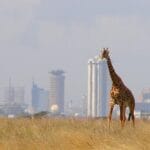
Nairobi doesn’t have to be expensive to be unforgettable. Whether you’re a backpacker, student traveler, solo explorer or value‑conscious tourist, Kenya’s capital hums with energy that budgets can handle. This guide shows you how to experience Nairobi’s culture, wildlife, food, and day trips without draining your wallet. From lush parks hosting free wildlife to bustling local eateries and easy, affordable transport ideas, here’s your blueprint for exploring Nairobi without overspending. Why Nairobi Works for Budget Travelers Nairobi sits at the crossroads of cosmopolitan vibrance and natural wonder. You can sip coffee in leafy cafes, stroll urban parks in search of giraffes, or catch local matatus weaving through colourful streets — all for less than you might expect in other global capitals. What makes Nairobi especially appealing for budget travel? This guide maps out all of these — from what to see and where to eat to how to get around without overspending. Also Read: Nairobi Color Run: Fitness, Fun, and Festival Vibes Low‑Cost Attractions in Nairobi Whether you’re flying solo or travelling with family, Nairobi has a surprising range of low‑cost or free places worth your time. 🐘 Nairobi National Park (Low Entry) Imagine seeing giraffes against a skyline of skyscrapers — that’s Nairobi National Park. Entry fees are affordable compared to most safari destinations, and the park is just a short ride from the city centre. Go early for the best wildlife sightings. Budget Tip: Self‑drive if you have a vehicle, or share a ride with fellow travellers to split fuel costs. 🌿 Nairobi Arboretum (Free / Donation) A green haven north of the city centre, the Arboretum is perfect for picnics, nature walks and birdwatching without paying an entrance fee. Bring a packed lunch and a good book and spend a tranquil morning under mature trees. Why it’s great: Free entry and close to popular neighbourhoods like Kileleshwa and Lavington. 🖼️ Kenyatta International Conference Centre (KICC) – Rooftop Views The KICC isn’t just a conference venue — you can pay a small fee to go up to the Helipad Viewpoint and see Nairobi’s skyline stretch to the Ngong Hills. Tip: Go at sunset for spectacular golden light and memorable photos. 🏛️ Free Museums & Cultural Spaces These spaces deliver deep local insights without hefty price tags. 🎨 Street Art & City Walks No entry fee required! Nairobi’s inner suburbs like Westlands, CBD, and South B have colourful murals and public art waiting to be discovered on foot. Budget walk tip: Pair this with a stop at a roadside chai stall for an ultra‑local experience. Budget‑Friendly Restaurants (Real Meals for Less) One of the best ways to experience Nairobi is through its food — and you don’t need upscale restaurants to taste Kenya’s flavours. Here’s where to eat well without overspending: 🍛 Local Eateries & Street Food Eat like a local: Try nyama choma (grilled meat) with friends and order a plate of kisumu ng’ombe stew if available. ☕ Budget Cafes & Bakeries These cafes are perfect for a slow morning or a midday recharge without a heavy bill. 🍲 Fuel Stop Food Courts Many malls like The Junction and Sarit Centre have food courts featuring local and international stalls. You can mix and match for a meal within a modest budget. Pro tip: Go during lunch hour deals for the best value. Affordable Day Trips from Nairobi Nairobi’s central location makes it ideal for affordable day excursions to nature, culture and scenic spots. 🦒 Day Trip to Nairobi Safari Walk A short, budget‑friendly visit to this wildlife trail lets you see rescued animals and learn about conservation. It’s a great way to get a safari vibe without booking an expensive tour. Cost‑saving idea: Bring snacks and drinks to avoid souvenir shop prices. 🏞️ Mount Longonot (Budget Hiking) If you’re an outdoors person, consider a hiking trip to Mount Longonot — reachable by matatu from Nairobi with a small entry fee at the gate. The hike rewards you with breathtaking crater views. How to get there cheap: Shared minibus to Naivasha and then taxi‑share to the trailhead. 🌊 Lake Naivasha on a Dime Lake Naivasha isn’t just for pricey lodges; budget travellers can take a matatu from Nairobi, walk the lakeshore and enjoy biking or boat rides at friendly prices. Budget activity: Picnic by the lake with local snacks bought at town markets. 🦓 Visit Elsamere (Crane Estate) The former home of Joy Adamson (of Born Free fame) sits on the shores of Lake Naivasha. Entry is affordable and includes a chance to see wildlife and lake views. Pro tip: Pack water and snacks to keep costs down. Getting Around Nairobi Without Breaking the Bank Transport can be one of the biggest costs of travel — but in Nairobi, there are plenty of budget‑savvy options. 🚍 Matatus (Local Minibuses) Matatus are the backbone of Nairobi transport — colourful, lively, and extremely affordable. Routes criss‑cross the city, reaching places that buses and trains don’t. 🚆 Nairobi Commuter Train The commuter rail links key suburbs like Muthaiga, Syokimau, and Kikuyu to the city centre. It’s comfortable, quick, and cheap. Tip: Avoid rush hours if you prefer more space. 🚖 Rideshares (Selective Use) If you need a taxi, use Uber, Bolt, or Little Cab for short hops — especially when matatus aren’t convenient. Budget hack: Walk to a known landmark to reduce pickup distance and fare. 🚲 Pedestrians & Walking Tours Many parts of Nairobi are wonderfully walkable — especially CBD, Kileleshwa, Westlands and Loresho. Pack comfortable shoes and explore street markets, parks and street art free on foot. Smart Budget Travel Tips for Nairobi To stretch every shilling, consider these practical tricks: 💧 Carry a Reusable Water Bottle Tap water in most areas isn’t drinkable — but refill stations and shops offer cheap refills, saving on bottled water. 🥪 Picnic Instead of Dining Out Every Meal Pick up fresh fruit, mandazi, bread and chai from local shops and enjoy a picnic in Uhuru Park or Aga Khan Walk. 📱 Use
What Things Cost in Kenya: From Chapati to Apartments

Whether you’re planning a long stay in Nairobi, a road trip through the Rift Valley, or you’re budgeting for everyday life in Kenya, understanding what things cost is one of the most useful pieces of planning you can do. Kenya’s economy has a vibrant mix of formal and informal pricing — with noticeable differences between what locals pay and what tourists often see. This guide breaks down common daily prices across major categories, provides local vs tourist pricing, and offers real examples from shops, rides, and rentals. Consider it your practical, scannable companion to budgeting in Kenya. Everyday Food & Drink Food is where most people notice price differences first. Kenya’s culinary culture — from roadside maandazi and chapati to nyama choma and fresh juice — is affordable, fresh, and varied. Street & Local Eateries (What Locals Pay) These prices are typical at kibandas and local cafés — budget friendly and filling. Restaurant & Tourist Eats Tourist‑oriented restaurants — especially in Nairobi, Mombasa, and national park lodges — often include service charges and higher margins on imported items. 👉 Pro Tip: Many Kenyan hotels and safari camps include breakfast — reducing daily costs considerably. Also Read: Foodie’s Guide to Coastal Festival Cuisine Groceries: Shopping Like a Local Buying groceries in Kenya varies depending on whether you shop at a local market (soko) or a supermarket chain. Market (Soko) Prices Local markets are where most Kenyan households do their weekly shopping. Prices change with seasons and weather patterns — especially for produce. Supermarket Prices Supermarkets like those in Nairobi and Mombasa also stock imported goods with higher price tags. Transportation: Rides & Routes Getting around Kenya is affordable with plenty of choices — from matatus and boda bodas to ride‑hailing and long‑distance buses. Within Cities Usage depends on distance, traffic, and times of day. Ride‑hail services add convenience and safety especially at night or with luggage. Between Cities Long‑distance buses and the SGR (Standard Gauge Railway) are reliable and often more comfortable than private shuttles — especially for longer journeys. Accommodation: From Homestays to Apartments How much your stay costs is one of the biggest budget decisions — and Kenya has a wide range. Budget Lodging & Hostels Mid‑Range Hotels Long‑Term Rentals (Real Examples) These long‑stay rates are common in Nairobi and Mombasa. Smaller towns often have lower rents. Utilities (water, electricity, internet) are typically separate. 👉 Budgeting Tip: If you’re planning a long stay, local landlords often prefer a 6–12 month lease with deposits. National Parks, Tours & Activities Kenya’s wildlife and landscapes are legendary — and experiences vary widely in price. Costs reflect conservation fees, guiding expertise, vehicle use, and seasonal demand. Always compare packages locally and ask for inclusive pricing. Communication, SIM & Internet Staying connected in Kenya is easy with local SIM cards. Major providers offer tourist prepaid plans with good coverage — especially in urban areas. Ask for help topping up at kiosks if you’re unfamiliar. Local vs Tourist Pricing: What to Expect Kenya’s pricing landscape includes a few clear patterns: What Locals Usually Pay What Tourists Often Encounter 💡 Savvy travelers combine both worlds: frequent local eateries for some meals, and splurge for special dinners or experiences. Real Examples: Shops, Rides, Rentals Let’s ground this in real life: These examples reflect average patterns — prices vary slightly by neighbourhood, demand, and time of year. Scannable Daily Budget Examples Budget Type Daily KES What You Can Cover Shoestring 800–1,200 Local eats, public transport Comfortable Local 1,500–3,000 Mid‑range meals, ride‑hail Tourist Mixed 3,000–7,000 Tours, meals, safaris Use this as a starting point — then adjust for your style. How to Stretch Your Kenyan Shilling 1. Eat where locals eat. Small cafés and street stalls offer authentic, cheap meals. 2. Take local transport. Matatus and boda bodas are affordable; ride‑hail fits well for short hops with luggage. 3. Book long stays locally. Landlords often reduce monthly rates if you negotiate in person. 4. Combine experiences smartly. Bundle park fees, guiding, and transport in one quote to avoid hidden extras. FAQ: What Things Cost in Kenya 1: What is the average cost of a chapati in Kenya? A single chapati costs between KES 30 and KES 60 at local eateries. 2: How much does rent cost in Kenya for a 1-bedroom apartment? Monthly rent for a 1-bedroom ranges from KES 15,000 to KES 45,000 depending on the location. 3: Do tourists pay more than locals in Kenya? Yes. Park entry fees, restaurant pricing, and some services have higher rates for non-residents. 4: What is the price of basic groceries in Kenya? Common prices: maize flour (2kg) KES 180–350, eggs (12) KES 180–300, onions (1kg) KES 70–120. 5: How much does a meal cost in a Kenyan restaurant? Local meals range from KES 150–300. Tourist restaurants charge KES 600–1,500+ per plate. 6: Is public transport in Kenya cheap? Yes. Matatu rides cost KES 30–60. Short boda boda trips are KES 100–300. 7: How much does the train from Nairobi to Mombasa cost? Standard Gauge Railway (SGR) economy tickets cost around KES 1,000–1,500 one-way. 8: Can you live in Kenya on a small budget? Yes. Many locals live comfortably on KES 25,000–50,000 per month by using local transport and markets. 9: What’s a fair daily budget for a tourist in Kenya? A mixed-budget traveler should plan for KES 3,000–7,000 per day, including meals, transport, and activities. 10: Is bottled water expensive in Kenya? No. A 500ml bottle costs between KES 50 and KES 120 depending on the brand and location.
Kenya Travel Money Tips: Currency, Cards, and Cash Safety

Where to Exchange, ATM & Card Advice, and Smart Cash Handling for Your Kenya Trip Traveling in Kenya is an unforgettable experience — from wildlife safaris and tropical beaches to vibrant cities like Nairobi and Mombasa. But to enjoy Kenya without money stress, you need a solid plan for managing your cash, cards, and currency exchanges safely. This practical guide covers Kenya travel money tips you won’t want to miss: where to exchange money safely, navigating ATMs and withdrawals, smart card use abroad, mobile payment options, and how to keep your money secure throughout your trip. Whether you’re budgeting for food in a local market or paying park fees on safari, these travel money tips help you make confident decisions and avoid common pitfalls. Here’s everything you need to know about handling money in Kenya. Understanding Kenya’s Currency & Money System The Kenyan Shilling (KES) Kenya’s official currency is the Kenyan Shilling (KES), often written as KSh or simply Shilling. The most common denominations include KSh 50, 100, 200, 500 and 1,000 notes, with coins used for smaller amounts. Other Currencies Accepted While KES is the standard for most daily transactions, US dollars (USD) are widely accepted in tourist areas, hotels, and safari lodges. Euros are occasionally accepted, but less common, and British pounds are the least common of the three. Always expect change in Kenyan Shillings. Where to Exchange Money Safely in Kenya Best Places to Exchange Foreign Currency When planning your money strategy, exchanging your cash safely is a priority. Kenya travel money tips generally recommend these secure options: 💡 Money Safety Tip: Always use licensed forex bureaus or banks — avoid unofficial street exchangers or “black-market” deals, as these can involve counterfeit currency or fraud. ATM Access and Card Withdrawals Using ATMs in Kenya ATMs are a convenient way to get local currency and often provide competitive exchange rates compared with exchange counters. There are thousands of ATMs in major Kenyan cities, malls, airports, and banks. Accepted Cards & Networks Most ATMs dispense only Kenyan Shillings (KES), so you won’t be able to choose another currency. Withdrawal Fees & Limits Foreign cardholders often incur fees — both from the Kenyan bank and your own bank. Typical ATM charge ranges are moderate, and withdrawal limits vary by bank, often around KSh 40,000 to 100,000 per day. 💡 Money Safety Tip: Choose ATMs inside banks, shopping malls, or secured buildings rather than standalone machines to reduce fraud risk and ensure a safer environment. Smart Trends: Cash, Cards, and Mobile Money in Kenya When to Use Cash vs Card Cash remains essential in many parts of Kenya, especially outside big cities. Smaller restaurants, markets, local taxis and rural businesses often prefer cash. Cards — particularly Visa and Mastercard — are widely accepted in larger hotels, upscale restaurants, shopping malls, and for online bookings. 💡 Travel Money Tip: Always carry a mix of cash and cards to cover different scenarios, and use cash where cards aren’t accepted. Mobile Money: M-Pesa One of the biggest innovations in Kenya’s financial system is M-Pesa, a mobile money platform that lets users send, receive, store and pay funds via phone. M-Pesa is ubiquitous and widely accepted, even in rural areas. Visitors can register on M-Pesa with a local SIM card (e.g., Safaricom) and use it to transfer money, pay bills, do shopping, and send money securely without carrying large amounts of cash. Handling Cash Safely in Kenya Cash Safety Strategies Carrying large amounts of cash can make you a target for theft or loss. Use these Kenya travel money tips for better security: Avoiding Scams and Card Fraud ATM fraud and card skimming can happen anywhere. Some classic precautions include: 💡 Pro Tip: Keep your bank’s emergency contact on your phone in case you need to block a lost or stolen card immediately. Payment Tips for Specific Situations Safaris and Rural Travel On safari or in remote areas, ATMs are rare, and many camps, lodges, or local guides prefer cash (KSh) or M-Pesa. Plan ahead and withdraw sufficient cash in cities before heading into remote areas. Some safari lodges may accept card payments, but it’s usually best to confirm in advance to avoid unexpected issues. Tipping and Small Purchases Kenya’s tipping norms (e.g., for guides or service staff) are often handled in cash, so ensure you have small denominations like KSh 50, 100, 200 or 500 for tips. In markets or small eateries, cash is king — many vendors don’t have reliable card terminals. Avoiding Hidden Fees & Maximizing Value Exchange Rates and Surcharges When exchanging money, always check the offered rate and any fees attached. Banks may offer excellent security but sometimes less competitive rates than forex bureaus. For ATM withdrawals, avoid “accept conversion” prompts that charge poor exchange rates; instead choose to withdraw in Kenyan Shillings (without conversion) so your card’s bank applies the rate. Inform Your Bank Before Travel Informing your bank about your travel plans helps prevent unexpected card blocks for “suspicious activity” when your card is used in Kenya. Wrap-Up Mastering your travel money strategy is essential for a smooth Kenya trip. The key Kenya travel money tips include understanding the local currency (KES), safely exchanging money through banks or licensed forex bureaus, using ATMs wisely, combining cash with card and mobile payment options like M-Pesa, and keeping your cash safe with smart habits. With these practical tools and precautions, you’ll be prepared to enjoy Kenya’s breathtaking landscapes, wildlife, cities and culture — without money headaches. 10 Frequently Asked Questions (FAQs)
Relocating to Kenya Permanently: Financial Planning and Lifestyle Adjustments You Must Make

Moving your life to a new country is one of the boldest, most exciting decisions you can make. Kenya—with its rich cultures, stunning landscapes, welcoming communities, and growing economy—continues to draw long‑term residents from around the globe. But relocating permanently isn’t just an emotional choice; it’s a financial and logistical one. Whether you’re drawn by work opportunities, retirement in the sun, starting a business, or raising a family, you need a clear understanding of visa requirements and costs, healthcare options, education systems, and long‑term budgeting in Kenya. Getting these right from the start will protect your finances, your wellbeing, and your peace of mind as you embark on this new chapter. Also Read:Best Times to Visit Kenya: A Complete Guide for Every Season In this guide, we break down the key areas every serious mover should plan for. 1. Visa Types and Costs: Your First Big Step Before you can even begin life in Kenya, you must have the right legal status to live here long‑term. Common Visa Categories for Permanent Relocation Here’s an overview of the main visa types people pursue when planning permanent relocation: 1.1. Work Permit If you’ve secured a job with a Kenyan company, this is the most common route. Pros: Legally employed, stable status.Cons: Tied to employer—changing jobs means new permit. 1.2. Business Permit Ideal for entrepreneurs and investors. Pros: Freedom to operate a business long‑term.Cons: Higher initial cost and compliance obligations. 1.3. Retiree/Dependent Visas While Kenya doesn’t have a formal “retirement visa,” some long‑term residents use alternative paths: Pros: Path to long‑term status.Cons: Requires proof of support/income. 1.4. Permanent Residency After several years of continuous legal residency on work, business, or other eligible permits, you can apply for permanent residence. Approximate Costs (Indicative Only) Visa and permit fees can change; always check the Department of Immigration Services (Kenya) for current schedules. Tip: Factor in government fees, legal support costs, medical exams, and renewal fees in your relocation budget. 2. Public vs Private Healthcare: Choosing What Works for You Kenya’s healthcare system blends public services with private providers. Understanding the difference will save you money, time, and stress. 2.1. Public Healthcare Kenya’s public system offers affordable care, but with trade‑offs: Pros Cons Public hospitals operate under the National Health Insurance Fund (NHIF), which subsidizes care for enrolled members. 2.2. Private Healthcare Private hospitals and clinics provide higher quality service, shorter waits, and international‑standard treatment in major cities like Nairobi, Mombasa, Kisumu, and Eldoret. Pros Cons 2.3. Health Insurance in Kenya Many expats choose comprehensive private health insurance or international plans that cover private facilities. Popular options include local HMOs and internationally underwritten expatriate plans. Budget Tip: Plan for premiums plus co‑pays and out‑of‑pocket costs. Factor healthcare into your annual budget early. 3. International vs Local Schools: Education for Your Children If you’re relocating with family, schooling decisions are central to your planning. 3.1. International Schools International schools follow foreign curricula such as: These schools cater to global families and often have robust extracurricular programs. Pros Cons 3.2. Local Kenyan Schools Kenyan national schools, both public and private, follow the Competency‑Based Curriculum (CBC) for younger learners and offer depth in arts, sciences, and languages. Pros Cons 3.3. Costs to Expect Tuition varies widely: Pro Tip: Visit schools before enrolling. Ask about textbooks, uniforms, transport, and extra activities, as these affect annual costs. 4. Long‑Term Budgeting: What You Really Need to Plan Relocating isn’t a one‑time expense. To thrive in Kenya long‑term, you need a realistic budget that covers both expected and unexpected costs. 4.1. Housing and Utilities Rent or Purchase? Rent costs vary by city and neighborhood. Utilities (electricity, water, internet) should be factored into monthly budgets. 4.2. Daily Living Expenses 4.3. Emergency Fund Always keep a contingency fund for: A good rule of thumb: set aside 3–6 months of living expenses in accessible savings. 4.4. Long‑Term Savings Plan for: Consider diversifying accounts using Kenyan banks and trusted international services. 5. Lifestyle Adjustments: Beyond Money Relocation isn’t just about finances. You’ll experience social and cultural shifts worth preparing for. 5.1. Language Landscape English and Swahili are official languages. You’ll find most business, schooling, and government services in English, with Swahili common in daily life. Learning basic Swahili goes a long way toward deeper connection. 5.2. Social Norms and Culture Kenyan communities value respect, greetings, and hospitality. Understanding etiquette around elders, dress, and public spaces enhances your experience. 5.3. Weather and Geography From Nairobi’s mild highlands to the coastal warmth of Mombasa and Lamu, Kenya offers varied climates. Location affects: 6. Practical Steps to Get Started 6.1. Visit Before You Commit Spend a few weeks exploring: 6.2. Build Your Budget in Local Currency Kenya uses the Kenyan Shilling (KES). Track your cash flow in both KES and your home currency to understand exchange impacts. 6.3. Open a Local Bank Account You’ll need one for: Most banks require passport, proof of address, and reference letters. 6.4. Connect with Communities Online forums, expat groups, and local meetups help you: 7. Why Relocating to Kenya Works for Long‑Term Movers Kenya has become a magnet for global citizens because it offers: While no relocation is without challenges, planning your finances and lifestyle choices before making the move dramatically increases your chances of long‑term success. 8. Quick Checklist Before You Move ✅ Choose visa category and begin application✅ Estimate total relocation cost (incl. permit, travel, housing)✅ Research healthcare and insurance options✅ Visit potential schools and assess costs✅ Budget for housing, utilities, transport, groceries✅ Open a local bank account✅ Learn key Swahili phrases✅ Build emergency and savings funds 9. FAQs 1: How long is a Kenyan work permit valid? Work permits usually range from one to three years and are renewable. 2: Can foreigners buy property in Kenya? Foreigners typically acquire long‑term leases (common 99‑year lease), while freehold land is restricted. 3: Is private healthcare necessary? While optional, private healthcare is recommended for quality and speed, especially in urban centers. 4: Are international schools expensive? Yes, international school tuition is often one
Living Well in Kenya on Any Budget: Lifestyle Tips for Tourists, Digital Nomads, and Expats

Kenya is one of Africa’s most vibrant and varied countries — a place where urban energy meets sweeping savannahs, where coastal breezes kiss coral reefs, and where the rhythms of city life mingle with rural serenity. For visitors, digital nomads, and long‑term expats alike, Kenya offers a compelling lifestyle: rich cultures, flavorful cuisine, nature at your doorstep, and diverse communities. And with some smart budgeting and local knowledge, you can live well here on almost any budget, without sacrificing comfort or experiences. In this guide, we’ll walk through where to find affordable housing, how to stretch your food budget by balancing eating local and cooking at home, and how to enjoy entertainment, travel, and work‑life balance that fits your lifestyle — whether you’re here for weeks, months, or years. Also Read: Traveling with Children in Kenya: Safe & Fun Family Travel Guide 1. Affordable Housing: Finding the Right Home for Your Budget The biggest monthly expense for most residents and long‑stay visitors in Kenya is housing. But “affordable” looks very different depending on where you live — and your expectations for amenities, safety, and convenience. Where to Live on a Budget Here’s a quick look at locations and what you might expect: 🏙 In and Around Nairobi Nairobi is Kenya’s economic and cultural hub, drawing expats, entrepreneurs, professionals, and creatives. It’s also the most expensive city to rent in, but you can still find affordable options with savvy choices: By contrast, upscale areas like Westlands, Kilimani, Kileleshwa, and Muthaiga are beautiful — with cafes, malls, and amenities — but come with premium prices. 🌆 Other Kenyan Cities If you’re looking for even more economical living: 🏘 Rural & Semi‑Urban Areas Smaller towns and villages outside the big cities can be significantly cheaper — and offer a slower pace of life. These can be ideal for digital nomads who can work remotely without needing the buzz of a metropolis. Rent Tips for Every Budget 2. Eating Local vs Cooking at Home: Stretching Your Food Budget Kenya’s culinary scene is wonderfully diverse. Whether you’re craving nyamachoma by a bonfire or fresh fish at the coast, there’s flavour to suit every budget. Eating Local: A Win for Your Wallet One of the biggest ways to save is by embracing local food. Markets all over Kenya — especially in Nairobi, Mombasa, Kisumu, and Nakuru — brim with fresh, affordable produce: vegetables, fruits, grains, and local staples like ugali, githeri, and sukuma wiki. Enjoying local food isn’t just affordable — it’s a way to connect with Kenyan culture. Street food, like mutura (grilled sausage), samosas, and chapati from food stalls, can cost just a few dollars a meal — far cheaper than imported or “Western” foods. Benefits of Eating Local: Cooking at Home: Control Your Costs If you’re staying in accommodation with a kitchen — whether a serviced apartment, Airbnb, or long‑term rental — cooking can be your biggest cost saver. Smart Cooking Tips: Balance: Eat Out Enjoyably Without Overspending Dining out doesn’t have to break the bank. Set a simple rule:➡️ Treat a local meal as part of your cultural adventure — and reserve upscale restaurants for special occasions. A meal at an inexpensive local restaurant in Kenya typically costs just a few dollars, whereas high‑end restaurants and imported cuisines cost more. 3. Entertainment, Travel, and Work‑Life Balance: Experience Kenya While Staying Grounded Entertainment on Any Budget Kenya’s social life is as diverse as its landscape: 🎶 Local music and culture: From live benga and Afro‑fusion at casual bars to open‑air dance nights, local music venues are lively and often inexpensive. 🎭 Arts & museums: Nairobi, Mombasa, and Kisumu host art galleries, theatres, and exhibits — many with affordable entry fees. ☕ Cafes & coworking: Work doesn’t have to be rigid. Find a local café with strong Wi‑Fi — Kenya has an expanding café culture perfect for digital nomads and remote workers. 🎟 Outdoor movie nights & pop‑ups: These are great ways to mingle with locals and expats. Many are low‑cost or donation‑based. Travel: Explore Kenya Without Breaking the Bank Kenya packs stunning landscapes — from savannas to lakes, mountains to beaches. Budget‑Friendly Travel Tips: Whether you’re chasing sunsets at Diani Beach or hiking the slopes of Mount Kenya, plenty of budget travel options exist — especially when you embrace local guides and community‑led tours. Work‑Life Balance: Blend Productivity & Adventure Kenya’s rising community of remote workers means you can work hard — and play hard — too. Work Tips: This blend keeps life dynamic and fosters meaningful experiences with local culture, nature, and community. 4. Why Kenya Works for Tourists, Nomads, and Residents Kenya’s pull is easy to understand: 🌍 Affordable Living: Compared to Europe and North America, the cost of housing, food, and daily needs are considerably cheaper, especially if you adapt to local ways. 🍛 Culinary Diversity: From bustling markets to street food stalls and seaside joints, food in Kenya is delicious, varied, and budget‑friendly. 🏖 Natural Beauty Everywhere: Parks, beaches, forests, and lakes invite exploration; you’re never far from an adventure. 💼 Growing Remote Work Ecosystem: Whether you’re here to launch a startup, freelance, or write, communities exist to support your lifestyle. 📍 Blend of Tradition and Modernity: Kenya is rooted in rich cultures while embracing innovation, making it a unique place to live, work, travel, and grow. 5. Practical Budgeting Tips for Every Lifestyle Here are evergreen tips to thrive in Kenya — no matter your budget: 🧠 Budget with Local Insight: Know average prices for groceries, transport, and rent before you commit.📅 Plan Experiences Around Local Events: Festivals, public markets, and cultural events are inexpensive and memorable.🤝 Mix Local & Expat Social Circles: You’ll gain tips and invitations that open doors to affordable options.🏡 Consider Shared Living or Coliving: Especially for longer stays — this cuts costs and combats loneliness. Living Well in Kenya on Any Budget Kenya beckons with a lifestyle that’s both rich and reachable. Tourists can stretch dollars with local eats and smart planning,
How to Manage Money in Kenya as a Foreigner: Banking, Mobile Money, and Daily Payments

Kenya welcomes thousands of foreigners each year. Whether you are visiting, working, or settling for the long-term, managing your money is one of the first practical steps.This guide offers clear instructions on opening a bank account, using mobile money like M-Pesa, handling cards and cash, and staying safe with currency exchange. Geographic Orientation Kenya is located in East Africa, with Nairobi as its capital and economic hub. Mombasa, Kisumu, and Nakuru are major urban centers. The official currency is the Kenyan Shilling (KES). English and Kiswahili are widely spoken. Why Money Management Matters Efficient money management gives you independence and peace of mind.Banks and mobile money providers have simplified processes for foreigners. Whether you need to pay rent, shop, or send money back home, understanding local options saves you time and stress. Opening a Bank Account as a Foreigner in Kenya Who Can Open an Account? Foreigners with valid documentation can open personal or business accounts in Kenya. Most major banks welcome expatriates, students, volunteers, diplomats, and long-term travelers. What You Need Prepare these essentials: Steps to Open an Account Tip: Ask for a multi-currency account if you expect to receive/send money internationally. Also read: Affordable Travel to Kenya: Your Guide to Cheap Travel Using M-Pesa and Other Mobile Wallets Kenya is world-famous for mobile money. Over 90% of adults use it. The most popular is M-Pesa.Others include Airtel Money and T-Kash. How to Register for M-Pesa as a Foreigner Once activated, you can: Limits and Costs Other Wallets Why Use Mobile Money? Card vs Cash: Where and How to Pay Cash Where Cards Don’t Work Card vs Cash Summary Table Payment Type Where Used Key Tip Debit/Credit Card Hotels, malls, big shops Always carry backup cash Cash Markets, taxis, rural areas Withdraw during daylight Mobile Money (M-Pesa) Nearly everywhere Top up at agents as needed Currency Exchange and Safety Tips Currency Exchange Safety When Handling Money How to Get the Best Rates Digital Security Cultural Insights for Money Matters Common Mistakes and Scams to Avoid FAQ: Managing Money in Kenya as a Foreigner
Tourist vs Resident Life in Kenya: Financial Decisions That Change Everything

Kenya is a dynamic land of sweeping savannahs, bustling markets, and modern cities — where life for a visitor rarely matches the everyday reality of someone who calls this place home. The financial choices you make here — whether you’re visiting for a short holiday or living long‑term — can vary wildly, shaping not only your budget, but your experience, comfort, and ease of life. In this guide, we unpack the money decisions that most affect short‑term tourists versus long‑term residents — from daily spending and accommodation to communications, banking, hidden costs, and smart strategies that locals use to stretch every shilling. Also Read: Nairobi City Guide: Exploring Kenya’s Bustling Capital Why Money Matters Differently for Tourists and Residents As a tourist, you’re here for a defined period — days, weeks, maybe a few months. Your spending is often focused on convenience, experiences, safety, and memories. Tourists aren’t usually planning meals for a month, long‑term rentals, or navigating local bank fees. Residents, on the other hand, budget for life: food every day, rent or mortgage over years, mobile and data needs, local transport, banking systems, and long‑term cost savings. Understanding the contrast between these lifestyles helps you plan better — whether you’re coming for a safari holiday or considering moving to Kenya. Short‑Term Tourist Spending vs Resident Cost‑Saving Strategies Tourists Spend on Convenience Tourists typically pay a premium for convenience: For many visitors, the priority is comfort and ease — and that means paying rates designed for short stays. Residents Think in Weeks, Months, Years Locals organize money around longer timelines. Some strategies residents use: The more time you spend in Kenya, the more these long‑term habits start to make financial sense — even for extended holiday travelers. Renting vs Buying Property For Tourists: Short‑Term Rentals Most visitors stay in: These can be booked online with flexible check‑in/out dates. Tourists value flexibility, all‑inclusive services, and security. For Residents: Rent or Buy Once someone decides to stay longer — a year or more — renting becomes a smarter financial decision than nightly hotel rates. Financially, buying only makes sense if you’re certain you’ll be here for years. Rental gives flexibility without long‑term commitment. SIM Cards, Mobile Data, and Banking Options SIM Cards & Mobile Data Getting connected is one of the first decisions you’ll make on arrival. For tourists: For residents: Major networks like Safaricom, Airtel, and Telkom offer competitive data packages. Residents often sign up for recurring bundles to avoid frequent top‑ups and lock in discounts. Tip: Always carry your passport for SIM registration — Kenya requires this for all prepaid lines. Mobile Banking and Payments Kenya is a global leader in mobile money. Tourists Tourists might prefer: Residents Locals rely heavily on: Residents benefit from cost‑efficient peer transfers and widespread acceptance of mobile money for everyday transactions. Hidden Costs Foreigners Don’t Expect Even seasoned travelers can be surprised by: 1. VAT and Service Charges Many bills include a value‑added tax (VAT) and optional service charge — especially in hotels and restaurants. 2. Transport Surprises Ride‑hailing surge pricing can double fares at peak times. Local matatus are cheaper but more chaotic. 3. Sim Card Registration/Activation There’s sometimes a fee or minimum airtime requirement to fully activate and use a new SIM. 4. Banking Fees International card use can trigger withdrawal or exchange fees. 5. Tourist Levies In certain parks or conservancies, wildlife fees or conservation levies are added at entry. 6. Cash‑Only Vendors Many local vendors don’t accept digital payments — so always carry some local currency. One local saying sums it up well: “The price is what you pay, the value is what you get.” Knowing the true cost ahead of time makes your Kenya experience richer and your budget stronger. Why These Financial Differences Matter Understanding how money works in Kenya — whether you’re here briefly or making a home — affects: Low costs can be wonderful — but they sometimes come with trade‑offs in convenience or expectations. High costs can buy comfort — but sometimes at the expense of authentic local experiences. Practical Tips for Tourists Budgeting for a Short Visit Money Safety Tips Stretching Your Shilling Money Wisdom from Residents Stretch Long‑Term Costs Financial Tools Residents often say that mastering money isn’t just about saving — it’s about knowing where to spend and where to cut back. Whether you’re stepping off a plane for the first time or unpacking suitcases for a long‑term stay, Kenya challenges you to think differently about money. Tourists experience the thrill of adventure — and sometimes the shock of unexpected costs. Residents build routines that weave financial savvy into daily life. Understanding the financial decisions that shape these two lifestyles isn’t just practical — it’s empowering. With insight and preparation, you can make Kenya fit your budget and your life — whether for a short stay or a life chapter that lasts years. FAQs 1: How much should a tourist budget per day in Kenya? Daily budgets vary. Budget travelers can spend under KSh 5,000. Mid‑range travelers average KSh 8,000 to KSh 15,000. Luxury safaris cost more. 2: Is Kenya expensive for long‑term living? It depends on your lifestyle. Nairobi and Mombasa are pricier, but living in smaller towns with local habits lowers monthly costs. 3: Should I rent or buy property if I plan to stay a year? Rent. Buying makes sense only with long‑term legal status and local insight. Most expats and residents start with a 6–12 month lease. 4: Are there hidden charges tourists should expect?Yes. VAT, service charges, park entry fees, mobile SIM costs, and airport transfers often surprise short‑term visitors. 5: Is mobile money like M‑Pesa safe for foreigners to use?Yes. M‑Pesa is safe, reliable, and widely accepted. Tourists need a local SIM and passport to register. 6: What’s the best way to get mobile data in Kenya?Buy a local SIM from Safaricom, Airtel, or Telkom. Long‑term bundles are cheaper. Avoid airport vendors if possible — prices are higher. 7: Can foreigners open a bank
Renting in Kenya: What Ksh 20,000 to 200,000 Gets You in Different Cities

Visuals and Descriptions of Actual Rentals, Lease Terms, Deposits, and Expectations Renting in Kenya can feel like navigating a maze — property types, neighborhood prices and leasing terms vary greatly from one city to another. Whether you’re a student on a tight budget, a young professional, or relocating with family, knowing what renting in Kenya looks like from Ksh 20,000 to 200,000 per month helps you plan your housing, avoid scams, and pick the right neighborhood. In this article, we’ll break down what your rental money gets you in Nairobi, Mombasa, Kisumu, Nakuru and Eldoret, explain typical lease terms, deposits and agent roles, and give detailed, real-world descriptions of common rentals across price ranges. By the end, you’ll understand both affordable and premium renting in Kenya and how to make the most of your budget. Renting in Kenya: An Overview of Rental Prices The Rental Market in Kenya Today Renting in Kenya varies hugely by city, neighborhood, building type and amenities — from basic single rooms for Ksh 20,000 to luxury family homes exceeding Ksh 200,000 monthly. According to market listings, the average rent for a 1-bedroom apartment can range from around Ksh 15,000 to Ksh 30,000, a 2-bedroom from Ksh 20,000 to Ksh 45,000, a 3-bedroom home from Ksh 30,000 to Ksh 80,000, and 4-bedrooms upward of Ksh 50,000 to 150,000+ depending on city and security features. Influencing Factors Several factors affect how much you pay when renting in Kenya: Understanding these basics helps you know what to expect at each price point in different cities. Renting in Nairobi: Capital City Prices & Expectations Overview of Nairobi Rental Prices As Kenya’s largest city and economic hub, renting in Kenya (Nairobi) usually commands the highest prices. The average rent in Nairobi is around Ksh 120,000 per month for apartments on major listings, but options span from below Ksh 20,000 to over Ksh 450,000 depending on size and location. What Ksh 20,000 Gets You in Nairobi At around Ksh 20,000 a month, you can often find: These may lack amenities like reliable water, security gates or parking, but they serve well for tight budgets. Mid-Range Options (Ksh 50,000 – 120,000) Between Ksh 50,000 and Ksh 120,000, renters in Nairobi can expect: These units are ideal for small families, professionals, and roommates. Premium Rentals (Ksh 120,000 – 200,000+) At the top end of the range for renting in Kenya (Nairobi), you’ll find: These are popular with expatriates, executives, and larger families. Renting in Mombasa: Coastal City Living Coastal Rental Patterns Compared with Nairobi, renting in Kenya (Mombasa) can be more affordable — particularly if proximity to the beach isn’t a priority. Average rentals here tend to be lower, though prime beachside areas command higher rates. Budget Rentals (Ksh 20,000 – 40,000) With about Ksh 20,000 to 40,000, you can rent: Mid to High Range (Ksh 40,000 – 90,000) For Ksh 40,000 to 90,000, renters often see: Renting in Other Kenyan Cities: Kisumu, Nakuru & Eldoret Mid-Size City Options Renting in Kenya outside Nairobi and Mombasa often stretches your money further. Kisumu In Kisumu — a major city on Lake Victoria — prices for rentals are generally lower. Some areas like Kondele have been known for modest rents around Ksh 15,000–Ksh 20,000 for two-bedrooms in past years. Modern apartments in safer estates will cost more but still tend to be cheaper than in Nairobi. Nakuru & Eldoret Cities like Nakuru and Eldoret offer even more affordable options: These cities are popular with families, local professionals and students alike. Lease Terms, Deposits & Agent Roles Typical Lease Agreements When renting in Kenya, lease terms can vary: It’s crucial to get everything in writing before moving in. Deposits & Advance Rent Expect to pay: Always confirm deposit and advance terms before signing. Agents & How They Help Estate agents can be valuable for: However, agent fees can add to costs, and direct landlord deals sometimes save money. Tools like BuyRentKenya and Property24 list properties that can be contacted directly. Real Examples of What You Can Get for Ksh 20,000–200,000 Ksh 20,000 – 40,000 Range These options are ideal for students, interns and small families. Ksh 45,000 – 90,000 Range Great for young families, professionals and sharers. Ksh 100,000 – 200,000 Range This range suits established professionals and families wanting comfort and convenience. Tips for Success When Renting in Kenya Inspect Before You Commit Always visit the property in person if possible. Photos can be misleading. Ask About Utilities Most rentals do not include water and electricity in the base rent — plan an extra Ksh 5,000–10,000+ for utilities. Check Deposits & Payment Terms Confirm deposit amounts and payment schedules to avoid surprises. Also read:How Much to Tip in Kenya: Restaurants, Guides, Drivers & Hotels Wrap-Up Renting in Kenya is a dynamic experience — your monthly budget of Ksh 20,000 to 200,000 can get you anything from a modest bedsitter to a spacious family home in an upscale estate. Neighborhood matters, and so do lease terms and deposits. With smart planning, good negotiation and awareness of market averages, you can find a rental that fits both your lifestyle and your budget. Make sure to use reputable agents or property platforms, inspect properties thoroughly, and always get lease terms in writing. 10 Frequently Asked Questions (FAQs) What should I budget for utilities in Kenya? Commonly Ksh 5,000–10,000+ per month depending on usage.
How Much to Tip in Kenya: Restaurants, Guides, Drivers & Hotels

Your Complete Guide to Tipping Norms, What’s Optional vs Appreciated, and Respectful Cultural Interactions Travelers to Kenya often ask one of the trickiest etiquette questions: How much to tip in Kenya? Tipping isn’t mandatory, but it’s a highly valued way to show appreciation for excellent service across restaurants, hotels, tours, safaris, and transportation. Understanding tipping norms and expectations ahead of your trip helps you travel respectfully, support local service workers, and avoid awkward money moments. In this comprehensive guide, we cover tipping in Kenya for everyday services—including restaurants, guides, drivers, hotels, porters, safari crews, spas, and taxis—while explaining what’s optional vs appreciated and how to tip respectfully within local custom. By the end, you’ll know how much to tip in Kenya with confidence. Understanding Tipping Culture in Kenya Is Tipping Mandatory in Kenya? Tipping in Kenya is not mandatory, but it’s widely appreciated, especially in tourism and hospitality sectors where service workers often rely on gratuities to supplement modest wages. In everyday urban settings, tipping may be sparing or optional, but in tourist areas, restaurants, hotels, and safari camps, gratuities are a familiar part of service culture. Always remember: a tip is a thank-you gesture, not an obligation. Kenyan Shillings vs Other Currencies Use Kenyan Shillings (KES) whenever possible. Small denominations are best, as bigger foreign notes (especially high USD bills) can be hard for recipients to exchange. If you don’t have KES, US dollars are also widely accepted for tips, but locals prefer local currency. Tipping in Restaurants & Bars Standard Restaurant Tipping In Kenyan restaurants, especially those frequented by tourists or in cities like Nairobi and Mombasa, a 10–15% tip of the bill is customary when the service is good. Some establishments may already include a service charge (often 10%) in your bill. If a service charge is included, no further tip is strictly required, though an extra small amount is appreciated for exceptional service. Casual & Local Eateries In casual local eateries or “khaimas,” tipping isn’t expected. However, leaving small change (50–100 KES) as a kind gesture is always appreciated when service is good. What About Bars and Cafés? At bars and cafés, rounding up the bill or leaving a small tip (e.g., KES 50–100) is polite. For more upscale cocktail bars or standout service, a slightly higher tip is welcomed. Tipping Hotel Staff & Accommodation Workers Porters, Housekeepers & Bellhops Hotel tipping in Kenya follows some informal, but widely accepted, norms: Concierge & Valet Services Concierge and valet staff who go above and beyond may be tipped ~200–500 KES depending on help provided, especially with reservations or special arrangements. Safari Camp & Lodge Staff In lodges and safari camps, tipping is more communal: many places have a gratuities box where you can leave a daily tip (commonly ~2,000–4,000 KES per room per day) that’s shared among the team. Some travelers also choose to hand tips directly to staff they connected with personally, such as waiters, kitchen staff, or camp attendants. Tipping Safari Guides & Drivers Safari Guides (Driver-Guides) Your safari guide typically does the most work: reading tracks, spotting wildlife, handling logistics, and ensuring safety. Because of their central role, tipping guides is customary and appreciated. A general guideline is USD 10–20 (or equivalent in KES) per guest per day of safari, depending on the length and quality of service. Drivers & Spotters Drivers and safari spotters (assistants who help locate wildlife) are often tipped separately from guides — typically USD 5–10 per person per day or small KES equivalent. Tipping Tour Guides & Excursion Leaders Tour Guides (City, Day Trips, Cultural Visits) For city tours, cultural excursions, or walking tours, tipping the guide 500–1,000 KES per day is typical (or equivalent to $5–$10 USD), depending on the tour length and engagement. If the guide made your experience particularly memorable with tailored insights or stories, consider tipping on the higher end of this range. Tipping Transport & Drivers Taxi & Ride-Hail Drivers Tipping taxi drivers isn’t expected, but rounding up the fare to the next convenient amount is a common and appreciated gesture. For longer journeys, tipping around 10% of the fare shows courtesy, especially if they helped with luggage or recommended routes. Private Drivers For private drivers (e.g., airport transfers or day hires), a tip of 10% of the total cost or 100–200 KES per day is polite if they provided excellent service. Tipping Spas, Salons & Special Services Spa & Wellness Therapists At spas or wellness centers, tipping 10–15% of the service cost is a good rule of thumb — similar to restaurant norms. Other Service Providers Services like hairdressers or barbers also appreciate tips in the 10% range, reflecting attention and skill. Respectful Tipping: Etiquette Tips Be Discreet & Respectful Tipping should always be done quietly and respectfully. Avoid discussing the tip amount loudly or making a public show, as this can be seen as boastful or inconsiderate. Check for Service Charges Always review bills in restaurants or hotels for a service charge (often around 10%). If it’s included and goes to staff, you may choose not to add an extra tip unless service was exceptional. Quality Over Obligation In Kenya, tipping is an expression of gratitude for good service — not a mandatory fee. You’re always welcome to adjust your tip based on satisfaction and your personal comfort. Why Tipping Matters Beyond Service Supporting Local Livelihoods Many service workers in Kenya depend on gratuities as a meaningful supplement to their income. Your tips often help support families and local communities. Building Respectful Cultural Connections When you learn how much to tip in Kenya and tip appropriately, you’re not just paying money — you’re engaging with local cultural norms in a respectful way that fosters goodwill. Also read:Cost of Living in Kenya, A Realistic Budget Guide for Tourists and New Residents Wrap-Up Understanding how much to tip in Kenya helps ensure your travel experience is respectful, smooth, and enriching. While tipping is optional, it’s widely appreciated and plays an important role in
Cost of Living in Kenya, A Realistic Budget Guide for Tourists and New Residents

Introduction Kenya attracts tourists, remote workers, retirees, and long stay visitors. Many arrive with rough assumptions about costs. Those assumptions often fail within the first week. Prices vary sharply by city, neighborhood, and lifestyle choice. This guide breaks down the real cost of living in Kenya using daily expenses and monthly estimates. The focus stays practical. The goal stays simple. You avoid budget shocks before arrival. Why understanding daily costs matters Kenya does not run on a single price system. Rent, food, transport, and healthcare shift fast between cities and even streets. A budget that works in Kisumu strains quickly in Nairobi. Coastal living brings different pressures than inland towns. Planning with averages alone leads to mistakes. Planning with context keeps you stable. Also Read:The Ultimate Guide to Group Travel to Kenya What daily life costs in Kenya Housing and rent Rent takes the largest share of monthly spending. Short stay visitors often pay higher rates due to furnished units and flexible terms. Long term residents gain leverage through leases and local referrals. Typical monthly rent ranges Utilities often sit outside rent agreements. Expect separate bills for electricity, water, garbage, and internet. Power costs fluctuate with usage and outages. Food and groceries Food spending depends on sourcing. Local markets remain affordable. Imported items push costs up fast. Daily food patterns Tourists tend to overspend during the first weeks by shopping where convenience overrides value. Long term residents learn market cycles and supplier habits. Transport Transport works through layered systems. Matatus serve most routes. Ride hailing apps operate in major cities. Private cars raise costs sharply due to fuel, parking, and maintenance. Typical transport spending factors Short stays favor taxis. Long stays often shift to matatus or monthly driver arrangements. Healthcare Healthcare quality varies by provider. Private hospitals deliver strong urban care. Public facilities handle basics with longer waits. Cost drivers Routine care stays manageable. Emergency care pushes budgets without coverage. Internet and utilities Internet reliability stays high in cities. Mobile data fills gaps during outages. Water supply varies by neighborhood. Monthly utility considerations City by city cost differences Nairobi Nairobi runs as the most expensive city. Rent and transport drive costs. Food choices span the widest range. Lifestyle inflation happens fast through dining, gyms, and social activities. Expect higher monthly totals with better service access and job opportunities. Mombasa Mombasa balances moderate rent with seasonal price shifts. Coastal humidity increases power usage. Fresh food prices benefit from port access and fishing. Beach proximity raises housing costs. Inland neighborhoods offer relief. Kisumu Kisumu offers one of the best cost value balances. Rent stays low. Transport remains simple. Food sourcing stays strong through local farming. Entertainment and housing variety remain limited compared to Nairobi. Smaller towns Smaller towns deliver the lowest living costs. Services stay basic. Healthcare access narrows. Internet reliability varies. These towns suit slow living, tight budgets, and cultural immersion. Monthly budget estimates Tourists Tourists pay premiums for flexibility, furnished housing, and frequent transport use. Monthly spending often lands in the mid to high range depending on city choice and travel pace. Long term residents Residents reduce costs through leases, local sourcing, and routine habits. Monthly spending stabilizes once systems fall into place. Key difference drivers Common budget mistakes to avoid Cultural spending habits Kenya values social connection. Small daily expenses add up through tea breaks, shared meals, and informal contributions. Planning space for social spending improves integration and comfort. Practical planning tips FAQs 1.What is the average cost of living in Kenya for one person Costs vary by city and lifestyle. Nairobi stays highest. Smaller towns stay lowest. 2.Is Nairobi more expensive than Mombasa Yes. Rent and transport push Nairobi higher for most residents. 3.How much should a tourist budget per month in Kenya Tourists should plan higher monthly spending due to short stay housing and transport habits. 4.Is healthcare affordable in Kenya Routine care stays affordable. Private emergency care raises costs without insurance. 5.Are groceries expensive in Kenya Local produce stays affordable. Imported items increase spending. 6.Which city offers the lowest living costs Smaller towns and Kisumu offer the lowest overall costs. 7.Do utilities cost much in Kenya Electricity and internet form the main utility expenses. Usage patterns drive totals. 8.Is Kenya affordable for digital nomads Yes with planning. Stable internet and housing choices matter. 9.How much does transport cost daily Costs depend on city and method. Matatus stay cheapest. Taxis raise spending. 10.Do prices change often Prices shift by location and supply. Tracking spending helps adjust fast.
Stedmark Gardens in Karen – Complete Guide to Experience, Explore & Enjoy

🌿 Introduction: A Serene Escape in Karen Tucked into the leafy suburb of Karen, Nairobi, Stedmark Gardens is a delightful destination that combines nature, dining, family fun, and laid-back relaxation in one destination. While Karen itself is known for its tranquil environment, expansive homes, and proximity to culture and wildlife, Stedmark Gardens brings all of that together with lush gardens, engaging activities, and creative leisure options. In this guide you’ll discover: Whether planning a weekend outing with family or a relaxed stay in Karen, this guide walks you through everything you need to know. Also Read:Discover the Karen Blixen Museum in Kenya: A Journey Through History and Culture 🍃 About Stedmark Gardens in Karen The space popularly known as Stedmark Gardens in Karen is a sprawling recreational site that blends hospitality, nature, and diverse attractions within a short distance of Nairobi’s key landmarks. It’s designed as an all-in-one destination where visitors can: Though often referred to as “Stedmark,” many local listings and travel sites call the place Stedmak Gardens & Hotel or Stedmak Gardens and Recreation Centre. These names are used interchangeably in reviews and travel ads. 🌼 What to Expect: Highlights & Experiences 🏡 1. Lush Garden Setting From the moment you step through the gates, you’ll notice beautifully maintained green spaces—perfect for strolls, relaxation, or even wedding photo backdrops. Whether it’s a sunny morning or a cool afternoon, the gardens offer a refreshing outdoor break from Nairobi’s urban energy. 🍽️ 2. Dining at the Floating Restaurant One of the signature experiences here is the floating restaurant—an eatery set over water that offers a relaxed yet memorable lunch or dinner setting. Known locally for its ambiance and variety of dishes, it’s ideal for date nights, family meals, or casual sipping by the water. You can enjoy international and local cuisine while overlooking scenic vistas, making it a popular spot for both residents and visitors. 🦁 3. Animal Park & Wildlife Encounters Stedmark Gardens features a small animal sanctuary that brings you closer to over 50 species of wildlife and exotic birds. For families with children or animal lovers, this section offers a chance to learn about animals in a controlled, educational environment. ➡ Pro tip: Bring a camera for great shots of the animals and birds in their well-kept enclosures. 🎢 4. Family & Kids Activities The gardens include kid-friendly amusement options such as small rides, play areas, and interactive corners. These are especially popular during weekends and school holidays, giving children a lively space to burn energy and have fun. 🏨 5. Stay Overnight If you’re looking to turn your day trip into a mini escape, Stedmark Gardens & Hotel offers rooms that range from basic to comfortable 3-star style accommodations. Free Wi-Fi, dining options on site, private parking, and a relaxed atmosphere make it an appealing choice for travelers who prefer staying outside the bustling city center. 💪 6. Leisure & Wellness Facilities Several travel listings mention complimentary amenities like: 📍 Getting There Stedmark Gardens is situated in Karen—an affluent, leafy suburb southwest of central Nairobi. It sits roughly: Most visitors find it easiest to reach the gardens by taxi, ride-share service, or private car. Public transport options are limited in the immediate vicinity, so planning ahead for your ride is recommended. 🌟 Insider Tips for Visiting ✅ Best time to visit: Early mornings or late afternoons are cooler and perfect for exploring the gardens.✅ Family visits: Weekends can be busier, especially for kids’ activities—arrive early to beat crowds.✅ Photography: The floating restaurant and animal park are the most photogenic spots on campus.✅ Parking: Free onsite parking is usually available. 📍 Nearby Attractions in Karen Because Stedmark Gardens is in Karen, you’re perfectly positioned to explore other local gems such as: These make for great add-on stops when planning a full day in Karen. 🧭 Final Thoughts Stedmark Gardens in Karen is a hidden gem in Nairobi’s suburban tapestry. Whether you’re seeking family fun, a memorable meal, or a peaceful retreat from busy city streets, this versatile destination delivers. Plan ahead, come with a curious spirit, and you’ll find plenty to enjoy at every corner. ❓ Frequently Asked Questions (FAQs) 1. What is Stedmark Gardens in Karen? It’s a multi-experience venue with gardens, animal park, floating restaurant, kids’ activities, and hotel accommodations located in Karen, Nairobi. 2. Is there an entrance fee? Yes, some areas like the animal park and amusement sections often have separate entry fees, while garden strolls may be free depending on events. 3. Can you stay overnight at Stedmark Gardens? Yes—there are hotel rooms available for guests who wish to spend the night. 4. Is there a restaurant on site? Absolutely; the floating restaurant and bar at Stedmark Gardens are highly rated by locals and visitors. 5. What family activities are available? Kids will enjoy play areas, rides, animal viewing, and open lawns for games. 6. Are there spa and wellness facilities? Some listings mention fitness and spa services for guests and visitors alike. 7. Is Stedmark Gardens kid-friendly? Yes, it’s popular with families–especially for children’s amusements and animal experiences. 8. Where is Stedmark Gardens located? In the Karen suburb of Nairobi, along Mokoyeti Road East near other key attractions. 9. Does it have parking? Yes, the venue typically offers free private parking for visitors. 10. Is Stedmark Gardens suitable for events? Yes, the lush grounds are often used for weddings, celebrations, and corporate functions.
Cruising from Mombasa: What to Expect, Where to Go, and How to Prepare

Mombasa is more than a gateway to Kenya’s tropical coast — it’s now emerging as a strategic departure point for ocean cruises. As Kenya’s second largest city, and home to East Africa’s largest seaport, Mombasa offers direct access to blue‑water voyages across the Indian Ocean. If you’ve dreamed of cruising to faraway islands without transiting through Europe or the Middle East, this is where you start. Whether you’re a first‑time cruiser or a frequent traveler looking for new waters to sail, Mombasa is a port to watch. Here’s what makes it special, what you need to know before you go, and how to make your cruise smooth from start to finish. Also Read:Paragliding sport in kenya Why Cruise from Mombasa? Kenya’s coast offers a unique blend of tropical beauty, cultural depth, and strategic location. Mombasa’s port is: For local travelers, it’s a chance to experience international cruising without long‑haul flights. For international visitors, it’s an exotic yet accessible embarkation port — and a reason to explore Kenya beyond the savannah. Where Do Cruise Ships from Mombasa Go? Mombasa’s cruise offerings are mostly warm‑water itineraries through the Indian Ocean. Destinations may vary, but you can expect routes like: Short‑to‑Medium Voyages (5–10 Days) Extended Voyages (10–20+ Days) Some voyages offer “round trips” back to Mombasa, while others continue to international ports for onward travel. Who Cruises from Mombasa? Cruise lines that have docked in Mombasa or included it as a departure port include: Itineraries can vary by season, but Kenya is increasingly visible on international cruise maps. Check cruise line websites directly for upcoming schedules, or consult a travel advisor with cruise booking expertise. What the Mombasa Cruise Experience Feels Like Cruising from Mombasa starts with a sense of adventure. You drive or taxi past tuk‑tuks and matatus, through Old Town streets shaded by bougainvillea, to reach the modernized cruise terminal at Kilindini Harbour. From the moment you board, the atmosphere shifts. The air is salted and warm. Staff welcome you in multiple languages. Your cabin overlooks the port or the open sea. You may board at sunset, with the call to prayer rising in the background and city lights twinkling as the ship sets sail. On board, expect: Best Shore Excursions to Book When cruising from Mombasa, shore excursions bring each port to life. You can book directly through the cruise line or use trusted local tour operators. Popular Excursions Include: Always read recent reviews to avoid overpriced or low‑quality excursions. Practical Advice for a Smooth Cruise Booking Your Cruise What to Pack Port Tips Mombasa Pre- and Post-Cruise Ideas Don’t treat Mombasa as a mere transit point. Spend a day or two exploring: Cultural Considerations Greetings & Etiquette Local Foods to Try Cruise dining often includes Kenyan staples on departure day — taste them. Common Mistakes to Avoid Final Word Cruising from Mombasa blends coastal Kenya’s warmth with the freedom of open seas. Whether you’re setting sail to nearby islands or crossing continents, starting your journey here lets you enjoy rich culture, smooth boarding, and scenic views — right from the start. Take the time to plan well, explore before departure, and choose a route that fits your travel rhythm. If you found this guide helpful, consider joining our newsletter for real stories, expert checklists, and practical Kenya travel tips. FAQs About Cruising from Mombasa 1. How do I find cruises that depart from Mombasa? Check major cruise line websites or use a travel agent with regional experience. 2. Is the Mombasa port easy to navigate? Yes. It has a modern terminal with check-in, lounges, and customs. 3. Can I bring my own food on board? Most cruise lines do not allow outside food except for dietary needs — check with your carrier. 4. Are there family-friendly cruises from Mombasa? Yes. Some itineraries include kids’ clubs, pools, and entertainment. 5. Do I need travel insurance? Yes. It’s recommended for all international cruises. 6. Can I cruise one way from Mombasa and fly back? Yes. Some itineraries offer one-way routes to Dubai, India, or South Africa. 7. Are there luxury cruises from Mombasa? Yes. Lines like SilverSea and Phoenix Reisen have docked here with high-end offerings. 8. What’s the dress code on board? Smart casual most evenings; some formal nights are optional. 9. Is it safe to cruise from Mombasa? Yes. Port security is tight, and cruise lines follow international safety standards. 10. Do cruise prices include everything? Most cover food, lodging, and basic entertainment. Excursions, drinks, and gratuities are extra.
Salt Lick Safari Lodge: Sleep Above the Savannah

A Legendary Waterhole Safari Experience in Kenya’s Taita Hills If you’re looking for a safari stay that feels uniquely Kenyan—where the architecture is iconic, the views are wild, and the wildlife comes to you—Salt Lick Safari Lodge is one of the most memorable places to put on your bucket list. Set in the Taita Hills Wildlife Sanctuary, the lodge is famously built on stilts and linked by raised walkways, allowing guests to watch animals gather at a waterhole below. It’s often described as one of Kenya’s flagship lodges and among the “most photographed” safari lodges because of its distinctive design and dramatic setting. In this in-depth guide, we’ll explore what Salt Lick Safari Lodge is all about—where it is, what makes it special, what you can do while you’re there, what the rooms and dining are like, how to plan your visit, and tips to get the most out of your stay. What Is Salt Lick Safari Lodge? Salt Lick Safari Lodge is a safari lodge located in the Taita Hills Wildlife Sanctuary, overlooking a waterhole and the sweeping Tsavo plains. The lodge is known for its elevated rooms on stilts and suspended walkways—designed to deliver continuous views of wildlife activity around the waterhole and surrounding sanctuary. A big reason people choose Salt Lick Safari Lodge is the chance to see animals in a natural setting without needing to be on a game drive every minute. The lodge’s viewing areas—especially the terrace and lounge zones—are positioned for excellent sightlines, and the waterholes below can draw wildlife close. Where Is Salt Lick Safari Lodge Located? Taita Hills Wildlife Sanctuary, Near Tsavo Salt Lick Safari Lodge sits inside the Taita Hills Wildlife Sanctuary, adjacent to Tsavo West National Park. This sanctuary is often described as an important wildlife corridor between Tsavo East and Tsavo West, supporting movement and migration routes for wildlife in the wider Tsavo ecosystem. Getting There Getting to Salt Lick Safari Lodge can be done by road, rail + road, or air—depending on your travel style: Why Salt Lick Safari Lodge Is So Famous The Iconic Stilted Design The most instantly recognizable feature of Salt Lick Safari Lodge is its architecture: rooms arranged in paired circular clusters elevated on stilts, connected by raised walkways. This isn’t just for style—it improves vantage points for wildlife viewing and creates a feeling of “floating” above the bush. A Waterhole That Brings Wildlife to You Instead of relying only on game drives, Salt Lick Safari Lodge gives you a front-row seat to a waterhole environment. The lodge itself notes that waterholes below provide opportunities to view animals at close proximity, while the lobby and terrace bar offer excellent viewing and photographic potential. This is what makes Salt Lick Safari Lodge stand out even among Kenya’s many excellent safari accommodations: you can be sipping tea, reading a book, or enjoying dinner—and still be watching wildlife come and go. Rooms and Comfort at Salt Lick Safari Lodge Room Count and Layout Several travel sources describe Salt Lick Safari Lodge as having 96 rooms elevated on stilts, with many oriented toward waterhole views and connected by raised walkways. What the Rooms Typically Include While room categories can vary, typical inclusions referenced in lodge/travel descriptions include: The overall style tends to feel “classic safari”—comfortable, practical, and designed around the environment rather than competing with it. Wildlife Experiences at Salt Lick Safari Lodge Game Drives in the Sanctuary A core part of any stay at Salt Lick Safari Lodge is game viewing. The lodge describes early morning and late afternoon game drives as ideal for photographing and viewing wildlife within the sanctuary. Because the sanctuary is close to the Tsavo ecosystem, visitors often associate the region with elephants and other big game, and the wider Tsavo landscape is one of Kenya’s most significant conservation areas. The “Waterhole Watch” Experience What makes the experience feel extra special is that wildlife viewing isn’t limited to scheduled drives. The lodge itself highlights that the waterholes below create close-proximity viewing opportunities and that the public areas provide excellent sightlines. Some tour listings also highlight an “all-day game viewing” feature (sometimes described as a tunnel or dedicated viewing access depending on package/operator), which reinforces how central waterhole viewing is to the lodge’s appeal. Also read:Masai Lodge: Where Nature, & Tranquility Meet at the Edge of Nairobi Activities You Can Do While Staying at Salt Lick Safari Lodge Core Activities Common safari experiences associated with Salt Lick Safari Lodge include: Add-On Excursions Depending on your package and operator, additional excursions and experiences may include: If you’re planning a honeymoon, family trip, or a special occasion, it’s smart to ask what experiences can be arranged privately—especially because Salt Lick Safari Lodge is frequently marketed as a “signature” safari stay. Dining and Lodge Atmosphere Dining With a View One of the understated joys of Salt Lick Safari Lodge is how naturally the wildlife viewing blends into everyday moments. Public areas like the terrace bar and lobby are described as offering excellent viewing opportunities. That means your day doesn’t “pause” when you’re off the tracks. Instead, safari life continues—just in a calmer, more comfortable setting. The Overall Vibe Expect: Practical Planning Tips for a Smooth Stay Check-in and Check-out The lodge’s published resident rates page lists standard check-in at 12:00 and check-out at 10:00 (times can vary by package, but these are the stated standard times). Booking Strategy Here’s how to plan smartly for Salt Lick Safari Lodge: What to Pack For a comfortable safari at Salt Lick Safari Lodge, pack: Who Should Visit Salt Lick Safari Lodge? Best for First-Time Safari Travelers Because wildlife can be viewed from the lodge itself and the setting feels “storybook safari,” Salt Lick Safari Lodge is ideal for first-time visitors who want maximum immersion without constant travel. Great for Families and Couples Many safari travelers choose Salt Lick Safari Lodge for anniversaries, honeymoons, and family trips because it offers: Photographers and Content Creators If you love wildlife photography, the
Discover the Magic of Kitonga Garden Resort: A Hidden Gem in Machakos

Nestled in the scenic hills of Mbiuni, Machakos County, Kitonga Garden Resort offers an unforgettable escape from the hustle of city life. With panoramic views over the historic Yatta Plateau, beautifully landscaped gardens, luxurious cottages, and an array of activities that appeal to both leisure and adventure seekers, this destination is quickly becoming one of Kenya’s most talked-about retreats. Whether you’re planning a romantic getaway, a family holiday, or a team-building experience, Kitonga Garden Resort promises a blend of tranquility, adventure, and comfort that will make your visit truly memorable. Why Kitonga Garden Resort Is Your Next Must-Visit Destination A Scenic Location Built for Peace and Wellness Kitonga Garden Resort sits high on rolling hills near Tala and Mbiuni, an area known for open skies and wide natural views. The location overlooks the Yatta Plateau, one of the longest lava flows in the world, which gives the landscape a rare and striking character. From early morning, soft light spreads across the valley, creating quiet moments suited for reflection and rest. Many visitors spend time on balconies or garden paths simply watching the land change color as the day unfolds. The air feels clean and cool due to the elevation, which supports a calm state of mind throughout the stay. Gardens surround the main buildings, filled with trimmed lawns, flowering plants, and shaded sitting areas. Birds move freely across the grounds, adding natural sound rather than noise. The setting supports wellness without effort. Walks feel unhurried. Conversations slow down. Phones stay aside for longer periods. This environment helps guests reset mentally and physically, especially after long periods spent in busy towns or cities. Comfort Meets Luxury in Every Stay Accommodation at Kitonga Garden Resort focuses on space, privacy, and rest. Each room layout allows natural light to enter freely, which reduces the need for artificial lighting during the day. Furniture choices lean toward solid comfort rather than decoration, with wide beds, supportive seating, and clear walking space. Private balconies form part of most rooms and open toward the hills or gardens, offering a personal outdoor area without shared traffic. Select ground floor cottages feature outdoor showers placed within private enclosures, allowing guests to bathe while still feeling connected to nature. Interior design follows warm, neutral tones, which support rest and reduce visual strain. Climate control systems maintain a steady indoor temperature, helpful during both warm afternoons and cool nights. Wi Fi coverage reaches guest rooms, lounges, and outdoor common areas, supporting work needs or personal communication. Air conditioning, clean bathrooms, and reliable room service contribute to a stay where physical comfort remains consistent from arrival to departure. Premium Facilities & Amenities for Every Guest Kitonga Garden Resort offers facilities designed to support both relaxation and activity within the same space. The infinity edge swimming pool sits at a vantage point overlooking the hills, allowing swimmers to enjoy open views rather than enclosed walls. Poolside seating areas support reading, quiet conversation, or rest between swims. The spa operates as a calm zone with private treatment rooms, trained therapists, and a focus on body recovery and stress release. Fitness facilities remain available for guests who prefer structured movement, with equipment suited for basic strength and cardio routines. Dining spaces vary in size and mood, which allows guests to choose between social meals or quieter settings. Lounges provide indoor comfort during cooler hours, while outdoor seating works well during clear weather. A small boutique on site stocks souvenirs and locally made items, offering practical gifts without leaving the property. Picnic and barbecue areas support group use, especially for families or private gatherings, with space for children to move freely. Restaurant & Dining Experiences Dining at Kitonga Garden Resort centers on variety, setting, and pace rather than speed. Restaurants on the property serve a mix of local Kenyan dishes and familiar international options, which helps both domestic and international guests feel comfortable with menu choices. Breakfast service focuses on steady energy for the day, with hot meals, fresh fruit, and warm beverages served in relaxed settings. Lunch periods feel unhurried, often taken outdoors where views of the hills form part of the experience. Evening dining shifts toward atmosphere, with soft lighting and seating arrangements that support conversation. Couples often choose outdoor tables for quiet dinners, while groups gather in larger dining sections. Bars and lounges offer drinks throughout the day, with seating positioned to face gardens or open skies. Staff interaction during meals remains present but not intrusive, allowing guests to control the rhythm of dining. Food service becomes part of the overall rest experience rather than a rushed routine. Thrilling Activities Around Kitonga Garden Resort Outdoor Adventures for Nature Lovers Outdoor activity forms a core part of the Kitonga Garden Resort experience. The landscape around the resort supports movement, exploration, and time spent outdoors without pressure. Zip lining routes stretch across open spaces and valleys, offering height, speed, and wide views of the surrounding hills. These rides suit guests seeking controlled adrenaline in a safe setting. Hiking trails vary in length and difficulty, which allows both short walks and longer routes across natural terrain. Paths move through open grassland, rocky sections, and quiet garden edges, creating variety without confusion. Cycling routes follow scenic paths around the property and nearby areas, giving riders space rather than traffic. Bush breakfasts and dinners take place in selected outdoor spots, where meals unfold under open skies with natural light and quiet surroundings. Guided nature walks slow the pace further. Guides explain local plants, birds, and land features in clear terms. These walks work well for children, older guests, and first time visitors. Outdoor activity at Kitonga Garden Resort supports connection with land rather than performance or competition. Team Building and Retreat Options Kitonga Garden Resort supports group travel with space, structure, and flexibility. The grounds allow teams to spread out rather than crowd into one area. Meeting spaces remain separate from accommodation zones, which helps maintain focus during sessions. Outdoor team challenges use open fields and natural
Maralal International Camel Derby

Racing Camels, Culture and Celebration in Samburu’s Heartland The Maralal International Camel Derby stands out as one of Kenya’s most exhilarating—and unusual—festivals. Held annually in the remote town of Maralal in Samburu County, this festival brings together professional camel races, amateur cycling events, pulsating cultural performances and a celebration of pastoralist heritage. The Maralal International Camel Derby combines sport, tradition, tourism and adventure in a way few events in Africa do. In this article we’ll explore everything you need to know about the Maralal International Camel Derby: what it is, its history, where and when it takes place, how to participate or attend, what to expect, and why it matters for Kenya’s culture, tourism and sporting identity. What Is the Maralal International Camel Derby? The Maralal International Camel Derby is an annual cultural-sporting festival centred on camel races, held in Maralal town, Samburu County, in northern Kenya. The event features camels and their jockeys galloping across dusty tracks, alongside cycling races and other sporting activities. In addition to sport, the festival incorporates cultural performances, artisan markets, food and community gatherings—making the Maralal International Camel Derby a broad celebration of Northern Kenya’s pastoralist heritage. It is regarded as one of the most unique events in Kenya’s calendar—straddling the worlds of sport tourism, culture and remote wilderness. Why the Maralal International Camel Derby Matters Cultural Heritage The Maralal International Camel Derby celebrates the traditions and lifestyles of the Samburu, Rendille, Turkana and other pastoralist communities in Northern Kenya. The camel is a symbol of status, mobility and heritage. Through this festival, the Maralal International Camel Derby raises awareness of these traditions in a modern context. Tourism & Economic Impact Held in Maralal, the Maralal International Camel Derby attracts visitors from Kenya and abroad—over 30,000 expected in the 2025 edition. he influx of visitors boosts lodging, food, local crafts, guiding services and the regional tourism economy. Sport & Adventure Camel racing, while less familiar globally, offers unique athleticism and spectacle. The Maralal International Camel Derby includes amateur and professional races, cycling competitions, and fun-sport events. It opens new frontiers for sports tourism in Kenya. Peace & Community Engagement The festival is also used by county and national authorities as a platform for community cohesion, cultural exchange and peacebuilding in Northern Kenya. The 2025 theme emphasises “Sporting for Tourism, Conservation and Peaceful Cultural Interaction”. When & Where Does the Maralal International Camel Derby Take Place? Location The Maralal International Camel Derby is held in the town of Maralal, the administrative centre of Samburu County in northern Kenya. The event site is typically near the Yare Camel Camp or surrounding grounds in Maralal. Timing The 32nd edition of the Maralal International Camel Derby is scheduled for September 25–28, 2025. Previous years also held it around August–September. Reach & Access Maralal lies roughly 350 km north of Nairobi; road travel takes 6-8 hours over rough terrain and many visitors choose charter flights. Accommodation is limited and fills up well in advance. What to Expect from the Maralal International Camel Derby Spectacle of Camel Races At the heart of the festival is the camel race: camels, often decorated, jockeys in vibrant attire, a high-energy start and a dusty track of speed and stamina. The Maralal International Camel Derby’s races vary in type—sprints, endurance formats, amateur races. Supporting Activities: Cyclists, Runners & Fun Races Alongside the camel races, the Maralal International Camel Derby hosts cycling events (amateur and pro), running races (10 km or similar), family fun days and more. Cultural Displays, Food & Markets The Maralal International Camel Derby is not just about sport—it is a cultural extravaganza. Expect vibrant traditional dances, colourful attire, artisan stalls, local cuisine and community displays. Tourism Experience: Remote Kenya, Pastoral Landscapes Attending the Maralal International Camel Derby means traveling into Kenya’s northern landscapes: arid lands, pastoral cultures, wide open skies and a sense of remoteness that adds thrill to the festival experience. How to Attend or Participate in the Maralal International Camel Derby Spectator Tips For Participants & Racers If you wish to race: camels must be veterinary-cleared, you’ll register ahead. The Maralal International Camel Derby includes categories for amateurs and professionals. For cycling or running races, expect to sign up via event organisers. Planning for Travel Given the remote location, package tours are common. Many event guides recommend using specialist lodges, tour operators who understand the Maralal International Camel Derby logistics. The Course, Format & Highlights of the Maralal International Camel Derby Race Format The Maralal International Camel Derby typically runs over multiple days with an opening ceremony, amateur mornings, main race day and closing festivities. The camel races may stretch over several kilometres in semi-desert terrain. Viewing & Spectating Spectators line the track in Maralal town or at designated vantage points. The atmosphere is packed with noise, dust and colour. Expect close-up action in a highly informal setting. Associated Adventures In the context of the Maralal International Camel Derby, some travellers combine the festival with visits to nearby wildlife reserves (Samburu, Buffalo Springs), cultural visits and adventure travel in Northern Kenya. Highlights & Evolution of the Maralal International Camel Derby Growth and Global Reach The Maralal International Camel Derby has grown to attract participants and visitors from more than 70 countries in recent years. The scale, visibility and impact have expanded significantly. Milestones and Themes For example, the 2025 edition carries a theme of “Sporting for Tourism, Conservation and Peaceful Cultural Interaction”, emphasising the social and economic impact of the Maralal International Camel Derby. Cultural and Sport Innovation While camel racing is the centerpiece, the Maralal International Camel Derby increasingly includes innovations—cycling races, running events, entertainment features—broadening its appeal. Impact & Significance of the Maralal International Camel Derby Local Community Benefits The event channels tourism dollars into Maralal and surrounding communities—hotels, guesthouses, craft markets, transport services—all benefit. The Maralal International Camel Derby thus supports livelihoods. Cultural Preservation By dressing camels, celebrating races and promoting pastoralist heritage, the Maralal International Camel Derby helps preserve and showcase the cultural identity
Magical Kenya Open: Africa’s Premier Golf Tournament

A Legacy of Champions, Altitude, and East Africa’s Signature Golf Event The Magical Kenya Open is more than just a golf tournament—it’s a defining event for Africa, East Africa and Kenya’s sporting identity. Held annually in Nairobi, Kenya, this tournament draws elite professionals, rising stars, and golf fans from across the globe. With a rich history dating back to 1967, the Magical Kenya Open blends sporting excellence, scenic African terrain, and Kenya’s warm hospitality into a world-class experience. In this article we’ll dive into the Magical Kenya Open: its origins and evolution, significance, where and when it takes place, how the event is organised, what makes the course unique, how you can watch or attend, and why the Magical Kenya Open is a must-know for any golf fan. What is the Magical Kenya Open? TheMagical Kenya Open is a professional men’s golf tournament held in Kenya, formerly known as the Kenya Open. Since its inception in 1967, the event has grown into one of Africa’s most prestigious golf tournaments. Because of its standing, the Magical Kenya Open is part of the DP World Tour (formerly the European Tour) schedule. Starting in 2019 it became a full tour event. The tournament brings together international golf professionals, Kenyan players, amateurs and fans, all converging on Kenya’s highland greens for four rounds of high-level competition. A Rich History & Growing Prestige From 1967 to DP World Tour The roots of the Magical Kenya Open date back to 1967 when it was first played as the Kenya Open. It was part of the Far East circuit in those early years, then became integral to the Safari Circuit before moving into the Challenge Tour and eventually the DP World Tour. Since its elevation to the DP World Tour, the Magical Kenya Open has gained higher prize funds, stronger fields and broader global recognition. For example, the 2025 edition offered a $2.5 million prize fund. Notable Champions & Moments The Magical Kenya Open has been won by major names—including Seve Ballesteros, Ian Woosnam, and more recently by Champions on the DP World Tour. In the 2025 edition of the Magical Kenya Open, South Africa’s Jacques Kruyswijk claimed his first DP World Tour title at the event. These trajectories elevate the Magical Kenya Open’s reputation as not just a regional event, but a global stage. Where & When: Key Details of the Magical Kenya Open Venue & Location The Magical Kenya Open is held in Nairobi, Kenya, typically at the Muthaiga Golf Club (and in some past years at the Karen Country Club) in the Nairobi highlands. The elevation and greens of such courses give the tournament a distinctive character: high altitude, relatively undulating terrain and stunning visual backdrops. Timing & Schedule The 2025 edition of the Magical Kenya Open was played from 20–23 February 2025. Traditionally the Magical Kenya Open falls in the first quarter of the year, making it one of the initial events on the global tour calendar. This timing helps draw international players ahead of busier months. What Makes the Magical Kenya Open Unique? Altitude & African Setting One of the most distinctive aspects of the Magical Kenya Open is the altitude: Nairobi’s elevation affects ball flight, energy, and strategy. Mixed with African climate and terrain, the experience is different from golf tournaments in the U.S. or Europe. Heritage & African Golf Culture The Magical Kenya Open isn’t just about competition—it carries local cultural significance and embraces Kenya’s role in global golf. It also helps foster Kenyan talent, inviting and granting spots to Kenyan professionals and amateurs. Competition & Prize Fund With a $2.5 million purse in 2025, the Magical Kenya Open offers strong incentives for players. More importantly, the field includes a mix of international stars and local hopefuls, making the Magical Kenya Open both inclusive and highly competitive. Spectator Experience & Tourism-Boost For golf fans, the Magical Kenya Open offers the chance to watch world-class golf in an unusual setting: Kenya’s highlands, with panoramic views and a welcoming local atmosphere. Kenya’s tourism branding around the event also adds value: as the “Magical Kenya” name suggests, the event ties into broader promotion of Kenya’s attractions. How to Attend, Watch or Participate in the Magical Kenya Open For Spectators Tickets for the Magical Kenya Open are available via the official event and tour websites. For 2025, tickets were offered with various pricing tiers (e.g., KShs entry, day passes). Spectators can enjoy multiple vantage points, pro shops, hospitality suites and side events linked to the Magical Kenya Open. Being one of the few global tour events in Africa, it offers access and novelty. For Players & Professionals Professional golf players compete in the Magical Kenya Open by meeting tour criteria, securing entry through the DP World Tour schedule. Local Kenyan professionals are often granted spots or qualify via national open channels. For Local & International Media & Sponsors Sponsors and media coverage for the Magical Kenya Open leverage the event’s visibility. International broadcast through channels like SuperSport in Africa ensures wide reach. The Course & Tournament Format of the Magical Kenya Open Format The Magical Kenya Open follows a standard stroke-play format over 72 holes (four rounds) with a 36-hole cut. Example: in 2025 the field started with ~150 players. Course Features At Muthaiga Golf Club, for the Magical Kenya Open: Par 71, yardage around 7,228 yards (≈6,610 m) as per recent listings. The course design incorporates rolling terrain, strategically placed hazards, and greens that challenge even seasoned players. The altitude and local conditions mean players must adjust their game. Highlights from the 2025 Edition of the Magical Kenya Open The 2025 Magical Kenya Open delivered drama and high-level golf. Key points include: These stats underscore that the Magical Kenya Open is not just a regional event—it is truly global in its reach. Why the Magical Kenya Open Matters for Kenya & African Golf Platform for Emerging Kenyan Talent The Magical Kenya Open gives local players exposure, competition and a chance to secure
Flock It Elementaita Run: Trail Running Among Flamingos

Kenya’s Most Scenic Trail Run at Lake Elementaita Imagine running beside flamingos, on red-earth trails that snake through the Great Rift Valley, with panoramic views of Lake Elementaita glimmering in the morning light. That’s what makes the Flock It Elementaita Run one of Kenya’s most exciting emerging outdoor running events. Set against one of Kenya’s UNESCO-protected lake ecosystems, this run combines sport, conservation awareness, and adventure tourism. Whether you’re a 5 km beginner or a 30 km trail enthusiast, the Flock It Elementaita Run offers a rare blend of physical challenge and natural wonder. What Is the Flock It Elementaita Run? The Flock It Elementaita Run is an annual trail-running event held near Lake Elementaita, in Nakuru County, Kenya. It draws hundreds of participants — from elite runners and fitness enthusiasts to nature lovers — all gathering for a day of scenic running, wildlife encounters, and environmental awareness. Organised by local fitness and tourism groups in partnership with conservation advocates, the event celebrates both community wellness and eco-tourism. “Flock It” references the famous flocks of flamingos that grace Lake Elementaita’s shores, symbolising unity, grace, and endurance — the very spirit of running. The Scenic Venue: Lake Elementaita & the Great Rift Valley A UNESCO Treasure Lake Elementaita lies in Kenya’s Great Rift Valley, between Lake Nakuru and Lake Naivasha, about 120 km from Nairobi. It forms part of the Kenya Lake System in the Great Rift Valley, a UNESCO World Heritage Site known for hosting flamingos, pelicans, and countless migratory birds. Ideal Terrain for Trail Running The terrain around the lake offers perfect diversity for runners — red-earth trails, gentle hills, open grasslands, and lake-edge paths. The Flock It Elementaita Run utilises these natural landscapes, providing both challenging routes for seasoned trail-runners and accessible courses for beginners. Distances, Categories & Organisers The Flock It Elementaita Run features multiple race categories designed for inclusivity: Each course passes through distinct terrain — farmlands, conservation zones, and lake-shore viewpoints — making every kilometre an experience in itself. The event is supported by Elementaita Trails Resort, Run Wild Kenya, and local fitness collectives that promote eco-running as a lifestyle. When & Where the Flock It Elementaita Run Happens Event Timing The Flock It Elementaita Run typically takes place in June or July, aligning with the cool, dry-season weather that’s ideal for trail running. Early-morning flag-off times (around 6:30 a.m.) allow runners to enjoy sunrise over the lake — one of the most picturesque scenes imaginable. Accessibility Lake Elementaita is easily accessible from Nairobi via the Nairobi–Nakuru Highway. The journey takes about two hours by road, making it a perfect weekend destination for Nairobi-based runners and tourists alike. The Experience: Running with Nature Flamingos, Fresh Air & Freedom The Flock It Elementaita Run experience is unlike any city marathon. Instead of tarmac and traffic, runners traverse open countryside with herds of gazelles and the pink shimmer of flamingo flocks nearby. The trail winds along ridges overlooking the Great Rift Valley, offering unmatched vistas. Eco Tourism & Conservation The event’s organisers aim to highlight the fragility of the Lake Elementaita ecosystem. Funds raised help support community-based conservation projects, tree-planting, and lake clean-up drives. Participants are encouraged to reduce plastic use and maintain “leave-no-trace” ethics throughout the event. Support & Amenities Participants enjoy well-organised support points, hydration stations, medical tents, and volunteer marshals. Finishers receive medals, eco-friendly merchandise, and access to post-race activities such as yoga, photography, and local craft displays. How to Participate in the Flock It Elementaita Run Registration & Entry Details Registration for the Flock It Elementaita Run is done online via official event pages or social media announcements. Early-bird discounts are often offered to promote timely sign-up. Race kits typically include a bib, timing chip, t-shirt, and finisher medal. Who Can Join? The event welcomes participants from all walks of life — from professional runners and gym groups to corporate teams and families. Children’s fun-runs and guided walks ensure inclusivity for all fitness levels. Travel & Accommodation Participants can stay at nearby resorts such as Sentrim Elementaita, Jacaranda Lake Elementaita Lodge, or Lake Elementaita Serena Camp. Many accommodations offer packages aligned with race-weekend dates, including transportation to the starting point. Training & Preparation for the Flock It Elementaita Run Training Tips Mental Preparation Trail running demands adaptability. Be ready for uneven paths, shifting weather, and spontaneous beauty — from flocks of birds rising to mist rolling across the lake. The Flock It Elementaita Run is as much a mental journey as a physical one. Impact & Significance of the Flock It Elementaita Run Promoting Conservation through Running The event highlights the importance of protecting Kenya’s lake ecosystems. Runners become “eco-ambassadors,” spreading awareness about pollution, deforestation, and sustainable tourism. Boosting Local Tourism & Economy The influx of visitors supports local businesses — hotels, restaurants, artisans, and tour guides. The Flock It Elementaita Run helps position Elementaita as both a conservation area and a sports-tourism hub, complementing nearby Nakuru and Naivasha circuits. Building Community Through corporate teams, family groups, and charity partnerships, the run fosters unity and healthy living. Many participants use the event as a platform to fundraise for education, wildlife or health initiatives. Challenges & What to Be Aware Of Future of the Flock It Elementaita Run The organisers plan to expand the run into a multi-day event featuring trail clinics, eco-talks, and cultural showcases. As interest grows, the Flock It Elementaita Run could soon join Kenya’s elite calendar alongside the Lewa Safari Marathon and the Mount Kenya Ultra Run. Future editions may introduce electronic timing, international partnerships, and broader conservation impact through corporate sponsorship. Also read:The Sleeping Warrior Hike: Conquering Nature’s Silent Giant Wrap-Up The Flock It Elementaita Run is more than a race — it’s a celebration of nature, health, and community. Running alongside flamingos, breathing crisp Rift Valley air, and watching the sunrise over a UNESCO-protected lake is an unforgettable experience. By participating, you’re not only pushing your limits but also contributing to conservation and local development. Whether you
Masai Lodge: Where Nature, & Tranquility Meet at the Edge of Nairobi

An Immersive Eco-Retreat Overlooking the Ngong Hills Nestled at the foothills of the iconic Ngong Hills, just a short drive from Nairobi’s city centre, Masai Lodge stands as one of Kenya’s most distinctive eco-lodges. It is a place where breathtaking landscapes, authentic Maasai culture, and sustainable tourism converge to create an experience that is both relaxing and deeply enriching. Whether you are a traveller seeking a peaceful escape, a local looking for a scenic weekend retreat, or a visitor eager to experience Kenyan culture without venturing far from Nairobi, Masai Lodge offers an unforgettable blend of comfort, tradition, and nature. This article explores everything you need to know about Masai Lodge—its history, location, architecture, cultural significance, accommodation, dining, activities, sustainability practices, and why it continues to captivate visitors from around the world. What Is Masai Lodge? Masai Lodge is an eco-friendly lodge located in Ongata Rongai, near the Ngong Hills, on the outskirts of Nairobi. Designed in traditional Maasai architectural style, the lodge is built using natural materials such as stone, wood, and thatch, blending seamlessly into the surrounding landscape. The lodge was established with the vision of preserving Maasai culture while promoting responsible tourism. Unlike conventional hotels, Masai Lodge is not about luxury in the modern sense; instead, it offers cultural authenticity, panoramic views, and a strong connection to nature. The Location: Masai Lodge and the Ngong Hills Proximity to Nairobi One of the most appealing aspects of Masai Lodge is its strategic location. Situated approximately 20 kilometres from Nairobi’s central business district, the lodge is easily accessible yet feels worlds away from the city’s hustle and noise. This proximity makes Masai Lodge ideal for: Ngong Hills Scenic Advantage The Ngong Hills provide a dramatic backdrop to Masai Lodge. From the lodge’s terraces and dining areas, guests enjoy sweeping views of rolling hills, the Great Rift Valley escarpment, and, on clear days, Nairobi National Park in the distance. The fresh air, cool breeze, and wide-open skies make Masai Lodge a favourite spot for sunset watching and photography. Architecture and Design of Masai Lodge Traditional Maasai Inspiration The design of Masai Lodge is inspired by traditional Maasai manyattas (homesteads). Circular stone structures, earthy tones, and open spaces reflect indigenous architectural principles that prioritise harmony with nature. Every building within Masai Lodge is crafted to minimize environmental impact while showcasing cultural identity. Eco-Friendly Construction Masai Lodge is built almost entirely from locally sourced materials: These choices reduce carbon footprint and enhance the lodge’s natural cooling, eliminating the need for heavy air-conditioning systems. Accommodation at Masai Lodge Types of Rooms Masai Lodge offers several accommodation options to suit different visitors: Each room at Masai Lodge is uniquely designed, ensuring no two stays feel exactly the same. Comfort Meets Simplicity Rooms are modest yet comfortable, featuring: There are no televisions in most rooms—a deliberate choice that encourages guests to disconnect and immerse themselves in nature and culture. Dining Experience at Masai Lodge Farm-to-Table Philosophy One of the highlights of Masai Lodge is its dining experience. The lodge follows a farm-to-table approach, using fresh ingredients sourced from local farmers and its own gardens. Meals are prepared using traditional cooking methods alongside contemporary techniques, creating a unique fusion of flavours. Traditional Maasai and Kenyan Cuisine Guests at Masai Lodge can enjoy: The open-air dining area offers panoramic views of the Ngong Hills, making every meal a sensory experience. Cultural Experiences at Masai Lodge Maasai Cultural Encounters Masai Lodge is deeply rooted in Maasai heritage. Cultural experiences offered include: These experiences are not staged performances but genuine interactions led by members of the local Maasai community. Educational Value Visitors leave Masai Lodge with a deeper understanding of: This cultural immersion makes Masai Lodge a popular destination for schools, researchers, and international tourists. Also read:Simba Lodge Lake Naivasha: Your Gateway to Kenya’s Wonders Activities and Experiences Around Masai Lodge Nature Walks and Hiking Guests at Masai Lodge can participate in guided nature walks around the lodge and nearby Ngong Hills. These walks highlight: Hiking trails range from gentle walks to more challenging hill climbs. Wildlife and Bird Watching Although not a safari lodge, Masai Lodge offers opportunities to spot: The lodge’s location near Nairobi National Park enhances its biodiversity appeal. Maasai Lodge as an Event and Retreat Destination Weddings and Celebrations Masai Lodge is a sought-after venue for: The rustic architecture and natural scenery create a magical atmosphere for special occasions. Corporate Retreats and Team Building Companies choose Masai Lodge for: The serene environment fosters creativity, reflection, and collaboration. Sustainability and Community Impact Environmental Conservation Masai Lodge is committed to sustainable tourism practices, including: The lodge actively promotes environmental awareness among guests. Supporting Local Communities Masai Lodge directly benefits surrounding communities by: Revenue generated helps fund education and conservation programs. Why Masai Lodge Stands Out Masai Lodge is not just a place to sleep—it is an experience. What sets it apart includes: For travellers seeking meaning, connection, and tranquillity, Masai Lodge offers something truly special. Wrap-Up Masai Lodge represents the soul of sustainable tourism in Kenya. It bridges the gap between modern travel needs and ancient traditions, offering visitors a chance to slow down, reconnect with nature, and engage with authentic Maasai culture. Whether you visit for a meal, a weekend, a celebration, or a retreat, Masai Lodge leaves a lasting impression—one defined by simplicity, beauty, and cultural respect. In a world of fast travel and crowded destinations, Masai Lodge remains a sanctuary of calm and authenticity. 10 Frequently Asked Questions (FAQs) Why should I choose Masai Lodge over a hotel? Masai Lodge offers cultural authenticity, natural beauty, and tranquillity that conventional hotels cannot match.
Kitengela Glass: Kenya’s Artistic Oasis of Recycled Glasscraft

Where Waste Becomes Wonder – A Transformative Art Experience Near Nairobi Nestled in the plains south-west of Nairobi and overlooking the wild expanse of the Nairobi National Park lies one of East Africa’s most imaginative creative hubs — Kitengela Glass. Far more than just a factory, Kitengela Glass is a recycled glass studio, art destination, workshop and cultural experience that fuses innovation, sustainability, craft and visual spectacle. In this in-depth guide, you’ll learn what Kitengela Glass is all about, its rich story and artistic legacy, what to see and do on a visit, how glass is made from discarded materials, why it matters for sustainable art and tourism, and how to plan your trip. By the end, you’ll understand why the focus keyword, Kitengela Glass, appears across Kenya travel must-visit lists and why it should be on yours too. What Is Kitengela Glass? Kitengela Glass — sometimes called Kitengela Hot Glass or Kitengela Anselm Hot Glass Studio — is a recycled glass art studio and visitor destination located just outside Nairobi in the Kitengela plains near Ongata Rongai. The studio specializes in transforming waste glass into handcrafted masterpieces — from goblets and vases to chandeliers, furniture, mosaics and architectural panels — through time-honored glassblowing and creative techniques. Visitors to Kitengela Glass can watch artisans blow molten glass, explore vibrant art gardens, browse showrooms of finished work, and even take part in glassmaking experiences. It’s both a working glass factory and a creative immersion that blends craftsmanship, sustainability and Kenyan culture. Origins & Story of Kitengela Glass The story of Kitengela Glass begins with artistic experimentation and a passion for sustainability. Founded over 30 years ago, the studio grew from a bold idea to turn discarded glass into art into one of Africa’s most iconic craft enterprises. The craft tradition began with Nani Croze, a German artist who settled in Kenya in the 1970s and began creating mosaics and sculptures from found and recycled materials. Over time, the site became a creative hub and home for unique architecture, whimsical sculptures and artisan community space. Later, glassblower Anselm Croze — after training in Europe and mastering glassblowing techniques — expanded this ethos into a full-fledged glass studio and workshop. Today, Kitengela Glass is recognized both locally and internationally for turning waste glass into vibrant functional and decorative works. Where & How It Works Location & Setting Kitengela Glass is situated about 30–45 minutes southwest of Nairobi city centre, on rough but navigable roads that take you toward the edge of Nairobi National Park. This artistic enclave sits amidst plains dotted with sculptures, glass art and creative installations that greet you even before you enter the main studio. Visitors describe the drive through the landscape as a preview of the studio’s aesthetic — a blend of nature, whimsy and art that sets the tone for what lies ahead. Glassblowing, Craft & Demonstrations The Creative Heart: Glassblowing Studio At the centre of Kitengela Glass is the furnaces and blow-room where recycled glass shards are melted at high temperatures and shaped by skilled artisans. Watching the glassblowing process — from feeding molten glass onto a blowpipe to forming bowls, vases, beads, and artistic shapes — is one of the main highlights of any visit. This immersive experience allows visitors to witness how broken bottles and window panes are reborn into exquisite handcrafted objects that satisfy both utility and beauty. Techniques & Materials The studio uses a combination of: The emphasis on recycling and sustainability makes Kitengela Glass a prime example of creative reuse — a place where “waste” becomes wonder. Art Gardens, Sculptures & Whimsical Structures More Than a Studio: An Art Environment Beyond the glassblowing floor, Kitengela Glass is essentially a living art gallery set in the open. Walkways and gardens are dotted with sculptures, glass mosaics, fantastical creatures, decorative installations, and fanciful structures that evoke the creative energy of the place. Visitors often note the installation’s surreal quality — a blend of artistic expression, recycled materials, and architectural imagination. The effect is part sculpture garden, part artist colony, and wholly inspiring. Café & Visitor Amenities The site includes a small café where guests can relax, enjoy snacks, tea, coffee and homemade ice cream amidst the art environment. This combination of artistry and hospitality creates a relaxed, sensory experience that invites lingering and exploration. Tours, Experiences & Workshops Studio Tours & Day Trips Many tour operators and travel companies offer guided half- or full-day excursions to Kitengela Glass, often combining it with other nearby attractions such as Nairobi National Park and local nature spots. These tours typically include: Interactive Workshops Visitors intrigued by the craft can often participate in glassblowing experiences under professional guidance. These hands-on sessions let guests try shaping molten glass and understand the artistic process from the inside out. This makes Kitengela Glass not just a destination to observe but one to engage with creatively — perfect for families, couples, creatives and art lovers alike. What You Can Buy at Kitengela Glass Handmade Glass Pieces & Souvenirs One of the joys of visiting Kitengela Glass is the opportunity to take part of the experience home. The site’s showroom offers an array of stunning handmade items, including: Custom Commissions For clients looking for bespoke works — whether architectural glass panels, furniture or large-scale artworks — Kitengela Glass welcomes custom commissions tailored to specific aesthetic or functional goals. Why Kitengela Glass Matters Sustainability & Artistic Innovation Kitengela Glass exemplifies how art and sustainability can coexist beautifully. By using discarded glass materials — often sourced locally — the studio dramatically reduces waste while showcasing how recycled elements can become meaningful, functional, and beautiful art. This focus on recycling and transformation gives Kitengela Glass a contemporary relevance that resonates with global creative and environmental movements. Cultural & Community Impact The studio also provides employment, training, and empowerment opportunities for local artisans and apprentices. It supports economic activity in the area and crafts a narrative where creative enterprise can uplift communities while preserving heritage. Also
Lake Naivasha: A Freshwater Escape of Wildlife, Water, and Wide-Open Skies
Lake Naivasha lies on the floor of Kenya’s Great Rift Valley, roughly a two-hour drive northwest of Nairobi, and feels immediately calmer than many safari destinations. As one of the few freshwater lakes in the Rift Valley, it supports a rich mix of wildlife, birds, and lakeside vegetation that makes it ideal for relaxed nature experiences rather than high-speed game drives. For Kenyan travelers, Lake Naivasha is a classic weekend escape. For visitors coming from outside Kenya, it often becomes a surprise favorite — gentle, scenic, and deeply immersive without feeling overwhelming. Why Lake Naivasha Matters What sets Lake Naivasha apart is its balance. Wildlife roams freely along the shores, birdlife dominates the skies, and human activity — farming, fishing, tourism — continues alongside nature rather than displacing it. Lake Naivasha works especially well for travelers who want: What It’s Really Like to Visit Mornings often begin with light mist hanging over the water as fishermen paddle quietly across the lake. Hippos surface in small groups, fish eagles call overhead, and the shoreline feels unhurried. Unlike fenced national parks, Lake Naivasha feels open and lived-in. Wildlife sightings happen naturally — sometimes from your lodge grounds, sometimes while walking between locations — which makes the experience feel authentic and grounded. Wildlife You’re Likely to See Lake Naivasha offers reliable wildlife viewing even without entering a national park. Common sightings include: Boat rides provide the best perspective for birdlife and hippos, while walking areas offer quieter encounters. Crescent Island: Walking Among Wildlife One of Lake Naivasha’s most memorable experiences is visiting <a href=”https://maps.google.com/?q=Crescent+Island+Game+Sanctuary” target=”_blank” rel=”noopener”>Crescent Island Game Sanctuary</a>. This private sanctuary allows visitors to walk among giraffes, zebras, and antelope without vehicles or predators. The pace is slow and peaceful, making it ideal for families, photographers, and first-time visitors who want to experience wildlife on foot. Practical Expectations & Safety Lake Naivasha is relaxed, but it requires awareness. Key points to keep in mind: For most visitors, these precautions are enough to ensure a safe and enjoyable stay. Cultural & Local Life Around the Lake The Naivasha area supports farming, fishing, floriculture, and tourism. You’ll pass local markets, roadside fruit sellers, and small communities going about daily life. Simple cultural gestures go a long way: This respectful interaction helps maintain the calm, welcoming atmosphere the area is known for. Common Mistakes First-Time Visitors Make Lake Naivasha rewards travelers who take their time. Embedded Videos: Experiencing Lake Naivasha from the Water The video below shows a peaceful boat ride on Lake Naivasha, capturing hippos, birdlife, and the calm rhythm of the lake. This second video highlights Crescent Island and the unique experience of walking among wildlife. Also Read Also read: Exploring Hell’s Gate National Park on Foot and by Bike Frequently Asked Questions About Lake Naivasha Is Lake Naivasha safe to visit? Yes, provided basic precautions are followed, especially around hippos and the lakeshore at night. Can you swim in Lake Naivasha? Swimming is not recommended due to hippos and water safety concerns. Is Lake Naivasha suitable for families? Yes. Boat rides, nature walks, and nearby parks make it family-friendly. How long should you stay at Lake Naivasha? One to two nights is enough for most visitors, though longer stays allow for nearby exploration. What wildlife is guaranteed to see? Hippos and birdlife are almost always visible. Is Crescent Island worth visiting? Yes. It’s one of the few places in Kenya where you can walk among large wildlife safely. Can domestic travelers enjoy Lake Naivasha on a budget? Yes. It’s one of the most accessible destinations for Kenyan weekend travel. Do you need a guide for Lake Naivasha? Not always, but guided boat rides and walking safaris add depth to the experience. Does Lake Naivasha feel crowded? Generally no, especially compared to major safari parks. What surprises first-time visitors most? How calm and natural the experience feels.
Standard Chartered Nairobi Marathon: Kenya’s Iconic Road Race

A High-Altitude Running Celebration Blending Sport, Community & Culture The Standard Chartered Nairobi Marathon is Kenya’s premier road-running event, drawing thousands of runners from Kenya and overseas every October. Set at high altitude, winding through the cityscape of Nairobi and finishing in the iconic Nyayo Stadium / Uhuru Gardens area, the event is not just about racing—it’s about unity, social impact, and showcasing Kenya’s running culture. In this article we will explore what the Standard Chartered Nairobi Marathon is, its history, race categories and course, how to prepare and participate, its social impact, what to expect on race day, plus key tips and a wrap-up with FAQs. What is the Standard Chartered Nairobi Marathon? The Standard Chartered Nairobi Marathon (SCNM) is an annual marathon event held in Nairobi, Kenya. It includes multiple race distances: full marathon (42.2 km), half marathon (21.1 km), 10 km, 5 km fun run, and wheelchair and corporate categories. Launched in 2003 and sponsored by Standard Chartered Bank Kenya, the event seeks to combine elite competition, mass participation and social impact—through programmes such as the “Futuremakers” initiative. The Standard Chartered Nairobi Marathon is recognized as a World Athletics Road Race Label event. When & Where Does the Standard Chartered Nairobi Marathon Take Place? The Standard Chartered Nairobi Marathon is typically held in late October. For example, the 2025 edition took place on Sunday, 26 October 2025. The route is centred in Nairobi, Kenya’s capital, and uses the Southern Bypass and finishes in the Uhuru Gardens / Nyayo Stadium area. According to the official „About Marathon” page: “Set against the breathtaking backdrop of the Southern Bypass, runners will enjoy views of Nairobi National Park.” Because Nairobi itself sits at roughly 1,660 meters above sea level, the Standard Chartered Nairobi Marathon presents a challenging altitude factor. The History & Evolution of the Standard Chartered Nairobi Marathon The Standard Chartered Nairobi Marathon began in 2003, offering Kenya and international runners a mass-participation marathon in the country’s capital. Over time, it expanded to include multiple distances and wheelchair categories. It also incorporated social impact through the sponsor’s “Seeing is Believing” initiative initially, later evolving to the “Futuremakers” programme. In recent years, the Standard Chartered Nairobi Marathon has seen growth in international participation, elite athletes, and improvements in logistics, safety and inclusivity. For example, the 2025 edition launched with a target of 30,000 participants. What Makes the Standard Chartered Nairobi Marathon Unique? High Altitude & Urban Scenery One unique element of the Standard Chartered Nairobi Marathon is its altitude challenge—running at ~1,600 m above sea level affects oxygen levels and performance. Combined with a route that travels through an urban environment but with views of natural spaces like Nairobi National Park, it offers a distinctive mix. Multiple Categories & Inclusivity The Standard Chartered Nairobi Marathon offers a full marathon, half marathon, 10 km, 5 km fun run, 21 km wheelchair race, corporate challenge and CEO challenge. This means it’s not just for elite runners—it’s for families, corporates, people with disabilities and community participants. Social Impact & Community Focus Proceeds from the Standard Chartered Nairobi Marathon go towards community programmes through the Futuremakers initiative—aimed at youth, women, persons with disabilities, skills and education. The marathon has raised more than KES 850 million for charitable causes since inception. International Recognition & Tourism The Standard Chartered Nairobi Marathon is Kenya’s only World Athletics Road Race Label event. It draws international participants and helps showcase Nairobi and Kenya as destinations for sport tourism. Race Categories, Entry & Route Details Race Categories The Standard Chartered Nairobi Marathon features the following categories: Entry & Registration For the Standard Chartered Nairobi Marathon, registration is done online via the official website. Entry fees and requirements vary by category. For example, for 2025, registration is open until late September and participants must ensure they are medically fit. Prize Money & Recognition Top finishers in the Standard Chartered Nairobi Marathon receive prize money for the full marathon, half, and other categories. Prize money details are available on the event website. Course & Route Highlights The Standard Chartered Nairobi Marathon route starts on the Southern Bypass near Carnivore and finishes inside Uhuru Gardens/Nyayo Stadium, passing through Nairobi’s bypass roads and urban landmarks. The course’s elevation and wind conditions make it a tougher challenge than a typical marathon. How to Prepare for the Standard Chartered Nairobi Marathon Training & Altitude Acclimatisation Given the altitude of Nairobi (~1,660 m), runners in the Standard Chartered Nairobi Marathon need to factor in acclimatisation and aerobic conditioning. Long runs, interval work and perhaps training at elevation will help. Logistical Preparation Race-Day Strategy For the Standard Chartered Nairobi Marathon: The Social & Economic Impact of the Standard Chartered Nairobi Marathon The Standard Chartered Nairobi Marathon impact goes far beyond running: What to Expect on Race Day of the Standard Chartered Nairobi Marathon Challenges & Considerations for the Standard Chartered Nairobi Marathon Also read:Kereita Forest: Zipline Adventures Near Limuru Wrap-Up The Standard Chartered Nairobi Marathon stands out as a road-race event that blends elite sport, mass participation, social impact and Kenya’s running heritage. From the high-altitude course winding through Nairobi’s bypass roads, to the multiple categories accommodating families, corporates and wheelchair athletes, this marathon is for everyone. By running the Standard Chartered Nairobi Marathon you’re not just chasing a clock—you’re joining a movement of change, health, community and global running culture. Whether you aim for a personal best or simply want to cross the finish line in the heart of Kenya’s capital, this event deserves a spot on your calendar. 10 Frequently Asked Questions (FAQs) Why should I choose to run the Standard Chartered Nairobi Marathon? Because it offers a unique experience—a challenging course in Kenya’s capital, connection to Kenya’s running heritage, social impact through charity, and multiple categories for all abilities.
Watamu Kiteboarding Event: Riding the Wind on Kenya’s Coast

Where Kenyan Trade-Winds, Blue Lagoons and Kite Sailors Converge The Watamu Kiteboarding Event is steadily gaining recognition as one of East Africa’s top water-sports festivals, drawing kiteboarders, spectators and adventure-travel seekers to the picturesque coastal town of Watamu in Kenya’s Kilifi County. With consistent winds, flat lagoons, vibrant coastal culture and professional instructors, the event turns the pristine shoreline into a playground for wind-powered sails and human skill. This blog dives into everything you need to know about the Watamu Kiteboarding Event: what it is, why Watamu is ideal for it, when and where it happens, what you’ll experience, how to participate, its impact on local tourism and culture, key tips for attendees (both riders and spectators), challenges, and why this event matters. We’ll also wrap up with a set of common questions answered. What is the Watamu Kiteboarding Event? The Watamu Kiteboarding Event refers to a festival or series of events held in the coastal town of Watamu, Kenya, centred around the sport of kiteboarding (also known as kitesurfing). While not always formally labelled a single “event” every year, Watamu’s strong kiteboarding infrastructure — schools, rental shops, ideal conditions — makes it the go-to destination for organised competitions, downwind rides, kite-fest gatherings and wind-sport tourism. In essence, the Watamu Kiteboarding Event brings together: Why Watamu? Why Kenya’s Coast? When you ask why the Watamu Kiteboarding Event takes place in Watamu, the answer lies in the unique geography, wind regime and infrastructure of the region. Ideal Conditions for Kiteboarding Watamu offers exceptional wind consistency and flat-water zones. According to multiple guides: Location & Accessibility Watamu is located on Kenya’s northern coast in Kilifi County, roughly 100 km north of Mombasa and about 30 km south of Malindi. The combination of beach resorts, tourist infrastructure, and water sports schools makes it a good event destination. Growing Kiteboarding Community & Infrastructure Watamu is not just a spot – there are kite-schools, rental gear shops, downwind tours, and event-friendly facilities. For example, the school “Tribe Watersports” is a well-noted kite-school in Watamu. This supports the staging of a formal Watamu Kiteboarding Event. When & Where: Details of the Event Event Timing While specific dates for a formal “Watamu Kiteboarding Event” may vary, the prime kiteboarding season in Watamu runs during the Kuzi winds (June to September) when winds are strongest. Many kite-festivals align with this peak season to ensure good conditions and good participation. Venue The event is based around Watamu’s beach zones – e.g., Turtle Bay, Garoda Beach, Long Beach and Watamu Bay itself. The competition or freeride zones are often chosen for accessibility, space and safety for riders and spectators alike. What to Expect at the Watamu Kiteboarding Event Competition, Clinic & Freeride Options The Watamu Kiteboarding Event will often include: Spectator Experience For non-riders attending the event: Local Culture & Eco Context The event is also an opportunity to connect with coastal culture: Swahili coastal town of Watamu, marine national park, reef lagoons. The Watamu Kiteboarding Event can be an eco-tourism draw, linking sport with environment and community. How to Participate in the Watamu Kiteboarding Event Rider Participation To ride at the Watamu Kiteboarding Event: Spectators & Travel Tips If you’re coming as a spectator: Safety & Environmental Considerations The Impact of the Watamu Kiteboarding Event Tourism & Local Economy The event helps bring visitors to Watamu, supporting hotels, restaurants, kite-schools and beach-activities. The Watamu Kiteboarding Event thus contributes to coastal tourism diversification beyond snorkelling and snorkeling. Sport Development & Local Skills By hosting such an event, Watamu helps grow water-sports skills in Kenya, supports local coaches and gear-rental businesses and makes Kenya more visible in the global kiteboarding community. Environmental Awareness Watamu’s kiteboarding scene helps highlight wind-sports in ecologically sensitive zones (marine parks, coral reefs). The Watamu Kiteboarding Event can raise awareness of sustainable tourism, reef protection and safe coastal recreation. Challenges & Things to Be Aware Of Consistency / Event Formalisation While Watamu is ideal for kiteboarding, a formal large-scale “Watamu Kiteboarding Event” may not have the same size or infrastructure as major global kite festivals; organisers need to ensure logistics, safety and marketing. Environmental Pressure Coastal and marine zones are sensitive; increased visitor numbers associated with the event must be managed to avoid reef damage, turtle-nesting disturbance or beach-erosion. Access / Accommodation Watamu has good accommodation, but during peak event season bookings fill up fast; transport from Malindi or Mombasa may be needed. Tips for Making the Most of the Watamu Kiteboarding Event Also read:Sagana Rapids Camp: Water Sports Without the Crowds Wrap-Up The Watamu Kiteboarding Event is a shining example of what happens when ideal natural conditions, local infrastructure and adventurous spirit come together. Whether you’re an experienced kiteboarder chasing new waters, or a spectator keen to witness wind-powered sails against Kenya’s turquoise coast, Watamu offers a memorable experience. With consistent trade winds, stunning lagoons, beach-resort atmosphere and coastal culture, this event stands out. For Kenyan water-sports enthusiasts, international riders and adventure-travelers alike, the Watamu Kiteboarding Event is a destination to mark on the calendar. Pack your kite, or your camera — and get ready for the wind in Watamu. 10 Frequently Asked Questions (FAQs) Why choose the Watamu Kiteboarding Event over other kite-festivals? Because it combines world-class wind-surfing conditions with Kenyan coastal beauty, culture, affordability and access — making it a unique stop on any kite-boarder’s list.
Lewa Safari Marathon: Running Wild for Conservation in Kenya

A Marathon Among Rhinos, Elephants and Big Sky Horizons The Lewa Safari Marathon is not your average road race. Held in the heart of northern Kenya’s wild terrain at the Lewa Wildlife Conservancy, this event combines distance running with wilderness, wildlife and fundraising for conservation. For anyone who’s ever dreamed of running through African savannah, dodging dust, spotting wildlife and taking on terrain a world away from city streets—this is it. In this article we explore everything you need to know about the Lewa Safari Marathon: its origins, its course, how you register, what the experience is like, why it matters, key tips, and a wrap-up with 10 FAQs to answer your burning questions. What Is the Lewa Safari Marathon? The Lewa Safari Marathon is an annual endurance running event held within the Lewa Wildlife Conservancy in Kenya. It offers multiple race distances: full marathon (42.195 km), half marathon (~21 km), 10km Executive, and a children’s 5km race What sets the Lewa Safari Marathon apart is the setting: the course is situated on dirt and safari roads across savannah plains, riverbanks and acacia woodland, inside a functioning wildlife conservancy that hosts species like rhinos, elephants, zebras and more The event is organised by the charity Tusk in partnership with Lewa and headline sponsors such as Safaricom.All entry fees and fundraising do more than cover race logistics—they contribute directly to wildlife conservation, community development and education. When & Where Does the Lewa Safari Marathon Take Place? The race is held annually in June. For example, the 2025 edition took place at Lewa on Saturday 28 June 2025. Location: Lewa Wildlife Conservancy, situated north of Mount Kenya, in Kenya’s Isiolo/Meru region. The terrain is high–elevation savannah at around 5,500 feet Runners travel from Nairobi and other parts of Kenya (and around the world) to gather at Lewa the day before the race, participate in a briefing, and then set off early morning before the heat of the day builds. The race route loops through the conservancy, offering a thrilling encounter with nature. History & Purpose of the Lewa Safari Marathon The Lewa Safari Marathon began in the year 2000 (some sources say early 2000s) as a way to combine sport, community and conservation. Over the years it has grown in stature, attracting roughly 1,200+ runners from over 20 countries for the 2025 edition. Its core purpose: Running the Lewa Safari Marathon isn’t just about finishing in good time—it’s about being part of a movement. Every entrant contributes to the cause. What the Course & Experience Are Like Terrain and Challenges The course for the full marathon in the Lewa Safari Marathon involves two loops (approx 21.1 km each) on dirt roads through the conservancy. The route crosses savannah plains, river banks and acacia woodland. Elevation: At ~5,500 feet above sea level in places, the altitude plus the equatorial climate combine to present a unique challenge. Wildlife: There are no physical barriers between runners and the wildlife. While the route is secured by park rangers—spotter planes and helicopters monitor the area—runners may see zebras, elephants, rhinos, even predators along the way. Safety & logistics: Water stations every ~2.5 km, misting stations, medics and evacuation helicopter support. Wildlife safety managed carefully. Atmosphere & Highlights Expect dawn starts, red-dust trails, early sun, the sound of wings and wildlife around. The finish line is often deep in the conservancy with wildlife and wilderness all around. The sense of adventure and uniqueness is high. Being one of “the world’s wildest challenges” is a quote often associated with the Lewa Safari Marathon. Distances, Categories & Entry For the Lewa Safari Marathon the main distances for 2025 included: Entry fees (2025 details): For Kenyan residents entry to full/half is KSh. 20,000; Executive 10km KSh.50,000; children’s 5km KSh.3,000. Minimum fundraising for international entrants often required—reflecting the charity/conservation focus. Why Run the Lewa Safari Marathon? For the Runner For Conservation & Community How to Prepare for the Lewa Safari Marathon Training & Terrain Preparation Logistics & Travel Safety & Wildlife Awareness The Broader Impact of the Lewa Safari Marathon Conservation & Wildlife The event supports the Lewa Wildlife Conservancy’s mission: protecting endangered species like black rhino and Grevy’s zebra, maintaining wild corridors and engaging local communities. Community Development Funds have supported schools, clinics, and women’s entrepreneurship in the surrounding region. The Lewa Safari Marathon is thus also a community development event. Tourism & Awareness By hosting an international running event in a conservancy, Kenya expands its tourism offering—combining sport, nature and culture. The Lewa Safari Marathon invites globally aware runners to engage in “run & conservation” tourism. Challenges & Considerations Also read:Bullfighting in Kakamega: Strength Meets Spirit Wrap-Up The Lewa Safari Marathon is a rare blend of endurance sport, wild nature and meaningful purpose. If you’re a runner who yearns for something beyond pavement and the predictable, this event offers a chance to run among rhinos, elephants and Kenyan savannah, while contributing to conservation and community. The terrain is challenging, the experience is memorable, and the impact real. Lace up your trail shoes, pack your sense of adventure—and take part in the Lewa Safari Marathon. 10 Frequently Asked Questions (FAQs)
Mount Kenya Ultra Run: Elite High-Altitude Endurance Event

From Ridge to Ridge – Running in the Shadow of Africa’s Second-Highest Peak The Mount Kenya Ultra Run represents a collection of ultra-marathon events centred around the majestic Mount Kenya region in central Kenya. These include the For Rangers Ultra, the Kenya Ultra Marathon and the Mountain to Mountain Ultra-Marathon organised by Urban Swaras. Whether you’re a seasoned ultra-runner or a trail enthusiast seeking new horizons, the Mount Kenya Ultra Run offers dramatic terrain, high-altitude challenge, wildlife, wilderness and a chance to push personal boundaries. In this article we’ll explore what the Mount Kenya Ultra Run is, its origins, how the major races operate, who can join, where and when they take place, the experience you can expect, the significance of running in the Mount Kenya region, key tips, and a wrap-up with 10 FAQs to round things off. What is the Mount Kenya Ultra Run? The term Mount Kenya Ultra Run refers broadly to ultra-distance (longer than marathon) trail running events around Mount Kenya and its neighbouring ranges, such as the Aberdares. These include: So while “Mount Kenya Ultra Run” is not a single event, it functions as an umbrella phrase covering the ultra-running experiences in this high-altitude, dramatic region of Kenya. Why Mount Kenya and Why an Ultra Run? The Mount Kenya region boasts elevation (Mount Kenya itself is 5,199 m high) and rugged terrain, making it an ideal place for mountain ultra-running. The appeal of the Mount Kenya Ultra Run includes: Thus, the Mount Kenya Ultra Run appeals to runners seeking more than a standard marathon—they want nature, challenge, altitude and story. Major Events under the Mount Kenya Ultra Run Banner The For Rangers Ultra (Kenya) One of the most extreme versions of the Mount Kenya Ultra Run is the For Rangers Ultra: a self-sufficient, multi-stage ultra-marathon (~230 km) through conservancies in the foothills of Mount Kenya, intended to raise funds for rangers and wildlife conservation. Participants carry gear, run remote terrain, camp in the wild, and are backed by conservation missions. This is ultra-running at its most raw and adventurous. The Kenya Ultra Marathon While less publicly documented than some other events, the Kenya Ultra Marathon forms part of the Mount Kenya Ultra Run ecosystem—long-distance trails around Kenya’s mountain regions, mountain ultra formats and emerging ultra-running culture. Device the keyword “Mount Kenya Ultra Run” applies to these emerging races and formats. Mountain to Mountain (Ultra-Marathon) – Urban Swaras The Mountain to Mountain Ultra-Marathon, often described as the “Mt Kenya Ultra Marathon”, is organised by Urban Swaras Running Club in collaboration with local authorities. For example the 5th edition (2025) offered distances of 80 km, 55 km and 30 km from Aberdares (Wandare) to Mount Kenya Naromoru Gate. This is the more accessible side of the Mount Kenya Ultra Run—less extreme than 230 km multi-stage, but still challenging and scenic. When & Where Does the Mount Kenya Ultra Run Take Place? Location The Mount Kenya Ultra Run takes place in Kenya’s central highlands, around Mount Kenya, Aberdares, Nyeri, Nyahururu, Mweiga and adjacent terrain. For example the Mountain to Mountain route starts at Wandare Gate (Aberdares) to Naromoru Gate (Mount Kenya). Timing & Distances Route & Terrain For Mount Kenya Ultra Run events you can expect: What You’ll Experience in the Mount Kenya Ultra Run The Mount Kenya Ultra Run is as much about the experience as the result. Here’s what runners and spectators can expect: Physical & Mental Challenge Running ultra-distances in mountainous terrain is demanding: elevation gains, trail surfaces, remote support, variable weather. Participating in the Mount Kenya Ultra Run requires preparation, endurance and adaptability. Scenic & Wilderness Immersion These events immerse runners in wilderness: highland forest, views of Mount Kenya’s snow-caps (on clear days), ridges, valleys and the remote Kenyan highlands. For example the mountain to mountain ultra route offers “unending hills” and breathtaking views. Community, Conservation & Purpose Especially for events like the For Rangers Ultra, the Mount Kenya Ultra Run has a purpose beyond sport—fundraising for wildlife rangers, conservation, local communities. The concept of running with meaning elevates the event. Accessibility & Options While the longest versions are extremely challenging, the Mountain to Mountain Ultra under the Mount Kenya Ultra Run umbrella offers shorter distances (30 km, 55 km, 80 km) so runners of varying ability can participate. Post-Race and Community Atmosphere Finish lines under the peaks of Mount Kenya, live music, community gatherings, local culture—all part of the Mount Kenya Ultra Run experience. For example the Mountain to Mountain finish included live band, celebration. Preparing for the Mount Kenya Ultra Run Training & Terrain Familiarity Equipment & Logistics Safety & Weather Travel & Registration Impact & Significance of the Mount Kenya Ultra Run Growing Ultra-Running Culture in Kenya While Kenya is known for marathon running, the Mount Kenya Ultra Run shows the country’s growing trail and ultra-running culture. Tourism & Local Economic Impact These events boost local tourism in central Kenya—runners and spectators bring business to lodging, hospitality, local services. Conservation & Social Good In the case of the For Rangers Ultra, the Mount Kenya Ultra Run is directly connected to conservation efforts and supporting wildlife rangers. Inspiration & Personal Achievement Finishing a Mount Kenya Ultra Run event is a major achievement. It inspires runners to go beyond the road and test themselves in wild terrain. Challenges Facing the Mount Kenya Ultra Run The Future of the Mount Kenya Ultra Run Also read:Kereita Forest: Zipline Adventures Near Limuru Wrap-Up The Mount Kenya Ultra Run is more than just a race—it is a call to the mountains. Whether you’re tackling the 80 km Mountain to Mountain Ultra, or going the full distance in the For Rangers Ultra, you are immersing yourself in Kenya’s highlands, wilderness and ultra-running ethos. Running in the shadow of Mount Kenya adds altitude, scenic grandeur and challenge. For anyone seeking to transcend road running, experience nature and test themselves in a meaningful setting, the Mount Kenya Ultra Run is a standout option. Lace up, prepare, and embrace the
Safari Rally Kenya: The Ultimate Off-Road Motorsport Adventure

A Legendary Rally Reborn in the Heart of the Rift Valley The Safari Rally Kenya stands as one of the most legendary motorsport events in the world. Originally launched in 1953 and resurrected into the World Rally Championship (WRC) calendar in 2021, Safari Rally Kenya has earned its place as the “world’s toughest rally” thanks to its brutal terrain, unpredictable weather, and rich heritage. This rally invites drivers, teams, and fans to Kenya’s Great Rift Valley and surrounding regions—Naivasha, Nakuru County, and other iconic venues—to test endurance, machine and spirit against nature, wildlife, dust, gravel, water-crossings and sudden storms. In this article, we dive into what Safari Rally Kenya is about, its history, the 2026 edition highlights, how you can watch or participate, and why it matters not just for motorsport but for Kenya’s tourism and heritage. What Is Safari Rally Kenya? Safari Rally Kenya is an annual rally event in Kenya, famous for being one of the most challenging motorsport races globally. It first ran in 1953 as the East African Coronation Safari and became part of the World Rally Championship from 1973 until 2002, before its return in 2021. The rally features long gravel stages, deep rut tracks, unpredictable weather (rain turning roads into mud, or extreme dust), and wildlife hazards—making it not just a race but a battle of machine and man against the elements. In its modern incarnation, Safari Rally Kenya is part of the WRC calendar and contributes to global motorsport, while preserving its unique Kenyan flavour: wildlife, Rift Valley scenery, local hospitality, and a raw endurance test. When & Where Does Safari Rally Kenya Take Place? Safari Rally Kenya is based around Naivasha and Nakuru County, in Kenya’s Great Rift Valley. In 2026, Safari Rally Kenya is set to take place from 12–15 March 2026, as the third round of the 2026 FIA World Rally Championship Season. This year marks an important evolution in format and route, with organizers enhancing the competitive experience while preserving the rally’s heritage and grit The event uses stages that traverse wooded savannah, volcanic ridges, water crossings, and the wilderness around Hell’s Gate National Park. The varied terrain is central to what makes Safari Rally Kenya unique. Every edition includes ceremonial starts (often in Nairobi or Naivasha), competitive special stages, service parks, and a finish podium in the Rift Valley. Spectators come from Kenya and globally to experience the atmosphere of Safari Rally Kenya. The History & Heritage of Safari Rally Kenya Early Years and WRC Glory The origins of Safari Rally Kenya date to 1953, created as the East African Coronation Safari to celebrate Queen Elizabeth II’s coronation. In 1973 it became an official WRC round, gaining a reputation for its length, remoteness, and difficulty. Teams built specially strengthened cars with snorkels, bullbars and lights to cope with the rugged terrain. Throughout the 1970s and 80s, Safari Rally Kenya was among the most prestigious events, with high speeds across farm tracks and terrible weather hazards. It also featured wildlife hazards and open roads, unlike many closed‐road rallies. Return to the WRC and Modern Era After leaving the WRC calendar in 2002, Safari Rally Kenya returned in 2021, bringing back the world’s attention to Kenya’s motorsport capability and heritage. The modern Safari Rally Kenya retains the spirit of endurance and unpredictability, even with updated safety, shortened stages and global coverage. Since then, the rally has featured in the WRC calendar and is a major event for both international teams and Kenyan motorsport enthusiasts. What Makes Safari Rally Kenya Unique? Brutal Terrain & Endurance Test One of the primary features of Safari Rally Kenya is the terrain: gravel, fesh-fesh (fine sand), deep ruts, volcanic rocks, water crossings, sudden mud when rains arrive. Drivers must balance speed with survival. Stages in Safari Rally Kenya often cover more kilometres than typical rallies, demanding not just speed but mechanical reliability and team strategy. Wildlife, Scenery & Kenyan Spirit Safari Rally Kenya is unique because the stage routes pass through wildlife habitats—elephants, giraffes, zebras may be nearby. The backdrop of Lake Naivasha, Hell’s Gate, the Rift Valley cliffs, and Kenyan savannah gives the rally a special character. The rally also blends Kenyan culture, hospitality and local roads into a world-class event. Global Stage, Local Impact By being part of the WRC, Safari Rally Kenya draws top teams, drivers and media globally. At the same time, it supports Kenya’s local motorsport community, drives tourism, and enhances the global perception of Kenya as a diverse sporting destination. The 2026 Edition: What to Know The 2026 Safari Rally Kenya is scheduled for 12–15 March 2026, serving as the third round of the 14-event World Rally Championship season. This follows pre-season events like Rallye Monte-Carlo and Rally Sweden, placing Safari Rally Kenya early in the championship and marking one of the first true gravel tests of the season. Rally Base & Geographic Setting Safari Rally Kenya remains rooted in the Great Rift Valley region, with Naivasha serving as the rally base and service park headquarters. It also utilizes multiple stages near scenic landscapes such as Soysambu Conservancy, Elementaita, Kedong, Sleeping Warrior and Hell’s Gate National Park — areas renowned for both rally performance and natural beauty. Route & Format Changes for 2026 A major update in 2026 is the removal of the Nairobi super special stage and ceremonial start. Instead, the event focuses exclusively on high-intensity competition within the Rift Valley, beginning with the official Nawisa shakedown test on Thursday and moving directly into competitive stages that afternoon. The rally will span 20 special stages over four days, covering approximately 350 kilometres of demanding terrain. Streamlined Schedule & Shakedown Changes For 2026, Safari Rally Kenya introduces a new schedule that eliminates the traditional Wednesday shakedown and ceremonial start, instead beginning competitive action on Thursday afternoon after the Nawisa test. This streamlined format ensures that the competition begins quickly and maintains momentum throughout the four-day event. Competitive Stages & Terrain With around 20 special stages, the rally will
Hell’s Gate Bike Races in Naivasha: The Safari Gravel Adventure

A Unique Cycling Challenge Amidst Wilderness & Adventure If you’re looking for an extraordinary cycling experience, the Hell’s Gate Bike Races set in the dramatic landscape of Hell’s Gate National Park near Lake Naivasha offer exactly that. The flagship event—the Safari Gravel Race—is firmly establishing the Hell’s Gate Bike Races as one of East Africa’s most thrilling and scenic two-wheel challenges. Every year hundreds of riders—elite and amateur alike—converge in Naivasha to ride through gravel tracks, climb rugged terrain, pass through game trails and share the finish-line party under African skies. The Hell’s Gate Bike Races combine adrenaline, wildlife, scenery and sporting ambition in a way that few cycling events do. In this article, we’ll delve into the Hell’s Gate Bike Races: what they are, when and where they happen, the course, the experience, why they matter, how to participate, and what to expect. What Are the Hell’s Gate Bike Races? The term Hell’s Gate Bike Races refers broadly to the set of cycling events staged within Hell’s Gate National Park and surrounding areas, of which the Safari Gravel Race is the premier fixture. The Hell’s Gate Bike Races invite participants to ride through one of Kenya’s most iconic national parks, using gravel, red-clay and single-track terrain, blended with paved sections and game trails. The races aim to: The Hell’s Gate Bike Races have become part of the global cycling calendar through their alignment with the UCI Gravel World Series. When & Where Do the Hell’s Gate Bike Races Take Place? The heart of the Hell’s Gate Bike Races is the Safari Gravel Race held annually at Hell’s Gate National Park, Naivasha. For example, the 2025 edition took place on 14 June 2025. Hell’s Gate National Park, located in Nakuru County near Lake Naivasha, is only about 90 km from Nairobi, making it one of Kenya’s most accessible wildlife parks. The event includes different distance options to cater for various abilities: for example 20 km (Chui route), 60 km (Duma route), and 120 km (Simba route) for the 2025 edition. The Course and Challenges of the Hell’s Gate Bike Races One of the striking features of the Hell’s Gate Bike Races is the terrain. Riders face gravel trails, red-clay surfaces, single track through wildlife zones, and elevation changes inside the park. For example, the 111 km (approx) route climbs to altitudes of 2,214 m then descends to around 1,675 m, with varied surfaces: 85 % gravel, red-clay, game trails, and paved links. Because of this complexity, the Hell’s Gate Bike Races are as much an endurance and technical test as a scenic ride. Riders must be prepared for altitude, variable surfaces and the changing environment of the national park. Why the Hell’s Gate Bike Races Matter The Hell’s Gate Bike Races deliver multiple impacts: Sporting and Competitive Significance The Safari Gravel Race within the Hell’s Gate Bike Races doubles as a UCI Gravel World Series Qualifier event.This global recognition raises Kenya’s cycling profile and gives East African riders a platform. Tourism and Economic Impact By inviting domestic and international cyclists to Naivasha, the Hell’s Gate Bike Races bring visibility to the region’s landscape, wildlife park, accommodation industry and local businesses. This contributes to the local economy and positions Kenya as an adventure tourism destination. Environmental and Experiential Value Riding through Hell’s Gate National Park gives participants a unique experience: wild landscapes, game animals, the iconic cliffs, and natural scenery seldom found in standard races. This blend of sport and nature enhances the appeal of the Hell’s Gate Bike Races. How to Participate in the Hell’s Gate Bike Races If you’re interested in joining the Hell’s Gate Bike Races, here’s what you need to know: Registration & Entry Details for the Safari Gravel Race (Hell’s Gate) show registration fees and categories: general entry, park entry fee, kids race, etc. For example, for 2025: race entry fee KES 1,500 + park entry fee depending on category. Choose Your Route The Hell’s Gate Bike Races offer multiple route lengths: 20 km, 60 km, 120 km loops. Pick based on fitness and experience. Prepare Properly Expect gravel surfaces, changes in altitude, and potential wildlife encounters. A gravel bike or mountain bike with suitable tyres is recommended. Study the race manual and route files. Logistical Advice The Experience of the Hell’s Gate Bike Races Participating in the Hell’s Gate Bike Races is more than just pedalling—it’s an immersive adventure: Key Highlights from Recent Editions Tips for Spectators & Non-Riders You don’t need to race to enjoy the Hell’s Gate Bike Races: Also read:Sagana Rapids Camp: Water Sports Without the Crowds Wrap-Up The Hell’s Gate Bike Races offer something truly special: the chance to ride through one of Kenya’s most dramatic landscapes, to challenge yourself on gravel and red-clay tracks, to join a growing global cycling event, and to immerse yourself in the Rift Valley’s natural beauty. From the 20 km loop newbies to the 120 km elite route, this event brings together sport, nature and community in a way few can match. If you’re seeking your next cycling adventure—domestic or international—the Hell’s Gate Bike Races in Naivasha should be on your radar. Strap on your helmet, pick up your bike and prepare for a ride you won’t forget. 10 Frequently Asked Questions (FAQs)
Nganya Award Festival: Kenya’s Iconic Celebration of Matatu

Celebrating the Vibes, Artistry and Red-Hot Energy of Nairobi’s Matatu Scene If you’re looking for an event that blends street culture, vehicle art, performance, music and community energy, then the Nganya Award Festival is a standout. This festival, deeply rooted in Kenya’s urban transport culture, especially the richly decorated matatu (mini-bus) culture, now stands as a major event in Nairobi’s cultural calendar. The Nganya Award Festival brings together matatu crews, graffiti artists, DJs, fashion, transport operators, youth culture and thousands of fans to celebrate artistry on wheels. In this article we’ll unpack what the Nganya Award Festival is all about: its origins, why it matters, how it works, the main highlights, key categories, how you can participate or attend, and what to expect. We also consider the festival’s impact on culture, transport, youth and creativity in Kenya. What is the Nganya Award Festival? The Nganya Award Festival is an annual festival and awards ceremony held in Nairobi that celebrates Kenya’s vibrant matatu culture and the broader urban youth culture that surrounds it. As described by the festival website: “Celebrating Kenya’s matatu culture”. The term “nganya” in this context is slang for a one-off or flashy matatu. These vehicles are decorated with graffiti, custom lighting, booming sound systems and bold designs. The Nganya Award Festival honours the best of this scene — best maintained matatu, best makeover, best SACCO, top drivers, graffiti artists, hype crews and more. In other words, the Nganya Award Festival isn’t just an awards night—it’s a full-day cultural spectacle: vehicle showcases, live performances, fashion, street culture, and a celebration of urban transport artistry. Why the Nganya Award Festival Matters This festival carries significance on multiple levels: Cultural Significance The Nganya Award Festival captures a key element of urban Kenyan culture: the matatu scene. Matatus are more than transport; they are mobile canvases, youth hubs, sound-system stages and cultural spaces. By acknowledging this, the Nganya Award Festival gives legitimacy to this urban cultural form. Youth, Innovation & Creativity The festival spotlights youth creativity—in graffiti, lighting design, DJ sets, dance crews, vehicle modification. It creates a platform for young people to showcase skills, engage in competition, network and gain recognition. For example the 2025 edition features 44 categories. Economic & Transport Impacts Matatu crews and SACCOs (matatu transport companies) are major employers and drivers of informal economy in Nairobi. The Nganya Award Festival helps highlight the professionalism, design innovation, maintenance standards and creativity in that sector. It also promotes road safety and upgraded camera/sound systems. Urban Storytelling The festival helps tell Kenya’s urban story—of mobility, music, design, youth expression. It draws tourists, media attention, social media buzz. The Nganya Award Festival is thus both local and global in scope. When & Where: Key Logistics of the Nganya Award Festival The most recent edition of the Nganya Award Festival is scheduled for Saturday 29 November 2025 at the iconic Kenyatta International Convention Centre (KICC) in Nairobi. The event runs from around 10:00 am through the afternoon and into evening, with vehicle showcases, live performances, awards presentation and after party components. Attendees purchase tickets in advance. For example, in 2025 tickets listed at KES 500 (early) and up to KES 2,000 depending on category. The venue (KICC) sits in Nairobi’s Central Business District and is well served by transport, meaning fans, crews and participants converge from across Nairobi, Kenya and the East Africa region. Main Features & Highlights of the Nganya Award Festival Matatu Showcases & Vehicle Art One of the most visually striking parts of the festival is the matatu showcase. Crews bring their “nganyas”—customised matatus with elaborate paint jobs, neon lighting, upgrade sound systems, themed interiors, custom graffiti, route numbers and branding. Judges evaluate categories such as Best Maintained, Best Makeover, Best SACCO. These vehicles line up, parade, compete for attention, and provide photo-opportunities for fans. The festival transforms them from utilitarian transport to mobile artworks and symbols of crew pride. Graffiti & Street Art Beyond vehicles, the Nganya Award Festival features graffiti artists and street painters who design and execute bold graphics, art installations and live visuals. There are awards for Best Graffiti, Best Airbrush artist, etc. Crews and artists collaborate to turn vehicles into moving canvases. Music, Dance & Live Performance The festival isn’t only about transport—it’s about urban youth culture: live music from established and emerging Kenyan artists, hype crews, dance battles, DJs, street fashion shows. Attendees get a full entertainment package alongside the matatu exhibits. Awards and Recognition The core of the festival is the awards ceremony. The Nganya Award Festival hands out trophies across dozens of categories—matatu design, driver performance, SACCO excellence, graffiti, hype crews, sound systems. Nominees can be voted by the public, or selected by panels. The winners are celebrated on stage, media coverage follows, and recognition opens up opportunities for sponsors and careers. Road-Safety & Professionalisation Part of the festival’s mission is to elevate standards in the matatu industry — from maintenance, driver professionalism, SACCO management, safety of vehicles, to visual branding. For example the event description mentions promoting “road safety and professionalism within the industry”. How to Attend or Participate in the Nganya Award Festival For Spectators & Fans Purchase tickets in advance via official platforms (nganyaawards.com, e-gotickets, etc). Attend at KICC on event day, enjoy the matatu parades, art installations, music performances, awards ceremony and after-party. Fans are encouraged to engage with crews, photograph vehicles, and vote for nominees. Ticket tiers vary depending on access and category. For Participating Crews & Vehicles If you represent a matatu SACCO or crew and wish to feature your vehicle at the Nganya Award Festival, you’ll register under relevant categories: best maintained, best makeover, best route, best system, etc. Prepare your vehicle: graphics, lighting, sound, interior finishing, route branding. Ensure you meet any guidelines (safety, licensing, vehicle compliance) as required by organisers. Submit your nomination before cut-off dates listed. For Artists, DJs & Street Culture Creatives If you are a graffiti artist, airbrush painter, DJ, hype crew, street-wear designer, you may apply
Sagana Rapids Challenge: Kayaking in Whitewater Rapids

Kenya is known for safaris and wildlife. Few people expect to find world-class whitewater kayaking. Yet in Sagana, you’ll face surging rapids, fast drops, and wild currents on the Tana River. This is not a gentle paddle. It’s a test of skill, nerve, and preparation. Also Read:Sagana Rapids Camp: Water Sports Without the Crowds Here’s what you need to know before joining the Sagana Rapids Challenge. A Detailed Explanation of the Sagana Rapids Challenge The Sagana Rapids Challenge is a whitewater kayaking experience based on the Tana River. It attracts adventure travelers looking for a raw, physical thrill. The river’s rapids range from Class II to Class V. You’ll navigate technical bends, hit unexpected drops, and charge through foaming walls of water. The setting is lush and green. The water is warm. The adrenaline is real. Most trips cover 12 kilometers of river. They last around four hours. The challenge is designed for both beginners and experienced kayakers. Guides run safety briefings before launch and ride alongside participants throughout the course. Where Is Sagana? Sagana is 100 kilometers north of Nairobi. It sits at the foot of Mt. Kenya. The town is small but busy, known for outdoor adventures. The area around the Tana River is ideal for rafting, bungee jumping, rock climbing, and kayaking. Getting there is easy. Most people drive. The journey takes two to three hours depending on traffic. You can also book guided tours that include transport. Who Can Do the Challenge? You don’t need to be an expert. Most tour operators accept beginners. You must be 14 years or older. You should be fit enough to paddle for a few hours and swim if you fall in. Operators provide training, helmets, life vests, and kayaks. You’ll learn basic paddling, rescue techniques, and how to read the river. Safety kayakers are always present. If you capsize, they help you back in. What Makes This Different? What You’ll Face on the River Here’s a breakdown of the main features you’ll encounter: You’ll paddle through quiet stretches too. These give you time to recover and enjoy the view. Safety Measures Safety is taken seriously. Before every trip: Listen to your guides. Know your limits. Don’t try to show off. The river is strong. What to Bring Keep it light. Operators supply most of the gear. You’ll need: Leave valuables behind. The river doesn’t return lost phones. When to Go The best months are March to May and October to December. These are Kenya’s rainy seasons. The river is fuller and the rapids stronger. Dry months are less intense but still fun. Operators run trips year-round. How Much Does It Cost? Prices vary by operator, but typical rates include: Most packages include gear, guides, transport within Sagana, and lunch. Always check what’s included before booking. Best Operators in Sagana Several local companies have earned strong reputations. Here are three favorites: All offer certified guides and insured operations. Pros and Cons Pros: Cons: What People Say Here are reviews from past visitors: Tips for First-Timers Travel and Stay Most people visit for the day. But staying overnight gives you more time. Options include: You can combine kayaking with ziplining, rock climbing, or hiking nearby hills. Environmental Awareness Operators stress eco-friendly practices: Support sustainable tourism. Choose operators who value conservation. Final Thoughts The Sagana Rapids Challenge is Kenya’s best-kept adventure secret. Whether you’re a first-time paddler or a whitewater junkie, the Tana River delivers real action in a setting few expect. This is not your typical safari. It’s louder. Wetter. And harder to forget. FAQs
Mount Longonot Hiking Day Trip: What You Need to Know

Mount Longonot offers one of Kenya’s most accessible and rewarding hiking experiences. It is just 60 kilometers from Nairobi and makes for a perfect day trip. You’ll hike a dormant volcano, see wildlife, and enjoy breathtaking views of the Great Rift Valley. This blog gives you all the practical information you need for a successful hike. Also Read:The Sleeping Warrior Hike: Conquering Nature’s Silent Giant A Detailed Explanation of the Mount Longonot Hiking Experience Mount Longonot is a stratovolcano located in the Great Rift Valley. It stands at 2,776 meters above sea level. The crater is about 8 kilometers around, making it ideal for intermediate-level hikers looking for a half-day challenge. Why Choose Mount Longonot? How to Get There You can reach Mount Longonot in 1.5 to 2 hours from Nairobi by car. Take the Nairobi-Nakuru Highway and turn off at Mai Mahiu or Naivasha, depending on traffic. You’ll need to check in at the Mount Longonot National Park gate. Park Entry Fees (Residents): Park Entry Fees (Non-Residents): Fees are paid via M-Pesa or card, not cash. Best Time to Go Start your hike early—between 7:00 am and 9:00 am. It gets hot and crowded after 11:00 am. What to Bring Pack light but smart. Essentials include: Optional but useful: The Hike Itself The main trail starts at the gate and goes to the crater rim. From there, you can choose to walk around the entire crater or return the same way. Expect sharp ascents and loose volcanic soil. The full loop is physically demanding but doable for most active hikers. Fitness Level You don’t need to be an athlete, but a decent fitness level helps. The hike is a moderate-to-strenuous activity. The rim walk has steep sections and uneven terrain. If you’re new to hiking, do the ascent only and skip the full loop. Safety Tips There are rangers at the gate and often on the trail. Signal can be weak, so don’t rely on mobile data. Wildlife You Might See Mount Longonot is part of a national park. Animals often spotted include: Always keep a safe distance. No feeding or approaching animals. Photography Highlights Bring a good phone or camera. Key photo spots include: Use a lens cloth. Dust is everywhere. Food and Facilities There are no restaurants or cafes at the gate. Bring all food and drinks with you. There are restrooms at the entrance but not on the trail. Eat before or after the hike in Naivasha or along the highway. Guided Tours vs. Self-Guided You don’t need a guide, but it can add value. Benefits of a guide: Guides are available at the gate or through tour companies. Expect to pay around KES 2,000–3,000 for a guide. Nearby Attractions Make the most of your trip by exploring nearby spots: These can turn your hike into a full-day adventure. Sample Itinerary 6:30 AM – Depart Nairobi8:00 AM – Arrive at Mount Longonot Gate8:30 AM – Start hike11:30 AM – Complete crater loop12:00 PM – Picnic lunch at base1:00 PM – Depart for Lake Naivasha or drive back3:30 PM – Arrive Nairobi (depending on traffic) Who Should Go Ideal for: Not suitable for: Environmental Responsibility Help preserve the trail and ecosystem. Final Tips FAQs 1. Is Mount Longonot safe to hike alone? It’s safer to hike in a group. Solo hiking is possible but not recommended. 2. Do I need hiking boots? No, but sturdy running or trekking shoes are necessary. 3. Can kids do the hike? Yes, kids above 10 years can usually manage with breaks. 4. Are there toilets on the trail? No. Toilets are only available at the entrance. 5. Can I camp at Mount Longonot? No, it’s a day-use park. No overnight camping allowed. 6. Are drones allowed? No. Drones are prohibited in all Kenyan national parks without a special permit. 7. Do I need to book in advance? Not for individual visits. Large groups should call ahead. 8. What’s the weather like? Cool in the morning, hot by noon. Carry layers. 9. Is the rim walk mandatory? No. You can hike up and return without circling the rim. 10. Are there any guided tours from Nairobi? Yes. Many tour companies offer full-day packages with transport and guide included.
Mijikenda Cultural Festival: Celebrating “Chenda Chenda” — Heritage, Unity and Sacred Kayas

An Annual Coastal Festival Revitalising Mijikenda Identity The Mijikenda Cultural Festival, popularly known as the Chenda Chenda Cultural Festival, is a vibrant annual event that gathers the nine sub-tribes of the Mijikenda people along Kenya’s coast to celebrate their rich heritage, reaffirm communal identity, and pay homage to the sacred kay a forests (makaya) that underpin their cultural and spiritual existence. With music, dance, traditional food, crafts, processions and inter-tribal reunion, the festival is not merely a carnival—it’s a living reaffirmation of identity in a world of change. In this article, we explore the Mijikenda Cultural Festival in all its depth: its origins, meaning, rituals, traditions, present day expression, challenges, and why it remains essential for cultural survival. The focus keyword “Mijikenda Cultural Festival” will be used throughout to reinforce the theme, so you’ll see it referenced many times. What Is the Mijikenda Cultural Festival? The Mijikenda Cultural Festival (Chenda Chenda) is an annual gathering of the nine Mijikenda sub-tribes—Giriama, Chonyi, Kauma, Kambe, Jibana, Ribe, Rabai, Duruma and Digo—who come together to celebrate their traditions, share cultural expressions and reflect on the challenges and opportunities facing their communities. The word “Chenda Chenda” (or “Kenda Kenda” in Kiswahili) literally means “nine nine” (chenda = nine in Mijikenda language) and symbolises the nine tribes uniting together. At its heart, the Mijikenda Cultural Festival is more than performance: it is a platform for youth engagement, cultural transmission, dialogues of land and heritage, environmental conservation (especially of the sacred kaya forests), and community cohesion. Participants enjoy dances, songs, traditional food, craft fairs, and discussion forums. For many, it is a reaffirmation of identity. The Origins & Significance of the Mijikenda Cultural Festival The roots of the Mijikenda Cultural Festival lie in the ancient traditions of the Mijikenda peoples and their sacred settlement sites called kayas (plural makaya). A kaya is a fortified village planted deep inside coastal forests, inhabited by the Mijikenda since at least the 16th century. The kayas were spiritual, social and ritual centres: places of prayer, initiation, governance, burial, and ancestral communion. By the 21st century, pressures of modernisation, land encroachment and youth migration posed risks to these traditions. The Mijikenda Cultural Festival was part of a cultural revival: a conscious effort to keep heritage alive, to bring youth back into tradition, to publicly display and celebrate Mijikenda identity, and to assert unity among the nine tribes. The festival also serves as a public platform for raising awareness of the kaya forests’ ecological value and the need for conservation of both culture and nature. The significance of the festival thus lies in: Timing & Locations of the Mijikenda Cultural Festival The Mijikenda Cultural Festival typically takes place annually on or around 9 September, a date chosen to emphasise the number nine (“chenda”) for the nine sub-tribes. The event is often hosted alternately in Kilifi County and Kwale County, two of the principal areas of Mijikenda residence. In 2025, for example, the festival was slated for Kaya Mtswakara in Kwale. The location of the festival is more than a venue—it is a symbolic convergence of communities around their ancestral territories and sacred landscapes, often anchored by ceremonies linked to kayas, elders and cultural rites. The public festival grounds may be in an open field, but the spiritual centre of Mijikenda heritage continues to lie in the kayas themselves. Cultural Highlights of the Mijikenda Cultural Festival When one attends the Mijikenda Cultural Festival, one encounters a rich tapestry of tradition. The following are key highlights: Traditional Music, Dance and Regalia One of the most visible aspects of the festival is the vibrant display of traditional dances and songs: ululations, drum-beats, rhythmic movements, patterned costumes and beadwork. The youth participate in dance groups, guided by elders. At the Mijikenda Cultural Festival in 2024, themes such as “Our Culture is Our Pillar” emphasised the revival of youth interest through music and dance. Attendees wear colourful regalia: traditional kikoi cloths, beads, shells, embroidered garments and head-attire. The flamboyance of the dress underscores the cultural pride of the Mijikenda and provides a visual spectacle during the festival. Art, Crafts & Cultural Exhibitions Another feature of the Mijikenda Cultural Festival is the showcase of arts and crafts. Visitors see bead-necklaces, traditional baskets, wooden artefacts, carved memorial statues (vigango) used by the Mijikenda to honour the dead. Exhibitions also display items linked to kaya rituals — protective talismans known as fingo. These craft stalls not only provide cultural value but also economic opportunity for local artisans, bridging tradition and livelihood. Food, Cuisine & Communal Feast Traditional food plays a role in the Mijikenda Cultural Festival. Though less documented than the forests and dances, festivals often include communal feasting of local dishes, traditional cooking demonstrations, coconut-based meals (coastal staple) and sharing of heritage recipes. It is a time when culture is not only seen, but tasted. Rituals, Heritage & the Kaya Connection At the heart of Mijikenda identity lies the kaya forests — the sacred groves where council of elders conducted rituals, initiation, oath-taking and ancestral prayers. During the Mijikenda Cultural Festival, elders gather (often at their respective kayas) to perform prayers, plant indigenous trees, and reaffirm cultural authority. For example, in the 2024 festival, elders planted trees in the kaya forests as part of the ceremony. This connection ensures that the festival is not just entertainment, but a reaffirmation of spiritual and ancestral ties. Youth Involvement and Cultural Education The Mijikenda Cultural Festival places a strong emphasis on youth participation—dance competitions, traditional knowledge workshops, language sessions, storytelling and cultural exhibitions designed to engage younger generations and familiarise them with their heritage. Themes of Unity, Land, Environment & Development Beyond heritage, the Mijikenda Cultural Festival is a platform for community discourse. Issues such as land disputes, youth unemployment, environmental degradation, unity among tribes are addressed. For instance, leading up to the festival, the call for unity among Mijikenda sub-tribes rose strongly as part of the message of the event. Why the Mijikenda Cultural Festival Matters The Mijikenda Cultural Festival
Rendille Cultural Fair: A Celebration of Food, Heritage, and Pastoralist Identity

Preserving Tradition and Fostering Unity in Northern Kenya The Rendille Cultural Fair is one of Kenya’s most unique cultural gatherings, held every year in Loglogo, Marsabit County. Designed to showcase the traditions, foods, and identity of the Rendille people, the festival has grown into a vibrant platform for cultural preservation, intergenerational learning, and tourism promotion. Each year in August, the Rendille community invites visitors from across Kenya and beyond to experience the richness of their heritage. With events ranging from camel racing to ancestral recipe exhibitions, the Rendille Cultural Fair celebrates the spirit of resilience and innovation that defines pastoralist life in Kenya’s arid northern landscapes. What Is the Rendille Cultural Fair? The Rendille Cultural Fair is an annual event showcasing the cultural traditions of the Rendille people. It brings together: The festival’s purpose goes beyond entertainment. It is a heritage preservation movement that strengthens identity and gives the youth pride in their roots. When and Where Is the Rendille Cultural Fair Held? The festival takes place in Loglogo, Marsabit County, every August. In recent years, it has been scheduled between August 23–25, coinciding with favorable weather and community calendars. The setting in Marsabit is significant: it is the heartland of the Rendille, whose pastoralist lifestyle thrives in the region’s arid climate. By hosting the Rendille Cultural Fair here, the community honors its ancestral homeland while also drawing visitors to explore Marsabit’s scenic landscapes and cultural villages. Who Are the Rendille People? To appreciate the Rendille Cultural Fair, one must understand the people behind it. The Rendille are a Cushitic-speaking pastoralist community living in northern Kenya. Known as the “holders of the sacred camels,” they rely heavily on camel herding for food, transport, and survival in arid environments. Key cultural features of the Rendille include: The Rendille Cultural Fair is therefore both a display and a living continuation of this heritage. Cultural Highlights of the Rendille Cultural Fair The Rendille Cultural Fair is packed with activities that immerse visitors in the richness of Rendille life. Camel Racing: The Sacred Kharaad’i Waakh Perhaps the most exciting highlight is camel racing, a spectacle that symbolizes speed, endurance, and pride. The Sacred Kharaad’i Waakh race is not just competition—it is a ritual deeply tied to Rendille identity. Traditional Food Exhibitions Food stalls offer dishes prepared using ancestral recipes. Attendees taste meals made from camel milk, goat meat, millet, and indigenous herbs. This culinary experience is both a feast and a cultural lesson on resilience in arid lands. Dances and Songs in Regalia The air is filled with rhythmic songs, ululations, and dances performed in colorful traditional attire. Beaded jewelry and decorated clothing transform the festival grounds into a cultural rainbow. Crafts and Pastoral Tools Artisans display beadwork, carvings, woven baskets, and tools used in camel herding. These exhibitions serve both as educational showcases and economic opportunities. The Cultural Village at Loglogo One of the most significant additions to the Rendille Cultural Fair is the establishment of a cultural village in Loglogo, complete with nine traditional clan huts. This living heritage center allows visitors to step into the daily life of the Rendille, experiencing their housing, rituals, and artifacts. The village is used not only during the festival but year-round as a space for: Intergenerational Learning and Cultural Pride A core feature of the Rendille Cultural Fair is its role in teaching younger generations about their heritage. Elders play a central role, leading storytelling sessions, initiating cultural rituals, and explaining the meanings behind symbols. For the youth, the festival builds confidence in their identity and provides a counterbalance to modernization pressures. It encourages them to view culture not as outdated but as an asset for the future. Environmental Wisdom and Pastoralist Knowledge The Rendille Cultural Fair is also a platform for discussing environmental sustainability. As custodians of dryland knowledge, the Rendille use the festival to highlight: By blending culture and environment, the festival shows how tradition can guide modern solutions to climate change. Tourism and Economic Impact The Rendille Cultural Fair is also a driver of tourism and economic growth in Marsabit. Benefits include: By linking heritage with livelihoods, the festival demonstrates how culture can create prosperity. Challenges Facing the Rendille Cultural Fair Like many cultural festivals, the Rendille Cultural Fair faces challenges: Despite these hurdles, the community remains committed to ensuring the festival thrives, adapting to change while preserving authenticity. The Future of the Rendille Cultural Fair The Rendille Cultural Fair continues to grow in scale and recognition. Future goals include: As long as the community continues to adapt while holding onto tradition, the Rendille Cultural Fair will remain a vital celebration of pastoralist identity. Also read:Ultimate Guide to Cultural Immersion in Kenya Wrap-Up The Rendille Cultural Fair is more than a festival—it is a living heritage movement. From camel races and food exhibitions to storytelling and cultural villages, the festival captures the spirit of resilience and pride that defines the Rendille people. By linking tradition with tourism, environment, and intergenerational learning, the festival ensures that Rendille identity remains vibrant in the 21st century. For locals, it is a celebration of who they are; for visitors, it is a rare opportunity to step into the world of one of Kenya’s most unique pastoralist communities. 10 Frequently Asked Questions (FAQs)
Turkana Cultural Festival: Tobong’u Lore, A Celebration of Unity and Tradition

A Festival of Peace, Identity, and Cultural Exchange in Northern Kenya The Turkana Cultural Festival, also known as Tobong’u Lore (“Welcome Home” in the Turkana language), is one of Kenya’s most spectacular cultural gatherings. Held annually in Turkana County around Lodwar and Loiyangalani, the event brings together diverse ethnic groups from Northern Kenya and neighboring countries to celebrate their heritage. Since its inception in 2008, the Turkana Cultural Festival has grown into a beacon of peace, cultural exchange, and sustainable tourism. With thousands of participants—clad in dazzling traditional regalia—showcasing music, dance, crafts, storytelling, and cuisine, the festival has become a symbol of identity and resilience for pastoralist communities. What Is the Turkana Cultural Festival? The Turkana Cultural Festival is an annual multi-day event designed to preserve culture and promote harmony among pastoralist groups. Its name, Tobong’u Lore, reflects its spirit—welcoming communities “home” to their roots. Key objectives of the festival include: Unlike many cultural festivals that focus on a single community, the Turkana Cultural Festival unites more than 14 ethnic groups, including the Turkana, Samburu, El Molo, Rendille, Gabbra, Dassanach, and Pokot. When and Where Is the Turkana Cultural Festival Held? The festival takes place every year in April in Lodwar, the county capital, and in June in Loiyangalani, a small town by the southeastern shores of Lake Turkana. These venues were deliberately chosen: By rotating across key towns, the Turkana Cultural Festival ensures inclusivity and fosters participation from diverse communities. Origins of the Turkana Cultural Festival The festival was launched in 2008 by the National Museums of Kenya in partnership with local and international organizations. Its aim was to: Over the years, Tobong’u Lore has evolved into an international festival attracting visitors from across Africa and the world. Cultural Highlights of the Turkana Cultural Festival The Turkana Cultural Festival is a dazzling blend of traditions. Traditional Music and Dance The highlight is the colorful dances, accompanied by drumming, chants, and singing. Each community presents its unique style: These performances are not just art—they are living narratives of history, spirituality, and survival. Fashion and Traditional Regalia The festival is a fashion showcase of traditional attire. Beaded necklaces, headpieces, leather skirts, and decorated spears reflect identity and status. The brilliant colors transform festival grounds into a living rainbow of culture. Crafts and Art Exhibitions Artisans exhibit beadwork, carvings, woven baskets, and tools, offering both educational displays and trade opportunities. These items serve as cultural markers while supporting livelihoods. Culinary Experiences Food stalls provide visitors with a taste of pastoralist cuisine, including: Tobong’u Lore and the Spirit of Peace The most important theme of the Turkana Cultural Festival is peace. For centuries, pastoralist communities in Northern Kenya have clashed over land and water resources. The festival seeks to heal divisions by providing a platform for: Through shared dances, meals, and performances, the festival transforms old rivalries into new friendships. Tourism and Economic Impact The Turkana Cultural Festival has boosted Turkana’s profile as a cultural tourism destination. Benefits include: By linking culture with tourism, the festival creates economic opportunities for one of Kenya’s most marginalized regions. Challenges Facing the Turkana Cultural Festival Despite its success, the Turkana Cultural Festival faces several challenges: Nevertheless, community commitment and international support continue to ensure the festival thrives. The Future of Tobong’u Lore Looking ahead, the Turkana Cultural Festival aims to: With its unique blend of tradition and modernity, the festival is poised to grow as both a cultural heritage event and a global peace platform. Also read:Must-See Cultural Experiences in Kenya Wrap-Up The Turkana Cultural Festival is more than just a cultural event—it is a movement for peace, unity, and identity. From the vibrant dances and colorful regalia to the spirit of reconciliation, Tobong’u Lore embodies the resilience of Northern Kenya’s communities. By celebrating traditions while addressing modern challenges, the festival ensures that the cultures of Turkana and its neighbors remain alive for future generations. For locals, it is a source of pride; for visitors, it is an unforgettable immersion into Kenya’s cultural soul. 10 Frequently Asked Questions (FAQs) Why should one attend Tobong’u Lore? To experience authentic traditions, support peace-building, and witness the cultural diversity of Northern Kenya.
Tharaka Nithi Heritage Day: Celebrating Tradition, Unity, and Identity

Where Culture Meets Nature at the Ura Gate Cultural Festival Tharaka Nithi Heritage Day is a vibrant annual celebration that showcases the rich cultural identity of the Tharaka, Chuka, Mwimbi, and Muthambi communities. Centered around the Ura Gate Cultural Festival, which is held at the entrance to Meru National Park every August, the event brings together thousands of people to celebrate traditions through song, dance, food, crafts, and rituals. The festival is not only a space for cultural display but also a platform for heritage preservation, intergenerational learning, and environmental awareness. Sponsored in part by the Kenya Wildlife Service (KWS) and supported by local leaders and elders, Tharaka Nithi Heritage Day has grown into a nationally recognized celebration that draws tourists, researchers, and cultural enthusiasts. What Is Tharaka Nithi Heritage Day? Tharaka Nithi Heritage Day is a county-wide festival designed to celebrate, preserve, and showcase the traditions of the communities that make up Tharaka Nithi County in Eastern Kenya. The event revolves around the Ura Gate Cultural Festival, which is hosted at Meru National Park’s Ura Gate—a symbolic location where culture meets conservation. During this event, attendees experience: By bringing communities together, Tharaka Nithi Heritage Day strengthens identity, encourages tourism, and ensures cultural continuity in an era of modernization. When and Where Does It Take Place? The main event takes place annually in late August (28th–31st) at the Ura Gate entrance to Meru National Park. This location was chosen deliberately: it highlights the county’s close ties with conservation while providing a scenic backdrop for cultural exhibitions. Beyond the Ura Gate Cultural Festival, other smaller celebrations are held throughout the year in villages across the county. For example, monthly gatherings at Mutaranga Hill feature prayers, songs, and communal meals, reinforcing cultural continuity at the grassroots level. Cultural Performances and Traditions The highlight of Tharaka Nithi Heritage Day is the wide range of cultural performances. Traditional Dances and Drumming Men and women dressed in colorful regalia perform dances that tell stories of harvest, marriage, and warrior bravery. Drumming and chants fill the air, creating a communal rhythm that unites participants. Songs and Oral Poetry Elders and artists recite oral poems and proverbs that carry ancestral wisdom. These sessions are both entertaining and educational, reminding the younger generation of their roots. Goat Auctions and Animal Displays Livestock plays an important role in the economy and culture of Tharaka Nithi. During the festival, goat auctions and displays showcase pastoral traditions and provide income to local farmers. Community Identity and the Role of Elders Tharaka Nithi Heritage Day reflects the identity of four key communities: the Tharaka, Chuka, Mwimbi, and Muthambi. Each group brings unique traditions, yet the festival highlights their shared cultural roots. The Njuri Ncheke Council of Elders plays a central role in guiding the festival. Elders lead prayers, perform blessings, and provide cultural lectures, ensuring that traditions are preserved authentically. Their presence symbolizes continuity, respect, and authority in cultural matters. Arts, Crafts, and Traditional Cuisine The festival doubles as an exhibition of artistic creativity and culinary heritage. Arts and Crafts Artisan stalls display handmade beadwork, wood carvings, traditional baskets, and musical instruments. These items reflect both artistry and cultural symbolism. Traditional Cuisine Food is a major highlight of Tharaka Nithi Heritage Day. Attendees enjoy: Eating together fosters unity and reflects the community’s emphasis on sharing and hospitality. Heritage in Practice: Monthly Ceremonies at Mutaranga Hill Beyond the main festival, heritage is lived daily in Tharaka Nithi through monthly gatherings at Mutaranga Hill. These ceremonies involve: These rituals keep culture alive year-round and complement the larger Tharaka Nithi Heritage Day festivities. Conservation and Culture One unique feature of Tharaka Nithi Heritage Day is its integration of conservation themes. With the festival hosted at Meru National Park, agencies like the Kenya Wildlife Service use the event to highlight the importance of wildlife preservation, eco-tourism, and sustainable resource use. This connection between culture and nature reinforces the community’s historic role as stewards of the environment. It also creates awareness among youth about balancing tradition with ecological responsibility. Economic and Social Impact The festival has a wide-reaching impact: The economic benefits complement the cultural objectives, making Tharaka Nithi Heritage Day a holistic development tool. Preserving Tradition Amid Change Like many cultural festivals, Tharaka Nithi Heritage Day faces challenges. Modernization, urban migration, and globalization threaten the survival of traditional practices. Yet, the festival has become a strong counterbalance, reminding people that culture is not just the past but also the foundation of the future. By involving youth, partnering with schools, and integrating modern elements such as fashion shows and contemporary music alongside traditional performances, the festival continues to stay relevant while safeguarding authenticity. Also read:Community-based Tourism In Kenya: Authentic & Sustainable Wrap-Up Tharaka Nithi Heritage Day is more than an annual celebration—it is a movement to preserve culture, promote unity, and inspire pride among the people of Tharaka Nithi County. From traditional dances and goat auctions to artisan crafts and conservation dialogues, the event represents a rich tapestry of identity and resilience. As Kenya continues to celebrate its cultural diversity, Tharaka Nithi Heritage Day stands out as an example of how heritage, community, and nature can come together to create a sustainable and meaningful festival. For locals and visitors alike, attending this event is a journey into the soul of Tharaka Nithi. 10 Frequently Asked Questions (FAQs)
Suba Cultural Festival: Reviving Heritage on Rusinga Island

A Celebration of Identity, Tradition, and Community The Suba Cultural Festival is one of Kenya’s most vibrant cultural gatherings, celebrated every December on the picturesque Rusinga Island, located on Lake Victoria. More than just a showcase of heritage, the festival is a deliberate effort to preserve the endangered Suba language and culture while uniting communities through music, dance, food, storytelling, art, and water sports. Every year, the island comes alive with thousands of visitors—locals, tourists, cultural enthusiasts, and scholars—drawn by the promise of experiencing the Suba Cultural Festival. It is a space where elders pass down traditions to the youth, where artisans exhibit their crafts, and where boat races across the vast lake capture the adventurous spirit of the Suba people. This blog takes you on a journey into the Suba Cultural Festival, exploring its origins, significance, activities, and why it matters today more than ever. What Is the Suba Cultural Festival? The Suba Cultural Festival is an annual event designed to celebrate and revive the traditions of the Abasuba people. The Suba are a Bantu ethnic group historically inhabiting areas around Rusinga Island and Mfangano Island in Homa Bay County. Over time, the Suba language has faced the threat of extinction due to assimilation into the larger Luo community. The festival therefore emerged as both a cultural showcase and revival movement. It features: Through these activities, the Suba Cultural Festival creates a sense of pride, ensures intergenerational transfer of traditions, and gives the world a chance to experience Suba culture firsthand. When and Where Does the Suba Cultural Festival Take Place? The Suba Cultural Festival is held every December on Rusinga Island, one of the most scenic islands on Lake Victoria. The timing coincides with the festive season, when many people return home to celebrate with their families, making it a perfect moment for cultural reflection and reunion. The setting itself is significant. Rusinga Island, surrounded by the waters of Lake Victoria, is not only the spiritual and ancestral home of the Suba but also the resting place of prominent leaders like Tom Mboya, one of Kenya’s most influential independence heroes. This adds historical depth to the celebrations, blending cultural revival with political remembrance. Origins and Cultural Significance of the Suba Cultural Festival The festival was born out of a concern that the Suba language and traditions were disappearing. By the early 2000s, UNESCO had listed the Suba language as endangered, with fewer than 100,000 speakers remaining. This sparked a movement to revive the language through education, storytelling, and cultural festivals. The Suba Cultural Festival was thus launched as a platform to: Traditional Music and Dance at the Suba Cultural Festival Ramogi and Ohangla Rhythms Borrowed and adapted through interactions with the Luo, Ohangla drums and Ramogi dances dominate the festival stage. They are performed with high energy, captivating audiences with their rhythm and movement. Tero Buru Ceremonial Dance The Tero Buru, originally performed to honor fallen warriors, is recreated at the Suba Cultural Festival. It features processions, chants, and drumming, reminding attendees of the community’s warrior past. Community Singing and Storytelling Elders lead groups in traditional songs and proverbs, often teaching children the meanings behind lyrics. These performances help preserve the endangered Suba language by making it a living part of the festival. Arts, Crafts, and Cultural Exhibitions The Suba Cultural Festival is also a showcase of artistry and craftsmanship. Culinary Traditions of the Suba The Suba Cultural Festival is also a gastronomic adventure. Visitors sample traditional Suba and Luo-inspired dishes, including: Food at the festival is not just about eating; it’s about sharing and bonding, reinforcing community ties. Sporting and Water Activities The Suba Cultural Festival is famous for its lively sports and games that reflect the community’s lakeside identity. Boat Races on Lake Victoria Traditional canoes and boats take to the waters in thrilling races, often preceded by cultural processions and drumming. The races symbolize the Suba’s deep connection to Lake Victoria, which sustains them through fishing. Wrestling and Tug-of-War Men engage in traditional wrestling matches, while communities challenge each other in tug-of-war competitions. These games build camaraderie and showcase physical strength. Traditional Board Games Games like Ajua (a traditional mancala-style board game) are played, engaging both elders and youth in a fun, educational way. Language Revival and Cultural Preservation One of the most important goals of the Suba Cultural Festival is the revival of the Suba language. With the language facing extinction due to assimilation, the festival provides a platform for: By weaving the language into performances, games, and rituals, the festival ensures that it remains alive in the hearts of the younger generation. Tourism and Community Impact The Suba Cultural Festival has also become a significant driver of cultural tourism. Thousands of visitors from across Kenya and abroad travel to Rusinga Island to witness the event. This influx supports local hotels, transport operators, artisans, and vendors. The festival also strengthens community pride. Elders see it as a way to pass down traditions, while youth see it as a space to showcase modern creativity alongside heritage. The result is a fusion of past and present, making the Suba Cultural Festival relevant to all generations. Challenges Facing the Suba Cultural Festival Like many cultural festivals, the Suba Cultural Festival faces challenges: Despite these challenges, the festival has grown steadily, gaining national and international recognition. Also read:Top 9 Kenya’s Festivals and Events That You Shouldn’t Miss! Wrap-Up The Suba Cultural Festival is a shining example of how cultural festivals can serve as tools of preservation, education, and unity. By celebrating music, dance, storytelling, cuisine, and boat races, the festival connects the Suba people to their heritage while sharing it with the world. As Kenya continues to embrace its diversity, the Suba Cultural Festival stands out as both a cultural revival movement and a tourism attraction. It ensures that the Suba language and traditions remain alive, inspiring pride among the community and offering unforgettable experiences for visitors. 10 Frequently Asked Questions (FAQs) Why is the Suba Cultural
Borana Festival: A Vibrant Celebration of Heritage, Unity, and the Gada Tradition

A Cultural Bridge Between Kenya and Ethiopia The Borana Festival is one of the most unique and significant cultural celebrations in East Africa. Rooted in the traditions of the Borana people, a subgroup of the larger Oromo community, this festival embodies centuries of history, heritage, and identity. Celebrated both in northern Kenya (Isiolo, Marsabit, Moyale) and in southern Ethiopia, the festival showcases a colorful blend of music, dance, rituals, and communal gatherings. The Borana Festival is more than an event; it is a cultural institution. From the New Year cultural extravaganza in Isiolo’s Ayoo Village to the Gada ceremony in Ethiopia, the festival represents the Borana’s commitment to preserving their traditions while sharing them with the world. Each edition draws thousands of participants—elders, warriors, women, youth, and visitors—who come together to honor their past and celebrate their future. What Is the Borana Festival? At its core, the Borana Festival is a celebration of cultural identity, community unity, and spiritual continuity. It brings Borana clans together to perform traditional songs, dances, poetry, and rituals, while also showcasing their craftsmanship, cuisine, and deep connection to the land. The festival has two major forms: Both events highlight the Borana’s resilience as pastoralists, their role as guardians of the drylands, and their unique governance system, the Gada system, recognized by UNESCO as an Intangible Cultural Heritage of Humanity. When and Where the Borana Festival Takes Place The Borana Festival is celebrated in different forms depending on location: By being celebrated in both Kenya and Ethiopia, the Borana Festival transcends borders, reinforcing the Borana’s shared identity across nations. Also read:10 Shocking Cultural Festivals in Kenya You Must See Now Cultural Highlights of the Borana Festival The Borana Festival is a vibrant display of tradition, artistry, and community spirit. Traditional Music & Dance Borana music is rhythmic and deeply spiritual. Drumming, chanting, and ululations set the tone for dances that celebrate everything from victory in battle to rain-making rituals. The performances are often communal, with men, women, and children joining in. Traditional Attire & Beadwork Participants dress in elaborate traditional garments. Women wear brightly colored dresses adorned with intricate beadwork, while men wear robes, headgear, and carry traditional spears. The beadwork carries symbolic meaning, reflecting age, marital status, and clan identity. Cultural Exhibitions & Artifacts Crafts, tools, and revered Borana artifacts are displayed. Among the most symbolic items is the Siinqee baton, carried by women as a sign of respect and protection, and the Borana drum, used in sacred rituals. Cuisine Traditional Borana foods and drinks, including milk-based dishes, roasted meat, and local grains, are shared during the festival. Food is communal, symbolizing unity and hospitality. The Gada Ceremony: A Sacred Transition of Power One of the most remarkable aspects of the Borana Festival is the Gada Ceremony, held every eight years among Borana communities in Ethiopia. This ceremony marks the peaceful transfer of power from one generation of leaders to the next, in line with the Gada system. The Gada system is a traditional democratic governance structure where leaders serve for eight years before handing over leadership. The festival is a week-long celebration featuring: The Gada Ceremony is not only cultural but also spiritual, reinforcing the Borana’s values of unity, respect, and order. Symbolism in the Borana Festival The Borana Festival is steeped in symbolism. Borana Society and Identity The Borana people, numbering hundreds of thousands in Kenya and Ethiopia, are primarily pastoralists. Their lives revolve around cattle, water sources, and seasonal migration. The Borana Festival is a reflection of this identity, emphasizing: Cultural Preservation and Unity In the face of modernization, urban migration, and globalization, the Borana Festival plays a vital role in preserving identity. It ensures that cultural knowledge—songs, dances, rituals, and governance systems—are passed down. The festival also promotes unity beyond borders. Borana communities in Kenya and Ethiopia see themselves as one people, and the festival strengthens this cross-border identity. Challenges Facing the Borana Festival Despite its vibrancy, the Borana Festival faces challenges: Yet, the community continues to adapt. By using social media for promotion, collaborating with governments and NGOs, and involving youth in cultural expression, the Borana Festival is evolving while safeguarding authenticity. Also read:8 Surprising Kenyan Customs and Cultural Norms Revealed Wrap-Up The Borana Festival is not just an event; it is a cultural bridge between past and present, between Kenya and Ethiopia, and between generations. With its vibrant dances, sacred Gada ceremonies, symbolic artifacts, and communal spirit, it stands as a powerful testament to the Borana people’s resilience and heritage. For visitors, attending the Borana Festival is a chance to experience East Africa’s cultural heartbeat. For the Borana, it is an affirmation of identity and unity in a rapidly changing world. 10 Frequently Asked Questions (FAQs)
Kamba Cultural Festival: A Celebration of Ukambani Heritage

Honoring Tradition, Creativity, and Community in Kenya’s Ukambani Region The Kamba Cultural Festival is one of Kenya’s most colorful and meaningful celebrations, bringing together the Kamba (Akamba) people to honor their traditions, artistry, and unity. Rooted in the Ukambani region—spanning Machakos, Kitui, and Makueni counties—the festival is an annual showcase of song, dance, storytelling, cuisine, and craftsmanship. Beyond the vibrant performances and dazzling beadwork, the Kamba Cultural Festival carries deep cultural significance. It is a platform for preserving identity, strengthening community bonds, and teaching younger generations about their roots. With every drumbeat, every carved artifact, and every story told, the festival connects the present to the past while offering inspiration for the future. What Is the Kamba Cultural Festival? The Kamba Cultural Festival is an annual event that brings the Akamba community together to celebrate their unique traditions. It highlights the music, dances, folklore, artistry, and cuisine that have defined the Kamba for centuries. More than just a performance-based event, the festival functions as: By uniting thousands of people in a shared celebration, the Kamba Cultural Festival keeps traditions alive in a world that is rapidly changing. Where and When Is the Kamba Cultural Festival Held? The Kamba Cultural Festival is primarily held in Ukambani, which includes Machakos, Kitui, and Makueni counties. Events often rotate among these areas, allowing different communities to showcase their local flavors of Kamba culture. The timing of the festival varies, but it is typically staged during holiday seasons or cultural calendars, when communities can gather in large numbers. Recent editions have also been held in Nairobi, allowing the Kamba diaspora to connect with their heritage in urban spaces. Historical Roots and Modern Revival The Kamba are a Bantu-speaking people with a rich history in agriculture, trade, and craftsmanship. For centuries, they have been known as skilled woodcarvers, storytellers, and dancers. The Kamba Cultural Festival draws on these roots by reviving practices that were once confined to villages: Modern editions of the festival have integrated contemporary elements such as concerts, fashion shows, and exhibitions. This blending of old and new ensures the Kamba Cultural Festival remains relevant to today’s youth while staying true to tradition. Also read:Top 7 Must-Experience Cultural Festivals in Kenya Cultural Highlights of the Kamba Cultural Festival The festival is packed with cultural activities, each highlighting a different aspect of Akamba life. Kilumi: Sacred Rain-Making Dance The most spiritual element of the festival is the Kilumi dance, performed by elders and women. With steady drumbeats and trance-like chants, Kilumi is believed to summon rain and blessings from ancestors. Watching this performance is both mesmerizing and deeply moving, as it reflects the community’s connection to nature. Mbeni Dances: Vibrant Expressions of Joy Mbeni dances bring unmatched energy to the festival. With synchronized steps, ululations, and drums, dancers showcase the joy of community. These dances are not only entertainment but also a celebration of milestones like harvests, marriages, and victories.https://www.youtube.com/playlist?list=PL7usrcmLSeRNgjgGi2IaMmeu1jaOEJS2j Wood Carving: Kamba Craftsmanship The Akamba are globally renowned for their wood carving skills. During the Kamba Cultural Festival, artisans display sculptures of animals, masks, household items, and spiritual figures. Each carving tells a story and often carries symbolic meaning, making them both art pieces and cultural records. Beadwork and Fashion The Kamba are also masters of beadwork, with women adorning themselves in colorful necklaces, bangles, and earrings. At the festival, beadwork is displayed both as fashion and as cultural symbols. Each pattern and color represents aspects of identity, such as age, marital status, or social role. Storytelling and Oral Folklore Oral traditions remain at the heart of the Kamba Cultural Festival. Elders gather children and young adults to share: These oral traditions reinforce identity while educating future generations about values such as respect, unity, and hard work. Community and Artistic Expression The festival is also a platform for modern Kamba artists. Contemporary musicians, poets, and performers reinterpret traditional themes for modern audiences. This creative fusion ensures the Kamba Cultural Festival speaks to both the elder generation and the youth. Fashion designers incorporate beadwork and shúkàs into modern outfits. Painters and photographers exhibit works inspired by Ukambani landscapes. Musicians blend Kilumi rhythms with contemporary beats. This intergenerational artistic exchange makes the festival dynamic and evolving. Cultural Significance and Identity The Kamba Cultural Festival plays a critical role in preserving identity. For the Kamba people, it is a reminder that their traditions are not relics of the past but living expressions of community pride. The festival’s significance lies in: In an era where many young people are influenced by global trends, the Kamba Cultural Festival anchors them to their cultural foundation. Voices from the Festival Community leaders, artists, and elders use the Kamba Cultural Festival as a platform to: For many, the festival is also a moment of reflection—remembering ancestors while celebrating the progress of the Kamba community. Challenges and Authenticity Like many cultural festivals, the Kamba Cultural Festival faces challenges: Despite these challenges, the community continues to ensure the festival remains authentic. Elders play a crucial role in guiding the programming, while youth bring innovation, making it both traditional and contemporary. Also read:7 Mind-Blowing Kenyan Music and Dance Performances Wrap-Up The Kamba Cultural Festival is more than a celebration—it is a cultural movement. From Kilumi rain dances and vibrant beadwork to storytelling and woodcarving, the festival keeps alive the spirit of Ukambani. It bridges generations, unites counties, and attracts visitors from across Kenya and beyond. By preserving traditions while embracing modern artistic expressions, the Kamba Cultural Festival ensures that Kamba identity thrives in a changing world. For anyone seeking to experience the heartbeat of Kenya’s diversity, the Kamba Cultural Festival is a must-attend event. 10 Frequently Asked Questions (FAQs)
Maa Cultural Week: Celebrating the Rich Heritage of the Maa People

A Festival of Identity, Unity, and Heritage Across Kenya The Maa Cultural Week is one of Kenya’s most colorful and significant cultural festivals. Celebrated annually by Maa-speaking communities—including the Maasai, Samburu, Ilchamus, Ilkeekonyokie, and others—it is a unique showcase of heritage, unity, and resilience. Held across different Maa-populated counties such as Narok, Kajiado, Laikipia, Samburu, Marsabit, and Baringo, the Maa Cultural Week brings together thousands of people from Kenya, Tanzania, and beyond. Through song, dance, beadwork, oral traditions, and community dialogue, the event ensures the survival of Maa identity while fostering pride and inclusivity. More than just a festival, the Maa Cultural Week is a living classroom—where the wisdom of elders meets the curiosity of youth, and where culture becomes both a unifying force and an economic driver. What Is Maa Cultural Week? The Maa Cultural Week is a week-long festival that celebrates the traditions, artistry, and lifestyles of Maa-speaking communities. It is an immersive cultural journey, blending traditional dances, colorful beadwork, Maasai attire, homestead experiences, storytelling, music, and conservation dialogues. While deeply rooted in tradition, the festival is also forward-looking. It highlights issues such as cultural preservation, environmental stewardship, women’s empowerment, and the role of youth in safeguarding heritage. When and Where: Rotating Locations & Recent Editions The Maa Cultural Week does not have a fixed location. Instead, it rotates among Maa-speaking counties to ensure inclusivity and community representation. Past festivals have been held in: The 2024 edition took place at Samburu National Reserve between November 6–9, 2024, drawing dignitaries, tourists, and thousands of community members. The setting amidst wildlife emphasized the close bond between the Maa people and nature. Origins & Objectives: Celebrating Maa Heritage The Maa Cultural Week was established as a way of preserving Maa culture in the face of rapid modernization and globalization. Traditional lifestyles—pastoralism, beadwork, dances, and rituals—were at risk of being lost. Leaders, elders, and cultural advocates came together to ensure these practices were celebrated and safeguarded. Key objectives of the festival include: Cultural Highlights: Dance, Dress, Manyattas & Storytelling Traditional Dances The most iconic dance of the Maa Cultural Week is the Adumu, famously known as the “jumping dance.” Warriors (Morans) showcase their strength by leaping high in the air while chanting in unison. Other dances highlight courtship, victory, and rituals of passage. Dress and Beadwork Maa attire is world-renowned. Men wear red shúkà (cloth) symbolizing courage, while women adorn themselves with intricate bead necklaces, earrings, and headpieces. Beadwork is not just decorative; it communicates marital status, age, and social roles. Manyatta Displays The festival recreates manyattas (Maasai homesteads), allowing visitors to experience traditional Maasai living. These huts, built from cow dung and mud, symbolize community cooperation and resilience. Storytelling and Oral Traditions Elders narrate folktales, myths, and proverbs. These stories carry wisdom about bravery, respect, nature, and unity. Storytelling sessions are interactive, with youth encouraged to ask questions and learn. Nature & Heritage: Conservation Dialogues The Maa Cultural Week uniquely integrates cultural celebration with environmental conservation. Maa communities, especially the Maasai and Samburu, have long coexisted with wildlife. During the festival, discussions and exhibitions focus on: This aspect of the festival positions Maa communities as not just cultural custodians but also environmental stewards. Community Impact: Cultural Unity & Economic Boost The Maa Cultural Week has far-reaching benefits: The festival also provides a platform for NGOs and government agencies to engage with communities on development projects, health awareness, and education. Voices from the Event: Leaders, Elders & Youth The Maa Cultural Week brings together leaders from politics, community elders, and youth groups. Leaders emphasize cultural pride and unity, elders impart wisdom through speeches and blessings, while youth showcase modern innovations blended with tradition. This tri-generational participation ensures that the festival remains dynamic, relevant, and inclusive. Challenges & the Future: Preserving Identity Amid Change The Maa Cultural Week faces challenges that threaten cultural survival: Despite these hurdles, the Maa Cultural Week is adapting. Organizers use digital platforms to broadcast performances, collaborate with conservation groups for funding, and encourage youth innovation within cultural expressions. The future looks promising as long as the balance between tradition and modernity is maintained. Also read:Come With Me As We Explore Kenyan Cultural Experiences Wrap-Up The Maa Cultural Week is a cultural renaissance—an annual reminder of the richness, beauty, and resilience of Maa heritage. From the powerful Adumu dance and intricate beadwork to storytelling and conservation dialogues, the festival is both a celebration and a call to preserve culture. By uniting communities across Kenya and Tanzania, empowering youth, boosting local economies, and advocating for environmental stewardship, the Maa Cultural Week has established itself as one of East Africa’s most important cultural festivals. For anyone eager to experience Kenya beyond wildlife safaris, the Maa Cultural Week offers a front-row seat to the soul of the Maa people. 10 Frequently Asked Questions (FAQs)
Pokomo Cultural Day: Celebrating Tana River’s Rich Heritage

A Community’s Annual Tribute to Identity and Tradition The Pokomo Cultural Day is a colorful annual celebration dedicated to the heritage, traditions, and cultural practices of the Pokomo people, a Bantu ethnic group residing along the Tana River in southeastern Kenya. This festival is more than an event; it is a cultural preservation initiative, a teaching platform for younger generations, and a community reunion that draws visitors from across the country. On Pokomo Cultural Day, attendees are immersed in the vibrant music, dances, foods, and artifacts that define the Pokomo identity. The day serves not only as entertainment but also as a reminder of the resilience and beauty of Kenya’s diverse cultural mosaic. The Pokomo People and Their Heritage The Pokomo people number over 100,000 and are divided into Upper Pokomo (predominantly Muslim) and Lower Pokomo (mostly Christian). Despite religious differences, they are united by shared cultural traditions, agricultural practices, and folklore. Known historically as farmers and fishermen, the Pokomo community has developed deep ties with the Tana River. Their oral literature—songs, folktales, and proverbs—reflects a close relationship with the environment, while their dances and drumming symbolize unity, resilience, and social order. Pokomo Cultural Day brings all these aspects to life in one unforgettable celebration. Origins of Pokomo Cultural Day The festival was created as a way for the Pokomo to preserve their identity in a rapidly modernizing society. Urbanization and globalization threatened to erode traditional knowledge, so the community decided to set aside a day each year for showcasing and teaching their cultural practices. Held both in Tana River County and in urban centers like Nairobi, Pokomo Cultural Day has grown into an anticipated event that attracts not only Pokomo people but also Kenyans from diverse backgrounds who are eager to learn. When and Where Is Pokomo Cultural Day Celebrated? Pokomo Cultural Day does not have a fixed date like national holidays but is typically held once a year, often in December when communities reunite for the festive season. The main celebrations usually take place in Tana River County, the homeland of the Pokomo. However, the event has also been staged in Nairobi’s CBD, making it more accessible to Pokomo diaspora and other communities. This dual presence ensures that the culture is not confined to one location but celebrated nationally. Cultural Performances and Activities The highlight of Pokomo Cultural Day is its lively performances that showcase the artistic richness of the Pokomo. Traditional Dances Pokomo dances are expressive and deeply symbolic. Popular ones include: These dances are accompanied by powerful drumming, chants, and ululations that create an electrifying atmosphere. Songs and Storytelling Music plays a vital role in passing on oral history. Songs such as Mela ya Walume (men’s songs) and Mela ya Kitoko (women’s songs) are performed to teach morals, celebrate milestones, and honor ancestors. Elders often narrate folktales, ensuring that children learn community values through engaging stories. The Ngadji Drum A cultural icon, the Ngadji is a sacred drum symbolizing authority, unity, and spiritual power. On Pokomo Cultural Day, the Ngadji is displayed and sometimes used in ceremonies, reinforcing its role as a unifying force in the community. Food and Cuisine No cultural festival is complete without food, and Pokomo Cultural Day highlights the community’s culinary identity. Traditional dishes include: Food stalls offer these delicacies to visitors, allowing them to literally taste Pokomo culture. Sharing meals fosters community bonding and hospitality. Cultural Exhibits and Crafts Pokomo artisans showcase their skills through exhibitions of: These exhibits not only entertain but also provide educational value, teaching visitors about Pokomo craftsmanship and indigenous knowledge. Rituals and Symbolism The Pokomo Cultural Day also highlights rituals that play a central role in community life. Among them are: These rituals underscore the importance of spirituality in Pokomo culture, blending religion with ancestral practices. Inclusivity and Intergenerational Exchange The Pokomo Cultural Day is designed not only for elders but for the youth as well. Children are encouraged to participate in dances, recitations, and games, ensuring they gain firsthand exposure to their traditions. The event also fosters inclusivity by welcoming people from other communities. By opening its doors to outsiders, the Pokomo people strengthen intercultural dialogue and show how Kenya’s many ethnic groups can coexist in harmony. Social and Economic Impact The Pokomo Cultural Day is more than just a cultural gathering; it has broader social and economic benefits: Challenges and the Future of Pokomo Cultural Day Despite its success, the Pokomo Cultural Day faces challenges. Urbanization and modernization threaten the continuity of traditional practices. Younger generations, influenced by global media, may lose interest in indigenous culture. However, the community is adapting by: These steps ensure that the Pokomo Cultural Day will remain a living, evolving cultural institution. Also read:Ultimate Guide to Cultural Immersion in Kenya:(5 Tips) Wrap-Up The Pokomo Cultural Day is more than a festival; it is a testament to resilience, identity, and unity. From its expressive dances and soulful songs to its sacred rituals and delicious cuisine, the festival preserves the Pokomo’s cultural soul while sharing it with the world. By dedicating a day each year to celebrate heritage, the Pokomo people ensure that future generations will continue to honor their traditions. For Kenyans and international visitors alike, the Pokomo Cultural Day offers an unforgettable journey into the heart of Tana River’s culture. 10 Frequently Asked Questions (FAQs)
Maragoli Cultural Festival: Kenya’s Boxing Day Celebration

A Living Tapestry of Tradition in Vihiga County The Maragoli Cultural Festival is one of Kenya’s most iconic cultural gatherings. Held every year on December 26 (Boxing Day) in Mbale town, Vihiga County, the festival is both a vibrant cultural showcase and a social reunion for the Maragoli people and other Luhya sub-tribes. Beyond its festive atmosphere, the Maragoli Cultural Festival serves as a vital platform for preserving indigenous customs, songs, proverbs, foods, and rites of passage. It attracts thousands of attendees, including local community members, Kenyan political leaders, cultural enthusiasts, and international visitors who come to experience authentic Luhya heritage. The festival has grown into more than just a one-day celebration; it is a cultural anchor for the Maragoli community, ensuring that traditions are not lost but passed down to future generations. Origins and History of the Maragoli Cultural Festival The Maragoli Cultural Festival has roots in the 20th century, founded as a way to preserve and celebrate the customs of the Maragoli people, one of the largest Luhya sub-tribes. The festival was institutionalized under the Vihiga Cultural Society, which has organized the event for decades. The late Moses Mudavadi, a respected community leader and the father of Kenya’s current Prime Cabinet Secretary Musalia Mudavadi, was the festival’s first patron. His involvement elevated the event from a local celebration to a national cultural gathering. Over the years, the festival has expanded beyond the Maragoli to include other Luhya sub-tribes such as the Tiriki, Idakho, Kisa, and Bunyore, making it an inclusive representation of Luhya cultural identity. When and Where: Boxing Day in Mbale Town The Maragoli Cultural Festival is held annually on December 26 at the Mbale municipal grounds in Vihiga County. The timing is symbolic—Boxing Day is already a public holiday, allowing people to travel and gather after Christmas. Mbale town becomes the epicenter of cultural celebration, with streets filled with traditional songs, dances, food stalls, and processions. The town’s central location makes it accessible to Luhya communities from Western Kenya, as well as visitors from Nairobi and neighboring counties. Organizers and Leadership The Vihiga Cultural Society oversees the planning and execution of the Maragoli Cultural Festival. The organization ensures that the event maintains cultural authenticity while adapting to modern expectations. Over the decades, political leaders have embraced the festival. In the 45th edition (2025), Prime Cabinet Secretary Musalia Mudavadi attended as guest of honor, emphasizing the festival’s role in cultural cohesion and youth engagement. His participation highlights how the festival has grown into both a cultural and political stage. Community and Traditions Showcased At its core, the Maragoli Cultural Festival is about celebrating and preserving cultural practices. Elderly men and women dressed in traditional regalia perform songs, dances, and recite proverbs that carry ancestral wisdom. Younger generations are exposed to practices such as: By showcasing these practices, the festival ensures cultural transmission across generations. Rites of Passage: A Core Element One of the most unique aspects of the Maragoli Cultural Festival is its role in rites of passage. In the 44th edition (2024), thousands of Maragoli boys underwent initiation ceremonies that mark the transition from boyhood to manhood. This rite of passage is significant because: The public celebration of such rites within the festival context ensures they remain relevant and respected. Cultural Exhibits: Food, Crafts, and Artifacts The Maragoli Cultural Festival is also a showcase of traditional foods, crafts, and medicine. Attendees can enjoy local delicacies like: Craft exhibitions feature handwoven baskets, gourds, spears, drums, and other artifacts that reflect Maragoli and Luhya heritage. Local herbalists also display traditional medicines, emphasizing the role of indigenous knowledge in community health. Attendance and Tourism The Maragoli Cultural Festival attracts thousands of people each year, making it one of the largest cultural festivals in Western Kenya. Families reunite, diaspora members return home, and tourists travel to witness the colorful displays. Hotels, restaurants, and local businesses benefit greatly from the influx of visitors, making the festival an important economic driver for Vihiga County. Tourism boards also promote the event as a way to diversify Kenya’s cultural tourism beyond wildlife safaris and beaches. Cultural and Political Significance The Maragoli Cultural Festival is not just about tradition—it has also become a platform for political messaging and unity. Leaders often use the event to emphasize the importance of cultural pride, national cohesion, and development. At the 45th edition, Musalia Mudavadi noted that the festival is a model for how culture can unify communities and guide the youth. The presence of national leaders also reinforces the festival’s role as a cultural cornerstone with political influence. Future of the Maragoli Cultural Festival As Kenya modernizes, the Maragoli Cultural Festival faces the challenge of staying relevant. Younger generations may be drawn more to global pop culture than to traditional practices. However, the festival’s organizers have responded by: With these efforts, the festival continues to thrive and remains a living cultural institution for the Maragoli and broader Luhya community. Also read:Top 7 Cultural Gems in Kenya: Must See Wrap-Up The Maragoli Cultural Festival is more than just a Boxing Day gathering—it is a celebration of identity, heritage, and community. From its origins under Habib Swaleh to its current form under the Vihiga Cultural Society, the festival has remained an enduring tradition. By combining rites of passage, music, food, and cultural exhibitions, the festival safeguards the Maragoli’s legacy for generations. At the same time, it has become a driver of tourism, economic growth, and even political discourse. For anyone looking to experience the soul of Luhya culture, attending the Maragoli Cultural Festival is a must. 10 Frequently Asked Questions (FAQs) Why is the Maragoli Cultural Festival important? It preserves cultural heritage, unites the community, attracts tourism, and strengthens intergenerational bonds.
Maulidi Festival: A Blend of Faith, Culture, and Swahili Heritage

The Heart of Islam and Culture on the Kenyan Coast The Maulidi Festival, often called the Lamu Maulidi Festival, is one of Kenya’s most vibrant and spiritually significant events. Held annually in Lamu Old Town, a UNESCO World Heritage Site, the festival commemorates the birth of Prophet Muhammad during the holy month of Rabi’ al-Awwal. What makes the Maulidi Festival so unique is its combination of religious devotion and Swahili cultural heritage. For centuries, it has attracted pilgrims, scholars, and tourists from East Africa, the Middle East, and across the globe. It is both a spiritual pilgrimage and a cultural showcase that highlights Lamu’s enduring place as a cradle of Islamic learning and Swahili tradition. What Is the Maulidi Festival? The Maulidi Festival is a celebration of the Prophet Muhammad’s birth (Mawlid al-Nabi), but in Lamu it has taken on a distinctive character. Unlike other parts of the world where Mawlid may be limited to prayers and recitations, Lamu has woven in its rich Swahili traditions. For Muslims, the Prophet’s birthday is a time to reflect on his teachings of peace, compassion, and unity. For the Swahili people of Lamu, it is also an opportunity to bring the community together through cultural performances, processions, and feasts. This blending of sacred and cultural elements has made the Maulidi Festival one of the most anticipated events on Kenya’s calendar. History and Origins of the Maulidi Festival The roots of the Maulidi Festival in Lamu date back to 1866, when Habib Swaleh bin Alwi al-Hadad, a Yemeni Islamic scholar and reformer, institutionalized the celebrations at the Riyadha Mosque. Habib Swaleh emphasized education, religious devotion, and cultural unity, laying the foundation for what has become a month-long festival. The Riyadha Mosque remains at the center of the festival today, with its leaders continuing Habib Swaleh’s legacy by guiding prayers, lectures, and rituals. Over time, the festival grew in scale, incorporating sporting events, artistic competitions, and cultural exhibitions. By the 1990s, the National Museums of Kenya became a co-sponsor, helping preserve its historical and cultural significance. When and Where Is the Maulidi Festival Held? The Maulidi Festival is observed during the third month of the Islamic calendar, Rabi’ al-Awwal. While the entire month is filled with spiritual activities, the final four days form the peak of the celebrations. The festivities take place in Lamu Old Town, a car-free island town famous for its coral-stone houses, carved wooden doors, and winding alleys. This historic setting provides a unique backdrop for both the religious and cultural elements of the festival. Religious Significance and Rituals The Maulidi Festival is deeply rooted in Islamic devotion. Its religious highlights include: These rituals are not only expressions of faith but also opportunities for intergenerational transmission of Islamic knowledge and tradition. Festive Events and Cultural Attractions What makes the Maulidi Festival truly special is the way it integrates Swahili cultural elements with religious devotion. Donkey Races Donkeys are Lamu’s primary mode of transport, and during the festival, they become central to thrilling races. Riders compete through narrow sandy streets, cheered on by laughing spectators. Dhow Races and Swimming Competitions Traditional wooden dhows with lateen sails dominate the harbor during the dhow races. These events pay homage to Lamu’s maritime heritage. Swimming contests in the ocean also draw huge crowds, showcasing local talent and resilience. Art, Calligraphy, and Poetry Cultural competitions highlight Swahili artistry—henna designs, Arabic calligraphy, and Swahili poetry bring vibrancy to the celebrations. These events help preserve cultural traditions that might otherwise fade. The Zeffe Parade Perhaps the most iconic cultural element, the zeffe parade sees men and boys join hands, dancing and chanting through the alleys of Old Town. The parade culminates in prayers at Riyadha Mosque, symbolizing unity, devotion, and joy. Food and Festive Delights No festival is complete without food, and the Maulidi Festival is a culinary paradise. Traditional Swahili dishes dominate, including: Food stalls line the festival streets, creating a lively marketplace where visitors can indulge in authentic Swahili flavors. Pilgrims, Tourists, and Cultural Exchange The Maulidi Festival is not only for locals—it attracts pilgrims and visitors from East Africa, the Middle East, and beyond. Thousands travel to Lamu for the chance to celebrate in one of Islam’s oldest strongholds on the African coast. For tourists, the festival provides a unique opportunity to witness Islamic traditions and Swahili culture in harmony. The mix of religious observance, cultural parades, and coastal hospitality leaves a lasting impression. The festival also boosts cultural tourism, supporting hotels, restaurants, and local artisans. Challenges and Debates Like many religious festivals, the Maulidi Festival has not been without debate. Some Islamic scholars question the inclusion of cultural activities, seeing them as innovations (bidʿa). However, for the majority, the festival is cherished as a living tradition that strengthens faith and community ties. Logistical challenges also arise: managing large crowds, providing adequate facilities, and preserving Lamu’s delicate heritage town. Yet, year after year, the festival endures, proving its resilience and importance. Why the Maulidi Festival Matters Today In today’s rapidly changing world, the Maulidi Festival plays several vital roles: Ultimately, the festival is a reminder that heritage, faith, and community can thrive together. Also read:Exploring the Best Cultural Festivals in Kenya Wrap-Up The Maulidi Festival is more than just a commemoration of Prophet Muhammad’s birth—it is a celebration of faith, culture, and identity. From the Quranic recitations at Riyadha Mosque to the exhilarating dhow races and the joyous zeffe parade, the festival encapsulates the spirit of the Swahili coast. By blending devotion with tradition, the festival has become a cultural treasure not just for Kenya but for the world. For pilgrims, it is a spiritual journey; for tourists, a cultural revelation. Above all, the Maulidi Festival is a living testament to the power of heritage in uniting people across generations and borders. 10 Frequently Asked Questions (FAQs)
Luo Festival: Nairobi’s Premier Celebration of Luo Heritage

A Cultural Spectacle Unfolds — Luo Festival The Luo Festival has evolved into one of Kenya’s most vibrant and anticipated cultural events, uniting thousands in a grand celebration of Luo traditions. This year, the festival returns home to Kisumu for a spectacular Homecoming Edition on December 20, 2025 — a day set to pulse with rhythm, color, and pride. From legendary Ohangla beats to electrifying performances by contemporary stars, the Luo Festival continues to serve as a cultural bridge—celebrating heritage while embracing modern artistry. It is not only an entertainment spectacle but also a proud statement of identity, unity, and cultural preservation. What Is the Luo Festival? The Luo Festival is an annual cultural event dedicated to celebrating the traditions of the Luo community, one of Kenya’s most vibrant ethnic groups. It highlights the Luo’s rich artistic heritage through music, dance, storytelling, fashion, and cuisine. The Luo people, originally from the Lake Victoria region, are renowned for their artistry in music, particularly Ohangla and Benga, which have become national treasures. The festival honors these traditions while also providing a platform for new talent and fusions with modern genres like hip-hop and afro-fusion. At its core, Luo Festival is more than entertainment. It is a homecoming for the Luo diaspora, a showcase for cultural pride, and a chance for all Kenyans—regardless of tribe—to experience the beauty of Luo heritage. When and Where This year’s Luo Festival marks a historic return to Kisumu, the cradle of Luo culture. The Homecoming Edition will take place on Saturday, December 20, 2025, and is expected to draw massive crowds from across Kenya and beyond. Set against the scenic backdrop of Kisumu’s lakeside beauty, the festival promises a lively atmosphere filled with music, dance, fashion showcases, and authentic Luo cuisine. Attendees will experience a full day of cultural pride and joyous reunions in the heart of the lakeside city. Star-Studded Lineup & Performance Highlights The lineup for Luo Festival 2025 is nothing short of spectacular. Organizers have curated a blend of seasoned legends and fresh talent to ensure a dynamic experience for attendees. Headliners & Legends: Prince Indah, Tony Nyadundo, Khaligraph Jones, and more The festival featured iconic Luo musicians who have defined Kenya’s music scene: DJs, MCs & Fashion Icons Elevating the Experience Complementing the live performances are some of Kenya’s most popular DJs and MCs, who will keep the energy flowing throughout the event. Fashion is also a central attraction, with attendees expected to showcase bold outfits that highlight Ankara prints, beaded jewelry, and Luo cultural designs, making the event feel like a giant runway of heritage. Music, Dance & Tradition — What Attendees Can Expect The Luo Festival is a feast for the senses. Guests can expect: The festival creates an atmosphere of joy, where cultural pride blends seamlessly with fun. From Ohangla to Benga — Preserving Luo Musical Heritage The Power of Ohangla Ohangla is one of the most important musical traditions of the Luo people. Once performed during weddings, funerals, and community rituals, it has evolved into a mainstream genre performed on big stages. At the Luo Festival, Ohangla takes center stage, reminding attendees of its ancestral significance while showcasing its adaptability in modern times. The Rise of Benga Benga, another genre rooted in Luo rhythms, revolutionized Kenyan music by introducing guitar-driven melodies with a storytelling flair. The Luo Festival highlights Benga as part of its mission to preserve and promote Luo music, ensuring younger generations appreciate its global influence. By blending Ohangla and Benga with modern sounds like hip-hop, reggae, and afro-fusion, the festival ensures Luo musical traditions remain alive, relevant, and celebrated. Cultural Exhibitions, Food & Community Vibe Beyond the music, Luo Festival offers a holistic cultural experience: Inclusivity, Identity & Social Impact The Luo Festival is more than a concert—it is a platform for inclusivity and identity. About 70% of its audience are young Luo people, mainly Gen Z and millennials, eager to reconnect with their roots. At the same time, the festival warmly welcomes other communities, making it an inclusive cultural celebration. The social impact goes further. By promoting indigenous culture, the festival challenges stereotypes, strengthens community pride, and contributes to cultural tourism in Kenya. It also empowers local artists and entrepreneurs, who benefit from the large crowds and vibrant atmosphere. Behind the Scenes — The Revival and Growth of the Festival The Luo Festival is part of a broader cultural revival in Kenya. Similar to other festivals like Ngemi and Piny Luo Cultural Festival, it reflects a growing movement among young people to embrace their roots while blending them with modern expression. Organizers have invested heavily in production, ensuring world-class sound systems, security, VIP lounges, and a curated program. This professionalism has helped the festival grow from a local celebration into a national spectacle that attracts media attention, corporate sponsorships, and international interest. Also read:Exploring Kenyan Cultural Experiences: Traditions & Heritage Tour Wrap-Up The Luo Festival is not just an event; it is a cultural renaissance. Taking place at Uhuru Gardens, it promises to deliver music, dance, food, and fashion in a way that honors tradition while embracing modern creativity. From the legendary beats of Ohangla to the rhythms of Benga and the excitement of contemporary hip-hop, the Luo Festival is a vibrant showcase of Kenya’s cultural diversity. For anyone looking to experience the heartbeat of Luo heritage, the Luo Festival is a must-attend event that brings people together in unity, celebration, and pride. 10 Frequently Asked Questions (FAQs) It will be held on December 20, 2025, in Kisumu.
Mataha Festival: A Thrilling Celebration of Kikuyu Culture

Uniting Tradition and Fun in Juja — Mataha Festival 2025 What Is the Mataha Festival? The Mataha Festival is an annual cultural event that has quickly risen to prominence in Kenya’s entertainment calendar. Designed as a celebration of Kikuyu heritage, it fuses music, dance, food, and fashion into a one-day cultural extravaganza. The term “Mataha” resonates deeply with Kikuyu identity, symbolizing unity, celebration, and community spirit. It reflects the essence of the festival, where thousands gather not only to be entertained but also to connect with traditions passed down through generations. For many attendees, Mataha Festival is more than just a concert—it’s an opportunity to experience authentic Kikuyu artistry in a lively, modern setting. The event creates a space where heritage meets entertainment, attracting both the older generation who value traditions and the youth eager to rediscover their roots. When and Where: Juja Farm Shopping Centre, August 9, 2025 The Mataha Festival 2025 was held on Saturday, August 9, 2025, at the Juja Farm Shopping Centre (Fairlands), a venue chosen for its accessibility and spacious layout. Located within Kiambu County, Juja Farm provides the perfect backdrop—a semi-urban setting where tradition blends seamlessly with modern conveniences. Crowds poured in from Nairobi, Kiambu, Murang’a, Nyeri, and beyond. The anticipation had already been building on social media platforms, with promotional clips and artist shoutouts fueling ticket demand. Many cultural enthusiasts consider it a must-attend event of the year. The ambiance at Mataha Festival is nothing short of electric—colorful attire, sounds of mũgithi guitars, the aroma of roasted maize and mukimo, and endless chatter from excited attendees. Whether you are a Kikuyu native or simply curious to learn, Mataha Festival promises an unforgettable day. Lineup & Performers One of the biggest attractions of Mataha Festival is its star-studded lineup. Headliners The 2025 edition boasted a rich list of celebrated Kikuyu musicians: Supporting Acts and Emerging Stars The festival also shines a spotlight on rising talents. Wanjiine, Joyce Wamama, and the celebrated DJ Dibul brought youthful energy and a modern twist to traditional performances. This balance between legendary headliners and up-and-coming artists makes Mataha Festival an evolving cultural showcase. What to Expect: Music, Dance & Culture At its core, the Mataha Festival is an immersive cultural experience. Attendees can expect: Food, Fashion & Festive Vibes No festival is complete without food, and Mataha Festival is a culinary adventure. Stalls line the venue serving Kikuyu favorites: On the fashion front, attendees embrace Kikuyu colors and attire. Expect to see creative fusions of traditional fabrics with modern designs. White, brown, and blue dominate the clothing palette, symbolizing purity, heritage, and vibrancy. The festival has become a runway where cultural pride meets youthful expression. A Community Gathering Beyond the music and food, Mataha Festival serves as a powerful community-building platform. It brings together generations, bridging gaps between the elderly who lived through Kikuyu traditions and the youth who often feel disconnected. The festival is not limited to Kikuyus alone—it attracts Kenyans from all walks of life and even international visitors. This inclusivity strengthens cultural pride while promoting national unity. Ticket hype for the 2025 edition has been extraordinary, with platforms like EventPass and MadFun (67255#) recording rapid sales. The excitement reflects the festival’s growing role as one of Kenya’s biggest cultural draws. Planning Your Experience For those planning to attend, preparation is key: The Bigger Picture: Why Mataha Festival Matters The Mataha Festival is more than a party—it is cultural preservation in motion. In a world where many young people are detached from indigenous traditions, the festival revives pride in Kikuyu heritage. It ensures that stories, dances, and songs are not lost but reinterpreted in ways that resonate with modern audiences. It also provides a platform for emerging Kikuyu artists to showcase their work, keeping the tradition alive and dynamic. By combining entertainment and heritage, Mataha Festival strengthens identity, builds unity, and preserves culture for generations to come. Also read:Ultimate Guide to Cultural Immersion in Kenya Wrap-Up The Mataha Festival stands as a powerful reminder that culture is not static—it evolves while holding onto its roots.It promises a day of music, food, fashion, and togetherness. From Samidoh’s electrifying stage presence to the taste of muratina and the sight of Kikuyu colors across the crowd, Mataha Festival is more than an event—it’s an experience. For anyone eager to immerse themselves in Kenya’s cultural heartbeat, Mataha Festival is unmissable. Frequently Asked Questions (FAQs)
Ngemi Festival: A Modern Celebration of Kikuyu Roots and Culture

Rediscovering Identity — The Rise of Ngemi Festival Introducing Ngemi Festival The Ngemi Festival is one of the most exciting cultural events to emerge in Kenya in recent years. Derived from the Kikuyu word “ngemi,” which means ululation—a sound of joy, victory, and unity—the festival captures the essence of celebration and belonging. It is not just a gathering but a living, breathing movement that merges traditional heritage with modern artistic expression. Initially launched in 2024 by a small group of friends, Ngemi Festival was designed to reconnect Kenya’s youth, particularly Gen Z and millennials, with their Kikuyu roots. Over time, it has blossomed into a national attraction that brings together music, art, food, and storytelling in a truly immersive way. The festival’s vision is clear: to create a platform where cultural pride meets modern creativity, ensuring indigenous traditions are preserved, celebrated, and reimagined for future generations. The Growth of Ngemi Festival The rise of the Ngemi Festival has been nothing short of remarkable. In just a short time, it has evolved from a small cultural gathering into one of the most anticipated events on Kenya’s entertainment and cultural calendar. Each edition of the festival has outdone the previous one, demonstrating that there is a strong appetite for events that celebrate Kenyan traditions in a modern and vibrant way. Ngemi Festival 1.0 — A Humble Beginning The very first Ngemi Festival, often referred to as Ngemi Festival 1.0, was held in early 2024. At the time, it was a modest event designed primarily for Kikuyu elites who wanted to immerse themselves in music and heritage. The gathering was intimate, with performances from traditional mũgithi artists and upcoming Kikuyu musicians. Although the attendance was limited, the festival created a unique atmosphere that struck a chord with participants. For many, it was a nostalgic reminder of their cultural roots, while for others it was an eye-opener to a side of Kikuyu traditions they had never truly experienced. The success of this first edition set the stage for what was to come. Ngemi Festival 2.0 — Building the Momentum Later in 2024, the organizers returned with Ngemi Festival 2.0, hosted at Red Hill in Limuru. Unlike the first edition, this event attracted a much larger audience, including young professionals, university students, and cultural enthusiasts who had heard of the festival’s fresh approach to blending tradition with fun. The setting in Limuru’s lush hills created an unforgettable backdrop, allowing participants to enjoy not just the performances but also the natural beauty of Kenya’s landscape. By the end of the night, it was clear that Ngemi Festival had tapped into a cultural void—Kenya needed a festival that was proudly indigenous yet modern enough to appeal to a new generation. Ngemi Festival 3.0 — A Cultural Explosion By the time Ngemi Festival 3.0 came around in March 2025, the event had already become a cultural sensation. Hosted at Eva’s Garden in Redhill, Limuru, the festival sold out an entire month in advance, showing just how popular it had become. The lineup was electrifying, with performances from some of the biggest names in Kikuyu entertainment. Artists like Samidoh, Wanjiine, and Aunty Jemimah brought the stage to life with their high-energy shows, while other emerging talents kept the crowd engaged with fresh sounds. Fans danced to mũgithi tunes, sang along to vernacular hits, and experienced cultural pride in ways that had rarely been seen before. What stood out most about this edition was how inclusive it felt. It wasn’t just Kikuyu-speaking audiences who attended—people from different tribes and backgrounds joined in, curious to learn and celebrate Kikuyu heritage. The vibrant fashion, authentic cuisine, and electrifying atmosphere made Ngemi Festival 3.0 a true landmark event. Ngemi Festival 4.0 — A National Phenomenon The most ambitious edition yet, Ngemi Festival 4.0, took place in Naivasha from May 31 to June 1, 2025. This was the first time the festival was held as a two-day event, with venues spread across The Garden on Moi South Lake Road and Captain James Camp. Attendance records were shattered. Thousands of fans from across the country and even international visitors thronged Naivasha to be part of the experience. The buzz was so big that tickets sold out in less than a week, sparking conversations online about making Ngemi Festival a public holiday celebration. This edition cemented the festival’s reputation as not just a Kikuyu cultural gathering but a Kenyan cultural powerhouse. Its scale, organization, and programming proved that Ngemi Festival had matured into a giant on the festival circuit. From its humble beginnings to becoming a must-attend cultural event, Ngemi Festival’s journey illustrates how a simple idea rooted in heritage can grow into a unifying national movement. What Makes Ngemi Festival Unique Cultural Immersion The Ngemi Festival is not your typical music event. What sets it apart is the deep immersion into Kikuyu traditions that it offers. Every element of the festival—music, art, food, fashion, and storytelling—is designed to showcase the beauty of Kikuyu culture. A Celebration Beyond Entertainment At its core, Ngemi Festival is about preservation. Many African traditions suffered disruptions during colonial times, leading to cultural dilution. Through storytelling sessions, traditional performances, and intergenerational dialogue, the festival actively works to reclaim and restore cultural pride. Unlike commercial concerts, Ngemi Festival feels safe, authentic, and intentional. Attendees consistently describe the atmosphere as vibrant yet respectful, a curated space where people can enjoy themselves without worrying about insecurity or chaos. Generational Health & Inclusivity A defining feature of Ngemi Festival is how effectively it appeals to young Kenyans. Around 70% of attendees are Gen Z and millennials, proving that the event resonates with the country’s future leaders and creatives. At the same time, 30% of attendees come from other communities, making the festival inclusive and diverse. This inclusivity transforms Ngemi Festival into more than a Kikuyu event—it becomes a melting pot of Kenyan unity. Young people reconnect with their roots, while outsiders gain an opportunity to learn and appreciate Kikuyu traditions. Culture Meets Modern Expression
Festac Festival in Kisumu: Celebrating African Culture Through Music, Art, and Unity

Festac Festival in Kisumu is a pan-African cultural festival that celebrates African identity through music, dance, visual art, fashion, food, and dialogue. Held annually in Kisumu, Kenya, it draws artists, performers, and visitors from across Africa and the diaspora. Originally inspired by the Festival of Arts and Culture (FESTAC) first held in Lagos in 1977, Kisumu’s Festac revives that spirit of unity and cultural pride in a modern Kenyan setting. Also Read:Exploring Kenyan Cultural Experiences: Traditions & Heritage Tour A Detailed Explanation of Festac in Kisumu Festac in Kisumu goes beyond performance. It’s a living platform where African traditions meet current social themes. You’ll see cultural exhibitions, open-air concerts, and panel discussions. The event promotes cultural expression and cross-border collaborations. It’s inclusive, open to all, and strongly anchored in celebrating heritage. Why Kisumu? Kisumu is a fitting location. As a port city on Lake Victoria, it holds cultural weight for the Luo community and Kenya at large. It’s accessible and scenic, with local support from the county government and community. The festival boosts tourism and places Kisumu on the cultural map of Africa. When and Where It Happens Festac is typically held in December. The exact dates vary, but the event spans 3–5 days. Venues include Jomo Kenyatta Sports Ground, Dunga Beach, and Maseno University. These public spaces make the festival visible and inclusive. What You Can Expect at Festac Kisumu 1. Live Performances You’ll enjoy music and dance from across Africa. Expect: It’s common to see young artists share stages with veterans, creating a blend of modern and traditional rhythms. 2. Art Exhibitions Artists showcase works that reflect identity, resistance, and beauty. Mediums include: Each piece tells a story. Some pieces explore history. Others question social norms. All demand attention. 3. Cultural Workshops Workshops are open to all. You learn: These workshops empower the youth and connect generations. 4. Food Markets Festac is a chance to taste the continent. Vendors sell: Food is culture. Each plate tells a regional story. It’s also affordable, so everyone eats. 5. Fashion Shows You’ll see designers from Kenya, Nigeria, Ghana, and more. They showcase: Models strut to Afrobeat as cameras click. The message is clear: African fashion is bold and global. The People Behind Festac Kisumu Festac Kisumu is organized by Lake Basin Arts and Cultural Festival Association (LBACFA) with backing from Kisumu County Government, artists’ unions, and pan-African networks. The team works year-round. They plan logistics, recruit artists, and manage funding. Volunteers handle crowd control, guest services, and social media coverage. Who Should Attend? Festac is for everyone. Whether you’re a traveler or local, student or elder, there’s something here for you. Festac Kisumu’s Economic Impact The festival creates jobs: It’s more than a party. It’s an economic catalyst for the region. Safety and Accessibility Festac is safe. Organizers work with local police and health services. There are clear entry points, medical tents, and crowd control plans. You’ll find signs, maps, and volunteers to guide you. It’s also family-friendly. Daytime events are designed for all ages. Spaces are accessible for people with disabilities. How to Prepare for Festac How to Get There Transport is frequent. Once in Kisumu, boda bodas, taxis, and matatus are available. Where to Stay Kisumu offers a range of accommodation: Book early. December is peak season. Tips for First-Time Visitors These small steps enhance your experience and show respect. What Makes Festac Unique? Festac Kisumu is not a luxury festival. It’s a grassroots movement. Challenges the Festival Faces Despite these, Festac continues to grow. Support is rising. More partners come on board each year. The Future of Festac in Kisumu Organizers want to expand: The dream is to make Kisumu a global cultural capital. Final Thoughts The Festac Festival in Kisumu is more than an event. It’s a statement. It says African culture is alive, valuable, and worth celebrating. It connects communities across borders. It grows young talent. It boosts local economies. If you want to experience Africa from Africa, Kisumu in December is your best bet. 10 FAQs About Festac Festival in Kisumu 1. Is Festac free to attend? Some events are free. Others require a ticket. 2. Who funds the festival? The county government, NGOs, and private sponsors. 3. Can foreigners attend? Yes. It’s open to all nationalities. 4. Are children allowed? Yes. There are kid-friendly activities. 5. How do artists join? Apply through the LBACFA website or social media. 6. What’s the dress code? Casual and cultural. African wear is encouraged. 7. Are pets allowed? No. It’s a crowded event. 8. Is parking available? Yes, but limited. Use taxis or public transport. 9. Will there be merchandise? Yes. Art, clothes, crafts, and music CDs are on sale. 10. Can I volunteer? Yes. Volunteer registration opens in November.
Ogiek Forest Festival in Mau: Indigenous Voices and Land Rights

The Mau Forest is Kenya’s largest indigenous montane forest. It’s also the spiritual and ancestral home of the Ogiek community. For generations, the Ogiek have safeguarded this ecosystem. Their deep bond with the land is rooted in survival, culture, and identity. The Ogiek Forest Festival isn’t just a celebration. It’s a form of resistance. It’s a space to amplify indigenous voices and reclaim ancestral land rights. Held annually in the Mau, this event brings together elders, youth, activists, and allies. It’s cultural, political, and deeply personal. Also Read:Must-See Cultural Experiences in Kenya A detailed explanation of the Ogiek Forest Festival The festival began as a grassroots response to decades of displacement. For years, the Ogiek have faced forced evictions, political exclusion, and environmental injustice. The event aims to resist erasure by asserting presence. Each year, participants gather under the tall trees of Mau. They sing traditional songs. They perform rituals. They share food, stories, and knowledge. Elders lead the ceremonies, grounding the event in history. Youth participate actively, affirming that this identity will endure. But this isn’t a nostalgic gathering. It’s strategic. The festival connects indigenous experience with legal battles, environmental science, and global human rights. The message is clear: the Ogiek are here, and they’re not going anywhere. Why the Mau Forest matters When the Ogiek are removed, the forest suffers. Tree cutting and illegal logging rise. Soil erosion accelerates. Wildlife disappears. The connection between indigenous land rights and conservation is direct. Historical context: land injustice The Ogiek have lived in the Mau for centuries. But colonial and post-colonial governments have repeatedly denied them land titles. Policies labeled them as squatters or encroachers. Key flashpoints: Still, the court decision remains partially implemented. The festival as a form of advocacy The Ogiek Forest Festival builds awareness and visibility. It shows the world that land rights are not abstract. They affect food, identity, shelter, and spiritual life. Activities at the festival include: These moments link the past, present, and future of Ogiek struggle. Women and youth leadership The festival gives a platform to voices often overlooked. Ogiek women speak about their role in preserving food systems and cultural knowledge. They lead discussions on gender, education, and economic survival. Ogiek youth perform spoken word and music. They use art to express resistance. Many are the first generation to attend university. They return to the forest with tools to advocate in new ways—law, media, science. Environmental conservation and indigenous knowledge Mainstream conservation often excludes indigenous people. But Ogiek knowledge systems are inherently ecological. Their practices include: Such knowledge is based on reciprocity, not extraction. Obstacles facing the Ogiek Despite global recognition, the Ogiek face ongoing threats: These challenges make the festival even more important. It strengthens community cohesion. It builds alliances. It inspires resilience. National and global attention The Ogiek Forest Festival has attracted local and international interest. This network is essential. It pressures the Kenyan government to act. It ensures the Ogiek are not forgotten. The role of the African Court ruling In 2017, the African Court ruled that the Ogiek’s expulsion violated their rights. It recognized their identity and land claims. The judgment ordered the Kenyan government to: But enforcement is weak. Without political will, the judgment remains symbolic. The future of the festival The Ogiek Forest Festival is growing. Each year, more people attend. Each year, more youth return to the Mau. Organizers plan to expand: These steps are key to long-term survival. Why this matters to you If you care about climate change, biodiversity, or justice, this story concerns you. Supporting indigenous land rights is one of the most effective climate solutions. Communities like the Ogiek have been protecting nature long before conservation became policy. Your awareness, voice, and action matter. What you can do: Final thoughts The Ogiek Forest Festival is a powerful reminder. Culture and land are inseparable. The forest is more than trees—it’s life, memory, and future for the Ogiek. As Kenya debates land use, climate policy, and development, the Ogiek remind us that indigenous voices must be at the center. Not as victims, but as experts and leaders. The Mau will survive if its guardians are protected. And the festival makes that vision visible—year after year. 10 FAQs about the Ogiek Forest Festival 1. When is the Ogiek Forest Festival held? Typically each year in June or July, though dates may vary. 2. Where does it take place? In the Mau Forest, Kenya—usually within areas traditionally inhabited by the Ogiek. 3. Who organizes the festival? Ogiek community leaders, supported by NGOs and legal advocates. 4. Is the festival open to the public? Yes, all allies and curious visitors are welcome. 5. What’s the goal of the event? To assert land rights, preserve culture, and raise awareness about indigenous struggles. 6. What should visitors expect? Cultural performances, forest walks, public talks, traditional food, and ceremonies. 7. How does the event support conservation? By showcasing sustainable, indigenous practices that align with ecological preservation. 8. Are children involved? Yes. Youth are central to performances, education, and leadership. 9. What’s the connection to land rights? The festival protests historical injustices and promotes the enforcement of legal victories. 10. Why is international attention important? It brings pressure on national governments and creates solidarity with global movements.
Teso Cultural Festival in Busia: Cross-Border Unity Through Culture

The Teso Cultural Festival is not just another regional event. It is a living display of unity, tradition, and identity that bridges the border between Kenya and Uganda. Each year, thousands gather in Busia to celebrate their shared heritage. The event turns the county into a cultural epicenter, connecting people across borders through dance, music, food, and storytelling. Also Read:Must-See Cultural Experiences in Kenya A Detailed Explanation of the Teso Cultural Festival The Teso Cultural Festival is held annually in Busia County, Kenya. It brings together the Iteso people from both Kenya and Uganda. These communities share a common ancestry, language, and customs. The festival is organized by local cultural leaders and supported by both government and community groups. It is designed to preserve the Iteso culture and strengthen ties between cross-border communities. The Origins of the Teso Cultural Festival Cultural Objectives Festival Highlights 1. Traditional Music and Dance 2. Cultural Exhibitions 3. Cross-Border Delegations 4. Traditional Wrestling and Games 5. Storytelling and Oral History Economic Benefits Boost to Local Businesses Tourism Opportunities Support for Artisans Impact on Social Cohesion Government and Stakeholder Support Challenges Faced Efforts to Sustain the Festival Why You Should Attend the Teso Cultural Festival Planning Your Visit Future of the Festival Organizers plan to expand the festival’s reach: The Teso Cultural Festival is more than a local event. It is a symbol of resilience, identity, and cross-border peacebuilding. Every drumbeat, dance step, and smile reminds the world that culture connects where politics divides. 10 FAQs About the Teso Cultural Festival 1. When is the Teso Cultural Festival held? Usually in December, but exact dates vary by year. 2. Where does it take place? In Busia County, Kenya, with events at different local venues. 3. Who organizes the festival? Local cultural leaders, county officials, and cross-border committees. 4. Do I need a visa to attend from Uganda? Yes, follow standard border procedures but movement is generally smooth. 5. Is the event family-friendly? Yes, children, elders, and entire families attend. 6. What should I wear? Casual clothing or traditional attire if you have some. 7. Are there performances in English? Most are in Ateso, but translations are often provided. 8. How much does it cost? Entrance is usually free, but some exhibitions or meals may have small fees. 9. Can I buy local crafts there? Yes, many vendors sell handmade items. 10. How do I find more information? Follow local Busia cultural forums or inquire at Busia County offices.
Bullfighting in Kakamega: Strength Meets Spirit

Bullfighting in Kakamega is not a sport. It’s a ritual. A cultural anchor. A public display of strength and spirit that has survived for decades in Western Kenya. This tradition is not imported. It’s deeply local. It belongs to the Luhya people. And every month, the bulls clash as hundreds cheer. Also Read:10 Shocking Cultural Festivals in Kenya You Must See Now A Detailed Explanation of Bullfighting in Kakamega Bullfighting in Kakamega is not the Spanish kind. No matadors. No red capes. No bloodshed from spears or swords. In Kakamega, bulls fight each other. It’s about dominance. Energy. Crowd appeal. And when it’s over, the bulls live on to fight another day. Where It Happens Bullfighting matches happen in places like: These are not tourist events. These are for the people. Men, women, elders, children—everyone shows up. Why It Matters Bullfighting isn’t about violence. It’s about pride. Each bull represents a household. A family. A village. Winning gives social status. Owners become local heroes. Bulls are named, praised, and pampered like celebrities. How Bulls Are Trained This is not random. Bulls are trained for months. Owners walk them long distances. Feed them special diets. Play music. Give massages. Rub herbs. Limit their exposure to other bulls. This builds both muscle and mind. The Fight Day Ritual On fight day, bulls arrive draped in bright colors. Some have charms tied to their horns. There’s song. Drumming. Dancing. Crowds form a ring. When released, bulls charge at each other. Sometimes the fight ends in seconds. Sometimes it lasts over 30 minutes. The bull that turns away first loses. The Spirit Connection Elders say bullfighting isn’t just physical. It’s spiritual. Some owners consult traditional healers. Some use herbs and charms to “protect” or “curse” a bull. This layer of belief makes it sacred. In this context, losing is not shameful. It means a stronger spirit prevailed. The Economic Impact Bullfighting creates jobs. Trainers. Feed suppliers. Drummers. Vendors. Event organizers. Security. During fight days, markets grow. Food stalls sell everything from roasted maize to nyama choma. Transport businesses thrive. A winning bull can be sold for over KES 500,000. It’s About Community Bullfighting pulls communities together. It’s not just for fun. It’s a bonding event. In Kakamega, culture is a form of unity. This is one of the few events where the entire village pauses to watch and cheer. Safety Rules Though the bulls are powerful, strict rules are followed. Injuries are rare. Is Bullfighting Cruel? Animal rights activists have raised concerns. They argue that forcing bulls to fight is abusive. Supporters disagree. They say the bulls are treated better than livestock raised for meat. They are loved, protected, and never killed. Most live long lives and only fight once a month. Modern vs Traditional Urbanization is changing the game. Younger people want music festivals. Live bands. Social media fame. Still, bullfighting survives. Some events now feature DJs and MCs. Others are streamed live. But at the core, the ritual remains. Tourism and Attention Bullfighting is drawing attention from: Some tour companies now offer packages that include a bullfight day experience. These are carefully planned to respect local customs. Not Just for Men Traditionally, bullfighting was male-dominated. Now, women are entering the space as: Culture is evolving. And Kakamega is setting an example. Government Response The Kenyan government recognizes the cultural value. There have been talks of formalizing bullfighting as a cultural heritage. This could mean better support, safety regulations, and promotional events. But implementation is slow. Challenges Ahead Bullfighting faces several hurdles: Still, it stands strong. Because it has roots. The Future of the Sport Bullfighting in Kakamega will not disappear. It may change. It may blend with modern entertainment. But the spirit remains. As long as there are bulls, songs, and spectators, this tradition will stay alive. Frequently Asked Questions 1. Is bullfighting in Kakamega violent? No. The bulls fight each other without human interference. There’s no blood sport involved. 2. Do the bulls die after the fight? No. Bulls live and fight again. They are valuable animals and rarely harmed. 3. Where can you watch a bullfight in Kakamega? Malinya Stadium is the most popular spot. Events are also held in Bukura, Shinyalu, and Bukhungu. 4. How often do bullfights happen? Most happen monthly or during local festivals. 5. Can tourists attend? Yes. But it’s important to go with a guide who understands the culture. 6. Are women involved in bullfighting? Yes. Some own bulls, manage events, or report on them. 7. Do bulls get trained? Yes. Bulls undergo physical and mental training for months. 8. What happens to a bull that loses? It returns home. Some fight again. Others are retired. 9. Is bullfighting profitable? Yes. A winning bull can fetch hundreds of thousands of shillings. 10. What makes a bull a champion? Stamina, strength, training, and spiritual protection.
The Africa Concours d’Elegance:Where Heritage Meets Horsepower

The roar of vintage engines. The gleam of polished chrome. An audience in its Sunday best. The Africa Concours d’Elegance is more than just a classic‑vehicle show — it’s a cultural landmark celebrating Kenya’s automotive heritage, attracting entrants from across the continent and beyond. Since 1971, this event has fused elegance, nostalgia, and spectacle in Nairobi, and in 2025 (the “Bob Dewar Memorial Edition”) it remains a must‑see for petrolheads, families, and history lovers alike. In this article, you’ll discover the origins, structure, highlights, and significance of the Africa Concours d’Elegance — and why it continues to captivate generations. A Legacy on Wheels Origins and Evolution The Africa Concours d’Elegance traces its roots back to 1971, when it was first held in Nairobi, Kenya. Initially a niche gathering of classic car lovers — primarily Alfa Romeo enthusiasts — the event was the brainchild of the Alfa Romeo Owners Club (Kenya). Its original purpose was simple: to bring together vintage vehicle owners for a friendly competition that celebrated well-maintained classics. What began as a small-scale hobbyist event quickly grew in popularity, drawing interest from collectors across Kenya. The allure of vintage beauty, engineering precision, and social flair transformed the Concours into a high-profile fixture on the Kenyan motorsports calendar. Despite its strong continuity, the event paused briefly in 2020 and 2021 due to the global COVID‑19 pandemic. Its return in 2022 marked a strong resurgence, with even greater public and international interest. A significant milestone in the Concours’ history came in 2006, when it received formal recognition from FIM Africa — the continental body governing motorcycle sport. This elevated its status and legitimacy, especially for two-wheeled entrants, opening the event to a broader audience and higher-quality competition. The Africa Concours d’Elegance is now more than a local event; it is considered a continental classic vehicle showcase, with entrants from South Africa, Uganda, Zimbabwe, the UK, and beyond. Today, it stands as one of East Africa’s premier motoring and heritage spectacles, blending automotive excellence with cultural celebration. Format, Entries & Judging The structure of the Africa Concours d’Elegance is meticulously planned to preserve the event’s prestige and manageability. For the 2025 edition, organizers set a strict entry cap: 70 cars and 40 motorcycles. These slots are highly coveted and are filled on a first‑come, first‑served basis — encouraging early application and careful curation. The judging process is both technical and visually detailed. Vehicles are assessed across several key criteria: Interestingly, originality is not required. Unlike some global concours events that penalize modifications or restorations that deviate from factory specs, the Africa Concours embraces a more inclusive philosophy. All makes and models are welcome — from American muscle and European luxury to African-restored classics. This openness has led to a rich variety of winners. Past champions include a 1928 Chevrolet, a 1934 Alvis Firefly, and a 1952 MGTD — rare models restored to pristine condition. The motorcycle classes have seen equally impressive victors, such as Indian Scouts, Moto Guzzis, and vintage British bikes that still roar with purpose decades later. Each entry reflects months, sometimes years, of restoration work. Judging is not merely about how shiny a car looks — it’s about honoring dedication, mechanical expertise, and the preservation of automotive history. The result is a balanced mix of high-level competition and heartfelt storytelling behind every machine. 2025: Bob Dewar Memorial Edition Venue and Date The 2025 Africa Concours d’Elegance took place on Sunday, September 28, at the iconic Ngong Racecourse in Nairobi. This venue, long associated with the event, provides the perfect blend of accessibility, historical relevance, and capacity to host a major outdoor showcase. The sprawling grounds accommodate the exhibition zones, judging lines, vendor stalls, and family-friendly entertainment spaces — all against the scenic backdrop of the Ngong Hills. This year’s edition was dedicated to the memory of Bob Dewar, a respected figure in Kenya’s motoring journalism and classic car scene. Dewar was known not only for his decades of writing and publishing auto content but also for his unwavering support for the preservation of Kenya’s automotive heritage. Naming the 2025 event in his honor underscored his contribution to the growth and visibility of the Concours over the years. Participation & Entries The 2025 Concours attracted a diverse international field of car and motorcycle enthusiasts. Participants came from across Africa — including Uganda, Tanzania, Zimbabwe, and South Africa — as well as from overseas nations such as England. Among the standout automotive entries: On the motorcycle side, past winners and vintage stars made strong showings. Most notable was Dominique Antoine’s 1925 Triumph 550SD, a frequent podium finisher and crowd favorite. Other bikes in the field included Moto Guzzis, Hondas, and Harleys from multiple decades — each representing deep mechanical care and restoration artistry. Highlights & Results The judging panel evaluated dozens of top-tier vehicles across multiple categories, and the results reflected both restoration quality and presentation finesse. Winners in 2025 included: Motorcycle Category: In addition to the main competitions, the event featured several auxiliary attractions: The day offered both spectacle and substance — a full calendar of competitions, exhibitions, and community interaction. Sponsorship & Logistics Sponsorship and security are crucial to an event of this scale. In 2025, SGA Security Kenya returned as a key partner for the third year running. They contributed an estimated KES 1 million, which supported a robust security framework including: Their presence ensured a seamless experience for both participants and spectators, reinforcing the Concours’ reputation as a well-organized, family-friendly event. Stanbic Bank Kenya continued its long-standing sponsorship, supporting the Concours not only financially but also in its mission to preserve Kenya’s motoring heritage, drive local tourism, and stimulate economic activity through local vendor partnerships and media engagement. The 2025 edition drew a crowd of over 10,000 attendees, from families and fashion lovers to car enthusiasts and industry professionals. The scale and polish of the event — from infrastructure to security, logistics to programming — reaffirmed the Africa Concours d’Elegance as a continental benchmark in classic
Awer Cultural Experience in Boni Forest

The Awer people live in the Boni Forest in Kenya’s coastal region. They are traditionally nomadic hunter-gatherers who have managed to preserve their culture despite external pressures. If you want an authentic cultural experience that respects nature and community, the Awer offers a rare opportunity. This blog shows you what to expect from a cultural visit, how to prepare, and why it matters. Also Read:Come With Me As We Explore Kenyan Cultural Experiences Who Are the Awer? The Awer are a Cushitic ethnic group. They are closely related to the Somali and Borana peoples but have maintained a distinct way of life. Their name means “the people of the forest.” They mainly live in Lamu and Garissa counties. Their population is small, with estimates ranging from 10,000 to 15,000. The Boni Forest: A Protected Refuge The Boni Forest is a tropical forest located in northeastern Kenya, near the Somali border. It is one of the last remnants of the East African coastal forest. This dense, remote forest is home to endangered species like the African wild dog and the Hirola antelope. It’s also where the Awer have lived for generations. In 2005, the forest was declared a national reserve. While this protects the environment, it also affects the Awer’s traditional lifestyle. Access to hunting and gathering areas is now limited, and development pressures are increasing. What Makes the Awer Cultural Experience Unique? What You Will See and Do These activities are not staged. They are part of daily life and shared with you as a guest. How to Prepare for a Visit When to Visit The dry season (January to March and July to October) is best. Roads are more passable and activities more accessible. Avoid major holidays unless invited. These times are for family and spiritual reflection. Why This Experience Matters Many Awer youth are leaving for towns, seeking jobs and education. While this is natural, it risks eroding traditional knowledge. Tourism that respects and supports the community can help preserve culture. You help by: Ethical Tourism Principles Supporting the Awer Through Tourism Cultural tourism creates income and pride. It also helps tell the Awer’s story in their own voice. Some organizations working in the region include: They can help organize ethical visits and ensure your money goes to the right people. What You’ll Gain This is not a luxury tour. It’s an invitation to learn, listen, and respect. FAQs 1. Is it safe to visit Boni Forest? Travel with local authorities and guides. Some areas require permits due to past security issues. 2. Can I take photos or videos? Only with permission. Some rituals and people prefer privacy. 3. Are there accommodation options nearby? Basic lodges are available in nearby towns like Lamu. Forest camps are rustic and hosted by the community. 4. Is the experience suitable for children? Older children with interest in nature and culture may enjoy it. Prepare them for limited amenities. 5. What should I wear? Modest, breathable clothing. Cover arms and legs to avoid bites and show respect. 6. How do I support the Awer after my visit? Share your experience, donate to trusted NGOs, and advocate for forest protection. 7. Do I need a translator? Yes. Most Awer speak their own language. Guides can help bridge communication. 8. Are there cultural taboos to know about? Avoid touching sacred objects or entering restricted spaces. Ask before participating in any ritual. 9. Will I be able to buy crafts or souvenirs? Yes. Handcrafted items like baskets and tools are often for sale. Always buy directly from the maker. 10. Can I stay overnight in the forest? In some cases, yes. These stays must be pre-arranged and involve basic camping with community approval. The Awer cultural experience in Boni Forest is a chance to witness a disappearing way of life. It is immersive, respectful, and rooted in mutual learning. If you value authentic travel and cultural preservation, this is worth your time and effort.
Isukuti Dance Festival in Kakamega: Beat of the Luhya Spirit

The Isukuti Dance Festival is not a show. It’s a call. A cultural pulse that begins with the beat of a drum and ends with a community in motion. This annual celebration in Kakamega, Western Kenya, brings together the Luhya people to honor tradition, history, and identity. You don’t watch Isukuti. You feel it. Also Read:Top 7 Must-Experience Cultural Festivals in Kenya A Detailed Explanation of the Isukuti Dance Isukuti is both a drum and a dance. Originating from the Isukha and Idakho sub-groups of the Luhya people, it’s a fast-paced, high-energy performance using handmade drums, antelope horns, and rattles. Dancers move in tight formations. Their feet stomp the ground in unison with the rhythmic pounding of the Isukuti drums. The dance is used in every major life event: birth, initiation, marriage, healing, and even death. It’s a symbol of unity and continuity. In 2014, UNESCO recognized the Isukuti dance as an Intangible Cultural Heritage in Need of Urgent Safeguarding. Why the Festival Matters The Isukuti Dance Festival is more than performance. It’s preservation. As younger generations move to urban centers, the tradition risks disappearing. This festival brings the music back home. Held annually in Kakamega County, the event draws participants from across Western Kenya. It’s supported by cultural organizations, local leaders, and schools. The goal is simple: Keep the drumbeat alive. What Happens at the Festival You’ll hear the drums before you see the dancers. The sound builds, echoing through villages and drawing crowds toward open fields. The festival includes: Winners are crowned not by popularity but precision. Judges look for footwork, drum synchronization, costume authenticity, and historical accuracy. The Drums at the Center The Isukuti drums are made by hand using hollowed-out wood and animal hide. There are three types: Each drum has a purpose. Together, they speak. How the Dance Tells Stories Isukuti is not freestyle. Every movement has a meaning. The dancers wear skirts made of sisal, cowrie shells, and beads. Their outfits are not decoration. They are historical codes passed down through families. The Role of Elders and Youth Elders are the gatekeepers of the tradition. They teach the rhythm, maintain the instruments, and narrate the meaning behind each song. But the youth are the energy. Schools now include Isukuti training in their extracurricular activities. Students as young as eight perform in public competitions. This partnership between old and young keeps the culture from fading. Impact on Local Economy During the festival, Kakamega transforms. Hotels fill. Market vendors thrive. Visitors buy drums, woven crafts, beadwork, and traditional attire. A 2023 survey by the Western Kenya Cultural Council estimated the festival generated over 10 million Kenyan shillings in local revenue. The Isukuti isn’t just cultural heritage. It’s economic opportunity. Isukuti in the Modern World Some modern musicians now blend Isukuti rhythms with reggae, hip-hop, and gospel. While purists resist this change, others see it as evolution. Radio stations across Kenya feature Isukuti hours. Local artists are recording albums that fuse tradition and modern storytelling. At the heart of this movement is the desire to keep the sound relevant without losing its roots. How to Attend the Festival The Isukuti Dance Festival is usually held in August. The exact date varies and is announced by local authorities and cultural custodians. Travel Tips: What to Bring: Why You Should Go You won’t find this dance in a hotel lobby. You won’t hear this drumming in a curated tourist itinerary. You have to go to the source. When the drums start and the dancers leap forward, you’re no longer a spectator. You become part of the story. The Isukuti is not performed for you. It’s performed with you. It’s alive, loud, and unforgettable. FAQs 1. When is the Isukuti Dance Festival held? The festival typically takes place in August. Dates are announced each year by local leaders. 2. Where is the festival located? In Kakamega County, Western Kenya. Events happen in town centers and rural communities. 3. Is there an entry fee? Most events are free. Some organized competitions may have a small entry fee. 4. Who performs at the festival? Local dance groups, school troupes, and community elders. 5. Can tourists participate in the dance? Yes. While the core performances are by locals, open dancing sessions are common. 6. Is the festival safe for foreigners? Yes. Kakamega is generally safe. Local guides and cultural groups are welcoming. 7. What kind of food is available? Traditional Luhya dishes like ugali, chicken, ingokho, and vegetables. 8. Can I buy a drum at the festival? Yes. Local craftsmen sell authentic Isukuti drums and musical instruments. 9. Are there guided tours for the festival? Some travel operators offer cultural tours. Booking early is advised. 10. Why is the Isukuti Dance important? It preserves Luhya identity, teaches history through movement, and strengthens community ties.
Rimoi National Reserve: Kenya’s Untamed Elephant Paradise

Into the Wild: Why Rimoi National Reserve is Special Tucked away in the dramatic escarpments of the Kerio Valley, Rimoi National Reserve is one of Kenya’s hidden gems—lesser-known than its iconic national parks, but every bit as rewarding. Stretching across 66 square kilometers in Elgeyo-Marakwet County, this rugged wilderness is famous for its large elephant population, stunning scenery, and off-the-beaten-path safari experience. For travelers seeking tranquility, adventure, and authentic encounters with nature, Rimoi is an untouched treasure waiting to be explored. Location and Geography of Rimoi National Reserve Where Rimoi National Reserve is Found Rimoi National Reserve is nestled on the dramatic floor of the Kerio Valley, a stunning rift that cuts across Elgeyo-Marakwet County in western Kenya. Located about 335 kilometers from Nairobi (a 6–7 hour drive) and only 45 kilometers from Eldoret town, Rimoi is both remote and surprisingly accessible. The reserve is sandwiched between rugged escarpments on one side and the winding Kerio River on the other, giving it a distinctive topography that blends rocky ridges, rolling plains, and semi-arid bushland. At an altitude of 1,000–1,500 meters above sea level, Rimoi enjoys a semi-arid climate, with hot, dry days and cool evenings. This contrasts sharply with the green highlands of Elgeyo-Marakwet that rise just above the valley. The climate, vegetation, and terrain make it a haven for hardy wildlife species adapted to both arid and savannah conditions. Ecologically, Rimoi is part of the larger Kerio Valley ecosystem, which also includes the Kerio Valley National Reserve and the Embobut Forest. Together, these protected areas form a vital wildlife corridor that supports elephants and other species as they migrate between the escarpments, riverbanks, and moorland forests. This connectivity is crucial for maintaining biodiversity and ensuring long-term conservation of the valley’s unique landscapes. Natural Setting The natural scenery at Rimoi National Reserve is nothing short of breathtaking. The reserve is characterized by expansive savannah plains dotted with acacia trees, rugged rocky outcrops, and dramatic cliffs that plunge into the Kerio Valley. The Kerio River meanders silently through the valley floor, providing a lifeline to the park’s elephants, buffaloes, and countless other wildlife species. At sunrise and sunset, Rimoi transforms into a painter’s canvas: the escarpments glow with hues of gold and amber, while the valley below slowly awakens with bird calls and rustling wildlife. During the dry season, the vegetation thins out, creating wide-open vistas perfect for game viewing. In contrast, the rainy season cloaks the landscape in lush greenery, bringing the reserve to life with fresh pastures, blooming wildflowers, and vibrant bird activity. Wildlife of Rimoi National Reserve The Elephant Herds The undisputed highlight of Rimoi National Reserve is its large population of elephants. It is not uncommon to witness herds numbering in the dozens, moving gracefully across the plains or gathering along the Kerio River. These elephants are remarkably calm compared to their counterparts in busier parks, thanks to the reserve’s relatively low human activity. Visitors often encounter elephants bathing, trumpeting, or playfully spraying each other with mud—a truly humbling wildlife experience. Other Wildlife While elephants are the stars of Rimoi, the reserve also harbors a variety of other fascinating species that thrive in its semi-arid landscapes: This balance of prey and predator ensures a healthy ecosystem, though Rimoi remains less predictable than more tourist-heavy parks—part of its wild allure. Birdlife For birdwatchers, Rimoi is a paradise, boasting over 250 bird species. The cliffs provide nesting grounds for raptors like eagles, hawks, and vultures, while the trees host colorful species such as sunbirds, weavers, and hornbills. Along the Kerio River, you may spot kingfishers and herons stalking fish, while the skies above are often filled with the graceful flight of swallows and bee-eaters. Birdsong creates a constant natural soundtrack that enhances the Rimoi safari experience. Safari Experiences in Rimoi National Reserve Game Drives Game drives are the heart of the Rimoi safari experience. Unlike Kenya’s busier parks such as Maasai Mara or Amboseli, Rimoi offers seclusion and intimacy. With fewer visitors, encounters with elephants, zebras, or giraffes feel almost private, making every moment unforgettable. The best times for game drives are early mornings and late afternoons, when animals are most active and the lighting is perfect for photography. Hiking and Nature Walks For those craving more adventure, guided hikes and nature walks are available in parts of the reserve. Walking safaris allow visitors to experience Rimoi’s wilderness at a slower pace, with opportunities to observe smaller flora and fauna that might be missed from a vehicle. Trails often lead to rocky outcrops overlooking the Kerio Valley, offering sweeping views and a chance to appreciate the rugged beauty of the landscape. Cultural Experiences No visit to Rimoi National Reserve is complete without immersing in the culture of the Marakwet people, the custodians of this land. Cultural tours often include: These cultural experiences provide deeper insight into the harmony between people and nature in the Kerio Valley, while also supporting local communities through eco-tourism. Travel Guide to Rimoi National Reserve Best Time to Visit The best time to visit Rimoi National Reserve is during the dry seasons (December–March and June–September). During these months, wildlife congregates around water sources, making sightings more frequent. The rainy seasons (April–May and October–November) bring lush greenery, but roads can become muddy and challenging to navigate. Getting There What to Carry Accommodation Near Rimoi National Reserve Budget Options Basic guesthouses and lodgings in Iten or Kabarnet provide affordable options for backpackers and budget travelers. Mid-Range Options Hotels in Eldoret and Iten, such as Kerio View Hotel, offer comfortable stays with spectacular escarpment views. Luxury Options Though luxury lodges within Rimoi are limited, boutique eco-lodges and safari camps in the Kerio Valley provide a more exclusive experience. Some lodges arrange guided safaris into Rimoi as part of their packages. Conservation and Community Involvement Conservation Efforts Rimoi National Reserve is managed by the Elgeyo-Marakwet County Government in collaboration with the Kenya Wildlife Service (KWS). Conservation programs focus on protecting elephant populations, combating poaching, and maintaining the delicate
Chepkiit Waterfall: A Hidden Gem of Uasin Gishu

Introduction to Chepkiit Waterfall Chepkiit Waterfall is one of Kenya’s least-talked-about natural wonders, yet it offers a combination of raw beauty, cultural importance, and adventure. Nestled in Uasin Gishu County, this waterfall tumbles powerfully over a rocky escarpment, surrounded by lush vegetation, birdlife, and tranquil pools. It is not just a natural attraction—it is also deeply tied to local traditions and offers an escape for nature lovers, adventurers, and those seeking serenity. In this article, we’ll take an in-depth journey into the location, geography, experiences, and cultural richness of Chepkiit Waterfall. We’ll also cover activities to enjoy, travel tips, and frequently asked questions to make your trip unforgettable. Location and Geography of Chepkiit Waterfall Where Chepkiit Waterfall is Found Chepkiit Waterfall is situated about 25 kilometers from Eldoret town, within Uasin Gishu County in western Kenya. It sits gracefully along the Sosiani River, a vital watercourse that winds its way through the fertile highlands before dramatically cascading down the escarpment to form this natural wonder. The drive from Eldoret to Chepkiit takes visitors past sprawling farmlands, dotted with maize, wheat, and dairy farms, which characterize the county’s agricultural strength. The waterfall’s location offers more than just scenic beauty—it’s deeply woven into the identity of Eldoret and its surrounding areas. Known as the “City of Champions” for producing world-class athletes, Eldoret provides a unique combination of sport, culture, and nature. For visitors, Chepkiit Waterfall becomes a perfect day trip where they can combine rural exploration with outdoor adventure. What makes the geography even more interesting is that the waterfall lies on the edge of a gorge carved out by centuries of water erosion. This gorge, with its rugged cliffs and lush greenery, forms a breathtaking natural amphitheater where the roar of water echoes endlessly, creating an immersive atmosphere that captivates both locals and tourists alike. Natural Setting The Sosiani River, which feeds Chepkiit Waterfall, has long been a lifeline for the region. As it approaches the escarpment, it plunges into rocky gorges to form thundering cascades that vary with the seasons. During the rainy months, the waterfall is at its most powerful, with torrents of water gushing over the cliffs, while in the drier season, its calmer flows reveal more of the surrounding rock formations. The environment around the falls is lush and vibrant, with tall acacias, indigenous fig trees, and dense shrubs thriving along the riverbanks. Wild grasses and reeds sway with the wind, creating a contrast against the dark rocks. The sounds of nature—birdsong, chirping insects, and the continuous rush of water—combine to create an enchanting natural symphony. Adding to the magic are the rainbows that often appear in the mist when sunlight strikes the spray, transforming the falls into a kaleidoscope of colors. This natural spectacle makes Chepkiit Waterfall one of the most picturesque spots in the Rift Valley, loved by hikers, photographers, and those simply seeking tranquility. The Experience at Chepkiit Waterfall Panoramic Views Visitors to Chepkiit Waterfall are treated to panoramic views of the Sosiani River gorge. From the designated viewpoints, one can see the river winding its way through rolling farmlands before plunging into the deep gorge below. On clear days, the surrounding ridges and valleys stand out in sharp contrast, highlighting the natural diversity of Uasin Gishu. What makes the view even more special is its dynamism—the falls look different depending on the time of day and season. In the morning, mist hangs low, giving the waterfall a mystical appeal, while at midday, sunlight enhances its raw power. By evening, the golden glow of the setting sun casts warm tones over the cascades and surrounding vegetation, making it a truly unforgettable sight. Photography Opportunities Chepkiit Waterfall is a paradise for photographers. Its ever-changing moods and scenic backdrop provide endless possibilities for capturing striking images. Long-exposure photography reveals the silky, flowing movement of the water, while close-up shots highlight the raw, untamed force of the cascades. Drone enthusiasts can also capture breathtaking aerial perspectives of the gorge and river system. For wildlife and nature photographers, the waterfall is also a hotspot. Colorful birds, lush vegetation, and the play of light through the mist make every angle worth a shot. Whether for professional portfolios or personal keepsakes, Chepkiit offers some of the best photo opportunities in western Kenya. Cultural Significance Chepkiit Waterfall is not only a natural treasure but also a site of cultural and spiritual importance. For generations, local communities, particularly the Kalenjin people, have regarded it as a sacred place. Oral traditions recount stories of ancestral spirits associated with the falls, and rituals were historically conducted here to seek blessings, fertility, or healing. Even today, elders speak with reverence about the waterfall, preserving its legacy as more than just a tourist attraction. This cultural depth enriches the visitor experience, turning a simple sightseeing trip into an encounter with heritage, spirituality, and local storytelling. Activities to Enjoy at Chepkiit Waterfall Hiking and Nature Walks The terrain surrounding the waterfall offers exciting hiking and walking opportunities. Trails wind through farmlands and forested patches, gradually leading visitors closer to the river and gorge. These paths vary in difficulty, from gentle walks suitable for families to more rugged routes that require good balance and stamina. Along the way, hikers encounter diverse plant life, hidden viewpoints, and even glimpses of local wildlife. For those seeking an immersive adventure, guided nature walks are available, allowing visitors to learn about the ecology, history, and folklore tied to the waterfall. Birdwatching Chepkiit Waterfall is surrounded by a rich ecosystem that supports a wide variety of bird species. Visitors can spot everything from colorful sunbirds and weavers to powerful raptors such as hawks and eagles soaring above the gorge. The constant availability of water makes the site a year-round haven for both migratory and resident birds, making it a prime destination for birdwatching enthusiasts. Picnicking Flat grassy areas around the waterfall serve as perfect picnic spots. Families, friends, and school groups often gather here, bringing along packed meals to enjoy under the
Mt. Ololokwe in Samburu: Sacred Cliffs with Sunrise Views

Mt. Ololokwe rises abruptly from the dusty plains of Samburu. It looks like a fortress. Locals call it sacred. Hikers call it unforgettable. The mountain is part of the Mathews Range in northern Kenya. Unlike snowcapped peaks in the south, Ololokwe is raw. It’s a sandstone monolith, wrapped in myths and mystery. It’s also home to elephants, birds, and ancient traditions. Also Read:The 5 BEST Kenya Mountains For Hiking And Trekking In 2025 A Detailed Explanation of Mt. Ololokwe’s Significance Mt. Ololokwe is not a volcano. It’s a sandstone mountain. Its flat top looks like a mesa from the American West. But this is Africa. And this mountain belongs to the Samburu people. They believe the mountain connects them to their ancestors. Elders climb it to offer prayers. At the summit, silence speaks. This is not just a climb. It’s a spiritual journey. For visitors, it offers sunrise views that feel like a secret shared between the sky and the earth. Where is Mt. Ololokwe? You’ll find it off the A2 highway. It’s about 350 km north of Nairobi. The closest town is Archer’s Post. From there, it’s a short drive to the base. You don’t need a 4×4. But during rains, dirt tracks get messy. Local guides are available. Most speak English and know the trails well. Why Mt. Ololokwe Matters Trekking Mt. Ololokwe: What to Expect The hike starts early. Most trekkers begin at 3 or 4 a.m. The goal is to reach the top before the sun rises. The trail is well-marked. It weaves through dry bush, then gives way to towering fig trees. Birds call from the treetops. Sometimes, elephants pass through. At the summit, you’ll find a plateau. From here, you see all of Samburu. The horizon glows red. Then gold. Then blue. The sun appears. And everything changes. Best Time to Visit Bring layers. It’s cold at the summit in the early morning. Temperatures rise quickly after sunrise. Wildlife on Mt. Ololokwe Namunyak Conservancy protects the area. Rangers patrol daily. Human-wildlife conflict is low here. Animals roam freely. Local Guides and Costs Hiring a local guide is encouraged. It’s safer. It also supports the community. Local lodges like Sabache Camp offer packages. Some include meals, guides, and transport. What to Pack Don’t rely on cell service. It’s weak or nonexistent at the top. Camping on the Summit Camping is allowed. There are no facilities. It’s wild and quiet. The stars are bright. At dawn, the light is soft. Then comes the sunrise. Fires are discouraged. Use a gas stove if you need to cook. Pack out all the trash. Safety Tips Altitude sickness is rare. The summit is about 2,000 meters above sea level. But it’s still smart to pace yourself. Cultural Etiquette This is sacred land. Respect local customs. You’re a guest here. Behave like one. Other Places to Explore Nearby Combine these with your Ololokwe trek for a fuller experience. How to Get There Most travelers use private cars or hire taxis from Isiolo or Archer’s Post. Accommodation Options Book early during high season. Sustainable Travel Tips Samburu is fragile. Your choices matter. FAQs About Mt. Ololokwe 1. How hard is the hike to Mt. Ololokwe? It’s a moderate hike. You need basic fitness. No technical skills required. 2. Do I need a guide to hike Mt. Ololokwe? Not legally, but highly recommended. For safety and navigation. 3. Can I camp at the top? Yes. Bring your own gear. No facilities are available. 4. What’s the best time to see the sunrise? Start hiking by 3:30 a.m. You’ll reach the top around 6:00 a.m. 5. Are there toilets at the summit? No. Dig a hole. Bury waste. Follow Leave No Trace principles. 6. Is Mt. Ololokwe family-friendly? Teens and older children can hike. Not ideal for toddlers. 7. Are there snakes or dangerous animals on the trail? Rarely. Guides know the terrain. Stay alert. 8. Can I hike without camping? Yes. Do a return trek in a single day. Start early. 9. How do I support the local community? Hire guides. Stay in local lodges. Tip fairly. 10. Is this hike safe for solo travelers? Yes, with precautions. Join a group or hire a guide. Mt. Ololokwe isn’t for those looking for luxury. It’s for seekers of silence, sunrise, and sacred ground. If you want a place with stories older than maps, this is it. Come for the view. Stay for what it teaches you.
Lukenya Hills in Athi River: Rock Climbing and Camping

Lukenya Hills, less than an hour from Nairobi, is a hidden gem for rock climbers and campers. Located in Athi River, it offers rugged terrain, scenic views, and a raw outdoor experience. This area attracts weekend warriors, nature lovers, and climbing pros alike. Also Read:Mount Kenya Climbing & Trekking: Your Ultimate Adventure Guide A detailed explanation of what makes Lukenya Hills worth your time Lukenya isn’t a polished resort. It’s wild, accessible, and full of real adventure. You don’t need luxury to enjoy this place. You need grit, gear, and curiosity. The hills belong to the Mountain Club of Kenya (MCK). They manage access, maintain routes, and ensure the area stays clean and safe. This structure makes it easy to plan trips. Pay a small fee, sign in, and enjoy. Why rock climbing here matters Lukenya offers volcanic rock with good grip. Cliffs range from beginner-friendly slabs to vertical climbs for experts. Most routes are bolted. Others need traditional gear. Some key climbing zones: Expect over 200 established routes. Most climbs range from 10m to 30m. Difficulty levels go from grade 4 to 6c+ (French scale). Climbers often come for: What gear to bring If you plan to climb: You can rent some gear in Nairobi, but seasoned climbers bring their own. Safety and preparation Always check the weather. Rain makes the rock slippery and unsafe. Stay on marked paths. Wildlife includes snakes and insects. Let someone know your plans. There’s little mobile reception near some cliffs. Avoid solo climbing. Wear long pants and carry 2+ liters of water. Why camping here feels raw and real Lukenya isn’t a campground with wifi and electricity. It’s basic. You sleep under stars, cook on fire, and wake up with the sun. The campsite sits at the base of the hills. It’s flat, grassy, and has trees for shade. There’s a drop toilet and rainwater tank (bring your own backup). What you need to camp: Expect cool nights and hot days. Campfires are allowed but must be controlled. Who camps here? The place suits those who want silence, stars, and space. Not loud music. Wildlife and views Bird watchers love this place. You’ll see: You may spot: Views stretch across Athi plains. Sunrise and sunset from the cliffs are worth the trip alone. How to get there From Nairobi: You need a 2WD with decent clearance. In heavy rain, 4WD is safer. The MCK charges an access fee: Members enter free. When to go Best months: Avoid April and November. These are rainy months. Weekends are busier. For solitude, go on weekdays. What else to do nearby Lukenya works well as a base for longer trips. Ideal trip itinerary Day 1: Day 2: This format works well for most weekend visitors. Lukenya for beginners You don’t need to be a pro climber to enjoy Lukenya. If you’re new: Guides help with: MCK sometimes hosts group trips for learners. Group travel options Many Nairobi schools and youth groups use Lukenya for outdoor education. Groups must book ahead. Space can be limited. Leave no trace Pack out all your trash. Respect the land. No loud music. This is private land managed for public access. Respect keeps it open. Why people return Lukenya grows on you. It’s close to Nairobi but feels remote. It’s affordable, authentic, and challenging. No entrance lines. No fences. No luxury, just landscape. You come here to test yourself, not to be served. FAQs 1. Is Lukenya safe for first-time climbers? Yes, with proper gear and a guide. Start at Nursery Wall. 2. Do I need a permit to enter? Yes. Pay the fee at the gate or become an MCK member. 3. Is wild camping allowed? Yes, at the main campsite managed by MCK. 4. Are there toilets and water? Basic facilities only. Bring drinking water. 5. Can I bring kids? Yes. Many families visit. Supervise them near cliffs. 6. Are pets allowed? Better not. The terrain and wildlife make it risky. 7. Is the area accessible by public transport? No. You need a private car or hire transport. 8. Can I rent climbing gear there? Not onsite. Rent in Nairobi. 9. Are there snakes or dangerous animals? Rare sightings, but caution is advised. 10. Is there mobile reception? Weak in most climbing areas. Plan ahead.
Shompole Conservancy: A Maasai-Led Wildlife Haven

Shompole Conservancy is not your average safari destination. It is a living example of how indigenous knowledge and conservation science work together. Located in southern Kenya near the Tanzania border, it sits in the Great Rift Valley, between Lake Magadi and Lake Natron. This is Maasai land. For centuries, the Maasai people have lived with wildlife. They know migration paths. They know when the rains come. They know how to live in balance. Shompole takes that knowledge and builds on it. It’s run by the local Maasai community. They lead the operations. They protect the land. They decide what happens next. Also Read:Off-the-Beaten-Path Destinations in Kenya A Detailed Explanation of Shompole Conservancy Shompole Conservancy spans more than 35,000 acres. It is a crucial corridor for elephants, lions, zebras, and many other species that move between Kenya and Tanzania. This land is vital for survival. It’s open, wild, and mostly untouched. The conservancy is a joint effort between local communities and conservation partners. The goal is simple: protect biodiversity and support the people who live here. Community Ownership The Maasai own this land. They are not tenants. They are the stewards. Revenue from tourism and conservation projects goes directly to the community. It funds schools, health clinics, water projects, and grazing plans. Every dollar spent here stays here. Wildlife Protection Shompole is home to endangered species, including: Rangers from the community patrol the land daily. They use GPS and radio systems. They track poachers. They report injured animals. They are trained, equipped, and respected. Carbon Credits and Sustainability Shompole is part of Kenya’s carbon credit economy. By managing grazing, protecting forests, and preventing land degradation, it reduces greenhouse gases. These efforts generate carbon credits, which are sold on global markets. The money supports reforestation, clean energy, and job creation. It also helps fund anti-poaching units. Tourism with Purpose Tourism is limited. This is not mass travel. Lodges and camps are few and eco-friendly. They use solar power. They recycle waste. They hire locally. Guests can: The experience is personal, respectful, and real. Why Shompole Conservancy Matters Shompole is more than a protected area. It is a model. It shows how communities can lead conservation. It shows that ethical travel works. And it shows that wild places can still belong to the people who call them home. Bridging Tradition and Science Maasai herders use centuries-old grazing systems. Scientists add tools like satellite imaging and soil testing. Together, they plan better. They rotate livestock to prevent overgrazing. They leave buffer zones for wildlife. They plant native grasses that resist drought. This system protects both cows and antelope. It balances the economy and the ecosystem. Empowering Women In Maasai culture, women have often been excluded from decision-making. Shompole is changing that. Women now serve on management boards. They run craft cooperatives. They earn wages as trackers and hospitality workers. With income comes power. With power comes progress. Education and Youth Shompole funds scholarships for local children. It builds classrooms. It trains young people as wildlife scouts and eco-guides. This is the next generation of conservation leaders. What Visitors Say Tourists who visit Shompole report: Reviews often mention the lack of crowds, the warmth of the hosts, and the authenticity of the experience. This is not a photo-op safari. It is a partnership between guest and host. What Makes Shompole Different Threats and Challenges Shompole is strong, but not immune. It faces real risks: These threats are serious. But the community remains committed. Their track record proves it. How You Can Help If you want to support Shompole, you have options: Every action counts. Quick Facts 10 Common Questions About Shompole Conservancy 1. Is Shompole Conservancy open year-round? Yes. The best time to visit is during the dry season, from June to October. 2. Is it safe to visit? Yes. Community rangers and local guides ensure visitor safety. 3. Can you see the Big Five here? You can see lions, elephants, and buffalo. Rhinos are rare, but nearby areas offer sightings. 4. How do I get there? Drive from Nairobi (about 4–5 hours) or charter a flight to a nearby airstrip. 5. Is the area child-friendly? Yes. Lodges cater to families and offer nature walks for children. 6. What should I pack? Light clothes, sun protection, insect repellent, binoculars, and a good camera. 7. Do I need a guide? Yes. All visits are guided by local experts. 8. Are the lodges eco-certified? Most are. Check with individual properties for details. 9. Is this a private conservancy? Yes. It’s managed by the local Maasai community with support from partners. 10. Can I volunteer? Some programs offer short-term volunteering. Contact NGOs connected to the conservancy. Final Thoughts Shompole Conservancy is one of Kenya’s best-kept secrets. It protects nature. It uplifts people. It proves that community-led conservation works. This is where you go when you want your travel to mean something. When you want to support people who protect the land. When you want to see wild Africa, as it truly is.
Mbita Bridge and Rusinga Island: A Lakeside Secret Worth Knowing

Kenya’s western side hides a place most tourists skip. Mbita Bridge and Rusinga Island sit quietly by Lake Victoria, away from safari crowds and beach resorts. This corner of the country offers peace, local charm, and raw beauty. If you’re looking for a lakeside escape that feels untouched, this is it. Also Read:Kenya’s Hidden Gems: Places to Visit Outside Nairobi A Brief Look at Mbita and Rusinga Mbita is a town in Homa Bay County. It sits at the edge of Lake Victoria. Until recently, reaching Rusinga Island meant a boat ride or a long detour. That changed in 2013 with the opening of Mbita Bridge. Now, cars drive over the narrow causeway connecting the mainland to the island. This simple connection opened up travel, trade, and tourism. Rusinga is small but rich in history, culture, and nature. It’s home to the Suba people, a minority group with roots in Uganda. It also has archaeological sites and beautiful landscapes. Why Go? Top Things to Do 1. Walk or Drive Across Mbita Bridge The bridge is short, but it offers great lake views. At sunset, it glows. Locals fish nearby. It’s a simple but memorable moment. 2. Visit Tom Mboya’s Mausoleum Tom Mboya was a key figure in Kenya’s independence. His grave and museum are on Rusinga. The site is quiet, informative, and respectful. 3. Take a Boat Ride on Lake Victoria Boat rides cost little and give you a fresh view of the islands. You’ll see fishermen, birds, and endless water. 4. Explore Rusinga Island Lodge This lodge is more than a place to stay. It offers guided walks, birdwatching, and boat rides. It’s one of the few upscale options here. 5. Hike Rusinga Hills These low hills give you panoramic views of the lake. The hike is short, but the reward is big. Go early to avoid the sun. 6. Try Fresh Tilapia Fish is the main food here. You’ll find it grilled or fried, served with ugali and sukuma wiki. Eat at a local joint for the full experience. 7. Attend Rusinga Festival (December) This annual event celebrates Suba culture. Expect music, dance, storytelling, and traditional dress. It draws locals and a few visitors. Where to Stay Book in advance during festivals and holidays. How to Get There Best Time to Visit Local Tips Safety Birdwatching Paradise Lake Victoria and its shores attract over 200 bird species. Bring binoculars. Look out for: The best time to spot birds is early morning or before sunset. A Fossil Hunter’s Dream Near Rusinga, scientists found fossils of early apes. These are not open tourist sites, but local guides can take you to the general area. It’s a reminder of how old this land is. Local Culture and Language Most people speak Luo or Suba. Kiswahili and English are common too. A few helpful phrases: People here are friendly. Greet them. Smile. Eco-Tourism Opportunities Some lodges and community groups promote clean energy and lake conservation. Choose these options when possible. They help preserve the area and support local jobs. What to Pack Cost Breakdown (Per Day, Per Person) Prices vary, but meals and transport are cheap. Activities like boat rides cost around $10–$20. How Long to Stay Two to four days is ideal. You’ll see the highlights without rushing. Stay longer if you want to relax or get involved in local life. Why It’s Still a Secret Mbita and Rusinga stay under the radar. They lack mass tourism, big resorts, or flashy ads. That’s what makes them special. If you like calm, culture, and nature—go now. Places like this don’t stay quiet forever. 10 FAQs About Mbita Bridge and Rusinga Island 1. Is the Mbita Bridge safe to cross? Yes. It supports both vehicles and pedestrians. 2. Do I need a 4×4 to reach Rusinga? No. Roads are paved, though a 4×4 helps during rains. 3. Is Rusinga Island suitable for kids? Yes. It’s safe and has light activities for families. 4. Are there ATMs in Mbita? Yes, but they may run out of cash. Bring extra. 5. Can I swim in Lake Victoria here? Not recommended due to bilharzia risk. Stick to boat rides. 6. What’s the internet like? Mobile data is reliable. Wi-Fi is limited. 7. Can I visit as a solo traveler? Yes. Locals are welcoming. Use common sense for safety. 8. What kind of food is available? Mostly local dishes—fish, ugali, greens. Some places serve Western food. 9. How do I book local guides? Ask your lodge or guesthouse. Most have trusted contacts. 10. Is it worth going if I’ve seen Lake Victoria in Kisumu? Yes. The vibe here is quieter and more personal.
Chania Falls in Thika: A Hidden Gem Near Nairobi

Most people pass through Thika without knowing a waterfall thunders just a few minutes from the town center. Chania Falls sits quietly behind Thika Greens and Blue Post Hotel. It’s a place of raw beauty. The water cuts through forest and rock. Birds call in the trees above. You hear the roar before you see it. Also Read:10 Best Group Travel To Kenya Tours & Trips 2025 A Detailed Explanation of Chania Falls in Thika Chania Falls is formed by the Chania River, which flows from the Aberdare Ranges. As the river snakes past Thika, it drops sharply over a rocky cliff. This creates a powerful waterfall surrounded by lush vegetation. It’s one of two major waterfalls in Thika. The other is Fourteen Falls, which lies further north. Chania Falls isn’t remote. It’s tucked between businesses and farms. That contrast makes it even more surprising. You’re never far from a roadside matatu, but here the forest hushes the world outside. Why Visit Chania Falls? 1. It’s Close to Nairobi You don’t need to drive far. It takes about 45 minutes from Nairobi via Thika Superhighway. You avoid long travel plans. You reach nature quickly. 2. No Entry Fee The best views of the falls are from Blue Post Hotel. Entry to the viewing area is free. The hotel also offers paid options for lunch and drinks. 3. A Quick Nature Escape If you live in Nairobi or Thika, this is an easy half-day trip. You see birds, butterflies, and sometimes monkeys. 4. Ideal for Photography The waterfall is dramatic. Mist rises above the rocks. The light changes quickly. You’ll want to take photos. 5. Safe and Accessible Unlike other falls that require hiking, Chania Falls is accessible from a parking lot. You can walk to the view in a few minutes. Where Exactly Is Chania Falls? The waterfall sits behind the Blue Post Hotel in Thika town. If you’re driving, turn off the Thika Superhighway at the Makongeni exit. Follow signs to Blue Post. Park at the hotel and ask to visit the falls. From the hotel’s garden, you follow a short path to the viewing deck. The trail is safe. There’s fencing and signage. You can hear the roar as you walk. Then the view opens up. What to Expect at the Falls The water volume increases after rains. The mist gets heavier. You’ll feel droplets on your face. When to Visit Dry Season (June to October) Wet Season (March to May, October to December) Weekdays are quieter. Weekends attract more locals. Is It Kid-Friendly? Yes. The terrain is flat near the hotel. There are short fences and clear paths. Still, children should be watched closely. The river current is strong and fast. No swimming is allowed near the falls. What Else Can You Do Nearby? 1. Visit Fourteen Falls About 30 minutes away. You’ll need to pay a small fee. It’s bigger but less maintained. Boat rides are sometimes offered. 2. Explore Thika Town Get local food. Try nyama choma or fresh fruit from roadside stands. Visit Chania Mall or Thika Road Mall for quick shopping. 3. Stop at Thika Greens Golf Resort Play a round or grab a coffee. It’s open to visitors and sits close to the highway. 4. Drive Through Coffee Plantations As you approach Thika, you’ll pass miles of coffee farms. Some offer tours by appointment. Where to Eat Blue Post Hotel Offers African and continental dishes. Try tilapia or grilled chicken. You can dine with a view of the river. Thika Town Restaurants All offer clean, sit-down meals with parking. Travel Tips Conservation Concerns The area around Chania Falls is under pressure. Thika’s growth brings waste, noise, and construction. Visitors should avoid littering and stay on marked paths. Respect the silence of the space. Nature needs room to breathe. Why Is It “Hidden”? Chania Falls isn’t marked on many maps. It isn’t heavily promoted. Even locals don’t always know it’s there. That makes it feel like a secret. But it’s no longer invisible. Word is spreading. Tourists are starting to find it. More Nairobians want quick nature escapes. The falls offer that. Still, you won’t see big buses or ticket booths. It’s still a place of calm. Visitor Experience Summary Feature Detail Entry Fee Free (view from hotel grounds) Accessibility Easy walk from parking Kid-Friendly Yes (with supervision) Pet-Friendly Yes, on leash Best Time to Visit Morning or late afternoon Travel Time from Nairobi 45 minutes by car Recommended Duration 1–2 hours Safety Level High (daytime) Public Transport Option Yes, via matatu + bodaboda To Wrap It Up Chania Falls in Thika offers what few places can—wild beauty hidden in plain sight. You don’t need to plan for weeks. You don’t need to hike for hours. You simply drive, park, and listen. The roar of the water calls you closer. Then you see it. And for a moment, town life disappears. That’s the power of Chania Falls. 10 FAQs About Chania Falls in Thika 1. Is swimming allowed at Chania Falls? No. The current is strong and dangerous. 2. How far is Chania Falls from Nairobi? Around 45 km. The drive takes 45 minutes on a clear day. 3. Is there parking? Yes. Blue Post Hotel offers secure parking. 4. Are guides available? Not needed. The path is marked and short. 5. Is it safe to visit alone? Yes. It’s near a hotel and usually has light foot traffic. 6. Are there picnic areas? No official picnic zone, but hotel grounds are spacious. 7. What’s the best time of day to visit? Late morning or late afternoon for best light and fewer people. 8. Can I bring my dog? Yes, if kept on a leash and supervised. 9. Is the waterfall always flowing? Yes, but volume changes with the season. 10. Are there toilets nearby? Yes, within the Blue Post Hotel.
Kakamega Forest: Kenya’s Enchanted Tropical Rainforest

A Living Relic of Africa’s Ancient Rainforest Kakamega Forest is one of Kenya’s most extraordinary natural treasures and the country’s only tropical rainforest. Located in western Kenya, this lush ecosystem is a remnant of the ancient Guineo-Congolian rainforest that once stretched across Central Africa. Today, it stands as a vibrant biodiversity hotspot, home to unique plants, rare birds, monkeys, butterflies, and towering indigenous trees. Spanning over 230 square kilometers, Kakamega Forest is not just a haven for wildlife but also a sanctuary for those seeking peace, adventure, and cultural immersion. From its whispering canopies to its hidden waterfalls, the forest invites explorers into a world where nature thrives in its purest form. In this article, we’ll dive into the location and geography of Kakamega Forest, its rich biodiversity, cultural heritage, and the activities that make it one of Kenya’s best eco-tourism destinations. Location and Geography of Kakamega Forest Where Kakamega Forest is Found Kakamega Forest lies in the western part of Kenya within Kakamega County, about 420 kilometers northwest of Nairobi and 45 kilometers north of Kisumu. The forest is strategically positioned on the northern edge of the Lake Victoria basin, at the transition between Kenya’s highlands and the lower-lying lake region. Sitting at altitudes of 1,500–1,700 meters above sea level, Kakamega enjoys a humid, cool climate with frequent rainfall, foggy mornings, and lush green vegetation throughout the year. This climate is perfect for sustaining a tropical rainforest ecosystem, making Kakamega unlike any other forest in Kenya. The forest is divided into distinct sections—Kakamega National Reserve, Kisere Forest Reserve, and Buyangu Nature Reserve—each offering unique trails, wildlife habitats, and visitor facilities. These zones are jointly managed by the Kenya Wildlife Service (KWS) and the Kenya Forest Service (KFS), ensuring both conservation and tourism coexist in balance. Natural Setting The landscape of Kakamega Forest is a striking mosaic of ecological beauty. Towering indigenous trees create a thick canopy that filters sunlight into soft beams, giving the forest floor a mystical glow. Meandering rivers like the Isiukhu River snake through the trees, feeding into tranquil pools and cascading waterfalls. Rolling hills and swampy valleys add topographical diversity, while rocky outcrops offer panoramic lookouts across the forest and surrounding countryside. During the early morning, the forest often appears wrapped in a blanket of mist, which slowly lifts as the sun rises—transforming the scenery into something magical. This setting is not just a geographical wonder, but a living theater of nature where every corner whispers with life. Biodiversity of Kakamega Forest Flora: Towering Trees and Medicinal Plants Kakamega Forest is home to over 380 species of plants, ranging from gigantic centuries-old trees to delicate herbs and ground flora. Some of the most iconic tree species include: The forest floor is a paradise of ferns, mosses, creepers, and fungi, each layer adding to the complexity of the ecosystem. Medicinal plants harvested by local healers are still an integral part of traditional healthcare, linking biodiversity to cultural survival. Fauna: Wildlife of Kakamega Forest The wildlife of Kakamega Forest is as rich as its flora. Together, this biodiversity makes Kakamega Forest a living classroom of ecology and evolution. Cultural Significance of Kakamega Forest Sacred Groves and Traditions For the Luhya community, the forest is deeply spiritual. Certain fig trees are revered as sacred, serving as sites for rituals, prayers, and community gatherings. Elders often recount oral traditions that speak of ancestors and forest spirits that inhabit Kakamega, making it not only a physical sanctuary but also a cultural one. Herbalists rely on plants such as red stinkwood and African pepper for traditional medicine, ensuring that the forest is central to both healing practices and spiritual well-being. Community Connection Beyond spirituality, the forest sustains local livelihoods. Communities around Kakamega benefit from eco-tourism jobs, beekeeping, and cultural performances that showcase music, dance, and handicrafts. These activities strengthen the bond between people and nature while fostering sustainable economic development. For visitors, engaging with these traditions offers an authentic glimpse into how human culture and the rainforest are intertwined. Things to Do in Kakamega Forest Hiking and Nature Trails The forest is a hiker’s paradise, with trails for all levels: Birdwatching Birdwatchers flock to Kakamega Forest for its unparalleled diversity. Early mornings bring melodious bird calls, while evenings often feature raptors soaring above the canopy. Rare species like the Turner’s eremomela attract ornithologists from around the world. Canopy Exploration and Sunrise Views Hiking up Lirhanda Hill or Buyangu Hill at dawn provides spectacular views of sunrise over the forest. As mist rises, the canopy glows in golden hues—an unforgettable experience for photographers and nature lovers alike. Picnicking and Camping Designated picnic areas provide serene spots for families and groups. For those seeking immersion, camping in the forest offers nights filled with the calls of owls, frogs, and insects—an enchanting reminder of the forest’s nocturnal life. Cultural Tours Guided tours by locals allow visitors to learn about traditional medicine, hunting practices, and cultural ceremonies. These tours add depth, showing how Kakamega Forest is not just a natural reserve, but also a cultural landscape. Travel Guide to Kakamega Forest Best Time to Visit The best time to explore is during the dry seasons (December–March and June–September), when trails are firm and easier to hike. Rainy seasons make trails slippery, but they also bring out the forest’s lush vibrancy and increase the drama of waterfalls. Getting There What to Carry Safety and Conservation Safety Tips Conservation Efforts Kakamega Forest faces threats from encroachment, deforestation, and farming. To address this: Visitors can support these efforts by practicing responsible tourism—carrying out litter, respecting rules, and supporting local eco-friendly businesses. Accommodation Near Kakamega Forest Budget Options Eco-campsites and guesthouses near Isecheno Gate offer affordable stays, perfect for backpackers and students. Mid-Range Options Lodges like Rondo Retreat provide charming cottages with gardens, nature trails, and birdwatching right at your doorstep. Luxury Options Upscale eco-lodges near Kisumu and Kakamega town offer modern amenities, ideal for travelers wanting both comfort and proximity to the forest. Why Visit Kakamega Forest?
Kyamwilu Hill: Kenya’s Gravity-Defying Mystery

The Enigma of a Hill That Defies Gravity Along the Machakos–Kitui road lies a unique destination that has baffled scientists, fascinated travelers, and fueled countless legends—Kyamwilu Hill. This extraordinary location appears to defy the laws of gravity: vehicles left in neutral seem to roll uphill, water flows “against the slope,” and people walking feel the strange pull of invisible forces. For decades, locals and visitors alike have traveled to this spot to witness what is often referred to as a “gravity hill” or “magnetic hill”. While many people come in search of scientific explanations, others are drawn by the cultural stories and folklore passed down through generations. In this article, we’ll explore the location and geography of Kyamwilu Hill, dive into the mystery of its anti-gravity illusion, discuss its cultural significance, and provide a full travel guide for those planning to visit this captivating landmark in Machakos County. Location and Geography of Kyamwilu Hill Where Kyamwilu Hill is Found Kyamwilu Hill is located about 12 kilometers from Machakos town along the Machakos–Kitui road, making it easily accessible for both locals and visitors from Nairobi, which is roughly an hour’s drive away. The hill lies in the scenic landscapes of Ukambani, an area known for its rolling hills, acacia-dotted plains, and unique geological formations. Travelers approaching the site notice a stretch of road that appears to slope downhill but behaves in the opposite way. This deceptive geography is what gives Kyamwilu Hill its mysterious charm. Natural Setting The area surrounding Kyamwilu Hill is characterized by semi-arid savannah vegetation, punctuated with scattered farms and small homesteads. From the top of the hill, visitors are rewarded with sweeping views of the Machakos countryside. The open skies, red soils, and distant mountain ridges create a classic African highland landscape that enhances the hill’s charm. The Mystery of Kyamwilu Hill Gravity-Defying Phenomenon The most intriguing feature of Kyamwilu Hill is its apparent ability to reverse the natural flow of gravity. Cars parked at the base of the hill with their engines off appear to roll uphill. Likewise, water poured on the road seems to flow against the incline, creating the illusion of an anti-gravity force at play. Scientists often explain this as an optical illusion—the surrounding landscape tricks the human eye, making a downhill slope appear like an uphill one. Despite this explanation, many visitors leave convinced that something supernatural must be at work. Scientific Explanations Researchers classify Kyamwilu Hill as a gravity hill—a global phenomenon where the horizon, slopes, and surrounding environment create a distorted perspective. In reality, the slope is downhill, but because of how the land and horizon align, the brain perceives it as uphill. This kind of illusion has been documented in other parts of the world, such as the Magnetic Hill in Ladakh, India and the Spook Hill in Florida, USA. Still, the Kenyan version remains special for its cultural stories and local interpretations.Gravity Doesn’t Work Here – This Village Defies Science Myths and Legends Locals have their own explanations for the mystery of Kyamwilu Hill. Folklore speaks of a tragic love story where two lovers died in a road accident at the site, and their spirits are believed to push vehicles uphill in defiance of natural law. Others believe the hill is cursed, while some hold that it is blessed with supernatural powers. Whether one believes in science or spirits, the aura of mystery around Kyamwilu Hill adds to its appeal as a cultural and spiritual landmark. Visiting Kyamwilu Hill: The Traveler’s Experience What to Expect at the Site When visitors arrive at Kyamwilu Hill, local guides often demonstrate the phenomenon by placing bottles of water or free-rolling vehicles on the slope. The thrill of watching objects appear to move uphill never fails to surprise, no matter how many times one has seen it. Travelers can also interact with the locals, many of whom share personal stories and legends tied to the site. The combination of science, mystery, and cultural storytelling makes the visit a memorable one. Best Time to Visit Kyamwilu Hill can be visited year-round, but the best time is during the dry season (June–September and January–February), when roads are more accessible. The site is particularly scenic in the mornings and evenings, when the lighting enhances the surrounding landscape. What to Carry Activities Around Kyamwilu Hill Roadside Demonstrations One of the highlights of visiting Kyamwilu Hill is watching or participating in demonstrations of the gravity illusion. Whether it’s a bottle rolling “uphill” or a car moving on its own, the experience is both entertaining and mind-boggling. Sightseeing in Machakos Since Kyamwilu Hill is close to Machakos town, visitors can combine the trip with a tour of nearby attractions such as: Cultural Interaction The hill is part of the Akamba community’s cultural landscape. Visitors often engage with locals who share oral traditions, myths, and personal experiences. Buying crafts, snacks, or drinks from roadside vendors also helps support the local economy. Safety and Conservation Safety Tips Conservation Efforts As more tourists visit Kyamwilu Hill, there is a growing need to protect its environment. Visitors are encouraged to: Accommodation Options Near Kyamwilu Hill Budget Options Machakos town has numerous guesthouses and budget hotels suitable for day-trippers and backpackers. Mid-Range Options Comfortable hotels and lodges in Machakos offer amenities such as Wi-Fi, restaurants, and conference facilities. Luxury Options For those seeking upscale stays, Nairobi (just an hour away) provides high-end hotels and resorts with luxury services. Many visitors prefer staying in Nairobi and making Kyamwilu Hill a day trip. Why Visit Kyamwilu Hill? Also read:Hidden Gem: Hell’s Gate National Park in Kenya FAQs About Kyamwilu Hill 1. Where is Kyamwilu Hill located? Kyamwilu Hill is found about 12 km from Machakos town along the Machakos–Kitui road. 2. Why is Kyamwilu Hill famous? It’s known for its gravity-defying illusion, where cars and objects appear to roll uphill. 3. Is Kyamwilu Hill a magnetic hill? Yes, it is classified as a type of magnetic or gravity hill due to its optical illusion
Fourteen Falls: Kenya’s Majestic Cascade on the Athi River

A Natural Wonder in Thika’s Backyard Nestled in the heart of Thika, Kiambu County, Fourteen Falls is one of Kenya’s most iconic waterfalls. As its name suggests, this breathtaking natural wonder is made up of 14 distinct cascades formed along the mighty Athi River. With a dramatic drop of about 27 meters, the falls create a powerful spectacle of roaring water, misty spray, and rainbow reflections. Over the years, Fourteen Falls has become a popular destination for both local and international tourists. It attracts not only nature lovers but also thrill-seekers, cultural explorers, and day-trippers from Nairobi, which lies just about 65 km away. Whether you’re visiting for photography, birdwatching, or pure adventure, Fourteen Falls promises an unforgettable experience. Location and Geography of Fourteen Falls Where Fourteen Falls is Found Fourteen Falls is located approximately 65 kilometers northeast of Nairobi and 27 kilometers from Thika town, along the Garissa Road. The falls are formed on the Athi River, one of Kenya’s longest rivers, which begins in the Ngong Hills, cuts through Nairobi, and eventually drains into the Indian Ocean. The falls are a well-known attraction in Kiambu County, drawing both domestic and international tourists. Visitors heading to the site enjoy a road trip that showcases the region’s beauty—rolling hills, lush pineapple plantations owned by Del Monte, and vibrant rural markets. These stops provide a colorful prelude to the breathtaking natural wonder awaiting at the falls. The site is easily accessible via private cars, organized tours, and public transport. On arrival, guests are welcomed at a gate managed by the county government, where they pay an entry fee before proceeding to the main viewing area. Local guides are usually present and eager to enrich the experience with stories, history, and even thrilling demonstrations of cliff diving. Natural Setting The Athi River plunges dramatically here, breaking into 14 distinct cascades that tumble down a rocky cliff about 27 meters high. During the rainy season, the sight is especially spectacular, as the falls swell into a roaring curtain of water, filling the air with mist and thunderous sound. Surrounding the falls are lush riverbanks dotted with reeds, acacia trees, and vibrant birdlife. The landscape blends the raw power of cascading water with the serenity of riverside vegetation. Visitors often remark on the “symphony of nature” created by the roar of the falls, the wind sweeping across the valley, and birds chirping in the nearby trees. In the mornings, as the sun rises, mist rises from the cascades and creates shimmering rainbows—a scene that feels almost magical. This combination of light, water, and sound makes Fourteen Falls one of the most photogenic natural wonders in Kenya. The Experience at Fourteen Falls Panoramic Views From the main viewpoint, visitors are treated to a sweeping view of all 14 cascades stretching across the river. The multiple drops create an incredible spectacle, and on sunny days, the water glitters as it crashes down into the plunge pools below. The falls are at their most dramatic during the rainy season, when the Athi River swells and the cascades merge into a single, powerful curtain. In contrast, the dry season reveals calmer, distinct streams of water and allows visitors to explore the riverbanks more easily. Photography Opportunities For photographers, Fourteen Falls is a dream destination. The falls offer opportunities for both wide-angle landscape shots and close-up images of water spray, rocks, and rainbows. Long-exposure photography creates silky, flowing effects, while drones capture the magnitude of the falls from above. The golden hours of sunrise and sunset are especially rewarding, as warm light enhances the natural drama of the scene. Wildlife and cultural activities around the falls add more subjects for photographers to capture. Cultural and Local Touch Beyond its natural allure, Fourteen Falls has cultural significance. Local guides not only help visitors navigate the site but also share stories about the Athi River’s importance to surrounding communities. Vendors nearby sell snacks, drinks, and handcrafted souvenirs, giving the trip a local flavor. Some guides even perform cliff diving stunts, leaping into the pools below as both entertainment and demonstration of their skill and bravery. Activities to Enjoy at Fourteen Falls Boat Rides One of the highlights of visiting Fourteen Falls is taking a traditional wooden boat ride. Local guides row visitors across calmer parts of the river, bringing them close enough to feel the mist from the cascades. These short but thrilling rides allow guests to appreciate the falls from unique vantage points. While the rides are generally safe, they are best suited for those comfortable with a bit of adventure. The boats are basic, and the proximity to the powerful cascades makes the experience both exciting and humbling. Birdwatching The lush ecosystem around the falls supports a rich variety of birdlife. Birdwatchers may spot kingfishers, herons, cormorants, and weavers, while the cliffs attract raptors such as hawks and eagles. With binoculars, it’s possible to watch these birds soar gracefully above the cascades or dive swiftly into the water for fish. Hiking and Nature Walks The area surrounding Fourteen Falls provides opportunities for short hikes and nature walks. Trails along the riverbanks take visitors through scenic landscapes, offering different angles of the waterfall. Local guides often lead these walks, pointing out plants, animal tracks, and historical sites along the way. Swimming and Cliff Diving (Caution Advised) For adrenaline seekers, cliff diving demonstrations by locals are a major attraction. Some daring guides leap from high points into the plunge pools, showcasing their familiarity with the river. Visitors may also swim in calmer sections of the Athi River, though this is strongly discouraged without local guidance, as the currents can be dangerous. Picnicking Fourteen Falls is a popular spot for family picnics and group outings. Shaded areas near the viewing points provide perfect spots to spread a mat, enjoy snacks, and soak in the view. The natural backdrop of cascading water makes it a refreshing outdoor dining experience. Travel Guide to Fourteen Falls Best Time to Visit Getting There Entrance Fees
Nairobi Arboretum: Nature’s Refuge in the City

In the heart of Nairobi, surrounded by traffic, noise, and buildings, lies an unexpected retreat. The Nairobi Arboretum is a green sanctuary that provides a quiet, natural escape. Only 3 km from the city center, it is one of Kenya’s most accessible public green spaces. With over 350 species of indigenous and exotic trees, hundreds of bird species, and well-maintained walking trails, it offers more than just beauty—it offers a chance to reset. Also Read:Hiking Trails in Kenya: An Adventurer’s Guide to the Best Routes A Detailed Explanation of the Arboretum’s Appeal The Nairobi Arboretum serves a critical role for both nature and people. Initially established in 1907 by the colonial government to test exotic tree species for commercial use, it has transformed into a vital recreational and educational resource. Managed by the Kenya Forest Service, the space blends conservation with public access. What Makes the Nairobi Arboretum Unique? Who Should Visit? Entry Information Things to Do at Nairobi Arboretum 1. Walk or Jog the Forest Loop The trail network inside the Arboretum is a favorite among Nairobians. The paths are clean, shaded, and quiet. You will pass by labeled trees, listen to bird calls, and see families of vervet monkeys swinging through branches. 2. Enjoy a Picnic Bring a blanket, some snacks, and enjoy a peaceful afternoon under the canopy. Picnic areas are marked, and restrooms are available near the main entrance. 3. Attend Open-Air Events Yoga classes, small concerts, and photography meetups often take place here. Most events are free or donation-based. Follow local Facebook and WhatsApp groups to stay informed. 4. Practice Birdwatching The Arboretum is a top spot for amateur and seasoned birdwatchers. Species often seen include: Bring binoculars and arrive early—between 6:30 and 8:00 AM—for the best experience. 5. Tree Identification and Learning Many trees are labeled with both their common and botanical names. Visitors interested in botany or herbal medicine find this a rich resource. History of Nairobi Arboretum The British colonial administration planted the first trees in 1907. The goal was to determine which non-native species could survive in Kenya’s climate. Over time, the space evolved from an experimental plot to a protected public park. In the 1990s, the Friends of Nairobi Arboretum (FONA) began community-led efforts to rehabilitate the park after years of neglect. Today, the Arboretum thrives, with paths, signage, and security in place. Best Time to Visit Safety and Accessibility Avoid walking alone late in the afternoon. Visit in groups if possible, especially if bringing valuable equipment. Photography and Filming This location is popular for graduation shoots and fashion photography due to its natural light and tree-lined backgrounds. Facilities and Rules Respecting these rules helps maintain the space for everyone. Challenges Facing the Arboretum While Nairobi Arboretum is a success story, it faces ongoing challenges: Support from visitors, volunteers, and donations is vital to sustain the park’s health. How to Get There Tips for First-Time Visitors Why Nairobi Arboretum Matters In a city known for its traffic and construction noise, the Arboretum offers silence. It’s more than a park—it’s a space for reconnection. Families bond here. Artists find inspiration. Runners find rhythm. Nature heals stress. The Nairobi Arboretum stands as a symbol of what Nairobi could be: a city that grows without forgetting the value of its green spaces. FAQs 1. Is there an entrance fee to the Nairobi Arboretum? Yes. Adults pay KES 65, and children under 12 pay KES 27. 2. Are dogs allowed in the Arboretum? No. Pets are not permitted to protect wildlife. 3. Can I take wedding photos at the Arboretum? Yes, but you must apply for a permit for professional or commercial photography. 4. Are there food vendors inside? No. Bring your own snacks or eat outside before entering. 5. Is the Arboretum safe? Yes, especially during daylight hours. Avoid walking alone late in the evening. 6. Can I jog inside the Arboretum? Yes. The 3.5 km loop is popular with joggers. 7. Are bicycles allowed? No. Biking is not allowed inside to protect the trails. 8. Are there guided tours? Not officially. But some environmental groups occasionally organize them. 9. What are the opening hours? From 6:00 AM to 6:15 PM every day. 10. How do I support the Arboretum? You can donate, volunteer, or join clean-up and planting days organized by FONA.
Sagana Rapids Camp: Water Sports Without the Crowds

Kenya is known for safaris and savannahs. But tucked away just two hours from Nairobi lies Sagana Rapids Camp. It’s where rivers replace roads and adrenaline replaces routine. This is where you escape the crowds. Sagana Rapids Camp offers the thrill of water sports without the lines, noise, or stress. You get space to move. Time to think. Water to conquer. Also Read:Experience the Thrill: Sky Diving Kenya – A Must-Do Adventure A Detailed Explanation of Sagana Rapids Camp Sagana is a town in Kirinyaga County. It sits where the Tana River picks up speed. The rapids here are strong enough for adventure, safe enough for beginners. Sagana Rapids Camp is built right along this stretch. It’s a basecamp for water lovers, thrill seekers, and quiet explorers. No overdevelopment. No city noise. Just water, rocks, and trees. What Makes Sagana Rapids Camp Different? Most camps are packed. Sagana isn’t. Here’s why: This makes it ideal for anyone who wants a real connection with nature and adventure. What Water Sports Are Available? White Water Rafting This is the main attraction. The Tana River delivers Class III and IV rapids. These are fun, splashy, and not too dangerous. All equipment is provided. Guides are certified. Safety briefings are mandatory. Kayaking Sagana is one of the few places in Kenya where you can learn to kayak on rapids. You don’t need experience. River Tubing This is slow, gentle, and good for families. You float through forested banks and past quiet farmland. Zip-lining Over Water This isn’t a water sport, but it happens above the river. It’s a quick rush — perfect as a warm-up. Waterfall Trekking Some packages include hikes to nearby waterfalls. Who Should Visit Sagana Rapids Camp? Sagana suits more than one kind of traveler. Adventurers You want action, not sightseeing. You want to move, climb, fall, swim. Sagana gives you that. It’s affordable and raw. Families The camp has family-friendly activities like tubing and nature walks. Kids can play while parents relax. Couples There’s space here. Privacy. Sunsets by the river. Campfires at night. No party noise, no schedule. Corporate Teams Team-building packages include raft races, problem-solving games, and trust-building challenges. What’s the Best Time to Visit? Kenya’s dry season runs from June to October. That’s peak safari time, but not necessarily the best for Sagana. Weekdays are less busy than weekends. If you want real solitude, come Monday to Thursday. What Should You Bring? Pack light but smart. Here’s a quick checklist: Most gear is provided, but your comfort depends on what you bring. Safety and Training Safety is serious here. Every session starts with a full briefing. Don’t let the wild setting fool you. Sagana Rapids Camp runs tight operations. Where Do You Stay? The camp offers several lodging options. All options include meals, hot showers, and riverside views. What About Food? Meals are part of the package. You’ll eat buffet-style. Vegetarian options are available. You can request custom meals if you book early. How Much Does It Cost? Pricing varies by group size and activities. As of 2025: Compared to international rafting destinations, this is budget-friendly. How to Get There Sagana is 100 km north of Nairobi. Here’s how you reach it: The road is paved all the way. No 4×4 needed. What Are the Pros and Cons? Here’s a clear breakdown. Pros Cons Final Thoughts Sagana Rapids Camp gives you water sports without the hassle. It’s simple, safe, and crowd-free. You’ll come home tired, refreshed, and probably planning your next trip. Whether you’re rafting through rapids, floating through forests, or watching the river from a hammock, Sagana delivers something few places do — space. Space to breathe. Space to move. Space to be. Frequently Asked Questions 1. Is Sagana safe for first-timers? Yes. The camp offers beginner-friendly activities and full safety support. 2. Do I need to know how to swim? No. Life jackets are required. Guides are trained in water rescues. 3. Can kids join the rafting trips? Only if they’re over 12 and can follow instructions. Otherwise, choose tubing. 4. Are there snakes or wild animals? The area is rural but not dangerous. Staff regularly clear paths and monitor surroundings. 5. Do I need to book in advance? Yes, especially on weekends and holidays. Walk-ins might not get a spot. 6. Is alcohol allowed? Yes, in moderation. You can bring your own or buy at the camp. 7. Is Sagana good for birthdays or events? Yes. You can book special group packages and request custom meals. 8. What if it rains? Most activities still run. Heavy rain might pause rafting for safety. 9. Can I bring my own kayak or gear? Yes, but notify the camp ahead of time. 10. Is it suitable for older travelers? Yes, if they’re mobile and open to adventure. There are also low-impact options.
Manguo Swamp in Limuru: Birdwatching Heaven Few Visit

If you enjoy peaceful landscapes, unique bird species, and short escapes from Nairobi, Manguo Swamp should be on your radar. Tucked away near Limuru, this small, scenic wetland offers some of the best birdwatching in Kenya—without the crowds. Also Read:Lake Nakuru Flamingos: A Journey into Kenya’s Pink Paradise A Detailed Explanation of Why Manguo Swamp Stands Out Manguo Swamp sits along the Nairobi-Naivasha highway. Just 40 minutes from the capital, it’s easily accessible yet rarely packed. Unlike Lake Naivasha or Lake Nakuru, Manguo isn’t a commercial hotspot. This makes it ideal for quiet observation, especially for serious birders or nature photographers. Here’s why it matters: Manguo offers real value for those seeking genuine encounters with nature. No entry fees. No commercialization. Just birds, reeds, and clean air. Location and How to Get There Manguo Swamp lies on the outskirts of Limuru town. It’s directly visible from the Nairobi-Nakuru highway, around 5 kilometers before Limuru when coming from Nairobi. Public matatus heading to Naivasha or Nakuru pass right by. Driving instructions: If you prefer public transport: The Birds You’ll See The swamp’s freshwater ecosystem attracts a wide range of birds year-round. But the best sightings occur between November and April. That’s when migratory species arrive from Europe and Asia. Resident Birds Seasonal and Rare Sightings You might also spot: Many birders come hoping to spot the elusive Maccoa duck or the beautiful grey crowned crane. Both appear more often during the rainy season. What Makes Birdwatching Special Here Three main reasons: 1. Natural Elevation You don’t need a drone or high tower. The road sits several meters above the swamp. This gives you a wide-angle view of the entire area without needing to wade through the reeds. 2. Minimal Human Activity The swamp isn’t part of a park or resort. Locals use it for grazing or watering livestock. But the foot traffic is low. That means less noise, more birds. 3. Proximity to Nairobi You don’t need to plan a weekend getaway. You can do a full birdwatching tour in one morning and be back in Nairobi by lunch. Ideal Time to Visit While the swamp has birds year-round, the best times are: Avoid midday hours. Heat and wind drive most birds into cover. Cloudy mornings are especially productive, as light is soft and bird activity is higher. Rainy seasons—March to May and October to December—bring migratory birds and breeding activity. Bring boots and weatherproof gear. What to Bring Your experience will improve with the right gear: Don’t forget sunscreen. Even under cloud cover, UV is high at elevation. Safety and Comfort Limuru’s altitude means lower temperatures. Carry a warm layer, especially for early mornings. The swamp is safe, but don’t leave valuables in your car. Locals are friendly, and small groups of schoolchildren sometimes gather to watch visitors with cameras. There are no official toilets or shops nearby. For meals or rest stops, drive 5 minutes into Limuru town. Combine With Nearby Attractions Make a full-day trip by combining Manguo Swamp with: Each spot is within 15–20 minutes of Manguo. Conservation Concerns Like many unprotected wetlands in Kenya, Manguo faces threats: Birding helps raise awareness. By documenting your sightings on eBird or social media, you contribute to citizen science and help build the case for conservation. Local NGOs like Nature Kenya have occasionally surveyed the site. More regular visits by eco-conscious travelers could help revive interest in long-term protection. Who Should Visit? You don’t need a guide, ticket, or permit. You only need curiosity and an hour or two of your time. What Locals Say Local birding groups like the Youth Conservation Awareness Programme (YCAP) and Friends of Manguo organize occasional clean-ups and bird counts. They report steady numbers of key species and note that bird diversity remains high despite urban pressure. One birder commented: “I’ve visited Manguo at least 20 times. Every time I see something new.” Another said: “You don’t need to travel far for birding. Manguo is a classroom right by the highway.” Birdwatching Etiquette Keep the area peaceful and clean. Your visit can either preserve the site—or harm it. Be part of the solution. Final Thoughts Manguo Swamp isn’t famous, but that’s its strength. It’s peaceful. It’s accessible. And for anyone serious about birds—or needing a quiet morning in nature—it offers an experience far richer than its modest size suggests. Go soon. Go often. Bring a friend. And bring your binoculars. Frequently Asked Questions 1. Is Manguo Swamp safe to visit alone? Yes, but go in the morning or early evening. Park in plain sight and don’t carry visible valuables. 2. Do I need a permit? No. Access is free and open year-round. 3. Are there guides available? Occasionally. Contact local groups like Nature Kenya if you want a guided experience. 4. What’s the best time of year to visit? November to April offers the most variety due to migratory birds. 5. Can I bring kids? Yes. Just ensure they stay close to the road. The swamp is deep in some places. 6. Is camping allowed? No. It’s not a designated camping site. 7. What kind of camera is best? Use a camera with a zoom lens (200mm or more) for good bird shots. 8. Are there crocodiles or snakes? None reported. It’s primarily a bird habitat. 9. How long should I stay? 1–2 hours is enough for most birders. 10. Are food and restrooms available nearby? No. You’ll need to drive into Limuru for meals or facilities.
Ol Donyo Sabuk National Park: Where Wildlife Meets Culture

Ol Donyo Sabuk National Park sits quietly about 85 kilometers northeast of Nairobi. It’s not as famous as the Maasai Mara or Amboseli. But what it offers is rare—untouched nature, a rich cultural story, and views you won’t forget. This park is a place where buffalo roam freely, birds fill the air, and Kikuyu tradition runs deep. It’s where outdoor lovers meet heritage seekers. It’s a small park, only 20 square kilometers, but it packs in more than most places twice its size. Also Read:The Only Kenya National Parks List You Need A Detailed Explanation of Why This Park Stands Out Ol Donyo Sabuk National Park offers a unique combination of wildlife encounters, panoramic hiking, and cultural depth. It’s ideal for day trips, hiking expeditions, or learning about Kikuyu customs. Where Is Ol Donyo Sabuk? Ol Donyo Sabuk means “Mountain of the Buffalo” in Maasai. In Kikuyu, it’s known as Kilima Mbogo, or “Buffalo Hill.” It sits in Machakos County, near Thika town, and is managed by the Kenya Wildlife Service (KWS). Getting there takes about 2 hours from Nairobi. The road is paved until the park gate, with a dirt road leading into the heart of the reserve. Four-wheel drive is advised in the rainy season. What You’ll See: The Wildlife Predators are rare here. That makes it a safe spot for walking and hiking, especially for beginners or families. Why Hikers Love Ol Donyo Sabuk The main attraction is the hike to the summit—2,145 meters above sea level. The trail is about 9 kilometers long. It winds through acacia woodland, rocky paths, and open clearings. From the top, you can see: Hiking here is moderate in difficulty. It’s not technical, but it’s a good workout. The trail is well-marked, and rangers are available for guided hikes. Historic Sites in the Park Lord Macmillan’s Legacy The park has a strong colonial history. Lord William Northrop Macmillan, an American soldier-turned-settler, bought land here in the early 1900s. He built a mansion on the lower slopes. His grave, along with those of his wife and servant, lies within the park. So does the grave of Sybil, their loyal dog. These graves sit under shady trees, giving the park a quiet, reflective space. Kikuyu Cultural Significance The mountain is sacred to the Kikuyu people. They believe it’s home to ancestral spirits. Elders still perform rituals here, especially during times of drought or community crisis. This blend of colonial history and local spirituality makes Ol Donyo Sabuk unique. Best Time to Visit Entrance Fees As of 2025 (check with KWS for updates): Fees include hiking and viewing, but guides may charge extra. What to Bring There are no shops inside the park. Come fully prepared. Accessibility The park is not fully wheelchair accessible. The trails are rocky and steep in parts. However, the picnic areas near the gate are accessible and provide great views. Camping and Accommodation There’s one public campsite near the park gate. It’s basic: pit latrines, water tank, and no electricity. Bring your own tent and supplies. If you prefer comfort, Thika has several hotels and lodges: These offer budget to mid-range options and are about 30–40 minutes from the park. Safety Tips Why Ol Donyo Sabuk Deserves More Attention It’s less crowded, more peaceful, and deeply rooted in Kenyan history. You won’t find luxury lodges or tourist crowds. What you get is authentic nature and cultural depth. For families, it’s a great way to introduce kids to wildlife. For hikers, the summit is rewarding. For history lovers, it tells a powerful story. FAQs 1. How do I get to Ol Donyo Sabuk from Nairobi? Take Thika Road to Thika Town, then Garissa Road. Turn off toward the park about 18 kilometers past Thika. 2. Do I need a guide? No, but it’s recommended for first-time visitors and safety. 3. Is the hike hard? It’s moderate. Most healthy adults can do it in 2 to 3 hours up and 1 hour down. 4. Are there lions or leopards? No large predators live here. That makes it safer for hiking and walking. 5. Can I visit with kids? Yes. Kids over 7 years enjoy the hike. Younger ones may need help or a carrier. 6. Is photography allowed? Yes. Bring a good zoom lens for wildlife shots. 7. Is camping safe? Yes, but bring a flashlight, bug spray, and secure your food at night. 8. Are there picnic sites? Yes. The main one is near the gate, with tables and shade. 9. What else can I do nearby? Visit Fourteen Falls, a scenic waterfall about 40 minutes away. 10. Can I see Mount Kenya from the summit? On clear days, yes. The views stretch far. Ol Donyo Sabuk National Park is one of Kenya’s best-kept secrets. It blends natural beauty, cultural history, and outdoor fun in one compact area. Whether you’re hiking to the summit, learning about Kikuyu traditions, or watching buffalo graze—it’s a place that connects you to Kenya in a real, unforgettable way.
Ndakaini Dam in Murang’a: The Hidden Gem Kenya Is Finally Talking About

Ndakaini Dam is Kenya’s best-kept secret for weekend travelers. Located about 70 kilometers northeast of Nairobi, this highland reservoir offers peace, nature, and open space. Built in the 1990s to supply water to Nairobi, the dam has quietly become a go-to spot for outdoor lovers seeking a quiet break from urban life. It serves a critical function—providing over 70% of Nairobi’s domestic water—but it also serves your soul. At an altitude of 2,041 meters above sea level, the air is cooler, cleaner, and crisper. The soundscape is dominated by birds and wind, not traffic or music. Also Read:The Top 7 Best Lakes Worth Visiting In Kenya A Detailed Explanation of What Makes Ndakaini Unique Getting There: Road Access and Transport Options Best Time to Visit: Top Things to Do at Ndakaini Dam 1. Nature Walks and Runs The 12-kilometer ring road encircling the dam is ideal for long walks, jogging, and group fitness events. Local running clubs often use it for endurance training. Elevation gains are moderate, making it suitable for beginners and advanced runners alike. 2. Cycling Bring a mountain bike. The gravel roads offer enough grip and challenge. Riders often use this loop for altitude training. Local bike hire is rare, so bring your own gear. 3. Birdwatching Over 100 bird species are present around the dam. These include: Ideal times are early morning and late afternoon. Bring binoculars and a field guide for identification. 4. Picnics and Day Camping Designated spots are grassy, shaded, and quiet. While there are no formal picnic facilities, you’re free to set up your own area. Portable chairs, mats, coolers, and sunhats are highly recommended. 5. Kayaking and Rowing Motorized watercraft are banned, but you can engage in non-motorized water activities like rowing or kayaking. Local approvals and safety measures apply. Contact the Ndakaini Water Resource Users Association (WRUA) for guidance. 6. Photography The dam is surrounded by the Aberdare ranges and tea farms. You’ll find stunning backdrops of water, green hills, and sunrise mist. Top shots include: 7. Annual Half Marathon Every September, the Ndakaini Half Marathon draws thousands of runners. The course circles the dam and adjacent villages. This event promotes water conservation and supports local economies. It’s also a major calendar event for the Kenyan athletics community. Where to Stay: Local and Nearby Accommodation There are no hotels within the dam itself. However, the surrounding area offers a few excellent options: Local Foods to Try Food is part of the experience. Try: Most homestays include meals or have arrangements with nearby cooks. Local Economy and Community Impact Ndakaini’s growing popularity supports over 500 families through homestays, boda boda transport, and small eateries. Community-based organizations also run eco-awareness tours and hiking events. Visitors are encouraged to spend locally: Safety and Accessibility Important Rules and Conservation Etiquette Ndakaini is a water catchment area. Follow these rules: Fast Facts About Ndakaini Dam Ideal Visitors What to Pack Upcoming Developments The Murang’a County government plans to: The goal is to keep the area sustainable and low-impact, while increasing income for surrounding villages. Ndakaini Dam is Kenya’s Quiet Outdoor Frontier You won’t find loud music, flashy hotels, or nightlife at Ndakaini. You’ll find silence. Clean air. Running water. Friendly people. Whether you come for a morning run, a day of photos, or a quiet overnight stay, you’ll leave lighter. If you’ve been looking for a place that feels untouched—but is still within reach—Ndakaini is waiting. 10 FAQs About Ndakaini Dam No, but parking or guides may cost KSh 100–300. No. Swimming is banned. Not officially, but community campsites are in development. A few local vendors offer snacks. Better to pack your own. Yes, on leash and under control. Drones need approval from local authorities. Yes, especially for birding and off-trail hikes. Yes, during daylight hours. Catch-and-release fishing is allowed in designated zones. Basic facilities are available in homestays or by arrangement.
Kaimosi Forest: Untapped Serenity in Western Kenya

Western Kenya holds a secret. It’s not on every traveler’s list. It’s not crowded. It’s not loud. Yet it offers what many crave—peace. Kaimosi Forest is that secret. It’s a natural haven with untapped serenity, tucked in Vihiga County. This forest doesn’t scream for attention. But it rewards those who pay attention. Also Read:Top 7 Epic Camping in Kenya Spots You Must Experience A Detailed Explanation of Kaimosi Forest Kaimosi Forest is part of the Kakamega Forest ecosystem, one of Kenya’s last remnants of the Guineo-Congolian rainforest. Spanning over 1,000 hectares, it’s smaller than its more popular cousin, Kakamega Forest, but no less important. It hosts a diverse range of plant species, animals, birds, and unique landscapes. This forest is mostly indigenous. It’s home to century-old trees, thick canopies, and trails untouched by mass tourism. Streams run quietly through it. The air is cleaner, cooler, and still. It offers a deep connection to nature. Why Kaimosi Forest Matters Location and Accessibility Kaimosi Forest lies in Vihiga County, near Kaimosi town. It’s roughly 30 km north of Kisumu and 15 km from Kakamega. Roads leading here are tarmacked, though sections may get muddy during heavy rains. Nearby, you’ll find: These landmarks reflect the region’s mix of education, health, and early missionary influence. Best Time to Visit Western Kenya experiences two rainy seasons: The best time to visit is between June and September or January and February. Trails are dry. Birdwatching is ideal. You’ll enjoy the quiet without the disruptions of heavy rain. Things to Do in Kaimosi Forest 1. Nature Walks The forest has walking trails, both informal and ranger-guided. You’ll walk under thick tree canopies. You’ll hear birds, see butterflies, and feel peace. 2. Bird Watching Kaimosi is a birding gem. Some of the species seen here include: Bring binoculars. Bring patience. The forest rewards both. 3. Photography With its misty mornings, streams, and wildflowers, Kaimosi is photogenic. You won’t need filters here. 4. Cultural Tours The Tiriki people live around the forest. They are known for age-group initiation ceremonies and sacred traditions tied to the forest. Local guides offer cultural experiences. 5. Picnics and Meditation This is not a noisy forest. It invites quiet. Perfect for picnics, reading, or meditation. 6. Forest Conservation Projects Visitors can take part in community-led tree planting programs and environmental education. What Makes Kaimosi Forest Different? Kakamega Forest is better known. But Kaimosi offers something Kakamega can’t: solitude. There are fewer tourists. You can walk a trail and not meet another soul. The silence is not empty. It’s full of birdsong, wind, and leaf rustle. And Kaimosi has spiritual weight. Local communities treat it with reverence. Some parts are sacred. Rituals are still held in the deeper parts of the forest. Safety and Visitor Tips Where to Stay There are no lodges inside the forest, but nearby options include: Homestays offer the richest experience. You eat local food, hear local stories, and live close to the forest. Conservation Challenges Kaimosi faces threats: But there is hope. NGOs and local youth groups have started reforestation projects. Schools organize eco-visits. With support, the forest can thrive again. How You Can Help Why Visit Kaimosi Now? Because it’s still pure. It hasn’t been packaged. It hasn’t been marketed. It’s authentic. And that kind of authenticity is rare. Kaimosi offers serenity. Not silence, but a better kind of noise. Nature’s noise. It’s for the traveler who doesn’t want a crowd. Who wants a trail, a bird call, and a tree older than any city. Kaimosi is waiting. Quietly. But not forever. FAQs 1. Where is Kaimosi Forest located? In Vihiga County, Western Kenya, near Kaimosi town. 2. Is it safe to visit? Yes. With a local guide and common precautions, it’s safe. 3. What’s the best time to go? Visit during the dry seasons: January–February or June–September. 4. Do I need to pay entry fees? No formal fees yet, but hiring a local guide is recommended and supports the community. 5. Can I camp inside the forest? Camping is not officially organized. Ask local guides about safe options nearby. 6. What animals live in the forest? Monkeys, duikers, many bird species, and unique insects. 7. Are there facilities like toilets or cafes? No. Prepare ahead. Carry essentials. 8. How do I get there? From Kisumu or Kakamega, take a matatu or drive via Chavakali. 9. Can I visit with children? Yes, but stick to shorter trails and go with a guide. 10. Is it wheelchair accessible? Unfortunately, the forest trails are not yet accessible for wheelchairs.
Wajee Nature Park in Mukurwe-ini: Birding Paradise in Nyeri

Wajee Nature Park is a privately owned bird sanctuary and forest reserve in Mukurwe-ini, Nyeri County. Known for its rich birdlife and dense indigenous forest, the park is a haven for bird watchers and conservation travelers. Also Read:Top 20 Must-See Kenya’s Hidden Gems Uncovered A Detailed Explanation of Wajee Nature Park Wajee Nature Park spans about 10 hectares. It was established by Reverend James Gakunju Gathigi in the 1990s. He aimed to preserve the forest cover and protect the unique species in this part of central Kenya. His vision has created one of the most important community-based conservation areas in Kenya. Why Birders Love Wajee Over 120 bird species have been recorded here. The park is home to both endemic and migratory birds. The most sought-after is the Hinde’s Babbler, an endangered bird found only in Kenya. Other common species include: Birding here is easy. The forest trails are well-maintained. You don’t need special equipment or training to spot most species. Guides are available and helpful. A Model for Eco-Tourism Wajee Nature Park is not a commercial resort. It’s a conservation-first project. All visitors help fund forest protection, local employment, and education programs. The park also offers: You support local conservation with every visit. Accessibility and Location The park is located 160 kilometers from Nairobi. From Nyeri town, it’s a 30-minute drive. The route is tarmacked up to Mukurwe-ini, then a short dirt road leads to the park gate. Directions: You don’t need a 4×4 vehicle unless it rains heavily. Best Time to Visit Birding is good all year. However, the best months are: Visit early in the morning for the most activity. Birdsong peaks at dawn. What to Pack Wajee Nature Park is not a high-altitude trek, but it helps to be prepared. Pack: If you plan to camp, bring a flashlight and warm clothes for the night. Conservation Highlights The park protects more than birds. It is part of the Upper Tana catchment, a key water source for Kenya. Trees preserved here help reduce soil erosion and maintain rainfall patterns. Locals are trained as guides, rangers, and eco-lodge staff. Community benefits include: The park is an example of how conservation and community development can succeed together. Activities Beyond Birding You can do more than bird watching. Other activities include: You can also visit nearby attractions such as Wamagana Falls and the Mau Mau caves. Accommodation Options The park offers eco-cottages for individuals, couples, and small groups. Each unit is simple, clean, and solar-powered. Camping sites are also available. You must book in advance, especially during peak seasons. Nearby towns like Mukurwe-ini and Nyeri also offer lodges and guesthouses if you prefer to stay offsite. Safety and Visitor Tips Wajee Nature Park is safe for solo travelers and families. Here are a few tips to enhance your visit: The park is family-friendly. Children can learn a lot from birding and tree identification walks. How to Support the Park You can support Wajee Park in several ways: Even a single visit helps keep the forest alive. Local Community Involvement Wajee Park is run with strong community participation. Local elders and youth take part in decision-making and day-to-day operations. The park provides: Its success has inspired similar projects in the region. Cultural Significance Wajee is located in a region with rich Kikuyu traditions. You’ll hear local folk stories about birds and forests. Some tree species in the park have spiritual significance. You may also meet elders who share insights about local conservation customs. Ideal for School Groups and Researchers Schools, universities, and researchers often use Wajee as a field site. Its bird diversity and accessible terrain make it ideal for: Guides have training in natural sciences and can support student programs. Budget and Entry Fees Wajee Nature Park is affordable. Current rates (as of 2025): Eco-cottage pricing starts at KES 3,000 per night. Special rates are available for schools and groups. Why Wajee Matters Wajee Nature Park is a rare success story in grassroots conservation. It proves that you don’t need a massive reserve to protect biodiversity. Local knowledge, community buy-in, and focused goals can make a lasting impact. It’s also proof that birding doesn’t need to be expensive or far from home. You can experience the beauty of Kenya’s birdlife in a quiet forest, guided by people who live and care for the land. FAQs 1. Where is Wajee Nature Park located? In Mukurwe-ini, Nyeri County, about 160 km from Nairobi. 2. What is the best time to visit? November to April for migratory birds, and June to August for dry-weather visits. 3. Are there endangered species? Yes. The Hinde’s Babbler, a Kenyan endemic, is commonly seen here. 4. Is it family-friendly? Yes. Kids enjoy bird walks and nature education sessions. 5. How do I book a visit? Call the park or email their office. Walk-ins are also welcome. 6. Do I need to bring my own gear? Bring binoculars and a camera. Guides offer checklists and ID help. 7. Can I stay overnight? Yes. There are eco-cottages and camping grounds on-site. 8. Is it safe? Yes. The park is secure and has trained staff on-site. 9. Are group discounts available? Yes. Special rates apply to schools, researchers, and large groups. 10. How can I support the park? Visit, donate, volunteer, or promote Wajee Park on social media.
Kituluni Hill: Defying Physics in Lower Eastern Kenya

Kituluni Hill looks ordinary until you put it to the test. Cars roll uphill. Water flows against gravity. It’s a strange place in Machakos County that seems to ignore the laws of physics. But is it magic, a miracle, or something else? This blog explores the truth behind Kituluni Hill. You’ll learn what happens there, what people believe, and how science explains the mystery. If you’re planning a visit, this guide gives you everything you need. Also Read:Six Kenyan Road Tripping Destinations To Tour In 2025 A Place Where Gravity Reverses? Kituluni Hill sits just a few kilometers from Machakos Town. It’s part of the Eastern Highlands of Kenya. From a distance, it looks like any other hill. But visitors soon see something strange. When a car is left in neutral on a stretch of road on Kituluni Hill, it rolls uphill. Water poured on the road flows upward. People feel like the laws of nature are broken here. Videos of these events have drawn global curiosity. A Detailed Explanation of the Phenomenon What’s happening at Kituluni Hill is not magic or a break in physics. It’s an optical illusion. The hill creates a false impression of slope. The surrounding landscape tricks your eyes. Here’s how it works: This type of location is called a “gravity hill” or “magnetic hill.” Similar places exist in India, the U.S., and South Africa. Kituluni’s unique landscape creates one of Africa’s most convincing illusions. Local Beliefs and Myths For locals, Kituluni Hill is more than science. It’s a place of wonder and mystery. These beliefs coexist with scientific explanations. For many, the mystery makes Kituluni more special. What Happens When You Visit Visitors to Kituluni Hill often perform simple tests: You don’t need special equipment. Just your eyes and a phone camera. The Best Time to Visit Kituluni Hill is open year-round. For the best experience: How to Get There Kituluni Hill is about 12 kilometers from Machakos Town. Nairobi is 64 kilometers away. There’s no official signage, so local guides help. What to Bring To make your visit smooth: Is It Safe? Yes. Kituluni Hill is safe for all visitors. But always take normal precautions: Economic Impact Kituluni Hill draws visitors from across Kenya and beyond. It helps the local economy: With better signage and infrastructure, tourism could grow more. Scientific Context Kituluni Hill is not unique, but it is one of the clearest examples in Africa. Other well-known gravity hills include: These spots show how easily the human eye can be tricked. Our brains rely on visual cues. When those cues are off, we misjudge slopes and angles. Why It Matters Kituluni Hill teaches an important lesson. What we see isn’t always the truth. Even when something looks like it defies physics, it might be your brain playing a trick. Places like Kituluni help scientists, educators, and curious travelers think more critically about perception. They show how simple environments can cause complex reactions. 10 Common Questions About Kituluni Hill 1. Does Kituluni Hill defy gravity? No. It appears to defy gravity, but it’s an optical illusion. 2. Is there any scientific equipment needed to test it? No. You can test it using a car in neutral or water on the road. 3. Can anyone visit the hill? Yes. It’s open to all visitors and doesn’t require a fee. 4. Is it really magnetic? No. There’s no significant magnetic field at Kituluni. 5. Is the illusion visible year-round? Yes, though it’s clearer in dry weather with good light. 6. Are there signs to find the hill? There are few signs. Ask locals or use GPS for “Kituluni Magnetic Hill.” 7. How long does a visit take? 30 minutes to 1 hour is enough for testing and photos. 8. Are there guides available? Yes. Local guides are often nearby and offer short tours. 9. Is it accessible by public transport? Yes. Take a matatu from Machakos to the area, then walk or take a taxi. 10. What makes it different from other gravity hills? Its natural setting and strong visual illusion make it one of the clearest examples in Africa. Final Thoughts Kituluni Hill is where illusion meets curiosity. It invites you to question what you see and explore how the brain interprets space. Whether you believe in science or spirits, the experience is unforgettable. Visit with an open mind, test the hill yourself, and leave with a story you won’t forget.
Kit Mikayi Rock in Kisumu: Sacred Luo Cultural Site

Kit Mikayi is a unique rock formation located about 30 kilometers west of Kisumu, near the village of Seme. For the Luo people, it holds spiritual significance and is a centerpiece of their cultural heritage. It is not just a natural monument, but a living shrine that continues to attract pilgrims, tourists, and locals. Also Read:Discover the Best Hotels in Kisumu for Every Traveler[updated 2025] A Detailed Explanation of Kit Mikayi’s Cultural Importance Kit Mikayi means “the stone of the first wife” in Dholuo, the Luo language. The formation is said to resemble a woman resting on her hut, flanked by her children. This visual metaphor matches the Luo family structure, where the first wife holds a central place in the household. The rock is not merely admired for its shape. It functions as a religious site where prayers, fasting, and cleansing rituals occur. Some locals believe the site holds healing powers. Others come seeking spiritual clarity or blessings. Location and Accessibility The Legend Behind the Rock According to oral history, a man named Ngeso loved to sit near the rocks for long hours. His wife would often search for him, only to find him seated under the large stone formation. Locals said he loved the rock so much, it became his “first wife.” Over time, the community named the rock Kit Mikayi. The story is symbolic. In Luo tradition, the first wife has status and respect. The rock, being central and massive, was compared to this honored wife. The smaller rocks around it represent the second and third wives and children. Spiritual Use by Legio Maria Church The rock serves as a pilgrimage site for members of the Legio Maria Church. They believe the site is sacred. Pilgrims often fast and pray for several days, sometimes climbing into the caves that dot the formation. Rituals include lighting candles, chanting, and prayer sessions. These practices have kept the site spiritually active for decades. Role in Luo Ceremonies Kit Mikayi is not limited to Christian or Legio Maria rituals. Luo elders also use it for traditional rites. These include: Traditional leaders believe the site connects the living to ancestors. Offerings like millet, sorghum, or beer are placed near the base of the rock. Tourism and Education Besides its spiritual significance, Kit Mikayi attracts domestic and international tourists. Visitors often come to: Local guides, often elders or cultural custodians, explain the stories and practices linked to the rock. School groups also visit to study geography, culture, and local history. Conservation Efforts The site is under threat from natural erosion and human activity. Foot traffic, graffiti, and littering have caused concern among elders and conservationists. To protect the rock, local committees have introduced: These efforts aim to keep the site intact for future generations. Socio-Economic Impact on the Community Kit Mikayi brings economic benefits to the local community. These include: The cultural site has helped build pride among the Luo people. It also gives tourists a reason to explore Kisumu County beyond Lake Victoria. Kit Mikayi in Kenyan Identity Kit Mikayi is more than a Luo site. It has become a national cultural symbol. Kenyan music videos, documentaries, and TV shows have featured it. The rock has even been nominated for UNESCO World Heritage Site status. Its visibility in national media has elevated Luo culture and given the younger generation a reason to stay connected to their roots. Photography and Film Use Photographers and filmmakers use the site for: Drone footage has become common, showing the rock’s vast form from above. However, permission is required for commercial shoots. What You Can Expect When You Visit Visitors often begin with a brief introduction by a local guide. Then they climb partway up the rock. Some go all the way to the caves. Others prefer to stay at the base and take photos or sit quietly. Expect the following: Tips for a Better Experience Myths and Beliefs Some stories passed down include: These myths keep the aura of mystery alive and help pass down cultural teachings. Kit Mikayi in Schools and Textbooks Kenyan primary and secondary school books feature Kit Mikayi under social studies and geography topics. Teachers use it to explain rock formation, cultural identity, and spiritual practices. Field trips often follow the textbook learning, giving students a real-world connection to what they study. Gender and Cultural Roles at Kit Mikayi The first wife holds symbolic power in Luo culture. Women who visit Kit Mikayi often relate the rock’s symbolism to their role in families and communities. Some women’s groups even hold prayers and mentoring sessions there. This gender symbolism strengthens respect for women’s roles in traditional Luo homes. Future of Kit Mikayi The challenge ahead is preserving the site amid growing tourism. There are plans to: These plans aim to balance cultural preservation with economic growth. Final Word Kit Mikayi is more than a rock. It is a spiritual, cultural, and historical cornerstone of the Luo people. Whether you go for faith, curiosity, or education, the site leaves a strong impression. By visiting respectfully and supporting local efforts, you help preserve this sacred place for generations. 10 Most Asked Questions About Kit Mikayi Rock 1. What does Kit Mikayi mean? It means “the stone of the first wife” in Dholuo. 2. Where is Kit Mikayi located? It is in Seme, Kisumu County, 30 km west of Kisumu city. 3. Why is the rock sacred? It is linked to Luo spirituality and family structure, and is used for rituals and prayer. 4. What is the legend behind Kit Mikayi? A man spent so much time at the rock that villagers joked it was his first wife. 5. Can tourists climb the rock? Yes, parts of the rock are accessible for climbing, with guidance. 6. Is Kit Mikayi a Christian site? It is used by Legio Maria, but also by traditional Luo practitioners. 7. What is the entry fee? Fees range from KES 200 to 500, depending on age and nationality. 8. Are there
Tafaria Castle: A Medieval Experience in Nyeri

Looking for a unique getaway in Kenya? Tafaria Castle offers a surprising blend of medieval architecture, serene landscapes, and luxury hospitality. It stands out in a country known more for safari lodges and beach resorts than castles. Yet, this stone-walled fortress has quickly become a bucket list destination for travelers who want more than the ordinary. Also Read:Discover the Karen Blixen Museum in Kenya: A Journey Through History and Culture A Detailed Explanation of Tafaria Castle’s Unique Experience Tafaria Castle is located in the heart of Kenya’s central highlands, between Nyeri and Nyahururu. It sits on a hill overlooking the Laikipia plains, with Mount Kenya visible in the distance. The castle was built in 2012 by George Tafaria and his wife. Their goal was to bring development to a rural area by introducing high-end tourism. They succeeded. The castle now draws travelers from across the globe. But Tafaria is more than a beautiful building. It offers a full experience. What Makes Tafaria Castle Stand Out? Where Is Tafaria Castle Located? The castle is located near Ndaragwa in Nyandarua County, roughly 220 kilometers from Nairobi. The drive takes about 3.5 hours. Roads are paved and easily navigable. The location is remote enough to feel like an escape, but close enough for a weekend trip. Best Time to Visit Tafaria Castle Kenya’s highlands have a cooler climate than most parts of the country. Tafaria sits at over 2,400 meters above sea level. This means the weather is consistently mild. Accommodation Options at Tafaria Castle The castle offers several themed accommodation wings: Every room comes with modern amenities: hot showers, free Wi-Fi, and flat-screen TVs. Activities to Do at Tafaria Castle Whether you’re staying overnight or visiting for the day, Tafaria offers many activities: Ideal for Events and Celebrations Tafaria Castle is a popular venue for: Advanced booking is required for all events. Dining at Tafaria Castle The castle features a full-service restaurant and bar. Vegetarian and gluten-free options are available on request. How to Book Tafaria Castle Reservations can be made through the official website or through tour operators in Nairobi and Nyeri. Some packages include transportation. Room rates range from KES 14,000 to KES 25,000 per night depending on room type and season. Safety and Comfort Tafaria Castle is secure and family-friendly. The property is gated and guarded. There is also medical staff on standby. Travelers are advised to carry warm clothes. Nights are cold, and fog is common in the mornings. Nearby Attractions If you want to explore more, consider these stops: Sustainability and Local Impact Tafaria Castle runs community projects in education and agriculture. They hire locally and promote eco-friendly tourism practices like solar power and organic farming. Every stay supports these efforts. How Tafaria Compares to Other Destinations Tafaria Castle is not a beach resort or a wildlife lodge. It’s different. It’s for travelers who want: It’s also good for solo retreats and writers’ getaways. What to Pack for Your Stay Bring: Transportation Options Reviews and Ratings Most guests highlight: Common suggestions for improvement include faster Wi-Fi and more local food options. Final Word Tafaria Castle offers more than a bed and breakfast. It’s a rare destination in East Africa. A medieval-themed hotel, full of charm, detail, and a sense of calm. It’s for the traveler who wants quiet luxury, scenic beauty, and an experience to remember. Whether you’re planning a honeymoon, a retreat, or a solo trip, Tafaria Castle in Nyeri is worth your time. Let your next journey feel like a page from history—with better food and Wi-Fi. 10 Frequently Asked Questions
Nguuni Nature Sanctuary in Mombasa: Wildlife Close to the Coast

Nguuni Nature Sanctuary is one of Mombasa’s hidden treasures. Only 20 minutes from the city center, this small wildlife reserve brings you face-to-face with giraffes, ostriches, elands, and a rich variety of birds. It’s the ideal day escape for locals, tourists, families, and school groups who want a break from city noise without driving deep into the wild. This guide walks you through everything you need to know before visiting—from what to expect and how to get there, to the costs and the best times to visit. Also Read:Top 10 Epic Off-the-beaten-path Destinations in Kenya A Detailed Explanation of Nguuni Nature Sanctuary Nguuni Nature Sanctuary is located off the Nguu Tatu Hills near Bamburi, about 4 kilometers from the Bamburi Cement Factory. It was once a quarry and is now a thriving reserve of acacia woodland, grassland, and wetland. It covers approximately 100 hectares and is managed by Lafarge Ecosystems, the environmental wing of Bamburi Cement. The sanctuary is part of a larger rehabilitation project aimed at restoring degraded industrial land. Its transformation shows how conservation and industry can work side by side. You don’t need a 4×4 to get there. Any vehicle can handle the dirt road that leads into the sanctuary. What Wildlife Will You See? Nguuni is small but full of life. The wildlife here is easy to spot. You won’t need binoculars or long waits. Key animals you’ll see: Birdlife is equally rich. Expect to see kingfishers, herons, and storks around the water points. Bring your camera. Things to Do at Nguuni Nature Sanctuary Nguuni isn’t just about watching animals. There are many other activities you can enjoy: 1. Picnicking The sanctuary has designated picnic areas under acacia trees. You can carry your own food or organize catering through local vendors. It’s a peaceful, shaded place where giraffes might stroll nearby. 2. Feeding the Giraffes At certain times, you can feed giraffes under staff supervision. It’s safe and unforgettable. 3. Nature Walks Marked trails allow you to walk through the reserve. No need for a guide, but guided walks can be arranged for school or large tour groups. 4. Photography The lighting, wildlife proximity, and open landscapes make it a great location for wildlife and family photography. 5. Education Tours Schools and universities use the sanctuary as a learning space for environmental education, conservation, and biology. Entry Fees and Opening Hours Nguuni Nature Sanctuary is affordable and open to all. Opening Hours: Entry Fees (Subject to Change): How to Get There Best Time to Visit Visit early in the morning or late afternoon. The animals are more active, temperatures are cooler, and the light is better for photos. Avoid rainy days. The road may get muddy, and wildlife tends to stay hidden. What to Bring Is It Safe? Yes. Nguuni Nature Sanctuary is safe for families and individuals. There are no predators like lions or leopards. Staff patrol the area and are always available to assist visitors. Who Should Visit? Quick Comparison: Nguuni vs. Haller Park Feature Nguuni Nature Sanctuary Haller Park Distance from City ~20 minutes ~15 minutes Wildlife Variety Giraffes, Ostriches, Antelope Hippos, Crocs, Monkeys, Giraffes Entry Cost Lower Moderate Crowds Fewer More Picnic Friendly Yes Limited Feeding Experience Giraffes Hippos, Giraffes Nguuni is better for quiet, uncrowded nature experiences. Haller Park is more of a zoo-style attraction. Local Tips Real Visitor Reviews “It’s peaceful, clean, and very close to the city. We had a picnic under the trees with giraffes just meters away. A hidden gem.” — Sheila, Mombasa “Perfect for kids and school trips. The staff were helpful, and the feeding experience was unforgettable.” — James, Nairobi “I was shocked such a place existed so close to town. It’s safe, calm, and the animals seem happy and free.” — Helena, Germany To Wrap It Up Nguuni Nature Sanctuary offers something few places in Kenya do—wildlife, nature, and peace, just minutes from the coast. You don’t need a big budget or a long drive. Whether you’re a local resident, a tourist short on time, or a family looking for a weekend plan, Nguuni gives you an easy, safe, and memorable wildlife experience. Skip the crowds, avoid the long safaris, and get closer to nature—right here in Mombasa. Frequently Asked Questions 1. How much is the entrance fee to Nguuni Nature Sanctuary? Adults pay around KES 350 (Kenyan citizens) and KES 1,000 (non-residents). Children pay KES 150 or KES 500 depending on residency. Rates may change. 2. What animals can I see at Nguuni Nature Sanctuary? You’ll likely see giraffes, ostriches, elands, waterbucks, wildebeest, and various bird species. 3. Can I feed the giraffes? Yes. There is a designated giraffe feeding area. Staff will guide and supervise the experience for safety. 4. Is Nguuni Nature Sanctuary safe for kids? Yes. There are no predators, and staff are available throughout the sanctuary. It’s a family-friendly location. 5. What are the operating hours? The sanctuary is open daily from 8:00 AM to 6:00 PM, including weekends. 6. Do I need a guide to walk around? No. You can explore on your own, but guided tours are available for schools and large groups. 7. Can I bring food or have a picnic? Yes. Picnic areas are available under the trees. You can carry your own food or arrange for catering. 8. How do I get to Nguuni Nature Sanctuary? From Mombasa town, head toward Bamburi. Near Bamburi Cement Factory, take the road to Kiembeni and follow the signs. 9. Is photography allowed? Yes. Photography is encouraged, especially wildlife and nature shots. Drones are not allowed. 10. Do I need a special vehicle to visit? No. The roads are accessible with a standard car or tuk-tuk, though the road is unpaved.
Ndere Island in Lake Victoria: An Island Most Tourists Miss

Ndere Island is not on the average tourist’s radar. Located in the northeastern part of Lake Victoria, this quiet slice of Kenya is often skipped in favor of more popular destinations like the Maasai Mara or Diani Beach. Yet, for travelers seeking raw beauty, peace, and a glimpse into local life, Ndere Island offers unmatched value. Also read:The 5 Best Romantic Getaway Destinations in Kenya A Detailed Explanation of Why You Should Visit Ndere Island Ndere Island National Park is small—only 4.2 square kilometers—but it’s rich in biodiversity, scenery, and history. It lies just off the northern shore of Lake Victoria, near the city of Kisumu. This park was gazetted in 1986. Since then, it has become home to several animal species, including impalas, monitor lizards, hippos, crocodiles, and more than 100 species of birds. You will not find lions or elephants here. What you get is a calm, personal, and intimate safari experience. Getting There There are no ferries. You’ll need to arrange a private or community boat. Most are affordable and offer a scenic ride across the lake. What to Expect The island is undeveloped. No hotels. No shops. No cars. You’ll hear birds, waves, and little else. That’s the appeal. What you will find: Bring your supplies. There are no restaurants or lodges on the island. Wildlife Without the Crowds Ndere Island’s wildlife is not about big thrills. It’s about stillness and observation. You’ll walk close to herds of impala. You might see monitor lizards basking in the sun. Rare birds like fish eagles and goliath herons fly overhead. The park is also home to: No motor vehicles means no pollution, no noise. Just you and nature. Birdwatching Heaven Over 100 species of birds make Ndere Island their home. For birders, this is paradise. You may spot: Bring binoculars. Early morning and late afternoon offer the best chances. Cultural Significance “Ndere” means “meeting place” in Dholuo. Local legends say the island was a resting point for migrating communities. Today, it retains that spirit—a meeting place for nature lovers, peace seekers, and curious travelers. Luo communities along the shore still rely on traditional fishing. A visit to these villages offers insight into daily life, food traditions, and the challenges of lake-based economies. Hiking and Nature Walks There are no roads. You hike across the island. Most trails are unmarked but manageable. Rangers can guide you. Top hikes: Wear proper hiking shoes. Carry water and sun protection. Expect no shops or rescue services. Ideal for Solitude and Reflection If you want silence, this is your place. Writers, artists, birdwatchers, and photographers often use it as a retreat. There’s no Wi-Fi, no electricity, and no distractions. For those looking to unplug, it’s perfect. Best Time to Visit Start your trip early in the day. Afternoon winds make the lake choppy. Entry Requirements and Fees Ndere Island is managed by Kenya Wildlife Service (KWS). You must pay park fees. Carry identification or passport. Payment is digital via KWS platforms or M-Pesa. What to Pack Leave no trace. Bring back your trash. Combine with Nearby Attractions Ndere Island is not far from other interesting spots: If you’re already in western Kenya, it’s easy to combine these. Why Most Tourists Miss It Ndere Island lacks infrastructure. No hotels, no packaged tours, and limited marketing. But that’s changing slowly. Community tourism and eco-travelers are starting to take interest. Its off-the-grid feel is not for everyone. But for those who value authenticity, it’s a gem. Eco-Friendly Travel Tip Support local boat operators and guides. Buy your food and crafts from nearby villages. This keeps tourism income within the community. Use biodegradable products. Avoid soaps or plastics that can pollute the lake. Safety Tips If you swim, do so with caution. Parts of the lake are home to hippos and crocodiles. To Wrap It Up: Ndere Island is a rare place where you can walk among wildlife, listen to birds without background noise, and experience Kenya as it was before mass tourism. There are no crowds. No queues. No distractions. Just you, nature, and stillness. Most people rush past it. If you choose to go, you won’t forget it. 10 FAQs About Ndere Island 1. Is Ndere Island safe? Yes, it’s safe. Guided visits are recommended due to its remote nature. 2. How do you get to Ndere Island? By boat from Kaloka or Asat Beach, reachable by road from Kisumu. 3. Can you stay overnight on Ndere Island? No, there are no accommodation facilities on the island. 4. What animals live there? Impalas, monkeys, lizards, hippos, waterbucks, and birds. 5. Do you need a guide? Not mandatory but highly recommended for safety and insights. 6. Is it good for kids? Yes, with supervision and preparation. It’s an educational trip. 7. What should I wear? Comfortable clothes, hiking shoes, a hat, and sunscreen. 8. Are there toilets or food kiosks? No. Carry everything you need. 9. What’s the best time to go? Dry seasons—June to September and January to February. 10. Can you swim? It’s allowed but not recommended due to hippos and crocodiles.
Iten Viewpoint: Gateway to the Kerio Valley

A Scenic Gem in the Home of Champions Iten Viewpoint is one of Kenya’s most remarkable natural lookouts, perched dramatically on the edge of the Kerio escarpment in Elgeyo-Marakwet County. Located in the small but globally famous town of Iten, the viewpoint offers sweeping vistas of the Kerio Valley, with its patchwork of fields, winding river, and rugged cliffs. The viewpoint is more than just a scenic stopover—it is a cultural landmark, a training ground for athletes, and a must-see destination for anyone exploring the Great Rift Valley. Visitors to Iten often describe the experience as standing on “the balcony of Kenya,” overlooking a world of unmatched beauty. Location and Geography of Iten Viewpoint Where Iten Viewpoint is Found Iten Viewpoint is perched dramatically on the Elgeyo escarpment in Elgeyo-Marakwet County, overlooking the vast and rugged Kerio Valley. At an altitude of around 2,400 meters above sea level, the viewpoint provides a bird’s-eye view of the valley floor, which lies nearly 1,000 meters below. This elevation not only guarantees sweeping panoramic views but also offers visitors refreshing highland weather—cooler and less humid than the lower valley. The site is just 35 km from Eldoret, making it a convenient excursion for visitors staying in Kenya’s fifth-largest city, and approximately 350 km from Nairobi, accessible via a 6–7-hour drive. Its location along the Eldoret–Kabarnet road ensures smooth accessibility by vehicle, and many travelers stop here en route to Baringo or Turkana regions. Upon arrival, visitors are often welcomed by local vendors who sell crafts, snacks, and refreshments, adding a cultural touch to the experience. Natural Setting The Kerio Valley unfolds dramatically beneath Iten Viewpoint, stretching more than 80 kilometers from north to south. Flanked by rugged escarpments on both sides, the valley is dotted with acacia trees, small farms, and the winding Kerio River, which snakes its way through the semi-arid landscape. The scenery is ever-changing depending on the time of day. At sunrise, golden light illuminates the cliffs, while early morning mists rise from the valley floor, giving it a mystical appearance. During sunset, the escarpment glows with deep oranges and reds, creating one of the most photogenic scenes in the Rift Valley. Beyond the valley, the Tugen Hills form a hazy backdrop, completing the panorama. The environment around Iten Viewpoint is also rich in natural sounds—the wind whistles across the cliffs, birds chirp from nearby shrubs, and at times, the distant rumble of the Kerio River can be faintly heard. This blend of sights and sounds makes it both a peaceful retreat and a dramatic spectacle. The Experience at Iten Viewpoint Panoramic Views Standing at Iten Viewpoint feels like standing on the balcony of the Rift Valley. The stark contrast between the lush green highlands of Iten and the semi-arid Kerio Valley below perfectly illustrates Kenya’s diverse landscapes. On a clear day, the Tugen Hills across the valley come into full view, their ridges casting shadows across the land. Visitors often describe the viewpoint as one of the most inspiring places in Kenya due to its sheer scale and beauty. Photography and Sightseeing For photographers, Iten Viewpoint is a natural studio. The sweeping valley is best captured with wide-angle shots, while zoom lenses reveal intricate patterns of the cliffs and farmlands below. Sunrise and sunset provide dramatic lighting, and early mornings often deliver a magical mist that floats above the valley. Birdwatchers and wildlife lovers also find endless subjects here—whether it’s raptors gliding along the escarpment or the distant silhouettes of livestock herders moving in the valley. A Cultural Landmark Beyond its scenery, Iten Viewpoint carries deep cultural significance. Iten is globally known as the “Home of Champions”, producing countless world-class athletes who dominate international marathons and long-distance races. Many of these athletes train along the escarpment, running the steep roads and trails that border the viewpoint. Visitors may even catch a glimpse of professional runners training nearby—a powerful reminder of the area’s athletic heritage. Some tours combine the viewpoint experience with visits to local training camps, where guests can learn about the rigorous routines that make Kenyan athletes legendary. This mix of culture, sport, and nature makes Iten Viewpoint unique among Kenya’s destinations. Activities to Enjoy at Iten Viewpoint Hiking and Walking For outdoor enthusiasts, Iten Viewpoint offers access to several hiking and walking trails. Adventurous hikers can descend into the Kerio Valley on trails that weave through rugged terrain, providing opportunities to explore the escarpment from different angles. For those who prefer lighter activity, shorter walks along the escarpment edge allow visitors to take in the views without strenuous effort. Paragliding Perhaps the most exhilarating activity at Iten Viewpoint is paragliding. The dramatic vertical drop of the escarpment creates perfect conditions for launching, and the updrafts provide long, smooth flights across the valley. Iten has become an international hub for paragliding, attracting enthusiasts and professionals from around the world. Annual events and competitions are often held here, making it a hotspot for adventure sports in Kenya. Birdwatching The escarpment and valley are a paradise for birdwatchers. Raptors such as eagles, hawks, and vultures frequently soar along the cliffs, while smaller birds like sunbirds, weavers, and bee-eaters are common in the surrounding vegetation. With binoculars, visitors can spot dozens of species within a single afternoon. Cultural Tours Exploring Iten town itself offers another layer of experience. Visitors can meet local communities, enjoy traditional Kenyan dishes, and learn about the deep-rooted culture of athletics that defines the region. Markets in the town also showcase handmade crafts and cultural artifacts, making for memorable souvenirs. Travel Guide to Iten Viewpoint Best Time to Visit The ideal time to visit Iten Viewpoint is during the dry seasons (December–March and June–September). Skies are clearer, roads are easier to navigate, and conditions are perfect for photography and outdoor activities. Sunrise and sunset are the most magical times to experience the viewpoint, with light transforming the valley into a golden canvas. Getting There While matatus (shared vans) are available, private vehicles or guided tours are
Karuru Falls: Kenya’s Tallest Waterfall in the Aberdares

A Spectacular Wonder in the Highlands Karuru Falls is one of Kenya’s most breathtaking natural landmarks, cascading dramatically within the Aberdare National Park. Famous for being the tallest waterfall in Kenya, Karuru Falls plunges in three spectacular tiers into a deep gorge, surrounded by dense forests, moorlands, and wildlife. At a combined height of 273 meters, this waterfall is not just a sight to behold but also a journey into the heart of the Aberdares, where rugged landscapes meet misty forests and alpine moorlands. For adventurers, photographers, and nature lovers, a visit to Karuru Falls is an unforgettable experience. Location and Geography of Karuru Falls Where Karuru Falls is Found Karuru Falls lies deep within the Aberdare National Park, a UNESCO-protected ecosystem in Nyandarua County, central Kenya. The falls are about 160 km north of Nairobi, making them accessible for both day trips and multi-day safaris. Visitors typically enter the park through the Matubio Gate, one of the most convenient entry points, and continue with a scenic drive through montane forests and rolling moorlands before reaching the designated viewpoint for the falls. The drive itself is part of the adventure—roads wind through dense bamboo thickets, misty valleys, and open moorlands, giving glimpses of wildlife before you even arrive at the waterfall. Because of its location inside a protected park, Karuru Falls remains pristine and untouched by human settlement, making it a true wilderness experience. Natural Setting The Aberdare Ranges form a dramatic backdrop to Karuru Falls, with elevations ranging from 2,000–4,000 meters above sea level. The waterfall is fed by glacial streams and rivers that rise in the moorlands, collecting rainfall and mist before plunging into the deep gorge. One of the most striking features of the setting is the constant mist that rises from the gorge, creating an ethereal, almost mystical atmosphere. Visitors often find themselves surrounded by a cool spray even from the viewpoint. The surrounding forests are rich in wildlife—elephants browsing silently among the bamboo, buffaloes grazing in open clearings, colobus monkeys leaping across branches, and a vibrant variety of birds. This combination of raw power from the falls and the quiet presence of wildlife makes Karuru Falls both a scenic and ecological treasure. The Magnificent Three-Tiered Waterfall First Drop The first tier of Karuru Falls plunges about 117 meters, making it one of the tallest single drops in Kenya. The thunderous roar of the water is audible long before reaching the viewpoint, and the cliffs are often shrouded in mist. In the early morning, the rising sun illuminates the spray, sometimes creating shimmering rainbows—a dream for photographers and nature lovers alike. Second Drop The second tier adds another 26 meters to the waterfall’s descent. While shorter, this section enhances the layered beauty of Karuru Falls, creating a rhythmic cascade that builds anticipation before the grand finale. Its gentler descent allows visitors to appreciate the contrast between the sheer force of the first plunge and the elegant continuation of water down the cliff. Third Drop The final drop, an impressive 130 meters, is the most dramatic. Here the water crashes into the forested valley below with overwhelming power, filling the gorge with spray and echoing thunder. When combined, the three tiers make Karuru Falls a breathtaking 273-meter cascade, making it not only Kenya’s tallest waterfall but also one of the most remarkable in East Africa. The Viewing Experience Karuru Falls Viewpoint The Karuru Falls viewpoint was built by the Kenya Wildlife Service (KWS) to allow visitors to enjoy safe, panoramic views of the falls. Perched strategically at the edge of the gorge, it offers an unparalleled vantage point where the full height of the three-tier cascade can be seen on clear days. The sound of rushing water, the feel of cool mist, and the endless expanse of forest around the viewpoint combine to create a sensory feast. The area around the viewpoint is also great for short walks, birdwatching, and simply soaking in the crisp mountain air. Because of its elevation, the climate is cool—so visitors should always come prepared with warm clothing. Photography Opportunities For photographers, Karuru Falls is a paradise. The lighting changes dramatically throughout the day: Wildlife in the surrounding forest—elephants, monkeys, and birds—provide additional opportunities for stunning shots. Drone photography, where permitted, can also capture the sheer scale of the gorge and waterfall. Hiking and Exploration Around Karuru Falls Trails Leading to the Falls While many visitors are content to admire the waterfall from the viewpoint, adventurous hikers can explore trails within the Aberdares that pass near rivers feeding into Karuru Falls. These paths lead through bamboo forests, alpine moorlands, and ridges, offering glimpses of smaller cascades and streams before they converge into the main falls. Guided hikes in the Aberdares often include Karuru Falls as part of a larger exploration of the park, combining wildlife viewing with the physical challenge of trekking in high-altitude terrain. Wildlife Encounters The Aberdare ecosystem around Karuru Falls is rich in biodiversity. Elephants are frequently seen in the area, their trails often visible on forest floors. Buffaloes and bushbucks graze in glades, while colobus and Sykes monkeys swing noisily overhead. Birdwatchers can spot Aberdare cisticolas, crowned eagles, sunbirds, and numerous forest-dwelling species. Because large mammals like elephants and buffaloes are common, hikers are advised to move with guides and remain cautious. This mix of waterfalls, pristine forest, and abundant wildlife makes Karuru Falls a destination that captures the very essence of the Aberdares. Travel Guide to Karuru Falls Best Time to Visit The dry seasons—January to March and June to October— are the most ideal times to visit Karuru Falls, as the trails and roads are more accessible. However, the rainy seasons (April–May and November–December) bring out the falls’ true power, with torrents of water and dramatic displays. The trade-off is that roads may be muddy and access more difficult. For photographers, the rainy season also offers more mist and atmosphere. Getting There From Nairobi, travelers drive north toward Nyahururu or Nyeri, then enter the Aberdare
Ngare Ndare Forest: Kenya’s Magical Canopy Walk and Waterfalls

A Hidden Gem at the Foot of Mount Kenya Ngare Ndare Forest is a breathtaking indigenous forest at the foothills of Mount Kenya, celebrated for its towering trees, sparkling waterfalls, turquoise rock pools, and the only canopy walkway of its kind in Kenya. Just a short drive from Nanyuki, the forest is a paradise for hikers, campers, photographers, and anyone seeking an authentic nature experience. Managed by the Ngare Ndare Forest Trust, the forest represents a successful conservation model, where local communities and conservationists work together to protect biodiversity while welcoming eco-tourism. Location and Geography of Ngare Ndare Forest Where Ngare Ndare Forest is Found Ngare Ndare Forest is located in Laikipia County, on the northern foothills of Mount Kenya, making it one of the most scenic and ecologically significant forests in Kenya. It lies about 45 minutes from Nanyuki town and roughly 4–5 hours from Nairobi, making it accessible for both day trips and longer weekend getaways. The forest serves as a critical migratory corridor for elephants, connecting the Lewa Wildlife Conservancy and Mount Kenya National Park. This corridor is not only essential for wildlife movement but also highlights the ecological importance of Ngare Ndare Forest in maintaining biodiversity across the central highlands. Travelers often remark on the contrast between the cultivated farmlands surrounding the forest and the sudden immersion into its wild, untouched beauty. Natural Landscape Covering approximately 5,540 hectares, Ngare Ndare Forest is a rich mosaic of indigenous trees, including towering cedar, olive, and African podo species. The forest terrain is diverse, featuring rolling hills, steep valleys, gorges, and natural springs that create a magical interplay of landforms. Seasonal rains transform the forest into a lush green haven, while dry spells leave golden light filtering dramatically through the canopy. The forest’s rivers and streams, fed by glacial meltwater from Mount Kenya, give life to turquoise pools and waterfalls, making the area a haven for both wildlife and adventure seekers. The sheer beauty of sunlight piercing through the dense canopy, the rustle of leaves, and the constant symphony of birdsong create an atmosphere that feels enchanted—one reason visitors call Ngare Ndare a “forest of magic.” The Canopy Walkway Experience Kenya’s Only Canopy Walk One of the main attractions of Ngare Ndare Forest is its iconic canopy walkway, the only one of its kind in Kenya. Stretching 450 meters in length and suspended 30 feet above the ground, it offers a rare opportunity to literally walk among the treetops. Visitors are able to spot wildlife at eye level, from playful monkeys leaping between branches to butterflies fluttering across shafts of sunlight. For birdwatchers, this elevated pathway is perfect for sighting colorful species that normally remain hidden in the high canopy. The Thrill of Walking Above the Trees The walkway itself is made of sturdy wooden planks strung along a secure suspension bridge. As you step forward, the bridge sways gently, creating a thrilling yet safe sense of adventure. From this height, the forest reveals a new dimension—endless green stretching into the distance, with glimpses of Mount Kenya’s peaks on clear days. The path leads to a raised viewing platform, where visitors can pause to soak in the 360-degree views of the forest and surrounding plains. At sunrise, the walkway glows golden with the first rays of light cutting through the mist. At sunset, the forest bathes in warm hues of orange and pink, creating one of the most breathtaking natural spectacles Kenya has to offer. Safety and Access The canopy walkway is designed with safety as a top priority. Its strong netted sides prevent accidental falls, and professional guides are stationed to ensure everything runs smoothly. Children over the age of six are welcome to enjoy the experience, provided they are accompanied by adults. For families, couples, or solo travelers, the walkway is a perfect blend of excitement and serenity. Waterfalls and Swimming Pools in Ngare Ndare The Magical Blue Pools No trip to Ngare Ndare Forest is complete without visiting its famous turquoise rock pools. Formed by cascading waterfalls tumbling over ancient granite cliffs, these pools are fed by icy glacial streams from Mount Kenya. Their surreal blue-green color makes them look almost otherworldly. Adventurous visitors often dive in for a swim, though the water is refreshingly cold—an instant energy boost after a hike. The pools are also popular for cliff jumping, where thrill-seekers leap into the clear waters from rocky ledges. Even for those who don’t swim, simply sitting by the pools, listening to the waterfalls, and watching sunlight dance on the water’s surface is deeply calming. Picnic and Relaxation Spots The area surrounding the pools has flat, shaded clearings perfect for picnics. Visitors often bring snacks or packed lunches and spend hours relaxing under the trees. The soothing sounds of rushing water, paired with birdsong and the occasional sight of butterflies drifting by, create a serene environment for rest and reflection. It’s the perfect spot to unwind after the excitement of the canopy walk or a long hike. Hiking and Adventure in Ngare Ndare Hiking Trails Ngare Ndare Forest boasts a network of hiking trails that vary in length and difficulty, making it suitable for everyone—from casual walkers to seasoned trekkers. Trails meander through thick indigenous forest, cross small streams, and open up into sunlit glades. Some routes lead directly to the waterfalls and blue pools, while others take you around the canopy walkway or up gentle ridges for panoramic views. For adventurous groups, half-day treks offer a full immersion into the forest, often combining canopy walks, waterfalls, and wildlife spotting into one unforgettable experience. Wildlife Encounters As part of a vital elephant migratory corridor, Ngare Ndare Forest is a wildlife hotspot. It is common to see elephant footprints along the trails, a reminder of the giants that move silently through the forest. Occasionally, hikers may catch glimpses of giraffes, zebras, and antelopes in nearby glades. The forest is also rich in birdlife, with more than 200 recorded species. Colorful turacos flash through the canopy,
Kereita Forest: Zipline Adventures Near Limuru

A Thrilling Escape into the Aberdare Highlands Kereita Forest is one of Kenya’s top outdoor adventure destinations, blending adrenaline-pumping activities with serene nature escapes. Located on the southern edge of the Aberdare Ranges, the forest has transformed into a playground for hikers, bikers, and thrill-seekers thanks to The Forest Adventure Centre. Just an hour’s drive from Nairobi, this hidden gem offers a chance to unplug from city life, breathe fresh mountain air, and experience one of Africa’s longest ziplines. Whether you’re after high-flying thrills or peaceful forest walks, Kereita Forest delivers an unforgettable experience. Location and Geography of Kereita Forest Where It’s Found Kereita Forest lies about 60 km northwest of Nairobi, near Limuru in Kiambu County. It is part of the expansive Aberdare Forest ecosystem, which stretches across the highlands of Central Kenya. Natural Beauty The forest is home to lush indigenous trees, bamboo groves, waterfalls, caves, and a variety of wildlife. The landscape alternates between steep hills, valleys, and clearings, making it ideal for both adventure sports and nature exploration. The elevation provides cool, crisp weather that’s perfect for outdoor activities year-round. Zipline Adventures in Kereita Forest The Longest Zipline in East Africa The ultimate highlight of Kereita Forest is undoubtedly its world-class zipline, proudly ranked as the longest zipline tour in East Africa. Spanning an impressive 2.2 kilometers in total, the adventure is broken into six distinct lines, each offering a different thrill and vantage point over the sprawling forest below. The longest single stretch measures a jaw-dropping 430 meters, allowing riders to glide effortlessly across lush valleys and treetops. As you launch off the first platform, adrenaline kicks in immediately. The feeling of being suspended high above the ground, wind rushing past your face, and the sound of birds echoing from the forest canopy below creates a sensory overload unlike any other. Some lines give you the chance to take in sweeping panoramic views of the Aberdare Ranges, while others skim closer to the treetops, immersing you in the forest’s raw beauty. With speeds reaching up to 60 km/h, the zipline is fast enough to thrill but safe enough to ensure every moment is pure exhilaration rather than fear. It’s not just a ride—it’s a journey that lets you see Kereita’s landscape from an eagle’s perspective. Few other adventures in Kenya combine both adrenaline and breathtaking scenery the way this zipline does. Safety and Experience One of the reasons the zipline at Kereita Forest is so popular is because of its world-class safety standards. The Forest Adventure Centre uses state-of-the-art harnesses, helmets, and pulley systems that are tested regularly. Before stepping onto the first platform, every participant undergoes a comprehensive safety briefing. Instructors explain how the gear works, how to position yourself during the ride, and what to expect at each stage. Beginners are eased into the experience with practice runs on shorter lines, helping to build confidence. Professional guides accompany groups throughout, offering encouragement and ensuring everyone is secure before each launch. The platforms are sturdy, well-built, and positioned to give riders both security and unbeatable photo opportunities. Even if it’s your first time ziplining, the guides’ calm reassurance and the well-orchestrated system make it easy to relax and enjoy. By the second or third line, most riders transition from nervous to exhilarated—cheering as they fly over valleys, arms spread wide like birds. Safety and fun go hand in hand, ensuring every participant leaves with unforgettable memories. Who Can Participate? The beauty of the Kereita Forest Zipline is that it’s an inclusive experience, suitable for a wide range of adventurers. Children as young as 4 years old can participate, provided they meet the minimum weight requirement of 40 kg. The maximum weight limit is 120 kg, ensuring the equipment can safely support every rider. This makes the zipline an excellent choice for: With its blend of excitement and safety, the zipline at Kereita Forest appeals to both thrill-seekers and those simply looking for a fun, unique way to connect with nature. Whether you’re an adrenaline junkie craving speed or a first-timer curious about flying through the forest canopy, this adventure guarantees memories that last a lifetime Other Activities in Kereita Forest Hiking and Nature Trails For those who prefer slower-paced exploration, Kereita Forest has several hiking trails ranging from beginner to intermediate difficulty. Popular routes lead to Kereita Waterfall and the mysterious Elephant Cave, once used by elephants as a salt lick and hiding spot. Mountain Biking Cycling enthusiasts can rent bikes or bring their own to tackle forest trails. The combination of dirt tracks, hilly terrain, and shaded paths makes mountain biking both challenging and rewarding. Archery and Paintball The Forest Adventure Centre also offers archery ranges and paintball fields, adding variety for groups seeking fun competitions. Horse Riding and Camping Guided horse rides through the forest give visitors a unique way to experience its tranquility. For longer stays, there are designated camping sites where travelers can sleep under the stars, surrounded by the sounds of nature. Wildlife and Ecology of Kereita Forest Flora The forest is rich in indigenous tree species, bamboo, and shrubs that provide shade and oxygen-rich air. Seasonal wildflowers paint the forest with bursts of color, making it a paradise for photographers. Fauna Wildlife includes colobus monkeys, bushbucks, and a variety of birds such as turacos, hornbills, and African crowned eagles. Lucky hikers might spot forest hogs or antelopes in the deeper sections of the forest. Travel Guide to Kereita Forest: Zipline Adventures Near Limuru Getting There From Nairobi, take the Nairobi–Naivasha highway, branching off at Kimende town toward Kereita. The drive takes about 1.5 hours. Private cars are most convenient, though some tour companies organize trips. Best Time to Visit Kereita Forest can be visited year-round. However, the dry seasons (June–October and December–February) are ideal for ziplining and hiking, as trails remain less muddy. What to Carry Food and Dining at Kereita Forest The Forest Restaurant After an adrenaline-packed day, visitors can dine at The Forest Restaurant, which
Champagne Ridge: Kenya’s Hidden Balcony in the Sky

A Scenic Escapade into the Great Rift Valley Nestled along the dramatic edge of the Great Rift Valley, Champagne Ridge is one of Kenya’s most breathtaking hidden gems. Located in Kajiado County, less than two hours’ drive from Nairobi, this destination has become a favorite for weekend getaways, romantic escapes, and nature retreats. Known for its sweeping views of the valley, serenity, and luxury holiday homes perched on the cliff edge, Champagne Ridge offers the perfect balance of tranquility and adventure. Location and Geography of Champagne Ridge Where Champagne Ridge is Found Champagne Ridge lies off the Nairobi–Magadi Road in Kajiado County. The ridge forms part of the Rift Valley escarpment, overlooking vast savannah plains that stretch endlessly toward Lake Magadi and beyond into Tanzania. At sunset, the sky glows with golden and pink hues, giving the ridge its romantic, champagne-like sparkle—hence the name “Champagne Ridge.” The Unique Landscape The terrain is a striking blend of escarpments, rocky outcrops, and rolling hills dotted with acacia trees. Wildlife such as zebras, gazelles, and giraffes can occasionally be spotted in the plains below, while the skies are often filled with eagles and hawks gliding gracefully over the valley. Champagne Ridge combines raw wilderness with modern comfort, thanks to the many villas, cottages, and eco-lodges scattered across its cliffside. The Experience at Champagne Ridge Panoramic Views The biggest draw of Champagne Ridge is the view. Standing on the edge of the escarpment, one is greeted by a sweeping panorama of the Great Rift Valley, its plains stretching as far as the eye can see. The sight is especially magical at sunrise and sunset, when the play of light over the landscape creates unforgettable moments. Luxury Escapes and Private Villas Champagne Ridge is dotted with luxury villas and cottages that have become popular for private stays. Many of these properties boast infinity pools, floor-to-ceiling glass walls, and open terraces that make you feel as though you are floating above the valley. Whether it’s a romantic getaway, a family holiday, or a quiet retreat, these accommodations elevate the Champagne Ridge experience to world-class standards. Activities to Enjoy at Champagne Ridge Hiking and Nature Walks For adventure lovers, Champagne Ridge offers several hiking trails along the escarpment. The walks are moderate, weaving through rocky terrain, shrubland, and occasionally steep slopes. Hikers are rewarded with not just fitness but also unbeatable views of the valley. Birdwatching and Wildlife Spotting The ridge is a haven for birdwatchers, with frequent sightings of raptors like eagles and falcons. Occasionally, baboons, monkeys, and even antelopes are spotted around the escarpment, especially in the early morning hours. Photography and Stargazing Photographers adore Champagne Ridge for its ever-changing skies and vast open plains. At night, the minimal light pollution transforms the ridge into a stargazer’s paradise, with the Milky Way clearly visible on cloudless nights. Accommodation Options at Champagne Ridge Budget-Friendly Choices While Champagne Ridge is known for luxury, there are also budget options. Local guesthouses and smaller cottages provide affordable stays while still offering access to the ridge’s incredible views. Luxury Villas and Retreats The highlight of Champagne Ridge accommodations is its upscale villas. These private properties often feature modern architecture, solar-powered facilities, and breathtaking terraces perched directly on the escarpment. They are popular for destination weddings, retreats, and exclusive family getaways. Food and Dining Experience Self-Catering Villas Most Champagne Ridge villas and cottages are self-catering, giving visitors the chance to cook and dine while enjoying panoramic views. Many properties provide fully equipped kitchens and BBQ grills, allowing for personalized culinary experiences. Local Dining Options For those who prefer not to cook, nearby establishments and lodges serve traditional Kenyan cuisine. Staples like nyama choma (roast meat), ugali, and local stews are common. Some luxury villas also offer private chefs upon request. Travel Guide to Champagne Ridge Getting There Champagne Ridge is about 65 km from Nairobi, with a drive time of roughly 1.5 to 2 hours. The route is via Magadi Road, and while most of it is tarmacked, the final stretch to the ridge requires a vehicle with good clearance, preferably a 4×4. Best Time to Visit The ridge can be visited year-round, but the best times are during the dry seasons (June–October and December–February). These months offer clear skies and the most breathtaking sunsets. Essentials to Pack Safety and Conservation at Champagne Ridge Safety Tips Visitors are advised to exercise caution near the cliff edges, especially with children. Hiking should be done in groups, and carrying sufficient water is crucial as the area can get hot during the day. Conservation Efforts The Champagne Ridge area is privately owned, and many villa owners are investing in eco-friendly designs, solar power, and conservation practices. Visitors are encouraged to respect the environment by avoiding littering and staying on designated trails. Why Visit Champagne Ridge? A Peaceful Escape from Nairobi Unlike crowded tourist destinations, Champagne Ridge offers seclusion and peace—perfect for those seeking an escape from Nairobi’s hustle. World-Class Views Few places in Kenya offer such sweeping, unobstructed views of the Great Rift Valley. It’s no surprise that Champagne Ridge is often described as “a balcony to heaven.” Versatility of Experiences Whether you’re after romance, adventure, or solitude, Champagne Ridge caters to all types of travelers. From luxury relaxation to rugged hiking, the ridge is versatile and rewarding. Wrap up Champagne Ridge is more than just a destination; it’s an experience that blends natural wonder, luxury, and tranquility. Perched on the edge of the Great Rift Valley, it offers unmatched views, outdoor adventure, and serene escapes just a short drive from Nairobi. Whether you’re planning a romantic retreat, a family vacation, or a solo getaway, Champagne Ridge promises memories as breathtaking as its sunsets. Also read:Kenya’s Hidden Gems: Places to Visit Outside Nairobi FAQs About Champagne Ridge 1. Where is Champagne Ridge located? Champagne Ridge is in Kajiado County, about 65 km from Nairobi, overlooking the Great Rift Valley. 2. Why is it called Champagne Ridge? The ridge gets its name from the
Thiririka Falls in Gatundu: The Waterfall No One Talks About

An Overlooked Gem in Kenya’s Kiambu County Thiririka Falls in Gatundu is a captivating and much-underrated natural attraction nestled in Gatundu South, Kiambu County. Often omitted in mainstream travel guides, Thiririka Falls offers a unique combination of charm, tranquility, and adventure. This article delves deep into what makes Thiririka Falls in Gatundu so special—from its trail and setting to its cultural history—ensuring you understand why this waterfall no one talks about deserves to become better known. Location and Geography of Thiririka Falls in Gatundu Thiririka Falls is tucked away in Gatundu South, Kiambu County, right in the heart of Central Kenya. The region is characterized by its lush highland vegetation, tea farms, coffee plantations, and scenic rolling hills that paint the perfect countryside picture. At an elevation of about 1,436 meters above sea level, the area enjoys a cool, refreshing climate, making it ideal for nature trails and outdoor exploration. The falls sit along the Thiririka River, a tributary that cuts through dense forested land, valleys, and small ridges before culminating in the waterfalls. Unlike heavily commercialized tourist attractions, this area retains its natural charm—peaceful, rustic, and untouched. From Gatundu town, visitors can reach the falls by following countryside footpaths lined with banana groves, small farms, and traditional homesteads, offering an authentic glimpse of rural life in Kiambu County. What makes the geography of Thiririka Falls in Gatundu even more captivating is the way the river has carved a deep gorge through the land over centuries, creating dramatic slopes that house not just the falls but also fertile ecosystems of bamboo groves, indigenous trees, and shrubs. This blend of natural vegetation, agricultural fields, and riverine forest gives the destination its unique blend of serenity and adventure. The Thiririka Trail Experience The journey to Thiririka Falls is just as rewarding as the destination itself. The Thiririka Nature Trail stretches approximately 8–9 km from Gatundu town, making it an accessible yet thrilling trek for both amateur and experienced hikers. Hikers usually begin at the Ritho Farmers Cooperative Society signpost, where the path leads into dense, shaded vegetation. As the trail unfolds, it transitions from flat stretches along the riverbank to sections that require careful navigation over muddy slopes and rocky outcrops. The terrain is varied, moving between farmlands, bamboo groves, and indigenous forest patches, offering hikers a chance to soak in the raw beauty of Central Kenya’s landscapes. One of the unique aspects of the trail is how it constantly surprises adventurers. After an hour or so of hiking, the trail descends into a gorge, where the first waterfall reveals itself—small, charming, and almost hidden, as though nature has kept it secret for only the keen-eyed to discover. From there, the trail becomes more adventurous, including the famous river pipe crossing—a set of large water pipes stretched across the river, which hikers carefully balance across while suspended above the gorge. This quirky challenge adds both adrenaline and fun to the experience. The trail then continues through ridges and forested paths, eventually leading to the second waterfall, the main Thiririka Falls. By the time hikers arrive here, they are rewarded with a spectacular scene of crashing waters and mist rising from the gorge—a true natural masterpiece hidden in plain sight. The Waterfalls: Hidden Beauty Unveiled At the heart of the hike lies the true gem—Thiririka Falls —actually a pair of waterfalls with distinct personalities. The first waterfall, affectionately known as Tumathi Falls, is modest in size but rich in character. The name “Tumathi” is believed to come from a mispronunciation of “too much” by a foreign visitor who was awestruck by the sight of the falls. The nickname has since stuck, adding a touch of humor and folklore to the experience. Tumathi Falls cascades gently over smooth rocks into a shallow pool, its elegance and quiet charm often catching hikers by surprise. For many, it feels like stumbling upon a secret sanctuary. The second waterfall, however, is the showstopper. Often referred to as the main Thiririka Falls, it is far larger, louder, and more commanding. Water thunders down a wide cliff face into the gorge below, creating mist that rises dramatically into the air. Standing here, one feels the sheer power of nature—an immersive experience that combines sound, sight, and touch as droplets kiss your skin. Together, these two waterfalls complement each other: one subtle and graceful, the other bold and thunderous. Their contrast makes Thiririka Falls such a unique destination. Few natural attractions manage to balance both serenity and raw power in the same location, and this duality is precisely why Thiririka deserves far more recognition than it currently receives. Also read:Mount Kenya Climbing & Trekking: Your Ultimate Adventure Guide Trail Highlights and Hiking Features Cultural and Historical Echoes Thiririka Falls carries a hint of lore. The name Tumathi Falls reportedly stems from a foreign visitor exclaiming “too much” in admiration of the intense water volume, leading locals to adopt the playful name .Additionally, the area’s colonial past is subtly referenced in anecdotal stories—such as a plane crash near the site—adding a touch of historical mystique. How to Get There & Practical Tips Why Thiririka Falls in Gatundu Deserves Attention FAQs About Thiririka Falls in Gatundu
Kenyan Music and Dance Performances

Kenya is a land of breathtaking landscapes, diverse ethnic communities, and rich cultural heritage. But beyond the safaris and beaches lies something equally powerful—Kenyan music and dance performances that pulse with rhythm, history, and emotion. These performances are not just entertainment; they are living stories, sacred ceremonies, and modern celebrations rolled into one. In this blog, we take you on a journey across the sounds and movements that define Kenya’s spirit. From tribal dances to global Afropop beats, discover how Kenyan music and dance performances unite tradition and innovation like nowhere else on Earth. A Cultural Exploration of Kenyan Music and Dance Performances The Roots of Kenyan Music: A Tapestry of Ethnic Soundscapes Kenyan music and dance performances are deeply rooted in the country’s 40+ ethnic communities. Each group brings its own instruments, vocal styles, rhythms, and dances to the cultural stage. This fusion of musical identities creates a national sound that is distinctly Kenyan, diverse, and electric. Traditional Dances: Expressions of Identity and Ritual One of the most vibrant aspects of Kenyan music and dance performances is the continued presence of traditional dance forms, many of which date back centuries. These dances aren’t just for show—they’re rooted in community, storytelling, and spirituality. Benga: Kenya’s Signature Musical Genre No discussion of Kenyan music and dance performances is complete without mentioning Benga—arguably Kenya’s most iconic musical style. Originating from the Luo community, Benga combines fast guitar riffs with storytelling lyrics and danceable rhythms. Benga is played in clubs, weddings, political rallies, and even funerals—showing its versatility and deep cultural relevance. Afrofusion and Afrobeat: Kenya on the Global Music Map The modern Kenyan soundscape includes a fusion of Afrobeat, reggae, hip-hop, and R&B influences. These genres have evolved into Afrofusion, a contemporary style often featured in Kenyan music and dance performances. These performances often blend traditional instruments with digital beats, representing the next chapter in Kenya’s cultural evolution. Gospel Music and Dance: A Spiritual Experience Kenya’s strong Christian community has given rise to a vibrant gospel music scene, which is deeply integrated into both religious services and mainstream entertainment. Kenyan music and dance performances in this genre evoke spiritual fervor and unity, transcending religious barriers. Urban Dance Crews and Street Culture In Nairobi, Mombasa, and Kisumu, urban dance crews have brought a new wave of youthful energy to Kenyan music and dance performances. These performers use dance as a tool for empowerment, storytelling, and even activism, often addressing societal issues through movement. Coastal Taarab and Swahili Rhythms From the shores of Lamu to the streets of Mombasa, the coast is alive with Swahili-influenced music like Taarab—a genre blending Arabic, Indian, and African sounds. Kenyan music and dance performances from the coast offer a slower, poetic rhythm perfect for cultural nights and coastal weddings. Also read:Come With Me As We Explore Kenyan Cultural Experiences Festivals and Events Showcasing Kenyan Music and Dance Kenya is home to numerous festivals that spotlight its musical and dance diversity. These are ideal opportunities to witness live Kenyan music and dance performances from across the country. These festivals are vibrant, inclusive, and often family-friendly. Where to Watch Kenyan Music and Dance Performances If you’re in Kenya and want to experience the magic live, here are some top spots: You can also catch Kenyan music and dance performances on national TV stations and YouTube platforms showcasing local talent. 🎶 Wrapping Up: A Cultural Symphony You Shouldn’t Miss From tribal villages to urban rooftops, Kenyan music and dance performances are everywhere—and they tell a story that words alone can’t express. Whether it’s the rhythm of the drums, the grace of the dancers, or the depth of the lyrics, these performances connect people, celebrate identity, and inspire joy. So the next time you’re in Kenya—or simply listening online—don’t just hear the music. Feel the culture. Move with the rhythm. And witness a journey through Kenya’s beating heart. Frequently Asked Questions (FAQs) 1. What are the main types of Kenyan music? Kenyan music includes Benga, Taarab, Gospel, Afrobeat, and traditional tribal music. 2. What’s the most famous dance in Kenya? The Adumu (Maasai jumping dance) is the most iconic, known globally for its energetic jumps. 3. Where can I watch Kenyan music and dance performances? Bomas of Kenya, cultural festivals, YouTube channels, and local art centers are excellent venues. 4. Are there modern Kenyan music artists I should check out? Yes! Try Sauti Sol, Nyashinski, Nadia Mukami, and Blinky Bill for a taste of modern Kenya. 5. Is Benga music still popular in Kenya? Absolutely. While it’s more common among older generations, Benga remains a cultural staple. 6. Are Kenyan music and dance performances only traditional? No—Kenya’s music scene includes both traditional and modern styles like hip-hop, Afrofusion, and gospel. 7. What’s the significance of dance in Kenyan culture? Dance is used for storytelling, rituals, celebrations, and even healing across many communities. 8. Can tourists participate in Kenyan music and dance? Yes! Many cultural centers and events welcome audience participation during performances. 9. What’s Taarab music? Taarab is a Swahili music genre from the Kenyan coast that blends Arabic and African influences. 10. Do schools in Kenya teach music and dance? Yes, especially in cultural studies. Many schools even compete in national music festivals.
Hidden Gems in Naivasha: Secret Side of Kenya’s Lake Town

Planning a trip to Lake Naivasha? You’ve probably heard of Hell’s Gate and Crescent Island. But beyond the famous tourist stops lies an untold world of adventure, culture, and breathtaking beauty. This blog uncovers the hidden gems in Naivasha that only locals and savvy travelers know about. Whether you’re a returning visitor or first-timer who loves going off the beaten path, this guide will show you how to experience Naivasha like never before—raw, authentic, and unforgettable. A Local’s Guide to the Best Hidden Gems in Naivasha Crater Lake Game Sanctuary – A Volcanic Wonder Tucked away in a private conservancy, Crater Lake Game Sanctuary is one of the best-kept hidden gems in Naivasha. This jade-green lake formed inside a volcanic crater is surrounded by lush forest and frequented by giraffes, zebras, and buffaloes. If you’re looking to escape the crowds and reconnect with nature, this is the place to go. Wileli Wildlife Conservancy – Private Game, Minus the Crowds If you love safaris but want a more exclusive experience, Wileli Wildlife Conservancy is a quiet and luxurious escape. This private sanctuary lets you walk or drive among giraffes, elands, and antelopes in a stunning acacia forest setting. It’s a great alternative to Hell’s Gate and one of the top hidden gems in Naivasha for an intimate wildlife encounter. Kigio Wildlife Conservancy – Conservation Meets Experience Formerly a cattle ranch, Kigio Conservancy has transformed into a model of eco-tourism and wildlife protection. It’s home to the rare Rothschild giraffe, leopards, and over 300 bird species. It’s lesser-known but incredibly rewarding—a perfect fit for a list of hidden gems in Naivasha. Olkaria Spa – Africa’s Only Geothermal Spa Not far from Hell’s Gate National Park is a literal hot spot—the Olkaria Geothermal Spa. Often overlooked, this blue-hued lagoon is powered by underground geothermal energy and surrounded by steaming vents and volcanic scenery. Whether it’s after a long hike or just for some self-care, this spa is truly one of the most relaxing hidden gems in Naivasha. Hippo Point – Tranquility, Luxury, and Wildlife Though not exactly secret, Hippo Point is often skipped due to its exclusivity—making it a perfect addition to our list of hidden gems in Naivasha. This luxury estate sits on a private 600-acre wildlife corridor between Lake Naivasha and Lake Oloidien. It’s pricey, but if you can swing it, the experience is once-in-a-lifetime. Kariandusi Prehistoric Site – Ancient History, No Crowds A little beyond Naivasha lies the Kariandusi Prehistoric Site, one of Kenya’s earliest archaeological finds. Discovered by Louis Leakey in the 1920s, it provides a glimpse into early human life. Combine it with a visit to Lake Elementaita for a full-day adventure exploring the lesser-known hidden gems in Naivasha’s surrounding areas. Mount Longonot Crater Rim – A Hiker’s Dream Though technically a national park, Mount Longonot is often bypassed by tourists in favor of lake activities. But if you’re up for a challenge, this dormant volcano offers one of the best panoramic hikes in Kenya. It’s physically demanding but highly rewarding—definitely one of the most epic hidden gems in Naivasha for active travelers. Lake Oloidien – The Quieter Sister of Lake Naivasha Just a few minutes from Lake Naivasha’s main public beach lies Lake Oloidien, a salty crater lake that sees far fewer visitors. It’s an ideal birding and boating spot with occasional sightings of flamingos. This lake remains a secret among the best hidden gems in Naivasha. Mai Mahiu Catholic Church – The Smallest Church in Kenya If you’re heading to Naivasha from Nairobi, stop by the Mai Mahiu Catholic Church, also known as the Traveller’s Chapel. Built by Italian POWs during World War II, it holds just 12 people at a time. This often-overlooked roadside attraction is a quirky and soulful final stop on your hunt for hidden gems in Naivasha. Also read:Exciting Escapes at Lake Naivasha Crescent Camp 🏞️ Wrapping Up: Discover the True Soul of Naivasha Naivasha is so much more than what guidebooks and travel agencies show you. Beyond the big names are hidden gems in Naivasha that provide intimate, authentic, and enriching travel experiences. Whether you’re after wildlife, wellness, hiking, or history, these lesser-known spots offer a unique connection to Kenya’s heartland. So next time you’re in Naivasha, dare to go beyond the expected—you just might discover something magical. Frequently Asked Questions (FAQs) 1. Are these hidden gems in Naivasha family-friendly? Yes, many such as Crater Lake, Kariandusi, and Olkaria Spa are great for kids and adults alike. 2. How do I access these hidden gems in Naivasha? Some are reachable via self-drive, others may require guided tours or boat rides. 3. Is it safe to visit these lesser-known spots? Absolutely! Most have local guides, security, and well-maintained facilities. 4. Are these places expensive? Many are budget-friendly or mid-range; Hippo Point is the exception for luxury seekers. 5. Can I hike Mount Longonot without a guide? Yes, it’s allowed, but hiring a guide is recommended for safety and navigation. 6. What’s the best time to explore hidden gems in Naivasha? Dry seasons (June–October and January–February) are ideal for clear trails and views. 7. Are there accommodations near these hidden gems? Yes, Naivasha has everything from budget lodges to luxury eco-resorts nearby. 8. Is Naivasha good for honeymooners or couples? Definitely! Romantic places like Hippo Point and Crater Lake are perfect for couples. 9. Do I need a 4×4 vehicle? Not always, but for areas like Wileli and Kigio, a 4×4 may make access easier during rainy seasons. 10. Can I visit multiple hidden gems in one day? Yes! Many are close together, making it easy to create your own scenic circuit.
Pirates Beach in Mombasa: Your Ultimate Guide to Coastal Fun

If you’re planning a trip to Kenya’s coast and want to experience the ultimate mix of relaxation, fun, and local culture, then Pirates Beach in Mombasa is a must-visit destination. Whether you’re traveling solo, with family, or on a romantic getaway, this beach offers something for everyone. From thrilling water sports and vibrant street food to beach parties and camel rides, Pirates Beach in Mombasa is more than just a beach—it’s a full-on coastal experience. A Deep Dive into Pirates Beach Where Is Pirates Beach in Mombasa Located? Located along the scenic Mombasa-Malindi Highway, Pirates Beach in Mombasa—officially known as Jomo Kenyatta Public Beach—is situated in the Nyali area, making it easily accessible from both the city center and nearby resorts. Whether you’re staying in a five-star hotel or a local guesthouse, the beach is just a tuk-tuk ride away. Its central location and free public access make it one of the most popular beach spots on Kenya’s north coast. Why Is Pirates Beach in Mombasa So Popular? Pirates Beach in Mombasa is known for its bustling energy, vibrant culture, and family-friendly atmosphere. Here’s why thousands flock here every weekend: It’s a hot spot for both locals and tourists, offering a more authentic and budget-friendly alternative to resort-owned beaches. Beach Activities and Water Sports Adventure lovers will find Pirates Beach in Mombasa a thrilling playground. The beach is home to a variety of water sports and seaside fun. These activities make Pirates Beach in Mombasa ideal for both adrenaline junkies and laid-back vacationers. Food and Refreshments: Eat Like a Local The food scene at Pirates Beach in Mombasa is as colorful as its sunsets. You’ll find everything from traditional Swahili dishes to refreshing beach snacks. Eating at Pirates Beach in Mombasa isn’t just about satisfying hunger—it’s a cultural immersion. Best Time to Visit Pirates Beach The beach is open year-round, but knowing the best times to visit can elevate your experience. Whether you’re seeking calm or chaos, Pirates Beach in Mombasa offers both. Safety and Cleanliness As a public beach, Pirates Beach in Mombasa has had its ups and downs when it comes to cleanliness and safety. However, recent efforts by the local government and community groups have led to significant improvements. It’s advisable to keep an eye on your belongings and avoid carrying large amounts of cash—common sense goes a long way. What to Pack for a Day at Pirates Beach To make the most out of your day at Pirates Beach in Mombasa, here’s what you should bring: Packing right can be the difference between a great day and a frustrating one. Where to Stay Near Pirates Beach If you want to stay close to the action, there are several accommodation options near Pirates Beach in Mombasa that suit different budgets: These places offer everything from budget rooms to oceanfront luxury, all within 5–15 minutes of the beach. Nightlife at Pirates Beach As the sun sets, Pirates Beach in Mombasa transforms into a lively hangout spot. While not as club-centric as other coastal areas, it offers casual nightlife vibes. Whether you’re into dancing or just relaxing by the ocean with a drink, Pirates Beach in Mombasa has something for every night owl. How to Get to Pirates Beach Reaching Pirates Beach in Mombasa is simple, whether you’re coming from the airport, city center, or nearby towns. Its strategic location off the main highway makes it one of the most accessible beaches in Kenya. Also read:Shelly Beach Hotel Mombasa: A Serene Coastal Retreat ☀️ Wrapping It Up If you’re looking for a vibrant, energetic, and culture-rich coastal escape, look no further than Pirates Beach in Mombasa. It’s a spot where local life and tourism beautifully collide, offering something for every kind of traveler—from thrill-seekers and foodies to families and beach bums. Affordable, accessible, and bursting with personality, Pirates Beach in Mombasa proves that a day at the beach can be as laid-back or as lively as you want it to be. FAQs 1. Is Pirates Beach free to enter? Yes, it’s a public beach and entry is completely free. 2. What’s the best time to visit Pirates Beach? Early mornings and late afternoons on weekdays are best for a peaceful experience. 3. Are there lifeguards at Pirates Beach? Yes, lifeguards are usually present during weekends and public holidays. 4. Is it safe to swim at Pirates Beach ? Yes, but stay within designated swim areas and follow lifeguard instructions. 5. Can I find food at Pirates Beach? Absolutely—there are many local vendors selling snacks, seafood, and drinks. 6. Are there changing facilities or bathrooms? Yes, though basic. Some hotels nearby offer facilities for a small fee. 7. Is Pirates Beach good for kids? Yes, it’s family-friendly with plenty of kid-safe activities. 8. How do I get there from Mombasa town? Tuk-tuks, matatus, and taxis all serve the beach from the city center. 9. Are there accommodations nearby? Yes, from budget hostels to luxury resorts—all within minutes of the beach. 10. What makes Pirates Beach different from other beaches in Mombasa? Its open-access, local vibe, and vibrant culture make it more authentic and accessible than private resort beaches.
Best Accommodation in Mombasa Town:

Searching for the best accommodation in Mombasa Town that blends affordability, comfort, and charm? Whether you’re planning a business trip, romantic escape, or family holiday, Mombasa offers a wide variety of coastal gems that fit every traveler’s taste and budget. In this blog, you’ll explore top-rated, budget-friendly, and visually stunning places to stay. From boutique hotels and beachfront apartments to modern hostels and hidden homestays, we’ll help you uncover the perfect base for your coastal adventures. A Detailed Guide to the Best Accommodation in Mombasa Town Why Stay in Mombasa Town Instead of the Beach Resorts? While the North and South Coast beaches are gorgeous, staying in Mombasa Town puts you right at the heart of history, culture, and convenience. You’ll be close to local markets, heritage sites like Fort Jesus, and enjoy easy access to transport hubs. Plus, accommodations in town are typically more affordable than coastal resorts—without compromising on charm or comfort. This makes it ideal for backpackers, digital nomads, business travelers, and even families who want a more local, immersive experience. Top Picks for Best Accommodation in Mombasa Town Let’s dive into a curated list of places that stand out when looking for the best accommodation in Mombasa Town. 1. PrideInn Hotel Mombasa – Central Comfort with Business-Class Perks Located on the bustling yet secure Haile Selassie Avenue, PrideInn Hotel Mombasa stands out as a convenient base for business and leisure travelers alike. It’s a polished mid-range property offering a professional atmosphere mixed with Swahili hospitality. Highlights include spacious and well-furnished rooms equipped with flat-screen TVs, work desks, and en-suite bathrooms. Business guests will appreciate the modern conference facilities with audio-visual support for meetings and seminars. A huge advantage is the airport shuttle service, making transfers to and from Moi International Airport seamless and stress-free. Why stay here? It’s a centrally located hotel that offers tranquility despite being in the heart of Mombasa Town. Whether you’re attending a conference, working remotely, or exploring Old Town, you’ll find this spot well-connected and peaceful. Ideal for: Business professionals, solo travelers, and couples seeking reliability and service at a fair price point. It’s one of the more dependable choices among the best accommodation in Mombasa Town. Don’t miss dining at the Royal Kitchen, the in-house restaurant known for its mix of local Swahili cuisine and international favorites—perfect after a day of work or sightseeing. 2. CityBlue Creekside Hotel & Suites – Waterside Elegance Without the Hefty Price Tag Tucked beside the calm waters of Tudor Creek, CityBlue Creekside Hotel & Suites is an upscale yet affordable stay option that blends nature, comfort, and convenience. The serene waterfront setting offers a resort-like feel without the coastal resort pricing. Perks include large, elegantly furnished suites with creek-facing balconies, an inviting outdoor pool, and a scenic bar decked right above the water—ideal for watching sunsets or enjoying evening cocktails. Who it suits: Families love the extra space and tranquility, while couples find the romantic setting perfect for quiet getaways. Remote workers and digital nomads also enjoy the peaceful atmosphere and steady Wi-Fi connectivity. Price-wise, it’s extremely reasonable for what you get—deluxe service, central accessibility, and relaxing creek views all in one package. It’s tucked just a few minutes from the Nyali bridge, so you’re always close to both the town center and the beachside neighborhoods, making it a strong contender for the best accommodation in Mombasa Town with waterside flair. 3. Jundan Hotel – Budget-Friendly Gem in the Heart of the City If affordability and centrality top your priority list, Jundan Hotel delivers big on both fronts. Located within walking distance of Fort Jesus, the bustling Old Town, and key public transport routes, it makes exploring the city both easy and economical. Features include basic but well-maintained rooms, reliable Wi-Fi, and a charming rooftop restaurant offering both cityscape views and delicious, wallet-friendly meals. Why it’s great: For the price, you get solid amenities, a strategic location, and exceptional service—staff here go the extra mile to make guests feel welcome and safe. Perfect for: Backpackers, student groups, long-term travelers, or anyone exploring Kenya on a budget. It’s proof that the best accommodation in Mombasa Town doesn’t have to break the bank. What makes it stand out further is its proximity to cultural landmarks, making it easy to squeeze the most out of your stay without racking up taxi fares. 4. Lotus Hotel – Colonial Charm and Central Convenience One of the city’s most enduring landmarks, Lotus Hotel is a vintage-style accommodation that captures the soul of old Mombasa. It’s been welcoming guests for decades, yet continues to evolve with modern upgrades. Standouts include spacious air-conditioned rooms, a hearty complimentary breakfast, and a team of attentive, multilingual staff who go out of their way to assist guests. Great for: Travelers who appreciate architectural heritage, slow travel, and a bit of nostalgia. It’s especially suited for retirees, cultural tourists, and long-term visitors looking for a laid-back vibe. Just a stone’s throw from Old Town, markets, and Fort Jesus, this hotel offers unbeatable proximity to Mombasa’s cultural heartbeat. For those seeking the best accommodation in Mombasa Town that blends historical ambiance with comfort, Lotus Hotel is a top-tier pick. 5. The Chill Spot by DianiTravels – Afro-Chic Vibes with a Social Pulse If you’re after colorful, modern aesthetics and a vibrant social atmosphere, The Chill Spot by DianiTravels is the place to be. Though relatively new, this guesthouse has quickly made waves among savvy, trend-conscious travelers. Why it shines: Think bright murals, leafy courtyards, and a boho-Afro-chic interior design that screams personality. The vibe is relaxed, friendly, and totally Instagrammable. Ideal for: Millennials, digital nomads, solo wanderers, and social travelers. With a shared kitchen, community hangout zones, and curated city tours, it encourages interaction while still offering private room options. Amenities include high-speed Wi-Fi, a local tour desk, and curated guides to Mombasa’s street food, nightlife, and culture. Among the best accommodation in Mombasa Town for community-focused travelers, The Chill Spot is more than just a
The Ultimate Guide to Group Travel to Kenya

Are you planning a group travel to Kenya and wondering where to start? Whether you’re looking for a thrilling wildlife safari, a cultural immersion, or budget-friendly tours, Kenya offers everything to make your group trip unforgettable. In this article, you’ll discover the best group safari in Kenya experiences, tips on affordable travel, safety advice, and top cultural spots for you and your friends. By the end of this guide, you’ll have all the tools you need to plan the perfect Kenyan adventure. A Detailed Explanation of Group Travel to Kenya Planning a group trip to Kenya can feel overwhelming with so many incredible destinations and tour options to choose from. What are the best places to visit, how much should you budget, and how do you ensure the trip is smooth and enjoyable for everyone? In this detailed guide, we’ll break it all down. Kenya is known for its stunning landscapes, from the savannahs of the Maasai Mara to the white-sand beaches of Mombasa. It’s also a country rich in culture, with a deep heritage reflected in its communities and local experiences. Whether your group is large or small, traveling together offers unique advantages like group discounts, shared experiences, and the opportunity to bond over once-in-a-lifetime adventures. Below, we’ll dive into everything you need to know, from choosing the right safari tours to ensuring your group’s safety and comfort. Why Choose Kenya for Group Travel? Kenya is a prime destination for group travel for many reasons. The country offers a wide variety of activities that cater to different tastes and budgets. Whether you’re traveling with friends, family, or colleagues, Kenya has something for everyone. Here’s why group travel to Kenya is so popular: Choosing the Best Group Safari in Kenya One of the highlights of group travel to Kenya is embarking on a thrilling safari. Group safaris offer an economical way to experience Kenya’s breathtaking wildlife while also providing shared excitement that can enhance your adventure. Here are some of the best safaris for group travelers: Maasai Mara National Reserve A trip to Kenya wouldn’t be complete without visiting the Maasai Mara National Reserve, especially for groups looking to experience the famed wildlife. If you’re visiting between July and October, your group will witness the Great Migration, where millions of wildebeests and zebras cross the Mara River. Group tours often include game drives, camping in the bush, and even hot air balloon safaris. Amboseli National Park Located at the foot of Mount Kilimanjaro, Amboseli National Park is perfect for group travelers who want iconic photos of elephants with Africa’s tallest peak in the background. This park is also known for its large herds of elephants and offers stunning sunrise and sunset views. Lake Nakuru National Park If your group is interested in birdwatching, Lake Nakuru National Park is the place to be. Famous for its flocks of flamingos and rhinos, this park offers a more relaxed safari experience compared to the Maasai Mara. Group travelers can enjoy scenic drives around the lake while spotting a variety of wildlife. Also read:Lake Nakuru National Park: Unveiling Kenya’s Magic Affordable Group Travel Packages to Kenya For those planning group travel to Kenya, budgeting is often a primary concern. Luckily, Kenya offers plenty of options for affordable group travel. Some tips for finding budget-friendly packages: Here are some companies that offer great Kenya group tour packages: Cultural Experiences in Kenya for Groups Beyond the wildlife safaris, group trips to Kenya offer a chance to immerse yourselves in the country’s rich culture. From visiting Maasai villages to exploring the vibrant markets of Nairobi, there are plenty of ways for your group to experience Kenyan culture. Visit a Maasai Village A visit to a Maasai village is one of the best cultural experiences you can have in Kenya. Many group tours include this activity, where you’ll get to learn about Maasai customs, see traditional dances, and purchase handmade crafts directly from the artisans. Nairobi’s Local Markets If your group enjoys shopping and experiencing local life, Nairobi’s markets are a must-visit. The Maasai Market, which moves locations throughout the week, is a favorite for those looking for authentic Kenyan crafts, including jewelry, fabrics, and artwork. Learn Swahili Cooking Another fun activity for group travelers is taking a Swahili cooking class. Many Nairobi-based cooking schools offer group lessons where you can learn how to make traditional Kenyan dishes like pilau, samosas, and ugali. This hands-on experience is a great way to bond as a group and learn more about Kenyan cuisine. Safety Tips for Group Travel in Kenya Safety is always a concern for travelers, especially when visiting a new country in a group. While Kenya is generally a safe destination for tourists, there are a few Kenya travel tips for groups to ensure a smooth and secure trip: How to Make the Most of Your Group Trip to Kenya Traveling in a group has its perks—shared experiences, cost savings, and the opportunity to bond. However, to make the most of your trip, it’s important to plan ahead: FAQs About Group Travel to Kenya By following these tips, your group travel to Kenya will not only be memorable but also hassle-free. Whether you’re on a thrilling safari or soaking up the local culture, Kenya has something for everyone. Ready to plan your adventure?
Ultimate Guide to Cultural Immersion in Kenya

Are you curious about how to experience authentic cultural immersion in Kenya? Kenya is a land of diverse cultures, with over 40 different ethnic groups, each contributing to the nation’s unique cultural landscape. From the colorful traditions of the Maasai to the ancient rituals of the Kikuyu, Kenya offers travelers the chance to deeply connect with its people, heritage, and way of life. In this article, we will explore the fascinating cultural experiences available in Kenya. You’ll learn about the customs, ceremonies, and ways of life of different Kenyan tribes, and how you can experience these traditions firsthand. We’ll also discuss how sustainable tourism supports local communities and helps preserve their cultural heritage. By the end of this guide, you’ll be ready to plan a culturally enriching trip to Kenya that goes beyond typical safari adventures. A Detailed Explanation of Cultural Immersion in Kenya What is cultural immersion in Kenya, and how can travelers engage with the country’s traditions authentically? Cultural immersion is all about moving beyond surface-level tourism to participate in the local customs, interact with the people, and understand the lifestyle and history of a place. In Kenya, this means spending time with the local tribes, attending traditional ceremonies, and learning about their values, beliefs, and history in a respectful and sustainable manner. Kenyan Tribes and Their Unique Cultures Kenya is home to more than 40 ethnic groups, each with its own language, traditions, and way of life. Understanding the diversity of Kenyan tribes and culture is key to meaningful cultural immersion. 1. Maasai Culture The Maasai tribe is one of the most well-known ethnic groups in Kenya. Famous for their red shukas (robes), beadwork, and warrior traditions, the Maasai live in southern Kenya near the Tanzanian border. Visitors can experience Maasai culture by visiting a traditional Maasai village, participating in their rituals, and learning about their semi-nomadic way of life. Dancing, storytelling, and witnessing the famous “jumping dance” of the Maasai warriors are unforgettable experiences. 2. Samburu People Like the Maasai, the Samburu are another Nilotic tribe living in northern Kenya. They are pastoralists who follow their livestock across dry plains. The Samburu people of Kenya are known for their distinctive clothing, which includes colorful beads and jewelry, as well as their connection to nature. Engaging with the Samburu tribe offers insight into traditional ceremonies, such as weddings and coming-of-age rituals. Learning about their deep bond with nature, wildlife, and livestock is a highlight of Samburu cultural experiences. 3. Kikuyu Traditions The Kikuyu tribe, the largest ethnic group in Kenya, primarily inhabits the central highlands. They are farmers who celebrate important life events with music, dance, and elaborate ceremonies. Visitors can learn about the Kikuyu’s farming techniques, cuisine, and spiritual beliefs. Kikuyu culture places a strong emphasis on respect for elders, and attending traditional ceremonies offers an understanding of their values. 4. Swahili Culture on the Coast The coastal region of Kenya is home to the Swahili people, a blend of African, Arab, and Indian influences. Swahili culture is deeply connected to the Indian Ocean, with traditions rooted in trade, seafaring, and Islam. A visit to the coastal city of Mombasa provides an opportunity to explore ancient Swahili architecture, sample delicious coastal cuisine (such as biryani and coconut-based dishes), and experience the vibrant culture of Kenyan coastal communities. Traditional Kenyan Ceremonies and Festivals Kenya’s cultural richness is also evident in its vibrant festivals and traditional ceremonies, which are deeply rooted in the history of its tribes. 1. Maasai Wedding Ceremonies Attending a traditional Maasai wedding is a rare opportunity to witness the deep cultural traditions of this tribe. These ceremonies are grand affairs with symbolic dances, elaborate jewelry, and blessings from elders. As part of cultural immersion, visitors may be invited to witness the preparation of meals, bead-making, or special rituals, such as the slaughtering of cows—a sacred act in Maasai culture. 2. Circumcision Rituals Among several tribes in Kenya, circumcision marks the transition from childhood to adulthood. This is particularly important among the Maasai, Kikuyu, and Samburu. These rituals, often accompanied by celebrations and feasting, offer deep insight into the values and social structures of the community. Visitors who are respectful and interested in learning can sometimes attend parts of these ceremonies under the guidance of local hosts. 3. Lamu Cultural Festival The Lamu Cultural Festival is held annually on the island of Lamu, a UNESCO World Heritage Site, on Kenya’s coast. This vibrant festival celebrates Swahili culture through dhow races, traditional music, poetry readings, and a display of Swahili arts and crafts. Attending this festival allows for a rich exploration of Kenya’s coastal heritage and its blend of African, Arab, and Indian influences. Sustainable Tourism and Cultural Preservation As you engage in cultural immersion in Kenya, it’s important to do so responsibly, ensuring that your travel experiences benefit local communities and help preserve their cultural heritage. 1. Supporting Local Communities By participating in sustainable tourism practices, you can ensure that your travel contributes positively to the people and places you visit. Choosing locally-run accommodations, buying handmade crafts directly from artisans, and opting for guided tours led by locals are just a few ways to support the communities you engage with. 2. Preserving Kenyan Traditions Many Kenyan tribes are facing challenges due to modernization and environmental changes. Engaging in sustainable tourism in Kenya can help preserve traditional ways of life by providing financial support to communities, raising awareness, and encouraging the younger generation to continue practicing their customs. For example, eco-tourism initiatives like those in the Maasai Mara ensure that wildlife conservation goes hand-in-hand with cultural preservation. 3. Ethical Interactions When immersing yourself in another culture, it’s vital to be mindful of local customs, dress codes, and etiquette. Showing respect for sacred sites, such as shrines or ceremonial grounds, and asking for permission before taking photos of people or places can help you build a genuine connection with the local communities. Tips for Planning Your Cultural Immersion Experience in Kenya Kenya offers a treasure trove
Adventure Travel: Your Ultimate Guide to Thrilling Experiences

Do you dream of adrenaline-pumping activities, exploring remote locations, or immersing yourself in unique cultures? Adventure travel is all about breaking away from the ordinary, pushing your limits, and diving into thrilling experiences. Whether you crave climbing mountains, safaris in the wild, or diving into ocean depths, adventure travel offers endless possibilities. In this article, we will explore everything you need to know about adventure travel, from top destinations and activities to safety tips and the benefits of embarking on a life-changing journey. We’ll also discuss how to plan and budget your next adventure trip, making it accessible for everyone who craves excitement and discovery. A Detailed Explanation of Adventure Travel What Exactly Is Adventure Travel? Adventure travel involves exploring destinations with a focus on exciting activities, whether physical, cultural, or involving interaction with nature. It could be anything from trekking through mountain ranges to scuba diving in coral reefs, or even interacting with indigenous communities in remote parts of the world. Unlike traditional vacations, adventure travel is designed to challenge you. These experiences offer more than just sightseeing—they involve physical and emotional engagement, often requiring you to step outside your comfort zone. Adventure travel typically falls into two main categories: Why Is Adventure Travel So Popular? The surge in adventure travel comes from a desire to experience more than just the typical vacation. People are seeking personal growth, thrilling moments, and an authentic connection with nature or local communities. It allows travelers to: Many also value the sense of accomplishment they feel after completing an adventure, which can be more satisfying than any souvenir. Top Adventure Travel Destinations Here’s a breakdown of some of the world’s best destinations for adventure travel, offering everything from stunning landscapes to heart-pounding activities. 1. Kenya – The Heart of Safari Adventures Kenya is synonymous with safari. Famous for the Maasai Mara, where the Great Migration takes place, Kenya offers wildlife enthusiasts the opportunity to see lions, elephants, giraffes, and more in their natural habitat. You can also climb Mount Kenya or enjoy water sports on its Indian Ocean coastline. Also read:The Great Migration Masai Mara: A Must-See 2. New Zealand – A Thrill-Seeker’s Paradise From skydiving over stunning landscapes to hiking the Tongariro Alpine Crossing, New Zealand offers numerous adrenaline-pumping activities. Whether you’re bungee jumping in Queenstown or skiing on the South Island, New Zealand is a haven for adventurers. 3. Patagonia – Untamed Beauty Patagonia, straddling Argentina and Chile, is a dream destination for hikers and nature lovers. The region boasts dramatic mountains, glaciers, and vast national parks. Trekking through Torres del Paine National Park or visiting the Perito Moreno Glacier are must-do activities. 4. Nepal – The Ultimate Trekking Destination Home to the Himalayas, Nepal offers some of the world’s most challenging and breathtaking trekking routes. The Annapurna Circuit and Everest Base Camp treks are favorites for adventure travelers seeking both physical and spiritual journeys. 5. Costa Rica – Adventure in Nature If you’re looking for an eco-adventure, Costa Rica delivers with rainforests, volcanoes, and coastlines. Zip-lining, white-water rafting, and hiking through lush jungles make Costa Rica a top spot for nature-loving adventurers. How to Plan Your Next Adventure Travel Trip Planning an adventure travel trip requires a bit more preparation than a standard holiday. Here’s a step-by-step guide to ensure you get the most out of your experience. 1. Choose the Right Destination Your chosen activity will often dictate where you go. If you’re interested in diving, opt for places like Australia’s Great Barrier Reef. For mountaineering, consider destinations like Nepal or Peru. Research destinations that offer your preferred adventure. 2. Assess Your Fitness Level Some adventures require a higher level of fitness. Before committing to a strenuous trek or climb, ensure that you’re physically prepared. Start a fitness regimen that includes cardio, strength training, and endurance exercises to get in shape for your trip. 3. Consider Safety Precautions Adventure travel involves certain risks. Ensure you have the necessary equipment, guides, and training for your chosen activity. Always purchase travel insurance that covers adventure sports and consider getting vaccinated if traveling to remote or tropical regions. 4. Pack the Essentials When embarking on an adventure, packing smart is crucial. Pack lightweight, durable clothing appropriate for the climate, as well as specialty gear if necessary (e.g., climbing harness, wet suit). Always carry a first aid kit and consider investing in a portable water purifier for remote locations. 5. Set a Budget Adventure travel doesn’t always have to be expensive. Start by determining your budget and consider booking during the off-season or opting for lesser-known destinations. Additionally, look for deals on flights, accommodation, and activity packages. Benefits of Adventure Travel Safety Tips for Adventure Travelers Staying safe during your adventure travel experience should always be a priority. Here are key tips to ensure your trip goes smoothly: Sustainable Adventure Travel: How to Make a Positive Impact As the demand for adventure travel increases, it’s essential to ensure that your activities have a positive impact on the environment and local communities. FAQs on Adventure Travel
Wildlife Conservation in Kenya: Protecting Nature’s Treasures

Wildlife conservation is a crucial part of Kenya’s identity, not only for preserving the country’s incredible biodiversity but also for supporting tourism and local communities. Kenya is home to some of the world’s most iconic animals, including elephants, lions, rhinos, and cheetahs, making it a focal point for conservation efforts. But what exactly does wildlife conservation in Kenya involve, and how does it impact the environment, economy, and future of its wildlife? In this article, you’ll learn about the strategies Kenya uses to protect its wildlife, the key conservation organizations working in the region, and how you, as a traveler, can contribute to these efforts. We’ll explore the role of national parks, community-based conservation, and sustainable tourism in preserving Kenya’s natural heritage. A Detailed Explanation of Wildlife Conservation in Kenya Have you ever wondered why wildlife conservation in Kenya is so essential to both the country and the global ecosystem? The truth is, Kenya’s wildlife is under constant threat from factors like poaching, habitat loss, and climate change. However, through a combination of government policies, community initiatives, and international cooperation, Kenya is making significant strides in safeguarding its precious wildlife. Below, we’ll dive into how these efforts are structured and the real impact they’re having. Kenya’s National Parks: A Haven for Wildlife Kenya’s national parks and reserves play a pivotal role in conservation efforts. Parks like Maasai Mara, Amboseli, and Tsavo are not just popular tourist attractions; they serve as protected areas where animals like elephants, lions, and rhinos can thrive without the immediate threats posed by human activities. Kenya Wildlife Service (KWS) oversees these parks, ensuring that anti-poaching patrols, ecological monitoring, and controlled tourism protect the delicate balance of these ecosystems. The KWS also works to ensure the sustainable management of natural resources, so wildlife habitats remain intact for generations to come. Also read:Kenya National Parks & Game Reserves Guide Benefits of National Parks for Wildlife Conservation Community-Based Conservation Initiatives Kenya’s conservation success wouldn’t be possible without the involvement of local communities. Community-based conservation focuses on empowering indigenous populations, such as the Maasai, to take an active role in protecting wildlife. Organizations like Big Life Foundation and Northern Rangelands Trust (NRT) have been instrumental in training and equipping local rangers to prevent poaching and ensure the safe coexistence of humans and wildlife. Local communities often benefit from conservation through eco-tourism, which provides jobs, education, and financial support, incentivizing sustainable practices. For example, in Laikipia County, the Ol Pejeta Conservancy works with locals to protect endangered species, including black rhinos, while offering eco-friendly tourism experiences. How Community-Based Conservation Works: Key Wildlife Conservation Organizations in Kenya Several organizations are leading the charge when it comes to wildlife conservation in Kenya, each focusing on different aspects of the cause, from anti-poaching to habitat restoration. The Role of Sustainable Tourism Sustainable tourism is a vital component of wildlife conservation in Kenya. Tourists flock to Kenya’s national parks and conservancies to witness the stunning wildlife, and this generates significant revenue for conservation projects. However, Kenya is careful to promote responsible tourism that minimizes environmental impact. Eco-lodges and tour operators adhere to strict guidelines to ensure that wildlife habitats remain undisturbed, waste is managed responsibly, and resources are used sustainably. Many lodges also contribute a portion of their revenue to local conservation initiatives, creating a cycle of sustainability that benefits both wildlife and local communities. Tips for Responsible Wildlife Tourism in Kenya: Challenges Facing Wildlife Conservation in Kenya Despite significant efforts, wildlife conservation in Kenya faces ongoing challenges. Poaching remains a serious issue, particularly for elephants and rhinos targeted for their ivory and horns. The illegal wildlife trade generates billions globally, and combating this requires international cooperation, stronger enforcement, and more resources. Habitat loss is another major concern. As human populations expand, more land is cleared for agriculture and settlements, leading to shrinking habitats for animals. This increases human-wildlife conflicts, where animals like lions and elephants wander into farmlands, sometimes resulting in deaths on both sides. Climate change also poses a long-term threat. Rising temperatures and changing rainfall patterns disrupt ecosystems, affecting food availability and migration patterns for many species. Innovations in Kenyan Wildlife Conservation To combat these challenges, Kenya is increasingly turning to technology and innovation. For instance, drone surveillance is being used in anti-poaching efforts, allowing park rangers to cover large areas of land more efficiently. Satellite tracking of animals like elephants helps researchers understand migration patterns and identify areas at risk of human-wildlife conflict. DNA forensics is also playing a role in identifying and prosecuting poachers, offering a new tool in the fight against wildlife crime. Innovative Conservation Techniques: How You Can Support Wildlife Conservation in Kenya As a traveler or someone passionate about conservation, there are several ways you can contribute to wildlife conservation in Kenya. Whether you’re planning a visit or simply want to help from afar, your actions can make a real difference. FAQs on Wildlife Conservation in Kenya By focusing on wildlife conservation in Kenya, we ensure that future generations can experience the beauty of this incredible country’s animals while also supporting the well-being of local communities and ecosystems.
Sustainable Tourism in Kenya: Explore Kenya Responsibly

As a traveler interested in exploring Kenya, you may be asking, “How can I experience Kenya’s beauty while ensuring my trip benefits local communities and protects the environment?” Sustainable tourism in Kenya is the answer. It allows travelers to explore this breathtaking country in a way that supports wildlife conservation, preserves the environment, and empowers local communities. A Detailed Explanation of Sustainable Tourism in Kenya What is Sustainable Tourism in Kenya? Sustainable tourism in Kenya refers to travel that respects the environment, wildlife, and local communities. It seeks to minimize the negative impacts of tourism while maximizing its benefits for the local economy, culture, and ecology. Sustainable tourism not only promotes responsible travel but also enhances visitors’ experiences by offering authentic, meaningful encounters with Kenya’s rich biodiversity and cultural heritage. In Kenya, sustainable tourism is becoming more important as the country attracts millions of visitors each year. While tourism generates significant revenue, it can also threaten natural habitats, disrupt wildlife, and strain local resources if not managed responsibly. Sustainable tourism initiatives aim to counter these challenges by focusing on eco-friendly practices, wildlife conservation, and community empowerment. Why is Sustainable Tourism Important in Kenya? Sustainable tourism is crucial in Kenya for several reasons: Sustainable Tourism Practices in Kenya How to Travel Sustainably in Kenya Key Benefits of Sustainable Tourism in Kenya Top Sustainable Destinations in Kenya Also read:Safari Packages to Masai Mara: Uncover the Best Deals FAQs on Sustainable Tourism in Kenya In conclusion, sustainable tourism in Kenya not only offers travelers the opportunity to witness the country’s majestic landscapes and wildlife but also ensures that tourism helps protect the environment and supports local communities. By choosing responsible travel practices, you can have an unforgettable experience while making a positive impact on Kenya’s future.
Exploring Kenyan Cultural Experiences: Traditions & Heritage Tour

Are you curious about the vibrant and diverse cultural experiences that Kenya has to offer? Kenya, known for its breathtaking landscapes and iconic wildlife, is equally rich in cultural heritage, boasting over 40 different ethnic groups, each with its own unique traditions, customs, and way of life. In this article, we will explore the fascinating world of Kenyan cultural experiences, offering insights into the traditions, dances, music, and festivals that define the country’s identity. We will delve into the Maasai culture, Swahili heritage, and other tribes that make Kenya such a culturally vibrant destination. Whether you’re planning a trip to Kenya or just want to learn more about its culture, this guide will give you a comprehensive overview of the most authentic and engaging experiences the country has to offer. A Detailed Explanation of Kenyan Cultural Experiences Kenya: A Land of Diverse Cultures Did you know that Kenya is home to more than 40 distinct ethnic groups, each with its own language, customs, and traditions? From the coastal Swahili people to the nomadic Maasai in the savannah, Kenyan cultural experiences are as diverse as the landscapes themselves. One of the most striking features of Kenya’s cultural fabric is the coexistence of modernity with traditional ways of life. While urban centers like Nairobi are bustling with modern infrastructure, many rural communities continue to live according to ancestral customs. Visitors to Kenya can engage with this unique blend of past and present, making cultural tourism one of the most enriching experiences in the country. Maasai Culture: A Living Tradition The Maasai people are perhaps the most famous of Kenya’s ethnic groups, known for their colorful clothing, warrior traditions, and close connection to nature. Visitors can experience Maasai culture firsthand through guided tours of traditional Maasai villages. These visits often include opportunities to learn about their unique customs, such as how they build their iconic manyatta (houses), their livestock-rearing practices, and their traditional dances. One of the highlights of engaging with the Maasai is witnessing the Adumu, also known as the “jumping dance.” This ceremonial dance, performed by young Maasai warriors, is not only a physical feat but also a demonstration of strength, endurance, and pride. Visitors are often invited to participate, offering a fun and memorable experience. Another integral aspect of Maasai life is their relationship with nature. The Maasai live in harmony with their environment, and their deep respect for wildlife is evident in their customs. Engaging with the Maasai is a perfect introduction to Kenya’s tribal heritage, allowing you to experience a way of life that has remained largely unchanged for centuries. Swahili Culture: A Blend of African and Arab Heritage Kenya’s coastal regions are predominantly inhabited by the Swahili people, whose culture is a blend of African, Arab, and Persian influences. The Swahili culture is famous for its architecture, cuisine, and vibrant festivals. Visitors to cities like Mombasa, Lamu, and Malindi can explore ancient Swahili towns, which are characterized by narrow streets, intricately carved wooden doors, and coral stone buildings. The annual Lamu Cultural Festival is one of the highlights of the Swahili cultural calendar. This event celebrates the rich history of the island of Lamu, which is one of the oldest Swahili settlements in East Africa. The festival includes traditional music, dance performances, dhow sailing races, and displays of Swahili handicrafts. For those seeking an immersive cultural experience, attending this festival is a must. Swahili cuisine is another integral part of Kenyan cultural experiences along the coast. Influenced by Arab and Indian flavors, Swahili dishes such as biryani, pilau, and nyama choma are famous for their rich spices and unique cooking techniques. Visitors can savor these flavors at local markets or coastal restaurants, often accompanied by the sounds of taarab music, a traditional Swahili genre. Kenyan Music and Dance: The Heartbeat of Culture Music and dance are at the core of Kenya’s cultural identity. Each ethnic group has its own unique rhythms, instruments, and dance styles, which reflect the community’s values, history, and traditions. The Kikuyu people, the largest ethnic group in Kenya, have a rich tradition of music that includes instruments like the gichandi (a type of rattle) and wandindi (a traditional stringed instrument). Their dances often tell stories of love, war, and celebration, with performances taking place during community gatherings and festivals. In contrast, the Luo people of western Kenya are known for their energetic and fast-paced ramogi dance, often performed to the beat of drums and flutes. The Isikuti drum dance from the Luhya community is another exciting cultural performance, marked by its energetic rhythms and lively choreography. Music is also an essential part of contemporary Kenyan culture, with genres such as benga and genge blending traditional African sounds with modern influences. Festivals like the Kenya Music Festival and the Koroga Festival in Nairobi offer a platform for musicians to showcase their talents, making them great events for tourists looking to experience modern Kenyan music. Kenyan Food and Festivals: A Culinary Journey No cultural experience is complete without indulging in the local cuisine, and Kenya offers a culinary journey that reflects its diverse ethnic groups. From the central highlands’ nyama choma (grilled meat) to the coastal Swahili dishes, food is a central aspect of Kenyan life. The Maasai, for example, are known for their traditional diet of meat, milk, and blood, though modern Maasai communities have integrated more varied foods into their diets. Visitors can sample these delicacies during cultural tours or festivals. Kenya also hosts numerous cultural festivals throughout the year, celebrating the traditions of different ethnic groups. Events such as the Maralal Camel Derby, held in northern Kenya, not only showcase traditional camel racing but also highlight the culture of the nomadic Samburu people. The Lake Turkana Festival is another vibrant celebration of the cultures of northern Kenya’s desert communities, offering visitors a chance to engage with local crafts, music, and dances. The Role of Cultural Tourism in Community Development Cultural tourism plays a significant role in community development across Kenya. By
Eco-tourism in Kenya: A Sustainable African Journey

Looking to travel responsibly while experiencing Africa’s most stunning wildlife and rich cultures? Eco-tourism in Kenya offers an unmatched adventure that combines sustainability with extraordinary natural beauty. From the sweeping savannas of the Maasai Mara to the cultural richness of local villages, Kenya has positioned itself as a premier destination for eco-conscious travelers. In this article, we’ll take you through what makes Kenya a top eco-tourism destination, how it supports wildlife conservation, the role of local communities in tourism, and tips for making your trip as eco-friendly as possible. Let’s dive into how you can experience Kenya’s wonders while leaving a positive impact. A Detailed Explanation of Eco-tourism in Kenya What is eco-tourism in Kenya, and why is it gaining popularity among modern travelers? Eco-tourism focuses on responsible travel that conserves the environment and improves the well-being of local people. Kenya has embraced this concept by offering eco-conscious travelers the chance to enjoy its wildlife, landscapes, and cultures in ways that benefit both the environment and local communities. Kenyan National Parks: Protecting Wildlife and Nature One of the main draws for eco-tourists in Kenya is its rich biodiversity. The country is home to some of the world’s most famous national parks, including the Maasai Mara, Amboseli National Park, and Tsavo. These protected areas offer a chance to witness majestic wildlife like lions, elephants, and giraffes in their natural habitats while ensuring that tourism revenue contributes to conservation efforts. Kenya’s national parks are not only about big game. They also play a crucial role in conserving endangered species like the black rhino, Grevy’s zebra, and African wild dogs. Visitors can contribute to these efforts by choosing eco-conscious tours and lodges that support conservation projects. Eco-lodges and Sustainable Accommodation Kenya’s eco-lodges are a cornerstone of its eco-tourism industry. These lodges are built with sustainability in mind, using renewable energy, water conservation methods, and waste reduction techniques. They also tend to employ locals and source materials and food from nearby communities, which further supports the local economy. Popular eco-lodges like the Ol Pejeta Bush Camp and Campi ya Kanzi not only offer luxury in the wilderness but also have minimal environmental impact. Staying at these lodges means you can immerse yourself in nature without the guilt of contributing to pollution or habitat destruction. Community-based Tourism: Empowering Locals A key aspect of eco-tourism in Kenya is its focus on community-based tourism. Many eco-tours include visits to local villages, where tourists can interact with indigenous tribes like the Maasai and Samburu. These interactions provide insight into traditional cultures while giving locals an opportunity to share their way of life in a dignified, non-exploitative manner. Revenue from eco-tourism helps fund schools, healthcare, and community development projects, ensuring that local people benefit directly from tourism activities. This model of tourism empowers communities and encourages the preservation of cultural heritage, which might otherwise be lost to modernization. Wildlife Conservation and Responsible Safaris One of the biggest threats to Kenya’s wildlife is poaching, which has severely affected populations of elephants, rhinos, and other species. Eco-tourism plays a pivotal role in wildlife conservation by providing financial support for anti-poaching units and habitat restoration projects. When planning your safari, choose a tour operator that adheres to the principles of responsible travel. This means not disturbing wildlife, staying on designated paths, and respecting animal behavior. Look for tour companies that are certified by organizations such as Ecotourism Kenya, which ensures that operators follow eco-friendly practices. Green Travel Tips for Eco-conscious Visitors To truly embrace eco-tourism in Kenya, travelers must adopt eco-friendly habits before and during their trip. Here are some tips to reduce your environmental footprint: Unique Experiences in Kenya’s Eco-tourism Landscape While wildlife safaris are a major highlight, eco-tourism in Kenya offers a diverse range of experiences. Here are some standout activities that allow you to immerse yourself in both nature and culture: Also read:Top 8 National Parks and Reserves in Kenya The Role of Kenyan Government in Promoting Eco-tourism Kenya’s government plays a crucial role in promoting eco-tourism and ensuring that tourism development is sustainable. The Kenya Wildlife Service (KWS) manages many of the country’s national parks and is heavily involved in wildlife conservation. Additionally, the government has introduced policies aimed at protecting natural resources while promoting tourism. For example, the National Tourism Blueprint 2030 outlines Kenya’s commitment to becoming a global leader in sustainable tourism. It highlights the importance of protecting the environment and empowering local communities as key pillars of the country’s tourism strategy. Challenges Facing Eco-tourism in Kenya While eco-tourism in Kenya has made great strides, it is not without its challenges. Climate change poses a significant threat to Kenya’s ecosystems, leading to unpredictable weather patterns and affecting wildlife habitats. Additionally, balancing tourism growth with environmental conservation is an ongoing struggle, as some areas face over-tourism, which can lead to degradation of natural resources. However, by choosing eco-friendly tours and accommodations, travelers can help mitigate these challenges. Supporting sustainable tourism businesses that prioritize conservation and community well-being ensures that Kenya’s natural and cultural treasures will be preserved for future generations. Why Eco-tourism in Kenya is Worth It Eco-tourism in Kenya offers more than just an unforgettable wildlife experience—it provides a way to travel responsibly, conserve natural resources, and empower local communities. Whether you’re exploring national parks, staying at eco-lodges, or engaging with indigenous cultures, you can feel good about making a positive impact while enjoying Kenya’s wonders. By supporting sustainable practices, eco-conscious travelers can ensure that Kenya remains a pristine destination for generations to come. FAQs
Affordable Travel to Kenya: Your Guide to Cheap Travel

Are you dreaming of an adventure in Kenya but worried about the cost? With the right planning and tips, you can experience the stunning landscapes, wildlife safaris, and rich culture of Kenya on a budget. Traveling to Kenya doesn’t have to break the bank – in fact, there are plenty of ways to enjoy an affordable travel to Kenya while still having a once-in-a-lifetime experience. In this article, we’ll dive into the best ways to save money while traveling to Kenya. We’ll cover budget accommodation options, affordable safari tours, how to find cheap flights, and how to maximize your experience without overspending. You’ll also discover how to travel sustainably and support local communities, all while staying within your budget. A Detailed Explanation of Affordable Travel to Kenya How to Find Budget Flights to Kenya What’s the best way to find affordable flights to Kenya? Airfare is often one of the largest expenses for any trip, but with a few smart strategies, you can score cheap flights to Nairobi, Kenya’s main airport. Affordable Accommodation Options in Kenya Where can you stay in Kenya without spending a fortune? Kenya offers a wide range of accommodations, from luxury lodges to budget-friendly hostels and homestays. Affordable Safari Options in Kenya Can you go on a safari in Kenya without spending thousands? Safaris are often seen as a luxury experience, but there are ways to enjoy Kenya’s famous wildlife without blowing your budget. Exploring Kenya’s Culture on a Budget How can you experience Kenya’s rich culture without overspending? Kenya is not only known for its wildlife but also for its diverse cultural heritage, and there are several ways to enjoy it affordably. Sustainable and Affordable Travel in Kenya Is it possible to travel sustainably in Kenya without spending more? Yes! In fact, sustainable tourism in Kenya often overlaps with affordable travel, as many eco-friendly options are more cost-effective than luxury alternatives. Safety Tips for Traveling in Kenya on a Budget How can you stay safe while traveling on a budget in Kenya? While Kenya is generally safe for tourists, it’s important to take some precautions, especially when traveling on a budget. Best Time to Visit Kenya on a Budget When is the best time to visit Kenya for an affordable trip? Timing your trip can make a big difference in your overall travel costs. Embrace Affordable Travel to Kenya By following the tips in this guide, you can plan an affordable travel to Kenya without sacrificing the quality of your experience. From budget flights and accommodations to eco-friendly safaris and cultural experiences, Kenya offers a wealth of options for travelers on a budget. So pack your bags and get ready to explore the land of stunning landscapes, majestic wildlife, and rich cultural heritage – all without breaking the bank! Also read:Best Adventurous Things to Do in Kenya Frequently Asked Questions (FAQs) 10.How can I support local communities during my trip? Stay in eco-lodges, buy local products, and choose community-based tours and volunteer programs.
Tips for Solo Female Travelers in Kenya

Traveling solo as a woman can be both exhilarating and nerve-wracking, especially when visiting new countries. For female travelers planning a trip to Kenya, it’s natural to have concerns about safety, cultural norms, and how to make the most of this unique experience. But don’t worry—with the right preparation, Kenya can offer one of the most rewarding and eye-opening adventures you’ll ever have. In this article, we’ll dive into practical tips for solo female travelers in Kenya, covering everything from staying safe to navigating the local culture. Whether you’re eager to witness Kenya’s famous wildlife, immerse yourself in local traditions, or explore vibrant cities like Nairobi, these tips will help you feel confident, empowered, and ready to take on your adventure. A Detailed Explanation of Tips for Solo Female Travelers in Kenya Is Kenya Safe for Solo Female Travelers? One of the biggest questions for solo female travelers is safety. In Kenya, as in many other countries, it’s crucial to remain aware of your surroundings and follow a few common-sense safety practices. So, how can you make sure your trip is safe and enjoyable? Kenya is generally safe for solo female travelers, but being prepared and cautious is key. As with any destination, there are areas you should avoid, but with the right research and mindfulness, Kenya offers incredible experiences for independent travelers. Let’s explore some critical tips for staying safe as a solo woman in Kenya. 1. Choose Accommodations Wisely Where you stay can have a huge impact on how secure and comfortable you feel. Opt for accommodations that are well-reviewed by other solo female travelers and offer a safe, central location. Look for reputable hotels, hostels, or guesthouses that provide security, particularly in big cities like Nairobi or Mombasa. Many eco-lodges and safari camps also offer women-friendly amenities and services. 2. Get Familiar with Kenyan Culture Kenya is a culturally diverse country, and as a visitor, it’s important to respect the local customs and traditions. Being mindful of how you dress and behave can make your experience more enjoyable and help you avoid unwanted attention. 3. Stay Aware of Your Surroundings This is an essential tip for solo travelers anywhere in the world, and it applies to Kenya as well. While most areas are safe, it’s important to remain vigilant, especially in crowded places like markets or public transportation hubs where petty crime can occur. 4. Use Safe and Reliable Transportation Getting around Kenya can be part of the adventure, but it’s important to know which modes of transport are safest for solo women. Stick to reputable transportation services, especially for long distances. 5. Connect with Other Female Travelers One of the best ways to feel more confident while traveling solo is to meet like-minded travelers along the way. Kenya has a thriving community of travelers, and connecting with other women on the road can provide a sense of companionship and support. 6. Be Smart About Money Managing your finances wisely while traveling is essential, especially for solo female travelers. Carrying small amounts of cash is often necessary, as not all places in Kenya accept credit cards. 7. Embrace Kenya’s Wildlife Safely Kenya is known for its stunning national parks and game reserves, and no trip is complete without a safari adventure. However, wildlife encounters must be approached with care. Always go with a reputable tour company for safari excursions. Also read:Top 8 National Parks and Reserves in Kenya 8. Stay Healthy While Traveling Taking care of your health on the road is just as important as staying safe. Kenya has regions where malaria is prevalent, so packing the right health essentials is critical. 9. Explore Kenya’s Hidden Gems Kenya is more than just safari parks. As a solo female traveler, you’ll have the freedom to explore the country’s lesser-known gems, including beautiful coastal towns, vibrant markets, and cultural villages. 10. Trust Your Instincts Lastly, the most important tip for any solo female traveler is to trust your instincts. If something doesn’t feel right, don’t hesitate to leave or seek help. Your intuition is one of your best safety tools on the road. Frequently Asked Questions
Traveling with Children in Kenya: Safe & Fun Family Travel Guide

Are you planning an exciting family vacation and wondering if traveling with children in Kenya is the right choice? Kenya, with its stunning landscapes, rich wildlife, and vibrant culture, is a fantastic destination for families. But when traveling with kids, there are extra things to consider, like safety, entertainment, and kid-friendly activities. In this article, we’ll dive into everything you need to know about traveling with kids in Kenya. From planning family-friendly safaris to finding the best child-friendly destinations, we’ll guide you through each step. Whether you’re a first-time visitor or a seasoned traveler, this comprehensive guide will make sure your trip is both safe and memorable. A Detailed Explanation of Traveling with Children in Kenya Why Choose Kenya for a Family Vacation? Kenya offers more than just iconic safaris. It’s a country brimming with adventure, from its rich culture to stunning natural wonders. But why is Kenya a great destination for family travel? Kenya is home to some of the world’s most famous wildlife parks, such as Maasai Mara and Amboseli. These are perfect for family safaris, where your kids can witness elephants, lions, and zebras up close. In addition, many lodges and camps are designed with families in mind, offering everything from spacious family rooms to children’s activity programs. Plus, Kenya’s friendly locals, excellent weather, and wide range of activities—from camel riding to cultural visits—make it an appealing choice for families with children of all ages. 1. Is Kenya Safe for Traveling with Kids? Safety is a top concern for any family planning a trip abroad. When it comes to traveling with children in Kenya, the country is generally safe, but it’s crucial to take some precautions to ensure the best experience. Safety Tips: 2. Best Time to Visit Kenya with Kids Planning the timing of your trip is key to ensuring a great experience. The best time for family-friendly safaris in Kenya is during the dry seasons, from June to October and from January to February. During these months, animals congregate around waterholes, making wildlife viewing easier and more exciting for children. What makes the dry season great for families? 3. Top Family-Friendly Destinations in Kenya Here are the best places to visit in Kenya when traveling with children: 1. Maasai Mara National Reserve The Maasai Mara is Kenya’s most famous game reserve, known for its breathtaking landscapes and incredible wildlife. Many lodges in this area cater to families and even offer special children’s programs, such as bushcraft lessons and cultural activities with the Maasai people. Also read:Unforgettable Adventures Await: Masai Mara Flying Safari 2. Giraffe Centre, Nairobi If you’re in Nairobi, the Giraffe Centre is a fun and educational spot for children. Your kids will love feeding and interacting with endangered Rothschild giraffes up close. 3. Diani Beach After an action-packed safari, head to the coast for a relaxing beach break. Diani Beach is perfect for families with its soft, white sand, calm waters, and family-friendly resorts offering water sports and snorkeling. 4. Nairobi National Park Located just outside the capital city, Nairobi National Park is an excellent destination for a family safari without having to travel far. Here, you can enjoy a half-day safari to spot lions, rhinos, and giraffes while still being close to your hotel. 4. Child-Friendly Safaris in Kenya Planning a safari for children can be tricky, as not all lodges or tours are suitable for young ones. Luckily, many Kenyan tour operators and lodges cater specifically to families. Tips for a Kid-Friendly Safari: Popular family-friendly lodges include Governors’ Camp in Maasai Mara, Ol Pejeta Conservancy, and Serena Beach Resort and Spa. 5. Packing Essentials for Families Traveling to Kenya Packing for a trip to Kenya with kids is a bit different from packing for a solo adventure. Here’s a quick list of essentials for your family trip: 6. Cultural Etiquette When Traveling with Children in Kenya To ensure a respectful and enjoyable experience for your family and locals, it’s important to be aware of Kenyan cultural norms. Key Etiquette Tips: 7. Budgeting for Your Family Trip to Kenya Kenya offers a range of options for different budgets. For families looking for value, it’s best to plan ahead and look for package deals. Budget Tips: Traveling with children in Kenya is an unforgettable experience, filled with breathtaking wildlife, cultural immersion, and exciting adventures. By planning ahead and taking the right precautions, you can ensure your trip is safe, fun, and educational for the whole family. Whether you’re exploring the Maasai Mara or relaxing on Diani Beach, Kenya offers something special for everyone. FAQs
Kenya’s Hidden Gems: Places to Visit Outside Nairobi

Kenya is a country filled with incredible diversity, from its wildlife-rich savannas to its bustling cities. But have you ever wondered about the hidden gems that lie beyond Nairobi’s well-trodden paths? If you’re someone who seeks adventure, cultural richness, and an authentic travel experience, then this article is for you.In this article, we will explore some of Kenya’s most remarkable hidden treasures, far from the tourist crowds. From tranquil coastal retreats to captivating highlands, these off-the-beaten-path destinations offer a glimpse of Kenya that few travelers get to see. Prepare to immerse yourself in the stunning landscapes, vibrant cultures, and wildlife experiences that make Kenya truly unique. Let’s dive into these lesser-known spots and uncover the beauty and allure they hold for the curious traveler. A Detailed Explanation of Kenya’s Hidden Gems Are you ready to discover Kenya’s hidden gems beyond the usual safari routes and Nairobi cityscapes? These off-the-radar destinations will not only take you away from the tourist-packed areas but also enrich your travel with unique cultural and natural experiences. Kenya offers more than just safaris and city tours—it’s brimming with scenic landscapes, historic landmarks, and remote communities that can turn your trip into a once-in-a-lifetime journey. 1. Lamu Island: A Coastal Gem Steeped in History If you’re craving a serene escape, Lamu Island is an ideal hidden gem. Located along Kenya’s northern coast, Lamu is a UNESCO World Heritage site known for its well-preserved Swahili architecture and rich cultural heritage. This centuries-old town transports you back in time with its narrow alleyways, donkeys as a primary mode of transport, and the sound of the ocean waves gently lapping against the shores. Besides its cultural richness, Lamu offers plenty of activities for the curious traveler. You can take a dhow (traditional boat) trip, explore the nearby Shela Beach, or visit the Lamu Museum to dive deeper into the island’s fascinating history. If you’re visiting in November, don’t miss the annual Lamu Cultural Festival, which celebrates the island’s vibrant traditions. Also read:Dhow House Lamu: A Hidden Gem in Kenya 2. Hell’s Gate National Park: Adventure Meets Nature For adventure enthusiasts, Hell’s Gate National Park is one of Kenya’s most underrated destinations. Just a couple of hours’ drive from Nairobi, this park offers breathtaking landscapes with towering cliffs, gorges, and geothermal springs. Unlike most of Kenya’s national parks, Hell’s Gate allows you to explore on foot or by bicycle, making it a perfect spot for active travelers. You can hike the gorges, go rock climbing, or even visit the nearby hot springs. Keep an eye out for wildlife like zebras, giraffes, and buffaloes, as they roam freely throughout the park. The park’s dramatic scenery served as an inspiration for Disney’s “The Lion King,” and you can see why—the landscape is majestic and awe-inspiring. 3. Lake Turkana: The Jade Sea of Kenya Dubbed the Jade Sea due to its turquoise waters, Lake Turkana is a hidden gem that offers one of Kenya’s most striking natural landscapes. This massive desert lake stretches across Kenya’s arid northern region and is the world’s largest permanent desert lake. While its remoteness makes it less accessible, the journey is part of the adventure. Lake Turkana is home to unique wildlife, including the Nile crocodile, and offers stunning vistas of volcanic islands rising from the water. It’s also an important archaeological site—visiting the nearby Koobi Fora Museum will give you insight into ancient human fossils that were discovered here. For travelers seeking an off-the-grid adventure, Lake Turkana is unparalleled. Its stark beauty and cultural significance make it a must-visit for those exploring Kenya’s hidden treasures. 4. Chyulu Hills: Kenya’s Green Paradise Tucked between the Tsavo and Amboseli national parks lies the Chyulu Hills, a lesser-known destination that offers breathtaking views and a tranquil atmosphere. These hills are home to one of the world’s youngest volcanic mountain ranges and are covered in lush greenery, making them an ideal spot for hiking, horse riding, and bird watching. The Chyulu Hills provide spectacular panoramic views of Mount Kilimanjaro on clear days, making it an ideal place for photography and quiet reflection. Additionally, the hills are significant in Maasai culture, and visitors can engage with the Maasai communities that live in the surrounding areas, gaining insight into their traditions and way of life. 5. Marsabit National Park: A Remote Wildlife Haven Marsabit National Park, located in northern Kenya, is a remote, under-visited gem that boasts an astonishing variety of wildlife. Its cool, mist-covered forests stand in stark contrast to the arid land that surrounds it. Elephants, leopards, and rare bird species such as the endangered Lammergeyer (bearded vulture) call this place home. The park is also home to Lake Paradise, a small crater lake surrounded by lush forest. This hidden gem is perfect for bird watchers and nature lovers who want to experience Kenya’s wildlife without the typical tourist crowds. 6. Kisite-Mpunguti Marine National Park: A Snorkeler’s Paradise Located on Kenya’s southern coast near the Tanzanian border, Kisite-Mpunguti Marine National Park is a little-known spot that offers world-class snorkeling and diving. The park is home to vibrant coral reefs teeming with marine life, including dolphins, sea turtles, and hundreds of species of colorful fish. Whether you’re an experienced diver or a beginner, the crystal-clear waters of Kisite-Mpunguti are ideal for exploring Kenya’s underwater biodiversity. You can take a boat trip to the marine park, spot dolphins along the way, and spend your day swimming in one of Kenya’s most beautiful and serene coastal environments. 7. Mount Elgon National Park: Trekking Amongst Giants Straddling the Kenya-Uganda border, Mount Elgon is one of Kenya’s less-explored natural wonders. The extinct volcano is home to a stunning array of landscapes, from lush forests to open moorlands and towering cliffs. The highlight of a visit here is the challenging yet rewarding trek to the summit, where you’ll encounter ancient caves, waterfalls, and rare plant species. Mount Elgon is a fantastic alternative to more popular trekking destinations like Mount Kenya, and its quiet trails allow for a
Best Wildlife Photography Spots in Kenya

Kenya is a dream destination for wildlife photographers. From the vast savannas of Maasai Mara to the rugged landscapes of Samburu, Kenya offers an array of opportunities to capture the beauty and diversity of African wildlife. Whether you’re a professional photographer or an enthusiast looking to improve your skills, Kenya’s wildlife photography spots will provide unforgettable experiences. In this article, we’ll take you through the best wildlife photography spots in Kenya, highlighting what makes each location unique and tips for getting the best shots. We’ll also share insights on the best times to visit, what wildlife to expect, and photography tips to enhance your safari experience. A Detailed Explanation of the Best Wildlife Photography Spots in Kenya Are you wondering where the best wildlife photography spots in Kenya are located? With its iconic national parks, diverse ecosystems, and year-round abundance of wildlife, Kenya is a top destination for capturing awe-inspiring wildlife images. Let’s explore some of the must-visit places that every wildlife photographer should have on their list. 1. Maasai Mara National Reserve When it comes to wildlife photography in Kenya, the Maasai Mara tops the list. Famous for the annual Great Migration, which takes place between July and October, Maasai Mara provides an incredible spectacle of over two million wildebeest, zebras, and gazelles moving across the plains. Along with these large herds, predators such as lions, cheetahs, and leopards are also prevalent, making it an excellent spot for photographing dramatic wildlife interactions. Key Photography Opportunities in Maasai Mara: Best Time to Visit: July to October (Great Migration), but excellent wildlife photography can be enjoyed year-round. 2. Amboseli National Park Amboseli National Park, located at the foot of Mount Kilimanjaro, is renowned for its elephant herds and dramatic backdrops. The snow-capped peak of Kilimanjaro towering over the African plains makes for breathtaking compositions. Key Photography Opportunities in Amboseli: Best Time to Visit: June to October for dry conditions and easier wildlife spotting. 3. Samburu National Reserve For those looking for a different landscape and unique wildlife, Samburu National Reserve is a hidden gem. Located in northern Kenya, Samburu offers a rugged, arid terrain with wildlife species that are rarely seen in other parts of the country. Key Photography Opportunities in Samburu: Best Time to Visit: June to October during the dry season when animals gather around water sources. 4. Lake Nakuru National Park Lake Nakuru is famous for its flamingos that often gather in the thousands, turning the lake’s shoreline into a pink spectacle. This park is also home to rhinos, lions, and other wildlife, making it an excellent location for photographers interested in capturing diverse wildlife against a striking backdrop. Also read:Lake Nakuru Flamingos: A Journey into Kenya’s Pink Paradise Key Photography Opportunities in Lake Nakuru: Best Time to Visit: July to December when the water levels are optimal for flamingos, but the park is accessible all year. 5. Tsavo National Parks (East and West) Tsavo East and West are two of Kenya’s largest national parks and are known for their red elephants, vast landscapes, and wildlife diversity. While Tsavo is less visited compared to the Maasai Mara, it offers photographers a chance to capture stunning images without large crowds. Key Photography Opportunities in Tsavo: Best Time to Visit: June to October for the dry season when wildlife congregates around water sources. 6. Ol Pejeta Conservancy Located between the Aberdare Ranges and Mount Kenya, Ol Pejeta is a leading conservancy dedicated to wildlife conservation. It is also home to the last two remaining northern white rhinos, making it a unique spot for wildlife photographers. Key Photography Opportunities in Ol Pejeta: Best Time to Visit: June to September for cooler weather and high wildlife visibility. 7. Meru National Park Meru National Park is less crowded than some of Kenya’s more famous parks, offering a serene experience for photographers. Its lush landscape, diverse wildlife, and rivers make it a great spot for capturing the beauty of Kenya’s natural environment. Key Photography Opportunities in Meru: Best Time to Visit: June to September for cooler weather and good wildlife visibility. 8. Hell’s Gate National Park For landscape photographers, Hell’s Gate National Park offers cliffs, gorges, and volcanic formations. The dramatic scenery combined with wildlife such as giraffes and zebras makes this park a unique photography location. Highlights for Photographers: Best Time to Visit: All year, though the dry season (June to October) provides better wildlife visibility. Photography Tips for Kenyan Safaris To make the most of your wildlife photography in Kenya, here are some essential tips: FAQs 10.What time of day is best for wildlife photography? Early morning and late afternoon provide the best light and are also when animals are most active.
Camping in Kenya: Ultimate Guide to Unforgettable Adventures

Camping in Kenya offers an unparalleled opportunity to experience the African wilderness up close, from the incredible wildlife to the breathtaking landscapes. Have you ever wondered what it would be like to wake up surrounded by the sounds of nature, with the towering peaks of Mount Kenya or the vast plains of the Maasai Mara as your backdrop? In this article, you’ll discover everything you need to know about camping in Kenya, including the best camping spots, what to pack, tips for staying safe, and how to plan an eco-friendly trip. Whether you’re a seasoned camper or a beginner, Kenya’s diverse terrains and rich wildlife make it an ideal destination for outdoor enthusiasts. A Detailed Explanation of Camping in Kenya Camping in Kenya is an adventure like no other. It’s more than just sleeping under the stars; it’s a chance to immerse yourself in some of Africa’s most iconic natural landscapes. With vast savannahs, dense forests, and snow-capped mountains, the variety of camping options is astounding. Plus, there’s the thrill of being near wildlife such as elephants, lions, and zebras. But how do you make the most of this adventure? Let’s dive in. 1. Why Choose Camping in Kenya? Kenya is world-famous for its national parks, reserves, and rich biodiversity. Camping is a unique way to experience the country’s natural beauty, offering a more intimate and eco-friendly alternative to traditional lodges or hotels. Here are several reasons why camping in Kenya should be on your travel list: 2. Best Camping Spots in Kenya With such a vast and varied landscape, there are many places to pitch your tent in Kenya. Here are some of the top camping destinations: Maasai Mara National Reserve The Maasai Mara is one of Africa’s most famous game reserves, and camping here is an unforgettable experience. Known for the Great Migration, you can witness millions of wildebeests and zebras crossing the plains. The reserve has designated camping areas where you can safely set up your tent. Mount Kenya National Park For those who enjoy high-altitude camping, Mount Kenya offers a fantastic opportunity. Whether you want to camp at the base of the mountain or hike to higher altitudes, you’ll be treated to stunning views and diverse flora and fauna. Popular camping sites include Old Moses Camp and Shipton’s Camp. Amboseli National Park Amboseli is known for its large herds of elephants and stunning views of Mount Kilimanjaro. It’s a great spot for wildlife lovers and photographers, offering both public and private campsites. The park’s diverse habitats, including wetlands and savannahs, make it a great camping destination. Hell’s Gate National Park Famous for its dramatic landscapes, Hell’s Gate offers a more relaxed camping experience. You can camp among wildlife like zebras and antelopes without the risk of dangerous predators. The park also allows for rock climbing and hiking, making it a great spot for adventure seekers. Lake Naivasha Lake Naivasha is another beautiful camping spot. It’s home to a variety of birds, including flamingos, and you can also spot hippos in the water. Camping here offers the perfect mix of tranquility and adventure, with nearby activities such as boat trips and walking safaris. Rapids Camp, Sagana Ideal for thrill-seekers, this camp offers various outdoor activities, including white-water rafting and kayaking. It’s located next to the Sagana River, making it a popular spot for adrenaline-filled camping Lake Bogoria National Reserve Known for its hot springs and flamingos, camping by Lake Bogoria offers stunning scenery and a peaceful retreat. The area is less crowded, providing a more secluded camping experience Kembu Farm, Nakuru This campsite provides a tranquil escape on a working farm. It’s perfect for those looking for a rustic, nature-filled experience with access to nearby activities like hiking Samburu National Reserve Located in northern Kenya, this remote area is home to unique wildlife like Grevy’s zebras and reticulated giraffes. Camping here allows for an authentic wilderness experience, far from the crowds 3. What to Pack for Camping in Kenya Packing the right gear is essential for a successful camping trip in Kenya. Here’s a list of essentials: 4. Staying Safe While Camping in Kenya Camping in Kenya can be an exhilarating experience, but it’s crucial to stay safe. Here are some key tips: Wildlife Safety Camp Security 5. Eco-Friendly Camping Practices in Kenya Kenya is a leader in sustainable tourism, and it’s essential to minimize your environmental footprint while camping. Here’s how you can practice eco-friendly camping: 6. How to Plan a Budget-Friendly Camping Trip Camping in Kenya is one of the most affordable ways to experience its natural wonders. Here are tips for planning a budget-friendly trip: Also read:Top 7 Epic Camping in Kenya Spots You Must Experience FAQs About Camping in Kenya Camping in Kenya offers an unforgettable adventure for any nature lover. With diverse wildlife, stunning landscapes, and budget-friendly options, it’s the perfect destination for a camping trip that combines excitement and relaxation. Ready to experience the thrill of camping in Kenya? Start planning your trip today!
Hot Air Balloon Safaris in Kenya: Thrilling Wildlife Adventure

Are you seeking an extraordinary way to experience Kenya’s stunning landscapes and diverse wildlife? Hot air balloon safaris in Kenya offer a unique and unforgettable adventure. Gliding silently over the plains, you’ll witness iconic wildlife, breathtaking scenery, and serene sunrise views from the skies. This blog covers everything you need to know about hot air balloon safaris in Kenya, from the best locations to costs, safety, and tips for a memorable trip. In this article, we will explore the allure of hot air balloon safaris, especially in Kenya’s world-famous national parks like the Masai Mara. You will learn about the thrilling experience, what to expect, pricing details, and valuable travel tips. Whether you’re an adventure-seeker, a wildlife enthusiast, or simply curious, this blog is your ultimate guide to planning a perfect hot air balloon safari in Kenya. A Detailed Explanation of Hot Air Balloon Safaris in Kenya What is it about hot air balloon safaris in Kenya that makes them so special? The answer lies in the combination of aerial views, the excitement of the ride, and the chance to see wildlife like never before. Here’s everything you need to know about embarking on a hot air balloon safari in this African gem. The Magic of a Hot Air Balloon Safari in Kenya Hot air balloon safaris offer an unrivaled bird’s-eye view of Kenya’s magnificent landscapes. Imagine gently floating over vast savannahs dotted with acacia trees, spotting herds of elephants, giraffes, and even lions roaming the plains below. The most popular destination for hot air ballooning is the Masai Mara, particularly during the Great Migration when millions of wildebeest and zebras make their way across the Mara River in search of greener pastures. But hot air balloon safaris aren’t just about spotting wildlife. The experience of soaring above untouched landscapes at dawn, as the sun casts its first golden rays over the horizon, is pure magic. This serene and awe-inspiring adventure makes it one of Kenya’s most sought-after travel experiences. Best Time for Hot Air Balloon Safaris in Kenya When is the ideal time to take a hot air balloon safari in Kenya? While Kenya offers excellent wildlife viewing year-round, the best time to embark on a hot air balloon safari is during the dry season, from July to October, which coincides with the Great Migration. The cooler and drier weather ensures clearer skies, providing better visibility for spotting animals and capturing breathtaking photos. If you want to witness the Great Migration, August to September is the peak period as millions of wildebeest and zebras cross the Mara River. Outside of this period, January to March is also ideal for fewer crowds and clear morning skies. Unique Features of Hot Air Balloon Safaris in Kenya What makes hot air balloon safaris in Kenya stand out from other wildlife experiences? One of the most unique aspects of a hot air balloon safari is the intimacy and silence of the experience. Unlike game drives where the noise of a vehicle can sometimes disturb the animals, hot air balloons glide noiselessly over the landscape, allowing you to observe the animals in their natural habitat without intrusion. The lack of engine noise also adds to the serenity of the experience, making it feel as though you’re part of the landscape, not just a spectator. Another feature that sets hot air balloon safaris apart is the unobstructed 360-degree view. From a balloon, there are no windows or roofs to block your view. You can fully take in the sweeping panoramas of Kenya’s varied landscapes, from golden savannahs to lush riverine forests. This is especially magical at dawn, as the morning light slowly reveals the landscape below. Wildlife You Can Expect to See from a Hot Air Balloon What kind of wildlife can you expect to see during a hot air balloon safari in Kenya? Kenya’s national parks and reserves are teeming with wildlife, and a balloon ride offers an incredible vantage point for spotting animals. Some of the species you’re likely to encounter include: Popular Locations for Hot Air Balloon Safaris in Kenya Kenya has several prime locations for hot air balloon safaris, with the Masai Mara National Reserve being the crown jewel. However, other parks offer equally stunning aerial views. Here’s a breakdown of the top spots: Also read:Thrilling Maasai Mara Hot Air Balloon Safari: A Sky-High Adventure What to Expect on Your Hot Air Balloon Safari So, what happens during a hot air balloon safari in Kenya? Here’s what a typical day looks like: Are Hot Air Balloon Safaris Safe? Safety is a major concern for many travelers considering a hot air balloon safari. Rest assured, hot air ballooning in Kenya is safe and regulated by the country’s Civil Aviation Authority. The balloons undergo rigorous checks, and pilots are highly trained professionals with thousands of hours of flying experience. Operators also monitor weather conditions closely and will cancel flights if the weather isn’t suitable for flying. While the occasional cancellation can be disappointing, it ensures that safety remains the top priority. Tips for an Unforgettable Hot Air Balloon Safari Here are some tips to make the most of your hot air balloon safari in Kenya: FAQs About Hot Air Balloon Safaris in Kenya Hot air balloon safaris in Kenya offer an incredible blend of adventure, wildlife, and tranquility. Whether you’re flying over the Masai Mara during the Great Migration or gliding above Amboseli’s elephant herds with Mount Kilimanjaro in the distance, this once-in-a-lifetime experience is a must for any traveler to Kenya.
Mount Kenya Climbing & Trekking: Your Ultimate Adventure Guide

Do you dream of standing on the slopes of Africa’s second-highest peak? If so, Mount Kenya climbing and trekking should be at the top of your bucket list. This iconic mountain, located in central Kenya, offers a diverse range of experiences, from hiking to technical climbs, making it perfect for adventurers of all skill levels. In this article, you’ll get a detailed breakdown of everything you need to know about climbing Mount Kenya, including its various routes, the best time to trek, what to pack, and tips for a safe and successful journey. Whether you’re a beginner or an experienced climber, we’ve got you covered. A Detailed Explanation of Mount Kenya Climbing and Trekking What makes Mount Kenya climbing and trekking so special? For starters, it’s not just about conquering a peak—it’s about immersing yourself in a stunning UNESCO World Heritage Site known for its breathtaking landscapes, unique flora and fauna, and cultural significance. Mount Kenya stands tall at 5,199 meters (17,057 feet), and its highest peaks—Batian, Nelion, and Point Lenana—offer different challenges for trekkers and climbers alike. Here’s everything you need to know about planning your Mount Kenya trek. Overview of Mount Kenya’s Peaks and Routes Mount Kenya has three main peaks: Batian (5,199m), Nelion (5,188m), and Point Lenana (4,985m). While Batian and Nelion require technical climbing skills, Point Lenana is accessible to non-technical climbers, making it the most popular trekking destination. The mountain has several trekking routes, each offering a unique experience. Let’s break down the most popular ones: The Best Time to Climb Mount Kenya Timing is crucial when planning your Mount Kenya trek. The mountain’s climate varies dramatically depending on the season. While it is possible to climb year-round, the best time for trekking is during the dry seasons, which fall between January to March and June to October. During the rainy seasons (April-May and November-December), trails can become slippery and challenging. These months are best avoided unless you’re prepared for the added difficulty. What to Pack for Mount Kenya Climbing and Trekking Packing the right gear is essential for a successful and comfortable climb. Here’s a comprehensive list of items you’ll need for your Mount Kenya trek: Clothing: Essential Gear: Other Essentials: Acclimatization and Safety Tips for Mount Kenya Climbers Trekking at high altitudes comes with its own set of challenges, especially the risk of altitude sickness. To reduce the risk, it’s important to acclimatize properly. Here are some tips: For safety, always trek with a certified guide who knows the routes and can assist in case of emergencies. Also read:7 Jaw-Dropping Mount Kenya Climbing & Trekking Secrets Revealed Wildlife and Biodiversity on Mount Kenya Mount Kenya is a treasure trove of biodiversity. As you trek, you’ll pass through different ecological zones, each with its own unique flora and fauna. Mount Kenya’s rich biodiversity makes the trek not only a physical challenge but also an educational journey into one of Africa’s most unique ecosystems. Frequently Asked Questions
Best Times to Visit Kenya: A Complete Guide for Every Season

Are you planning your dream trip to Kenya and wondering when the best time to visit is? Kenya offers diverse experiences year-round, but the timing of your visit can make a big difference depending on whether you want to see the Great Migration, enjoy the beaches, or experience local culture. In this article, we’ll explore the ideal months to visit Kenya, breaking down the country’s seasons and how they affect travel. From the best safari seasons to weather considerations and tips for beach vacations, this comprehensive guide will help you plan your trip at the perfect time. A Detailed Explanation of Kenya’s Seasons and Best Travel Times What is the best time to visit Kenya for your safari or beach holiday? The answer depends largely on what you want to experience during your visit. Kenya’s climate is diverse and varies across regions, from the coastal beaches to the wildlife-packed savannas. Kenya’s weather can be classified into two main seasons: the dry season and the rainy season. Let’s break down these seasons and how they affect travel experiences. Dry Season (June to October) – The Best Time for Safaris The dry season, which runs from June to October, is widely regarded as the best time for visiting Kenya, especially for those interested in safaris and wildlife viewing. During these months, Kenya experiences little to no rainfall, and the climate is generally mild, making it perfect for outdoor adventures. Short Rainy Season (November to December) – A Good Time for Budget Travel The short rainy season, typically from November to December, brings brief and sporadic rains that generally do not disrupt travel plans. This period can be a great time for budget travelers because it’s considered the start of the low season, meaning fewer tourists and better rates. While you might experience short showers, they are usually followed by sunshine, so activities such as safaris and beach trips remain enjoyable. Long Rainy Season (March to May) – The Green Season Kenya’s long rainy season falls between March and May and is often referred to as the “green season.” During this time, the landscape transforms into lush greenery, and while it is the wettest period of the year, it has its unique advantages. Shoulder Season (January to February) – A Balance Between Crowds and Weather The shoulder season in January and February offers warm, dry weather, making it a popular time for tourists seeking a post-holiday getaway. It’s the perfect balance between peak safari season and the low season, offering great weather and fewer crowds than the mid-year high season. Exploring Kenya’s Regional Weather Kenya’s climate varies significantly between different regions, and this can influence the best times to visit based on what you want to experience. Let’s take a look at the weather patterns in some of Kenya’s key tourist destinations. Nairobi – The Capital’s Climate Nairobi, Kenya’s bustling capital, has a moderate climate year-round due to its high altitude. Temperatures range from 10°C to 26°C (50°F to 79°F). The best time to visit Nairobi is during the dry season when it’s cooler and more pleasant for city tours and safaris to nearby parks like Nairobi National Park. Maasai Mara – Safari Heaven The Maasai Mara, located in the southwestern part of Kenya, has a semi-arid climate. The dry season from July to October is the best time to visit, especially for the Great Migration. Even during the rainy season, the Mara remains a great destination, as wildlife is abundant year-round. Coastal Kenya – Mombasa, Diani, and Watamu Kenya’s coast, including Mombasa, Diani Beach, and Watamu, enjoys a tropical climate. The best months to visit the coast are during the dry seasons, from December to March and June to October, when you’ll experience warm weather and minimal rainfall. Mount Kenya – Trekking the Peaks If you’re planning to climb Mount Kenya, the second-highest mountain in Africa, the best time is during the dry months of January to February and August to September. These months offer stable weather conditions, making it easier for trekking. Wildlife Viewing Tips by Month For wildlife enthusiasts, knowing when to visit Kenya for the best animal sightings is essential. Here’s a breakdown of the best months for Kenya wildlife viewing: Best Time for Kenyan Beach Holidays Looking to relax on Kenya’s stunning beaches? The best months for a beach holiday are during the dry seasons: Finding the Best Time to Visit Kenya Kenya is a year-round destination, but the best time to visit Kenya depends on what you want to experience. For safaris and wildlife viewing, the dry season from June to October is unbeatable, especially if you want to witness the Great Migration. However, if you’re looking for budget-friendly options, the short rainy season in November to December offers excellent deals and fewer crowds. Whether you’re after an adventure-packed safari, a cultural exploration, or a tranquil beach holiday, Kenya offers something for every traveler no matter the season. Also read:Discover Beautiful Kenya: An Adventurous Travel Guide FAQs When is the best time to visit Nairobi?The best time to visit Nairobi is during the dry season from June to October.
The Ultimate Guide to Kenyan Handicrafts and Souvenirs

Are you looking for the perfect Kenyan handicrafts and souvenirs to bring home after your safari or beach trip? Kenyan souvenirs are not only beautiful but also meaningful, reflecting the country’s rich history and diverse cultures. In this article, we’ll explore the different types of traditional Kenyan crafts, their cultural significance, and where to find them. By the end of this guide, you’ll know what to look for and how to choose the best souvenirs that are both authentic and responsibly sourced. A Detailed Explanation of Kenyan Handicrafts and Souvenirs What makes Kenyan handicrafts and souvenirs special, and why are they a must-have for travelers to Kenya? Kenya’s handicrafts are more than just decorative pieces—they represent the artistry, skills, and heritage of the many ethnic groups across the country. These crafts include everything from Maasai beadwork to wooden sculptures, and they are often created by hand using traditional methods passed down through generations. This section will delve into the most popular Kenyan souvenirs, where you can find them, and their cultural significance. Kenyan Maasai Beadwork: A Symbol of Tradition One of the most iconic authentic Kenyan souvenirs is Maasai beadwork. The Maasai people, a semi-nomadic ethnic group from southern Kenya, are famous for their intricate beadwork, which is often worn during important ceremonies and celebrations. These pieces are not just decorative—they hold cultural and spiritual meanings. If you’re looking to buy authentic Maasai beadwork, consider purchasing directly from a Maasai village or a fair-trade shop that ensures the artisans are fairly compensated. Wooden Carvings: Capturing Kenyan Wildlife and Culture Kenya’s handmade wooden carvings are another popular souvenir, with many representing the country’s famous wildlife or cultural icons. These carvings are typically made from local woods such as ebony or mahogany, and they vary in size from small figurines to large sculptures. When purchasing wooden carvings, it’s important to ensure that the wood is sustainably sourced, as over-harvesting can harm the environment. Kikoi and Kanga: Vibrant Kenyan Fabrics Looking for wearable souvenirs? The Kikoi and Kanga are two traditional Kenyan fabrics that are as beautiful as they are versatile. Both fabrics make for excellent gifts as they are lightweight, easy to pack, and represent the vibrant culture of Kenya’s coastal communities. Soapstone Carvings: Unique and Colorful Keepsakes Soapstone carvings from the Kisii region of Kenya are unique, colorful souvenirs that come in various forms, including bowls, figurines, and decorative plates. These carvings are made from soft soapstone that is easy to shape and polish, resulting in smooth and delicate pieces. Purchasing soapstone carvings not only supports local artisans in Kisii but also gives you a one-of-a-kind souvenir to take home. Also read:7 Jaw-Dropping Facts About Swahili Language and Culture African Tribal Masks: A Piece of History African tribal masks are another type of traditional Kenyan craft that tourists seek out. Although many different ethnic groups across Africa make masks, the masks from Kenya are particularly significant in tribal rituals and ceremonies. Fair Trade and Sustainable Shopping in Kenya With an increasing awareness of sustainable tourism, many travelers are seeking out fair trade crafts when shopping for Kenyan handicrafts and souvenirs. Fair trade ensures that artisans are paid a fair price for their work and that the materials used are sustainably sourced. Where to Buy Authentic Kenyan Souvenirs Kenya offers a wide range of shopping destinations for those looking to purchase authentic Kenyan souvenirs: Kenya’s handicrafts and souvenirs are more than just mementos of your travels—they are a connection to the country’s rich culture and history. Whether you’re looking for Maasai beadwork, wooden carvings, or vibrant Kanga fabrics, there’s something for everyone. The next time you visit Kenya, remember to shop sustainably and support local artisans to make a positive impact on the communities you visit. FAQs What is fair trade in the context of Kenyan crafts?Fair trade ensures artisans receive a fair price for their work, and the materials are sourced sustainably.
Exploring the Richness of Swahili Language and Culture

Are you interested in learning about Swahili language and culture? Whether you’re a curious traveler or someone seeking to explore East Africa’s diverse traditions, Swahili offers a window into a rich cultural heritage that has spanned centuries. In this article, we’ll dive deep into the fascinating origins of the Swahili language, explore the customs and traditions that make Swahili culture unique, and understand how Swahili continues to shape the identity of millions across East Africa and beyond. A Detailed Explanation of the Swahili Language and Culture What Is the Swahili Language, and Where Did It Originate? The Swahili language, known locally as Kiswahili, is a Bantu language spoken by millions across East Africa. But how did Swahili come to dominate such a vast region? Swahili originated from the East African coast, evolving as a lingua franca for trade between African, Arab, Persian, and Indian merchants. It combines Bantu roots with influences from Arabic, Persian, Portuguese, and even some Indian dialects. This blend of languages makes Swahili not only a communication tool but also a reflection of East Africa’s multicultural history. Today, Swahili is spoken by over 100 million people and is an official language in countries like Tanzania, Kenya, Uganda, and even parts of DR Congo. It plays a key role in unifying different ethnic groups across these regions. The History of the Swahili People The Swahili culture is as diverse and colorful as the language itself. Swahili people, or Waswahili, primarily live along the coast of East Africa, stretching from Somalia in the north to Mozambique in the south. Historically, the Swahili civilization developed from a mix of local African communities and traders from the Middle East and India. This contact began around the 1st century AD, and by the 8th century, Swahili city-states, such as Kilwa and Mombasa, became thriving centers of trade. These ports were not just places of commerce but also hubs of cultural exchange. As Swahili culture grew, so did the influence of Islam, which was brought by Arab traders. Islam became a crucial part of Swahili identity, and today, most Swahili people are Muslim. This integration of faith has played a huge role in shaping the region’s art, architecture, and daily life. Swahili Customs and Traditions Swahili customs are a blend of African traditions and Islamic practices. The Swahili people observe various ceremonies and events that celebrate both religious and cultural aspects of life. Some of the most notable Swahili traditions include: Swahili Food and Cuisine Swahili cuisine reflects the coastal lifestyle of the Swahili people. Given the region’s proximity to the Indian Ocean, seafood is a staple in Swahili cooking. But the Swahili kitchen also features a fusion of African, Arabic, Indian, and Portuguese influences. Some signature Swahili dishes include: The use of coconut is prominent in many Swahili dishes, and Swahili cuisine is known for its fragrant, aromatic spices like cloves and cardamom. The Importance of Swahili Language in East Africa Swahili serves as the linguistic bridge between different ethnic communities in East Africa. The language transcends ethnic barriers, allowing people from various tribes and regions to communicate effortlessly. This aspect has made Swahili essential for national unity in countries like Tanzania, where over 120 different ethnic groups exist. In Tanzania, Swahili is the official language of government and education, helping to foster a sense of national identity. Kenya also uses Swahili as a national language, and it is taught in schools from an early age. Uganda and Rwanda are adopting Swahili more widely, particularly in trade and diplomacy, making it a cornerstone of regional integration. Purchasing soapstone carvings not only supports local artisans in Kisii but also gives you a one-of-a-kind souvenir to take home. Also read:7 Jaw-Dropping Facts About Swahili Language and Culture Swahili Influence on Art and Music Swahili culture has greatly influenced East African art and music. One of the most recognizable forms of Swahili music is Taarab, a genre that blends African rhythms with Arabic instruments and melodies. Taarab is often performed at weddings and social gatherings, and its soulful lyrics typically focus on love and social issues. Swahili poetry, known as Ushairi, is another important aspect of the culture. Historically, Swahili poets would recite verses at community events, reflecting on themes like love, wisdom, and spirituality. Learning Swahili: Why It’s Worth the Effort If you’re considering learning Swahili, you’re not alone. The language’s simplicity and phonetic nature make it an accessible choice for beginners. Unlike many other African languages, Swahili is not tonal, which makes pronunciation easier. Moreover, learning Swahili can enhance your travel experience in East Africa. Understanding the language allows for deeper connections with locals, enabling you to immerse yourself in the culture fully. Whether you’re visiting the vibrant markets of Zanzibar, exploring the national parks of Kenya, or walking through the historic streets of Stone Town, knowing some Swahili will enrich your experience. How Swahili Promotes Sustainable Tourism Swahili-speaking regions, especially along the East African coast, are at the forefront of sustainable tourism efforts. Many tour operators and hotels in places like Zanzibar and Lamu prioritize eco-friendly practices that respect both the environment and local communities. FAQs about Swahili Language and Culture Swahili is spoken in Tanzania, Kenya, Uganda, Rwanda, DR Congo, and several other East African countries. Swahili is considered one of the easiest African languages to learn due to its straightforward grammar and non-tonal nature. ‘Hakuna Matata’ translates to “no worries” or “no problem.” Most Swahili people practice Islam, which significantly influences Swahili culture. Although Swahili has many Arabic loanwords, Swahili speakers typically do not speak Arabic unless they’ve studied it separately. Traditional Swahili foods include pilau, chapati, samosas, and coconut fish curry. Swahili poetry is known as Ushairi. Swahili weddings are grand events involving multiple ceremonies that celebrate both cultural and religious traditions. Swahili acts as a unifying language across ethnic groups in East Africa and is the official language of several countries. Taarab is a popular music genre in Swahili culture, blending African and Arabic influences.
Nairobi City Guide: Exploring Kenya’s Bustling Capital
Are you planning a trip to Kenya’s dynamic capital and searching for the best Nairobi city guide to maximize your experience? Nairobi, often referred to as the “Green City in the Sun,” offers a unique blend of modern city life, rich cultural history, vibrant markets, and thrilling wildlife encounters. In this article, we’ll take you through everything you need to know about exploring Nairobi, including its top attractions, hidden gems, safety tips, transportation options, and how to experience the local culture authentically. Whether you’re looking for iconic landmarks, wildlife safaris, or immersive cultural experiences, this guide will help you make the most of your time in Nairobi. A Detailed Explanation of Nairobi’s Top Attractions Nairobi is a city like no other, where modern skyscrapers stand tall against the backdrop of untamed nature and wildlife reserves. But what exactly can you expect when visiting this energetic city? Let’s dive into Nairobi’s must-see attractions and more. Nairobi National Park: Wildlife in the City One of Nairobi’s most remarkable features is Nairobi National Park, located just 7 kilometers from the city center. This unique park offers visitors the chance to see iconic African wildlife such as lions, giraffes, rhinos, and zebras—all with the city skyline in the background. It’s the only national park in the world situated so close to a major city, making it a must-visit for anyone who wants to experience wildlife without venturing far. Pro Tip: Plan an early morning game drive for the best chance to see predators in action. David Sheldrick Elephant Orphanage Nairobi is also home to the David Sheldrick Wildlife Trust, a sanctuary dedicated to rescuing and rehabilitating orphaned elephants. Visitors can watch these gentle giants being fed and playing in the mud, and learn about the conservation efforts to protect Kenya’s wildlife. This is a heartwarming and educational experience, especially for animal lovers and families. Giraffe Centre: Get Up Close and Personal At the Giraffe Centre, you can get face-to-face with endangered Rothschild giraffes. This conservation center allows visitors to feed and interact with the giraffes, providing a rare opportunity for close encounters with these majestic creatures. It’s not only fun but also informative, as the center promotes environmental education and giraffe conservation. Karen Blixen Museum For history and literary enthusiasts, a visit to the Karen Blixen Museum is essential. The museum is located in the former home of the famous Danish author of Out of Africa, Karen Blixen. The well-preserved house offers a glimpse into colonial life in Kenya and Blixen’s fascinating story. The museum is situated in the peaceful suburb of Karen, named after the writer herself. Maasai Market: A Shopping Experience If you’re looking to pick up authentic Kenyan souvenirs, the Maasai Market is the place to go. This open-air market, which moves to different locations throughout the week, is a treasure trove of handcrafted items such as Maasai beadwork, jewelry, carvings, and vibrant fabrics. Be prepared to haggle for the best prices, as bargaining is part of the experience. Nairobi Railway Museum Nairobi’s history is closely tied to the construction of the railway, and the Nairobi Railway Museum provides insight into this rich heritage. You’ll find old locomotives, carriages, and historical artifacts that played a pivotal role in the development of Kenya as a nation. Karura Forest: Nature Escape in the City For those seeking tranquility within the hustle and bustle of Nairobi, Karura Forest offers the perfect escape. This urban forest features walking and cycling trails, waterfalls, and picnic spots. It’s a popular spot for locals and tourists alike to reconnect with nature without leaving the city. Insider Tips for Exploring Nairobi Now that you know the top attractions, here are some insider tips to help you navigate Nairobi like a local. Getting Around Nairobi Nairobi’s public transportation system is a mix of matatus (minibuses), boda bodas (motorcycle taxis), and regular taxis. Matatus are the cheapest option but can be overwhelming for first-time visitors due to their chaotic nature. Uber, Bolt, and Little Cab are widely available and provide a safer, more reliable way to get around the city. If you prefer a more comfortable and secure option, hiring a private driver for the day is common and relatively affordable. Safety Tips Nairobi has earned the nickname “Nairobbery” due to its reputation for petty theft. However, with a few safety precautions, you can explore the city safely: Best Time to Visit Nairobi Nairobi enjoys a temperate climate year-round, but the best time to visit is during the dry season from June to October and January to February. These months offer optimal conditions for wildlife viewing and outdoor activities, with minimal rainfall and clear skies. If you’re planning a safari in Nairobi National Park, this is also the best time to spot animals gathering around waterholes. Exploring Nairobi’s Nightlife and Dining Scene Nairobi boasts a vibrant nightlife and diverse dining scene, offering everything from high-end restaurants to bustling street food markets. Areas such as Westlands and Kilimani are popular for bars, clubs, and live music venues. If you’re looking to try local Kenyan cuisine, don’t miss dishes like nyama choma (grilled meat), ugali, and sukuma wiki. For a more cultural dining experience, try Carnivore Restaurant, famous for its exotic meat selection and traditional Kenyan barbecue. Local Etiquette and Cultural Norms To make your experience more immersive and respectful, keep in mind some basic cultural norms when visiting Nairobi: Day Trips from Nairobi Nairobi is not only a gateway to other Kenyan attractions but also a starting point for exciting day trips. Some popular nearby destinations include: Nairobi’s Hidden Gems While the major attractions draw the crowds, Nairobi has some hidden gems that are worth seeking out: Your Ultimate Nairobi Adventure Awaits From its rich history and wildlife to bustling markets and cultural sites, Nairobi has something for every traveler. This Nairobi city guide has everything you need to plan an unforgettable trip, whether you’re here for a short stay or a longer exploration. So, pack your bags, embrace the adventure,
Exploring the Best Cultural Festivals in Kenya

Kenya is renowned for its wildlife safaris and breathtaking landscapes, but have you ever wondered about the cultural festivals in Kenya that breathe life into the country’s diverse traditions? Whether you’re an avid traveler or someone seeking a deeper connection to Kenya’s vibrant heritage, attending these festivals offers an immersive experience into the heart of Kenyan culture. In this article, we’ll take a deep dive into the cultural festivals in Kenya, explore their historical significance, and help you discover why they’re a must-see for travelers. We’ll also offer tips on the best times to visit and highlight which festivals stand out for their unique blend of tradition, music, dance, and community spirit. A Detailed Explanation of Cultural Festivals in Kenya Are you curious about the cultural festivals in Kenya that celebrate its ethnic diversity and heritage? Kenya is home to over 40 distinct ethnic groups, each contributing to the country’s vibrant cultural tapestry. These festivals not only serve as a celebration of traditions but also offer visitors a chance to witness authentic African heritage in action. Let’s explore some of the top cultural festivals in Kenya that will leave you in awe of this country’s cultural depth and hospitality. The Lamu Cultural Festival The Lamu Cultural Festival is one of Kenya’s most famous and vibrant cultural events. Held annually in Lamu, an ancient Swahili settlement on Kenya’s coast, this festival brings together locals and visitors to celebrate Swahili culture, traditions, and heritage. The Maasai Mara Cultural Festival No exploration of cultural festivals in Kenya would be complete without mentioning the Maasai Mara Cultural Festival. The Maasai people are one of Kenya’s most iconic tribes, known for their vibrant red shukas (robes), beadwork, and jumping dance. Aso read:Discovering Lalashe Maasai Mara: An Unforgettable Adventure Mombasa Carnival The Mombasa Carnival is Kenya’s largest and most colorful street festival, celebrated every year to showcase the diverse ethnic groups and cultures along Kenya’s coast. The Maralal Camel Derby and Cultural Festival While camel races might seem out of place in Kenya, the Maralal Camel Derby offers a thrilling mix of adventure and cultural heritage. This festival is held in Samburu County, a region known for its nomadic tribes like the Samburu, Rendille, and Turkana. Tobong’u Lore (Lake Turkana Festival) Held in Loiyangalani, a small town by Lake Turkana, this festival celebrates the unique cultures of Kenya’s northern communities, including the Turkana, Samburu, El Molo, and Rendille. Luo Cultural Festival The Luo Cultural Festival is a celebration of Luo customs and traditions, typically held in western Kenya along the shores of Lake Victoria. Kikuyu Music and Dance Festival The Kikuyu, Kenya’s largest ethnic group, also have their own music and dance festival, celebrating their traditions and culture. Kamba Festival The Kamba Festival is a vibrant cultural event that celebrates the traditions and customs of the Kamba community, one of Kenya’s major ethnic groups. This festival features a variety of activities, including traditional Kamba dances, music performances, and art exhibitions. It is a platform where the Kamba people showcase their rich cultural heritage, including their well-known Kilumi (sacred drumming), which is central to their spiritual practices. The Kamba Festival also highlights traditional Kamba crafts such as beadwork, pottery, and wood carvings. It offers a unique opportunity for visitors to experience the storytelling traditions of the Kamba, who are renowned for their oral narratives and folklore. What to Expect at the Kamba Festival: Embrace Kenya’s Cultural Festivals for a Unique Travel Experience Kenya’s cultural festivals offer more than just entertainment; they are windows into the country’s soul, showcasing the rich diversity of its people and traditions. Whether you’re drawn to the ancient Swahili traditions of the Lamu Cultural Festival, the warrior spirit of the Maasai, or the vibrant street parades of the Mombasa Carnival, there’s something for everyone in Kenya’s festival calendar. Travelers seeking an authentic cultural experience should consider timing their visits to coincide with these cultural festivals in Kenya. These events offer not only a chance to witness traditional music, dance, and rituals but also the opportunity to engage with local communities and understand the country’s deep-rooted heritage. FAQs About Cultural Festivals in Kenya
Off-the-Beaten-Path Destinations in Kenya

If you’re looking to avoid the typical tourist crowds and explore more authentic experiences, Kenya has plenty of off-the-beaten-path destinations that will take your breath away. Have you ever wondered where you can go to truly escape and immerse yourself in Kenya’s untouched beauty and vibrant cultures? This guide will help you find those hidden gems that many travelers overlook. In this article, we will dive into some of the best-kept secrets of Kenya. From remote wildlife sanctuaries to pristine beaches and traditional villages, we’ll cover all you need to know about exploring Kenya’s lesser-known destinations. If you’re an adventurous traveler, you’ll love discovering places where you can connect with nature and local communities without the usual crowds. A Detailed Explanation of Kenya’s Off-the-Beaten-Path Destinations Why Should You Explore Hidden Gems in Kenya? Traveling to Kenya’s more remote and less touristy spots offers a unique opportunity to see the country’s true beauty. These hidden gems not only showcase Kenya’s incredible biodiversity but also allow for more intimate encounters with nature and culture. Are you ready for an adventure that goes beyond the ordinary? Here are some compelling reasons why you should consider visiting off-the-beaten-path destinations in Kenya. Now, let’s take a closer look at some of these incredible off-the-beaten-path destinations in Kenya. 1. Chyulu Hills: The Green Paradise Tucked between Amboseli National Park and Tsavo West, Chyulu Hills is one of Kenya’s best-kept secrets. The lush green rolling hills, formed by ancient volcanic activity, provide stunning landscapes for hiking, horse riding, and nature walks. 2. Lake Turkana: The Jade Sea Lake Turkana, also known as the Jade Sea due to its stunning color, is located in the remote northern part of Kenya. Despite being the world’s largest desert lake, it remains largely undiscovered by tourists. Also read:Discover the Fascinating Turkana Basin: A Journey into Kenya’s Desert Lake 3. Samburu National Reserve: A Hidden Wildlife Haven Located north of the equator, Samburu National Reserve is often overshadowed by larger parks like Maasai Mara and Amboseli. However, this reserve offers an incredible wildlife experience with fewer visitors. 4. Lamu Island: A Cultural Escape While many visitors flock to Kenya’s more famous coastal destinations like Diani Beach, Lamu Island offers a quieter and more culturally rich alternative. 5. Marsabit National Park: A Rugged Wilderness Far from the tourist trail, Marsabit National Park offers a rugged and remote wilderness experience. The park is a unique combination of desert and forest ecosystems, with dramatic volcanic craters and dense woodlands. 6. Kakamega Forest: The Last Rainforest Kakamega Forest is the last remnant of the tropical rainforest that once spanned Central Africa. Located in western Kenya, it offers a completely different landscape from the savannahs most people associate with the country. 7. Kerio Valley: Rift Valley Splendor Hidden deep in the Great Rift Valley, Kerio Valley offers breathtaking views and adrenaline-pumping activities. This dramatic escarpment is relatively unknown to most tourists, making it the perfect getaway for those seeking solitude and adventure. 8. Tana River Primate Reserve: Unique Wildlife Encounters Located along the Tana River in southeastern Kenya, this reserve is a hidden gem for primate lovers. Tana River Primate Reserve is home to two endangered species of primates: the Tana River red colobus and the mangabey. 9. Shimba Hills National Reserve: Coastal Rainforest Just a short drive from the bustling coastal city of Mombasa, Shimba Hills National Reserve is an often-overlooked destination. This coastal rainforest offers a cool respite from the hot, humid beaches nearby. 10. Ruma National Park: A Birdwatcher’s Paradise Located in western Kenya near Lake Victoria, Ruma National Park is one of Kenya’s least-visited parks. Despite this, it offers a unique landscape and is home to the rare roan antelope and a variety of bird species, including the globally threatened blue swallow. 11. Ndoto Mountains: Rugged Beauty Located in northern Kenya, the Ndoto Mountains are part of the stunning Northern Frontier District. This rugged, remote area offers some of the most breathtaking landscapes in the country, yet remains largely unexplored by mainstream tourists. How to Prepare for an Off-the-Beaten-Path Adventure in Kenya When planning a trip to Kenya’s lesser-known destinations, it’s essential to consider a few factors to ensure you have a smooth and enjoyable experience. 1. Safety Considerations While Kenya is generally safe, off-the-beaten-path destinations may lack the infrastructure found in more tourist-heavy areas. It’s advisable to travel with a guide who knows the area well, especially in more remote regions like Marsabit or Lake Turkana. 2. Sustainable Tourism Practices Kenya places a strong emphasis on sustainable tourism, especially in more sensitive ecosystems. When visiting these destinations, choose eco-friendly lodges and participate in conservation activities to minimize your impact on the environment. 3. Cultural Sensitivity Kenya is home to numerous ethnic groups, each with its unique customs and traditions. Being respectful of local cultures is essential when visiting traditional communities, such as the Samburu or Maasai. 4. Pack Smart Remote destinations may have limited access to supplies, so pack accordingly. Bring all the essentials you might need, including sun protection, insect repellent, and plenty of water. Best Time to Visit Off-the-Beaten-Path Destinations in Kenya Most of these remote destinations are accessible year-round, but the best time to visit depends on the region and activity. For wildlife viewing, the dry season (June to October) is ideal. If you’re interested in bird watching, visit during the rainy season (March to May) when migratory birds arrive. Kenya’s off-the-beaten-path destinations offer an incredible opportunity to explore the country in a unique and authentic way. Whether you’re interested in wildlife, culture, or breathtaking landscapes, these hidden gems provide experiences you won’t find in the more popular tourist spots. From the stunning hills of Chyulu to the ancient rainforests of Kakamega, Kenya’s lesser-known destinations promise unforgettable adventures for the intrepid traveler. Frequently Asked Questions (FAQs)
Maasai Mara Safari: Complete Guide to Epic Adventure

The Maasai Mara is one of Africa’s most renowned wildlife destinations, offering travelers an unparalleled safari experience. Have you ever wondered what it’s like to witness the Great Migration, spot the Big Five, and explore the vibrant culture of the Maasai people? In this article, we’ll dive deep into everything you need to know about Maasai Mara safari experiences, from the best time to visit, to conservation efforts, to what makes this destination a must-see for adventurers around the world. A Detailed Explanation of Maasai Mara Safari Experiences If you’re searching for an awe-inspiring safari, you’ve likely come across the Maasai Mara. But what exactly can you expect from a visit to this famous national reserve? The Maasai Mara safari experience is not just about seeing wildlife; it’s about immersing yourself in a unique ecosystem where nature, culture, and conservation come together. In this section, we’ll break down the essential elements that make the Maasai Mara stand out, including the rich biodiversity, the Maasai culture, the eco-tourism aspect, and practical tips for your visit. Why the Maasai Mara is a Must-Visit Safari Destination The Maasai Mara National Reserve, located in southwest Kenya, is part of the larger Mara-Serengeti ecosystem, renowned for its dense wildlife population and the annual Great Migration. This migration, one of the “Seven Natural Wonders of Africa,” features over a million wildebeest, zebras, and gazelles crossing the Mara River, often pursued by predators like lions and crocodiles. The Maasai Mara also offers visitors the chance to see the Big Five—lions, elephants, leopards, buffalo, and rhinoceroses—up close. With its vast savannahs, rolling hills, and diverse wildlife, the Maasai Mara offers one of the most picturesque landscapes for a safari in Africa. Best Time to Visit Maasai Mara To fully enjoy your Maasai Mara safari experiences, timing is key. The Great Migration typically occurs between July and October, making this the most popular time to visit. However, each season brings its own unique beauty and wildlife activities: Exploring Maasai Culture During Your Safari A visit to the Maasai Mara is incomplete without engaging with the Maasai people, a semi-nomadic tribe known for their vibrant culture and strong connection to the land. Many safaris offer opportunities to visit Maasai villages, where you can learn about their traditional lifestyle, witness cultural performances, and even participate in daily activities like herding cattle. The Maasai people have a deep understanding of the local environment, and their sustainable practices have helped preserve the region’s biodiversity. Engaging with the Maasai during your Maasai Mara safari experience provides a unique cultural perspective that enriches your understanding of the land and its inhabitants. Conservation Efforts in the Maasai Mara The Maasai Mara is not only a hub for wildlife enthusiasts but also a center for conservation. Many eco-friendly lodges and camps in the region work closely with local communities to protect wildlife and habitats. Organizations like the Mara Elephant Project and Maasai Mara Wildlife Conservancies Association focus on mitigating human-wildlife conflict, anti-poaching efforts, and promoting sustainable tourism. By choosing responsible operators and staying at eco-conscious accommodations, your safari can have a positive impact on the region’s environmental and socio-economic landscape. Different Types of Safari Experiences in the Maasai Mara Not all safaris are created equal. The Maasai Mara offers a variety of experiences depending on your interests and travel style: Also read:Thrilling Maasai Mara Hot Air Balloon Safari: A Sky-High Adventure Accommodation Options: Where to Stay in Maasai Mara The Maasai Mara offers a wide range of accommodation options, from budget-friendly campsites to luxury lodges. Depending on your budget and preferences, here are some of the best options: What to Pack for a Maasai Mara Safari Packing for a safari requires some careful consideration, especially given the weather fluctuations in the Mara. Here’s a list of essential items: Tips for a Successful Maasai Mara Safari FAQs about Maasai Mara Safari Experiences How do I book a Maasai Mara safari? You can book through online travel platforms, safari companies, or travel agents specializing in African safaris.
Diani Beach: Kenya’s Top Beach Destination

Have you ever wondered what makes Diani Beach one of the best beach destinations in Kenya? Nestled along the Indian Ocean coast, Diani Beach offers pristine white sands, lush green palms, and a serene atmosphere perfect for a getaway. Whether you’re looking to unwind by the beach or dive into thrilling water sports, Diani Beach has something for everyone. In this article, we’ll explore why Diani Beach is so popular among travelers, what activities you can do while you’re there, and the best places to stay. We’ll also delve into the vibrant culture of the coastal region, where you can enjoy local delicacies and learn about the rich Swahili traditions. A Detailed Explanation of Why Diani Beach is Kenya’s Top Beach Destination Diani Beach is a gem of the Kenyan coastline, stretching about 17 kilometers (10.5 miles) of powder-soft, white sands. Why is Diani Beach considered Kenya’s top beach destination? The answer lies in its breathtaking scenery, tranquil ambiance, and variety of activities that cater to all kinds of travelers. What Makes Diani Beach Special? 1. Stunning Natural Beauty One of the first things you notice about Diani Beach is the jaw-dropping beauty. The white sand contrasts brilliantly with the turquoise waters of the Indian Ocean. The beach is lined with palm trees, offering natural shade and adding to the tropical vibe. The crystal-clear water makes it ideal for swimming, and the calmness of the ocean provides the perfect environment for water sports like snorkeling and scuba diving. 2. Rich Marine Life The coral reefs along Diani Beach are teeming with life. If you’re an underwater enthusiast, snorkeling or diving will give you a chance to witness the vibrant marine ecosystem. The beach is home to diverse fish species, sea turtles, and even dolphins. One of the best places to explore marine life is the Kisite Mpunguti Marine Park, which is just a short boat ride from Diani. The park offers guided tours where you can see dolphins, colorful fish, and coral gardens. 3. Water Sports and Adventures For adventure lovers, Diani Beach is a paradise. It offers activities such as: 4. Luxurious Beachfront Resorts Diani Beach is known for its luxury accommodations, which range from budget-friendly hotels to all-inclusive resorts. Some of the best places to stay include: 5. Proximity to Safari Destinations If you’re someone who loves both beaches and safaris, Diani Beach gives you the best of both worlds. It’s close to some of Kenya’s best national parks and reserves. A short drive away is Shimba Hills National Reserve, where you can see elephants, leopards, and the rare Sable Antelope. Combining a beach vacation with a safari is a unique way to experience the diverse landscapes Kenya has to offer. Things to Do in Diani Beach Now that we’ve covered why Diani Beach is a top destination, let’s dive into the activities you can enjoy while you’re there. 1. Explore the Coral Reefs For nature lovers, the coral reefs are a must-see. Snorkeling and diving are the best ways to experience the vibrant underwater world. You can explore the colorful corals, swim with schools of fish, and even spot turtles. 2. Visit Colobus Conservation Diani Beach isn’t just about the sea; it’s also home to the Colobus Conservation, a sanctuary dedicated to protecting the endangered Angolan Colobus monkeys. Visitors can take guided tours of the forest and learn about conservation efforts aimed at preserving this species. 3. Go for a Sunset Cruise A Dhow Sunset Cruise is a romantic and relaxing way to end your day. These traditional Swahili boats take you along the coastline at sunset, offering stunning views of the horizon while you sip on cocktails. 4. Day Trip to Wasini Island Located just off the coast, Wasini Island is famous for its incredible coral reefs and dolphin watching. You can spend the day exploring the island, visiting the Shimoni Caves, or enjoying a seafood lunch. 5. Shopping and Dining in Diani For those who love shopping, Diani Beach has several markets where you can buy local crafts, jewelry, and souvenirs. The Diani Shopping Centre is a good spot for finding unique items. Dining in Diani is a treat, with a variety of restaurants offering both local Swahili dishes and international cuisines. Be sure to try the freshly caught seafood! When to Visit Diani Beach Diani Beach is enjoyable year-round, but the best time to visit is during the dry season, from June to October and December to March. During these months, the weather is sunny and dry, perfect for outdoor activities. The off-season, from April to May, is the rainy season, which may limit some outdoor adventures. Where to Stay in Diani Beach Whether you’re looking for luxury, budget-friendly stays, or something in between, Diani Beach has options for everyone. 1. Luxury Stays 2. Budget-Friendly Options 3. Family-Friendly Resorts How to Get to Diani Beach Diani Beach is accessible via several modes of transport: 1. By Air The easiest way to get to Diani is by flying into Ukunda Airport, which is just a few kilometers from the beach. There are daily flights from Nairobi, Kenya’s capital. 2. By Road If you prefer road trips, Diani is about a 30-40 minute drive from Mombasa, the largest coastal city. You can hire a car or take a taxi. 3. By Ferry If you’re coming from Mombasa Island, you’ll take the Likoni Ferry across to the south coast, then drive to Diani. Safety and Travel Tips While Diani Beach is generally safe for tourists, it’s always good to keep a few safety tips in mind: Why Diani Beach Should Be Your Next Travel Destination In conclusion, Diani Beach is the perfect destination for travelers seeking both adventure and relaxation. With its stunning beaches, rich marine life, luxury resorts, and thrilling activities, it offers something for everyone. Whether you’re an adventurer looking to dive into the depths of the ocean or someone wanting to relax on the shore, Diani Beach will leave you with unforgettable memories.
The Ultimate Guide to the Most Beautiful Beaches of Kenya

Are you planning a tropical getaway and wondering where to find the best beaches in Kenya? With its rich coastline along the Indian Ocean, Kenya is home to some of the most stunning beaches in Africa, offering white sandy shores, crystal-clear waters, and a perfect blend of culture, history, and adventure. In this article, we’ll take you on a journey along the Kenyan coast, showcasing the most popular beaches that are not only breathtaking but also offer unique experiences. From the luxurious shores of Diani Beach to the untouched beauty of Lamu Island, you’ll find all the details you need to plan the perfect beach holiday in Kenya. A Detailed Explanation of Kenya’s Most Popular Beaches What makes the beaches of Kenya so unique? The beaches of Kenya are a perfect blend of natural beauty, history, and vibrant culture. The country’s coastline stretches for about 536 kilometers along the Indian Ocean, featuring soft white sands, lush palm trees, and warm turquoise waters. Each beach has its own character, from laid-back fishing villages to lively resort towns, making Kenya an ideal destination for travelers looking for a variety of experiences. Let’s dive into the details of the top beaches in Kenya and what makes each of them stand out. 1. Diani Beach – A Tropical Paradise Located on the southern coast, about 30 kilometers from Mombasa, Diani Beach is perhaps the most famous and popular beach in Kenya. Known for its pristine white sands and warm turquoise waters, it has won numerous awards as one of Africa’s best beach destinations. 2. Watamu Beach – A Haven for Marine Enthusiasts Watamu Beach, located north of Mombasa near the town of Malindi, is a serene and picturesque destination. Known for its coral gardens and the Watamu Marine National Park, this beach is a haven for divers and snorkelers. 3. Malindi Beach – A Historic Coastal Town Malindi Beach combines the beauty of a Kenyan coastal destination with a fascinating history. This beach has a more relaxed atmosphere compared to Diani and is perfect for travelers who are interested in history, culture, and nature. 4. Lamu Island Beaches – A Step Back in Time The beaches on Lamu Island are not only beautiful but offer a journey back in time. Lamu is part of the Lamu Archipelago and is famous for its ancient Swahili culture and unspoiled beaches. 5. Nyali Beach – A City Beach with a Relaxed Vibe Nyali Beach is located just outside of Mombasa and is popular for its proximity to the city, making it a great escape for those looking to relax without traveling far. The beach has a quieter vibe than some of the more tourist-heavy spots. 6. Shanzu Beach – A Hidden Gem Near Mombasa If you’re looking for a quieter, more secluded beach near Mombasa, Shanzu Beach is a hidden gem that offers a peaceful escape. It’s less crowded but still offers many of the amenities of the bigger beaches. 7. Kikambala Beach – A Scenic and Serene Spot Located north of Mombasa, Kikambala Beach is another serene destination for those looking to escape the crowds. This beach is ideal for long walks and soaking up the sun in peace. Kenya’s beaches offer something for everyone, from adventure seekers and marine enthusiasts to those simply looking for a serene spot to relax. Whether you’re diving into the coral reefs of Watamu or soaking up the cultural heritage of Lamu Island, the beaches of Kenya will leave you with unforgettable memories and a desire to return. So, pack your bags and get ready to explore Kenya’s pristine coastline. Also read:Exploring Kenya’s Coast: Your Guide to the Best Beaches FAQs
Understanding Kenyan Customs and Cultural Norms for Travelers
Kenya is a land of rich cultural diversity and vibrant traditions, making it a fascinating destination for travelers. But navigating Kenyan customs and cultural norms can be challenging if you’re unfamiliar with them. How can you ensure your trip is respectful and culturally immersive? In this article, we’ll explore the essential customs, social etiquette, and traditions that define Kenyan culture. Whether you’re visiting urban centers like Nairobi or rural villages, understanding these norms will help you build deeper connections with the local people and avoid unintentional offenses. We’ll cover everything from greetings and dress codes to behavior in different social settings. A Detailed Explanation of Kenyan Customs and Cultural Norms Why is understanding Kenyan cultural norms important for travelers? When visiting Kenya, travelers often find that their experience is enriched by understanding and respecting the local culture. Kenya is home to over 40 ethnic groups, each with its own unique customs and traditions. Being mindful of these cultural variations shows respect and creates a positive experience for both you and the locals. Let’s dive deeper into some of the key areas you need to know. Greetings in Kenya: A Sign of Respect Greetings in Kenya are an essential part of social interaction. Whether you’re in a city or a rural area, a proper greeting is expected before engaging in conversation or conducting business. In many Kenyan cultures, greeting someone is not just a formality but an important ritual to establish rapport. When meeting someone, always begin with a polite “hello” or “Jambo” (Swahili for hello). Handshakes are common and can be longer than in Western countries, especially in rural areas. Some ethnic groups, like the Maasai, might greet with an embrace, while others prefer a more reserved approach. Always take the time to ask about someone’s well-being, which shows genuine interest and respect. Pro Tip: In rural communities, rushing through a greeting can be seen as rude. Take your time with greetings, especially when meeting elders or village leaders. Understanding Kenyan Hospitality Kenya is renowned for its warm hospitality. Hospitality is a key cultural value, and visitors are often treated with great kindness. If you’re invited into a home, it’s customary to accept the offer and share a meal or tea, even if you don’t intend to stay long. Declining an invitation outright might be seen as disrespectful. When visiting a Kenyan household, it’s polite to bring a small gift, such as food or household items. It doesn’t have to be expensive, but it shows appreciation for the host’s hospitality. Dress Codes in Kenya: Modesty Matters While Kenya has a vibrant mix of modern and traditional lifestyles, dressing modestly is important, especially outside of urban areas. In cities like Nairobi and Mombasa, Western-style clothing is common, but in rural areas, traditional attire is more prevalent, and modesty is highly valued. Women travelers should be particularly mindful of dressing modestly, covering their shoulders and knees when visiting villages or religious sites. Men should also avoid overly casual attire, such as sleeveless shirts, in conservative areas. If visiting a mosque or church, more formal or modest clothing is essential. It’s also respectful to remove shoes before entering someone’s home or a sacred space. Tribal Traditions and Customs: What Travelers Should Know Kenya’s diverse ethnic groups bring a wide range of customs and traditions. Some of the largest ethnic communities include the Kikuyu, Luo, Maasai, and Luhya, each with unique traditions that influence daily life. For instance, the Maasai are known for their distinctive red clothing and intricate beadwork. Visitors to Maasai villages will find the community open to sharing their culture, often through performances of traditional dances. However, always ask permission before taking photos of people or cultural sites, as some communities believe that photographs can capture a person’s spirit. Social Norms: Dos and Don’ts While Kenyans are generally friendly and welcoming, there are some social norms that travelers should be aware of to avoid unintentional offenses. Dining Etiquette: How to Behave at the Table If you have the chance to dine in a Kenyan home, understanding dining etiquette can enhance your experience. In many Kenyan households, meals are often communal and eaten with the hands, particularly in rural areas. It’s customary to wash your hands before a meal, and sometimes a small basin will be provided. When eating with your hands, only use your right hand, as the left hand is considered unclean. If you’re served Ugali (a staple made from maize), chapati, or other local dishes, use your right hand to scoop food. After the meal, expressing thanks is important. In Swahili, you can say “Asante sana” (thank you very much) to show your appreciation. Language: Embrace Swahili While English is widely spoken in Kenya, learning basic Swahili phrases can go a long way in enhancing your cultural experience. Kenyans appreciate when visitors make an effort to speak their language, even if it’s just a few phrases. Swahili is commonly spoken alongside ethnic languages like Kikuyu, Dholuo, and Maasai, but a simple “Jambo” or “Habari” (how are you) can open many doors. Here are some useful Swahili phrases: Religious Respect and Practices Kenya is a multi-religious society, with Christianity and Islam being the most prominent religions. Respect for religious customs is important, especially in areas with a strong Muslim presence, such as Mombasa. If you’re visiting a mosque, wear modest clothing, and women should cover their heads with a scarf. During the Muslim holy month of Ramadan, it’s polite to avoid eating or drinking in public during daylight hours out of respect for those who are fasting. Behavior in Rural Villages If you’re visiting rural villages, you’ll notice that traditional customs and social hierarchies are more prevalent than in urban areas. Respect for elders is paramount, and they often play a central role in decision-making within the community. When visiting a village, follow the lead of your guide or host on how to behave. Gifts are appreciated but not expected, and giving small tokens of appreciation like sweets for
Photography Tips for Traveling in Kenya

Are you looking for the best photography tips for traveling in Kenya? Whether you’re embarking on a thrilling safari, exploring diverse landscapes, or immersing yourself in vibrant local culture, Kenya offers endless opportunities for stunning shots. But how do you make sure your photos capture the essence of this beautiful country? In this article, you’ll find expert tips to help you take amazing photos during your trip to Kenya. From gear selection to wildlife photography strategies, and from landscape techniques to cultural captures, we’ve got you covered. Kenya’s diverse scenery and dynamic wildlife make it a photographer’s paradise—so let’s make sure you’re fully prepared to make the most of it! A Detailed Explanation of Travel Photography in Kenya When traveling to Kenya, you’re stepping into one of the most photogenic places on Earth. From the vast plains of the Maasai Mara to the snow-capped peaks of Mount Kenya and the bustling streets of Nairobi, there’s no shortage of subjects. But what’s the secret to taking great photos in Kenya? Here are some key considerations: Let’s break down these essential tips in more detail. 1. Gear Selection for Kenya Travel Photography The first thing to consider is the photography gear you’ll need for Kenya. You’ll likely encounter a wide range of subjects—from fast-moving wildlife to expansive landscapes—so having versatile gear is a must. Camera and Lens Suggestions Essential Accessories 2. Understanding Lighting Conditions in Kenya Kenya has strong sunlight for most of the day, which can be a challenge for photographers. Midday light tends to be harsh, creating strong shadows and overexposed areas. Here’s how to handle it: 3. Wildlife Photography Tips in Kenya If you’re heading to Kenya, a safari is likely on your agenda. Wildlife photography is one of the top reasons travelers bring their cameras to Kenya, so here’s how to make sure you get the best shots. Timing is Key Composition and Framing 4. Landscape Photography in Kenya Kenya’s landscapes are diverse and breathtaking—from the peaks of Mount Kenya to the shores of Lake Nakuru and the rolling plains of the Great Rift Valley. Here’s how to capture them effectively: Depth and Perspective Capturing Movement 5. Cultural Photography in Kenya One of the most rewarding aspects of travel photography is capturing local culture. Kenya is home to over 40 ethnic groups, each with its own traditions, clothing, and way of life. Ethical Considerations Capturing Movement Also read:Best Wildlife Photography Spots in Kenya 6. Practical Travel Photography Tips for Kenya Finally, here are some practical tips to make your photography experience in Kenya both safe and rewarding: Final Thoughts Kenya is a photographer’s dream with its rich diversity of wildlife, landscapes, and culture. By following these photography tips for traveling in Kenya, you’ll be well-prepared to capture stunning photos that tell the story of your adventure. So, pack your gear, hone your skills, and get ready for the photographic experience of a lifetime! FAQs
THE 10 BEST Hidden Gems in Kenya (2025)

Kenya is world-famous for its iconic safaris in the Maasai Mara, the stunning views of Mount Kilimanjaro in Amboseli, and the pink flamingos of Lake Nakuru. However, beyond these well-trodden destinations, Kenya offers a treasure trove of hidden gems that are just waiting to be explored. These off-the-beaten-path destinations provide a more intimate, authentic experience and allow you to connect with the country’s natural beauty, vibrant culture, and diverse landscapes without the usual tourist crowds. Whether you’re an adventurous traveler looking for something new or a seasoned visitor wanting to see a different side of Kenya, this guide will take you to some of the country’s best-kept secrets. In this blog, we’ll explore lesser-known parks, remote beaches, cultural villages, and other hidden gems that showcase Kenya’s diversity. Also read:Unveiling Hidden Gems: Best Conservancies In Kenya A Detailed Guide to Kenya’s Hidden Gems Are you ready to go beyond the typical safari circuits and explore the hidden treasures of Kenya? Here are some off-the-beaten-path destinations that will give you a new perspective on this beautiful country. 1. Chalbi Desert The Chalbi Desert is one of the most remote and dramatic landscapes in Kenya, located in the northeastern part of the country near the Ethiopian border. This vast, arid expanse of cracked earth, dotted with salt flats and dry lake beds, offers an unforgettable adventure for those who love the raw beauty of nature. What to Expect: Why It’s a Hidden Gem: Few tourists make it to the Chalbi Desert due to its remote location and challenging terrain, making it an ideal destination for adventurous travelers who want to experience a side of Kenya that few others have seen. 2. Ruma National Park Located in western Kenya, near the shores of Lake Victoria, Ruma National Park is one of the country’s least-visited parks but is an undiscovered gem for wildlife lovers. Known as the “last retreat of the roan antelope,” Ruma is a conservation success story and offers a unique blend of landscapes, from grassy plains to woodland. What to Expect: Why It’s a Hidden Gem: Ruma National Park offers a rare chance to see species that are difficult to spot elsewhere in Kenya, all while enjoying a crowd-free safari experience in a stunning natural setting. 3. Samburu and Buffalo Springs National Reserves While not entirely unknown, Samburu National Reserve and its neighboring Buffalo Springs National Reserve are often overlooked by travelers in favor of the more popular Maasai Mara and Amboseli. Located in northern Kenya, these reserves offer a unique safari experience in a more rugged, semi-arid environment. What to Expect: Why It’s a Hidden Gem: Samburu and Buffalo Springs offer a chance to see some of Kenya’s rarest animals in a less-commercialized setting. The unique landscapes, combined with the opportunity to engage with the local Samburu culture, make these reserves must-visit destinations for those looking to explore beyond the usual safari hotspots. 4. Kerio Valley Nestled between the Tugen Hills and the Elgeyo Escarpment, Kerio Valley is a breathtakingly beautiful yet little-known destination in the Great Rift Valley. This lush, green valley offers spectacular views, fascinating cultural interactions, and plenty of opportunities for adventure. What to Expect: Why It’s a Hidden Gem: Kerio Valley remains relatively unexplored by international tourists, making it a perfect destination for those who seek adventure, culture, and serenity in one of Kenya’s most scenic landscapes. 5. Lamu Island Lamu Island is often overshadowed by Kenya’s more popular beach destinations, like Diani Beach or Malindi, but it’s a hidden gem for travelers looking for history, culture, and relaxation. Located off the northeastern coast of Kenya, Lamu is a UNESCO World Heritage Site and one of the oldest Swahili settlements in East Africa. What to Expect: Why It’s a Hidden Gem: Lamu Island offers a unique blend of history, culture, and untouched beaches that allow travelers to step back in time and enjoy Kenya’s coastal beauty without the crowds found in other touristy beach destinations. 6. Lake Bogoria Famous for its hot springs and geysers, Lake Bogoria is a lesser-known gem in the Rift Valley region. The lake’s alkaline waters attract thousands of lesser flamingos, creating one of the most stunning natural spectacles in Kenya. What to Expect: Why It’s a Hidden Gem: Lake Bogoria is often overlooked in favor of more popular bird-watching spots, but its combination of geothermal activity, flamingos, and serene landscapes makes it a hidden treasure for nature enthusiasts. 7. Mount Elgon National Park Located on the border between Kenya and Uganda, Mount Elgon National Park is one of Kenya’s lesser-known parks but offers unique hiking and wildlife experiences. Mount Elgon, an extinct volcano, boasts lush forests, waterfalls, and caves to explore. What to Expect: Why It’s a Hidden Gem: Mount Elgon National Park offers a unique combination of adventure, wildlife, and culture in a quiet, less-traveled region of Kenya. Its dramatic landscapes and fascinating elephant behavior make it a truly special place to explore. 8. Kisite-Mpunguti Marine Park If you’re a fan of marine life and prefer to stay away from crowded beach resorts, Kisite-Mpunguti Marine Park, located near the Tanzanian border, is a perfect off-the-beaten-path destination for diving and snorkeling. What to Expect: Why It’s a Hidden Gem: While Diani Beach and Malindi are popular beach destinations, Kisite-Mpunguti remains largely untouched by mass tourism, offering a more peaceful and authentic marine experience. FAQs Exploring Kenya’s hidden gems offers a chance to experience the country’s incredible natural beauty and diverse cultures away from the usual tourist spots. From the rugged landscapes of the Chalbi Desert to the tranquil waters of Kisite-Mpunguti Marine Park, these off-the-beaten-path destinations allow you to connect with Kenya on a deeper, more personal level. Whether you’re a wildlife enthusiast, a culture lover, or an adventurer, these hidden treasures promise a unique and unforgettable Kenyan experience.
Kenya Safari Secrets They Don’t Want You to Know

Kenya is one of the world’s most iconic wildlife destinations, known for its vast savannahs, rich biodiversity, and incredible opportunities for safari adventures. Whether you dream of seeing the “Big Five” (lion, elephant, rhino, buffalo, and leopard), witnessing the Great Migration in the Maasai Mara, or exploring Kenya’s diverse ecosystems, this country offers an unforgettable experience for nature lovers and wildlife enthusiasts. From the open plains of the Maasai Mara to the arid landscapes of Samburu, the lush forests of Aberdare, and the stunning shores of Lake Nakuru, Kenya is home to some of the most diverse wildlife habitats on the continent. In this guide, we’ll explore the best wildlife experiences in Kenya, offer tips for planning your safari, and provide recommendations to make the most of your trip. A Detailed Guide to Exploring Kenya’s Wildlife Are you planning a trip to Kenya and wondering how to make the most of your wildlife experience? Whether you’re a first-time safari-goer or an experienced traveler looking for insider tips, this guide will help you navigate the stunning landscapes, national parks, and wildlife-rich areas of Kenya. Also read; Kenya’s National Parks: Ultimate Wildlife & Adventure Guide 1. Best Wildlife Parks and Reserves in Kenya Kenya boasts more than 40 national parks and reserves, each with its own unique ecosystem and wildlife. Here are some of the top parks to include in your itinerary: Maasai Mara National Reserve The Maasai Mara is arguably the most famous wildlife destination in Kenya, known for its breathtaking wildlife encounters and the annual Great Migration. Every year, millions of wildebeest, zebras, and gazelles cross the Mara River in search of fresh grazing grounds, making it one of the world’s most dramatic wildlife spectacles. Amboseli National Park Amboseli is known for its large elephant herds and stunning views of Mount Kilimanjaro. The park’s flat plains and marshlands provide a picturesque backdrop for wildlife photography, especially with elephants roaming in the foreground of Africa’s tallest mountain. Tsavo National Parks (East and West) Tsavo East and Tsavo West together form one of the largest national parks in the world, covering nearly 22,000 square kilometers. Known for its rugged terrain, Tsavo is famous for its red elephants (due to the red soil they bathe in) and the Man-Eaters of Tsavo, two lions that preyed on workers during the construction of the railway. Lake Nakuru National Park Lake Nakuru is renowned for its pink flamingos that flock to the lake’s shores, creating a stunning spectacle. Though the number of flamingos has decreased in recent years due to rising water levels, the park still boasts rich birdlife and serves as a sanctuary for rhinos and other wildlife. Samburu National Reserve Located in northern Kenya, Samburu offers a more off-the-beaten-path safari experience. Its arid landscape is home to unique wildlife species that are not found in other parts of Kenya, such as the Grevy’s zebra, reticulated giraffe, and the long-necked gerenuk. 2. Tips for Planning Your Kenya Safari A safari in Kenya is a bucket-list experience, but it requires careful planning to ensure you make the most of your trip. Here are some essential tips for planning your safari: When to Go The best time to visit Kenya for wildlife viewing is during the dry season, which runs from June to October. During this time, animals congregate around water sources, making them easier to spot. The Great Migration in the Maasai Mara also happens during this period, making it the best time for one of nature’s most remarkable spectacles. For birdwatchers, the wet season (November to May) is ideal, as the landscape is lush and migratory birds flock to Kenya’s national parks. How Long to Stay For a comprehensive safari experience, plan to spend at least 7 to 10 days in Kenya. This will give you enough time to explore multiple parks and reserves, see a wide variety of wildlife, and soak in the diverse landscapes. A typical safari itinerary could include a few days in the Maasai Mara, followed by visits to Amboseli and Lake Nakuru. What to Pack Packing for a safari requires careful consideration to ensure you’re prepared for varying weather conditions and wildlife encounters. Here’s a checklist of essentials: Book a Guided Safari or Self-Drive? You can choose between a guided safari or a self-drive safari depending on your preferences and budget. 3. Responsible Wildlife Tourism While enjoying Kenya’s incredible wildlife, it’s essential to be mindful of responsible tourism practices. Here are a few recommendations for respecting the animals and the environment: Follow Park Rules Each national park and reserve has its own set of rules, such as speed limits, staying on designated paths, and keeping a safe distance from animals. Following these rules helps protect the wildlife and ensures your safety. Don’t Disturb the Wildlife Always maintain a respectful distance from animals and avoid making loud noises that could scare them. Feeding animals is strictly prohibited, as it disrupts their natural behavior and can make them reliant on humans. Choose Ethical Tour Operators Look for safari companies that prioritize responsible tourism, such as supporting conservation efforts, working with local communities, and minimizing their environmental impact. Many ethical operators are committed to protecting Kenya’s wildlife and ecosystems for future generations. 4. Must-See Wildlife Experiences in Kenya Beyond traditional game drives, Kenya offers several unique wildlife experiences that can enhance your safari adventure: The Great Migration One of the most sought-after wildlife experiences in Kenya, the Great Migration involves over 1.5 million wildebeest, along with thousands of zebras and gazelles, making the perilous journey across the Mara River from Tanzania’s Serengeti into the Maasai Mara. The river crossings, where animals face crocodile-infested waters, are a dramatic highlight of this natural event. Hot Air Balloon Safaris For a truly magical experience, consider taking a hot air balloon safari over the Maasai Mara. As you soar above the savannah at dawn, you’ll witness wildlife from a unique vantage point, with the golden light of sunrise casting a glow over the landscape. Walking Safaris
Top 7 Cultural Gems in Kenya: Must See

Kenya is often celebrated for its breathtaking wildlife safaris, but the country offers much more than the famous Big Five. It’s a melting pot of diverse cultures, languages, and traditions. With more than 40 ethnic groups, each with its unique history and customs, Kenya’s cultural landscape is as fascinating as its natural beauty. From the traditions of the Maasai and Samburu to the Swahili coastal culture, Kenya is brimming with opportunities for travelers to immerse themselves in authentic cultural experiences. In this article, we will explore the must-see cultural experiences in Kenya that provide a deeper understanding of the country’s rich heritage. Whether you’re interested in traditional festivals, local crafts, or historical landmarks, these experiences offer a glimpse into Kenya’s vibrant culture. Let’s dive into the key experiences that should be part of every culturally curious traveler’s Kenyan adventure. Also read:Top Safari in Kenya Picks for Adventure Seekers A Detailed Explanation of Must-See Cultural Experiences in Kenya Are you wondering what cultural experiences you shouldn’t miss on your trip to Kenya? From visiting ancient coastal towns to spending time with indigenous communities, Kenya offers plenty of ways to immerse yourself in its fascinating heritage. Below are some of the best cultural experiences to add to your travel itinerary. 1. Experience the Maasai Culture When people think of Kenyan culture, the iconic Maasai tribe often comes to mind. Known for their brightly colored shukas (cloths), intricate beadwork, and semi-nomadic lifestyle, the Maasai people have preserved their traditions over centuries. A visit to a Maasai village (known as Manyatta) provides a rare opportunity to learn about their customs, daily life, and the challenges they face in the modern world. What to Expect: Why It’s a Must-See: Experiencing Maasai culture is not only a visual feast but also an eye-opening encounter with one of Kenya’s most recognized ethnic groups. It offers a profound appreciation of their efforts to maintain their customs in the face of globalization. 2. Visit the Lamu Old Town: A Swahili Cultural Hub Lamu Island on Kenya’s northern coast is one of the most significant cultural destinations in the country. Designated a UNESCO World Heritage Site, Lamu Old Town is the oldest and best-preserved Swahili settlement in East Africa, dating back to the 14th century. The town’s winding streets, ancient mosques, and Swahili architecture make it a fascinating place to explore. What to Expect: Why It’s a Must-See: Lamu provides a captivating blend of Swahili, Arab, and African influences. Walking through its narrow streets feels like stepping back in time, offering travelers a deep dive into Kenya’s rich coastal history and the Swahili way of life. 3. Experience the Samburu Culture The Samburu people, closely related to the Maasai, inhabit the northern regions of Kenya. Like the Maasai, they are semi-nomadic pastoralists, but they have distinct traditions and customs that are well worth exploring. Visiting the Samburu lands, particularly in areas like Samburu National Reserve, offers an authentic cultural experience combined with stunning wildlife. What to Expect: Why It’s a Must-See: Samburu culture offers a more remote and less commercialized experience than the Maasai, making it perfect for travelers looking for an off-the-beaten-path cultural experience. 4. Explore Nairobi’s Cultural Scene Kenya’s capital, Nairobi, is a cultural melting pot, offering a wide range of modern and traditional experiences. Whether you’re visiting museums, markets, or attending cultural events, Nairobi offers a window into Kenya’s contemporary and historical cultures. What to Expect: Why It’s a Must-See: Nairobi’s cultural scene is dynamic and diverse, offering something for everyone, whether you’re interested in history, art, or shopping for traditional crafts. 5. Learn About the Kikuyu Culture in Central Kenya The Kikuyu are Kenya’s largest ethnic group and have played a significant role in the country’s history, particularly in the struggle for independence. Visiting the Kiambu and Nyeri regions, where the Kikuyu predominantly live, allows you to delve into their history, customs, and modern way of life. What to Expect: Why It’s a Must-See: The Kikuyu culture is central to Kenya’s history and development. Understanding their role in the Mau Mau movement provides valuable context to Kenya’s journey to independence and modern-day society. 6. Experience Swahili Culture in Mombasa Mombasa, Kenya’s coastal city, is steeped in Swahili culture, a blend of African, Arab, and Indian influences. From the spice-laden markets to the bustling old town, Mombasa offers a vibrant cultural experience. What to Expect: Why It’s a Must-See: Mombasa’s rich cultural heritage and historical significance as a major trade hub make it one of the best places to immerse yourself in Swahili culture. 7. Attend a Traditional Kenyan Festival Kenya’s cultural calendar is filled with festivals that celebrate its ethnic diversity, music, art, and history. Attending one of these festivals is a great way to experience Kenya’s lively cultural scene. What to Expect: Why It’s a Must-See: Festivals offer an immersive experience into the music, dance, and customs of Kenya’s various ethnic groups, providing a vibrant and colorful way to connect with local culture. FAQs Kenya’s cultural richness is as diverse and captivating as its wildlife. Whether you’re exploring the ancient streets of Lamu, visiting a Maasai village, or immersing yourself in the vibrant culture of Nairobi, there are countless opportunities to connect with Kenya’s heritage. These must-see cultural experiences offer a deep understanding of the country’s history, traditions, and people, ensuring your trip to Kenya is both enriching and unforgettable.
9 Local foods in Kenya You Need to Try in 2025

Are you planning a trip to Kenya, or simply curious about its rich culinary traditions? From the bustling streets of Nairobi to the serene coastal towns and lush highlands, Kenya’s food scene is as diverse as its landscapes. Traditional Kenyan foods are a true reflection of the country’s multicultural heritage, offering a delicious blend of flavors, textures, and aromas that make every meal an adventure. In this article, you’ll explore the essential dishes that define Kenya’s food culture. Whether you’re a seasoned traveler or an adventurous foodie, these Kenyan delights are a must-try. From hearty stews and spicy sides to delightful street food and sweet treats, prepare to savor the rich tastes of Kenya. A Detailed Explanation of Local foods in Kenya You Must Try Nyama Choma: The King of Kenyan Barbecue What is Nyama Choma?Nyama Choma, which means “grilled meat” in Swahili, is a staple in Kenya and is often referred to as the country’s unofficial national dish. Traditionally, goat or beef is marinated with a simple blend of salt and sometimes spices, then slowly roasted over an open flame. The result is a smoky, tender, and deeply flavorful meat that’s served with a side of kachumbari (a fresh tomato and onion salad) and ugali (cornmeal porridge). Why You Should Try ItNyama Choma isn’t just about the food; it’s a social experience. It’s often enjoyed in the company of friends and family, with cold drinks and lively conversations. The meat’s juicy and slightly charred taste makes it a must-try for barbecue lovers. Ugali: Kenya’s Staple Comfort Food What is Ugali?Ugali is a simple yet essential dish in Kenyan cuisine, made from maize flour and water. This dense and starchy porridge is similar to polenta and is typically served as an accompaniment to stews, vegetables, or roasted meats. It’s usually rolled into small balls and used to scoop up the saucy parts of the meal. Why You Should Try ItWhile it may seem plain on its own, ugali is the perfect partner for many Kenyan dishes, helping to balance the rich flavors of the stews and sauces. It’s a true representation of everyday life in Kenya and a great way to experience the country’s home-cooked meals. Also read; Discover Culinary Gems: Top Restaurants Malindi to Savor Sukuma Wiki: A Nutritious Side Dish What is Sukuma Wiki?Sukuma Wiki, meaning “to push the week” in Swahili, is a popular leafy green vegetable dish made from collard greens. It’s sautéed with onions, tomatoes, and a touch of seasoning, and sometimes enriched with a little meat or stock for extra flavor. It’s an affordable and nutritious side that’s commonly served with ugali or rice. Why You Should Try ItSukuma Wiki is a versatile dish that complements almost every Kenyan meal. Its light, savory taste balances the richness of other dishes, and it’s packed with vitamins and nutrients, making it a favorite among locals. Pilau: Fragrant Spiced Rice What is Pilau?Pilau is a spiced rice dish that has roots in the coastal regions of Kenya, influenced by the Indian Ocean spice trade. It’s made by cooking rice with a mixture of fragrant spices such as cardamom, cinnamon, cloves, and cumin, along with meat (often beef, chicken, or goat) and broth. The result is a deeply aromatic dish with a warm, slightly sweet flavor. Why You Should Try ItPilau is a celebration food, often served during special occasions like weddings, holidays, and family gatherings. Its unique blend of spices and tender meat makes it an unforgettable dish that will delight your senses. Samosas: A Savory Street Food Delight What are Samosas?Samosas are triangular pastries filled with spiced meat or vegetables and deep-fried until crispy. They are a popular snack across Kenya, especially in cities and towns where street food culture thrives. While the dish has roots in Indian cuisine, Kenyans have made it their own with local flavors and ingredients. Why You Should Try ItThe crunchy exterior and savory filling of a well-made samosa make it an irresistible snack. Whether you’re grabbing a quick bite from a street vendor or enjoying it as an appetizer at a local restaurant, samosas offer a taste of Kenya’s vibrant street food scene. Githeri: A Hearty Mix of Maize and Beans What is Githeri?Githeri is a traditional dish made from boiled maize and beans, often enriched with additional ingredients like potatoes, vegetables, and occasionally meat. Originating from the Kikuyu community, it’s a staple in many households throughout the country. Githeri is slow-cooked to allow the flavors to meld together, resulting in a hearty and satisfying meal. Why You Should Try ItGitheri is a comfort food that provides a balanced mix of protein, fiber, and carbohydrates. It’s a great option for vegetarians and is often prepared in large batches for communal gatherings, making it a true Kenyan classic. Mandazi: Kenya’s Sweet Fried Bread What is Mandazi?Mandazi is a type of fried dough that’s slightly sweet and infused with flavors like coconut, cardamom, or nutmeg. These triangular or round treats are commonly enjoyed as a snack or dessert, paired with a hot cup of tea or coffee. Think of them as Kenya’s version of a doughnut but without the frosting. Why You Should Try ItMandazi is a delightful way to end a meal or satisfy your sweet tooth. Its light, fluffy texture and hint of spice make it a comforting snack that pairs perfectly with Kenya’s famous chai tea. Chapati: A Versatile Flatbread What is Chapati?Chapati is a soft and flaky flatbread that’s popular across East Africa, including Kenya. It’s made from wheat flour, water, and a bit of oil, rolled out into thin circles, and cooked on a griddle. The result is a golden-brown bread with a slightly chewy texture that’s perfect for scooping up stews and curries Why You Should Try ItChapati’s versatility makes it a must-try, as it pairs well with a variety of Kenyan dishes like ndengu (green gram stew), beans, or even sukuma wiki. It’s a popular choice during family meals and festive occasions, offering a
Top 15 Tested & Proven Tips for Unlocking Networking Opportunities for Marketing Execs in Nairobi

In today’s competitive business environment, the importance of networking cannot be overstated—especially for marketing executives striving to build lasting professional relationships and seize career-enhancing opportunities. Nairobi, as a hub of innovation and economic growth, offers a wealth of networking possibilities for marketing professionals. This article delves into the networking avenues available for marketing executives in Nairobi, providing actionable tips to maximize their effectiveness. A Detailed Explanation of Networking Opportunities 1. Professional Associations for Marketers in Nairobi Professional associations are a cornerstone of networking. Joining groups like the Marketing Society of Kenya (MSK) provides access to a vibrant community of industry professionals. Members benefit from: These events allow marketing executives to engage with industry leaders, share ideas, and build their reputations. 2. Leveraging Co-Working Spaces for Spontaneous Connections Co-working spaces such as Nairobi Garage, Workstyle Africa, and iHub provide not only work environments but also spontaneous networking opportunities. Marketing executives often share spaces with tech startups, creative agencies, and business consultants, leading to: 3. Industry Conferences and Events Nairobi regularly hosts industry-specific conferences that cater to marketing professionals. Examples include: Attending these conferences ensures marketing executives remain at the forefront of industry trends while forming valuable professional relationships. 4. Meetup Groups and Online Communities Platforms like Meetup.com host groups such as “Nairobi Digital Marketers” and “Content Creators Nairobi.” Joining these communities provides marketing executives with a more casual setting to network and exchange ideas. Key benefits include: 5. Social Media as a Networking Tool Social media platforms, particularly LinkedIn, offer endless networking potential. Marketing executives can: For a Nairobi-specific angle, following local marketing influencers and engaging with their content can lead to meaningful connections. 6. Business Networking International (BNI) – Nairobi Chapter BNI provides structured networking opportunities that operate on the philosophy of “Giver’s Gain.” Marketing executives in Nairobi can join a chapter to: 7. Joining Mastermind Groups Mastermind groups are small, focused groups of professionals who meet regularly to discuss goals, challenges, and opportunities. In Nairobi, several industry-specific mastermind groups cater to marketing professionals. Benefits include: 8. Attending Trade Shows and Expos Trade shows such as the Kenya Trade Expo or Brand Africa Summit offer excellent networking opportunities for marketing executives. These events feature: 9. University Alumni Associations Leveraging connections from university alumni networks can be incredibly rewarding. Universities like Strathmore University and United States International University Africa (USIU) have active alumni associations hosting events tailored for business professionals. Marketing executives can reconnect with former classmates, form partnerships, and share knowledge about career opportunities. 10. Corporate Social Responsibility (CSR) Initiatives Nairobi is a hotspot for socially responsible business ventures. Participating in CSR activities, such as community cleanups or charity events, provides a unique avenue for networking. Marketing executives can: 11. Rotary and Lions Clubs Joining service-oriented clubs like Rotary International or Lions Club Nairobi combines networking with community engagement. These clubs organize: 12. Partnering with Local Startups Nairobi’s burgeoning startup scene presents significant opportunities for marketing executives. Partnering with startups can result in: 13. Cross-Industry Networking Events Cross-industry events such as Toastmasters Nairobi attract professionals from various fields, offering marketing executives the chance to: 14. Online Webinars and Virtual Networking The rise of virtual events has opened new avenues for professional connections. Nairobi-based marketing executives can attend webinars hosted by global organizations, such as the Digital Marketing Institute, to connect with international peers and thought leaders. 15. Building Relationships with Influencers and Content Creators Influencer marketing is a thriving industry in Nairobi. Networking with local influencers can result in mutually beneficial partnerships. Attend events or reach out via social media to: Tips for Maximizing Networking Opportunities FAQs About Networking for Marketing Executives in Nairobi Conclusion Nairobi offers a wealth of networking opportunities for marketing executives eager to grow their careers. Whether through professional associations, co-working spaces, or digital platforms, building meaningful connections can unlock doors to collaboration, innovation, and success. By embracing these avenues and employing effective networking strategies, marketing professionals in Nairobi can position themselves for long-term growth and industry leadership.
Top 7 Epic Camping in Kenya Spots You Must Experience

Camping in Kenya offers an unparalleled opportunity to experience the African wilderness up close, from the incredible wildlife to the breathtaking landscapes. Have you ever wondered what it would be like to wake up surrounded by the sounds of nature, with the towering peaks of Mount Kenya or the vast plains of the Maasai Mara as your backdrop? In this article, you’ll discover everything you need to know about camping in Kenya, including the best camping spots, what to pack, tips for staying safe, and how to plan an eco-friendly trip. Whether you’re a seasoned camper or a beginner, Kenya’s diverse terrains and rich wildlife make it an ideal destination for outdoor enthusiasts. A Detailed Explanation of Camping in Kenya Camping in Kenya is an adventure like no other. It’s more than just sleeping under the stars; it’s a chance to immerse yourself in some of Africa’s most iconic natural landscapes. With vast savannahs, dense forests, and snow-capped mountains, the variety of camping options is astounding. Plus, there’s the thrill of being near wildlife such as elephants, lions, and zebras. But how do you make the most of this adventure? Let’s dive in. 1. Why Choose Camping in Kenya? Kenya is world-famous for its national parks, reserves, and rich biodiversity. Camping is a unique way to experience the country’s natural beauty, offering a more intimate and eco-friendly alternative to traditional lodges or hotels. Here are several reasons why camping in Kenya should be on your travel list: 2. Best Camping Spots in Kenya With such a vast and varied landscape, there are many places to pitch your tent in Kenya. Here are some of the top camping destinations: Maasai Mara National Reserve The Maasai Mara is one of Africa’s most famous game reserves, and camping here is an unforgettable experience. Known for the Great Migration, you can witness millions of wildebeests and zebras crossing the plains. The reserve has designated camping areas where you can safely set up your tent. Mount Kenya National Park For those who enjoy high-altitude camping, Mount Kenya offers a fantastic opportunity. Whether you want to camp at the base of the mountain or hike to higher altitudes, you’ll be treated to stunning views and diverse flora and fauna. Popular camping sites include Old Moses Camp and Shipton’s Camp. Amboseli National Park Amboseli is known for its large herds of elephants and stunning views of Mount Kilimanjaro. It’s a great spot for wildlife lovers and photographers, offering both public and private campsites. The park’s diverse habitats, including wetlands and savannahs, make it a great camping destination. Hell’s Gate National Park Famous for its dramatic landscapes, Hell’s Gate offers a more relaxed camping experience. You can camp among wildlife like zebras and antelopes without the risk of dangerous predators. The park also allows for rock climbing and hiking, making it a great spot for adventure seekers. Lake Naivasha Lake Naivasha is another beautiful camping spot. It’s home to a variety of birds, including flamingos, and you can also spot hippos in the water. Camping here offers the perfect mix of tranquility and adventure, with nearby activities such as boat trips and walking safaris. Rapids Camp, Sagana Ideal for thrill-seekers, this camp offers various outdoor activities, including white-water rafting and kayaking. It’s located next to the Sagana River, making it a popular spot for adrenaline-filled camping Lake Bogoria National Reserve Known for its hot springs and flamingos, camping by Lake Bogoria offers stunning scenery and a peaceful retreat. The area is less crowded, providing a more secluded camping experience Kembu Farm, Nakuru This campsite provides a tranquil escape on a working farm. It’s perfect for those looking for a rustic, nature-filled experience with access to nearby activities like hiking Samburu National Reserve Located in northern Kenya, this remote area is home to unique wildlife like Grevy’s zebras and reticulated giraffes. Camping here allows for an authentic wilderness experience, far from the crowds 3. What to Pack for Camping in Kenya Packing the right gear is essential for a successful camping trip in Kenya. Here’s a list of essentials: 4. Staying Safe While Camping in Kenya Camping in Kenya can be an exhilarating experience, but it’s crucial to stay safe. Here are some key tips: Wildlife Safety Camp Security 5. Eco-Friendly Camping Practices in Kenya Kenya is a leader in sustainable tourism, and it’s essential to minimize your environmental footprint while camping. Here’s how you can practice eco-friendly camping: 6. How to Plan a Budget-Friendly Camping Trip Camping in Kenya is one of the most affordable ways to experience its natural wonders. Here are tips for planning a budget-friendly trip: FAQs About Camping in Kenya Camping in Kenya offers an unforgettable adventure for any nature lover. With diverse wildlife, stunning landscapes, and budget-friendly options, it’s the perfect destination for a camping trip that combines excitement and relaxation. Ready to experience the thrill of camping in Kenya? Start planning your trip today!
Top 20 Must-See Kenya’s Hidden Gems Uncovered

Kenya’s hidden gems: Kenya is a country filled with incredible diversity, from its wildlife-rich savannas to its bustling cities. But have you ever wondered about the hidden gems that lie beyond Nairobi’s well-trodden paths? If you’re someone who seeks adventure, cultural richness, and an authentic travel experience, then this article is for you. In this article, we will explore some of Kenya’s most remarkable hidden treasures, far from the tourist crowds. From tranquil coastal retreats to captivating highlands, these off-the-beaten-path destinations offer a glimpse of Kenya that few travelers get to see. Prepare to immerse yourself in the stunning landscapes, vibrant cultures, and wildlife experiences that make Kenya truly unique. Let’s dive into these lesser-known spots and uncover the beauty and allure they hold for the curious traveler. A Detailed Explanation of Kenya’s Hidden Gems Are you ready to discover Kenya’s hidden gems beyond the usual safari routes and Nairobi cityscapes? These off-the-radar destinations will not only take you away from the tourist-packed areas but also enrich your travel with unique cultural and natural experiences. Kenya offers more than just safaris and city tours—it’s brimming with scenic landscapes, historic landmarks, and remote communities that can turn your trip into a once-in-a-lifetime journey. 1. Lamu Island: A Coastal Gem Steeped in History If you’re craving a serene escape, Lamu Island is an ideal hidden gem. Located along Kenya’s northern coast, Lamu is a UNESCO World Heritage site known for its well-preserved Swahili architecture and rich cultural heritage. This centuries-old town transports you back in time with its narrow alleyways, donkeys as a primary mode of transport, and the sound of the ocean waves gently lapping against the shores. Besides its cultural richness, Lamu offers plenty of activities for the curious traveler. You can take a dhow (traditional boat) trip, explore the nearby Shela Beach, or visit the Lamu Museum to dive deeper into the island’s fascinating history. If you’re visiting in November, don’t miss the annual Lamu Cultural Festival, which celebrates the island’s vibrant traditions. Also read:Dhow House Lamu: A Hidden Gem in Kenya 2. Hell’s Gate National Park: Adventure Meets Nature For adventure enthusiasts, Hell’s Gate National Park is one of Kenya’s most underrated destinations. Just a couple of hours’ drive from Nairobi, this park offers breathtaking landscapes with towering cliffs, gorges, and geothermal springs. Unlike most of Kenya’s national parks, Hell’s Gate allows you to explore on foot or by bicycle, making it a perfect spot for active travelers. You can hike the gorges, go rock climbing, or even visit the nearby hot springs. Keep an eye out for wildlife like zebras, giraffes, and buffaloes, as they roam freely throughout the park. The park’s dramatic scenery served as an inspiration for Disney’s “The Lion King,” and you can see why—the landscape is majestic and awe-inspiring. 3. Lake Turkana: The Jade Sea of Kenya Dubbed the Jade Sea due to its turquoise waters, Lake Turkana is a hidden gem that offers one of Kenya’s most striking natural landscapes. This massive desert lake stretches across Kenya’s arid northern region and is the world’s largest permanent desert lake. While its remoteness makes it less accessible, the journey is part of the adventure. Lake Turkana is home to unique wildlife, including the Nile crocodile, and offers stunning vistas of volcanic islands rising from the water. It’s also an important archaeological site—visiting the nearby Koobi Fora Museum will give you insight into ancient human fossils that were discovered here. For travelers seeking an off-the-grid adventure, Lake Turkana is unparalleled. Its stark beauty and cultural significance make it a must-visit for those exploring Kenya’s hidden treasures. 4. Chyulu Hills: Kenya’s Green Paradise Tucked between the Tsavo and Amboseli national parks lies the Chyulu Hills, a lesser-known destination that offers breathtaking views and a tranquil atmosphere. These hills are home to one of the world’s youngest volcanic mountain ranges and are covered in lush greenery, making them an ideal spot for hiking, horse riding, and bird watching. The Chyulu Hills provide spectacular panoramic views of Mount Kilimanjaro on clear days, making it an ideal place for photography and quiet reflection. Additionally, the hills are significant in Maasai culture, and visitors can engage with the Maasai communities that live in the surrounding areas, gaining insight into their traditions and way of life. 5. Marsabit National Park: A Remote Wildlife Haven Marsabit National Park, located in northern Kenya, is a remote, under-visited gem that boasts an astonishing variety of wildlife. Its cool, mist-covered forests stand in stark contrast to the arid land that surrounds it. Elephants, leopards, and rare bird species such as the endangered Lammergeyer (bearded vulture) call this place home. The park is also home to Lake Paradise, a small crater lake surrounded by lush forest. This hidden gem is perfect for bird watchers and nature lovers who want to experience Kenya’s wildlife without the typical tourist crowds. 6. Kisite-Mpunguti Marine National Park: A Snorkeler’s Paradise Located on Kenya’s southern coast near the Tanzanian border, Kisite-Mpunguti Marine National Park is a little-known spot that offers world-class snorkeling and diving. The park is home to vibrant coral reefs teeming with marine life, including dolphins, sea turtles, and hundreds of species of colorful fish. Whether you’re an experienced diver or a beginner, the crystal-clear waters of Kisite-Mpunguti are ideal for exploring Kenya’s underwater biodiversity. You can take a boat trip to the marine park, spot dolphins along the way, and spend your day swimming in one of Kenya’s most beautiful and serene coastal environments. 7. Mount Elgon National Park: Trekking Amongst Giants Straddling the Kenya-Uganda border, Mount Elgon is one of Kenya’s less-explored natural wonders. The extinct volcano is home to a stunning array of landscapes, from lush forests to open moorlands and towering cliffs. The highlight of a visit here is the challenging yet rewarding trek to the summit, where you’ll encounter ancient caves, waterfalls, and rare plant species. Mount Elgon is a fantastic alternative to more popular trekking destinations like Mount Kenya, and its quiet
10 Must-See: Wildlife Photography Spots in Kenya Revealed

Wildlife photography spots in Kenya: Kenya is a dream destination for wildlife photographers. From the vast savannas of Maasai Mara to the rugged landscapes of Samburu, Kenya offers an array of opportunities to capture the beauty and diversity of African wildlife. Whether you’re a professional photographer or an enthusiast looking to improve your skills, Kenya’s wildlife photography spots will provide unforgettable experiences. In this article, we’ll take you through the best wildlife photography spots in Kenya, highlighting what makes each location unique and tips for getting the best shots. We’ll also share insights on the best times to visit, what wildlife to expect, and photography tips to enhance your safari experience. A Detailed Explanation of the Best Wildlife Photography Spots in Kenya Are you wondering where the best wildlife photography spots in Kenya are located? With its iconic national parks, diverse ecosystems, and year-round abundance of wildlife, Kenya is a top destination for capturing awe-inspiring wildlife images. Let’s explore some of the must-visit places that every wildlife photographer should have on their list. 1. Maasai Mara National Reserve When it comes to wildlife photography in Kenya, the Maasai Mara tops the list. Famous for the annual Great Migration, which takes place between July and October, Maasai Mara provides an incredible spectacle of over two million wildebeest, zebras, and gazelles moving across the plains. Along with these large herds, predators such as lions, cheetahs, and leopards are also prevalent, making it an excellent spot for photographing dramatic wildlife interactions. Key Photography Opportunities in Maasai Mara: Best Time to Visit: July to October (Great Migration), but excellent wildlife photography can be enjoyed year-round. 2. Amboseli National Park Amboseli National Park, located at the foot of Mount Kilimanjaro, is renowned for its elephant herds and dramatic backdrops. The snow-capped peak of Kilimanjaro towering over the African plains makes for breathtaking compositions. Key Photography Opportunities in Amboseli: Best Time to Visit: June to October for dry conditions and easier wildlife spotting. 3. Samburu National Reserve For those looking for a different landscape and unique wildlife, Samburu National Reserve is a hidden gem. Located in northern Kenya, Samburu offers a rugged, arid terrain with wildlife species that are rarely seen in other parts of the country. Key Photography Opportunities in Samburu: Best Time to Visit: June to October during the dry season when animals gather around water sources. 4. Lake Nakuru National Park Lake Nakuru is famous for its flamingos that often gather in the thousands, turning the lake’s shoreline into a pink spectacle. This park is also home to rhinos, lions, and other wildlife, making it an excellent location for photographers interested in capturing diverse wildlife against a striking backdrop. Key Photography Opportunities in Lake Nakuru: Best Time to Visit: July to December when the water levels are optimal for flamingos, but the park is accessible all year. 5. Tsavo National Parks (East and West) Tsavo East and West are two of Kenya’s largest national parks and are known for their red elephants, vast landscapes, and wildlife diversity. While Tsavo is less visited compared to the Maasai Mara, it offers photographers a chance to capture stunning images without large crowds. Key Photography Opportunities in Tsavo: Best Time to Visit: June to October for the dry season when wildlife congregates around water sources. 6. Ol Pejeta Conservancy Located between the Aberdare Ranges and Mount Kenya, Ol Pejeta is a leading conservancy dedicated to wildlife conservation. It is also home to the last two remaining northern white rhinos, making it a unique spot for wildlife photographers. Key Photography Opportunities in Ol Pejeta: Best Time to Visit: June to September for cooler weather and high wildlife visibility. 7. Meru National Park Meru National Park is less crowded than some of Kenya’s more famous parks, offering a serene experience for photographers. Its lush landscape, diverse wildlife, and rivers make it a great spot for capturing the beauty of Kenya’s natural environment. Key Photography Opportunities in Meru: Best Time to Visit: June to September for cooler weather and good wildlife visibility. 8. Hell’s Gate National Park For landscape photographers, Hell’s Gate National Park offers cliffs, gorges, and volcanic formations. The dramatic scenery combined with wildlife such as giraffes and zebras makes this park a unique photography location. Highlights for Photographers: Best Time to Visit: All year, though the dry season (June to October) provides better wildlife visibility. Photography Tips for Kenyan Safaris To make the most of your wildlife photography in Kenya, here are some essential tips: FAQs
Camping in Kenya: The 10 BEST Kenya Campgrounds 2025

Camping in Kenya: Camping in Kenya offers an unparalleled opportunity to experience the African wilderness up close, from the incredible wildlife to the breathtaking landscapes. Have you ever wondered what it would be like to wake up surrounded by the sounds of nature, with the towering peaks of Mount Kenya or the vast plains of the Maasai Mara as your backdrop? In this article, you’ll discover everything you need to know about camping in Kenya, including the best camping spots, what to pack, tips for staying safe, and how to plan an eco-friendly trip. Whether you’re a seasoned camper or a beginner, Kenya’s diverse terrains and rich wildlife make it an ideal destination for outdoor enthusiasts. A Detailed Explanation of Camping in Kenya Camping in Kenya is an adventure like no other. It’s more than just sleeping under the stars; it’s a chance to immerse yourself in some of Africa’s most iconic natural landscapes. With vast savannahs, dense forests, and snow-capped mountains, the variety of camping options is astounding. Plus, there’s the thrill of being near wildlife such as elephants, lions, and zebras. But how do you make the most of this adventure? Let’s dive in. 1. Why Choose Camping in Kenya? Kenya is world-famous for its national parks, reserves, and rich biodiversity. Camping is a unique way to experience the country’s natural beauty, offering a more intimate and eco-friendly alternative to traditional lodges or hotels. Here are several reasons why camping in Kenya should be on your travel list: 2. Best Camping Spots in Kenya With such a vast and varied landscape, there are many places to pitch your tent in Kenya. Here are some of the top camping destinations: Maasai Mara National Reserve The Maasai Mara is one of Africa’s most famous game reserves, and camping here is an unforgettable experience. Known for the Great Migration, you can witness millions of wildebeests and zebras crossing the plains. The reserve has designated camping areas where you can safely set up your tent. Mount Kenya National Park For those who enjoy high-altitude camping, Mount Kenya offers a fantastic opportunity. Whether you want to camp at the base of the mountain or hike to higher altitudes, you’ll be treated to stunning views and diverse flora and fauna. Popular camping sites include Old Moses Camp and Shipton’s Camp. Amboseli National Park Amboseli is known for its large herds of elephants and stunning views of Mount Kilimanjaro. It’s a great spot for wildlife lovers and photographers, offering both public and private campsites. The park’s diverse habitats, including wetlands and savannahs, make it a great camping destination. Hell’s Gate National Park Famous for its dramatic landscapes, Hell’s Gate offers a more relaxed camping experience. You can camp among wildlife like zebras and antelopes without the risk of dangerous predators. The park also allows for rock climbing and hiking, making it a great spot for adventure seekers. Lake Naivasha Lake Naivasha is another beautiful camping spot. It’s home to a variety of birds, including flamingos, and you can also spot hippos in the water. Camping here offers the perfect mix of tranquility and adventure, with nearby activities such as boat trips and walking safaris. Rapids Camp, Sagana Ideal for thrill-seekers, this camp offers various outdoor activities, including white-water rafting and kayaking. It’s located next to the Sagana River, making it a popular spot for adrenaline-filled camping Lake Bogoria National Reserve Known for its hot springs and flamingos, camping by Lake Bogoria offers stunning scenery and a peaceful retreat. The area is less crowded, providing a more secluded camping experience Kembu Farm, Nakuru This campsite provides a tranquil escape on a working farm. It’s perfect for those looking for a rustic, nature-filled experience with access to nearby activities like hiking Samburu National Reserve Located in northern Kenya, this remote area is home to unique wildlife like Grevy’s zebras and reticulated giraffes. Camping here allows for an authentic wilderness experience, far from the crowds 3. What to Pack for Camping in Kenya Packing the right gear is essential for a successful camping trip in Kenya. Here’s a list of essentials: 4. Staying Safe While Camping in Kenya Camping in Kenya can be an exhilarating experience, but it’s crucial to stay safe. Here are some key tips: Wildlife Safety Camp Security 5. Eco-Friendly Camping Practices in Kenya Kenya is a leader in sustainable tourism, and it’s essential to minimize your environmental footprint while camping. Here’s how you can practice eco-friendly camping: 6. How to Plan a Budget-Friendly Camping Trip Camping in Kenya is one of the most affordable ways to experience its natural wonders. Here are tips for planning a budget-friendly trip: FAQs About Camping in Kenya Camping in Kenya offers an unforgettable adventure for any nature lover. With diverse wildlife, stunning landscapes, and budget-friendly options, it’s the perfect destination for a camping trip that combines excitement and relaxation. Ready to experience the thrill of camping in Kenya? Start planning your trip today!
Uncover 5 Must-See Gems: Hot air balloon safaris in Kenya

Hot air balloon safaris in Kenya: Are you seeking an extraordinary way to experience Kenya’s stunning landscapes and diverse wildlife? Hot air balloon safaris in Kenya offer a unique and unforgettable adventure. Gliding silently over the plains, you’ll witness iconic wildlife, breathtaking scenery, and serene sunrise views from the skies. This blog covers everything you need to know about hot air balloon safaris in Kenya, from the best locations to costs, safety, and tips for a memorable trip. In this article, we will explore the allure of hot air balloon safaris, especially in Kenya’s world-famous national parks like the Masai Mara. You will learn about the thrilling experience, what to expect, pricing details, and valuable travel tips. Whether you’re an adventure-seeker, a wildlife enthusiast, or simply curious, this blog is your ultimate guide to planning a perfect hot air balloon safari in Kenya. A Detailed Explanation of Hot Air Balloon Safaris in Kenya What is it about hot air balloon safaris in Kenya that makes them so special? The answer lies in the combination of aerial views, the excitement of the ride, and the chance to see wildlife like never before. Here’s everything you need to know about embarking on a hot air balloon safari in this African gem. The Magic of a Hot Air Balloon Safari in Kenya Hot air balloon safaris offer an unrivaled bird’s-eye view of Kenya’s magnificent landscapes. Imagine gently floating over vast savannahs dotted with acacia trees, spotting herds of elephants, giraffes, and even lions roaming the plains below. The most popular destination for hot air ballooning is the Masai Mara, particularly during the Great Migration when millions of wildebeest and zebras make their way across the Mara River in search of greener pastures. But hot air balloon safaris aren’t just about spotting wildlife. The experience of soaring above untouched landscapes at dawn, as the sun casts its first golden rays over the horizon, is pure magic. This serene and awe-inspiring adventure makes it one of Kenya’s most sought-after travel experiences. Best Time for Hot Air Balloon Safaris in Kenya When is the ideal time to take a hot air balloon safari in Kenya? While Kenya offers excellent wildlife viewing year-round, the best time to embark on a hot air balloon safari is during the dry season, from July to October, which coincides with the Great Migration. The cooler and drier weather ensures clearer skies, providing better visibility for spotting animals and capturing breathtaking photos. If you want to witness the Great Migration, August to September is the peak period as millions of wildebeest and zebras cross the Mara River. Outside of this period, January to March is also ideal for fewer crowds and clear morning skies. Unique Features of Hot Air Balloon Safaris in Kenya What makes hot air balloon safaris in Kenya stand out from other wildlife experiences? One of the most unique aspects of a hot air balloon safari is the intimacy and silence of the experience. Unlike game drives where the noise of a vehicle can sometimes disturb the animals, hot air balloons glide noiselessly over the landscape, allowing you to observe the animals in their natural habitat without intrusion. The lack of engine noise also adds to the serenity of the experience, making it feel as though you’re part of the landscape, not just a spectator. Another feature that sets hot air balloon safaris apart is the unobstructed 360-degree view. From a balloon, there are no windows or roofs to block your view. You can fully take in the sweeping panoramas of Kenya’s varied landscapes, from golden savannahs to lush riverine forests. This is especially magical at dawn, as the morning light slowly reveals the landscape below. Wildlife You Can Expect to See from a Hot Air Balloon What kind of wildlife can you expect to see during a hot air balloon safari in Kenya? Kenya’s national parks and reserves are teeming with wildlife, and a balloon ride offers an incredible vantage point for spotting animals. Some of the species you’re likely to encounter include: Popular Locations for Hot Air Balloon Safaris in Kenya Kenya has several prime locations for hot air balloon safaris, with the Masai Mara National Reserve being the crown jewel. However, other parks offer equally stunning aerial views. Here’s a breakdown of the top spots: Also read:Thrilling Maasai Mara Hot Air Balloon Safari: A Sky-High Adventure What to Expect on Your Hot Air Balloon Safari So, what happens during a hot air balloon safari in Kenya? Here’s what a typical day looks like: Are Hot Air Balloon Safaris Safe? Safety is a major concern for many travelers considering a hot air balloon safari. Rest assured, hot air ballooning in Kenya is safe and regulated by the country’s Civil Aviation Authority. The balloons undergo rigorous checks, and pilots are highly trained professionals with thousands of hours of flying experience. Operators also monitor weather conditions closely and will cancel flights if the weather isn’t suitable for flying. While the occasional cancellation can be disappointing, it ensures that safety remains the top priority. Tips for an Unforgettable Hot Air Balloon Safari Here are some tips to make the most of your hot air balloon safari in Kenya: FAQs About Hot Air Balloon Safaris in Kenya Hot air balloon safaris in Kenya offer an incredible blend of adventure, wildlife, and tranquility. Whether you’re flying over the Masai Mara during the Great Migration or gliding above Amboseli’s elephant herds with Mount Kilimanjaro in the distance, this once-in-a-lifetime experience is a must for any traveler to Kenya.
Epic Mount Kenya Climbing: Unveil Hidden Paths & Adventure

Mount Kenya climbing and trekking: Do you dream of standing on the slopes of Africa’s second-highest peak? If so, Mount Kenya climbing and trekking should be at the top of your bucket list. This iconic mountain, located in central Kenya, offers a diverse range of experiences, from hiking to technical climbs, making it perfect for adventurers of all skill levels. In this article, you’ll get a detailed breakdown of everything you need to know about climbing Mount Kenya, including its various routes, the best time to trek, what to pack, and tips for a safe and successful journey. Whether you’re a beginner or an experienced climber, we’ve got you covered. A Detailed Explanation of Mount Kenya Climbing and Trekking What makes Mount Kenya climbing and trekking so special? For starters, it’s not just about conquering a peak—it’s about immersing yourself in a stunning UNESCO World Heritage Site known for its breathtaking landscapes, unique flora and fauna, and cultural significance. Mount Kenya stands tall at 5,199 meters (17,057 feet), and its highest peaks—Batian, Nelion, and Point Lenana—offer different challenges for trekkers and climbers alike. Here’s everything you need to know about planning your Mount Kenya trek. Overview of Mount Kenya’s Peaks and Routes Mount Kenya has three main peaks: Batian (5,199m), Nelion (5,188m), and Point Lenana (4,985m). While Batian and Nelion require technical climbing skills, Point Lenana is accessible to non-technical climbers, making it the most popular trekking destination. The mountain has several trekking routes, each offering a unique experience. Let’s break down the most popular ones: The Best Time to Climb Mount Kenya Timing is crucial when planning your Mount Kenya trek. The mountain’s climate varies dramatically depending on the season. While it is possible to climb year-round, the best time for trekking is during the dry seasons, which fall between January to March and June to October. During the rainy seasons (April-May and November-December), trails can become slippery and challenging. These months are best avoided unless you’re prepared for the added difficulty. What to Pack for Mount Kenya Climbing and Trekking Packing the right gear is essential for a successful and comfortable climb. Here’s a comprehensive list of items you’ll need for your Mount Kenya trek: Clothing: Essential Gear: Other Essentials: Acclimatization and Safety Tips for Mount Kenya Climbers Trekking at high altitudes comes with its own set of challenges, especially the risk of altitude sickness. To reduce the risk, it’s important to acclimatize properly. Here are some tips: For safety, always trek with a certified guide who knows the routes and can assist in case of emergencies. Wildlife and Biodiversity on Mount Kenya Mount Kenya is a treasure trove of biodiversity. As you trek, you’ll pass through different ecological zones, each with its own unique flora and fauna. Mount Kenya’s rich biodiversity makes the trek not only a physical challenge but also an educational journey into one of Africa’s most unique ecosystems. 10 Frequently Asked Questions (FAQs) Mount Kenya climbing and trekking is a must-do adventure for anyone seeking a blend of physical challenge, cultural immersion, and natural beauty. With multiple routes to choose from, breathtaking scenery, and the chance to stand on the roof of Africa, this trek is an unforgettable experience. Pack well, acclimatize slowly, and get ready to create memories that will last a lifetime!
10 Insane Road Trips in Kenya That Will Blow Your Mind

Are you dreaming of the perfect road trip in Kenya? From the majestic Great Rift Valley to the wildlife-rich national parks, Kenya offers some of the best road trip experiences in Africa. Whether you’re seeking adventure or tranquility, Kenya’s diverse landscapes provide something for everyone. In this article, we’ll take you through the best road trips in Kenya, safety tips, and essential travel advice for a memorable journey. In this article, you will learn about the most scenic and exciting road trip routes in Kenya, how to plan your itinerary, what to pack, and how to stay safe on the road. Whether you’re a solo traveler, a couple seeking adventure, or a family looking for a fun getaway, Kenya’s roads are ready for exploration. A Detailed Explanation of Road Trips in Kenya Planning a road trip in Kenya can seem overwhelming at first. Where should you go? What should you expect? In this section, we will break down everything you need to know to make your Kenyan road trip a seamless experience. Why Take a Road Trip in Kenya? What makes a road trip in Kenya so special? Kenya is not only famous for its wildlife but also for its diverse landscapes, ranging from sandy beaches to rolling savannahs and snow-capped mountains. Road trips offer the flexibility to explore these different terrains at your own pace. One of the best reasons to explore Kenya by road is the freedom to discover hidden gems off the beaten path. You can stop to interact with local communities, enjoy the breathtaking scenery, and witness wildlife in its natural habitat. Plus, road trips can often be more budget-friendly than booking multiple flights between destinations. How to Plan a Road Trip in Kenya Planning the perfect road trip in Kenya requires careful preparation. Start by choosing your route and deciding how long you want the trip to be. Are you interested in a week-long safari road trip or just a few days exploring scenic drives? Best Road Trip Routes in Kenya Now that you know the basics, let’s dive into some of the most popular road trip routes in Kenya. Each offers its own unique experiences, from wildlife safaris to cultural adventures. 1. Nairobi to Maasai Mara One of the most popular road trips in Kenya is the journey from Nairobi to the world-famous Maasai Mara National Reserve. The trip covers about 270 km and takes 4 to 5 hours, passing through scenic landscapes, rolling hills, and rural towns. The Maasai Mara is home to the Great Migration, where millions of wildebeest and zebras cross the Mara River every year. 2. Nairobi to Amboseli National Park Another great option for wildlife lovers is the trip from Nairobi to Amboseli National Park. This road trip is about 240 km and takes roughly 4 hours. Amboseli is known for its large elephant herds and spectacular views of Mount Kilimanjaro. The drive takes you through open savannahs and small villages, offering plenty of photo opportunities along the way. 3. Nairobi to Lake Nakuru and Lake Naivasha For bird lovers and those interested in exploring Kenya’s Great Rift Valley, the Nairobi to Lake Nakuru and Lake Naivasha route is ideal. The 160 km drive to Nakuru takes about 2 to 3 hours. Nakuru is famous for its flamingos, while Naivasha is perfect for boat rides and birdwatching. You can also stop at Hell’s Gate National Park for some hiking or cycling. 4. Mombasa to Lamu If you’re craving a coastal adventure, consider a road trip from Mombasa to Lamu. This drive is about 350 km and takes roughly 6 to 8 hours, passing through quaint coastal villages and lush greenery. Lamu, a UNESCO World Heritage site, is rich in Swahili culture and history, making this road trip both scenic and educational. 5. Nairobi to Kisumu (via Lake Nakuru and Kericho) This scenic road trip takes you from Nairobi to the western city of Kisumu, passing through the Great Rift Valley and offering spectacular views along the way. You can stop at Lake Nakuru to see its famous flamingos and wildlife, then proceed to Kericho, a region known for its lush tea plantations. Finally, arrive in Kisumu, located on the shores of Lake Victoria, where you can explore the local markets and visit the Impala Sanctuary. 6. Nairobi to Tsavo National Park This route takes you from Nairobi through Emali and onward to the vast wilderness of Tsavo National Park, famous for its diverse wildlife, including the “Big Five” and the notorious “Man-eaters of Tsavo.” Along the way, you can enjoy beautiful views of Mount Kilimanjaro in the distance. Tsavo is split into East and West, with both sections offering unique landscapes like the Yatta Plateau (one of the world’s longest lava flows) and Mzima Springs. 7. Nairobi to Samburu National Reserve For those seeking an off-the-beaten-path adventure, the road trip from Nairobi to Samburu National Reserve in northern Kenya offers stunning arid landscapes and a unique wildlife experience. Samburu is home to species like the Grevy’s zebra, reticulated giraffe, and the Somali ostrich. You’ll pass through Nanyuki and cross the equator before arriving in Isiolo and finally reaching Samburu. 9. Nairobi to Lake Magadi For a shorter trip, the drive to Lake Magadi offers a surreal escape to Kenya’s “pink lake,” renowned for its high concentration of flamingos and other bird species. The journey takes you through dry acacia landscapes and Maasai villages, making it perfect for a day trip or a weekend getaway. This route is ideal for bird watchers and nature lovers who want to experience a more remote and tranquil part of Kenya. 10. Nairobi to Elementaita and Lake Nakuru This relatively short trip takes you from Nairobi to Lake Elementaita, a scenic lake located between Naivasha and Nakuru. Elementaita is a UNESCO World Heritage Site and is known for its large population of flamingos and pelicans. From here, you can easily continue to Lake Nakuru National Park, famous for its rhino sanctuary and stunning
Top 5 Hidden Luxury Safari in Kenya Gems: 2025

Kenya is synonymous with breathtaking landscapes, rich wildlife, and unforgettable safari experiences. But did you know it’s also home to some of the most luxurious travel experiences in Africa? Whether you’re planning an opulent safari, staying in exclusive lodges, or indulging in high-end cultural tours, Kenya offers everything a discerning traveler desires. In this article, we’ll explore what luxury travel in Kenya entails. From world-class lodges nestled in nature to private game reserves offering exclusive wildlife encounters, this guide covers it all. We’ll also dive into lavish beach resorts on the coast, eco-conscious luxury options, and curated experiences that make your trip a truly memorable one. A Detailed Explanation of Luxury Travel in Kenya Are you looking to combine adventure with luxury in Kenya’s untamed wilderness? Luxury travel in Kenya provides travelers with unique ways to explore its stunning beauty while enjoying first-class accommodations, gourmet dining, and personalized service. In this detailed guide, we’ll take you through: Why Kenya is a Top Luxury Travel Destination Kenya has long been associated with thrilling safaris, but its luxury offerings are becoming more well-known worldwide. A growing number of travelers seek experiences that blend adventure with comfort, privacy, and sustainability, and Kenya delivers on all fronts. Best Luxury Safari Lodges and Exclusive Resorts in Kenya If you’re thinking of indulging in a luxury Kenyan safari, here are some must-visit lodges and resorts offering unparalleled experiences. 1. Giraffe Manor – Nairobi Ever dreamed of having breakfast with a giraffe? Giraffe Manor, a boutique hotel in Nairobi, is world-famous for its resident Rothschild giraffes that often peek through the windows as you enjoy your meal. This iconic property offers old-world charm with all the modern amenities. 2. Mahali Mzuri – Masai Mara Sir Richard Branson’s luxury safari camp, Mahali Mzuri, is located in the heart of the Masai Mara ecosystem. Guests enjoy spacious tented suites with stunning views of the savanna, gourmet cuisine, and exceptional wildlife encounters, including the famous Great Migration. 3. Ol Donyo Lodge – Chyulu Hills Nestled between Kenya’s Tsavo and Amboseli National Parks, Ol Donyo Lodge offers an exclusive experience in one of Kenya’s most scenic regions. With only a handful of villas, it offers unmatched privacy, horseback safaris, and exceptional views of Mount Kilimanjaro. 4. Loisaba Tented Camp – Laikipia Plateau Perched on the edge of a dramatic escarpment, Loisaba Tented Camp offers one of the best locations in Kenya for viewing wildlife, including rare species like wild dogs. The camp features luxurious tented suites with expansive views and offers activities like camel trekking and night safaris. 5. Alfajiri Villas – Diani Beach For those seeking a beach retreat, Alfajiri Villas in Diani Beach offers a private and exclusive experience. With panoramic ocean views, personal butlers, and access to pristine white sands, this luxury villa experience is perfect for relaxing after a safari. VIP Wildlife Safaris and Conservation Experiences Luxury travel in Kenya isn’t just about where you stay but also the incredible wildlife experiences on offer. Many high-end properties collaborate with conservation organizations, giving guests the opportunity to participate in conservation efforts. 1. Private Game Drives Most luxury lodges offer private game drives led by expert guides. These allow you to explore at your own pace and focus on the wildlife that interests you most. Whether you’re following a pride of lions or tracking a herd of elephants, the personalized experience ensures you get the most out of your safari. 2. Walking Safaris and Bush Walks For a more intimate experience with nature, many luxury camps offer guided walking safaris. Walking through the bush with an expert guide lets you learn about the smaller details of the ecosystem, from tracks and plant life to insects and bird species. 3. Hot Air Balloon Safaris A hot air balloon ride over the Masai Mara is an unforgettable luxury experience. As the sun rises, you’ll soar over the savanna, spotting herds of wildebeest, zebras, and elephants below. Afterward, enjoy a champagne breakfast in the bush. Also read:Thrilling Maasai Mara Hot Air Balloon Safari: A Sky-High Adventure 4. Conservation-Focused Safaris Some luxury lodges, like Ol Pejeta Conservancy, offer conservation-focused safaris. These give you the chance to meet rangers, learn about anti-poaching efforts, and even adopt endangered animals like rhinos, making your experience both meaningful and memorable. Private Cultural Experiences with a Luxury Twist Kenya’s rich cultural heritage is another aspect of luxury travel. Private and personalized cultural tours offer deeper connections to local communities and traditions. 1. Masai and Samburu Village Tours Many luxury lodges offer exclusive, private tours of Masai and Samburu villages. These experiences give travelers the chance to learn about traditional lifestyles, crafts, and ceremonies while supporting local economies. 2. Kenyan Culinary Experiences For food lovers, Kenya offers rich culinary experiences that blend traditional African cuisine with international gourmet standards. Many luxury lodges provide cooking classes where you can learn how to prepare local dishes using fresh, organic ingredients. Luxury Beach Getaways on Kenya’s Stunning Coast Kenya is not just about safaris—it’s also home to some of the most beautiful beaches in the world. After an adventurous safari, you can unwind at luxurious resorts on the Indian Ocean coast. 1. Diani Beach Diani Beach is famous for its white sands and turquoise waters. It’s the perfect place for water sports like kite surfing and snorkeling. Luxury resorts such as The Sands at Nomad offer beachfront villas and world-class service. 2. Lamu Island Lamu Island offers an intimate and serene getaway. Known for its Swahili architecture and slow pace of life, Lamu is a fantastic destination for honeymooners or those seeking tranquility. Stay at the luxurious Peponi Hotel or book a private villa for ultimate seclusion. Eco-Luxury Travel in Kenya As sustainability becomes more important to luxury travelers, Kenya’s eco-luxury options are flourishing. Many high-end lodges are eco-friendly, using solar power, rainwater harvesting, and supporting local wildlife conservation and community development projects. 1. Sasaab Lodge – Samburu Sasaab Lodge focuses on sustainability without compromising on luxury. Situated in the Samburu
Ultimate Guide: Best Times to Visit Kenya for Epic Trips

Are you planning your dream trip to Kenya and wondering when the best time to visit is? Kenya offers diverse experiences year-round, but the timing of your visit can make a big difference depending on whether you want to see the Great Migration, enjoy the beaches, or experience local culture. In this article, we’ll explore the ideal months to visit Kenya, breaking down the country’s seasons and how they affect travel. From the best safari seasons to weather considerations and tips for beach vacations, this comprehensive guide will help you plan your trip at the perfect time. A Detailed Explanation of Kenya’s Seasons and Best Travel Times What is the best time to visit Kenya for your safari or beach holiday? The answer depends largely on what you want to experience during your visit. Kenya’s climate is diverse and varies across regions, from the coastal beaches to the wildlife-packed savannas. Kenya’s weather can be classified into two main seasons: the dry season and the rainy season. Let’s break down these seasons and how they affect travel experiences. Dry Season (June to October) – The Best Time for Safaris The dry season, which runs from June to October, is widely regarded as the best time for visiting Kenya, especially for those interested in safaris and wildlife viewing. During these months, Kenya experiences little to no rainfall, and the climate is generally mild, making it perfect for outdoor adventures. Short Rainy Season (November to December) – A Good Time for Budget Travel The short rainy season, typically from November to December, brings brief and sporadic rains that generally do not disrupt travel plans. This period can be a great time for budget travelers because it’s considered the start of the low season, meaning fewer tourists and better rates. While you might experience short showers, they are usually followed by sunshine, so activities such as safaris and beach trips remain enjoyable. Long Rainy Season (March to May) – The Green Season Kenya’s long rainy season falls between March and May and is often referred to as the “green season.” During this time, the landscape transforms into lush greenery, and while it is the wettest period of the year, it has its unique advantages. Shoulder Season (January to February) – A Balance Between Crowds and Weather The shoulder season in January and February offers warm, dry weather, making it a popular time for tourists seeking a post-holiday getaway. It’s the perfect balance between peak safari season and the low season, offering great weather and fewer crowds than the mid-year high season. Exploring Kenya’s Regional Weather Kenya’s climate varies significantly between different regions, and this can influence the best times to visit based on what you want to experience. Let’s take a look at the weather patterns in some of Kenya’s key tourist destinations. Nairobi – The Capital’s Climate Nairobi, Kenya’s bustling capital, has a moderate climate year-round due to its high altitude. Temperatures range from 10°C to 26°C (50°F to 79°F). The best time to visit Nairobi is during the dry season when it’s cooler and more pleasant for city tours and safaris to nearby parks like Nairobi National Park. Maasai Mara – Safari Heaven The Maasai Mara, located in the southwestern part of Kenya, has a semi-arid climate. The dry season from July to October is the best time to visit, especially for the Great Migration. Even during the rainy season, the Mara remains a great destination, as wildlife is abundant year-round. Coastal Kenya – Mombasa, Diani, and Watamu Kenya’s coast, including Mombasa, Diani Beach, and Watamu, enjoys a tropical climate. The best months to visit the coast are during the dry seasons, from December to March and June to October, when you’ll experience warm weather and minimal rainfall. Mount Kenya – Trekking the Peaks If you’re planning to climb Mount Kenya, the second-highest mountain in Africa, the best time is during the dry months of January to February and August to September. These months offer stable weather conditions, making it easier for trekking. Wildlife Viewing Tips by Month For wildlife enthusiasts, knowing when to visit Kenya for the best animal sightings is essential. Here’s a breakdown of the best months for Kenya wildlife viewing: Best Time for Kenyan Beach Holidays Looking to relax on Kenya’s stunning beaches? The best months for a beach holiday are during the dry seasons: Finding the Best Time to Visit Kenya Kenya is a year-round destination, but the best time to visit Kenya depends on what you want to experience. For safaris and wildlife viewing, the dry season from June to October is unbeatable, especially if you want to witness the Great Migration. However, if you’re looking for budget-friendly options, the short rainy season in November to December offers excellent deals and fewer crowds. Whether you’re after an adventure-packed safari, a cultural exploration, or a tranquil beach holiday, Kenya offers something for every traveler no matter the season. Also read:Discover Beautiful Kenya: An Adventurous Travel Guide FAQs
7 Insider Secrets: Swahili Language and Culture Revealed
Are you interested in learning about Swahili language and culture? Whether you’re a curious traveler or someone seeking to explore East Africa’s diverse traditions, Swahili offers a window into a rich cultural heritage that has spanned centuries. In this article, we’ll dive deep into the fascinating origins of the Swahili language, explore the customs and traditions that make Swahili culture unique, and understand how Swahili continues to shape the identity of millions across East Africa and beyond. A Detailed Explanation of the Swahili Language and Culture What Is the Swahili Language, and Where Did It Originate? The Swahili language, known locally as Kiswahili, is a Bantu language spoken by millions across East Africa. But how did Swahili come to dominate such a vast region? Swahili originated from the East African coast, evolving as a lingua franca for trade between African, Arab, Persian, and Indian merchants. It combines Bantu roots with influences from Arabic, Persian, Portuguese, and even some Indian dialects. This blend of languages makes Swahili not only a communication tool but also a reflection of East Africa’s multicultural history. Today, Swahili is spoken by over 100 million people and is an official language in countries like Tanzania, Kenya, Uganda, and even parts of DR Congo. It plays a key role in unifying different ethnic groups across these regions. The History of the Swahili People The Swahili culture is as diverse and colorful as the language itself. Swahili people, or Waswahili, primarily live along the coast of East Africa, stretching from Somalia in the north to Mozambique in the south. Historically, the Swahili civilization developed from a mix of local African communities and traders from the Middle East and India. This contact began around the 1st century AD, and by the 8th century, Swahili city-states, such as Kilwa and Mombasa, became thriving centers of trade. These ports were not just places of commerce but also hubs of cultural exchange. As Swahili culture grew, so did the influence of Islam, which was brought by Arab traders. Islam became a crucial part of Swahili identity, and today, most Swahili people are Muslim. This integration of faith has played a huge role in shaping the region’s art, architecture, and daily life. Swahili Customs and Traditions Swahili customs are a blend of African traditions and Islamic practices. The Swahili people observe various ceremonies and events that celebrate both religious and cultural aspects of life. Some of the most notable Swahili traditions include: Swahili Food and Cuisine Swahili cuisine reflects the coastal lifestyle of the Swahili people. Given the region’s proximity to the Indian Ocean, seafood is a staple in Swahili cooking. But the Swahili kitchen also features a fusion of African, Arabic, Indian, and Portuguese influences. Some signature Swahili dishes include: The use of coconut is prominent in many Swahili dishes, and Swahili cuisine is known for its fragrant, aromatic spices like cloves and cardamom. The Importance of Swahili Language in East Africa Swahili serves as the linguistic bridge between different ethnic communities in East Africa. The language transcends ethnic barriers, allowing people from various tribes and regions to communicate effortlessly. This aspect has made Swahili essential for national unity in countries like Tanzania, where over 120 different ethnic groups exist. In Tanzania, Swahili is the official language of government and education, helping to foster a sense of national identity. Kenya also uses Swahili as a national language, and it is taught in schools from an early age. Uganda and Rwanda are adopting Swahili more widely, particularly in trade and diplomacy, making it a cornerstone of regional integration. Swahili Influence on Art and Music Swahili culture has greatly influenced East African art and music. One of the most recognizable forms of Swahili music is Taarab, a genre that blends African rhythms with Arabic instruments and melodies. Taarab is often performed at weddings and social gatherings, and its soulful lyrics typically focus on love and social issues. Swahili poetry, known as Ushairi, is another important aspect of the culture. Historically, Swahili poets would recite verses at community events, reflecting on themes like love, wisdom, and spirituality. Learning Swahili: Why It’s Worth the Effort If you’re considering learning Swahili, you’re not alone. The language’s simplicity and phonetic nature make it an accessible choice for beginners. Unlike many other African languages, Swahili is not tonal, which makes pronunciation easier. Moreover, learning Swahili can enhance your travel experience in East Africa. Understanding the language allows for deeper connections with locals, enabling you to immerse yourself in the culture fully. Whether you’re visiting the vibrant markets of Zanzibar, exploring the national parks of Kenya, or walking through the historic streets of Stone Town, knowing some Swahili will enrich your experience. How Swahili Promotes Sustainable Tourism Swahili-speaking regions, especially along the East African coast, are at the forefront of sustainable tourism efforts. Many tour operators and hotels in places like Zanzibar and Lamu prioritize eco-friendly practices that respect both the environment and local communities. By learning Swahili, tourists can engage more meaningfully with local communities, support community-led initiatives, and contribute to preserving the unique ecosystems of the region. FAQs about Swahili Language and Culture Swahili is spoken in Tanzania, Kenya, Uganda, Rwanda, DR Congo, and several other East African countries. Swahili is considered one of the easiest African languages to learn due to its straightforward grammar and non-tonal nature. ‘Hakuna Matata’ translates to “no worries” or “no problem.” Most Swahili people practice Islam, which significantly influences Swahili culture. Although Swahili has many Arabic loanwords, Swahili speakers typically do not speak Arabic unless they’ve studied it separately. Traditional Swahili foods include pilau, chapati, samosas, and coconut fish curry. Swahili poetry is known as Ushairi. Swahili weddings are grand events involving multiple ceremonies that celebrate both cultural and religious traditions. Swahili acts as a unifying language across ethnic groups in East Africa and is the official language of several countries.
10 Shocking Must-See Spots: Nairobi City Guide Uncovered

Are you planning a trip to Kenya’s dynamic capital and searching for the best Nairobi city guide to maximize your experience? Nairobi, often referred to as the “Green City in the Sun,” offers a unique blend of modern city life, rich cultural history, vibrant markets, and thrilling wildlife encounters. In this article, we’ll take you through everything you need to know about exploring Nairobi, including its top attractions, hidden gems, safety tips, transportation options, and how to experience the local culture authentically. Whether you’re looking for iconic landmarks, wildlife safaris, or immersive cultural experiences, this guide will help you make the most of your time in Nairobi. A Detailed Explanation of Nairobi’s Top Attractions Nairobi is a city like no other, where modern skyscrapers stand tall against the backdrop of untamed nature and wildlife reserves. But what exactly can you expect when visiting this energetic city? Let’s dive into Nairobi’s must-see attractions and more. Nairobi National Park: Wildlife in the City One of Nairobi’s most remarkable features is Nairobi National Park, located just 7 kilometers from the city center. This unique park offers visitors the chance to see iconic African wildlife such as lions, giraffes, rhinos, and zebras—all with the city skyline in the background. It’s the only national park in the world situated so close to a major city, making it a must-visit for anyone who wants to experience wildlife without venturing far. Pro Tip: Plan an early morning game drive for the best chance to see predators in action. David Sheldrick Elephant Orphanage Nairobi is also home to the David Sheldrick Wildlife Trust, a sanctuary dedicated to rescuing and rehabilitating orphaned elephants. Visitors can watch these gentle giants being fed and playing in the mud, and learn about the conservation efforts to protect Kenya’s wildlife. This is a heartwarming and educational experience, especially for animal lovers and families. Giraffe Centre: Get Up Close and Personal At the Giraffe Centre, you can get face-to-face with endangered Rothschild giraffes. This conservation center allows visitors to feed and interact with the giraffes, providing a rare opportunity for close encounters with these majestic creatures. It’s not only fun but also informative, as the center promotes environmental education and giraffe conservation. Karen Blixen Museum For history and literary enthusiasts, a visit to the Karen Blixen Museum is essential. The museum is located in the former home of the famous Danish author of Out of Africa, Karen Blixen. The well-preserved house offers a glimpse into colonial life in Kenya and Blixen’s fascinating story. The museum is situated in the peaceful suburb of Karen, named after the writer herself. Maasai Market: A Shopping Experience If you’re looking to pick up authentic Kenyan souvenirs, the Maasai Market is the place to go. This open-air market, which moves to different locations throughout the week, is a treasure trove of handcrafted items such as Maasai beadwork, jewelry, carvings, and vibrant fabrics. Be prepared to haggle for the best prices, as bargaining is part of the experience. Nairobi Railway Museum Nairobi’s history is closely tied to the construction of the railway, and the Nairobi Railway Museum provides insight into this rich heritage. You’ll find old locomotives, carriages, and historical artifacts that played a pivotal role in the development of Kenya as a nation. Karura Forest: Nature Escape in the City For those seeking tranquility within the hustle and bustle of Nairobi, Karura Forest offers the perfect escape. This urban forest features walking and cycling trails, waterfalls, and picnic spots. It’s a popular spot for locals and tourists alike to reconnect with nature without leaving the city. Insider Tips for Exploring Nairobi Now that you know the top attractions, here are some insider tips to help you navigate Nairobi like a local. Getting Around Nairobi Nairobi’s public transportation system is a mix of matatus (minibuses), boda bodas (motorcycle taxis), and regular taxis. Matatus are the cheapest option but can be overwhelming for first-time visitors due to its chaotic nature. Uber, Bolt, and Little Cab are widely available and provide a safer, more reliable way to get around the city. If you prefer a more comfortable and secure option, hiring a private driver for the day is common and relatively affordable. Safety Tips Nairobi has earned the nickname “Nairobbery” due to its reputation for petty theft. However, with a few safety precautions, you can explore the city safely: Best Time to Visit Nairobi Nairobi enjoys a temperate climate year-round, but the best time to visit is during the dry season from June to October and January to February. These months offer optimal conditions for wildlife viewing and outdoor activities, with minimal rainfall and clear skies. If you’re planning a safari in Nairobi National Park, this is also the best time to spot animals gathering around waterholes. Exploring Nairobi’s Nightlife and Dining Scene Nairobi boasts a vibrant nightlife and diverse dining scene, offering everything from high-end restaurants to bustling street food markets. Areas such as Westlands and Kilimani are popular for bars, clubs, and live music venues. If you’re looking to try local Kenyan cuisine, don’t miss dishes like nyama choma (grilled meat), ugali, and sukuma wiki. For a more cultural dining experience, try Carnivore Restaurant, famous for its exotic meat selection and traditional Kenyan barbecue. Local Etiquette and Cultural Norms To make your experience more immersive and respectful, keep in mind some basic cultural norms when visiting Nairobi: Day Trips from Nairobi Nairobi is not only a gateway to other Kenyan attractions but also a starting point for exciting day trips. Some popular nearby destinations include: Nairobi’s Hidden Gems While the major attractions draw the crowds, Nairobi has some hidden gems that are worth seeking out: Your Ultimate Nairobi Adventure Awaits From its rich history and wildlife to bustling markets and cultural sites, Nairobi has something for every traveler. This Nairobi city guide has everything you need to plan an unforgettable trip, whether you’re here for a short stay or a longer exploration. So, pack your bags, embrace the adventure,
10 Shocking Cultural Festivals in Kenya You Must See Now

Kenya is renowned for its wildlife safaris and breathtaking landscapes, but have you ever wondered about the cultural festivals in Kenya that breathe life into the country’s diverse traditions? Whether you’re an avid traveler or someone seeking a deeper connection to Kenya’s vibrant heritage, attending these festivals offers an immersive experience into the heart of Kenyan culture. In this article, we’ll take a deep dive into the cultural festivals in Kenya, explore their historical significance, and help you discover why they’re a must-see for travelers. We’ll also offer tips on the best times to visit and highlight which festivals stand out for their unique blend of tradition, music, dance, and community spirit. A Detailed Explanation of Cultural Festivals in Kenya Are you curious about the cultural festivals in Kenya that celebrate its ethnic diversity and heritage? Kenya is home to over 40 distinct ethnic groups, each contributing to the country’s vibrant cultural tapestry. These festivals not only serve as a celebration of traditions but also offer visitors a chance to witness authentic African heritage in action. Let’s explore some of the top cultural festivals in Kenya that will leave you in awe of this country’s cultural depth and hospitality. The Lamu Cultural Festival The Lamu Cultural Festival is one of Kenya’s most famous and vibrant cultural events. Held annually in Lamu, an ancient Swahili settlement on Kenya’s coast, this festival brings together locals and visitors to celebrate Swahili culture, traditions, and heritage. The Maasai Mara Cultural Festival No exploration of cultural festivals in Kenya would be complete without mentioning the Maasai Mara Cultural Festival. The Maasai people are one of Kenya’s most iconic tribes, known for their vibrant red shukas (robes), beadwork, and jumping dance. Also read: Discovering Lalashe Maasai Mara: An Unforgettable Adventure Mombasa Carnival The Mombasa Carnival is Kenya’s largest and most colorful street festival, celebrated every year to showcase the diverse ethnic groups and cultures along Kenya’s coast. The Maralal Camel Derby and Cultural Festival While camel races might seem out of place in Kenya, the Maralal Camel Derby offers a thrilling mix of adventure and cultural heritage. This festival is held in Samburu County, a region known for its nomadic tribes like the Samburu, Rendille, and Turkana. Tobong’u Lore (Lake Turkana Festival) Held in Loiyangalani, a small town by Lake Turkana, this festival celebrates the unique cultures of Kenya’s northern communities, including the Turkana, Samburu, El Molo, and Rendille. Luo Cultural Festival The Luo Cultural Festival is a celebration of Luo customs and traditions, typically held in western Kenya along the shores of Lake Victoria. Kikuyu Music and Dance Festival The Kikuyu, Kenya’s largest ethnic group, also have their own music and dance festival, celebrating their traditions and culture. Kamba Festival The Kamba Festival is a vibrant cultural event that celebrates the traditions and customs of the Kamba community, one of Kenya’s major ethnic groups. This festival features a variety of activities, including traditional Kamba dances, music performances, and art exhibitions. It is a platform where the Kamba people showcase their rich cultural heritage, including their well-known Kilumi (sacred drumming), which is central to their spiritual practices. The Kamba Festival also highlights traditional Kamba crafts such as beadwork, pottery, and wood carvings. It offers a unique opportunity for visitors to experience the storytelling traditions of the Kamba, who are renowned for their oral narratives and folklore. What to Expect at the Kamba Festival: Embrace Kenya’s Cultural Festivals for a Unique Travel Experience Kenya’s cultural festivals offer more than just entertainment; they are windows into the country’s soul, showcasing the rich diversity of its people and traditions. Whether you’re drawn to the ancient Swahili traditions of the Lamu Cultural Festival, the warrior spirit of the Maasai, or the vibrant street parades of the Mombasa Carnival, there’s something for everyone in Kenya’s festival calendar. Travelers seeking an authentic cultural experience should consider timing their visits to coincide with these cultural festivals in Kenya. These events offer not only a chance to witness traditional music, dance, and rituals but also the opportunity to engage with local communities and understand the country’s deep-rooted heritage. FAQs About Cultural Festivals in Kenya
Off-the-Beaten-Path Kenya: Hidden Gems to Explore

If you’re looking to avoid the typical tourist crowds and explore more authentic experiences, Kenya has plenty of off-the-beaten-path destinations that will take your breath away. Have you ever wondered where you can go to truly escape and immerse yourself in Kenya’s untouched beauty and vibrant cultures? This guide will help you find those hidden gems that many travelers overlook. In this article, we will dive into some of the best-kept secrets of Kenya. From remote wildlife sanctuaries to pristine beaches and traditional villages, we’ll cover all you need to know about exploring Kenya’s lesser-known destinations. If you’re an adventurous traveler, you’ll love discovering places where you can connect with nature and local communities without the usual crowds. A Detailed Explanation of Kenya’s Off-the-Beaten-Path Destinations Why Should You Explore Hidden Gems in Kenya? Traveling to Kenya’s more remote and less touristy spots offers a unique opportunity to see the country’s true beauty. These hidden gems not only showcase Kenya’s incredible biodiversity but also allow for more intimate encounters with nature and culture. Are you ready for an adventure that goes beyond the ordinary? Here are some compelling reasons why you should consider visiting off-the-beaten-path destinations in Kenya. Now, let’s take a closer look at some of these incredible off-the-beaten-path destinations in Kenya. 1. Chyulu Hills: The Green Paradise Tucked between Amboseli National Park and Tsavo West, Chyulu Hills is one of Kenya’s best-kept secrets. The lush green rolling hills, formed by ancient volcanic activity, provide stunning landscapes for hiking, horse riding, and nature walks. 2. Lake Turkana: The Jade Sea Lake Turkana, also known as the Jade Sea due to its stunning color, is located in the remote northern part of Kenya. Despite being the world’s largest desert lake, it remains largely undiscovered by tourists. Also read:Discover the Fascinating Turkana Basin: A Journey into Kenya’s Desert Lake 3. Samburu National Reserve: A Hidden Wildlife Haven Located north of the equator, Samburu National Reserve is often overshadowed by larger parks like Maasai Mara and Amboseli. However, this reserve offers an incredible wildlife experience with fewer visitors. 4. Lamu Island: A Cultural Escape While many visitors flock to Kenya’s more famous coastal destinations like Diani Beach, Lamu Island offers a quieter and more culturally rich alternative. 5. Marsabit National Park: A Rugged Wilderness Far from the tourist trail, Marsabit National Park offers a rugged and remote wilderness experience. The park is a unique combination of desert and forest ecosystems, with dramatic volcanic craters and dense woodlands. 6. Kakamega Forest: The Last Rainforest Kakamega Forest is the last remnant of the tropical rainforest that once spanned Central Africa. Located in western Kenya, it offers a completely different landscape from the savannahs most people associate with the country. 7. Kerio Valley: Rift Valley Splendor Hidden deep in the Great Rift Valley, Kerio Valley offers breathtaking views and adrenaline-pumping activities. This dramatic escarpment is relatively unknown to most tourists, making it the perfect getaway for those seeking solitude and adventure. 8. Tana River Primate Reserve: Unique Wildlife Encounters Located along the Tana River in southeastern Kenya, this reserve is a hidden gem for primate lovers. Tana River Primate Reserve is home to two endangered species of primates: the Tana River red colobus and the mangabey. 9. Shimba Hills National Reserve: Coastal Rainforest Just a short drive from the bustling coastal city of Mombasa, Shimba Hills National Reserve is an often-overlooked destination. This coastal rainforest offers a cool respite from the hot, humid beaches nearby. 10. Ruma National Park: A Birdwatcher’s Paradise Located in western Kenya near Lake Victoria, Ruma National Park is one of Kenya’s least-visited parks. Despite this, it offers a unique landscape and is home to the rare roan antelope and a variety of bird species, including the globally threatened blue swallow. 11. Ndoto Mountains: Rugged Beauty Located in northern Kenya, the Ndoto Mountains are part of the stunning Northern Frontier District. This rugged, remote area offers some of the most breathtaking landscapes in the country, yet remains largely unexplored by mainstream tourists. How to Prepare for an Off-the-Beaten-Path Adventure in Kenya When planning a trip to Kenya’s lesser-known destinations, it’s essential to consider a few factors to ensure you have a smooth and enjoyable experience. 1. Safety Considerations While Kenya is generally safe, off-the-beaten-path destinations may lack the infrastructure found in more tourist-heavy areas. It’s advisable to travel with a guide who knows the area well, especially in more remote regions like Marsabit or Lake Turkana. 2. Sustainable Tourism Practices Kenya places a strong emphasis on sustainable tourism, especially in more sensitive ecosystems. When visiting these destinations, choose eco-friendly lodges and participate in conservation activities to minimize your impact on the environment. 3. Cultural Sensitivity Kenya is home to numerous ethnic groups, each with its unique customs and traditions. Being respectful of local cultures is essential when visiting traditional communities, such as the Samburu or Maasai. 4. Pack Smart Remote destinations may have limited access to supplies, so pack accordingly. Bring all the essentials you might need, including sun protection, insect repellent, and plenty of water. Best Time to Visit Off-the-Beaten-Path Destinations in Kenya Most of these remote destinations are accessible year-round, but the best time to visit depends on the region and activity. For wildlife viewing, the dry season (June to October) is ideal. If you’re interested in bird watching, visit during the rainy season (March to May) when migratory birds arrive. Kenya’s off-the-beaten-path destinations offer an incredible opportunity to explore the country in a unique and authentic way. Whether you’re interested in wildlife, culture, or breathtaking landscapes, these hidden gems provide experiences you won’t find in the more popular tourist spots. From the stunning hills of Chyulu to the ancient rainforests of Kakamega, Kenya’s lesser-known destinations promise unforgettable adventures for the intrepid traveler. Frequently Asked Questions (FAQs)
7 Ultimate Secrets: Maasai Mara Safari Guide Revealed

The Maasai Mara is one of Africa’s most renowned wildlife destinations, offering travelers an unparalleled safari experience. Have you ever wondered what it’s like to witness the Great Migration, spot the Big Five, and explore the vibrant culture of the Maasai people? In this article, we’ll dive deep into everything you need to know about Maasai Mara safari experiences, from the best time to visit, to conservation efforts, to what makes this destination a must-see for adventurers around the world. A Detailed Explanation of Maasai Mara Safari Experiences If you’re searching for an awe-inspiring safari, you’ve likely come across the Maasai Mara. But what exactly can you expect from a visit to this famous national reserve? The Maasai Mara safari experience is not just about seeing wildlife; it’s about immersing yourself in a unique ecosystem where nature, culture, and conservation come together. In this section, we’ll break down the essential elements that make the Maasai Mara stand out, including the rich biodiversity, the Maasai culture, the eco-tourism aspect, and practical tips for your visit. Why the Maasai Mara is a Must-Visit Safari Destination The Maasai Mara National Reserve, located in southwest Kenya, is part of the larger Mara-Serengeti ecosystem, renowned for its dense wildlife population and the annual Great Migration. This migration, one of the “Seven Natural Wonders of Africa,” features over a million wildebeest, zebras, and gazelles crossing the Mara River, often pursued by predators like lions and crocodiles. The Maasai Mara also offers visitors the chance to see the Big Five—lions, elephants, leopards, buffalo, and rhinoceroses—up close. With its vast savannahs, rolling hills, and diverse wildlife, the Maasai Mara offers one of the most picturesque landscapes for a safari in Africa. Best Time to Visit Maasai Mara To fully enjoy your Maasai Mara safari experiences, timing is key. The Great Migration typically occurs between July and October, making this the most popular time to visit. However, each season brings its own unique beauty and wildlife activities: Exploring Maasai Culture During Your Safari A visit to the Maasai Mara is incomplete without engaging with the Maasai people, a semi-nomadic tribe known for their vibrant culture and strong connection to the land. Many safaris offer opportunities to visit Maasai villages, where you can learn about their traditional lifestyle, witness cultural performances, and even participate in daily activities like herding cattle. The Maasai people have a deep understanding of the local environment, and their sustainable practices have helped preserve the region’s biodiversity. Engaging with the Maasai during your Maasai Mara safari experience provides a unique cultural perspective that enriches your understanding of the land and its inhabitants. Conservation Efforts in the Maasai Mara The Maasai Mara is not only a hub for wildlife enthusiasts but also a center for conservation. Many eco-friendly lodges and camps in the region work closely with local communities to protect wildlife and habitats. Organizations like the Mara Elephant Project and Maasai Mara Wildlife Conservancies Association focus on mitigating human-wildlife conflict, anti-poaching efforts, and promoting sustainable tourism. By choosing responsible operators and staying at eco-conscious accommodations, your safari can have a positive impact on the region’s environmental and socio-economic landscape. Different Types of Safari Experiences in the Maasai Mara Not all safaris are created equal. The Maasai Mara offers a variety of experiences depending on your interests and travel style: Also read:Thrilling Maasai Mara Hot Air Balloon Safari: A Sky-High Adventure Accommodation Options: Where to Stay in Maasai Mara The Maasai Mara offers a wide range of accommodation options, from budget-friendly campsites to luxury lodges. Depending on your budget and preferences, here are some of the best options: What to Pack for a Maasai Mara Safari Packing for a safari requires some careful consideration, especially given the weather fluctuations in the Mara. Here’s a list of essential items: Tips for a Successful Maasai Mara Safari FAQs about Maasai Mara Safari Experiences This detailed guide on Maasai Mara safari experiences aims to provide everything you need to know to plan the adventure of a lifetime. Whether you’re seeking wildlife, culture, or conservation, the Maasai Mara offers it all in one extraordinary package.
9 Jaw-Dropping Insider Secrets: Diani Beach Uncovered Now

Have you ever wondered what makes Diani Beach one of the best beach destinations in Kenya? Nestled along the Indian Ocean coast, Diani Beach offers pristine white sands, lush green palms, and a serene atmosphere perfect for a getaway. Whether you’re looking to unwind by the beach or dive into thrilling water sports, Diani Beach has something for everyone. In this article, we’ll explore why Diani Beach is so popular among travelers, what activities you can do while you’re there, and the best places to stay. We’ll also delve into the vibrant culture of the coastal region, where you can enjoy local delicacies and learn about the rich Swahili traditions. A Detailed Explanation of Why Diani is Kenya’s Top Beach Destination Diani Beach is a gem of the Kenyan coastline, stretching about 17 kilometers (10.5 miles) of powder-soft, white sands. Why is Diani Beach considered Kenya’s top beach destination? The answer lies in its breathtaking scenery, tranquil ambiance, and variety of activities that cater to all kinds of travelers. What Makes Diani Beach Special? 1. Stunning Natural Beauty One of the first things you notice about Diani Beach is the jaw-dropping beauty. The white sand contrasts brilliantly with the turquoise waters of the Indian Ocean. The beach is lined with palm trees, offering natural shade and adding to the tropical vibe. The crystal-clear water makes it ideal for swimming, and the calmness of the ocean provides the perfect environment for water sports like snorkeling and scuba diving. 2. Rich Marine Life The coral reefs along Diani Beach are teeming with life. If you’re an underwater enthusiast, snorkeling or diving will give you a chance to witness the vibrant marine ecosystem. The beach is home to diverse fish species, sea turtles, and even dolphins. One of the best places to explore marine life is the Kisite Mpunguti Marine Park, which is just a short boat ride from Diani. The park offers guided tours where you can see dolphins, colorful fish, and coral gardens. 3. Water Sports and Adventures For adventure lovers, Diani Beach is a paradise. It offers activities such as: 4. Luxurious Beachfront Resorts Diani Beach is known for its luxury accommodations, which range from budget-friendly hotels to all-inclusive resorts. Some of the best places to stay include: 5. Proximity to Safari Destinations If you’re someone who loves both beaches and safaris, Diani Beach gives you the best of both worlds. It’s close to some of Kenya’s best national parks and reserves. A short drive away is Shimba Hills National Reserve, where you can see elephants, leopards, and the rare Sable Antelope. Combining a beach vacation with a safari is a unique way to experience the diverse landscapes Kenya has to offer. Things to Do in Diani Now that we’ve covered why Diani Beach is a top destination, let’s dive into the activities you can enjoy while you’re there. 1. Explore the Coral Reefs For nature lovers, the coral reefs are a must-see. Snorkeling and diving are the best ways to experience the vibrant underwater world. You can explore the colorful corals, swim with schools of fish, and even spot turtles. 2. Visit Colobus Conservation Diani Beach isn’t just about the sea; it’s also home to the Colobus Conservation, a sanctuary dedicated to protecting the endangered Angolan Colobus monkeys. Visitors can take guided tours of the forest and learn about conservation efforts aimed at preserving this species. 3. Go for a Sunset Cruise A Dhow Sunset Cruise is a romantic and relaxing way to end your day. These traditional Swahili boats take you along the coastline at sunset, offering stunning views of the horizon while you sip on cocktails. 4. Day Trip to Wasini Island Located just off the coast, Wasini Island is famous for its incredible coral reefs and dolphin watching. You can spend the day exploring the island, visiting the Shimoni Caves, or enjoying a seafood lunch. 5. Shopping and Dining in Diani For those who love shopping, Diani Beach has several markets where you can buy local crafts, jewelry, and souvenirs. The Diani Shopping Centre is a good spot for finding unique items. Dining in Diani is a treat, with a variety of restaurants offering both local Swahili dishes and international cuisines. Be sure to try the freshly caught seafood! When to Visit Diani Diani Beach is enjoyable year-round, but the best time to visit is during the dry season, from June to October and December to March. During these months, the weather is sunny and dry, perfect for outdoor activities. The off-season, from April to May, is the rainy season, which may limit some outdoor adventures. Where to Stay in Diani Whether you’re looking for luxury, budget-friendly stays, or something in between, Diani Beach has options for everyone. 1. Luxury Stays 2. Budget-Friendly Options 3. Family-Friendly Resorts How to Get to Diani Diani Beach is accessible via several modes of transport: 1. By Air The easiest way to get to Diani is by flying into Ukunda Airport, which is just a few kilometers from the beach. There are daily flights from Nairobi, Kenya’s capital. 2. By Road If you prefer road trips, Diani is about a 30-40 minute drive from Mombasa, the largest coastal city. You can hire a car or take a taxi. 3. By Ferry If you’re coming from Mombasa Island, you’ll take the Likoni Ferry across to the south coast, then drive to Diani. Safety and Travel Tips While Diani Beach is generally safe for tourists, it’s always good to keep a few safety tips in mind: Why Diani Beach Should Be Your Next Travel Destination In conclusion, Diani Beach is the perfect destination for travelers seeking both adventure and relaxation. With its stunning beaches, rich marine life, luxury resorts, and thrilling activities, it offers something for everyone. Whether you’re an adventurer looking to dive into the depths of the ocean or someone wanting to relax on the shore, Diani Beach will leave you with unforgettable memories. Also read: Best Hotels in
7 Must-See Hidden Gems: Beaches of Kenya Revealed Now

Are you planning a tropical getaway and wondering where to find the best beaches in Kenya? With its rich coastline along the Indian Ocean, Kenya is home to some of the most stunning beaches in Africa, offering white sandy shores, crystal-clear waters, and a perfect blend of culture, history, and adventure. In this article, we’ll take you on a journey along the Kenyan coast, showcasing the most popular beaches that are not only breathtaking but also offer unique experiences. From the luxurious shores of Diani Beach to the untouched beauty of Lamu Island, you’ll find all the details you need to plan the perfect beach holiday in Kenya. A Detailed Explanation of Kenya’s Most Popular Beaches What makes the beaches of Kenya so unique? The beaches of Kenya are a perfect blend of natural beauty, history, and vibrant culture. The country’s coastline stretches for about 536 kilometers along the Indian Ocean, featuring soft white sands, lush palm trees, and warm turquoise waters. Each beach has its own character, from laid-back fishing villages to lively resort towns, making Kenya an ideal destination for travelers looking for a variety of experiences. Let’s dive into the details of the top beaches in Kenya and what makes each of them stand out. 1. Diani Beach – A Tropical Paradise Located on the southern coast, about 30 kilometers from Mombasa, Diani Beach is perhaps the most famous and popular beach in Kenya. Known for its pristine white sands and warm turquoise waters, it has won numerous awards as one of Africa’s best beach destinations. 2. Watamu Beach – A Haven for Marine Enthusiasts Watamu Beach, located north of Mombasa near the town of Malindi, is a serene and picturesque destination. Known for its coral gardens and the Watamu Marine National Park, this beach is a haven for divers and snorkelers. 3. Malindi Beach – A Historic Coastal Town Malindi Beach combines the beauty of a Kenyan coastal destination with a fascinating history. This beach has a more relaxed atmosphere compared to Diani and is perfect for travelers who are interested in history, culture, and nature. 4. Lamu Island Beaches – A Step Back in Time The beaches on Lamu Island are not only beautiful but offer a journey back in time. Lamu is part of the Lamu Archipelago and is famous for its ancient Swahili culture and unspoiled beaches. 5. Nyali Beach – A City Beach with a Relaxed Vibe Nyali Beach is located just outside of Mombasa and is popular for its proximity to the city, making it a great escape for those looking to relax without traveling far. The beach has a quieter vibe than some of the more tourist-heavy spots. 6. Shanzu Beach – A Hidden Gem Near Mombasa If you’re looking for a quieter, more secluded beach near Mombasa, Shanzu Beach is a hidden gem that offers a peaceful escape. It’s less crowded but still offers many of the amenities of the bigger beaches. 7. Kikambala Beach – A Scenic and Serene Spot Located north of Mombasa, Kikambala Beach is another serene destination for those looking to escape the crowds. This beach is ideal for long walks and soaking up the sun in peace. Kenya’s beaches offer something for everyone, from adventure seekers and marine enthusiasts to those simply looking for a serene spot to relax. Whether you’re diving into the coral reefs of Watamu or soaking up the cultural heritage of Lamu Island, the beaches of Kenya will leave you with unforgettable memories and a desire to return. So, pack your bags and get ready to explore Kenya’s pristine coastline. FAQs
7 Must-Know Tips: Kenyan Customs Exposed Like Never Before

Kenya is a land of rich cultural diversity and vibrant traditions, making it a fascinating destination for travelers. But navigating Kenyan customs and cultural norms can be challenging if you’re unfamiliar with them. How can you ensure your trip is respectful and culturally immersive? In this article, we’ll explore the essential customs, social etiquette, and traditions that define Kenyan culture. Whether you’re visiting urban centers like Nairobi or rural villages, understanding these norms will help you build deeper connections with the local people and avoid unintentional offenses. We’ll cover everything from greetings and dress codes to behavior in different social settings. A Detailed Explanation of Kenyan Customs and Cultural Norms Why is understanding Kenyan cultural norms important for travelers? When visiting Kenya, travelers often find that their experience is enriched by understanding and respecting the local culture. Kenya is home to over 40 ethnic groups, each with its own unique customs and traditions. Being mindful of these cultural variations shows respect and creates a positive experience for both you and the locals. Let’s dive deeper into some of the key areas you need to know. Greetings in Kenya: A Sign of Respect Greetings in Kenya are an essential part of social interaction. Whether you’re in a city or a rural area, a proper greeting is expected before engaging in conversation or conducting business. In many Kenyan cultures, greeting someone is not just a formality but an important ritual to establish rapport. When meeting someone, always begin with a polite “hello” or “Jambo” (Swahili for hello). Handshakes are common and can be longer than in Western countries, especially in rural areas. Some ethnic groups, like the Maasai, might greet with an embrace, while others prefer a more reserved approach. Always take the time to ask about someone’s well-being, which shows genuine interest and respect. Pro Tip: In rural communities, rushing through a greeting can be seen as rude. Take your time with greetings, especially when meeting elders or village leaders. Understanding Kenyan Hospitality Kenya is renowned for its warm hospitality. Hospitality is a key cultural value, and visitors are often treated with great kindness. If you’re invited into a home, it’s customary to accept the offer and share a meal or tea, even if you don’t intend to stay long. Declining an invitation outright might be seen as disrespectful. When visiting a Kenyan household, it’s polite to bring a small gift, such as food or household items. It doesn’t have to be expensive, but it shows appreciation for the host’s hospitality. Dress Codes in Kenya: Modesty Matters While Kenya has a vibrant mix of modern and traditional lifestyles, dressing modestly is important, especially outside of urban areas. In cities like Nairobi and Mombasa, Western-style clothing is common, but in rural areas, traditional attire is more prevalent, and modesty is highly valued. Women travelers should be particularly mindful of dressing modestly, covering their shoulders and knees when visiting villages or religious sites. Men should also avoid overly casual attire, such as sleeveless shirts, in conservative areas. If visiting a mosque or church, more formal or modest clothing is essential. It’s also respectful to remove shoes before entering someone’s home or a sacred space. Tribal Traditions and Customs: What Travelers Should Know Kenya’s diverse ethnic groups bring a wide range of customs and traditions. Some of the largest ethnic communities include the Kikuyu, Luo, Maasai, and Luhya, each with unique traditions that influence daily life. For instance, the Maasai are known for their distinctive red clothing and intricate beadwork. Visitors to Maasai villages will find the community open to sharing their culture, often through performances of traditional dances. However, always ask permission before taking photos of people or cultural sites, as some communities believe that photographs can capture a person’s spirit. Social Norms: Dos and Don’ts While Kenyans are generally friendly and welcoming, there are some social norms that travelers should be aware of to avoid unintentional offenses. Dining Etiquette: How to Behave at the Table If you have the chance to dine in a Kenyan home, understanding dining etiquette can enhance your experience. In many Kenyan households, meals are often communal and eaten with the hands, particularly in rural areas. It’s customary to wash your hands before a meal, and sometimes a small basin will be provided. When eating with your hands, only use your right hand, as the left hand is considered unclean. If you’re served Ugali (a staple made from maize), chapati, or other local dishes, use your right hand to scoop food. After the meal, expressing thanks is important. In Swahili, you can say “Asante sana” (thank you very much) to show your appreciation. Language: Embrace Swahili While English is widely spoken in Kenya, learning basic Swahili phrases can go a long way in enhancing your cultural experience. Kenyans appreciate when visitors make an effort to speak their language, even if it’s just a few phrases. Swahili is commonly spoken alongside ethnic languages like Kikuyu, Dholuo, and Maasai, but a simple “Jambo” or “Habari” (how are you) can open many doors. Here are some useful Swahili phrases: Religious Respect and Practices Kenya is a multi-religious society, with Christianity and Islam being the most prominent religions. Respect for religious customs is important, especially in areas with a strong Muslim presence, such as Mombasa. If you’re visiting a mosque, wear modest clothing, and women should cover their heads with a scarf. During the Muslim holy month of Ramadan, it’s polite to avoid eating or drinking in public during daylight hours out of respect for those who are fasting. Behavior in Rural Villages If you’re visiting rural villages, you’ll notice that traditional customs and social hierarchies are more prevalent than in urban areas. Respect for elders is paramount, and they often play a central role in decision-making within the community. When visiting a village, follow the lead of your guide or host on how to behave. Gifts are appreciated but not expected, and giving small tokens of appreciation like sweets for
10 Unbelievable Facts: Safety in Kenya Revealed

Traveling to Kenya can be an exhilarating adventure, but if you’re concerned about safety, you’re not alone. Is Kenya safe for tourists? The answer is yes—with the right precautions. In this article, you’ll learn how to navigate Kenya’s travel safety concerns, from wildlife encounters to urban safety, ensuring that your trip is both exciting and worry-free. In this article, we’ll dive deep into various aspects of safety when traveling in Kenya, address common concerns about cities like Nairobi, discuss how to stay safe in the wild, and cover some practical tips for enjoying your trip without stress. Whether it’s your first time visiting Kenya or you’re a seasoned traveler, this guide will provide you with everything you need to know to feel secure and confident while exploring the country. A Detailed Explanation of Safety Concerns When Traveling in Kenya Are you concerned about travel safety in Kenya? You’re not alone—Kenya is a dream destination for many, but it also comes with concerns about personal safety, wildlife interactions, and navigating unfamiliar cultures. With proper planning and awareness, you can have an amazing, safe adventure in this beautiful country. Overview of Safety in Kenya Before jumping into the specifics, it’s essential to understand the general safety landscape in Kenya. While Kenya is considered a safe destination for tourists, certain areas may pose higher risks due to political instability, petty crime, and wildlife encounters. However, most of the popular tourist destinations are well-regulated, and the locals are welcoming to visitors. Tourism in Kenya is a major industry, and the government and local communities work hard to ensure that tourists feel safe while traveling. Still, as with any international travel, being aware of your surroundings, understanding the local culture, and taking some simple precautions can go a long way in ensuring your safety. Urban Safety in Kenya: How Safe Is Nairobi? Nairobi, Kenya’s capital, is often the first stop for travelers, and it’s natural to ask, is Nairobi safe for tourists? Like any large city, Nairobi has areas that are safer than others. Petty crime like pickpocketing and bag snatching can be an issue, especially in crowded places like markets or public transport hubs. Safety Tips for Nairobi: While Nairobi has its challenges, being vigilant and following basic urban travel safety tips will help you have an enjoyable visit. Wildlife Safety in Kenya: Navigating the Wild One of Kenya’s biggest draws is its incredible wildlife. Whether you’re heading out on safari in the Maasai Mara or visiting Amboseli National Park, staying safe around animals is essential. Many travelers worry about wildlife safety in Kenya, but the truth is that, with proper guidance, you’ll have a fantastic and safe experience. Key Wildlife Safety Tips: By respecting the wildlife and being cautious, you can enjoy Kenya’s natural beauty without putting yourself at risk. Health and Safety: Staying Well While in Kenya Another common concern for travelers is staying healthy while in Kenya. The fear of diseases like malaria or the need for vaccinations can be daunting, but with proper preparation, you’ll stay healthy throughout your trip. Health Tips for Travelers to Kenya: By taking a few health precautions, you’ll feel confident and well-prepared for your Kenyan adventure. Cultural Etiquette and Safety A significant part of feeling safe while traveling is respecting the local culture. Kenya is home to diverse ethnic groups, and understanding some of the customs and cultural norms will help you blend in and avoid misunderstandings. Tips for Cultural Awareness: By embracing local customs and showing respect for the people you meet, you’ll not only feel safer but also have a more enriching travel experience. Travel Advisory and Regional Safety It’s wise to check current travel advisories for Kenya before you go. While the majority of Kenya is safe for tourists, some regions, particularly near the borders with Somalia and South Sudan, are considered high-risk due to political unrest and terrorist activities. Safe Places to Visit in Kenya: Sticking to well-known tourist destinations and following the advice of local authorities will help ensure you stay safe. In summary, while safety concerns when traveling in Kenya are understandable, they shouldn’t deter you from visiting this remarkable country. By following the safety tips for travelers in Kenya, respecting local customs, staying aware of your surroundings, and taking basic precautions, you can have a safe, unforgettable journey. Kenya is filled with incredible wildlife, stunning landscapes, and vibrant cultures. With the right preparation, you’ll feel confident and excited to explore everything this amazing country has to offer. Don’t let fear stand in the way of your adventure—Kenya awaits! FAQs
Kenya’s Top National Parks: Explore Wildlife & Natural Beauty

Kenya is a true paradise for wildlife enthusiasts, offering some of the most spectacular national parks and reserves in Africa. With landscapes ranging from the vast open plains of the Maasai Mara to the arid terrain of Samburu and the lush forests of Aberdare, Kenya’s national parks host an incredible diversity of wildlife, including the Big Five (lion, elephant, buffalo, leopard, and rhino), thousands of bird species, and a multitude of other animals that make Kenya a must-visit destination for nature lovers. In this guide, we’ll take you through Kenya’s top national parks, each offering a unique wildlife experience. Whether you’re planning your first safari or looking for new places to explore, these parks will give you a deeper appreciation for the beauty and diversity of Kenya’s natural heritage. 1. Maasai Mara National Reserve The Maasai Mara National Reserve is Kenya’s most famous wildlife destination, known for its stunning landscapes, abundant wildlife, and as the stage for the Great Migration. This annual event sees over 1.5 million wildebeest, zebras, and gazelles crossing the Mara River in search of fresh grazing lands, with predators like lions, cheetahs, and crocodiles following closely behind. Highlights: Witnessing a wildebeest river crossing is one of the most thrilling safari experiences in Africa. The sight of thousands of animals plunging into the water, braving strong currents and crocodile attacks, is unforgettable. Even outside of migration season, the Maasai Mara offers excellent wildlife viewing throughout the year, with some of Africa’s highest concentrations of lions. Pro Tip: Consider staying in a conservancy bordering the Maasai Mara for a more exclusive experience. These private reserves limit visitor numbers, allowing for a quieter and more intimate safari. Also read; Discover Nakuru National Park: A Wildlife Adventure Awaits! 2. Amboseli National Park Why Visit: Amboseli National Park is famous for its stunning views of Mount Kilimanjaro, the tallest mountain in Africa. The park’s open plains, swamps, and woodlands are home to some of the largest elephant herds in the country, often seen against the breathtaking backdrop of Kilimanjaro’s snow-capped peak. Highlights: Amboseli’s elephant herds are among the most famous in the world, offering incredible opportunities for close-up photography. The park’s swamps, fed by underground rivers from Kilimanjaro’s glaciers, attract hippos and waterbirds, making it a great spot for birdwatching. Pro Tip: Visit the Observation Hill for panoramic views of the park, especially at sunrise or sunset when the light over Kilimanjaro is particularly stunning. 3. Samburu National Reserve Why Visit: Located in Kenya’s arid north, Samburu National Reserve offers a different kind of safari experience, with unique wildlife that you won’t find in the southern parks. The Special Five—the Grevy’s zebra, reticulated giraffe, Somali ostrich, beisa oryx, and gerenuk—are among the reserve’s star attractions. Highlights: The Ewaso Ng’iro River is the lifeline of Samburu, drawing elephants, crocodiles, and other wildlife to its banks. The rugged landscape of acacia trees and rocky hills creates a beautiful backdrop for game drives. Pro Tip: Pair your visit to Samburu with a trip to the nearby Buffalo Springs National Reserve and Shaba National Reserve, which share similar landscapes and wildlife but with fewer tourists. 4. Tsavo East and Tsavo West National Parks Why Visit: Together, Tsavo East and Tsavo West make up one of the largest protected areas in Kenya, known for their dramatic landscapes and diverse wildlife. Tsavo is famous for its red elephants, which roll in the park’s reddish soil, giving them a unique appearance. It’s a fantastic destination for those seeking a less crowded safari experience. Highlights: Tsavo East is known for its open plains, while Tsavo West features rocky outcrops, volcanic cones, and the stunning Mzima Springs, where you can watch hippos and crocodiles through an underwater viewing chamber. Pro Tip: The Yatta Plateau, the world’s longest lava flow, is a striking feature in Tsavo East and offers a unique landscape for photography. 5. Lake Nakuru National Park Why Visit: Lake Nakuru National Park is a smaller park compared to others but is famous for its flamingos that flock to the lake’s alkaline waters, creating a sea of pink. The park also offers a chance to see rhinos, as it is one of Kenya’s most successful rhinoceros sanctuaries. Highlights: The Baboon Cliff viewpoint offers stunning views over the lake and surrounding forest. Lake Nakuru is also a great destination for spotting leopards and tree-climbing lions. Pro Tip: While the flamingo population can vary depending on water levels and algae growth, Lake Nakuru is a fantastic place for photography thanks to its diverse scenery, from the lake shores to acacia woodlands. 6. Mount Kenya National Park Why Visit: Mount Kenya, Africa’s second-highest peak, is a UNESCO World Heritage Site and a paradise for hikers and nature lovers. The park offers a range of trekking routes through alpine forests, moorlands, and glacier-clad peaks, making it one of Kenya’s most scenic parks. Highlights: Point Lenana (4,985 meters) is a popular trekking destination for those looking to summit Mount Kenya without technical climbing skills. The views at sunrise are absolutely breathtaking, with the mountain peaks glowing in the morning light. Pro Tip: Consider a guided trek to fully enjoy the diverse flora and fauna and ensure safe navigation through the mountain’s changing conditions. 7. Aberdare National Park Why Visit: Aberdare National Park is known for its lush montane forests, beautiful waterfalls, and cool, misty atmosphere. It’s a great destination for travelers looking for a quieter, less-crowded safari with the chance to see rarer species like the bongo antelope. Highlights: The park is home to some of Kenya’s most beautiful waterfalls, including Karuru Falls and Gura Falls. It’s also a great place to stay in tree lodges like The Ark or Treetops, where wildlife comes to drink at nearby waterholes. Pro Tip: Due to its higher altitude, temperatures in Aberdare can be cooler, so pack warm clothing for early morning and evening game drives. 8. Meru National Park Why Visit: Meru National Park is an unspoiled gem in northern Kenya, offering a remote and
Explore Kenya’s Wildlife: Safari Tips for an Unforgettable Adventure

Kenya is one of the world’s most iconic wildlife destinations, known for its vast savannahs, rich biodiversity, and incredible opportunities for safari adventures. Whether you dream of seeing the “Big Five” (lion, elephant, rhino, buffalo, and leopard), witnessing the Great Migration in the Maasai Mara, or exploring Kenya’s diverse ecosystems, this country offers an unforgettable experience for nature lovers and wildlife enthusiasts. From the open plains of the Maasai Mara to the arid landscapes of Samburu, the lush forests of Aberdare, and the stunning shores of Lake Nakuru, Kenya is home to some of the most diverse wildlife habitats on the continent. In this guide, we’ll explore the best wildlife experiences in Kenya, offer tips for planning your safari, and provide recommendations to make the most of your trip. A Detailed Guide to Exploring Kenya’s Wildlife Are you planning a trip to Kenya and wondering how to make the most of your wildlife experience? Whether you’re a first-time safari-goer or an experienced traveler looking for insider tips, this guide will help you navigate the stunning landscapes, national parks, and wildlife-rich areas of Kenya. Also read; Kenya’s National Parks: Ultimate Wildlife & Adventure Guide 1. Best Wildlife Parks and Reserves in Kenya Kenya boasts more than 40 national parks and reserves, each with its own unique ecosystem and wildlife. Here are some of the top parks to include in your itinerary: Maasai Mara National Reserve The Maasai Mara is arguably the most famous wildlife destination in Kenya, known for its breathtaking wildlife encounters and the annual Great Migration. Every year, millions of wildebeest, zebras, and gazelles cross the Mara River in search of fresh grazing grounds, making it one of the world’s most dramatic wildlife spectacles. Amboseli National Park Amboseli is known for its large elephant herds and stunning views of Mount Kilimanjaro. The park’s flat plains and marshlands provide a picturesque backdrop for wildlife photography, especially with elephants roaming in the foreground of Africa’s tallest mountain. Tsavo National Parks (East and West) Tsavo East and Tsavo West together form one of the largest national parks in the world, covering nearly 22,000 square kilometers. Known for its rugged terrain, Tsavo is famous for its red elephants (due to the red soil they bathe in) and the Man-Eaters of Tsavo, two lions that preyed on workers during the construction of the railway. Lake Nakuru National Park Lake Nakuru is renowned for its pink flamingos that flock to the lake’s shores, creating a stunning spectacle. Though the number of flamingos has decreased in recent years due to rising water levels, the park still boasts rich birdlife and serves as a sanctuary for rhinos and other wildlife. Samburu National Reserve Located in northern Kenya, Samburu offers a more off-the-beaten-path safari experience. Its arid landscape is home to unique wildlife species that are not found in other parts of Kenya, such as the Grevy’s zebra, reticulated giraffe, and the long-necked gerenuk. 2. Tips for Planning Your Kenya Safari A safari in Kenya is a bucket-list experience, but it requires careful planning to ensure you make the most of your trip. Here are some essential tips for planning your safari: When to Go The best time to visit Kenya for wildlife viewing is during the dry season, which runs from June to October. During this time, animals congregate around water sources, making them easier to spot. The Great Migration in the Maasai Mara also happens during this period, making it the best time for one of nature’s most remarkable spectacles. For birdwatchers, the wet season (November to May) is ideal, as the landscape is lush and migratory birds flock to Kenya’s national parks. How Long to Stay For a comprehensive safari experience, plan to spend at least 7 to 10 days in Kenya. This will give you enough time to explore multiple parks and reserves, see a wide variety of wildlife, and soak in the diverse landscapes. A typical safari itinerary could include a few days in the Maasai Mara, followed by visits to Amboseli and Lake Nakuru. What to Pack Packing for a safari requires careful consideration to ensure you’re prepared for varying weather conditions and wildlife encounters. Here’s a checklist of essentials: Book a Guided Safari or Self-Drive? You can choose between a guided safari or a self-drive safari depending on your preferences and budget. 3. Responsible Wildlife Tourism While enjoying Kenya’s incredible wildlife, it’s essential to be mindful of responsible tourism practices. Here are a few recommendations for respecting the animals and the environment: Follow Park Rules Each national park and reserve has its own set of rules, such as speed limits, staying on designated paths, and keeping a safe distance from animals. Following these rules helps protect the wildlife and ensures your safety. Don’t Disturb the Wildlife Always maintain a respectful distance from animals and avoid making loud noises that could scare them. Feeding animals is strictly prohibited, as it disrupts their natural behavior and can make them reliant on humans. Choose Ethical Tour Operators Look for safari companies that prioritize responsible tourism, such as supporting conservation efforts, working with local communities, and minimizing their environmental impact. Many ethical operators are committed to protecting Kenya’s wildlife and ecosystems for future generations. 4. Must-See Wildlife Experiences in Kenya Beyond traditional game drives, Kenya offers several unique wildlife experiences that can enhance your safari adventure: The Great Migration One of the most sought-after wildlife experiences in Kenya, the Great Migration involves over 1.5 million wildebeest, along with thousands of zebras and gazelles, making the perilous journey across the Mara River from Tanzania’s Serengeti into the Maasai Mara. The river crossings, where animals face crocodile-infested waters, are a dramatic highlight of this natural event. Hot Air Balloon Safaris For a truly magical experience, consider taking a hot air balloon safari over the Maasai Mara. As you soar above the savannah at dawn, you’ll witness wildlife from a unique vantage point, with the golden light of sunrise casting a glow over the landscape. Walking Safaris
Staying Connected While Travelling in Kenya: Essential Tips

Travelling to Kenya offers an unforgettable experience filled with beautiful landscapes, diverse wildlife, and rich cultures. Whether you’re exploring the savannahs of the Masai Mara, the urban streets of Nairobi, or the serene beaches of Diani, staying connected to the digital world can enhance your travel experience. But how do you ensure reliable internet and communication access while travelling through this vast and sometimes remote country? In this blog, we’ll dive into everything you need to know about staying connected while travelling in Kenya, from mobile networks to internet access and useful tips to make your journey smooth and connected. A Detailed Guide on How to Stay Connected While Travelling in Kenya When you think of staying connected while travelling in Kenya, the primary concerns are internet access, mobile connectivity, and ensuring smooth communication. Here’s how you can navigate this while on your trip. 1. Mobile Networks in Kenya: The Best Options for Travelers The easiest and most reliable way to stay connected in Kenya is through the local mobile networks. Kenya boasts a strong mobile network infrastructure, and SIM cards are readily available at airports, shopping malls, and kiosks across the country. The main mobile service providers in Kenya are: How to Get a SIM Card in Kenya: Upon arrival in Kenya, getting a SIM card is a straightforward process. You can purchase a SIM card at Jomo Kenyatta International Airport (Nairobi) or Moi International Airport (Mombasa). Just ensure that you have your passport on hand, as registration is required by law. Most SIM cards cost between KSH 50 – KSH 100 (around $0.50 – $1), and you can top them up with credit for calls, texts, and data. Safaricom’s M-Pesa mobile money service is also widely used for transactions, making it easy to top up your credit and pay for services without needing cash. Also read; Discover Beautiful Kenya: An Adventurous Travel Guide 2. Internet Access and Wi-Fi Availability Kenya has widespread internet access, especially in urban areas. Here are your main options for staying online: 3. Network Coverage in Rural and Remote Areas While network coverage in urban centers is excellent, staying connected in rural and remote areas can be more challenging. However, Safaricom has the most extensive network, reaching even some of Kenya’s most isolated destinations like Samburu, Masai Mara, and Tsavo. That being said, you may experience slower speeds or no signal in extremely remote regions like Northern Kenya or Lake Turkana. In such cases, having offline maps and other downloadable resources can be helpful for navigation and planning. 4. Portable Wi-Fi Devices For those who need constant and reliable access to the internet, portable Wi-Fi devices (also known as Mi-Fi devices) are a great option. These small gadgets allow you to create a personal Wi-Fi hotspot wherever you go, as long as there is cellular coverage. You can purchase or rent a Mi-Fi device from mobile providers like Safaricom and Airtel or from electronic stores in Nairobi. They are easy to use and can connect multiple devices at once, making them ideal if you’re traveling in a group or need to work remotely while on the go. 5. Power Banks and Charging Stations Another important aspect of staying connected in Kenya is ensuring that your devices are always charged. While in cities, you’ll have no trouble finding places to charge your phone or laptop. However, if you’re on safari or exploring more remote areas, access to electricity can be limited. It’s highly recommended to carry a power bank to ensure that your devices remain charged throughout the day. Many lodges and camps also provide charging stations, but these are often centralized, so you might not have access to in-room charging. If you plan on doing a lot of photography or using your phone for navigation, having a reliable backup power source is essential. 6. Roaming vs. Local SIM Cards If you’re only in Kenya for a short time and don’t want to switch SIM cards, you can choose to use international roaming services offered by your home mobile provider. However, this option can be costly, especially for data usage. Using a local SIM card is generally a more affordable option for most travelers. Kenya’s mobile networks offer competitive rates for both calls and data, and the process of switching to a local SIM is quick and easy. For those staying longer or traveling frequently, the savings can be significant. 7. Useful Apps for Staying Connected in Kenya There are several apps that can make your stay in Kenya smoother and help you stay connected: 8. Staying Safe Online While Traveling Cybersecurity is a concern no matter where you travel, and Kenya is no exception. While using public Wi-Fi networks in cafes, restaurants, or hotels, it’s important to keep your personal data safe. Here are some tips for staying secure online: Conclusion Staying connected while traveling in Kenya is easier than ever, thanks to the country’s robust mobile network and widespread internet access. Whether you’re visiting the bustling city of Nairobi or embarking on a safari in the Masai Mara, Kenya’s mobile services, Wi-Fi availability, and modern communication infrastructure ensure that you remain in touch with the rest of the world. In this article, we’ve covered everything you need to know about staying connected while traveling in Kenya. From choosing the right mobile network and SIM card to utilizing portable Wi-Fi devices and safeguarding your online security, these tips will help you enjoy a seamless travel experience. FAQs
Photography Tips And Ideas for Traveling in Kenya

Are you looking for the best photography tips for traveling in Kenya? Whether you’re embarking on a thrilling safari, exploring diverse landscapes, or immersing yourself in vibrant local culture, Kenya offers endless opportunities for stunning shots. But how do you make sure your photos capture the essence of this beautiful country? In this article, you’ll find expert tips to help you take amazing photos during your trip to Kenya. From gear selection to wildlife photography strategies, and from landscape techniques to cultural captures, we’ve got you covered. Kenya’s diverse scenery and dynamic wildlife make it a photographer’s paradise—so let’s make sure you’re fully prepared to make the most of it! A Detailed Explanation of Travel Photography in Kenya When traveling to Kenya, you’re stepping into one of the most photogenic places on Earth. From the vast plains of the Maasai Mara to the snow-capped peaks of Mount Kenya and the bustling streets of Nairobi, there’s no shortage of subjects. But what’s the secret to taking great photos in Kenya? Here are some key considerations: Let’s break down these essential tips in more detail. 1. Gear Selection for Kenya Travel Photography The first thing to consider is the photography gear you’ll need for Kenya. You’ll likely encounter a wide range of subjects—from fast-moving wildlife to expansive landscapes—so having versatile gear is a must. Camera and Lens Suggestions Essential Accessories 2. Understanding Lighting Conditions in Kenya Kenya has strong sunlight for most of the day, which can be a challenge for photographers. Midday light tends to be harsh, creating strong shadows and overexposed areas. Here’s how to handle it: 3. Wildlife Photography Tips in Kenya If you’re heading to Kenya, a safari is likely on your agenda. Wildlife photography is one of the top reasons travelers bring their cameras to Kenya, so here’s how to make sure you get the best shots. Timing is Key Composition and Framing 4. Landscape Photography in Kenya Kenya’s landscapes are diverse and breathtaking—from the peaks of Mount Kenya to the shores of Lake Nakuru and the rolling plains of the Great Rift Valley. Here’s how to capture them effectively: Depth and Perspective Capturing Movement 5. Cultural Photography in Kenya One of the most rewarding aspects of travel photography is capturing local culture. Kenya is home to over 40 ethnic groups, each with its own traditions, clothing, and way of life Ethical Consideration Capturing Movement 6. Practical Travel Photography Tips for Kenya Finally, here are some practical tips to make your photography experience in Kenya both safe and rewarding: FAQs Kenya is a photographer’s dream with its rich diversity of wildlife, landscapes, and culture. By following these photography tips for traveling in Kenya, you’ll be well-prepared to capture stunning photos that tell the story of your adventure. So, pack your gear, hone your skills, and get ready for the photographic experience of a lifetime!
Community-based Tourism In Kenya: Authentic & Sustainable

Are you searching for a travel experience that combines adventure, cultural immersion, and positive social impact? If you’re considering a trip to Kenya, community-based tourism might be the perfect option for you. This approach allows travelers to engage directly with local communities, contribute to their economic development, and enjoy authentic experiences that go beyond traditional tourism. In this article, we’ll explore everything you need to know about community-based tourism in Kenya. We’ll discuss its benefits, how it contributes to sustainable development, and the best ways to experience it during your visit to this beautiful country. Whether you’re a nature enthusiast, a culture lover, or simply want to travel with purpose, Kenya offers something unique for every adventurer. A Detailed Explanation of Community-Based Tourism in Kenya What is community-based tourism in Kenya, and how does it differ from conventional travel? Community-based tourism (CBT) is a form of sustainable tourism that promotes the involvement of local communities in tourism activities. In Kenya, CBT is driven by local initiatives that provide visitors with the opportunity to engage with rural communities, learn about their culture, and directly support their economy. Unlike mass tourism, which often benefits large companies, CBT ensures that a significant portion of the revenue stays within the community. Let’s dive into the key aspects that make community-based tourism in Kenya an exceptional way to explore the country. Economic Empowerment of Local Communities One of the main goals of community-based tourism is economic empowerment. By participating in community-led tours and staying in locally owned accommodations, travelers contribute directly to the livelihood of the community members. These earnings are often reinvested into community projects such as education, healthcare, and environmental conservation. For example, in Maasai Mara, many community conservancies have been established to protect wildlife while providing employment to the local Maasai people. Visitors can stay in eco-friendly lodges run by the Maasai and learn about their traditions while enjoying safari experiences. The income generated from tourism helps the community fund schools, healthcare clinics, and other vital services. Preservation of Cultural Heritage Kenya is home to a rich tapestry of cultures, and community-based tourism allows travelers to experience these traditions first-hand. From participating in traditional Maasai ceremonies to learning about the lifestyles of the Samburu, Turkana, and Swahili people, CBT fosters a deep connection between visitors and the local culture. In many cases, local communities act as custodians of Kenya’s cultural heritage, and by sharing their traditions with travelers, they ensure that their cultural practices are preserved for future generations. This type of tourism is a win-win: it allows locals to maintain their customs while educating tourists about the diversity and richness of Kenyan culture. Promoting Sustainable Tourism and Conservation Kenya’s wildlife and natural landscapes are among its greatest attractions. Community-based tourism plays a crucial role in promoting sustainable tourism and conservation efforts in Kenya. Many community-led initiatives are centered around protecting the country’s vast ecosystems and wildlife, ensuring that tourism does not degrade the environment. Take, for instance, the Ol Pejeta Conservancy in central Kenya, where local communities work together with conservationists to protect endangered species like the black rhino. Travelers visiting Ol Pejeta not only have the chance to see incredible wildlife but also to contribute to conservation efforts that ensure the survival of these species. Sustainable tourism practices such as low-impact accommodation, waste management, and energy conservation are often prioritized in community-based tourism projects. This helps minimize the environmental footprint of tourism and supports long-term conservation goals. Authentic and Immersive Experiences One of the most significant advantages of community-based tourism is the authenticity it offers. Rather than being a passive observer, travelers are actively involved in the day-to-day lives of the communities they visit. This might include activities like milking cattle with the Maasai, fishing with the Luo people at Lake Victoria, or learning to cook traditional Swahili dishes on the Kenyan coast. These hands-on experiences allow visitors to gain a deeper understanding of Kenyan culture and traditions. At the same time, the communities benefit from the interaction, as they get to share their way of life with outsiders, fostering mutual respect and understanding. How to Get Involved in Community-Based Tourism in Kenya If you’re interested in participating in community-based tourism in Kenya, there are several ways to get involved. 1. Stay in Community-Run Lodges and Eco-Camps Many community-based tourism initiatives in Kenya offer eco-lodges or campsites that are owned and operated by local communities. These accommodations are often located near wildlife conservancies or cultural hotspots, allowing visitors to experience Kenya’s natural beauty while supporting local development. Some popular community-run lodges include: 2. Participate in Cultural Tours and Experiences Cultural tours are a central part of community-based tourism in Kenya. These tours are designed to provide an in-depth look at the local way of life, from visiting traditional homes to participating in artisan workshops. You can engage in activities such as learning Maasai beadwork, attending village ceremonies, or even helping out with daily tasks like farming or fishing. 3. Join Wildlife Conservation Projects Many community-based tourism initiatives in Kenya are focused on wildlife conservation. You can participate in volunteer programs or conservation tours that allow you to contribute to efforts to protect endangered species. For instance, volunteering at the David Sheldrick Wildlife Trust to care for orphaned elephants or visiting the Giraffe Centre in Nairobi offers opportunities to make a positive impact while learning about conservation. 4. Explore Community-Based Safaris Kenya is famous for its safaris, and many community-based conservancies offer safari experiences that are both sustainable and authentic. Instead of overcrowded game drives, these safaris provide intimate encounters with wildlife, guided by local community members who have deep knowledge of the land and animals. Some well-known community conservancies include: The Future of Community-Based Tourism in Kenya As more travelers seek meaningful and sustainable travel experiences, community-based tourism is likely to grow in Kenya. Not only does it provide economic opportunities for rural communities, but it also offers a solution to the environmental and social challenges posed by mass
Kenyan Flavors: 10 Must-Try Dishes in Kenya

kenyan-flavors:When you think of Kenya, you probably imagine stunning landscapes, wildlife safaris, and rich culture. But have you ever considered what Kenyan food and drink experiences have to offer? Kenya is home to a diverse and flavorful cuisine that reflects its rich history, diverse cultures, and local ingredients. In this article, we’ll take you on a culinary tour of Kenya, exploring its most famous dishes, traditional beverages, and regional specialties. You’ll learn what makes Kenyan cuisine unique, discover the best dishes to try, and get tips on where to find authentic food experiences while traveling in Kenya. Whether you’re a food lover, an adventurous traveler, or someone curious about different cultures, this guide will give you a taste of Kenya’s rich culinary heritage. A Detailed Explanation of Kenyan Food and Drink Experiences What makes Kenyan food and drink experiences so special? Kenya’s culinary traditions are shaped by various ethnic groups, each bringing its own flavors and techniques. From the Swahili coast to the Maasai plains, food plays a central role in Kenyan culture. The country’s cuisine is built around staples like maize, beans, and vegetables, but also incorporates influences from Indian, Arab, and European cuisines. Let’s dive deeper into the vibrant world of Kenyan dishes and drinks that define this country’s unique flavors. 1. Nyama Choma: The King of Kenyan Barbecue When you think of Kenyan food, one dish immediately comes to mind: nyama choma. Nyama choma, meaning “roasted meat,” is Kenya’s most beloved food experience, and no trip to the country is complete without trying it. Typically made from beef, goat, or chicken, this dish is seasoned with simple spices and slow-cooked over an open fire, resulting in tender, flavorful meat with a smoky aroma. Nyama choma is often served with ugali (a maize flour porridge) and kachumbari (a fresh tomato and onion salad). This dish is not just about eating; it’s a social event. In Kenya, sharing nyama choma with friends and family is a popular way to spend weekends and celebrate special occasions. 2. Ugali: The Staple of Kenyan Cuisine Ugali is the foundation of most Kenyan meals. This simple dish, made from maize flour and water, is similar to polenta or grits. Ugali is inexpensive and filling, making it a staple for many Kenyans. It’s typically served alongside stews, vegetables, or nyama choma. The best way to eat ugali is by using your hands. You break off a piece, mold it into a small ball, and use it to scoop up the stew or vegetables. While it may seem plain on its own, ugali complements the bold flavors of Kenyan stews and meats perfectly. 3. Sukuma Wiki: Nutritious and Affordable Sukuma wiki is a green leafy vegetable similar to kale or collard greens. In fact, “sukuma wiki” means “to push the week” in Swahili, referring to its role in helping families stretch their meals and budget through the week. It’s a simple but nutritious dish, usually sautéed with onions, tomatoes, and a pinch of spices. This dish is often served with ugali or rice and makes for a healthy, affordable meal. Sukuma wiki is a great example of Kenya’s use of local, fresh ingredients to create hearty and nutritious meals. 4. Swahili Cuisine: A Coastal Delight Kenya’s Swahili coast is known for its rich and aromatic cuisine, heavily influenced by Arab, Indian, and Portuguese flavors. If you’re visiting Mombasa or other coastal areas, don’t miss out on Swahili dishes like biryani and pilau. These rice-based dishes are infused with spices like cumin, cinnamon, and cloves, offering a taste of Kenya’s cultural melting pot. Another coastal favorite is samaki wa kupaka—fish cooked in a creamy coconut sauce. Served with rice or chapati, this dish showcases the region’s love for seafood and tropical flavors. 5. Chapati: The Kenyan Flatbread Originally from India, chapati has become a popular side dish in Kenya. This soft, flaky flatbread is perfect for scooping up stews and curries. Chapati is made by kneading dough from wheat flour, rolling it out, and cooking it on a hot griddle. Its golden-brown crust and buttery flavor make it a crowd favorite. Chapati is often enjoyed with dishes like ndengu (green gram stew) or beans, offering a satisfying combination of textures and flavors. 6. Kenyan Stews: Warming and Flavorful Kenya’s stews are a comforting and flavorful part of its culinary scene. Some of the most popular stews include matoke (banana stew), irio (a mashed potato, pea, and corn dish), and githeri (a mix of boiled maize and beans). These stews are often seasoned with tomatoes, onions, and spices, creating rich, hearty dishes that warm the soul. Stews are typically served with ugali, rice, or chapati, making for a wholesome and filling meal. 7. Dawa: Kenya’s Signature Drink When it comes to drinks, Kenya offers unique and refreshing options. One of the most famous is dawa, which means “medicine” in Swahili. This cocktail is made from vodka, honey, lime, and ice, and is known for its invigorating and refreshing taste. Dawa is a popular choice at Kenyan bars and restaurants, perfect for cooling off after a day in the sun. 8. Kenyan Tea: A National Treasure Kenya is one of the world’s largest tea producers, and Kenyan tea is a must-try for any visitor. Kenyan black tea is strong, aromatic, and often enjoyed with milk and sugar. In rural areas, tea time is a cherished tradition, providing a moment to relax and connect with others. For a more traditional experience, try masala chai, a spiced tea brewed with ginger, cardamom, cinnamon, and cloves. This warming beverage is perfect for starting your day or unwinding in the afternoon. 9. Traditional Kenyan Drinks: From Fermented Beverages to Local Brews In addition to tea and dawa, Kenya has a range of traditional drinks. Mursik, a fermented milk drink from the Kalenjin community, is a unique cultural experience. It’s made by fermenting cow’s milk in a gourd, which is smoked to give it a distinctive flavor. For those looking to try
Kenya’s National Parks: Ultimate Wildlife & Adventure Guide

Kenya is a dream destination for safari lovers, offering an unmatched variety of wildlife, landscapes, and conservation efforts. But what are the best national parks and reserves in Kenya? In this article, we will dive deep into the top safari spots, explain the unique ecosystems in each, and provide tips for planning a sustainable and unforgettable safari. In this article, you’ll discover detailed descriptions of Kenya’s most famous national parks and lesser-known reserves, insights into the best times to visit, must-see wildlife, and how these conservation areas contribute to sustainable tourism. Whether you’re a seasoned traveler or a first-time visitor, this guide has everything you need to plan the safari of your dreams. A Detailed Explanation of Kenyan National Parks and Reserves What makes Kenyan national parks and reserves stand out for wildlife lovers and adventure seekers? These protected areas host some of the most biodiverse ecosystems in the world, from the sprawling savannahs of Maasai Mara to the semi-arid plains of Samburu. Each park has its unique charm, offering a different experience depending on the landscapes, wildlife, and conservation efforts in place. 1. Maasai Mara National Reserve No conversation about Kenyan national parks would be complete without mentioning Maasai Mara. Famous for its annual Great Migration, this reserve sees over 1.5 million wildebeest, zebras, and gazelles cross its plains, followed closely by predators like lions and cheetahs. The Big Five (lion, leopard, rhinoceros, elephant, and buffalo) can all be found here, making it a favorite for wildlife enthusiasts. Key Highlights: 2. Amboseli National Park With the majestic Mount Kilimanjaro as its backdrop, Amboseli National Park is another iconic safari destination. The park is known for its large herds of elephants and the unique contrast of its swamps and dry plains. The clear skies and stunning landscape provide excellent opportunities for photography. Key Highlights: 3. Tsavo National Parks (East and West) Tsavo East and Tsavo West form one of the largest national parks in the world. Tsavo East is known for its vast, open savannah and red elephants, while Tsavo West boasts more dramatic landscapes, including volcanic hills and natural springs. Both parks offer an authentic wilderness experience, often without the crowds seen in more famous reserves. Key Highlights: 4. Samburu National Reserve For a more off-the-beaten-path safari, Samburu National Reserve offers a unique experience. The semi-arid landscape is home to species not often seen in other parks, such as the Grevy’s zebra, reticulated giraffe, and Beisa oryx. Samburu is also home to large elephant populations and prides of lions. Key Highlights: 5. Lake Nakuru National Park Lake Nakuru National Park is a birdwatcher’s paradise, most famous for its flocks of flamingos that gather along the lake’s edge. The park also provides sanctuary for endangered species such as the black and white rhino. With its rich variety of birdlife and rhinos, Nakuru offers a different safari experience compared to the vast savannahs of Maasai Mara or Amboseli. Key Highlights: 6. Aberdare National Park For travelers looking for a mix of wildlife and mountainous scenery, Aberdare National Park is a hidden gem. Nestled in the central highlands, the park features lush forests, waterfalls, and moorlands, and is home to elephants, leopards, and unique species such as the bongo antelope. Key Highlights: 7. Meru National Park Made famous by the book “Born Free,” Meru National Park is a less-visited yet equally stunning park. With its rivers, open plains, and lush jungle, Meru is home to lions, elephants, and leopards, as well as an abundance of bird species. Its remote location offers a truly wild and uncrowded safari experience. Key Highlights: 8. Nairobi National Park For travelers who have limited time or want a quick wildlife fix near the city, Nairobi National Park is just a short drive from the capital. The park offers a surprising amount of wildlife despite its proximity to urban life, including lions, giraffes, zebras, and even rhinos. Key Highlights: The Role of Kenyan National Parks in Wildlife Conservation and Eco-Tourism One of the most critical functions of Kenya’s national parks and reserves is wildlife conservation. These protected areas help safeguard endangered species, preserve ecosystems, and contribute to community-based conservation initiatives. Many parks work directly with local communities to promote eco-friendly tourism, ensuring that visitors not only enjoy the wildlife but also contribute to its preservation. By visiting these parks, tourists support essential conservation efforts and help sustain the local economy. This balance of tourism and conservation helps maintain the integrity of these beautiful ecosystems for future generations. Also read:Lake Nakuru National Park: Unveiling Kenya’s Magic Top Tips for a Successful Kenyan Safari Planning your first safari? Here are some key tips: FAQs By exploring these magnificent national parks and reserves, you’ll not only experience the adventure of a lifetime but also contribute to the vital conservation efforts that protect Kenya’s stunning wildlife.
Hiking Trails in Kenya: An Adventurer’s Guide to the Best Routes

Are you an adventurous soul seeking breathtaking trails and unforgettable scenery? Hiking trails in Kenya offer some of the most diverse landscapes, ranging from snow-capped peaks to dense forests and rugged valleys. Kenya’s natural beauty is waiting to be discovered by outdoor enthusiasts. In this article, we’ll guide you through the top hiking trails Kenya has to offer, along with expert tips on preparation, safety, and what to expect on each adventure. Whether you’re a beginner or a seasoned hiker, this guide will help you find the perfect trail to explore. A Detailed Explanation of Hiking Trails in Kenya What makes hiking trails in Kenya so unique? Kenya is home to a vast range of ecosystems, from the towering Mount Kenya to the sweeping savannahs of the Maasai Mara. Each trail showcases different aspects of the country’s wildlife, landscapes, and rich cultural heritage. In this section, we’ll cover some of the most popular hiking destinations, what you’ll experience on each trail, and why they’re worth visiting. Mount Kenya National Park One of the most iconic hiking spots in Kenya is Mount Kenya, the second-highest mountain in Africa. It attracts thousands of hikers each year, offering multiple trails that cater to various skill levels. From experienced mountaineers aiming for the summit to beginner hikers looking to experience the lower slopes, this UNESCO World Heritage Site has something for everyone. Hell’s Gate National Park Located in the Great Rift Valley, Hell’s Gate National Park is famous for its dramatic scenery, towering cliffs, and gorges. The park offers a relatively easy hike, making it a great destination for beginner hikers or those looking for a relaxed adventure. The Loita Hills For those looking to get off the beaten path, Loita Hills offers a remote and challenging hiking experience. Located near the Maasai Mara, the Loita Hills are rich in cultural significance and provide a stunning backdrop for multi-day treks. Mount Longonot Mount Longonot, an extinct volcano located in the Rift Valley, offers a thrilling and moderately challenging hike. The main attraction is the crater rim, which provides panoramic views of the surrounding area, including Lake Naivasha. Aberdare Ranges The Aberdare Ranges, located in central Kenya, offer misty, forested trails with opportunities to see waterfalls, wildlife, and expansive moorlands. This area is a sanctuary for wildlife like elephants, buffaloes, and various bird species. Karura Forest If you’re looking for a hiking experience within Nairobi, Karura Forest is a hidden gem. This urban forest offers a peaceful escape from the city hustle, with well-marked trails perfect for all hiking levels. Preparing for Your Hiking Adventure in Kenya Before heading out on one of Kenya’s magnificent trails, it’s essential to prepare for the journey. Here’s what you need to know to make your hiking trip as enjoyable and safe as possible. Essential Gear for Hiking in Kenya Best Time to Hike in Kenya Kenya’s climate varies greatly depending on the region and time of year. The best time for hiking generally falls between June and October, during the dry season, when trails are easier to navigate, and the weather is more predictable. For higher-altitude hikes, such as Mount Kenya, January to March is also a good time due to less rainfall. Safety Tips for Hiking in Kenya Respect the Environment Kenya’s natural beauty is one of its greatest assets, and it’s vital to protect it. Follow Leave No Trace principles by packing out all trash, sticking to trails to avoid damaging vegetation, and respecting local wildlife. Cultural Considerations When Hiking in Kenya Hiking in Kenya isn’t just about the landscapes; it’s also about experiencing the rich cultures that inhabit these areas. Trails like the Loita Hills pass through Maasai lands, offering opportunities to interact with local communities. However, it’s important to be respectful: The Most Scenic Spots for Photography Hiking in Kenya presents excellent opportunities for nature photography. Some of the best places to capture stunning landscapes and wildlife include: FAQs About Hiking in Kenya Kenya offers a diverse range of hiking trails that cater to all experience levels. From the peaks of Mount Kenya to the serene trails of Karura Forest, there’s something for everyone. Whether you’re looking for a challenging adventure or a peaceful nature walk, hiking in Kenya promises stunning views, cultural immersion, and unforgettable experiences. So, lace up your hiking boots and start planning your next adventure!
Nairobi City Guide: Top Tips for Exploring Kenya’s Vibrant Capital

Are you planning a trip to Nairobi, Kenya’s vibrant capital city? Known as the “Green City in the Sun,” Nairobi is a bustling metropolis that offers a unique blend of rich history, modernity, wildlife, and cultural diversity. With its lively markets, fascinating museums, and the only national park within a city, Nairobi is a must-see for travelers seeking both urban and nature-based experiences. Exploring Nairobi can be an adventure, but it’s essential to know the best tips to make the most of your visit. In this article, you’ll find everything you need to know—from top attractions to practical advice on transport, safety, and local dining spots. Whether you’re a first-time visitor or returning to discover more, our Nairobi city guide will ensure your journey is smooth and memorable. A Detailed Explanation of Nairobi City Guide: Tips for Exploring Kenya’s Capital Getting Around Nairobi: Transportation Tips What Are the Best Ways to Get Around Nairobi?Navigating Nairobi can seem daunting due to its busy streets and frequent traffic jams, but with the right transportation options, getting around is manageable. Here’s a quick guide to help you move through the city with ease: Pro Tip: Avoid rush hour traffic (7-9 AM and 4-7 PM) whenever possible, especially if you’re headed to the central business district (CBD). Also read :Uncover Nairobi Safari: A Thrilling Adventure Awaits Must-Visit Attractions in Nairobi What Are the Top Attractions in Nairobi?Nairobi is packed with attractions that cater to a variety of interests. Here are some of the must-see spots: Pro Tip: Book a day tour that combines multiple attractions to save time and ensure you see all the highlights. Where to Stay in Nairobi: Best Neighbourhoods Which Areas Are Best for Tourists in Nairobi?Choosing the right neighbourhood to stay in can make a big difference in your experience of Nairobi. Here are a few of the best areas for visitors: Pro Tip: Consider staying in an Airbnb or boutique hotel for a more personalized experience and the chance to connect with local hosts. What to Eat in Nairobi: A Culinary Adventure What Are the Must-Try Foods in Nairobi?Nairobi’s food scene is as diverse as its population, with flavors that span from traditional Kenyan dishes to international cuisine. Here are some culinary experiences you shouldn’t miss: Pro Tip: Visit local markets like City Market or Maasai Market to taste fresh fruits and unique snacks while shopping for souvenirs. Staying Safe in Nairobi: Essential Tips Is Nairobi Safe for Tourists?Like any major city, Nairobi has its safety concerns, but with a few precautions, you can enjoy a secure and stress-free visit: Pro Tip: Make use of your hotel’s concierge for reliable tour recommendations and transportation arrangements. Shopping in Nairobi: Souvenirs and Local Crafts Where Can You Shop for Souvenirs in Nairobi?Nairobi offers a variety of shopping experiences, from high-end malls to vibrant markets where you can find handcrafted goods. Here’s where to go: Pro Tip: Bring cash to markets, as many vendors do not accept cards. Bargaining is part of the shopping experience, so don’t be shy to negotiate! Exploring Nairobi’s Nightlife Where Are the Best Places to Experience Nairobi’s Nightlife?Nairobi is known for its lively nightlife scene, with a wide range of bars, clubs, and live music venues to choose from: Pro Tip: Many nightlife spots have cover charges or require reservations, especially on weekends, so plan ahead. Day Trips from Nairobi: Explore Beyond the City What Are the Best Day Trips from Nairobi?If you have extra time, consider exploring some of the beautiful areas just outside of Nairobi: Pro Tip: Book guided tours for day trips to ensure you get the most out of your visit and learn from local experts. FAQs About Nairobi City Guide Nairobi is a city that pulses with life and offers a blend of urban and natural experiences like no other. From its iconic national park to vibrant markets and cultural landmarks, Nairobi has something for every traveler. With the tips in this city guide, you’ll be well-prepared to explore the best of Kenya’s capital. So, pack your bags, embrace the adventure, and get ready to discover the dynamic spirit of Nairobi!
The Best Time to Visit Kenya: A Month-by-Month Guide

Kenya is one of Africa’s most sought-after travel destinations, known for its world-renowned wildlife, stunning landscapes, and vibrant cultures. From the iconic savannahs of the Maasai Mara to the snow-capped peaks of Mount Kenya, and from the bustling streets of Nairobi to the idyllic beaches of Diani, Kenya offers something for every type of traveler. But when is the best time to visit Kenya? The answer depends on what you want to experience—whether it’s the Great Migration, a beach holiday, or a mountain adventure. This month-by-month guide will help you choose the best time for your Kenyan adventure, considering factors like weather, wildlife viewing, and special events. Let’s explore what each month offers so you can plan the perfect trip to this incredible East African country. January: Perfect for Wildlife Viewing and Beach Escapes Weather: January marks the height of the dry season, with warm temperatures and minimal rainfall across most of the country. It’s an excellent time for safari-goers as the dry conditions make it easier to spot wildlife around water sources. Pro Tip: January is part of the high season, so book your accommodations and safaris in advance to secure better rates. Also read:Discover Beautiful Kenya: An Adventurous Travel Guide February: Prime Time for Wildlife and Baby Animals Weather: February is another dry month, with hot and sunny days, making it ideal for exploring Kenya’s parks and reserves. Pro Tip: February’s warm weather can be intense, especially in the northern regions like Samburu, so pack light clothing and stay hydrated.e intense, especially in the northern regions like Samburu, so pack light clothing and stay hydrated. March: Transition to the Wet Season Weather: March is a transition month, with increasing chances of rain as the long rainy season approaches. Early in the month, you’ll still experience dry conditions, but showers become more frequent as the month progresses. Pro Tip: March is a shoulder season, so you may find lower prices on accommodation and safari tours, especially towards the end of the month. April: Lush Landscapes and Fewer Crowds Weather: April is the beginning of the long rains in Kenya, with heavy but often short showers, mostly in the afternoons. While this can make some roads muddy and challenging to navigate, it’s also a time when the landscape transforms into a vibrant green. Pro Tip: April is part of the low season, which means significant discounts on accommodation and safari packages, making it ideal for budget travelers. May: Green Season and Quiet Parks Weather: May continues the long rains, but showers typically occur in the late afternoons or evenings, leaving mornings free for exploration. The landscape is at its greenest, making for stunning scenery. Pro Tip: While the rains can be heavy, it’s possible to enjoy the parks if you’re flexible with your schedule. Bring waterproof gear and a positive attitude! June: Start of the Dry Season Weather: June marks the beginning of the cooler dry season, with clear skies and comfortable temperatures. The rains subside, and the country dries up, making it easier to navigate the parks. Pro Tip: June offers a good balance of comfortable weather, excellent wildlife viewing, and more affordable prices before the peak tourist season kicks in. July: Peak Safari Season Weather: July is the start of the peak tourist season, with dry and cool conditions that make it perfect for outdoor activities. The weather is ideal for game drives, as animals are more active in cooler temperatures. Pro Tip: This is one of the busiest months for safaris, so book your lodges and tours well in advance to avoid disappointment. August: Great Migration and Vibrant Festivals Weather: August continues the cool, dry weather of the peak season, making it another excellent month for safari and beach activities. Pro Tip: While accommodations can be expensive, you can find mid-range camps or community-run lodges that offer a more authentic experience without the high price tag. September: Ideal for Wildlife and Culture Weather: September remains dry and cool, with the peak tourist crowds starting to thin out, making it an ideal time for quieter safaris. Pro Tip: Take advantage of the thinning crowds to enjoy popular parks with more space and less competition for wildlife sightings. October: Transition to the Short Rains Weather: October is a transition month with warm temperatures and occasional showers as the short rains begin. The first signs of rain bring a new lease of life to the landscapes. Pro Tip: October offers a mix of good weather and lower prices before the rains pick up, making it a good time for last-minute travel deals. November: Short Rains and Greenery Weather: November is characterized by the short rains, which are typically brief but can occur daily. The rains rejuvenate the parched landscapes, making the parks green and beautiful. Pro Tip: November is part of the low season, so take advantage of discounts on accommodation and safari packages. December: Festive Season and Warm Beaches Weather: December is warm and sunny along the coast, while the rest of the country experiences occasional rains, especially in the early part of the month. Pro Tip: December is another busy time, especially around the holidays, so book accommodations and tours in advance. FAQs Conclusion The best time to visit Kenya depends on what you want to experience—whether it’s the drama of the Great Migration, the serenity of a green landscape, or the sunny shores of the Indian Ocean. With this month-by-month guide, you can plan a trip that suits your interests and budget, ensuring a memorable adventure in this beautiful and diverse country. No matter when you visit, Kenya’s magic and allure will leave you with memories to cherish for a lifetime. Happy travels!
Ultimate Guide to Safari in Kenya:Essential Tips & Top Experiences

Kenya is synonymous with safaris, offering some of the best wildlife experiences in the world. Home to the Big Five (lion, elephant, buffalo, leopard, and rhinoceros) and iconic national parks like the Maasai Mara, Amboseli, and Tsavo, Kenya attracts adventurers and nature lovers from all over the globe. Whether it’s witnessing the Great Migration, spotting rare species like the black rhino, or capturing breathtaking landscapes with Mount Kilimanjaro as a backdrop, a Kenyan safari promises memories that will last a lifetime. In this guide, we’ll walk you through everything you need to know to plan the perfect safari in Kenya, including the best parks to visit, tips for a successful game drive, essential packing lists, and insider tricks to make the most of your safari adventure. Best Time to Go on Safari in Kenya The timing of your safari in Kenya is crucial for ensuring a rewarding experience. Here’s what you need to know about Kenya’s seasons and how they affect wildlife viewing: Dry Season (June to October) The dry season is considered the best time for a safari in Kenya. During this period, the lack of rain means that water sources become scarce, drawing animals to the few remaining rivers and waterholes. This makes wildlife easier to spot as they congregate in large numbers. Wet Season (November to May) The wet season is characterized by short rains (November to December) and long rains (March to May). The rains transform the landscape into lush greenery, making it a beautiful time for landscape photography. However, thick vegetation can make it harder to spot animals. Shoulder Seasons (June and October-November) The shoulder seasons, when the transition between the dry and wet seasons occurs, can be a great time for a safari. The parks are less crowded, and the weather is still relatively good for game viewing. Top Safari Destinations in Kenya Kenya’s national parks and reserves each offer unique landscapes and wildlife experiences. Here are some of the must-visit parks for an unforgettable safari: Also read; Top Safari in Kenya Picks for Adventure Seekers Maasai Mara National Reserve The Maasai Mara is Kenya’s most famous reserve, known for its vast savannahs and incredible wildlife diversity. It’s best known for the Great Migration, but even outside of migration season, the park is home to large populations of lions, cheetahs, elephants, and more. Pro Tip: Stay in a private conservancy bordering the Maasai Mara for a more exclusive experience with night drives, guided walks, and fewer crowds. Also read:Thrilling Maasai Mara Hot Air Balloon Safari: A Sky-High Adventure Amboseli National Park Amboseli is known for its stunning views of Mount Kilimanjaro and large herds of elephants. The park’s marshes and swamps create a lush environment that contrasts with the otherwise arid landscape, making it a favorite for photographers. Pro Tip: Aim for early morning or late afternoon game drives to capture the best light over Kilimanjaro and to see elephants grazing. Tsavo East & West National Parks Together, Tsavo East and Tsavo West form one of the largest wildlife reserves in the world. Tsavo is known for its dramatic landscapes, including Mzima Springs in Tsavo West and the Yatta Plateau in Tsavo East. Pro Tip: Tsavo West is known for its rugged beauty and volcanic landscapes, while Tsavo East offers more open plains, making it better for spotting wildlife. Samburu National Reserve Located in northern Kenya, Samburu is home to species not found in the southern parks, known as the Special Five: Grevy’s zebra, reticulated giraffe, Somali ostrich, beisa oryx, and the gerenuk. The reserve’s semi-arid environment offers a different kind of safari experience. Pro Tip: Samburu is less crowded than the more famous parks, offering a more intimate wildlife experience. Tips for a Successful Game Drive Game drives are the highlight of any safari, and being prepared can make all the difference. Here are some tips to make your game drives more successful and enjoyable: Choose the Right Time for Game Drives The best times for game drives are early morning and late afternoon, when temperatures are cooler and animals are most active. Many animals, especially predators like lions and leopards, rest during the heat of the day, making it harder to spot them in the midday sun. Be Patient and Stay Quiet Wildlife photography and observation often require patience. Stay quiet, limit movements, and let your guide know what you’re interested in seeing. Guides have a wealth of knowledge and can often spot animals that may be hidden from your view. Respect the Wildlife Remember that you are a guest in the animals’ natural habitat. Always follow the rules of your guide, never try to get too close to the animals, and avoid making loud noises that could disturb them. This ensures not only your safety but also the safety of the animals. What to Pack for Your Safari in Kenya Packing the right gear for your safari is essential to ensure a comfortable and enjoyable experience. Here’s a list of must-have items for your safari adventure: Clothing Essentials Camera Gear Other Safari Essentials Insider Tricks for a Memorable Safari Make your Kenyan safari truly unforgettable with these insider tips: Stay in a Private Conservancy While Kenya’s national parks are stunning, staying in a private conservancy bordering parks like the Maasai Mara can offer a more exclusive experience. Conservancies often allow activities like night drives, bush walks, and off-road driving, giving you a more intimate connection with nature. Combine Multiple Parks For a more diverse experience, consider combining visits to different parks. For example, pair the open plains of the Maasai Mara with the lush swamps of Amboseli and the volcanic landscapes of Tsavo. This will give you a well-rounded safari experience and the chance to see a wider range of wildlife. Opt for a Mobile Safari Camp For a more adventurous experience, try staying in a mobile safari camp. These camps are set up seasonally and follow the movements of wildlife, especially during the Great Migration. They offer an authentic
Top Hiking Trails in Kenya: Best Routes for unique Adventures

Kenya is a country known for its awe-inspiring wildlife, vast savannahs, and vibrant culture, but beyond the classic safari experience, there’s another side to Kenya that draws adventurers from around the world—its stunning hiking trails. From volcanic craters to lush forests and majestic mountains, Kenya offers a wide range of hiking opportunities for outdoor enthusiasts of all levels. Whether you’re a seasoned trekker looking for a challenge or a casual hiker wanting to explore nature, the country’s diverse landscapes offer something for everyone. In this blog, we’ll explore the best hiking trails and routes in Kenya, highlighting each destination’s unique features and providing helpful tips to make the most of your hiking adventure. Also read; Top Ten Best Hiking Trails In Kenya 1. Mount Kenya Mount Kenya, the second-highest mountain in Africa after Kilimanjaro, is the crown jewel of Kenya’s hiking and climbing scene. It’s a UNESCO World Heritage Site and offers some of the most breathtaking hiking trails in the country. Mount Kenya has several peaks, the highest being Batian (5,199 meters), which is only accessible to technical climbers. However, for hikers, reaching Point Lenana (4,985 meters) is a challenging yet achievable goal. What to Expect: Highlights: Tips: 2. Mount Longonot Mount Longonot, located just 60 kilometers northwest of Nairobi, is a popular day hike for locals and tourists alike. This dormant volcanic mountain offers an exciting trek to its crater rim and an optional loop hike around the crater itself. What to Expect: Highlights: Tips: 3. Hell’s Gate National Park Hell’s Gate National Park is one of the few places in Kenya where you can hike and bike alongside wildlife without the need for a guide. Located near Lake Naivasha, about 90 kilometers from Nairobi, the park is famous for its dramatic landscapes, including towering cliffs, deep gorges, and geothermal hot springs. What to Expect: Highlights: Tips: 4. Aberdare Ranges The Aberdare Ranges, located within the Aberdare National Park, offer some of the most scenic and less-trodden hiking routes in Kenya. This lush, mountainous region is known for its misty forests, waterfalls, and abundant wildlife, including elephants and leopards. What to Expect: Highlights: Tips: 5. Chyulu Hills The Chyulu Hills, located between Amboseli and Tsavo West National Parks, are often described as “The Green Hills of Africa” and are famous for their scenic beauty and dramatic volcanic landscapes. The hills are a perfect destination for hikers looking for solitude and sweeping views. What to Expect: Highlights: Tips: 6. Karura Forest For those looking for an easy and family-friendly hike close to Nairobi, Karura Forest is a perfect choice. Located just outside the city, this urban forest offers well-maintained trails through lush greenery, waterfalls, and caves. What to Expect: Highlights: Tips: 7. Ngong Hills Just a short drive from Nairobi, the Ngong Hills offer stunning views of the Great Rift Valley and Nairobi city. This series of ridges and peaks provides a refreshing escape from the city and is a popular spot for hiking, picnics, and even paragliding. What to Expect: Highlights: Tips: FAQs Conclusion Kenya offers a diverse array of hiking opportunities that allow travelers to explore the country’s incredible natural beauty beyond the famous safaris. Whether you’re scaling the heights of Mount Kenya, enjoying the volcanic landscapes of Mount Longonot, or wandering through the lush Aberdare Ranges, hiking in Kenya is a rewarding experience for adventurers of all levels. By exploring these trails, you’ll gain a deeper appreciation for the country’s varied landscapes, unique wildlife, and rich cultural heritage. So lace up your hiking boots, grab your backpack, and get ready to discover Kenya on foot!
Best Travel Technology for Exploring Kenya Safely

Kenya is a captivating destination with stunning wildlife, vibrant cultures, and awe-inspiring landscapes, but how can you make sure you’re fully equipped for the journey? What if you could explore this beautiful country with all the convenience of modern technology at your fingertips? With so many apps and tools available, the right technology can enhance your Kenyan adventure, helping you explore safely and efficiently while immersing yourself in local culture. In this article, we’ll guide you through the best apps and tools to help you navigate Kenya’s landscapes, connect with local culture, and stay safe on your travels. From offline maps and wildlife tracking to language tools and eco-friendly travel apps, this guide covers all the essential technology for travelers exploring Kenya. Let’s dive into how each of these can make your trip unforgettable and seamless. A Detailed Guide to Essential Technology for Travelers in Kenya Offline Navigation and Mapping Apps for Exploring Kenya One of the main concerns for any traveler is finding their way around, especially when cellular coverage is limited. The following apps will make navigation easier in Kenya’s cities and remote areas alike: 1. Google Maps (with Offline Mode) Google Maps is a must-have for any traveler, and Kenya is no exception. Before you head out, download maps for offline use so you can navigate even without an internet connection. This feature is particularly useful for remote safari destinations or national parks where coverage may be unreliable. 2. Maps.me Maps.me provides comprehensive offline maps, ideal for exploring Kenya’s rural areas or off-the-beaten-path attractions. This app includes detailed walking trails and can help you discover lesser-known places. With its user-generated data, Maps.me is perfect for hikers, backpackers, and adventurous travelers. 3. Waze For those planning to drive, Waze offers real-time traffic updates, which can be invaluable for navigating urban areas like Nairobi, where traffic can be unpredictable. While it’s not effective in offline mode, it provides highly accurate road conditions and travel times when connected. Staying Safe with Security and Health Apps Safety and health are top priorities, especially when traveling abroad. These apps will give you peace of mind and quick assistance in case of emergencies: 4. Red Cross First Aid App The Red Cross First Aid App offers essential first-aid information and guidance in case of minor injuries or emergencies. It’s easy to use and provides step-by-step instructions, making it invaluable for safari travelers or hikers exploring Kenya’s natural landscapes. 5. MySafaricom App One of the most popular mobile network providers in Kenya, Safaricom offers this app for easy access to mobile money services, such as M-Pesa, which is widely accepted throughout the country. M-Pesa allows you to make payments, send money, and purchase airtime, making it a secure option for handling transactions. 6. iOverlander iOverlander is an app favored by overland travelers and backpackers, offering user-generated data on campsites, rest stops, and safe places to stay across Kenya. With detailed reviews and photos from other travelers, it’s a helpful resource for those seeking off-the-grid travel options. Language and Cultural Tools for Connecting with Locals Engaging with locals and understanding Kenyan culture is one of the highlights of visiting the country. The following apps will help you overcome language barriers and dive deeper into Kenyan traditions: 7. Duolingo and Google Translate While English and Swahili are widely spoken in Kenya, learning a few local phrases can enrich your experience. Duolingo is excellent for brushing up on Swahili basics, and Google Translate can assist with real-time translation, especially for offline Swahili-to-English translations. 8. Culture Trip Culture Trip offers a mix of articles and recommendations on places to visit, eat, and experience in Kenya. This app is great for finding hidden gems, from local markets to cultural events, helping you explore like a local rather than a tourist. Wildlife Tracking and Safari Enhancement Apps Kenya is world-famous for its wildlife, and there are apps designed to elevate your safari experience. With real-time tracking and educational tools, you can get closer to nature safely and responsibly: 9. Mammals of Africa Designed specifically for animal enthusiasts, Mammals of Africa serves as a digital guidebook with information on over 400 African mammals, including those commonly found in Kenya. With rich descriptions, illustrations, and sound clips, this app is perfect for identifying wildlife while on safari. 10. Snapshot Serengeti Using crowd-sourced data from the Serengeti, Snapshot Serengeti allows you to view wildlife cameras from reserves and parks in East Africa. Although based in Tanzania, this app provides insights into animal behaviors and helps you learn about conservation efforts in the region. 11. Wild About Africa Wild About Africa is an app that offers real-time information on sightings of specific animals in Kenya’s national parks. This can be helpful for planning game drives based on recent sightings, making sure you have the best chance to see animals like lions, elephants, and rhinos. Eco-Friendly and Sustainable Travel Apps Sustainable travel is increasingly important to modern travelers, and Kenya offers many ways to explore responsibly. Here are some tools to help you make eco-friendly choices: 12. Ecotourism Kenya For travelers committed to sustainable tourism, Ecotourism Kenya provides a directory of eco-friendly accommodations and tours. The app includes information about lodges and tour operators with a focus on conservation and community involvement, perfect for those looking to make a positive impact. 13. Too Good To Go While food wastage might not seem directly related to travel, reducing waste contributes to sustainability. Too Good To Go connects users with local restaurants that sell leftover meals at discounted prices, allowing you to sample local cuisine affordably and sustainably. Digital Tools for Planning and Budgeting Managing finances and keeping track of your itinerary can be daunting, but these apps simplify the process so you can focus on enjoying your trip: 14. XE Currency When traveling abroad, staying updated on currency conversions is crucial. XE Currency provides accurate exchange rates and allows you to track spending across multiple currencies, which is especially useful when navigating Kenya’s pricing in
Discover Hidden Gems of Kenya: Unique Spots for Every Explorer

Kenya is world-famous for its iconic safaris in the Maasai Mara, the stunning views of Mount Kilimanjaro in Amboseli, and the pink flamingos of Lake Nakuru. However, beyond these well-trodden destinations, Kenya offers a treasure trove of hidden gems that are just waiting to be explored. These off-the-beaten-path destinations provide a more intimate, authentic experience and allow you to connect with the country’s natural beauty, vibrant culture, and diverse landscapes without the usual tourist crowds. Whether you’re an adventurous traveler looking for something new or a seasoned visitor wanting to see a different side of Kenya, this guide will take you to some of the country’s best-kept secrets. In this blog, we’ll explore lesser-known parks, remote beaches, cultural villages, and other hidden gems that showcase Kenya’s diversity. Also read:Unveiling Hidden Gems: Best Conservancies In Kenya A Detailed Guide to Kenya’s Hidden Gems Are you ready to go beyond the typical safari circuits and explore the hidden treasures of Kenya? Here are some off-the-beaten-path destinations that will give you a new perspective on this beautiful country. 1. Chalbi Desert The Chalbi Desert is one of the most remote and dramatic landscapes in Kenya, located in the northeastern part of the country near the Ethiopian border. This vast, arid expanse of cracked earth, dotted with salt flats and dry lake beds, offers an unforgettable adventure for those who love the raw beauty of nature. What to Expect: Why It’s a Hidden Gem: Few tourists make it to the Chalbi Desert due to its remote location and challenging terrain, making it an ideal destination for adventurous travelers who want to experience a side of Kenya that few others have seen. 2. Ruma National Park Located in western Kenya, near the shores of Lake Victoria, Ruma National Park is one of the country’s least-visited parks but is an undiscovered gem for wildlife lovers. Known as the “last retreat of the roan antelope,” Ruma is a conservation success story and offers a unique blend of landscapes, from grassy plains to woodland. What to Expect: Why It’s a Hidden Gem: Ruma National Park offers a rare chance to see species that are difficult to spot elsewhere in Kenya, all while enjoying a crowd-free safari experience in a stunning natural setting. 3. Samburu and Buffalo Springs National Reserves While not entirely unknown, Samburu National Reserve and its neighboring Buffalo Springs National Reserve are often overlooked by travelers in favor of the more popular Maasai Mara and Amboseli. Located in northern Kenya, these reserves offer a unique safari experience in a more rugged, semi-arid environment. What to Expect: Why It’s a Hidden Gem: Samburu and Buffalo Springs offer a chance to see some of Kenya’s rarest animals in a less-commercialized setting. The unique landscapes, combined with the opportunity to engage with the local Samburu culture, make these reserves must-visit destinations for those looking to explore beyond the usual safari hotspots. 4. Kerio Valley Nestled between the Tugen Hills and the Elgeyo Escarpment, Kerio Valley is a breathtakingly beautiful yet little-known destination in the Great Rift Valley. This lush, green valley offers spectacular views, fascinating cultural interactions, and plenty of opportunities for adventure. What to Expect: Why It’s a Hidden Gem: Kerio Valley remains relatively unexplored by international tourists, making it a perfect destination for those who seek adventure, culture, and serenity in one of Kenya’s most scenic landscapes. 5. Lamu Island Lamu Island is often overshadowed by Kenya’s more popular beach destinations, like Diani Beach or Malindi, but it’s a hidden gem for travelers looking for history, culture, and relaxation. Located off the northeastern coast of Kenya, Lamu is a UNESCO World Heritage Site and one of the oldest Swahili settlements in East Africa. What to Expect: Why It’s a Hidden Gem: Lamu Island offers a unique blend of history, culture, and untouched beaches that allow travelers to step back in time and enjoy Kenya’s coastal beauty without the crowds found in other touristy beach destinations. 6. Lake Bogoria Famous for its hot springs and geysers, Lake Bogoria is a lesser-known gem in the Rift Valley region. The lake’s alkaline waters attract thousands of lesser flamingos, creating one of the most stunning natural spectacles in Kenya. What to Expect: Why It’s a Hidden Gem: Lake Bogoria is often overlooked in favor of more popular bird-watching spots, but its combination of geothermal activity, flamingos, and serene landscapes makes it a hidden treasure for nature enthusiasts. 7. Mount Elgon National Park Located on the border between Kenya and Uganda, Mount Elgon National Park is one of Kenya’s lesser-known parks but offers unique hiking and wildlife experiences. Mount Elgon, an extinct volcano, boasts lush forests, waterfalls, and caves to explore. What to Expect: Why It’s a Hidden Gem: Mount Elgon National Park offers a unique combination of adventure, wildlife, and culture in a quiet, less-traveled region of Kenya. Its dramatic landscapes and fascinating elephant behavior make it a truly special place to explore. 8. Kisite-Mpunguti Marine Park If you’re a fan of marine life and prefer to stay away from crowded beach resorts, Kisite-Mpunguti Marine Park, located near the Tanzanian border, is a perfect off-the-beaten-path destination for diving and snorkeling. What to Expect: Why It’s a Hidden Gem: While Diani Beach and Malindi are popular beach destinations, Kisite-Mpunguti remains largely untouched by mass tourism, offering a more peaceful and authentic marine experience. FAQs Exploring Kenya’s hidden gems offers a chance to experience the country’s incredible natural beauty and diverse cultures away from the usual tourist spots. From the rugged landscapes of the Chalbi Desert to the tranquil waters of Kisite-Mpunguti Marine Park, these off-the-beaten-path destinations allow you to connect with Kenya on a deeper, more personal level. Whether you’re a wildlife enthusiast, a culture lover, or an adventurer, these hidden treasures promise a unique and unforgettable Kenyan experience.
Must-See Cultural Experiences in Kenya

Kenya is often celebrated for its breathtaking wildlife safaris, but the country offers much more than the famous Big Five. It’s a melting pot of diverse cultures, languages, and traditions. With more than 40 ethnic groups, each with its unique history and customs, Kenya’s cultural landscape is as fascinating as its natural beauty. From the traditions of the Maasai and Samburu to the Swahili coastal culture, Kenya is brimming with opportunities for travelers to immerse themselves in authentic cultural experiences. In this article, we will explore the must-see cultural experiences in Kenya that provide a deeper understanding of the country’s rich heritage. Whether you’re interested in traditional festivals, local crafts, or historical landmarks, these experiences offer a glimpse into Kenya’s vibrant culture. Let’s dive into the key experiences that should be part of every culturally curious traveler’s Kenyan adventure. Also read:Top Safari in Kenya Picks for Adventure Seekers A Detailed Explanation of Must-See Cultural Experiences in Kenya Are you wondering what cultural experiences you shouldn’t miss on your trip to Kenya? From visiting ancient coastal towns to spending time with indigenous communities, Kenya offers plenty of ways to immerse yourself in its fascinating heritage. Below are some of the best cultural experiences to add to your travel itinerary. 1. Experience the Maasai Culture When people think of Kenyan culture, the iconic Maasai tribe often comes to mind. Known for their brightly colored shukas (cloths), intricate beadwork, and semi-nomadic lifestyle, the Maasai people have preserved their traditions over centuries. A visit to a Maasai village (known as Manyatta) provides a rare opportunity to learn about their customs, daily life, and the challenges they face in the modern world. What to Expect: Why It’s a Must-See: Experiencing Maasai culture is not only a visual feast but also an eye-opening encounter with one of Kenya’s most recognized ethnic groups. It offers a profound appreciation of their efforts to maintain their customs in the face of globalization. 2. Visit the Lamu Old Town: A Swahili Cultural Hub Lamu Island on Kenya’s northern coast is one of the most significant cultural destinations in the country. Designated a UNESCO World Heritage Site, Lamu Old Town is the oldest and best-preserved Swahili settlement in East Africa, dating back to the 14th century. The town’s winding streets, ancient mosques, and Swahili architecture make it a fascinating place to explore. What to Expect: Why It’s a Must-See: Lamu provides a captivating blend of Swahili, Arab, and African influences. Walking through its narrow streets feels like stepping back in time, offering travelers a deep dive into Kenya’s rich coastal history and the Swahili way of life. 3. Experience the Samburu Culture The Samburu people, closely related to the Maasai, inhabit the northern regions of Kenya. Like the Maasai, they are semi-nomadic pastoralists, but they have distinct traditions and customs that are well worth exploring. Visiting the Samburu lands, particularly in areas like Samburu National Reserve, offers an authentic cultural experience combined with stunning wildlife. What to Expect: Why It’s a Must-See: Samburu culture offers a more remote and less commercialized experience than the Maasai, making it perfect for travelers looking for an off-the-beaten-path cultural experience. 4. Explore Nairobi’s Cultural Scene Kenya’s capital, Nairobi, is a cultural melting pot, offering a wide range of modern and traditional experiences. Whether you’re visiting museums, markets, or attending cultural events, Nairobi offers a window into Kenya’s contemporary and historical cultures. What to Expect: Why It’s a Must-See: Nairobi’s cultural scene is dynamic and diverse, offering something for everyone, whether you’re interested in history, art, or shopping for traditional crafts. 5. Learn About the Kikuyu Culture in Central Kenya The Kikuyu are Kenya’s largest ethnic group and have played a significant role in the country’s history, particularly in the struggle for independence. Visiting the Kiambu and Nyeri regions, where the Kikuyu predominantly live, allows you to delve into their history, customs, and modern way of life. What to Expect: Why It’s a Must-See: The Kikuyu culture is central to Kenya’s history and development. Understanding their role in the Mau Mau movement provides valuable context to Kenya’s journey to independence and modern-day society. 6. Experience Swahili Culture in Mombasa Mombasa, Kenya’s coastal city, is steeped in Swahili culture, a blend of African, Arab, and Indian influences. From the spice-laden markets to the bustling old town, Mombasa offers a vibrant cultural experience. What to Expect: Why It’s a Must-See: Mombasa’s rich cultural heritage and historical significance as a major trade hub make it one of the best places to immerse yourself in Swahili culture. 7. Attend a Traditional Kenyan Festival Kenya’s cultural calendar is filled with festivals that celebrate its ethnic diversity, music, art, and history. Attending one of these festivals is a great way to experience Kenya’s lively cultural scene. What to Expect: Why It’s a Must-See: Festivals offer an immersive experience into the music, dance, and customs of Kenya’s various ethnic groups, providing a vibrant and colorful way to connect with local culture. FAQs Kenya’s cultural richness is as diverse and captivating as its wildlife. Whether you’re exploring the ancient streets of Lamu, visiting a Maasai village, or immersing yourself in the vibrant culture of Nairobi, there are countless opportunities to connect with Kenya’s heritage. These must-see cultural experiences offer a deep understanding of the country’s history, traditions, and people, ensuring your trip to Kenya is both enriching and unforgettable.
Discover the Heartbeat of Kisumu Town, Kenya

Kisumu Town, Kenya, is a vibrant and bustling city full of life and energy. Whether you’re looking for adventure, culture, or relaxation, Kisumu has something to offer. Are you curious about what makes this town so special? Let’s dive in and explore everything you need to know about Kisumu Town, Kenya. Kisumu Town, Kenya, is a beautiful destination that offers a mix of modernity and tradition, making it a must-visit for any traveler. In this article, we will delve into the many facets of Kisumu Town, Kenya. From its rich history and cultural heritage to the top activities and places to visit, we’ll cover everything you need to know to make the most of your trip to this enchanting city. A Detailed Explanation of Kisumu Town, Kenya A Rich History and Cultural Heritage Kisumu Town, situated on the shores of Lake Victoria, has a rich history that dates back to the colonial era. Originally known as Port Florence, Kisumu has grown from a simple railway terminus to a bustling urban center. The town’s name, which means “a place of barter trade,” reflects its historical significance as a trade hub for the Luo community and other ethnic groups. The Luo Community The Luo community, which forms the majority of Kisumu’s population, has a vibrant cultural heritage. Visitors can explore the Luo traditions, including their music, dance, and traditional ceremonies. The Kisumu Museum is a great place to start, offering a glimpse into the lifestyle and history of the Luo people. Colonial Influences Kisumu’s colonial past is evident in its architecture and infrastructure. The old railway station, built by the British in the early 20th century, stands as a reminder of the town’s role in the development of Kenya’s railway network. Walking through the town, you can spot several colonial-era buildings that have been preserved and repurposed. Top Activities and Places to Visit Dunga Hill Camp Dunga Hill Camp is a popular spot for both locals and tourists. Located on the shores of Lake Victoria, it offers stunning views, camping facilities, and a vibrant bar and restaurant scene. The camp is known for its laid-back atmosphere and live music events, making it a perfect place to relax and unwind. Kisumu Impala Sanctuary For wildlife enthusiasts, the Kisumu Impala Sanctuary is a must-visit. The sanctuary is home to impalas, zebras, giraffes, and various bird species. Visitors can enjoy guided tours, boat rides on Lake Victoria, and educational programs about wildlife conservation. Kit Mikayi Kit Mikayi, meaning “the stone of the first wife,” is a large rock formation located about 29 kilometers from Kisumu town. It holds great cultural and spiritual significance for the Luo people. Visitors can explore the caves and learn about the myths and legends associated with this mystical site. Here’s everything else you need to know about visiting Kisumu Town, Kenya. Related Headings You Will Need to Know Where to Stay in Kisumu Town Kisumu offers a range of accommodation options to suit every budget and preference. From luxury hotels to budget-friendly guesthouses, you’ll find a place that feels like home. Luxury Hotels If you’re looking for a luxurious stay, the Acacia Premier Hotel and the Sovereign Hotel are top choices. These hotels offer modern amenities, including swimming pools, fitness centers, and fine dining restaurants. Budget Accommodations For travelers on a budget, guesthouses like the Kisumu Hostel and Milimani Backpackers provide affordable yet comfortable options. These guesthouses offer basic amenities and are conveniently located near the town center. Best Time to Visit Kisumu Town Kisumu has a tropical climate, with warm temperatures year-round. However, the best time to visit is during the dry seasons, from January to March and July to October. During these months, you can enjoy outdoor activities and explore the town without the inconvenience of heavy rains. Weather Overview The temperatures in Kisumu range from 20°C to 30°C, making it a pleasant destination for most of the year. The rainy seasons, from April to June and November to December, can bring heavy showers, but they also offer a lush and green landscape. How to Get Around Kisumu Town Getting around Kisumu is relatively easy, with various transportation options available. Whether you prefer public transport or private hire, you’ll find a mode of transport that suits your needs. Public Transport Matatus (minibuses) and boda-bodas (motorcycle taxis) are the most common forms of public transport in Kisumu. They are affordable and can take you to most parts of the town. However, be prepared for crowded rides during peak hours. Private Hire For a more comfortable and convenient option, you can hire a taxi or use ride-hailing services like Uber and Bolt. Car rental services are also available for those who prefer to drive themselves around. Final Thoughts In this article, you have discovered the many attractions and experiences that make Kisumu Town, Kenya, a unique and exciting destination. From its rich cultural heritage to the stunning natural beauty of Lake Victoria, Kisumu has something for everyone. So pack your bags, embrace the adventure, and get ready to explore this vibrant town. FAQs 1. What is the best time to visit Kisumu Town, Kenya? The best time to visit Kisumu is during the dry seasons, from January to March and July to October, when the weather is warm and outdoor activities are more enjoyable. 2. What are some must-visit attractions in Kisumu Town? Must-visit attractions include the Kisumu Impala Sanctuary, Dunga Hill Camp, and Kit Mikayi, each offering unique experiences and insights into the local culture and wildlife. 3. How can I get around Kisumu Town? You can get around Kisumu using public transport like matatus and boda-bodas or opt for private hire services such as taxis, Uber, and Bolt. 4. What cultural experiences can I have in Kisumu Town? You can explore the Luo traditions, visit the Kisumu Museum, and participate in local music and dance events to immerse yourself in the rich cultural heritage of the town. 5. Are there any budget-friendly accommodations in Kisumu? Yes, budget-friendly
Convenient Car Hire in Kisumu: Your Ultimate Guide

Are you looking for a reliable and affordable car hire service in Kisumu? Whether you’re planning a business trip, a family vacation, or simply need a vehicle for daily use, finding the right car hire service can make all the difference in your travel experience. In this article, we’ll explore everything you need to know about car hire in Kisumu, ensuring you get the best value and convenience. In this article, we will cover the top car hire options available in Kisumu, what to look for when choosing a car hire service, and tips to make your car rental experience smooth and hassle-free. A Detailed Explanation of Car Hire in Kisumu What is Car Hire? Car hire, also known as car rental, is a service that allows you to rent a vehicle for a short period, ranging from a few hours to several weeks. This service is ideal for travelers who need a temporary vehicle for various purposes, such as exploring a new city, attending business meetings, or simply getting around town. Why Choose Car Hire in Kisumu? Kisumu, a vibrant city in Kenya, offers numerous attractions and business opportunities. Opting for a car hire service in Kisumu provides you with the flexibility and freedom to explore the city at your own pace. Whether you’re visiting the stunning Lake Victoria, attending conferences, or exploring local markets, having a rented car ensures you can move around conveniently. How to Choose the Best Car Hire Service in Kisumu When selecting a car hire service in Kisumu, consider the following factors: 1. Vehicle Variety Choose a car hire service that offers a wide range of vehicles to suit your needs. Whether you need a compact car for city driving, an SUV for family trips, or a luxury vehicle for special occasions, having multiple options ensures you get the right car for your requirements. 2. Pricing and Packages Compare the pricing and rental packages of different car hire services. Look for transparent pricing with no hidden fees. Some companies offer discounts for long-term rentals or special deals during peak seasons. 3. Insurance and Safety Ensure the car hire service provides comprehensive insurance coverage and well-maintained vehicles. This ensures your safety and peace of mind while driving around Kisumu. 4. Customer Service Good customer service is crucial for a smooth car rental experience. Choose a car hire company known for its excellent customer support, flexible rental terms, and prompt assistance in case of emergencies. 5. Reviews and Recommendations Check online reviews and ask for recommendations from friends or family who have used car hire services in Kisumu. Positive feedback from previous customers is a good indicator of reliable service. Here’s everything else you need to know about car hire in Kisumu. Related Headings You Need to Know Top Car Hire Services in Kisumu When it comes to car hire in Kisumu, several companies stand out for their excellent service and diverse vehicle options. Here are the top five car hire services to consider: 1. Avis Car Rental Avis offers a wide range of vehicles, from economy cars to luxury sedans. Their transparent pricing, excellent customer service, and convenient booking process make them a popular choice among travelers. 2. Hertz Car Rental Hertz is known for its reliable vehicles and flexible rental terms. They offer various packages, including daily, weekly, and monthly rentals, catering to both short-term and long-term needs. 3. Europcar Europcar provides well-maintained vehicles and competitive pricing. They have a user-friendly online booking system and offer additional services like GPS rental and child seats. 4. Budget Car Rental As the name suggests, Budget Car Rental is ideal for those looking for affordable options without compromising on quality. They offer various discounts and promotions, making car hire accessible to everyone. 5. Sixt Car Hire Sixt is known for its premium vehicles and top-notch customer service. They offer a range of luxury cars and SUVs, perfect for business travelers and those seeking a comfortable ride. Tips for a Smooth Car Hire Experience in Kisumu To ensure a hassle-free car rental experience in Kisumu, follow these tips: 1. Book in Advance During peak seasons, car hire services in Kisumu can get fully booked. To avoid last-minute hassles, make your reservation well in advance. 2. Understand the Terms and Conditions Read the rental agreement carefully to understand the terms and conditions, including mileage limits, fuel policy, and insurance coverage. 3. Inspect the Vehicle Before driving off, thoroughly inspect the vehicle for any existing damages and ensure they are documented. This will help avoid any disputes when returning the car. 4. Keep Emergency Contacts Handy Have the car hire company’s contact details and emergency numbers readily available in case you need assistance during your rental period. Advantages of Car Hire in Kisumu Car hire offers several advantages, making it a preferred choice for many travelers in Kisumu: 1. Convenience With a rental car, you have the freedom to explore Kisumu at your own pace without relying on public transport schedules. 2. Cost-Effective Car hire can be cost-effective, especially if you’re traveling with a group or planning to visit multiple destinations. 3. Flexibility You can choose the type of vehicle that best suits your needs, whether it’s a compact car for solo travel or an SUV for a family trip. Final Thoughts In this article, we’ve explored the essentials of car hire in Kisumu, highlighting the top car rental services, tips for a smooth experience, and the advantages of renting a car. By choosing the right car hire service, you can enhance your travel experience, ensuring comfort and convenience as you explore this beautiful city. So, go ahead and make your reservation today, and enjoy a seamless journey in Kisumu! FAQs 1. How much does it cost to hire a car in Kisumu? The cost of hiring a car in Kisumu varies depending on the type of vehicle, rental duration, and the car hire company. On average, prices range from $30 to $100 per day. 2. Is it safe
Experience Serenity at Sarova Lion Hill Lodge Nakuru Kenya: Your Ultimate Travel Guide

Imagine waking up to the sounds of chirping birds and the sight of the sun rising over the serene Lake Nakuru. Nestled in the heart of Lake Nakuru National Park, Sarova Lion Hill Lodge Nakuru Kenya offers a unique blend of luxury, adventure, and natural beauty, making it a top destination for travelers. Sarova Lion Hill Lodge in Nakuru, Kenya, offers a unique blend of luxury, adventure, and natural beauty, making it a top destination for travelers. In this article, you’ll discover everything you need to know about Sarova Lion Hill Lodge Nakuru Kenya, including detailed explanations of its amenities, activities, and practical tips for your visit. Also read:Lake Nakuru Flamingos: A Journey into Kenya’s Pink Paradise A Detailed Explanation of Sarova Lion Hill Lodge Nakuru Kenya Overview of the Lodge Location and Accessibility Sarova Lion Hill Lodge is conveniently located within Lake Nakuru National Park, making it easily accessible by road and air. The lodge offers spectacular views of Lake Nakuru, home to flamingos and diverse wildlife. Accommodations and Amenities The lodge features comfortable and luxurious accommodations, including standard rooms, suites, and family cottages. Each room is designed to provide guests with a cozy and relaxing atmosphere, complete with modern amenities such as free Wi-Fi, en-suite bathrooms, and private balconies. Activities and Attractions Game Drives and Wildlife Viewing Sarova Lion Hill Lodge offers exciting game drives where guests can spot a variety of wildlife, including rhinos, buffaloes, giraffes, and lions. The park is also famous for its birdwatching opportunities, especially the large flocks of flamingos that frequent the lake. Cultural Experiences Guests can immerse themselves in local culture through guided tours and interactions with the local communities. These experiences provide a deeper understanding of the region’s history, traditions, and way of life. Relaxation and Wellness Options The lodge also offers relaxation and wellness options, including a spa, swimming pool, and nature walks. These activities provide the perfect way to unwind after a day of adventure. Dining and Cuisine Restaurant Options Sarova Lion Hill Lodge boasts several dining options, including a main restaurant that serves a variety of international and local dishes. The chefs use fresh, locally sourced ingredients to create delicious and healthy meals. Unique Dining Experiences For a more unique dining experience, guests can enjoy bush breakfasts and sundowners, where meals are served in scenic outdoor locations within the park. Here’s everything else you need to know about planning your visit to Sarova Lion Hill Lodge Nakuru Kenya. How to Get to Sarova Lion Hill Lodge By Road Routes and Directions Traveling by road to Sarova Lion Hill Lodge is straightforward, with several well-maintained routes leading to the park. From Nairobi, the drive takes approximately 2-3 hours via the Nairobi-Nakuru Highway. Travel Time and Tips It’s advisable to leave early in the morning to avoid traffic and enjoy a smoother journey. The roads are generally in good condition, but it’s always best to check for any travel advisories before your trip. By Air Nearest Airports The nearest airport to Sarova Lion Hill Lodge is the Wilson Airport in Nairobi. From there, you can take a short domestic flight to the Nakuru airstrip. Transfer Options The lodge offers transfer services from the airstrip to the lodge, ensuring a hassle-free arrival for guests traveling by air. What to Pack for Your Stay Essential Items Clothing and Footwear Pack comfortable and weather-appropriate clothing, including light layers for the day and warmer layers for the evening. Sturdy footwear is essential for walking safaris and exploring the park. Travel Documents and Health Precautions Ensure you have all necessary travel documents, including identification, park entry permits, and travel insurance. It’s also advisable to carry any required medications and a basic first aid kit. Optional Items Photography Equipment Don’t forget your camera and extra batteries to capture the stunning landscapes and wildlife encounters. Binoculars and Guides Binoculars are useful for birdwatching and spotting distant wildlife. A guidebook on Kenyan wildlife can also enhance your experience. Best Time to Visit Sarova Lion Hill Lodge Seasonal Highlights Wildlife Viewing Seasons The best time for wildlife viewing at Lake Nakuru National Park is during the dry seasons, from January to March and July to October. During these months, animals are more easily spotted around water sources. Climate and Weather Considerations The climate in Nakuru is generally mild, but it’s important to be prepared for sudden changes in weather. Pack a waterproof jacket and sun protection regardless of the season. Special Events and Activities Annual Events The park hosts several annual events, including birdwatching festivals and conservation workshops. These events provide unique opportunities to learn and engage with the local environment. Best Months for Specific Activities If you’re interested in birdwatching, the best time to visit is between November and April when migratory birds are present. For game drives, the dry seasons offer the best chances of spotting a variety of wildlife. Also read:Lake Nakuru National Park: Unveiling Kenya’s Magic Final Thoughts In this article, you’ve learned about the luxurious and adventurous experience that awaits you at Sarova Lion Hill Lodge Nakuru Kenya. From comfortable accommodations and exciting game drives to cultural experiences and delicious cuisine, the lodge offers something for everyone. Whether you’re a nature enthusiast, a wildlife lover, or just looking for a relaxing getaway, Sarova Lion Hill Lodge is the perfect destination. Plan your visit today and create unforgettable memories in the heart of Kenya’s natural beauty. FAQs 1. What are the accommodation options at Sarova Lion Hill Lodge Nakuru Kenya? Sarova Lion Hill Lodge offers a variety of accommodations, including standard rooms, suites, and family cottages, each equipped with modern amenities and private balconies. 2. What wildlife can be seen in Lake Nakuru National Park? Visitors can spot a wide range of wildlife, including rhinos, buffaloes, giraffes, lions, and a large population of flamingos and other bird species. 3. Are there any cultural experiences available at the lodge? Yes, the lodge offers guided tours and interactions with local communities, providing insights into the region’s
Discover the Karen Blixen Museum in Kenya: A Journey Through History and Culture

Have you ever wondered about the historical and cultural significance of the Karen Blixen Museum in Kenya? Whether you’re a history enthusiast or a literary lover, the Karen Blixen Museum offers a unique glimpse into the life of one of the most famous authors who lived and wrote about Africa. The Karen Blixen Museum, located in the Nairobi suburb of Karen, is a historical site dedicated to the life and works of the renowned Danish author Karen Blixen, best known for her book “Out of Africa.” In this article, we will explore the fascinating history of the Karen Blixen Museum, its exhibits, and its significance to Kenyan culture and history. Also read:Discovering Beautiful Kenya: A Journey of Wonder and Awe A Detailed Explanation of the Karen Blixen Museum History and Background Origins of the Museum The Karen Blixen Museum is housed in the farmhouse where Blixen lived from 1914 to 1931. This charming home, set against the backdrop of the Ngong Hills, was originally part of a coffee plantation. The farmhouse and surrounding land were purchased by the Danish government and donated to Kenya upon its independence in 1963, preserving an important piece of both Danish and Kenyan history. Karen Blixen’s Life and Works Karen Blixen, also known by her pen name Isak Dinesen, is celebrated for her vivid storytelling and rich descriptions of African life. Her most famous work, “Out of Africa,” is a memoir of her time managing a coffee plantation in Kenya, which has captivated readers worldwide. Her writings provide a window into the complexities of colonial life and her deep affection for Kenya and its people. Exhibits and Collections Main Exhibits Visitors to the Karen Blixen Museum can explore the farmhouse, which has been meticulously preserved to reflect the period during which Blixen lived there. The interior is furnished with her original items, including furniture, kitchenware, and personal artifacts. Photographs and portraits of Blixen and her friends adorn the walls, providing a personal touch to the historical narrative. Special Collections The museum also houses a variety of special collections, including letters, manuscripts, and first editions of Blixen’s works. Additionally, there are items related to the filming of the 1985 movie “Out of Africa,” starring Meryl Streep and Robert Redford, which brought Blixen’s story to a new generation of admirers. Visitor Information How to Get There The Karen Blixen Museum is located about 10 kilometers from Nairobi’s city center. Visitors can reach the museum by car, taxi, or organized tour. The scenic drive through the suburbs of Nairobi offers glimpses of local life and landscapes that inspired Blixen’s writing. What to Expect A visit to the museum includes guided tours that provide detailed insights into Blixen’s life and the history of the property. Highlights of the tour include the beautifully maintained garden, the coffee plantation, and the stunning views of the Ngong Hills. The museum shop offers a selection of books, souvenirs, and local crafts, making it a perfect stop for unique gifts and mementos. What Makes the Karen Blixen Museum Unique? The Karen Blixen Museum is a unique blend of Danish and Kenyan cultural elements. The farmhouse itself, with its European architectural style, stands as a testament to the blending of cultures during the colonial period. The museum’s exhibits offer a rare glimpse into the life of an expatriate woman in early 20th-century Kenya, highlighting the challenges and triumphs of Blixen’s time there. How Has the Museum Impacted Kenyan Tourism? The Karen Blixen Museum plays a significant role in promoting cultural heritage tourism in Kenya. It attracts thousands of visitors annually, both local and international, who are eager to learn about Blixen’s life and the colonial history of Kenya. This influx of tourists has had a positive economic impact on the local community, supporting businesses and creating jobs in the area. The Cultural Significance of the Karen Blixen Museum Connecting Past and Present The Karen Blixen Museum serves as a bridge between Kenya’s colonial past and its vibrant present. The preservation of Blixen’s farmhouse and her personal artifacts allows visitors to step back in time and gain insight into the colonial era’s daily life. This connection to the past is not only important for understanding Kenya’s history but also for appreciating the cultural evolution that has taken place over the decades. Educational Value The museum plays a crucial role in educating both locals and tourists about the historical context of Kenya during Blixen’s time. Through detailed exhibits and knowledgeable guides, visitors learn about the complexities of colonialism, the interactions between different cultures, and the contributions of expatriates like Blixen to Kenya’s cultural landscape. School groups and educational tours often visit the museum, making it an important educational resource. Literary Inspiration For literary enthusiasts, the Karen Blixen Museum offers a unique opportunity to explore the life of an acclaimed author in the very setting that inspired some of her greatest works. Blixen’s writings, including “Out of Africa,” “Shadows on the Grass,” and “Letters from Africa,” are infused with the landscapes and experiences of her time in Kenya. Visiting the museum allows readers to connect with these works on a deeper level, seeing firsthand the places and objects that influenced Blixen’s storytelling. Supporting Local Community The museum is not only a cultural and historical site but also a vital part of the local community. By attracting tourists, the museum helps support local businesses, from restaurants and shops to tour operators and craft markets. The increased foot traffic has led to economic growth in the Karen area, providing jobs and opportunities for local residents. Sustainable Tourism The Karen Blixen Museum is committed to promoting sustainable tourism practices. Efforts are made to minimize the environmental impact of tourism activities and to preserve the natural beauty of the surrounding area. Visitors are encouraged to respect the local environment and to engage in eco-friendly practices during their visit. This focus on sustainability ensures that the museum can continue to educate and inspire future generations without compromising the integrity of the site.
Discover the Rich Heritage of Kenya: Explore Its Captivating Museums

If you’re curious about the rich cultural tapestry of Kenya, visiting its museums is a fantastic place to start. By delving into the exhibits, you can uncover the fascinating stories, artifacts, and history that make up this vibrant nation. Kenya’s museums offer an unparalleled journey through time, showcasing everything from ancient artifacts to modern art. In this article, we’ll explore the captivating museums of Kenya, highlighting key locations and tips for an enriching experience. You’ll learn about the National Museums of Kenya, Fort Jesus Museum, and other significant cultural spots. Here’s a detailed guide to help you make the most of your visit. Also read:Unveiling Hidden Gems: Best Conservancies In Kenya A Detailed Explanation of Kenya’s Museums The National Museums of Kenya The National Museums of Kenya (NMK) is a state corporation that manages many museums, including the renowned National Museum in Nairobi. The Nairobi National Museum offers a comprehensive overview of Kenya’s heritage, with exhibits ranging from prehistory to contemporary culture. One of the most compelling aspects of the National Museum is its collection of prehistoric artifacts. These artifacts include tools and fossils that provide insight into the early development of human civilization. The ethnographic collections are equally impressive, showcasing the diverse cultures and traditions of Kenya’s many communities. These exhibits help visitors understand the rich tapestry of Kenyan society, from the Maasai and Kikuyu to the smaller, less well-known groups. The art galleries within the National Museum are a testament to Kenya’s vibrant artistic heritage. They feature both historical and contemporary pieces, highlighting the evolution of Kenyan art over the centuries. Visitors can view traditional crafts, sculptures, and paintings, as well as modern works that reflect current social and political themes. The museum’s commitment to preserving and showcasing Kenyan culture makes it a must-visit destination for anyone interested in the country’s history and heritage. Fort Jesus Museum Located in Mombasa, the Fort Jesus Museum is a UNESCO World Heritage Site. Built by the Portuguese in the late 16th century, Fort Jesus has played a significant role in the history of the East African coast. The museum offers a deep dive into the fort’s history, including its role during the Portuguese and Omani periods. The historical exhibits provide a comprehensive overview of the fort’s strategic importance and the various conflicts that took place there. The architectural design of Fort Jesus is a prime example of Renaissance military architecture adapted to the coastal environment. The fort’s robust structure, with its thick walls and strategic location, is a testament to the ingenuity of its builders. Visitors can explore the various parts of the fort, including the bastions, ramparts, and interior chambers. These features offer a glimpse into the fort’s military past and its role in defending the coast from invaders. Fort Jesus is also a hub for cultural events, which provide a dynamic and engaging experience for visitors. The museum frequently hosts exhibitions, performances, and workshops that highlight different aspects of Kenyan culture. These events offer an opportunity for visitors to interact with local artists and performers, gaining a deeper appreciation for the country’s cultural heritage. Karen Blixen Museum Located in Nairobi, the Karen Blixen Museum is the former home of the famous Danish author of “Out of Africa.” This museum offers a glimpse into the life of Blixen and the colonial history of Kenya. The well-preserved house and gardens reflect the early 20th-century colonial lifestyle, providing visitors with a unique perspective on this period of Kenyan history. The museum’s exhibits highlight Blixen’s life, works, and the impact of her writing on Kenyan culture. Guided tours of the Karen Blixen Museum are available, offering an in-depth understanding of Blixen’s life and her influence on the region. These tours provide valuable insights into the challenges and triumphs she faced while living in Kenya, as well as the lasting legacy of her work. The museum’s beautiful gardens, which Blixen herself tended, are a highlight for many visitors. They offer a tranquil setting to reflect on the author’s life and the inspiration she drew from the Kenyan landscape. Here’s everything else you need to know to plan your museum visits. Related Headings You Need to Know Understanding the Role of Museums in Preserving Kenyan Culture Museums play a crucial role in preserving and showcasing the rich cultural heritage of Kenya. They provide a platform for education and cultural exchange, helping both locals and tourists appreciate the country’s diverse history and traditions. By visiting museums, individuals can gain a deeper understanding of the cultural practices and historical events that have shaped Kenya. Museums also serve as custodians of artifacts and artworks, ensuring that these treasures are preserved for future generations. This preservation is essential for maintaining a sense of national identity and pride. Museums in Kenya also contribute to the country’s tourism industry, attracting visitors from around the world who are eager to learn about its culture and history. By promoting cultural heritage, museums help to foster a sense of community and belonging among Kenyan citizens. They also play a vital role in educating the younger generation, instilling in them an appreciation for their heritage and the importance of preserving it. Through exhibitions, educational programs, and community outreach, museums ensure that Kenya’s cultural legacy is celebrated and remembered. Tips for Visiting Museums in Kenya When planning your visit to Kenya’s museums, consider these tips to enhance your experience. First, it’s important to plan ahead. Check the museum’s hours of operation and any special exhibits or events that might be taking place during your visit. This will help you make the most of your time and ensure that you don’t miss any important exhibits. Opting for guided tours can greatly enhance your museum experience. Knowledgeable guides can provide valuable insights and context for the exhibits, helping you gain a deeper understanding of the artifacts and their significance. Many museums offer both group and private tours, so you can choose the option that best suits your preferences. Cultural sensitivity is also crucial when visiting museums. Be
Unveiling Africa’s Majestic Wildlife: Best Time to See the Big 5

Have you ever wondered when the best time is to witness Africa’s magnificent Big 5 in their natural habitat? In this article, we dive deep into the heart of Africa to uncover the optimal seasons and locations for encountering these majestic creatures. From the sprawling savannas of the Serengeti to the dense bushveld of Kruger, we guide you through an unforgettable journey of discovery. Also read:Top 5 Best Game Reserves in Kenya A Detailed Explanation of Africa’s Big 5 and the Best Viewing Times Africa’s Big 5 – lions, elephants, buffalos, leopards, and rhinoceroses – represent the continent’s most iconic and sought-after wildlife. But when is the ideal time to see them? Understanding the Big 5: Their Habitats and Behaviors The allure of Africa’s Big 5 lies not just in their majestic presence but also in their diverse habitats and unique behaviors. Understanding these can enhance your experience when you embark on the journey to witness the best time to see the Big 5 in Africa. Lions: The Regal Predators of the Savanna Lions, often hailed as the ‘kings of the jungle,’ are actually more commonly found in the grasslands and savannas of Africa. These majestic predators are known for their social structure, living in groups called prides. A pride typically consists of several females, their cubs, and a few males. Their social behavior is a key survival strategy, aiding in hunting and protecting their young. The best places to witness these magnificent creatures include the Serengeti in Tanzania and the Masai Mara in Kenya, where they roam freely and hunt. Elephants: Gentle Giants of the Wilderness Elephants, the largest land mammals on Earth, are renowned for their intelligence, social structure, and impressive memory. These gentle giants are commonly found in a variety of habitats, including savannas, forests, and deserts. They are known to roam in herds led by a matriarch, forming strong familial bonds. The dry season often brings them out in the open, making it an ideal time for sightings. Key locations for elephant sightings include the Chobe National Park in Botswana and the Amboseli National Park in Kenya. Buffalos: The Formidable Herd Dwellers African buffalos are one of the most widespread of Africa’s large herbivores. Preferring the grasslands and floodplains, these formidable creatures are known for their large herds and unpredictable nature, making them a thrilling sight on safaris. They play a crucial role in the ecosystem by trimming the grasslands and thus maintaining the balance. The Kruger National Park in South Africa and the Okavango Delta in Botswana are excellent places to observe these powerful animals. Leopards: Elusive and Solitary Hunters Leopards are perhaps the most elusive of the Big 5. These solitary predators are adaptable to various environments, from forests to savannas. Their ability to camouflage and their nocturnal habits make them a rare sight. Leopards are known for their incredible strength, often hauling their prey up trees to keep it away from scavengers. The Sabi Sand Game Reserve in South Africa is renowned for some of the best leopard sightings in Africa. Rhinoceroses: The Armored Giants Rhinoceroses, with their distinctive horned snouts, are a sight to behold. They are found in both grasslands and dense forests and are known for their solitary nature, except for mothers with calves. Rhinos are divided into two species in Africa – the black and the white rhino, both of which are under threat due to poaching. Seeing these magnificent creatures in the wild is a poignant reminder of the importance of conservation efforts. The best time to see the big 5 in Africa, particularly rhinos, is during the dry season when they visit waterholes. Key locations for rhino sightings include the Etosha National Park in Namibia and the Hluhluwe–Imfolozi Park in South Africa. In understanding the habitats and behaviors of the Big 5, you gain not only a greater appreciation for these animals but also a deeper insight into the best times and places to witness them in their natural glory. The Best Times to Visit for Optimal Wildlife Viewing When planning a safari to see the Big 5 in Africa, timing is everything. The dry season, typically spanning from July to October, offers the most favorable conditions for wildlife viewing. Let’s break down why this period is considered the best time to see the Big 5 in Africa. Dry Season: A Window to the Wild During the dry season, the sparse vegetation and scarce water sources create a unique opportunity for wildlife enthusiasts. The thinner bush makes it easier to spot animals, especially the elusive ones like leopards and rhinos. Sparse Vegetation: As the greenery recedes, animals become more visible. This is particularly beneficial for spotting leopards, which often use the dense foliage as cover. The dry season reduces their hiding spots, increasing your chances of a sighting. Converging at Watering Holes: The scarcity of water forces animals to congregate around the remaining water sources. This natural gathering provides a spectacular opportunity to observe a variety of wildlife interactions and behaviors. Elephants, buffalos, and even lions can often be seen sharing the same watering hole, offering a rare and fascinating spectacle. The Significance of Water Sources Water sources become the epicenters of animal activity during the dry season. They are not just places to drink; they are vital for survival. This dependency on limited water resources means that animals often travel great distances to quench their thirst, leading to increased visibility for tourists. Predator and Prey Dynamics: Predators are aware of this dependency and often lurk near these watering holes, waiting for an opportunity to hunt. This dynamic creates a tense and exciting atmosphere, as the struggle for survival unfolds before your eyes. Birdlife and Smaller Creatures: It’s not just the Big 5 that are drawn to these water sources. A plethora of bird species and smaller mammals also frequent these areas, adding to the diversity of your safari experience. Planning Your Safari Around the Dry Season To make the most of your trip, aligning your
Lake Nakuru National Park: Unveiling Kenya’s Magic

Have you ever dreamed of a place where nature’s beauty unfolds in its most vivid forms? Lake Nakuru National Park is that dream turned into reality. Nestled in the heart of Kenya, this park is not just a destination; it’s an experience that stays with you long after you’ve left its borders. In this article, we’ll journey through Lake Nakuru National Park. From its flamingo-fringed shores to the hidden corners where wildlife roams free, we’ll uncover everything that makes this park a must-visit destination for adventurers and nature lovers alike. A Detailed Explanation of Lake Nakuru National Park Lake Nakuru National Park is a sanctuary of biodiversity. The park, famous for its vast population of pink flamingos, paints a picture of nature in its most unadulterated form. But there’s more to Lake Nakuru than just flamingos. The Flamingo Phenomenon at Lake Nakuru National Park A Mesmerizing Display of Color The iconic image of Lake Nakuru National Park is undoubtedly the mesmerizing sight of millions of flamingos gathered along the lake’s shores. This breathtaking spectacle is one of nature’s most stunning displays, where the flamingos create a vivid pink tapestry that stretches as far as the eye can see. The reason behind this phenomenon is the lake’s alkaline environment, which fosters a rich growth of algae, the flamingos’ favorite food. This abundance of algae attracts these birds in colossal numbers, making Lake Nakuru a flamingo paradise. Ecological Significance of the Flamingos The presence of such a large number of flamingos is not just a visual marvel; it signifies the ecological health of Lake Nakuru. These birds are an integral part of the lake’s ecosystem. Their feeding habits help to balance the algae levels, ensuring the ecological equilibrium of the lake. Moreover, the flamingos contribute to the park’s biodiversity, supporting a complex food web that includes various fish species, insects, and other birdlife. A Dynamic and Ever-Changing Scene Lake Nakuru National Park visitors should note that the flamingo population can vary. Factors like water level and food availability influence their numbers. Sometimes, the lake hosts over a million flamingos, while at other times, they migrate to other Rift Valley lakes. This dynamic nature adds to the park’s allure, as each visit offers a unique experience with varying concentrations of these magnificent birds. The flamingo phenomenon at Lake Nakuru is a must-see attraction, offering a glimpse into the wonders of nature and the intricate workings of an aquatic ecosystem. It’s a spectacle that beautifully illustrates the harmony between wildlife and their natural habitat, making Lake Nakuru National Park a top destination for nature enthusiasts and bird watchers. Also read: Top 5 Game Reserves in Kenya: Hidden Gems Beyond the Pink: Wildlife Diversity at Lake Nakuru National Park A Sanctuary for Mammals and Birds While Lake Nakuru National Park is renowned for its flamingos, it’s also a sanctuary teeming with diverse wildlife. The park boasts over 450 species of birds, making it a paradise for birdwatchers. But the avian wonders are just the beginning. The park is also home to a rich variety of mammals. Majestic lions, elusive leopards, endangered rhinos, and robust buffaloes are among the many species that roam the acacia forests and grasslands. This diversity turns Lake Nakuru into a microcosm of African wildlife. Diverse Habitats within the Park The secret to the park’s rich biodiversity lies in its varied habitats. Each area supports different forms of life, from the dense acacia forests to the open grasslands and the lake’s water bodies. These habitats provide shelter and food sources for various species, creating a complex and vibrant ecosystem. The acacia forests are particularly known for their leopard sightings, while herds of buffaloes and rhinos often graze the grasslands. A Mosaic of Ecological Niches Each corner of Lake Nakuru National Park offers a unique wildlife experience. The park’s ecological niches are a haven for photographers and nature enthusiasts. The water bodies attract flamingos, pelicans, cormorants, and fish eagles. The grasslands are frequented by zebras, giraffes, and various antelope species, offering a picturesque African safari scene. This mosaic of habitats ensures that every visit to Lake Nakuru is filled with new and exciting wildlife encounters. Lake Nakuru National Park is much more than its famed flamingos. Its diverse habitats create a haven for a wide array of wildlife, making it a must-visit destination for anyone interested in experiencing Kenya’s natural beauty. The park’s commitment to conservation and sustainable tourism further enhances its appeal as a premier wildlife sanctuary. Conservation Efforts at Lake Nakuru National Park Rhino Sanctuary: A Beacon of Hope Lake Nakuru National Park stands out as a beacon of conservation, particularly for its remarkable success in protecting rhinos. The park has established itself as a haven for black and white rhinos, species under severe threat due to poaching and habitat loss. The dedicated rhino sanctuary within the park has been pivotal in providing a secure environment for these majestic creatures. This effort helps increase their numbers and serves as a symbol of hope for the conservation of endangered species globally. Sustainable Practices for Wildlife Protection The park’s approach to conservation extends beyond just protecting individual species. It encompasses a broader commitment to sustainable tourism practices, ensuring the natural habitat is preserved while allowing visitors to experience its wonders. Lake Nakuru National Park sets a global standard for wildlife protection by balancing ecological needs with tourism. These practices include controlled tourism activities, habitat restoration projects, and community involvement initiatives, all aimed at maintaining the park’s ecological integrity. A Model for Global Conservation Efforts Lake Nakuru’s conservation strategies are not just locally significant; they serve as a blueprint for wildlife protection worldwide. The park’s success in rhino conservation, in particular, demonstrates the positive impact of dedicated sanctuaries and anti-poaching measures. Additionally, the park’s efforts in educating visitors and involving local communities in conservation activities highlight the importance of a holistic approach to protecting wildlife. This model of conservation, combining rigorous protection measures with sustainable tourism and community involvement, is a guiding light
The Great Migration Masai Mara Guide

Have you ever wondered what it’s like to witness one of nature’s most breathtaking spectacles, the Great Migration Masai Mara? Imagine standing amidst the vast savannah, as thousands of wildebeest and zebras embark on their epic journey, a true testament to the wonders of the wild. Discover the awe-inspiring journey of the Great Migration Masai Mara. Witness the dramatic river crossings and the resilience of nature in this twice-mentioned, unforgettable safari experience. In this article, we’ll take you through the heart of the Maasai Mara, unveiling the secrets of the great migration. From the best viewing spots to understanding the migration patterns, we’ve got you covered. Also read: Best Masai Mara Safari: A Journey into the Wild Heart of Kenya A Detailed Explanation of the Great Migration Masai Mara The Great Migration Masai Mara is an annual event where over a million wildebeest, accompanied by zebras and gazelles, traverse the African plains in search of fresh grazing grounds. This journey is fraught with peril, from treacherous river crossings to predator encounters, making it a dramatic The Phenomenon Behind the Great Migration Masai Mara Understanding the Seasonal Drivers The Great Migration Masai Mara is a magnificent display of nature’s rhythm, primarily driven by the seasonal rains. As the dry season sets in, the lush grasslands of the Serengeti start to wither, signaling the herds to embark on their arduous journey. This northward trek towards the greener pastures of the Maasai Mara is a survival instinct honed over millennia. The Role of the Ecosystem This migration is more than a mere struggle for survival; it’s an ancient cycle deeply woven into the fabric of the East African ecosystem. The movement of these vast herds, comprising wildebeests, zebras, and gazelles, plays a crucial role in maintaining the ecological balance. As they traverse the plains, they graze and fertilize the land, supporting many other species in this biodiverse region. A Timeless Natural Spectacle Witnessing the great migration is like stepping into a living, breathing documentary. This timeless natural spectacle, observed in the Maasai Mara, showcases the wild’s raw beauty and harsh realities. It’s a testament to the resilience and adaptability of these creatures, who have followed this path for thousands of years, shaping the landscape and the life it supports. In this epic journey, every step is a dance with danger and an embrace of life, making the Great Migration Masai Mara a phenomenon beyond mere animal movement. It’s a grand narrative of life, death, and renewal, a spectacle that continues to captivate and inspire generations of wildlife enthusiasts and conservationists. spectacle for any observer. The Challenges and Triumphs of the Journey Navigating the Perilous Mara River The Mara River crossing is undoubtedly the most dramatic and challenging phase of the great migration in the Maasai Mara. Here, the wildebeest, zebras, and gazelles confront their most daunting obstacle. The river, teeming with crocodiles, presents a formidable barrier. These animals must muster all their courage and strength to navigate these treacherous waters, a task that is as perilous as it is crucial for survival. Predators: The Constant Threat As if the river itself weren’t dangerous enough, the banks of the Mara River are often lined with predators. Lions, leopards, and hyenas, aware of the migration patterns, lie in wait, capitalizing on the vulnerability of the herds. This added threat turns the river crossing into a life-or-death gamble for the migrating animals. Great Migration Masai Mara: The Triumph of Resilience Despite these overwhelming challenges, the successful crossing of the Mara River is a powerful display of resilience and determination. It’s a moment of triumph, not just for the individual animals that make it across but for the species as a whole. This critical stage of the great migration in the Maasai Mara symbolizes these creatures’ incredible survival instincts. The crossing is more than a physical journey; it’s a testament to the unyielding spirit of the wild. The wildebeest’s relentless push forward, despite the odds, is a vivid reminder of nature’s enduring cycle of life and the remarkable resilience that sustains it. This spectacle, fraught with danger and drama, is one of the most compelling aspects of the great migration, drawing observers worldwide to witness this awe-inspiring event in the Maasai Mara. Best Times and Places to Witness the Great Migration Masai Mara Optimal Timing for the Great Migration Masai Mara Experience Timing is crucial when planning to witness the great migration in the Maasai Mara. The peak period for this awe-inspiring natural event typically spans from July to October. During these months, the Maasai Mara becomes the stage for one of Earth’s most spectacular wildlife shows. This is when the vast herds of wildebeest, zebras, and gazelles are most active in their quest for greener pastures, providing unparalleled wildlife viewing opportunities. Prime Locations within the Maasai Mara The Mara River, notorious for its dramatic crossing scenes, is undoubtedly one of the key locations to experience the great migration. Here, visitors can fully display the raw power and survival instincts of these animals. However, the Maasai Mara offers several other vantage points that are equally rewarding. Various lookout points within the reserve allow observers to see the herds as they move across the landscape, graze, and interact with other wildlife, including the Big Five. Maximizing the Migration Experience To maximize the experience of the great migration in the Maasai Mara, exploring different reserve areas is advisable. Each location offers a unique perspective on this incredible journey. From the open plains where the herds gather in their thousands to the riverbanks where the tension of the crossing culminates, each spot provides a different piece of the migration puzzle. Between July and October in the Maasai Mara is the ideal time to witness the great migration, with the Mara River being a highlight. However, exploring various parts of the reserve can enrich the experience, offering a comprehensive view of this remarkable natural phenomenon. Here’s everything else you need to know to make your experience unforgettable. Also read: Luxury
How to Get to Masai Mara Kenya: A Guide to Adventure

Have you ever wondered how to get to Masai Mara, Kenya, for an unforgettable safari experience? You’re not alone. Many adventurers like you dream of exploring the wild beauty of Masai Mara. If you’re someone who cherishes affordable travel, values unique experiences, and seeks to immerse in different cultures, this guide is tailored for you. In this article, we will explore how to get to Masai Mara Kenya. From air travel to adventurous road trips, we’ll cover all you need to know to make your journey as smooth and enjoyable as possible. How to Get to Masai Mara Kenya Traveling to Masai Mara can be an adventure in itself. Whether you prefer the speed and convenience of air travel or the scenic allure of a road trip, there are options to suit every traveler’s preference. By Air: The Swift Path to Wilderness Flying to Masai Mara is undoubtedly the most efficient and comfortable method to embark on your Kenyan safari adventure. The journey usually commences with an international flight arriving at Jomo Kenyatta International Airport in Nairobi, Kenya’s bustling capital. This airport serves as a primary gateway for travelers heading to Masai Mara. Seamless Transitions from Nairobi to Masai Mara Once in Nairobi, the next leg of your journey involves a domestic flight from Nairobi Wilson Airport, a hub that specifically caters to internal flights within Kenya. This airport is well-equipped and offers numerous flights to Masai Mara, making your travel to Masai Mara Kenya both convenient and flexible. Airlines like SafariLink and AirKenya are renowned for their reliability and service, ensuring a smooth transition from the urban landscape of Nairobi to the natural wilderness of Masai Mara. How to Get to Masai Mara Kenya: Aerial Views The aerial journey to Masai Mara is not just a means of transportation; it’s part of the adventure itself. As you fly over the Kenyan landscape, keep your eyes peeled for a chance to spot wildlife from the air. This unique perspective allows you to witness the region’s sprawling savannahs and teeming wildlife. You might catch sight of vast herds of wildebeest migration, or spot a solitary elephant strolling across the landscape. This experience, viewing Kenya’s majestic wildlife from above, adds an exhilarating prelude to your Masai Mara tour from Nairobi. Incorporating this aerial journey into your travel plans maximizes your time in the Masai Mara and adds an unforgettable dimension to your safari experience. It’s a perfect blend of convenience, adventure, and a unique opportunity to witness the breathtaking beauty of Kenya from a bird’s eye view. How to Get to Masai Mara Kenya: By Road Embarking on a road trip to Masai Mara is an adventure that appeals to those with a spirit for exploration and a desire to experience the Kenyan landscape intimately. This mode of travel to Masai Mara Kenya offers a more rugged and immersive journey than flying. The Scenic Route from Nairobi The journey by road typically begins in Nairobi, the vibrant capital of Kenya. The path to Masai Mara unwinds from here through Kenya’s diverse and picturesque landscapes. This route allows for an enriching travel experience, where you can absorb the sights and sounds of the Kenyan countryside. Along the way, there’s the opportunity to visit other renowned destinations like Amboseli National Park, known for its stunning views of Mount Kilimanjaro, and Lake Nakuru National Park, famous for its flamingo populations. These stops add layers to your safari, transforming it into a comprehensive Kenyan tour. Also read: Unveiling the Marvels of Masai Mara Animals: A Safari Adventure How to Get to Masai Mara Kenya: Navigating the Kenyan Terrain Traveling to Masai Mara by road, especially for a Masai Mara tour from Nairobi, does require careful planning and consideration. The roads, varying in condition, can present challenges, particularly during the rainy season. A 4×4 vehicle is not just a recommendation but a necessity for navigating these routes safely and comfortably. Self-driving might seem like an adventurous option for those unfamiliar with the terrain, but it’s generally advised against. The better alternative is to opt for a guided safari. This ensures safe navigation through the Kenyan roads and enriches your journey with expert insights into the local flora and fauna. Experienced guides can transform a simple drive into an educational and enjoyable experience, highlighting aspects of Kenyan wildlife and landscapes you might otherwise miss. A road trip to Masai Mara offers a unique and intimate way to experience the beauty of Kenya. It’s a journey that connects you with the land and its natural wonders, making the trip to Masai Mara, Kenya, an integral part of your safari adventure. Entry Gates: How to Get to Masai Mara Kenya Navigating the entry gates is crucial to your journey to Masai Mara, Kenya. As you approach this renowned wildlife sanctuary, you’ll find several gates that serve as entry points to different reserve areas. How to Get to Masai Mara Kenya: Choosing the Right Gate The main entry gates to Masai Mara include Sand River, Talek, Sekenani, Musiara, and Oloololo. Each gate leads to distinct reserve parts and is strategically located to cater to various accommodations and safari routes. For a seamless experience, knowing which gate is closest to your lodging is essential. This saves time and helps in planning your game drives and activities more efficiently. For instance, if you’re staying in a camp near the Mara River, the Musiara gate would be your ideal entry point. Understanding Park Fees Park fees are an integral part of your Masai Mara adventure. These fees are vital for the conservation and maintenance of the reserve, contributing to wildlife protection and community initiatives. The rates for entering Masai Mara vary, depending on whether you stay inside the reserve or in the surrounding conservancies. Visitors staying within the reserve boundaries typically face a different fee structure than those outside. Including these fees in your travel budget for Masai Mara Kenya is important. The fees grant you access to this magnificent wildlife haven and
Top Safari in Kenya Picks for Adventure Seekers

Have you ever imagined yourself amidst the untamed wilderness, surrounded by the majestic beauty of Africa? If you’re a thrill-seeker, exploring the top safaris in Kenya probably sets your heart racing. Sarah, an adventurous and eco-conscious traveler, seeks a vacation and an immersive experience in the wild. She’s drawn to the allure of Kenya’s famous safari parks, where the vibrant tapestry of wildlife and culture promises the adventure of a lifetime. This article will take you through Kenya’s most spectacular safari destinations. From witnessing the Great Migration in the Maasai Mara to walking alongside giraffes on Crescent Island, each destination offers a unique window into the heart of Africa. A Detailed Explanation of Kenya’s Safari Wonders Kenya, a land of diverse landscapes and abundant wildlife, is a haven for safari enthusiasts. Here’s everything else you need to know to plan your ultimate Kenyan safari adventure. Maasai Mara National Park: A Wildlife Spectacle The Great Migration: A Natural Wonder The Maasai Mara National Park is the pinnacle of top safaris in Kenya, renowned for the Great Migration. This extraordinary event, where millions of wildebeest, zebra, and gazelle journey across the savannah, is a spectacle of nature’s grandeur. Recognized as one of the Seven New Wonders of the World, it offers an unmatched wildlife viewing experience, deeply etching itself in the memories of those who witness it. Beyond the Migration: The Big Five and More In the Maasai Mara, every safari is an exploration into the wild unknown. The park’s vast grasslands, peppered with acacia trees, are the stage for some of the most thrilling wildlife interactions. Beyond the Great Migration, the Mara is a year-round habitat for the Big Five – lions, leopards, elephants, buffalo, and rhinos. Its reputation for big cats, particularly lions and elusive leopards, marks it as a highlight of the best safari in Kenya. A Photographer’s and Nature Lover’s Paradise The Maasai Mara is a haven for photographers and nature enthusiasts. The park’s golden sunrises and sunsets create mesmerizing backdrops for wildlife, offering perfect photo opportunities. The Mara River, crucial for the migration, is home to hippos and crocodiles, adding an element of excitement to the safari experience. Also read: Exploring the Majestic Masai Mara Landscape: A Journey of Discovery Cultural Richness: The Maasai Heritage The Maasai Mara is more than a wildlife sanctuary; it’s a cultural gem. Named after the Maasai people, known for their unique traditions and attire, the park offers visitors a chance to explore Maasai villages. This cultural immersion adds depth to the Kenyan safari experience, showcasing the harmonious coexistence of wildlife and local traditions. The Maasai Mara National Park transcends being a mere safari destination. It’s a vibrant ecosystem where wildlife and culture intertwine, providing a comprehensive glimpse into Africa’s heart. Whether it’s experiencing the Great Migration, encountering the Big Five, or delving into Maasai culture, the Mara is a testament to Kenya’s status as a host to some of the world’s most famous safari parks. Samburu National Reserve: The Untamed North Discovering the Samburu Special Five In the remote, unspoiled landscapes of northern Kenya, the Samburu National Reserve emerges as a hidden gem among top safaris in Kenya. This reserve is celebrated for its ‘Samburu Special Five’ – a group of rare and unique species including the Grevy’s zebra, Somali ostrich, reticulated giraffe, gerenuk, and Beisa oryx. These species, endemic to this region, provide a unique wildlife viewing experience, differentiating Samburu from other famous safari parks in Kenya. A Contrast to the Mara’s Grasslands Samburu’s terrain presents a striking contrast to the lush grasslands of the Maasai Mara. Its semi-arid landscape, characterized by rugged terrain and sparse vegetation, is bisected by the life-giving Ewaso Ng’iro River. This river not only sustains the reserve’s diverse wildlife but also creates a picturesque oasis in the midst of the arid surroundings, making it a highlight for those seeking the best safari in Kenya. The Ewaso Ng’iro River: A Lifeline in the Wilderness The Ewaso Ng’iro river, flowing through the heart of Samburu, is a vital water source in this arid region. It attracts many wildlife, especially during the dry season, offering spectacular game viewing opportunities. The riverbanks are frequented by elephants, lions, and leopards, providing an intimate and thrilling safari experience. Birdwatchers will also find this area a paradise, with numerous bird species adorning the riverine forest. Embracing the Wilderness of Samburu Samburu National Reserve, with its unique wildlife and dramatic landscapes, offers an authentic safari experience. It’s a place where the untamed beauty of nature is on full display, inviting adventurers to explore its hidden wonders. Whether it’s witnessing the rare Samburu Special Five, marveling at the landscape’s rugged beauty, or enjoying the tranquility along the Ewaso Ng’iro river, Samburu stands as a testament to the diverse and rich safari experiences that Kenya offers. Crescent Island: A Walk with Wildlife An Unfenced Encounter with Nature Aerial view of Lake Naivasha’s Crescent Island Crescent Island, nestled in the tranquil waters of Lake Naivasha, presents a unique facet of top safaris in Kenya. Unlike the typical game drives, this small, private sanctuary offers a rare opportunity to walk freely among wildlife. Here, you can stroll alongside giraffes, zebras, and wildebeests, experiencing the thrill of being close to these magnificent creatures without barriers. This intimate encounter with wildlife is a serene escape from the conventional safari experience and highlights the diversity of Kenya’s safari offerings. The Charm of Lake Naivasha Lake Naivasha, the freshwater lake that houses Crescent Island, adds to the allure of this destination. The lake’s rich avian life and scenic beauty make it a perfect spot for birdwatching and photography. As you explore Crescent Island, the backdrop of the shimmering Lake Naivasha enhances the experience, creating a peaceful harmony between land and water. This setting is a haven for wildlife and a retreat for those seeking a moment of tranquility amidst nature. A Safe Haven for Wildlife Crescent Island is a predator-free zone, allowing for the safe roaming of herbivores and providing
Tsavo East National Park in Kenya: Untamed Wilderness

Are you dreaming of an adventure in Kenya’s Tsavo East National Park? This article is your ultimate guide to exploring one of Africa’s largest and most diverse national parks. You’re probably wondering what makes Tsavo East National Park in Kenya so special. Imagine vast landscapes teeming with wildlife, from majestic lions to towering elephants, all set against breathtaking savannahs and whispering rivers. It’s a place where adventure meets tranquility, offering a unique blend of thrilling wildlife encounters and serene natural beauty. In this article, we delve deep into the heart of Tsavo East, uncovering its hidden gems and offering practical tips to make your journey unforgettable. Whether you’re a seasoned traveler or a first-time visitor, this guide will equip you with all you need to know for an extraordinary safari experience. Also read: Discover Kenya Game Reserves: Unforgettable Safari A Detailed Explanation of Tsavo East National Park Tsavo East National Park in Kenya is a true marvel of nature. It’s part of the larger Tsavo ecosystem, which is among the world’s largest wildlife sanctuaries. This park is renowned for its vast landscapes, ranging from open plains and scrublands to dense woodlands and rocky outcrops. The Wildlife of Tsavo East: A Biodiversity Hotspot Tsavo East National Park in Kenya is a true paradise for wildlife enthusiasts. This vast park, part of the larger Tsavo ecosystem, is a sanctuary for some of Africa’s most iconic and diverse species. The Big Five and Beyond At the heart of Tsavo East’s appeal is hosting the ‘Big Five’ – a term coined by big-game hunters and now eagerly sought after by safari-goers. These include: Lions The kings of the jungle are often spotted lounging in the sun or hunting in the early morning or late evening. Leopards These elusive and solitary predators are a rare and breathtaking sight, often found resting in trees. Elephants Tsavo East is famous for its large herds of red elephants, uniquely colored due to the red dust prevalent in the area. Buffaloes These formidable creatures are often seen grazing in herds across the savannah. Rhinos Though more challenging to spot, both black and white rhinos reside within the park. A Rich Tapestry of Wildlife Beyond the Big Five, Tsavo East National Park in Kenya is a haven for many other species. The park’s rivers and watering holes are frequented by hippos and crocodiles, providing thrilling viewing experiences. Giraffes gracefully roam the landscape, their long necks rising above the acacia trees. The park is also a birdwatcher’s paradise, home to a variety of bird species. From the colorful lilac-breasted roller to the large martial eagle, bird enthusiasts will be delighted by the diversity. It’s important to note that Tsavo East, part of Tsavo National Park, is located in southeastern Kenya. This region’s unique geographical features contribute to its rich biodiversity, making it a must-visit destination for anyone wondering where Tsavo is and what wonders it holds. Also read: The Ultimate Guide to the Best Parks in Kenya The Unique Landscapes of Tsavo East National Park in Kenya Tsavo East National Park in Kenya is not just a haven for wildlife but also a showcase of some of the most unique and diverse landscapes in Africa. The park’s terrain varies dramatically, offering visitors a visual feast. The Majestic Yatta Plateau One of the most striking features of Tsavo East is the Yatta Plateau, the world’s longest lava flow. Stretching over 290 kilometers, this geological marvel provides a dramatic and rugged backdrop to the park’s wildlife. The plateau’s elevation offers breathtaking views of the park, making it a perfect spot for landscape photography and sightseeing. The Life-Giving Galana River The Galana River, a vital water source in the region, meanders through the park. This river creates lush green oases amidst the dry savannah, attracting a multitude of animals. Visitors can witness herds of animals coming to drink and bathe, offering an unparalleled wildlife viewing experience. The riverbanks are also a hotspot for birdwatchers, with numerous bird species thriving in this fertile environment. Geological Wonders: Mudanda Rock and Lugard Falls Mudanda Rock, a natural water catchment area, is another highlight of Tsavo East. This massive rock formation attracts a variety of wildlife, especially during the dry season, making it an excellent location for game viewing. Lugard Falls, named after Frederick Lugard, is a series of white-water rapids on the Galana River. The falls are a scenic spot and a testament to the park’s dynamic natural processes. The erosive power of water has sculpted the rocks into unique shapes and formations, creating a mesmerizing landscape. It’s evident that Tsavo East National Park in Kenya, a significant part of Tsavo National Park, offers a landscape as varied as it is beautiful. For those wondering where Tsavo is located, it’s in the heart of Kenya, a land known for its stunning natural beauty and diverse ecosystems. This park is a testament to the awe-inspiring landscapes that Kenya has to offer. The Cultural Significance of Tsavo East National Park in Kenya Tsavo East National Park in Kenya is a natural wonder and a place rich in history and culture. This park offers more than just wildlife sightings; it’s a journey through time, showcasing significant historical and cultural narratives. Echoes of World War I Tsavo East played a pivotal role during World War I, serving as a major battleground. The park’s strategic location made it a key area for military operations. Visitors interested in history can explore remnants of the war, including old battlefields and fortifications. This aspect of Tsavo East adds a layer of historical significance, connecting visitors with the past in a profound way. The Legend of the Man-Eaters of Tsavo Perhaps the most famous historical tale associated with Tsavo East is that of the ‘Man-Eaters of Tsavo.’ In the late 19th century, during the construction of the Kenya-Uganda railway, two lions terrorized railway workers, halting construction and creating a legend that still captivates people today. The story of these lions, which were eventually hunted down,
The Only Kenya National Parks List You Need

Are you ready to explore the breathtaking national parks of Kenya? This article is your ultimate guide to discovering the natural wonders of Kenya national parks list. Whether you’re adventurous, or someone who cherishes unique cultural and wildlife experiences, this guide is tailored for you. This article will delve deep into the heart of Kenya’s most spectacular national parks. From the majestic peaks of Aberdare to the iconic plains of the Masai Mara, get ready to embark on a journey that will satisfy your wanderlust and resonate with your eco-friendly and adventurous spirit. Also read: Unforgettable Safari Park Kenya: A Must-Visit Adventure A Detailed Explanation of Kenya’s National Parks Kenya, renowned for its diverse ecosystems and rich wildlife, is home to some of the world’s most famous national parks. Each park offers a unique experience, from witnessing the Great Migration in the Masai Mara to encountering the red elephants of Tsavo East. Here’s everything else you need to know about these natural treasures. Aberdare National Park: A Hiker’s and Bird Watcher’s Paradise Aberdare National Park is on the Kenya National Parks List and is nestled in the highlands of central Kenya It is a testament to the country’s diverse and rich natural beauty. This park, often featured prominently in any comprehensive Kenya national parks list, is a hidden gem that beckons the adventurous and nature-loving souls. Breathtaking Landscapes and Wildlife The park’s landscape is a dramatic mix of rugged mountain peaks, deep valleys, and expansive moorlands. This varied terrain offers a visual feast and creates a unique ecosystem. Hikers in Aberdare National Park are treated to stunning views of waterfalls cascading down into serene valleys, making every step of their journey picturesque. A Haven for Diverse Flora and Fauna For bird watchers, Aberdare is nothing short of paradise. The park’s rich biodiversity includes many bird species, making it a prime spot for birding. The dense forests and open moorlands are home to rare and exotic birds, providing an unparalleled bird-watching experience. Moreover, Aberdare is a sanctuary for a variety of wildlife. It’s not uncommon to spot herds of elephants roaming the forests or leopards stealthily moving through the underbrush. The park is also one of the few places where the elusive bongo antelope can be seen, adding to the unique wildlife encounters possible here. Ideal for Nature Photography Amateur and professional photographers will find Aberdare National Park a haven for capturing stunning wildlife and landscape shots. The park’s diverse landscapes offer a multitude of opportunities to capture the essence of Kenya’s natural beauty. Every frame tells a story of nature’s splendor, from the majestic elephants against the backdrop of dense forests to the vibrant birdlife adorning the clear blue skies. Aberdare National Park is a crucial part of the national parks of Kenya, offering a blend of adventure, wildlife, and scenic beauty. It’s a destination that promises to leave visitors with memories of Kenya’s untamed wilderness and the tranquility of its natural landscapes. Also read: Unveiling Hidden Gems: Best Conservancies In Kenya Amboseli National Park: A Spectacle of Wildlife and Culture Amboseli National Park is a key highlight in any Kenya national parks list, renowned for its majestic herds of elephants and the iconic backdrop of Mount Kilimanjaro. This park is not just a wildlife haven but also a cultural treasure, offering insights into the Maasai way of life. Wildlife Extravaganza Amboseli is celebrated for providing one of the best wildlife-viewing experiences in Africa. Its vast, flat plains are a perfect stage for observing large herds of elephants. These gentle giants are often seen wandering gracefully, with the snow-capped peak of Kilimanjaro in the background, creating a surreal and picturesque scene. Apart from elephants, Amboseli is a great place to spot predators like lions and cheetahs. The park’s open terrain allows for easy viewing of these magnificent creatures as they roam their natural habitat. Additionally, bird enthusiasts will find a wide variety of bird species in the park, adding to its biodiversity. Cultural Immersion Another unique aspect of Amboseli is its cultural dimension. The park is surrounded by Maasai communities, offering visitors a chance to learn about and engage with the Maasai people. This interaction provides a deeper understanding of their rich culture, traditions, and harmonious coexistence with wildlife. It’s an opportunity to experience the authentic lifestyle of one of Kenya’s most iconic tribes. Photographic Paradise For photographers, Amboseli offers endless opportunities. Capturing the majestic elephants with the towering Kilimanjaro in the frame is a dream shot for many. The park’s landscape, wildlife, and cultural elements combine to offer a holistic and enriching photographic experience. Amboseli National Park is more than just a part of the national parks of Kenya; it’s a destination that offers a blend of spectacular wildlife sightings, breathtaking landscapes, and rich cultural experiences. It is a testament to Kenya’s natural and cultural wealth, making it a must-visit for anyone exploring the country’s national parks. Tsavo East National Park: A Wilderness Unveiled Tsavo East National Park, a crucial part of any Kenya national parks list, epitomizes the essence of wilderness and adventure in the heart of Kenya. This vast park is a sanctuary where nature thrives in its most unadulterated form. The Red Elephants of Tsavo One of the most striking features of Tsavo East is its famous ‘red elephants.’ These elephants, unique to the park, are covered in red dust, giving them a distinctive appearance that fascinates visitors. This phenomenon is a visual spectacle and a testament to the park’s unique geological and environmental conditions. A Landscape of Diversity and Solitude Tsavo East’s landscape is a mosaic of diverse habitats, from the semi-arid plains to the Yatta Plateau, the world’s longest lava flow. The park also boasts Lugard Falls, a series of white-water rapids on the Galana River, offering a stunning contrast to the arid surroundings. This variety of landscapes provides a sense of solitude and a perfect setting for exploration, making Tsavo East an ideal destination for those seeking an off-the-beaten-path adventure. A Haven
Unveiling the Best Places in Kenya For Safari Adventures

Have you ever wondered what makes Kenya a top destination for safari enthusiasts? In this article, we dive deep into the heart of Kenya’s wilderness, exploring the best places for an unforgettable safari experience. We’ve got you covered from the iconic Masai Mara to the hidden gems like Meru National Park. A Detailed Explanation of Kenya’s Top Safari Destinations Kenya, a land teeming with wildlife and breathtaking landscapes, offers some of the world’s most spectacular safari experiences. Here’s everything else you need to know about these magical destinations. Meru National Park: A Hidden Gem Meru National Park stands as a serene, less-traveled gem, making it one of the best places in Kenya for safari. This park offers an intimate wildlife viewing experience, far from the crowds. It’s a sanctuary where the Big Five – lions, leopards, elephants, buffalo, and rhinos – roam freely, set against a backdrop of lush, untamed wilderness. The birdlife here is as diverse as it is vibrant, with over 300 species creating a symphony that echoes through the park. The Wildlife of Meru: A Safari Enthusiast’s Dream Meru National Park is a haven for wildlife enthusiasts. It’s home to large buffalo herds, numerous antelope species, and the elusive leopards, making it a prime spot for those asking, “Is Kenya good for safari?” Bird enthusiasts will be particularly delighted by the variety of bird species that call Meru home. From the majestic fish eagle to the tiny sunbirds, the park offers a bird-watching experience unlike any other. Accommodation and Accessibility: Comfort in the Wild When it comes to accommodation, Meru National Park caters to all preferences. Whether you’re seeking the luxury of Elsa’s Kopje, known for its breathtaking views and exquisite service, or a more budget-conscious option that still offers comfort and proximity to nature, Meru has it all. Its accessibility from major cities like Nairobi makes it an ideal choice for those looking to escape the hustle and bustle of urban life. This accessibility also means that even a short visit can enrich experiences and wildlife encounters. Meru National Park is not just a destination; it’s an experience embodying a Kenyan safari’s essence. It’s a place where nature’s beauty is palpable, and every moment is an opportunity to connect with the wild in a profound and personal way. Also read: Exploring the Majestic Masai Mara Landscape: A Journey of Discovery Masai Mara: The Quintessential Safari Experience Masai Mara is a name that resonates with safari enthusiasts worldwide. Known as one of the best places in Kenya for safari, it’s a destination that embodies the essence of a Kenyan safari. The Mara’s landscapes, teeming with abundant wildlife and the iconic Great Migration, offer an unparalleled safari experience. The Great Migration: A Breathtaking Natural Phenomenon The Great Migration in the Masai Mara is a spectacle making it one of the best places in Kenya for safari adventure. Witness the awe-inspiring sight of millions of wildebeest and zebras, accompanied by various predators, traversing the plains in their annual search for fresh grazing grounds. This natural spectacle, often referred to in searches as “Is Kenya good for safari,” is a must-see for any wildlife enthusiast. The thunderous sound of hooves and the dramatic river crossings make it an unforgettable experience. Diverse Wildlife and Luxury Accommodations: Comfort in the Wild Apart from the migration, the Masai Mara is home to various wildlife. It’s a haven for big cats – lions, leopards, and cheetahs – each adding to the drama of the African savannah. The Mara also hosts elephants, giraffes, and a plethora of bird species, making every safari drive an adventure. The range of luxury camps and lodges in the Mara ensures a comfortable and immersive stay amidst the wild. These accommodations offer a blend of traditional African charm and modern comforts, providing an ideal base to explore the vastness of the Mara. From the intimate tented camps to the opulent lodges overlooking the river, each offers a unique way to experience the magic of the Mara. The Masai Mara is not just a safari destination; it’s a journey into the heart of Africa’s wildlife. Its vast plains and rich biodiversity offer a safari experience beyond wildlife viewing, immersing you in the natural world’s rhythms. Whether it’s your first safari or one of many, the Mara promises an adventure that stays with you long after you’ve left its boundless horizons. Also read: Best Masai Mara Safari: A Journey into the Wild Heart of Kenya Amboseli National Park: Elephants Against Kilimanjaro Amboseli National Park is renowned for its breathtaking backdrop of Mount Kilimanjaro and large herds of elephants, making it one of the best places in Kenya for safari adventure. It’s a place where stunning scenery and wildlife converge, creating a picturesque safari setting that epitomizes the question, “Is Kenya good for safari?” Elephants and Scenery: A Majestic Display The park is globally celebrated for its elephant population, known as one of the best places in Kenya for safari. These gentle giants can be seen wandering against the stunning backdrop of Africa’s highest peak, Mount Kilimanjaro. Seeing these majestic creatures, with Kilimanjaro’s snow-capped peak in the distance, is an iconic image of African wilderness. Beyond elephants, Amboseli is also a haven for a diverse array of wildlife and bird species, adding depth and variety to the safari experience. Convenience and Variety: Safari Accessibility Redefined Located close to Nairobi, Amboseli National Park is ideal for those with limited time but a great desire to experience Kenya’s rich wildlife. The park’s proximity to the capital city makes it a convenient choice for a quick yet fulfilling safari adventure. Amboseli caters to all tastes and budgets, offering a range of accommodations from luxury lodges to more affordable camping options. This accessibility and variety make Amboseli a perfect destination for both seasoned safari-goers and first-time visitors. Amboseli National Park offers a unique and unforgettable safari experience. Its combination of majestic elephants, stunning views of Kilimanjaro, and diverse wildlife makes it a must-visit destination for anyone
Top 5 Game Reserves in Kenya: Hidden Gems

Have you ever dreamed of exploring the game reserves in Kenya, where the wild heart of Africa beats the strongest? You’re not alone. Many adventurers, just like you, yearn to witness the untamed beauty of Kenya’s landscapes and the rich tapestry of its wildlife. Imagine standing amidst the vast savannah, the air pulsating with the distant roars of lions and the gentle rustling of grasslands. This is where nature’s drama unfolds in its most primal form. In this article, we’ll embark on a journey through top game reserves in Kenya. From the world-renowned Masai Mara to the hidden gems like Meru, each reserve offers a unique window into the wild soul of Kenya. Whether you’re a seasoned safari-goer or planning your first African adventure, this guide will illuminate the path to an unforgettable experience. A Detailed Explanation of Top Game Reserves in Kenya Kenya, a land where wildlife roams free against the backdrop of breathtaking landscapes, is home to some of the world’s most renowned game reserves. These sanctuaries are not just about wildlife; they are about the stories, the culture, and the very spirit of Africa. Also read: Discovering Lalashe Maasai Mara: An Unforgettable Adventure Masai Mara Game Reserve: A Symphony of the Wild The Great Migration: Nature’s Grand Spectacle The Masai Mara, a cornerstone of game reserves in Kenya, is world-renowned for the Great Migration. This annual event is a natural spectacle of epic proportions, where millions of wildebeest and zebras embark on their perilous journey across the Mara River. They are driven by ancient instincts to find fresh grazing lands, braving crocodile-infested waters and predators lurking in the tall grasses. This migration is not just a movement of animals; it’s a dramatic, pulsating event in the natural world, showcasing the raw, unscripted beauty of nature. A Haven for Big Cats and More Beyond the migration, the Masai Mara is a sanctuary for an array of wildlife, making it a key destination within the national parks of Kenya. Its vast grasslands and open skies create the perfect arena for observing big cats. Lions, often seen in prides, dominate the landscape, while elusive leopards and swift cheetahs add to the thrill of the game-viewing experience. Year-Round Wildlife Wonders The Mara is not just a seasonal wonder; it’s a year-round home to diverse species. Elephants roam in herds, their presence a testament to the reserve’s rich ecosystem. Giraffes, with their elegant strides, and various antelope species, from the sprightly impala to the sturdy wildebeest, are common sights. This diversity makes the Masai Mara a quintessential part of the Kenya Animal Reserve experience. Cultural Richness: The Maasai Legacy In addition to its wildlife, the Masai Mara offers rich cultural encounters. The Maasai people, with their deep-rooted traditions and vibrant attire, are integral to the Mara experience. Visitors can learn about their unique way of life, which has coexisted with the wild for centuries. These cultural interactions add a meaningful dimension to the wildlife experience, blending the excitement of wildlife sightings with the enrichment of cultural understanding. In the Masai Mara, every visit is a journey through the heart of Kenya’s wildlife and cultural heritage, making it a must-visit destination for anyone exploring game reserves in Kenya. Samburu: Where the Rare and Exotic Thrive The Unique Wilderness of Samburu Venture into the arid landscapes of Samburu, a distinct and captivating part of Kenya’s game reserves, and discover a wilderness that stands apart. This reserve, nestled in northern Kenya, is celebrated for its unique species, perfectly adapted to the semi-desert environment. It’s a world where the usual safari expectations give way to something more exotic and unexpected. The Samburu Special Five: Icons of Adaptation Samburu’s claim to fame is the ‘Samburu Special Five’ – a group of animals that are rarely found elsewhere. This includes the elegant Grevy’s zebra, distinguished from its common cousin by narrower stripes; the beisa oryx, with its sharp horns and striking markings; the gerenuk, also known as the ‘giraffe gazelle’ for its elongated neck; the Somali ostrich, flaunting its unique blue legs; and the reticulated giraffe, with its distinct coat pattern. These species are not just a testament to the diversity of Kenya’s wildlife but also to the incredible adaptability of nature. A Landscape of Dramatic Contrasts The reserve’s landscape is as diverse as its wildlife. From the lush riverine forests along the banks of the Ewaso Nyiro River to the thorny scrublands, Samburu offers a range of ecosystems. The Ewaso Nyiro River, the lifeline of the reserve, is a hub of activity, attracting a plethora of wildlife and providing a stark, yet beautiful contrast to the arid lands surrounding it. This river is not just a water source; it’s a vital part of the ecosystem, supporting wildlife and the local communities. More Than Just Wildlife: Samburu’s Cultural Tapestry Samburu is not only about the wildlife; it’s a place where the landscape and the people are deeply intertwined. The local Samburu tribes, with their rich culture and deep understanding of the land, add an invaluable dimension to the wildlife experience. Engaging with these communities offers insights into a way of life that has harmoniously coexisted with nature for generations. In Samburu, every safari is an exploration into a less-traveled part of Kenya, offering encounters with rare species and insights into the resilience of life in a challenging environment. It’s a destination that enriches the understanding of Kenya’s diverse natural and cultural landscapes, making it an essential part of the national reserve in Kenya experience. Amboseli National Park: Giants Against the Kilimanjaro Amboseli National Park, a key destination within the game reserves in Kenya, is a realm where nature’s grandeur is displayed in full splendor. Known for its impressive herds of elephants, these majestic creatures are often seen roaming against the stunning backdrop of Mount Kilimanjaro, Africa’s highest peak. This iconic image is more than just a symbol of Kenya’s wildlife; it’s a testament to the natural beauty and diversity that the country holds. Elephant Haven in the
Hidden Gem: Hell’s Gate National Park in Kenya

Have you ever wondered what it’s like to walk through the landscapes that inspired Disney’s “The Lion King”? Imagine a place where wildlife roams free amidst dramatic cliffs and geothermal wonders. This is Hell’s Gate National Park in Kenya, a destination that promises adventure, beauty, and a connection with nature like no other. In this article, we’ll explore the magic of Hell’s Gate National Park, uncovering its secrets and offering tips to make your visit unforgettable. Whether you’re an avid hiker, a wildlife enthusiast, or simply in search of a unique travel experience, this guide is your gateway to one of Kenya’s most extraordinary national parks. A Detailed Explanation of Hell’s Gate National Park Hell’s Gate National Park is not just a destination; it’s an experience that stays with you. Located in the Great Rift Valley, the park is renowned for its unique geothermal activity, distinctive wildlife, and the role it played in inspiring the iconic landscapes of “The Lion King.” Geothermal Marvels at Hell’s Gate Hell’s Gate National Park in Kenya is a geological masterpiece, showcasing the raw power of the Earth’s interior. The park’s landscape is shaped by two extinct volcanoes, which have left behind a legacy of natural geysers and hot springs. These geothermal features are not just visually stunning; they’re a vivid reminder of the intense activity that occurs beneath the Earth’s crust. Steam Vents Visitors to Hell’s Gate can witness the steam vents, known locally as ‘Hell’s Kitchen,’ where plumes of steam rise from the ground, creating a surreal and otherworldly atmosphere. This geothermal activity is a key aspect of what makes Hell’s Gate so unique, drawing parallels to the mythical landscapes where The Lion King takes place. Also read: Unmissable Hiking Trails in Kenya: A Guide for Adventurers Dramatic Landscapes: A Canvas of Nature The dramatic landscapes of Hell’s Gate National Park are a spectacle in their own right. Towering red cliffs and deep, winding gorges tell a story of millennia of geological evolution. These formations are a testament to the natural forces that have shaped them and serve as a backdrop to the diverse wildlife that calls the park home. As you traverse the park, you might feel like you’ve stepped into a scene from “The Lion King.” The resemblance to Pride Rock is uncanny, making it a must-visit for fans wondering, “Is Pride Rock real?” or “Where does Lion King take place?” While the exact Pride Rock might be a work of fiction, the essence of its inspiration is very much real and palpable in the landscapes of Hell’s Gate. In Hell’s Gate National Park, every turn offers a new perspective, a fresh view of the Earth’s raw beauty. It’s a place where geology and imagination intertwine, creating a destination that’s as educational as it is inspirational. Whether you’re a geology enthusiast, a wildlife photographer, or simply searching for a unique travel experience, Hell’s Gate’s dramatic landscapes offer something for everyone. Wildlife Haven in Hell’s Gate National Park Hell’s Gate National Park in Kenya, often associated with its dramatic landscapes, is equally renowned for its diverse wildlife. The park serves as a sanctuary for an array of animals, making it a key destination for wildlife enthusiasts. Over 100 species of birds, including majestic vultures and eagles, find refuge in the park’s varied habitats. Soaring against the backdrop of Hell’s Gate’s cliffs, these birds offer a spectacular sight and are a testament to the park’s ecological significance. Mammals of Hell’s Gate: A Diverse Assembly In addition to its avian population, Hell’s Gate is home to various mammals. Zebras graze peacefully on the grasslands, while giraffes tower elegantly against the skyline. Troops of baboons add a playful element to the landscape, often seen foraging or lounging in the sun. The presence of these mammals adds to the park’s allure, making it a living showcase of Kenya’s natural heritage. Conservation Efforts: Safeguarding Nature’s Bounty Conservation is a cornerstone of Hell’s Gate National Park’s ethos. Efforts here are focused on protecting the diverse species and their natural habitats. This includes initiatives to maintain the ecosystem’s delicate balance and ensure that human activities do not disrupt wildlife. The park’s management works tirelessly to preserve this unique environment, ensuring that Hell’s Gate remains a vibrant and thriving ecosystem for future generations. The conservation work at Hell’s Gate also aligns with broader wildlife conservation goals in Kenya, including protecting habitats that inspired the Lion King’s Pride Rock. Tourists contribute to these conservation efforts by visiting Hell’s Gate, helping to maintain the park as a sanctuary for wildlife and a beacon of natural beauty in Kenya. Cultural Significance of Hell’s Gate National Park Hell’s Gate National Park in Kenya is not just a natural paradise; it’s a cultural mosaic, deeply intertwined with the heritage of the local Maasai community. This tribe, known for their rich traditions and deep connection to the land, coexists harmoniously with the park’s wildlife and landscapes. Their presence in and around Hell’s Gate adds an invaluable dimension of cultural richness, offering visitors more than just a wildlife experience, but a journey into the heart of Kenyan culture. Integrating Culture with Conservation In Hell’s Gate National Park, conservation efforts go hand in hand with cultural preservation. The park’s management recognizes the importance of the Maasai’s role in the ecosystem and actively involves them in conservation strategies. This collaborative approach ensures that the park’s development benefits both the wildlife and the local communities, creating a sustainable model for eco-tourism. The cultural experiences at Hell’s Gate, from witnessing traditional Maasai dances to exploring their homesteads, offer a deeper understanding of where Hell’s Gate is located in the cultural landscape of Kenya. It’s a place where visitors can immerse themselves not only in the natural wonders of Kenya but also in its rich cultural tapestry, making their visit to Hell’s Gate National Park a truly holistic experience. Here’s everything else you need to know about planning your visit to Hell’s Gate National Park in Kenya. Also read: Exciting Adventure
Top 5 Best Game Reserves in Kenya

Have you ever wondered what makes Kenya a dream destination for wildlife lovers? In this article, we dive into the heart of Kenya’s wilderness, exploring the best game reserves in Kenya that offer not just a trip, but an unforgettable experience. A Detailed Explanation of Best Game Reserves in Kenya Kenya, a country synonymous with breathtaking wildlife and diverse ecosystems, is home to some of the world’s most renowned game reserves. These reserves are not just about spotting the Big Five but about immersing yourself in an environment where nature reigns supreme. Also read: Luxury Camps in Masai Mara: A Dream Safari Experience Masai Mara National Reserve: A Wildlife Spectacle The Masai Mara National Reserve stands as the epitome of Kenya’s rich and diverse wildlife heritage. Renowned globally for its exceptional population of the Big Five – lions, leopards, elephants, buffalo, and rhinoceros – the reserve offers an unparalleled safari experience. The Great Migration: A Natural Wonder A defining feature of the Masai Mara is the Great Migration. This annual event, occurring between July and October, is a breathtaking spectacle where millions of wildebeest, accompanied by zebra and Thomson’s gazelle, traverse the plains in search of fresh grazing. The thunderous hooves and the dramatic river crossings, often fraught with danger from lurking crocodiles, present a once-in-a-lifetime viewing opportunity for visitors. Predators of the Mara The reserve is particularly famous for its large population of lions, leopards, and cheetahs. These predators are often seen in action, especially during migration, offering thrilling wildlife encounters. The Masai Mara’s open savannahs provide an ideal backdrop for observing these magnificent animals in their natural habitat. Birdlife and Biodiversity Beyond the large mammals, the Masai Mara (one of the best game reserves in Kenya) is also a haven for bird enthusiasts. With over 470 bird species, including the majestic African fish eagle and the colorful lilac-breasted roller, the reserve is a vibrant ecosystem supporting many wildlife. Cultural Immersion Visitors to the Masai Mara (one of the best game reserves in Kenya) can also experience the rich culture of the Maasai people. Many safari tours offer cultural visits to Maasai villages, providing a glimpse into the traditional way of life of these iconic inhabitants of the East African plains. The Masai Mara National Reserve is not just a game reserve; it’s a symbol of Kenya’s commitment to preserving and celebrating its natural and cultural heritage. It’s a place where wildlife roams freely, and the beauty of nature is on full display, making it a must-visit destination for anyone exploring the best game reserves in Kenya. Amboseli National Park: A Majestic Wildlife Haven Amboseli National Park, renowned for its iconic landscapes and abundant wildlife, is a key destination for those seeking the quintessential African safari experience. Elephants Against Kilimanjaro The park’s most striking feature is its large herds of elephants, which are often seen roaming against the stunning backdrop of Mount Kilimanjaro. This breathtaking scene is a photographer’s dream and offers a unique opportunity to observe these majestic creatures in their natural habitat. The elephants of Amboseli are known for being some of the largest in Africa, with impressively long tusks, making them a symbol of the park’s natural beauty and conservation success. Diverse Wildlife and Birdlife Beyond elephants, Amboseli is home to a rich variety of wildlife. The park (one of the best game reserves in Kenya) hosts significant populations of buffalo, impala, lions, and cheetahs, offering a well-rounded safari experience. Bird enthusiasts will also find Amboseli captivating, with over 400 species of birds, including pelicans, kingfishers, and raptors, thriving in its diverse ecosystems. Scenic Landscapes and Wetlands The park’s landscape is characterized by vast open plains, acacia woodlands, rocky thorn bush country, swamps, and marshland, providing a diverse habitat for wildlife. The wetlands of Amboseli, fed by the underground rivers from Kilimanjaro’s melting snow, support a rich biodiversity and are crucial for the survival of many species during dry periods. Cultural Experiences Visitors to Amboseli can also engage in cultural experiences, learning about the Maasai people who live around the park. These interactions offer insights into the traditional lifestyles and customs of one of Kenya’s most famous ethnic groups. Amboseli National Park (one of the best game reserves in Kenya) is not just a wildlife sanctuary; it’s a place where nature’s grandeur is vividly displayed. From the majestic elephants to the stunning views of Mount Kilimanjaro, Amboseli epitomizes the beauty and diversity of Kenya’s wildlife, making it a key highlight in exploring the best game reserves in Kenya. Also read: Discover Kenya Game Reserves: Unforgettable Safari Tsavo East and West National Parks: A Tale of Two Wildernesses Tsavo, encompassing both Tsavo East and Tsavo West, represents one of the largest and most diverse conservation areas globally, each park offering a unique safari experience. Tsavo East: The Land of Red Elephants Tsavo East (one of the best game reserves in Kenya) is famed for its vast herds of dust-red elephants, a unique spectacle resulting from the region’s red soil. These elephants and many other wildlife roam the expansive, open plains, making it an ideal destination for game viewing. The park’s semi-arid environment, dotted with baobab and acacia trees, creates a quintessentially African landscape. Diverse Fauna and Flora Apart from elephants, Tsavo East is home to lions, leopards, a variety of antelope species, and over 500 bird species, making it a biodiversity hotspot. The park’s Lugard Falls, a series of white-water rapids on the Galana River, is another attraction, offering stunning scenery and a chance to spot crocodiles and hippos. Tsavo West: A Rich Mosaic of Habitats In contrast, Tsavo West National Park offers a more varied landscape, ranging from mountains and rivers to forests and lakes. The park (one of the best game reserves in Kenya) is renowned for Mzima Springs, a series of natural springs with crystal-clear water, where visitors can enjoy unique underwater hippo viewing. The Shetani Lava Flow and Chaimu Crater A geological marvel within Tsavo West is the Shetani lava flow, a vast
Discovering Beautiful Kenya: A Journey of Wonder and Awe

You’ve heard about Kenya’s stunning natural beauty, but have you ever wondered what makes this African country so captivating? Imagine yourself traversing through diverse landscapes, from majestic mountains to lush savannahs, and encountering an array of wildlife that leaves you in awe. This is the essence of Kenya, a land that beckons with its untamed wilderness and vibrant cultural heritage. In this article, we will journey through Kenya’s most enchanting destinations. From the snow-capped peaks of Mt. Kenya to the historic streets of Lamu Town, each location offers a unique glimpse into the country’s natural and cultural wonders. Also read: Uncover Nairobi Safari: A Thrilling Adventure Awaits Beautiful Kenya: A Detailed Explanation of Kenya’s Natural Beauty Kenya is a land of contrasts, where each region offers a distinct experience. Let’s delve into the heart of Kenya’s natural beauty and discover what makes each destination so special. Beautiful Kenya: Mt. Kenya >>> The Crown Jewel Credits: Wikipedia Mt. Kenya, the nation’s highest peak, stands as a symbol of natural majesty. This ancient stratovolcano, formed millions of years ago, captivates with its rugged snowy peaks and lush lower slopes. It’s not just a mountain; it’s a source of life, providing water to millions and serving as a beacon for adventurers and nature enthusiasts alike. Exploring Mt. Kenya offers a chance to witness the harmony between nature and human existence. The mountain’s diverse ecosystems, ranging from dense forests to alpine meadows, are home to a variety of wildlife, including rare species like the mountain bongo. For the adventurous, climbing to Point Lenana or even attempting the more challenging Batian Peak offers an unforgettable experience. Beautiful Kenya: Ol Pejeta Conservancy >>> A Sanctuary for Wildlife Nestled in the foothills of Mt. Kenya Ol Pejeta Conservancy is a testament to Kenya’s commitment to wildlife conservation. This sanctuary, once home to the last male northern white rhino, continues to protect and nurture endangered species. Visiting Ol Pejeta is more than just a safari; it’s an educational journey into the heart of wildlife conservation. The conservancy balances the needs of wildlife with community development, offering insights into the challenges and triumphs of preserving Africa’s natural heritage. From lion tracking to bush walks, every activity here contributes to a greater understanding and appreciation of Kenya’s wildlife. Beautiful Kenya: Lake Nakuru >>> A Birdwatcher’s Paradise Lake Nakuru, a shimmering jewel in the Great Rift Valley, is renowned for its spectacular birdlife. The sight of millions of flamingos painting the lake pink is nothing short of magical. But there’s more to this national park than just flamingos. Exploring Lake Nakuru reveals a rich tapestry of biodiversity. The park is a sanctuary for black and white rhinos, and its forests and grasslands teem with giraffes, lions, and cheetahs. Bird enthusiasts can marvel at species diversity, from pelicans to African fish eagles, making it a must-visit destination for nature lovers. Beautiful Kenya: Lamu Town >>> A Cultural Melting Pot Lamu Town, a UNESCO World Heritage Site, is a living museum of Swahili culture, infused with foreign influences from its history as a trading port. This town is a labyrinth of narrow streets, ancient buildings, and bustling markets, offering a glimpse into a bygone era. Experiencing Lamu Town is like stepping back in time. The town’s architecture, a blend of Swahili, Arabic, Persian, and Indian styles, tells stories of centuries of trade and cultural exchange. The traditional dhow boats, swaying gently in the harbor, are a testament to the town’s enduring connection to the sea. Lamu is a treasure trove of history, art, and tradition for the culturally curious, making it a must-visit for anyone seeking to understand Kenya’s diverse cultural heritage. Also read: The Ultimate Guide to the Best Parks in Kenya Beautiful Kenya: Samburu National Reserve >>> Where Nature Meets Culture Samburu National Reserve, in the arid north of Kenya, offers a starkly different landscape from the lush savannahs of the south. This rugged and remote region is home to unique wildlife and the semi-nomadic Samburu people, known for their vibrant traditional dress and deep knowledge of the land. Exploring Samburu is an adventure in itself. The reserve’s dry plains and acacia forests are home to species rarely found elsewhere, like the Grevy’s zebra and the reticulated giraffe. The Samburu people, with their intimate understanding of this harsh landscape, offer invaluable insights into living in harmony with nature. Visiting Samburu is not just a wildlife safari; it’s an immersive cultural experience that connects you with the heart of Kenya’s natural world. Beautiful Kenya: The Masai Mara >>> A Wildlife Spectacle Every journey through Kenya would be complete with a visit to the Masai Mara National Reserve, one of the world’s most famous safari destinations. The Mara, as it’s affectionately known, is the epitome of the African safari experience, with its vast herds of wildebeest, zebras, and gazelles, and the predators that follow them. Witnessing the Great Migration in the Masai Mara is a once-in-a-lifetime experience. This annual event, where millions of animals traverse the plains for fresh grazing, is one of nature’s greatest spectacles. Beyond the migration, the Mara offers year-round wildlife viewing, with large populations of lions, leopards, elephants, and buffaloes. The reserve’s rolling grasslands and acacia woodlands provide the perfect backdrop for unforgettable wildlife encounters. Beautiful Kenya: Amboseli National Park >>> A Wildlife Haven Against a Majestic Backdrop Amboseli National Park, renowned for its breathtaking views of Mount Kilimanjaro and its large elephant herds, is a testament to Kenya’s natural splendor. This park offers a unique blend of wildlife viewing against the backdrop of Africa’s highest peak. In Amboseli, you’ll witness large herds of elephants roaming freely, with the iconic silhouette of Kilimanjaro in the distance. The park’s diverse habitats, ranging from wetlands to savannahs, support various wildlife, including lions, cheetahs, buffaloes, and numerous bird species. Amboseli is not just a wildlife sanctuary; it’s a place where you can connect with nature in its most pristine form, offering a serene and grounding experience. Beautiful Kenya: Tsavo East and
Discover Kenya National Parks & Game Reserves (A-Z List)

Embarking on a safari in Kenya game reserves is like stepping into a different world filled with wild beauty and captivating adventures. Have you ever dreamed of witnessing the majestic wildlife of Africa in its natural habitat? If so, Kenya game reserves are the perfect destination for you. In this article, we will delve deep into the wonders of these reserves, providing you with all the information you need to plan your unforgettable journey. This article will explore the top Kenya game reserves, offering insights into their unique features, wildlife, and how you can make the most out of your safari experience. We aim to guide you through planning, ensuring you are well-prepared to embark on this adventure of a lifetime. From understanding the best times to visit to learning about the conservation efforts in place, we’ve got you covered. Also read: The Ultimate Guide to the Best Parks in Kenya A Detailed Explanation of Kenya National Park and Game Reserves Kenya is home to some of the most renowned game reserves in the world, each offering a unique safari experience. These reserves are wildlife sanctuaries, providing them with a safe habitat to thrive. They also play a crucial role in conservation efforts, ensuring that future generations can enjoy the beauty of Africa’s wildlife. The Maasai Mara: A Wildlife Haven The Maasai Mara is a name that resonates with safari enthusiasts worldwide. This iconic park is part of the larger Mara-Serengeti ecosystem, extending into Tanzania. The park is most famous for the Great Migration, an annual event where millions of wildebeest, zebra, and other herbivores cross the Mara River in search of greener pastures, braving crocodile-infested waters and predators lying in wait. Flora and Fauna The Maasai Mara boasts a diverse range of habitats, from open savannahs and acacia woodlands to riverine forests, providing a home for over 95 species of mammals and over 570 recorded species of birds. Apart from the Big Five (lion, leopard, elephant, buffalo, and rhinoceros), the park is also home to cheetahs, hyenas, giraffes, and various antelope species. Cultural Experiences Visitors to the Maasai Mara also have the unique opportunity to engage with the Maasai people, a semi-nomadic tribe known for their distinctive customs and dress. Many Maasai villages offer cultural tours, providing insights into their traditional way of life and their symbiotic relationship with the land and wildlife. Amboseli National Park: At the Foot of Kilimanjaro Amboseli National Park is one of the Kenya Game Reserves famed for its impressive herds of elephants and stunning views of Mount Kilimanjaro, Africa’s highest peak. The park is relatively small, covering an area of 392 square kilometers, but its beauty and diversity of wildlife make it a must-visit destination. Elephant Haven Amboseli is particularly noted for its elephants, which have been the subject of intense study for over four decades, resulting in one of the world’s longest-running elephant research programs. Visitors have a unique opportunity to observe these magnificent creatures up close, witnessing their complex social structures and behaviors. Birdwatching Paradise In addition to its famous elephants, Amboseli is also a birdwatcher’s paradise, with over 400 species of birds recorded. The park’s wetlands attract various water birds, while its savannahs and woodlands are home to numerous raptors, ground birds, and songbirds. Also read: Unveiling the Marvels of Masai Mara Animals: A Safari Adventure. Tsavo East and West: Kenya’s Largest Parks Tsavo, divided into East and West, is one of the largest Kenya Game Reserves. Its vast landscapes offer a sense of wilderness and adventure unmatched by other parks. Diverse Landscapes Tsavo East is one of the Kenya Game Reserves known for its open savannahs, dotted with baobab trees and home to large herds of elephants. Tsavo West, on the other hand, features more varied landscapes, including rocky ridges, volcanic cones, and a network of swamps fed by the Tsavo River. The Mzima Springs and Lava Flows One of Tsavo West’s most famous attractions is the Mzima Springs, a natural springs fed by the Chyulu Hills’ underground rivers. The springs are a vital water source for the park’s wildlife and offer a unique opportunity to view fish, crocodiles, and hippos in crystal-clear water. The park is also home to the Shetani Lava Flow, a black lava flow stretching 50 kilometers, providing a stark and dramatic landscape. Samburu National Reserve: Arid Beauty and Unique Wildlife Rugged Landscapes Samburu is in a semi-arid region, offering rugged landscapes and a unique safari experience. The Ewaso Ng’iro River runs through the park, attracting various wildlife. Special Five The reserve is famous for its “Special Five” – Grevy’s zebra, Somali ostrich, reticulated giraffe, gerenuk, and Beisa oryx – species that are not found in many other Kenyan parks. Meru National Park: Wild and Remote Untouched Wilderness Meru offers a more remote and less crowded safari experience. The park played a significant role in conservation history, being the home of Elsa the lioness, from the famous book and film “Born Free.” Diverse Habitats The park features diverse habitats, from savannah and riverine forests to swamps and woodlands, providing a home for various wildlife. Nairobi National Park: Safari in the City Wildlife with a City Backdrop Unique in being the only national park in the capital city, Nairobi National Park offers a safari experience with the city skyline in the background. Variety of Wildlife Despite its small size, the park is home to a surprising variety of wildlife, including lions, giraffes, zebras, and rhinos. Each park offers a unique safari experience, showcasing the diversity of Kenya’s landscapes and wildlife. Whether you’re interested in bird watching, hiking, or simply observing wildlife in their natural habitat, a park in Kenya is perfect for you. So, pack your bags, grab your camera, and get ready to explore the wild side of Kenya! Also read: Discover Kenya’s Wildlife: Top National Parks In Kenya Aberdare National Park: Misty Highlands and Waterfalls Lush Forests and Waterfalls Aberdare offers a different safari experience with its high-altitude forests, misty moorlands, and cascading
The Ultimate Guide to the Best Parks in Kenya

Have you ever wondered about the best parks in Kenya to visit? If you’re an adventurous soul passionate about sustainable tourism and wildlife conservation, this guide is for you. Kenya, renowned for its diverse wildlife and breathtaking landscapes, offers many national parks that promise unforgettable experiences. In this article, we’ll delve deep into Kenya’s top national parks, explaining what each park offers, from the majestic wildlife to the awe-inspiring landscapes. A Detailed Explanation of The Best Parks in Kenya Kenya boasts 23 national parks, each offering a unique blend of wildlife, landscapes, and cultural experiences. Here’s everything else you need to know about the top parks: 1. The Maasai Mara The Maasai Mara National Reserve, often simply referred to as the Maasai Mara or the Mara, is one of the best parks in Kenya in terms of wildlife conservation areas and safari destinations. Here’s a detailed guide to help you plan your visit: Best Time to Visit The best time to visit the Maasai Mara is during the Great Migration, typically from July to October. During this period, millions of wildebeest, zebras, and gazelles migrate from the Serengeti in Tanzania to the lush plains of the Maasai Mara in search of food and water. This natural spectacle is considered one of the world’s most impressive wildlife events. Major Attractions The Great Migration: Witnessing the dramatic river crossings and the sheer number of animals on the move is a sight to behold. Big Five: The Maasai Mara is home to the Big Five – lions, leopards, elephants, buffalo, and rhinoceros. Bird Watching: With over 470 species of birds, the reserve is a paradise for bird enthusiasts. Cultural Experiences: Visit a Maasai village to learn about the Maasai people’s culture, traditions, and way of life. Hot Air Balloon Safari: Experience the Maasai Mara from the air, offering a unique perspective and stunning photographic opportunities. How to Get There By Air: The quickest way to get to the Maasai Mara is by taking a domestic flight from Nairobi to one of the several airstrips in the reserve. The flight takes about 45 minutes. By Road: You can also drive from Nairobi to the Maasai Mara, which takes about 5-6 hours. The roads are rough, and a 4×4 vehicle is recommended. A visit to the Maasai Mara is a once-in-a-lifetime experience, offering unparalleled wildlife viewing, breathtaking landscapes, and rich cultural experiences. With proper planning and preparation, you can ensure a safe, enjoyable, and memorable trip to this iconic Kenyan reserve. Also read: Unveiling the Marvels of Masai Mara Animals: A Safari Adventure 2. Amboseli National Park Amboseli National Park, located in southern Kenya, is one of the best parks in Kenya due to its stunning views of Mount Kilimanjaro and its large elephant herds. Here’s a comprehensive guide to help you plan your visit: Best Time to Visit The best time to visit Amboseli National Park is during the dry season, from June to October and January to February. During these months, wildlife is more accessible to spot as animals congregate around water sources, and the vegetation is less dense. The views of Mount Kilimanjaro are also clearer. Major Attractions Elephant Herds: Amboseli is famous for its large herds of elephants, and it’s one of the best places in Africa to get close to these magnificent creatures in the wild. Views of Mount Kilimanjaro: The park offers stunning views of Mount Kilimanjaro, the highest peak in Africa. Observation Hill: This small hill offers panoramic views of the park and is a great spot for photography. Maasai Culture: Visitors can learn about the Maasai culture and their way of life. Bird Watching: Amboseli is home to over 400 species of birds, making it a fantastic destination for bird watchers. How to Get There By Air: The fastest way to get to Amboseli is by taking a domestic flight from Nairobi to the Amboseli airstrip. The flight takes about 45 minutes. By Road: You can also drive from Nairobi to Amboseli, which takes about 4-5 hours. The roads are generally in good condition, but a 4×4 vehicle is recommended. Amboseli National Park is a must-visit destination for wildlife enthusiasts, photographers, and anyone looking to experience the beauty of the African savannah. With its stunning landscapes, abundant wildlife, and cultural experiences, Amboseli provides a unique and unforgettable safari experience. Also read: Discover Tsavo East National Park: A Kenyan Adventure Awaits! 3. Tsavo National Park Tsavo National Park, one of the oldest and best parks in Kenya, is divided into Tsavo East and Tsavo West. Each offers unique landscapes and wildlife experiences. Here’s a detailed guide to help you plan your visit: Best Time to Visit The best time to visit Tsavo National Park is during the dry season, from June to September and January to February. During these months, wildlife is easier to spot as animals gather around water sources, and the vegetation is less dense. Major Attractions Red Elephants of Tsavo: Tsavo is famous for its “red” elephants, which appear red due to the dust they bathe in. Mzima Springs in Tsavo West: A series of natural springs, Mzima Springs is a haven for hippos, crocodiles, and various fish species. Yatta Plateau in Tsavo East: The world’s longest lava flow, Yatta Plateau offers stunning landscapes. Lugard Falls in Tsavo East: Named after Captain Lugard, the first proconsul to East Africa, these falls are known for their remarkable rock shaping. Wildlife: Tsavo is home to the Big Five, cheetahs, zebras, giraffes, and various antelope species. How to Get There By Air: There are several airstrips in both Tsavo East and Tsavo West, with domestic flights available from Nairobi and Mombasa. By Road: You can drive from Nairobi (about 4-6 hours) or Mombasa (about 6-8 hours) to Tsavo. The roads are generally in good condition, but a 4×4 vehicle is recommended. With its vast landscapes, abundant wildlife, and unique attractions, Tsavo National Park offers a safari experience like no other. Whether you’re exploring the red earth of
Top Best National Parks in Kenya

Have you ever dreamed of embarking on a safari adventure, immersing yourself in the untamed wilderness, and witnessing the majestic beauty of wildlife in their natural habitat? If so, national parks in Kenya are calling your name, offering a once-in-a-lifetime experience that will leave you awe-struck and yearning for more. In this article, we delve deep into the heart of Kenya’s wilderness, exploring the top national parks in Kenya that are a must-visit for any wildlife enthusiast. From the world-renowned Maasai Mara to the scenic landscapes of Amboseli, we’ve got you covered. Get ready to embark on a journey through Kenya’s most breathtaking national parks, discovering the unique wildlife, stunning scenery, and unforgettable adventures that await. Also read: Unmissable Hiking Trails in Kenya: A Guide for Adventurers A Detailed Explanation: Premier National Parks in Kenya Maasai Mara National Reserve The Maasai Mara National Reserve stands as one of the most illustrious wildlife sanctuaries in the world, nestled in the southwestern corner of Kenya. This reserve is an integral part of the greater Mara-Serengeti ecosystem, which spans across Kenya and Tanzania, providing a habitat for an incredibly diverse array of wildlife. Best Time to Visit The optimal time to visit the Maasai Mara is during the Great Migration, typically from July to October. During this period, millions of wildebeest, zebras, and gazelles traverse the plains in search of fresh grazing grounds, creating one of nature’s most spectacular displays. The reserve is also teeming with predators, allowing visitors to witness the raw, unfiltered drama of the animal kingdom. However, the Maasai Mara offers year-round game viewing opportunities, thanks to its abundant resident wildlife and varied landscapes. Major Attractions The Mara Triangle, a lush, well-watered region in the western part of the reserve, is renowned for its high concentrations of wildlife and stunning scenery. The Mara River, another highlight of the reserve, is the stage for dramatic river crossings during the Great Migration and is home to large populations of hippos and crocodiles. The Ol Kinyei Conservancy and Olare Orok Conservancy are private conservancies on the fringes of the reserve, offering exclusive safari experiences and the opportunity to engage in walking safaris and night drives, not permitted within the reserve itself. How to Get There The Maasai Mara is accessible by both road and air. By road, it is approximately a 4-5 hour drive from Nairobi, with the journey offering its own set of adventures as you traverse the Great Rift Valley. Alternatively, numerous daily flights connect Nairobi to the Maasai Mara, taking around 40-45 minutes. Several airstrips within the reserve and its surrounding conservancies ensure easy access to your chosen accommodation. The Maasai Mara National Reserve is a must-visit destination for any safari enthusiast, offering unparalleled wildlife viewing opportunities, breathtaking landscapes, and a chance to witness one of the natural world’s most awe-inspiring phenomena. Whether you visit during the Great Migration or in the quieter months, the Maasai Mara promises an unforgettable safari experience. Also read: Kenya Game Reserves: A Thrilling Adventure Awaits Amboseli National Park Amboseli National Park, renowned for its magnificent elephants and stunning views of Mount Kilimanjaro, is one of Kenya’s most famous national parks. Situated in the southern part of the country, this park offers a unique and unforgettable wildlife experience. Best Time to Visit The best time to visit Amboseli is during the dry season, which runs from June to October and from January to February. During these months, the sparse vegetation makes wildlife easier to spot, and the animals tend to congregate around water sources, providing excellent game-viewing opportunities. The views of Mount Kilimanjaro are also clearer during this time, offering a spectacular backdrop to your wildlife sightings. Major Attractions Amboseli is famous for its large herds of elephants, and the park is one of the best places in Africa to get close to these majestic animals in their natural habitat. The Observation Hill offers panoramic views of the park and is a great spot for photography. The swamps and wetlands, fed by the meltwater from Kilimanjaro, attract a wide variety of wildlife and birdlife, providing excellent game viewing and bird-watching opportunities. The Maasai people, who live around the park, offer cultural tours, providing insight into their traditional way of life. How to Get There Amboseli is easily accessible from Nairobi, driving approximately 4-5 hours. The road from Nairobi to Namanga (on the border with Tanzania) is paved and in good condition, but the road from Namanga to the park gate is rough and dusty. Alternatively, there are daily flights from Nairobi to Amboseli, with the flight taking around 45 minutes. The park has its airstrip, making air travel a convenient option. Amboseli National Park offers a unique safari experience, with its magnificent elephants, stunning views of Mount Kilimanjaro, and diverse wildlife. Whether you’re a wildlife enthusiast, a bird watcher, or simply looking to experience the beauty of the African savannah, Amboseli has something to offer. Tsavo National Park Tsavo National Park, one of the oldest and largest national parks in Kenya, is a magnificent wilderness area with a unique and unforgettable safari experience. Spanning over 13,700 square kilometers, the park is divided into two distinct sections: Tsavo East and Tsavo West, each with its own unique landscapes and wildlife. Best Time to Visit The ideal time to visit Tsavo is during the dry season, which runs from June to October and again from January to February. During these months, the sparse vegetation makes it easier to spot wildlife, and animals tend to congregate around water sources. The weather is also more relaxed and more comfortable for game drives. Major Attractions Tsavo East is one of the national parks in Kenya known for its vast open plains and the Galana River, which attracts a wide variety of wildlife. The park is home to large herds of elephants, lions, leopards, buffalo, and various antelope species. The Lugard Falls and Mudanda Rock are popular attractions, offering stunning scenery and excellent wildlife viewing opportunities. Tsavo West, on the other
Tsavo East National Park – All You Need to Know BEFORE You Go

Ever dreamed of experiencing raw, untamed African wilderness? If so, Tsavo East National Park should be at the top of your bucket list. As one of Kenya’s largest and most historic parks, it offers an unparalleled safari experience, featuring vast savannas, iconic red elephants, and a rich diversity of wildlife. In this article, you’ll discover everything you need to know about Tsavo East National Park, from its fascinating history and top attractions to the best time to visit, safari tips, and must-see wildlife. Whether you’re a first-time visitor or a seasoned traveler, this guide will ensure you make the most of your Tsavo adventure. A Detailed Explanation of Tsavo East National Park 1. Overview of Tsavo East National Park Tsavo East National Park is one of Kenya’s oldest and largest parks, covering approximately 13,747 square kilometers. Located in southeastern Kenya, it forms part of the larger Tsavo Conservation Area, which includes Tsavo West National Park and Chyulu Hills National Park. Established in 1948, the park is famous for its vast landscapes, rolling plains, and the legendary red elephants, which get their unique color from the park’s red soil. The Galana River, which cuts through the park, serves as a lifeline for the abundant wildlife that calls Tsavo home. 2. Wildlife in Tsavo East National Park If you’re a wildlife enthusiast, Tsavo East offers some of the best game-viewing opportunities in Kenya. The park is home to the Big Five and many other incredible species. Big Five in Tsavo East Other Wildlife 3. Top Attractions in Tsavo East National Park 1. Lugard Falls A series of whitewater rapids on the Galana River, Lugard Falls is a must-visit attraction in Tsavo East. Named after British explorer Frederick Lugard, the falls offer breathtaking views and opportunities to see hippos and crocodiles basking in the sun. 2. Mudanda Rock This 1.6-km-long rock formation acts as a natural water catchment area, attracting elephants, buffaloes, and other wildlife. It’s also a fantastic spot for photography and panoramic views of the park. 3. Aruba Dam Built in 1952, Aruba Dam is a magnet for wildlife, particularly during the dry season. It’s an excellent location to witness animals congregating for water, offering some of the best safari photography opportunities. 4. Yatta Plateau One of the world’s longest lava flows, stretching 300 kilometers, the Yatta Plateau is a geological wonder and provides a dramatic backdrop to the Tsavo landscape. 5. Galana River The lifeline of Tsavo East, the Galana River cuts through the dry savanna, creating a lush habitat for wildlife. Boat safaris along the river provide a unique perspective of the park’s ecosystem. Best Time to Visit Tsavo East National Park Dry Season (June to October & January to February) Wet Season (March to May & November to December) For the ultimate safari experience, visit Tsavo East during the dry season, when game viewing is at its best. Safari Experience in Tsavo East National Park 1. Game Drives The best way to explore Tsavo East is through guided game drives. These can be arranged in the early morning, late afternoon, or even at night (in select areas). 2. Walking Safaris Some areas of Tsavo East offer guided walking safaris, where visitors can explore the park on foot, accompanied by experienced rangers. This provides a closer connection to nature. 3. Hot Air Balloon Safaris For a breathtaking aerial view of the park, book a hot air balloon safari. This experience is perfect for photography enthusiasts. 4. Camping and Lodging Tsavo East has a mix of luxury lodges, tented camps, and budget-friendly accommodations, such as: How to Get to Tsavo East National Park By Road By Air Sustainable Tourism in Tsavo East Tsavo East National Park plays a vital role in wildlife conservation and sustainable tourism. Travelers can contribute by: Conclusion Tsavo East National Park is a must-visit safari destination for anyone seeking an authentic, untamed African adventure. With its rich wildlife, stunning landscapes, and iconic red elephants, it offers a truly unforgettable experience. Whether you’re a solo traveler, a photographer, or a family on vacation, Tsavo East promises memories that will last a lifetime. So, are you ready to explore Kenya’s wild frontier? Start planning your Tsavo East safari today! Frequently Asked Questions (FAQs) 1. Is Tsavo East National Park safe for tourists? Yes! The park is well-managed and safe for visitors. However, always follow your guide’s instructions and avoid wandering alone. 2. What is Tsavo East National Park famous for? It’s known for its red elephants, maneless lions, Yatta Plateau, and stunning savanna landscapes. 3. Can I do a self-drive safari in Tsavo East? Yes, but it’s recommended to hire a 4×4 vehicle due to rough terrain. 4. Are there accommodation options inside the park? Yes! Tsavo East has luxury lodges, tented camps, and budget-friendly options. 5. How much is the entrance fee? For international visitors, it’s $52 for adults and $35 for children. 6. Can I see the Big Five in Tsavo East? Yes! The park is home to elephants, lions, leopards, buffaloes, and rhinos. 7. How far is Tsavo East from Nairobi? About 335 km (5-6 hours by road). 8. What should I pack for a Tsavo safari? Light clothing, binoculars, sunscreen, a camera, and a hat. 9. Is Tsavo East better than Tsavo West? Both are amazing! Tsavo East is larger and more open, while Tsavo West has volcanic landscapes. 10. Can I visit Tsavo East in one day? Yes, but a 2-3 day safari is recommended for the best experience.
Kenya Game Reserves in 2025 (A-Z List)

Have you ever dreamed of witnessing the “Big Five” in their natural habitat? Or maybe you want to explore unspoiled African landscapes teeming with diverse wildlife? Kenya’s game reserves offer some of the world’s best safari experiences, providing a perfect blend of adventure, conservation, and cultural immersion. In this article, we’ll take you through Kenya’s most famous game reserves, the wildlife you can expect to see, the best time to visit, and essential travel tips. Whether you’re a first-time visitor or a seasoned traveler, this guide will help you plan the perfect safari in Kenya. A Detailed Explanation of Kenya’s Game Reserves Kenya is home to a wide range of game reserves, each offering unique wildlife experiences and breathtaking landscapes. Below, we explore some of the most famous and underrated reserves that should be on every safari enthusiast’s bucket list. 1. Masai Mara Game Reserve – The Crown Jewel of Kenya The Masai Mara Game Reserve is Kenya’s most famous and visited wildlife park. Known for its breathtaking landscapes and abundant wildlife, it is home to: Best Time to Visit: July to October for the Great Migration; December to February for predator sightings. Unique Experience: Take a hot air balloon safari at sunrise to witness the endless savanna from above. 2. Amboseli National Reserve – The Land of Giants Amboseli is famous for its large elephant herds roaming against the backdrop of Mount Kilimanjaro. Best Time to Visit: June to October for dry season safaris; January to March for clear views of Kilimanjaro. Unique Experience: Visit the local Maasai villages to learn about their traditions and way of life. 3. Tsavo National Parks – Kenya’s Largest Wilderness Tsavo is split into Tsavo East and Tsavo West, covering over 22,000 km², making it Kenya’s largest wildlife conservation area. Tsavo East Highlights: Tsavo West Highlights: Best Time to Visit: June to October for dry season safaris; November to May for lush landscapes and birdwatching. Unique Experience: Take a guided night safari in Tsavo to spot elusive nocturnal animals. 4. Samburu National Reserve – A Hidden Gem in Northern Kenya Samburu is a lesser-known reserve but offers a completely different safari experience. Located in the arid northern region, it is home to: Best Time to Visit: June to October; December to March for fewer crowds. Unique Experience: Join a camel safari for a unique way to explore the reserve. 5. Lake Nakuru National Park – The Flamingo Haven Lake Nakuru is one of Kenya’s most beautiful parks, famous for its pink flamingo flocks and thriving rhino population. Best Time to Visit: June to March for the best birdwatching and game viewing. Unique Experience: Take a boat ride on the lake for up-close flamingo photography. Best Time to Visit Kenya’s Game Reserves The best time to visit depends on what you want to see: Safari Tips for Visiting Kenya’s Game Reserves To make the most of your Kenya safari, keep these tips in mind: 1. Pack the Right Gear 2. Choose the Right Safari Option 3. Stay Safe and Respect Wildlife Conservation Efforts in Kenya’s Game Reserves Kenya is a leader in wildlife conservation. Some key efforts include: You can support these efforts by choosing eco-friendly lodges and donating to reputable conservation organizations. Conclusion Kenya’s game reserves offer some of the world’s most breathtaking safari experiences. From the world-famous Masai Mara to the rugged Samburu landscapes and the flamingo-filled Lake Nakuru, there’s something for every traveler. Whether you’re seeking the thrill of the Great Migration, the serenity of Amboseli’s elephant herds, or the unique wildlife of Tsavo, Kenya’s game reserves guarantee an adventure of a lifetime. Ready to experience Kenya’s untamed wilderness? Start planning your safari today! FAQs 1. Which is the best game reserve in Kenya? The Masai Mara is the most famous, but other great reserves include Amboseli, Tsavo, and Samburu. 2. What is the best time to visit Kenya’s game reserves? June to October is the best for general safaris, while July to October is ideal for the Great Migration. 3. Are Kenya’s game reserves safe? Yes! As long as you follow the guidelines and travel with a trusted tour operator. 4. What animals can I see in Kenya’s game reserves? You can see the Big Five, rare species like the Grevy’s zebra, and over 1,000 bird species. 5. Can I do a self-drive safari in Kenya? Yes, but hiring a guide is recommended for the best experience. 6. How much does a safari in Kenya’s game reserves cost? A budget safari starts at around $150 per day, while luxury safaris can range from $500 to $1,500 per day, depending on accommodations and activities. 7. Do I need a visa to visit Kenya for a safari? Yes, most travelers need a Kenya eVisa, which can be obtained online before arrival. Some countries have visa-free access. 8. What vaccinations are required for a Kenya safari? Recommended vaccinations include yellow fever, typhoid, hepatitis A & B, and routine shots. Malaria prevention is also advised. 9. Can I visit multiple game reserves in one trip? Yes! Many travelers combine Masai Mara, Amboseli, and Lake Nakuru into a single itinerary for a diverse experience. 10. What should I bring for a safari in Kenya? Essential items include binoculars, a good camera, sunscreen, a hat, insect repellent, comfortable clothing, and a travel adapter.
Tsavo National Park Kenya

Ever wondered what makes Tsavo National Park in Kenya one of Africa’s most breathtaking safari destinations? Whether you’re a wildlife enthusiast, an adventurer, or a nature lover, Tsavo has something magical to offer. Tsavo National Park is Kenya’s largest national park, famous for its red elephants, stunning landscapes, and diverse wildlife. It is divided into two sections—Tsavo East and Tsavo West—each offering unique experiences. From vast savannahs to volcanic terrain and hidden waterfalls, this park is a paradise for safari lovers. In this article, you’ll discover everything you need to know about Tsavo National Park—its history, wildlife, must-visit attractions, accommodation options, best time to visit, and travel tips to help you plan the ultimate safari experience. A Detailed Explanation of Tsavo National Park 1. History and Location of Tsavo National Park Tsavo National Park was established in 1948 and is the largest park in Kenya, covering approximately 22,000 square kilometers. It is located in southeastern Kenya, halfway between Nairobi and Mombasa, making it an easy stopover for travelers exploring the country. The park is historically significant due to the infamous “Man-Eaters of Tsavo”—a pair of lions that terrorized railway workers in the late 19th century. These lions were responsible for numerous deaths and have since become part of Tsavo’s legendary history. 2. Tsavo East vs. Tsavo West: What’s the Difference? Tsavo National Park is divided into two sections: Tsavo East National Park Tsavo West National Park 3. Wildlife in Tsavo National Park Tsavo is one of the best places in Africa for big game viewing. The park is home to the Big Five (elephants, lions, leopards, buffalo, and rhinos) and numerous other species. Key Wildlife Species in Tsavo: ✅ Red Elephants – Unique to Tsavo, these elephants get their red color from rolling in the park’s red dust.✅ Lions – Including the descendants of the infamous “Man-Eaters of Tsavo.”✅ Leopards – Often spotted in Tsavo West’s rocky landscapes.✅ Buffaloes – Found in large herds throughout the park.✅ Rhinos – Tsavo West’s Ngulia Rhino Sanctuary protects the endangered black rhino.✅ Giraffes, Zebras, and Antelopes – Common throughout the park.✅ Hippos and Crocodiles – Best seen at Mzima Springs in Tsavo West.✅ Birds – Over 500 bird species, including ostriches, hornbills, and kingfishers. 4. Must-Visit Attractions in Tsavo A. Mzima Springs (Tsavo West) A natural oasis where crystal-clear water flows from underground springs. This is the best place to see hippos, crocodiles, and fish up close. B. Lugard Falls (Tsavo East) A stunning series of rapids along the Galana River, offering great photo opportunities. C. Aruba Dam (Tsavo East) A popular waterhole attracting elephants, lions, and other wildlife. D. Shetani Lava Flow (Tsavo West) A vast expanse of black volcanic rock created by lava flows hundreds of years ago. E. Ngulia Rhino Sanctuary (Tsavo West) A protected area for the critically endangered black rhino. F. Yatta Plateau (Tsavo East) The longest lava flow in the world, stretching over 300 kilometers. 5. Best Time to Visit Tsavo National Park The best time for a safari in Tsavo depends on weather and wildlife movement. ✅ Dry Season (June to October & January to February) ✅ Wet Season (March to May & November to December) 6. Accommodation Options in Tsavo Whether you prefer luxury lodges or budget-friendly camps, Tsavo has options for every traveler. Luxury Lodges Mid-Range Lodges & Camps Budget Campsites 7. How to Get to Tsavo National Park ✅ By Road – Tsavo is about 250 km from Nairobi and 200 km from Mombasa. It takes about 4-5 hours by car.✅ By Air – Several airstrips in the park serve domestic flights from Nairobi’s Wilson Airport.✅ By Train – The SGR (Standard Gauge Railway) from Nairobi to Mombasa stops at Voi and Mtito Andei, making it a convenient option. 8. Travel Tips for Visiting Tsavo ✔ Book a guided safari – Local guides help spot animals and navigate the park.✔ Start game drives early – Best wildlife viewing happens in the morning and late afternoon.✔ Pack wisely – Bring sunscreen, binoculars, a camera, and light clothing.✔ Stay inside your vehicle – Never step out in open areas due to predators.✔ Respect the environment – Avoid littering and follow park rules. Conclusion Tsavo National Park in Kenya is an African safari paradise, offering unmatched wildlife experiences, breathtaking landscapes, and rich history. Whether you explore Tsavo East’s vast savannahs or Tsavo West’s volcanic terrain, you’ll be in for an unforgettable adventure. Ready to plan your Kenyan safari? Pack your bags, grab your camera, and get ready for the journey of a lifetime! Frequently Asked Questions (FAQs) Entrance fees are around $52 for adults and $35 for children (non-residents). Yes! The park is home to elephants, lions, leopards, buffaloes, and rhinos. Absolutely! Just follow park regulations and stay with your guide. By car, train, or domestic flight from Nairobi or Mombasa. Both are amazing! Tsavo East is better for spotting elephants, while Tsavo West has dramatic landscapes. Light clothing, binoculars, camera, sunscreen, and insect repellent. Only in private conservancies near the park. Yes, but a 2-3 day trip is ideal for a full experience. It’s recommended for better wildlife spotting and safety. Voi town, located near the park’s entrance.
Top 8 National Parks and Reserves in Kenya

Kenya’s breathtaking landscapes and rich wildlife make it a top safari destination. From the Maasai Mara’s legendary migrations to Amboseli’s stunning elephant herds, each park offers a unique experience. In this guide, we’ll explore the top national parks and reserves in Kenya, highlighting their key attractions, safari tips, and cultural encounters. Top National Parks and Reserves in Kenya 1. Maasai Mara: Africa’s Ultimate Safari Destination Big Cat Territory – Home to lions, leopards, and cheetahs, the Maasai Mara is one of the best places to witness predator action. The Great Migration – From July to October, millions of wildebeest and zebras migrate, braving crocodile-infested rivers. This natural wonder is a must-see. Diverse Wildlife & Ecosystems – The park also hosts elephants, giraffes, buffalos, and over 450 bird species across savannahs, forests, and riverbanks. Cultural Encounters – Visitors can interact with the Maasai people, learning about their traditions and way of life. Unforgettable Safari Experiences – Game drives, walking safaris, and hot air balloon rides offer unique perspectives of the park’s beauty. 2. Amboseli National Park: Kilimanjaro’s Iconic Backdrop Spectacular Scenery – Amboseli is famed for its views of Mount Kilimanjaro, creating a breathtaking setting for wildlife photography. Elephant Paradise – The park is home to some of Africa’s largest elephant herds, many with enormous tusks. Diverse Habitats & Wildlife – Swamps, savannahs, and woodlands support lions, cheetahs, giraffes, buffalos, and over 400 bird species. Intimate Safari Experience – Its smaller size makes wildlife spotting easy, with game drives and Maasai cultural visits available. Conservation Efforts – Amboseli plays a crucial role in elephant research and community-driven conservation initiatives. 3. Tsavo National Park: Kenya’s Largest Wilderness Two Parks, One Destination – Tsavo East and Tsavo West together form one of the world’s largest national parks, covering over 20,000 km². Diverse Landscapes – From open savannahs and rugged hills to lush forests and waterfalls, the park is a paradise for nature lovers. Famous Red Elephants – Due to the park’s red soil, elephants appear coated in a distinctive reddish hue. Home of the “Man-Eaters” – Tsavo is historically known for the man-eating lions that terrorized railway workers in the 1890s. Adventure Awaits – Visitors can explore Mzima Springs, spot rhinos at Ngulia Sanctuary, and embark on thrilling game drives. 4. Lake Nakuru National Park: A Birdwatcher’s Dream Flamingo Spectacle – The alkaline waters attract thousands of flamingos, creating a mesmerizing pink shoreline. Rhino Conservation – One of the best places in Kenya to see both black and white rhinos. Stunning Scenery – The park’s acacia forests, waterfalls, and escarpments offer breathtaking views and diverse habitats. 5. Aberdare National Park: Misty Highlands and Waterfalls Unique Forest Safari – Lush forests, bamboo groves, and misty moorlands create a striking contrast to Kenya’s savannah parks. Rare Wildlife – Home to bongo antelopes, giant forest hogs, and elusive leopards. Scenic Attractions – Karuru Falls and Chania Falls offer stunning photo opportunities. 6. Samburu National Reserve: Kenya’s Arid Gem Distinctive Landscape – Located in a semi-arid region, this park features rugged hills, riverine forests, and the Ewaso Ng’iro River. The ‘Special Five’ – Samburu is home to unique species not found in many other parks, including Grevy’s zebra, reticulated giraffe, Somali ostrich, gerenuk, and Beisa oryx. 7. Meru National Park: Off-the-Beaten-Path Safari Untouched Wilderness – A quieter, less-visited park, ideal for those seeking a raw, unspoiled safari experience. “Born Free” Legacy – This was the home of Elsa the lioness, made famous by conservationist Joy Adamson. Diverse Habitats – Rivers, swamps, savannahs, and forests support a rich variety of wildlife. 8. Nairobi National Park: Safari in the City Wildlife with a City Backdrop – Just outside Nairobi’s city center, this park offers an easy-access safari experience. Home to Rhinos – One of the best places to see endangered black rhinos up close. Essential Safari Tips 1. Best Time to Visit The dry seasons (June–October, December–March) offer the best wildlife viewing, as animals gather around water sources. 2. Packing Essentials 3. Safari Etiquette 4. Maximizing Your Experience Connecting with Culture and Conservation 1. Engaging with Local Communities 2. Supporting Conservation Efforts 3. Respecting Local Customs Final Thoughts: Embrace the Adventure Kenya’s national parks and reserves offer unparalleled safari experiences, each with its own unique landscapes, wildlife, and cultural encounters. Whether you’re watching the Great Migration in Maasai Mara, photographing flamingos at Lake Nakuru, or meeting the Maasai people, every moment in Kenya’s wilderness is unforgettable. So, pack your bags, embrace the adventure, and get ready for the safari of a lifetime! FAQs 1. What is the best time to visit Kenya’s national parks? June–October and December–March, during the dry seasons. 2. Do I need a guide for my safari? Guides enhance the experience with expert wildlife knowledge, though self-drive safaris are possible in some parks. 3. What should I pack for a safari? Neutral-colored clothing, a hat, sunscreen, binoculars, a camera, and insect repellent. 4. Are Kenya’s national parks safe? Yes, but follow park rules and guidelines for safety. 5. Can I camp in Kenya’s parks? Yes, many parks offer camping facilities, from budget campsites to luxury tented lodges. 6. What wildlife can I expect to see? Lions, elephants, giraffes, zebras, rhinos, cheetahs, and hundreds of bird species. 7. How do I get to the national parks? Most parks are accessible by road, but domestic flights are available for remote locations. 8. Are vaccinations required before visiting Kenya? Check with your healthcare provider for recommended vaccines and malaria prevention. 9. What accommodation options are available? Lodges, tented camps, budget campsites, and luxury resorts cater to different budgets. 10. Can I visit national parks with children? Yes, but some safaris may have age restrictions—check with tour operators.guidelines.
Detailed Map of Kenya’s National Parks.

Dreaming of an African adventure, exploring Kenya’s breathtaking landscapes and diverse wildlife? Kenya’s national parks offer unparalleled experiences, from the legendary Maasai Mara to hidden gems waiting to be discovered. This guide will provide essential details, maps, and insights to help you plan the ultimate safari. Why Visit Kenya’s National Parks? Kenya is home to numerous national parks, each offering a unique and unforgettable safari experience. These parks play a crucial role in wildlife conservation while allowing visitors to witness Africa’s majestic animals in their natural habitat. The Maasai Mara: A Wildlife Haven The Maasai Mara is Kenya’s most famous park, known for the Great Migration, where millions of wildebeest, zebras, and other herbivores cross the Mara River, braving crocodile-infested waters and predators. Flora and Fauna The park’s diverse habitats—from open savannahs and acacia woodlands to riverine forests—support over 95 mammal species and 570 bird species. Apart from the Big Five (lion, leopard, elephant, buffalo, and rhinoceros), the park is home to cheetahs, hyenas, giraffes, and numerous antelope species. Cultural Experiences Visitors can engage with the Maasai people, a semi-nomadic tribe known for their customs and traditional dress. Cultural tours offer a glimpse into their way of life and deep connection to wildlife. Amboseli National Park: Elephants & Kilimanjaro Nestled at the foot of Mount Kilimanjaro, Amboseli National Park is renowned for its large elephant herds and stunning scenery. Elephant Haven Amboseli’s elephants have been the focus of a decades-long research project, providing insight into their social structures and behaviors. Birdwatching Paradise With over 400 bird species, including flamingos and raptors, Amboseli is a birdwatcher’s dream. Tsavo East & West: Kenya’s Largest Parks Divided into Tsavo East and Tsavo West, this is Kenya’s largest park, offering unparalleled wilderness experiences. Diverse Landscapes Mzima Springs & Shetani Lava Flow Aberdare National Park: A Forest Wonderland Unlike Kenya’s savannah parks, Aberdare offers misty forests, waterfalls, and moorlands, making it ideal for hiking. It’s home to rare species like the black leopard and bongo antelope. Unique treehouse lodges provide a chance to watch wildlife right from your balcony. Samburu National Reserve: Unique Wildlife & Culture Located in northern Kenya, Samburu contrasts the lush Maasai Mara with its arid landscapes and rocky hills. The Samburu Special Five This reserve is home to five species not found elsewhere in Kenya: Visitors can also interact with the Samburu people, learning about their traditions and way of life. Meru National Park: A Hidden Treasure Meru National Park is a peaceful, lesser-known safari destination, once home to Elsa the lioness from Born Free. It features lush green hills, woodlands, and the scenic Tana River. Wildlife includes rhinos, elephants, lions, and over 400 bird species. Shimba Hills: A Coastal Oasis Close to Kenya’s coast, Shimba Hills National Reserve offers cool forests, waterfalls, and unique wildlife. It’s home to the rare sable antelope, as well as elephants and buffalos. Sheldrick Falls is a must-visit for hikers. Planning Your Safari: Essential Tips Best Time to Visit Getting There & Around Accommodation Options Kenya offers luxury lodges, tented camps, and budget camping inside and around national parks. Book early, especially in peak seasons, to secure your preferred stay. Conservation & Community Engagement Kenya’s national parks are not just for tourism—they play a vital role in conservation and community development. Wildlife Protection & Anti-Poaching Efforts Community-Based Conservation Sustainable Tourism Practices Unique Safari Experiences Hot Air Balloon Safari Soar above the Maasai Mara at sunrise, witnessing wildlife from a unique perspective, followed by a champagne breakfast in the bush. Night Game Drives Some private conservancies offer night safaris, allowing visitors to see nocturnal animals like leopards, hyenas, and aardvarks. Horseback & Walking Safaris Cultural Experiences Final Thoughts Kenya’s national parks offer breathtaking landscapes, incredible wildlife, and unique cultural experiences. Whether you’re witnessing the Great Migration in Maasai Mara, photographing elephants against Mount Kilimanjaro, or exploring off-the-beaten-path parks like Meru, every moment is unforgettable. By traveling responsibly, you support conservation efforts and help preserve Kenya’s natural wonders for future generations. So, pack your bags, grab your camera, and get ready for the adventure of a lifetime! FAQs The dry season (June–October) is best for wildlife viewing, while the wet season (November–May) offers lush landscapes and excellent birdwatching. Yes, especially in the wet season or for remote parks. The Big Five (lion, leopard, elephant, buffalo, rhino), plus giraffes, zebras, cheetahs, and hundreds of bird species. While you can self-drive in some parks, guided tours enhance the experience with expert knowledge. Yes, but always follow park regulations and local advice. Yes! Opt for budget campsites and group safaris. Meru, Samburu, and Shimba Hills offer unique experiences with fewer crowds. Choose eco-friendly lodges and support community-run tourism projects.