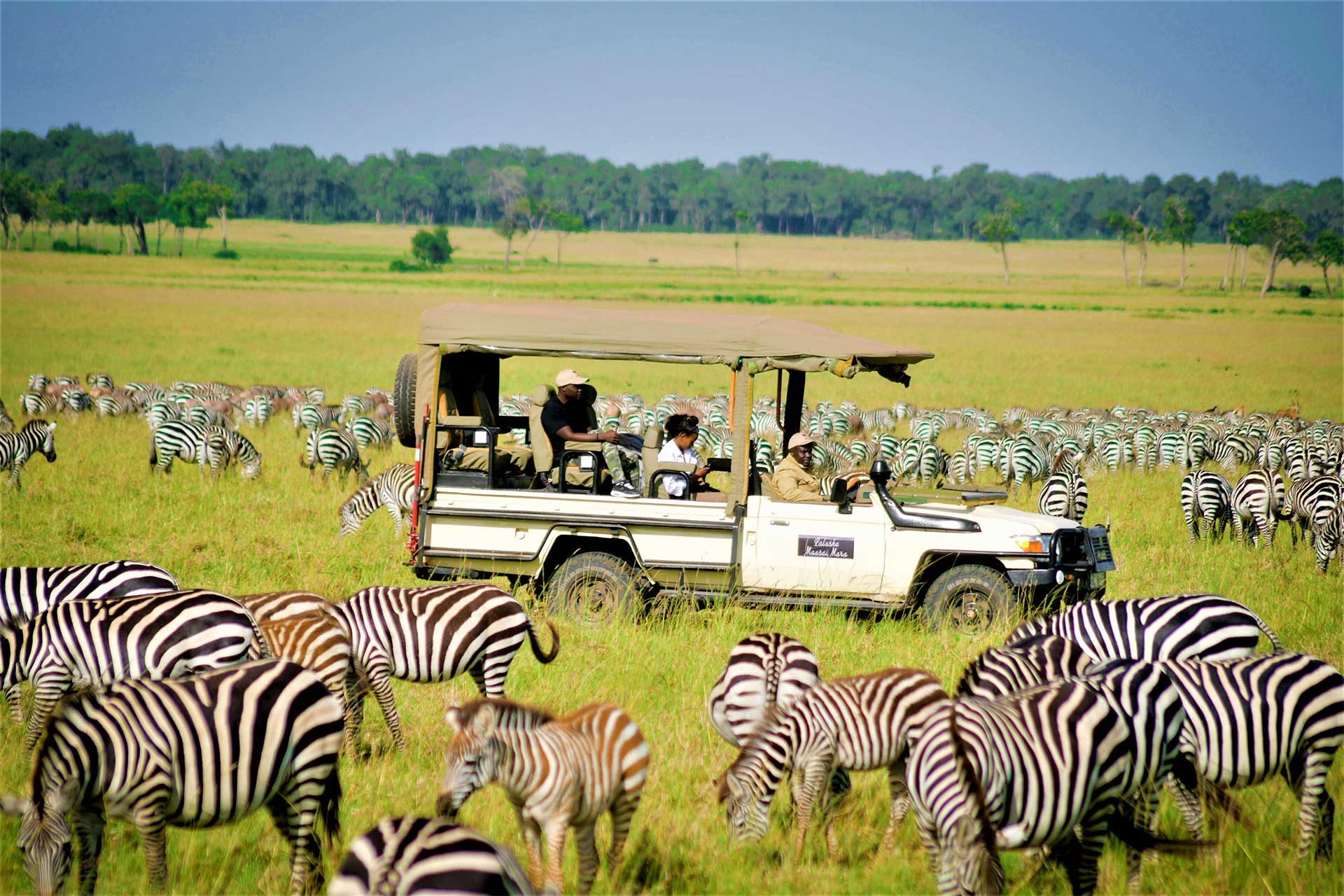
Kenya is one of the world’s most iconic wildlife destinations, known for its vast savannahs, rich biodiversity, and incredible opportunities for safari adventures. Whether you dream of seeing the “Big Five” (lion, elephant, rhino, buffalo, and leopard), witnessing the Great Migration in the Maasai Mara, or exploring Kenya’s diverse ecosystems, this country offers an unforgettable experience for nature lovers and wildlife enthusiasts.
From the open plains of the Maasai Mara to the arid landscapes of Samburu, the lush forests of Aberdare, and the stunning shores of Lake Nakuru, Kenya is home to some of the most diverse wildlife habitats on the continent. In this guide, we’ll explore the best wildlife experiences in Kenya, offer tips for planning your safari, and provide recommendations to make the most of your trip.
A Detailed Guide to Exploring Kenya’s Wildlife
Are you planning a trip to Kenya and wondering how to make the most of your wildlife experience? Whether you’re a first-time safari-goer or an experienced traveler looking for insider tips, this guide will help you navigate the stunning landscapes, national parks, and wildlife-rich areas of Kenya.
Also read; Kenya’s National Parks: Ultimate Wildlife & Adventure Guide
1. Best Wildlife Parks and Reserves in Kenya
Kenya boasts more than 40 national parks and reserves, each with its own unique ecosystem and wildlife. Here are some of the top parks to include in your itinerary:
Maasai Mara National Reserve
The Maasai Mara is arguably the most famous wildlife destination in Kenya, known for its breathtaking wildlife encounters and the annual Great Migration. Every year, millions of wildebeest, zebras, and gazelles cross the Mara River in search of fresh grazing grounds, making it one of the world’s most dramatic wildlife spectacles.

- Best Time to Visit: July to October during the Great Migration.
- What to See: The Big Five, large predator populations (lions, cheetahs, leopards), wildebeest migration, and an abundance of bird species.
Amboseli National Park
Amboseli is known for its large elephant herds and stunning views of Mount Kilimanjaro. The park’s flat plains and marshlands provide a picturesque backdrop for wildlife photography, especially with elephants roaming in the foreground of Africa’s tallest mountain.
- Best Time to Visit: June to October for the dry season when animals congregate around water sources.
- What to See: Elephants, lions, cheetahs, buffalo, giraffes, and a wide variety of bird species.
Tsavo National Parks (East and West)
Tsavo East and Tsavo West together form one of the largest national parks in the world, covering nearly 22,000 square kilometers. Known for its rugged terrain, Tsavo is famous for its red elephants (due to the red soil they bathe in) and the Man-Eaters of Tsavo, two lions that preyed on workers during the construction of the railway.
- Best Time to Visit: June to October for the dry season.
- What to See: Elephants, lions, leopards, rhinos, hippos, and the breathtaking Mzima Springs.
Lake Nakuru National Park
Lake Nakuru is renowned for its pink flamingos that flock to the lake’s shores, creating a stunning spectacle. Though the number of flamingos has decreased in recent years due to rising water levels, the park still boasts rich birdlife and serves as a sanctuary for rhinos and other wildlife.

- Best Time to Visit: Year-round, but June to March is ideal for wildlife viewing.
- What to See: Flamingos, rhinos, lions, leopards, buffalo, and over 400 bird species.
Samburu National Reserve
Located in northern Kenya, Samburu offers a more off-the-beaten-path safari experience. Its arid landscape is home to unique wildlife species that are not found in other parts of Kenya, such as the Grevy’s zebra, reticulated giraffe, and the long-necked gerenuk.
- Best Time to Visit: June to October.
- What to See: Unique species like Grevy’s zebra, reticulated giraffes, and large predators like lions, cheetahs, and leopards.
2. Tips for Planning Your Kenya Safari
A safari in Kenya is a bucket-list experience, but it requires careful planning to ensure you make the most of your trip. Here are some essential tips for planning your safari:
When to Go
The best time to visit Kenya for wildlife viewing is during the dry season, which runs from June to October. During this time, animals congregate around water sources, making them easier to spot. The Great Migration in the Maasai Mara also happens during this period, making it the best time for one of nature’s most remarkable spectacles.
For birdwatchers, the wet season (November to May) is ideal, as the landscape is lush and migratory birds flock to Kenya’s national parks.
How Long to Stay
For a comprehensive safari experience, plan to spend at least 7 to 10 days in Kenya. This will give you enough time to explore multiple parks and reserves, see a wide variety of wildlife, and soak in the diverse landscapes. A typical safari itinerary could include a few days in the Maasai Mara, followed by visits to Amboseli and Lake Nakuru.
What to Pack
Packing for a safari requires careful consideration to ensure you’re prepared for varying weather conditions and wildlife encounters. Here’s a checklist of essentials:
- Neutral-colored clothing (avoid bright colors, which can scare animals away).
- Comfortable walking shoes or boots.
- Hat and sunglasses for sun protection.
- Sunscreen and insect repellent.
- Binoculars for wildlife viewing.
- Camera with a zoom lens to capture those magical moments.
- Layers for chilly mornings and warm afternoons.
Book a Guided Safari or Self-Drive?
You can choose between a guided safari or a self-drive safari depending on your preferences and budget.

- Guided Safaris: These are the most popular and convenient option for first-time visitors. Experienced guides will take you to the best spots for wildlife viewing, handle park fees, and provide insights into the animals and environment. Guided safaris can be more expensive but offer a stress-free experience.
- Self-Drive Safaris: For adventurous travelers, self-drive safaris allow you to explore Kenya’s parks at your own pace. You’ll need to rent a 4×4 vehicle and navigate through the parks on your own, but it’s a more affordable and flexible option. Be sure to research the park rules and wildlife behavior to ensure a safe and enjoyable experience.
3. Responsible Wildlife Tourism
While enjoying Kenya’s incredible wildlife, it’s essential to be mindful of responsible tourism practices. Here are a few recommendations for respecting the animals and the environment:
Follow Park Rules
Each national park and reserve has its own set of rules, such as speed limits, staying on designated paths, and keeping a safe distance from animals. Following these rules helps protect the wildlife and ensures your safety.
Don’t Disturb the Wildlife
Always maintain a respectful distance from animals and avoid making loud noises that could scare them. Feeding animals is strictly prohibited, as it disrupts their natural behavior and can make them reliant on humans.
Choose Ethical Tour Operators
Look for safari companies that prioritize responsible tourism, such as supporting conservation efforts, working with local communities, and minimizing their environmental impact. Many ethical operators are committed to protecting Kenya’s wildlife and ecosystems for future generations.
4. Must-See Wildlife Experiences in Kenya
Beyond traditional game drives, Kenya offers several unique wildlife experiences that can enhance your safari adventure:
The Great Migration
One of the most sought-after wildlife experiences in Kenya, the Great Migration involves over 1.5 million wildebeest, along with thousands of zebras and gazelles, making the perilous journey across the Mara River from Tanzania’s Serengeti into the Maasai Mara. The river crossings, where animals face crocodile-infested waters, are a dramatic highlight of this natural event.

- Best Time to See It: The migration usually occurs between July and October, though exact timings vary from year to year.
Hot Air Balloon Safaris
For a truly magical experience, consider taking a hot air balloon safari over the Maasai Mara. As you soar above the savannah at dawn, you’ll witness wildlife from a unique vantage point, with the golden light of sunrise casting a glow over the landscape.

- Cost: Hot air balloon safaris can be pricey, typically ranging from $400 to $500 per person, but the experience is unforgettable.
Walking Safaris
For a more immersive experience, walking safaris offer an up-close view of Kenya’s wildlife, flora, and landscapes. Led by experienced guides, these safaris allow you to explore on foot, learning about the smaller details of the ecosystem that you might miss from a vehicle.
- Where to Go: Walking safaris are available in parks such as Laikipia, Hell’s Gate National Park, and private conservancies in the Maasai Mara.
Night Game Drives
Most animals are active at night, and a night game drive offers the chance to see nocturnal creatures such as leopards, hyenas, and owls. Many private conservancies around the Maasai Mara and Laikipia offer these unique experiences.
FAQs
- What is the best time to go on a safari in Kenya?
The best time for a safari in Kenya is during the dry season (June to October), when wildlife congregates around water sources and the Great Migration occurs in the Maasai Mara. - How much does a safari in Kenya cost?
The cost of a safari in Kenya varies depending on the level of luxury, duration, and parks visited. Budget safaris can start from around $100 per day, while luxury safaris can exceed $500 per day. - Can I do a self-drive safari in Kenya?
Yes, self-drive safaris are possible in parks such as Amboseli, Tsavo, and Samburu, but renting a 4×4 vehicle is recommended for navigating rough terrain. - What wildlife is Kenya famous for?
Kenya is known for the Big Five (lion, leopard, elephant, rhino, and buffalo) as well as the Great Migration, flamingos at Lake Nakuru, and unique species like the Grevy’s zebra and reticulated giraffe. - Do I need to book my safari in advance?
It’s recommended to book your safari in advance, especially if you plan to visit during the high season (July to October) or participate in special activities like hot air balloon rides. - Are Kenya’s national parks safe for visitors?
Kenya’s national parks are generally safe for visitors, especially when following park rules and traveling with experienced guides. - What is the Great Migration?
The Great Migration is the annual movement of over 1.5 million wildebeest, zebras, and gazelles across the Serengeti and Maasai Mara in search of grazing land. - Can I see rhinos in Kenya?
Yes, Kenya is home to both black and white rhinos. Lake Nakuru National Park and Ol Pejeta Conservancy are two of the best places to see rhinos in Kenya. - What’s the best way to photograph wildlife on safari?
Bring a camera with a zoom lens (200-400mm is ideal), use a tripod or beanbag for stability, and shoot during the early morning or late afternoon for the best lighting. - Are walking safaris safe?
Walking safaris are led by trained guides who are knowledgeable about wildlife behavior, making them safe for visitors.
Conclusion
Exploring Kenya’s wildlife is a once-in-a-lifetime experience that offers incredible opportunities to connect with nature and witness some of the world’s most remarkable animals in their natural habitat. Whether you’re chasing the Great Migration, spotting elephants beneath Mount Kilimanjaro, or marveling at the pink flamingos of Lake Nakuru, Kenya’s wildlife is sure to leave a lasting impression. By planning ahead, choosing responsible safari options, and exploring the diversity of Kenya’s parks, you’ll create unforgettable memories while contributing to the conservation of its unique ecosystems.