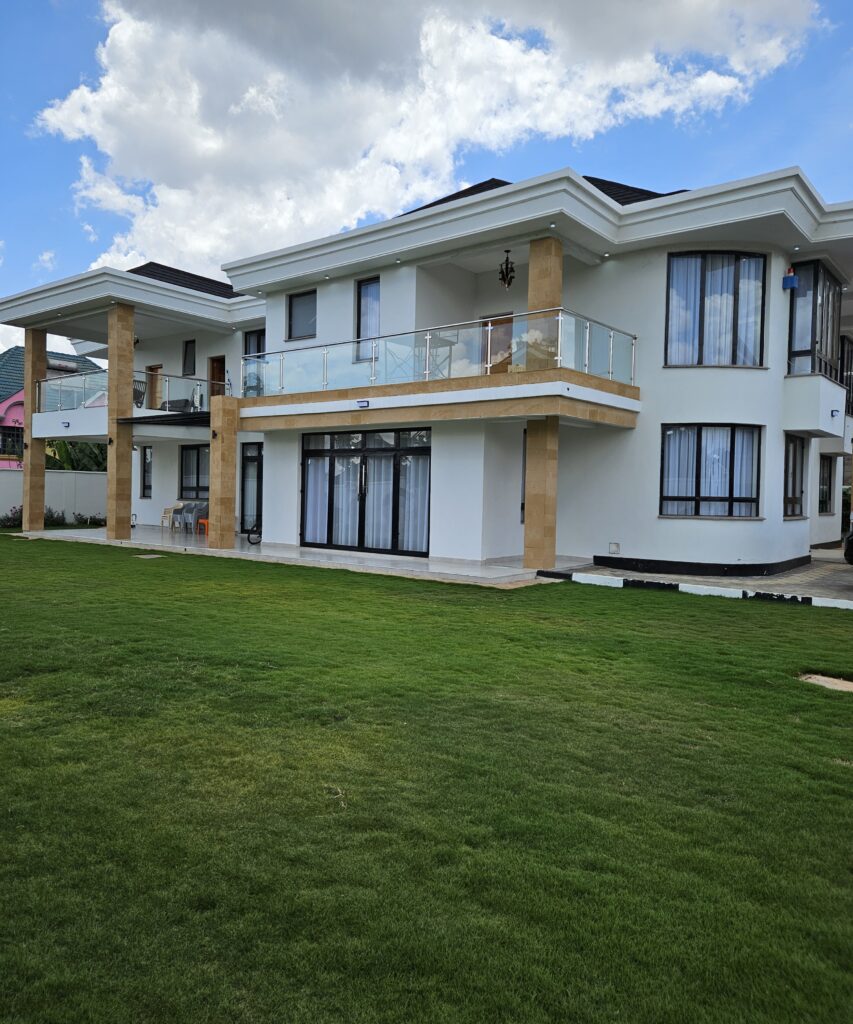
Visuals and Descriptions of Actual Rentals, Lease Terms, Deposits, and Expectations
Renting in Kenya can feel like navigating a maze — property types, neighborhood prices and leasing terms vary greatly from one city to another. Whether you’re a student on a tight budget, a young professional, or relocating with family, knowing what renting in Kenya looks like from Ksh 20,000 to 200,000 per month helps you plan your housing, avoid scams, and pick the right neighborhood.
In this article, we’ll break down what your rental money gets you in Nairobi, Mombasa, Kisumu, Nakuru and Eldoret, explain typical lease terms, deposits and agent roles, and give detailed, real-world descriptions of common rentals across price ranges. By the end, you’ll understand both affordable and premium renting in Kenya and how to make the most of your budget.
Renting in Kenya: An Overview of Rental Prices
The Rental Market in Kenya Today
Renting in Kenya varies hugely by city, neighborhood, building type and amenities — from basic single rooms for Ksh 20,000 to luxury family homes exceeding Ksh 200,000 monthly.
According to market listings, the average rent for a 1-bedroom apartment can range from around Ksh 15,000 to Ksh 30,000, a 2-bedroom from Ksh 20,000 to Ksh 45,000, a 3-bedroom home from Ksh 30,000 to Ksh 80,000, and 4-bedrooms upward of Ksh 50,000 to 150,000+ depending on city and security features.
Influencing Factors
Several factors affect how much you pay when renting in Kenya:
- Location — city center vs suburbs
- Building type — studio vs house vs apartment
- Security & services — gated estates command higher prices
- Furnishing & utilities — furnished units cost more
Understanding these basics helps you know what to expect at each price point in different cities.
Renting in Nairobi: Capital City Prices & Expectations
Overview of Nairobi Rental Prices
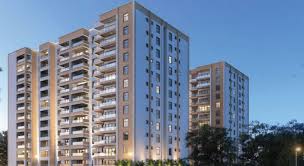
As Kenya’s largest city and economic hub, renting in Kenya (Nairobi) usually commands the highest prices. The average rent in Nairobi is around Ksh 120,000 per month for apartments on major listings, but options span from below Ksh 20,000 to over Ksh 450,000 depending on size and location.
What Ksh 20,000 Gets You in Nairobi
At around Ksh 20,000 a month, you can often find:
- Basic bedsitters in outskirts or less central zones
- Single rooms in shared housing or older buildings
- Some listings show 1-bedroom units at around Ksh 20,000 in older or less secure locales
These may lack amenities like reliable water, security gates or parking, but they serve well for tight budgets.
Mid-Range Options (Ksh 50,000 – 120,000)
Between Ksh 50,000 and Ksh 120,000, renters in Nairobi can expect:
- 1–2 bedroom apartments in established estates
- Locations like South B, South C, Kasarani, Embakasi or Kileleshwa / Kilimani outskirts
- Better security, some utilities included or close to transport links
These units are ideal for small families, professionals, and roommates.
Premium Rentals (Ksh 120,000 – 200,000+)
At the top end of the range for renting in Kenya (Nairobi), you’ll find:
- Spacious 3–4 bedroom apartments in Westlands, Parklands, Lavington, Runda or Karen
- Secure, gated estates with backup power and modern fittings
- Some listings exceed Ksh 200,000 for luxury units with Dsq (domestic staff quarters) and en suite rooms.
These are popular with expatriates, executives, and larger families.
Renting in Mombasa: Coastal City Living
Coastal Rental Patterns
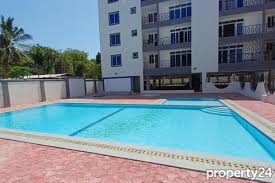
Compared with Nairobi, renting in Kenya (Mombasa) can be more affordable — particularly if proximity to the beach isn’t a priority. Average rentals here tend to be lower, though prime beachside areas command higher rates.
Budget Rentals (Ksh 20,000 – 40,000)
With about Ksh 20,000 to 40,000, you can rent:
- A 1–2 bedroom flat inland
- Basic homes in residential estates near transport routes
- Some beach-adjacent areas start above this range but sometimes offer deals
Mid to High Range (Ksh 40,000 – 90,000)
For Ksh 40,000 to 90,000, renters often see:
- 2–3 bedroom apartments in areas like Nyali, Bamburi and Shanzu
- Amenities like backup water tanks, security and proximity to shopping centers often included
Renting in Other Kenyan Cities: Kisumu, Nakuru & Eldoret
Mid-Size City Options
Renting in Kenya outside Nairobi and Mombasa often stretches your money further.
Kisumu
In Kisumu — a major city on Lake Victoria — prices for rentals are generally lower. Some areas like Kondele have been known for modest rents around Ksh 15,000–Ksh 20,000 for two-bedrooms in past years.
Modern apartments in safer estates will cost more but still tend to be cheaper than in Nairobi.
Nakuru & Eldoret
Cities like Nakuru and Eldoret offer even more affordable options:
- Ksh 10,000–25,000 possibilities for basic 2–3 bedroom apartments
- Gated communities with security accessed at slightly higher rates but still affordable compared to Nairobi
These cities are popular with families, local professionals and students alike.
Lease Terms, Deposits & Agent Roles
Typical Lease Agreements
When renting in Kenya, lease terms can vary:
- Standard leases are usually 12 months
- Some landlords offer 6-month or month-to-month terms at higher monthly rates
- Lease agreements almost always specify who pays for utilities, repairs and common maintenance
It’s crucial to get everything in writing before moving in.
Deposits & Advance Rent
Expect to pay:
- 1–3 months’ rent as a deposit, refundable if no damage is done
- Some areas (especially Nairobi) request advance rent — often 3–6 months up front, depending on landlord preference
- Agents may charge additional fees — typically 1 month’s rent or a percentage of annual rent
Always confirm deposit and advance terms before signing.
Agents & How They Help
Estate agents can be valuable for:
- Finding properties that match your renting in Kenya budget
- Handling viewings and negotiations
- Preparing lease agreements
However, agent fees can add to costs, and direct landlord deals sometimes save money. Tools like BuyRentKenya and Property24 list properties that can be contacted directly.
Real Examples of What You Can Get for Ksh 20,000–200,000
Ksh 20,000 – 40,000 Range

- Nairobi: Small 1-bedroom or bedsitter in outskirts like Embakasi or Kayole
- Mombasa: 1–2 bedroom in inland estates away from the beach
- Kisumu/Nakuru: Comfortable 2–bedroom apartment in mid-city areas
These options are ideal for students, interns and small families.
Ksh 45,000 – 90,000 Range
- Nairobi: 2–bedroom apartment closer to town, sometimes with security
- Mombasa: Spacious 2–3 bedroom near Nyali or Bamburi
- Eldoret & Nakuru: Larger 3-bedroom homes in gated communities
Great for young families, professionals and sharers.
Ksh 100,000 – 200,000 Range
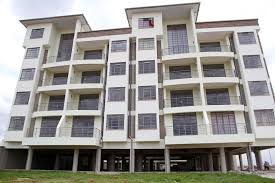
- Nairobi: 3–4 bedroom in Westlands, Parklands or Lavington with amenities
- Nairobi: Executive apartments with modern finishes and parking
- Coastal/Mid-size Cities: Top-tier homes with security, space and extras
This range suits established professionals and families wanting comfort and convenience.
Tips for Success When Renting in Kenya
Inspect Before You Commit
Always visit the property in person if possible. Photos can be misleading.
Ask About Utilities
Most rentals do not include water and electricity in the base rent — plan an extra Ksh 5,000–10,000+ for utilities.
Check Deposits & Payment Terms
Confirm deposit amounts and payment schedules to avoid surprises.
Also read:How Much to Tip in Kenya: Restaurants, Guides, Drivers & Hotels
Wrap-Up
Renting in Kenya is a dynamic experience — your monthly budget of Ksh 20,000 to 200,000 can get you anything from a modest bedsitter to a spacious family home in an upscale estate. Neighborhood matters, and so do lease terms and deposits. With smart planning, good negotiation and awareness of market averages, you can find a rental that fits both your lifestyle and your budget. Make sure to use reputable agents or property platforms, inspect properties thoroughly, and always get lease terms in writing.
10 Frequently Asked Questions (FAQs)
- What’s the average rent in Kenya?
Rent in Kenya varies widely — from under Ksh 20,000 for basic rooms to 3-4 bedroom homes in prime areas exceeding Ksh 200,000 per month. - Is Ksh 20,000 enough to rent in Nairobi?
It’s possible for a small bed-sitter or single room in outskirts, but central locations often cost more. - Do rent prices include utilities?
Usually not. Electricity, water and internet are often separate — expect extra costs. - How much deposit do landlords ask?
Typically 1–3 months’ rent, and sometimes advance rent in Nairobi. - Are lease agreements required?
Yes — always use a written lease to protect both tenant and landlord. - Can I negotiate rent?
Yes, especially in less competitive markets or off-season. - What areas are cheapest to rent in Kenya?
Smaller cities like Kisumu, Nakuru and Eldoret often have lower rents. - What’s the difference between agent and direct landlord deals?
Agents help find properties and handle paperwork but may charge fees; direct deals can save costs. - Is renting expensive in coastal cities like Mombasa?
Coastal rents can be cheaper than Nairobi, but beachfront areas cost more.
What should I budget for utilities in Kenya?
Commonly Ksh 5,000–10,000+ per month depending on usage.