Whether you’re planning a long stay in Nairobi, a road trip through the Rift Valley, or you’re budgeting for everyday life in Kenya, understanding what things cost is one of the most useful pieces of planning you can do. Kenya’s economy has a vibrant mix of formal and informal pricing — with noticeable differences between what locals pay and what tourists often see.
This guide breaks down common daily prices across major categories, provides local vs tourist pricing, and offers real examples from shops, rides, and rentals. Consider it your practical, scannable companion to budgeting in Kenya.
Everyday Food & Drink
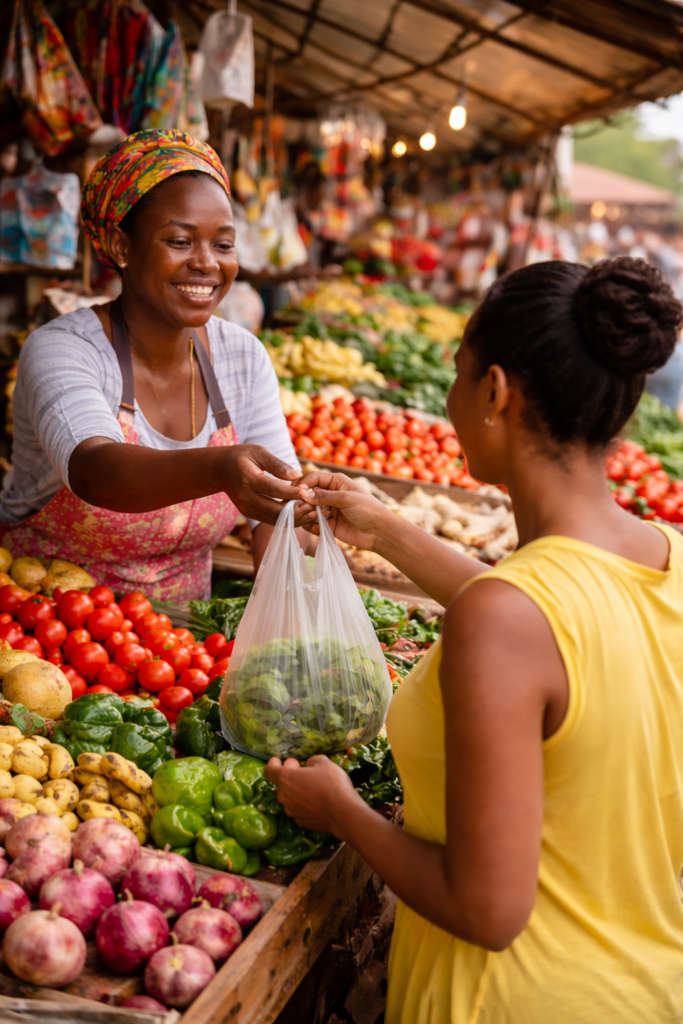
Food is where most people notice price differences first. Kenya’s culinary culture — from roadside maandazi and chapati to nyama choma and fresh juice — is affordable, fresh, and varied.
Street & Local Eateries (What Locals Pay)
- Chapati (per piece): ~ KES 30–60 at a local nyama choma joint
- Mandazi (single): ~ KES 15–30
- Ugali & Sukuma Wiki plate: ~ KES 120–250
- Local tea (black chai): ~ KES 30–60 at a kiosk
- Fresh sugarcane juice (small cup): ~ KES 50–100
These prices are typical at kibandas and local cafés — budget friendly and filling.
Restaurant & Tourist Eats
- Chapati + stew combo at mid‑range café: KES 350–600
- Full Kenyan dinner (nyama choma, sides) for one: KES 800–1,500
- Imported beer (restaurant): KES 450–800
- Bottled water (500ml): KES 50–120
Tourist‑oriented restaurants — especially in Nairobi, Mombasa, and national park lodges — often include service charges and higher margins on imported items.
👉 Pro Tip: Many Kenyan hotels and safari camps include breakfast — reducing daily costs considerably.
Also Read: Foodie’s Guide to Coastal Festival Cuisine
Groceries: Shopping Like a Local
Buying groceries in Kenya varies depending on whether you shop at a local market (soko) or a supermarket chain.
Market (Soko) Prices
- Tomatoes (1 kg): KES 80–150
- Onions (1 kg): KES 70–120
- Bananas (1 kg): KES 60–120
- Eggs (12): KES 180–300
- Maize flour (2 kg): KES 180–350
Local markets are where most Kenyan households do their weekly shopping. Prices change with seasons and weather patterns — especially for produce.
Supermarket Prices
- Milk (1 litre, branded): KES 120–200
- Rice (2 kg branded): KES 400–900
- Bread (loaf): KES 80–150
- Cooking oil (1 litre): KES 350–700
Supermarkets like those in Nairobi and Mombasa also stock imported goods with higher price tags.
Transportation: Rides & Routes

Getting around Kenya is affordable with plenty of choices — from matatus and boda bodas to ride‑hailing and long‑distance buses.
Within Cities
- Matatu (minibus) ride: KES 30–60 (fixed route)
- Boda boda (motorcycle) short trip: KES 100–300
- City ride‑hail (e.g., Uber/Bolt) short trip: KES 250–800
Usage depends on distance, traffic, and times of day. Ride‑hail services add convenience and safety especially at night or with luggage.
Between Cities
- Bus (e.g., Nairobi → Mombasa): KES 800–2,000 (economy)
- Bus (same route, luxury): KES 2,000–3,500+
- Train (SGR Economy): Nairobi → Mombasa: KES 1,000–1,500
Long‑distance buses and the SGR (Standard Gauge Railway) are reliable and often more comfortable than private shuttles — especially for longer journeys.
Accommodation: From Homestays to Apartments

How much your stay costs is one of the biggest budget decisions — and Kenya has a wide range.
Budget Lodging & Hostels
- Hostel bed (dorm): ~ KES 800–1,500 per night
- Budget hotel room: ~ KES 2,000–4,000 per night
Mid‑Range Hotels
- Double room with breakfast: KES 5,000–12,000 per night
- Beach resort mid‑range: KES 8,000–20,000+ per night
Long‑Term Rentals (Real Examples)
- 1‑bedroom apartment (city centre): KES 25,000–45,000/month
- 1‑bedroom outside centre: KES 15,000–30,000/month
- 3‑bedroom city centre: KES 60,000–120,000/month
- 3‑bedroom outside centre: KES 40,000–90,000/month
These long‑stay rates are common in Nairobi and Mombasa. Smaller towns often have lower rents. Utilities (water, electricity, internet) are typically separate.
👉 Budgeting Tip: If you’re planning a long stay, local landlords often prefer a 6–12 month lease with deposits.
National Parks, Tours & Activities
Kenya’s wildlife and landscapes are legendary — and experiences vary widely in price.
- Park entry (foreign adult): Varies by park (higher at Amboseli, Masai Mara)
- Park entry (EAC resident): Lower than foreign rates
- Guided safari (day): Varies — many start around KES 8,000–15,000 per person
- Balloon safari (Masai Mara): Premium pricing (often significantly higher)
Costs reflect conservation fees, guiding expertise, vehicle use, and seasonal demand. Always compare packages locally and ask for inclusive pricing.

Communication, SIM & Internet
Staying connected in Kenya is easy with local SIM cards.
- SIM card (initial): KES 50–200
- Data bundles (small): KES 200–500
- Monthly internet at home: KES 2,000–6,000 depending on speed & provider
Major providers offer tourist prepaid plans with good coverage — especially in urban areas. Ask for help topping up at kiosks if you’re unfamiliar.
Local vs Tourist Pricing: What to Expect
Kenya’s pricing landscape includes a few clear patterns:
What Locals Usually Pay
- Buy produce in markets
- Use shared transport like matatus
- Stay in local hotels or rentals
What Tourists Often Encounter
- Tour restaurant menus with inflated prices
- Park entry fees that vary by nationality
- Higher rates for packaged experiences
💡 Savvy travelers combine both worlds: frequent local eateries for some meals, and splurge for special dinners or experiences.
Real Examples: Shops, Rides, Rentals
Let’s ground this in real life:
- Nairobi grocery run (market): Tomatoes KES 100, bananas KES 80, eggs KES 240 → total ~ KES 420
- Ride‑hail from Westlands to CBD: ~ KES 500 midday
- Weekly transport budget (matatus + boda boda): ~ KES 1,200–2,000 per person
- Renting a one‑bedroom apartment in Kilimani (month): ~ KES 40,000 + utilities
These examples reflect average patterns — prices vary slightly by neighbourhood, demand, and time of year.
Scannable Daily Budget Examples
| Budget Type | Daily KES | What You Can Cover |
| Shoestring | 800–1,200 | Local eats, public transport |
| Comfortable Local | 1,500–3,000 | Mid‑range meals, ride‑hail |
| Tourist Mixed | 3,000–7,000 | Tours, meals, safaris |
Use this as a starting point — then adjust for your style.
How to Stretch Your Kenyan Shilling
1. Eat where locals eat.
Small cafés and street stalls offer authentic, cheap meals.
2. Take local transport.
Matatus and boda bodas are affordable; ride‑hail fits well for short hops with luggage.
3. Book long stays locally.
Landlords often reduce monthly rates if you negotiate in person.
4. Combine experiences smartly.
Bundle park fees, guiding, and transport in one quote to avoid hidden extras.
FAQ: What Things Cost in Kenya
1: What is the average cost of a chapati in Kenya?
A single chapati costs between KES 30 and KES 60 at local eateries.
2: How much does rent cost in Kenya for a 1-bedroom apartment?
Monthly rent for a 1-bedroom ranges from KES 15,000 to KES 45,000 depending on the location.
3: Do tourists pay more than locals in Kenya?
Yes. Park entry fees, restaurant pricing, and some services have higher rates for non-residents.
4: What is the price of basic groceries in Kenya?
Common prices: maize flour (2kg) KES 180–350, eggs (12) KES 180–300, onions (1kg) KES 70–120.
5: How much does a meal cost in a Kenyan restaurant?
Local meals range from KES 150–300. Tourist restaurants charge KES 600–1,500+ per plate.
6: Is public transport in Kenya cheap?
Yes. Matatu rides cost KES 30–60. Short boda boda trips are KES 100–300.
7: How much does the train from Nairobi to Mombasa cost?
Standard Gauge Railway (SGR) economy tickets cost around KES 1,000–1,500 one-way.
8: Can you live in Kenya on a small budget?
Yes. Many locals live comfortably on KES 25,000–50,000 per month by using local transport and markets.
9: What’s a fair daily budget for a tourist in Kenya?
A mixed-budget traveler should plan for KES 3,000–7,000 per day, including meals, transport, and activities.
10: Is bottled water expensive in Kenya?
No. A 500ml bottle costs between KES 50 and KES 120 depending on the brand and location.