Everyday Costs, Community Spending and Money Habits Explained

Understanding how local Kenyans budget for daily life offers visitors a window into the country’s culture and economic reality. Whether you’re planning a short trip or a longer stay, knowing how ordinary Kenyans manage their money — what they spend on food, housing, transport, schooling and community obligations — deepens cultural empathy and helps you set realistic expectations. Kenya’s economy is a mix of formal and informal systems, and everyday budgeting reflects that blend.
In this article we’ll explore common daily routines and costs, community-based spending practices, and what visitors can learn from local money habits that help many Kenyans make ends meet despite modest incomes. This isn’t just about numbers — it’s about lived experience, resilience, and cultural context.
Understanding the Cost of Living in Kenya
General Cost of Living Basics
The cost of living in Kenya varies widely depending on location, lifestyle, and household size. Data from cost-of-living sources shows that average weekly or monthly expenses cover essentials like food, housing, transport, utilities and more.
For example, monthly costs for one person (excluding rent) are estimated at roughly 65,000–90,000 KSh, while costs for a family of four can exceed 200,000–300,000 KSh when including rent and utilities.
By contrast, average monthly income for many Kenyans is much lower — sometimes around 40,000–60,000 KSh or less depending on job, education and city.
This means locals often budget closely and prioritize essentials over discretionary spending.
What Kenyans Spend Money On First
Kenyans typically allocate their limited budgets with a focus on:
- Food & groceries — the largest share of daily spending
- Housing & rent — often the top monthly cost
- Transport — matatus (minibuses), boda boda (motorcycle taxis), or commuter buses
- Utility bills — electricity, water, and mobile data
- Education & school needs — uniforms, books and supplies
- Healthcare costs — particularly out-of-pocket
All of these elements make up how many Kenyan households plan daily life expenditures.
Common Daily Routines & Costs for Budgeting Kenyans
Food & Grocery Spending

Food is an everyday priority. Kenyans often shop at local markets (mashine or wagema) for fresh produce like vegetables, rice, maize flour (ugali), and seasonal fruit, which tend to be cheaper than supermarkets.
Typical market prices include:
- Bread and staple foods are inexpensive
- Local vegetables and produce are significantly cheaper than imported goods
- Eating at roadside kiosks or local food stalls costs far less than dining in restaurants
For families and individuals, cooking most meals at home and buying seasonally helps stretch the budget.
Example: Daily Food for a Family vs Individual
- Individual: Buying vegetables, maize flour, and beans for home cooking saves money compared to dining out.
- Family: Bulk purchases and shared meals reduce the unit cost per person and help households budget for the week or month.
Daily life in Kenya often involves careful meal planning to balance nutrition and affordability.
Housing & Rent in Local Budgets
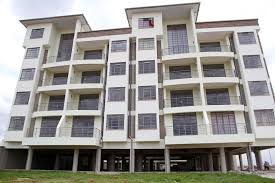
Housing makes up a large chunk of monthly spending. Whether in Nairobi’s urban estates or smaller towns, rent is a major fixed cost.
For many Kenyans:
- Renting a modest room or one-bedroom apartment outside city centers costs much less than in central districts
- Extended family living arrangements (shared housing) help cut costs
- Some households own homes outside cities to reduce or eliminate rent
These methods help households lower monthly burdens and make how local Kenyans budget for daily life more manageable.
Utilities & Recurring Bills
Utilities like electricity, water, and internet may be modest compared with Western standards, but combined with rent they still require careful planning in local daily budgets.
Transport: A Major Daily Expense
Public Transport & Commute Costs
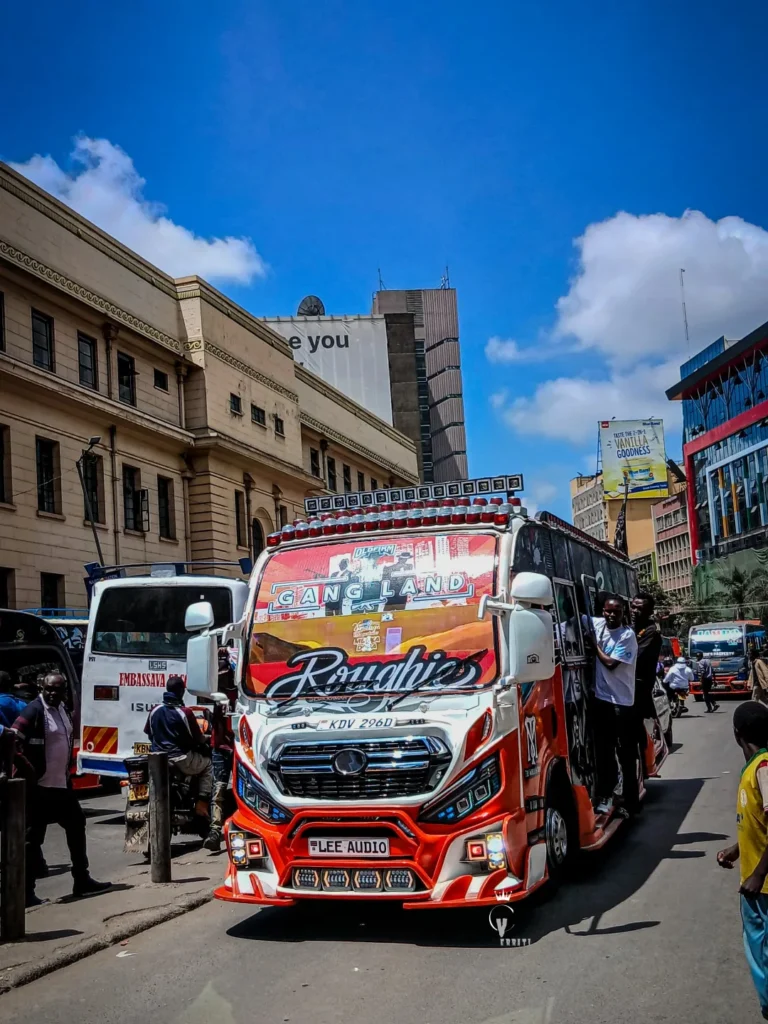
Transport habits vary city by city. In Nairobi and other major urban areas, locals often use:
- Matatus: Shared minibus transport that is inexpensive
- Boda bodas: Motorcycle taxis for short distances
- City buses: Budget-friendly mass transit
These options are usually much cheaper than private cars, helping working-class Kenyans allocate more of their limited income toward essentials.
Budget Tips Locals Use
- Walking whenever possible to save on transport
- Using monthly passes or bulk transport cards where available
- Carpooling and ride-sharing for workplace commutes
Transport choices are central to how local Kenyans budget for daily life.
Community-Based Spending & Support Systems
Harambee: Collective Budgeting in Action
A unique aspect of Kenyan life — especially in smaller towns and rural areas — is Harambee, a system of community fundraising and shared financial support.
“Harambee” means “all pull together” in Swahili. It’s not just a word but a cultural practice where families, neighbors and community members contribute money when someone needs help — for example for weddings, funerals, school fees, healthcare emergencies or communal projects.
This communal spending mechanism is a form of local budgeting that blends personal resources with shared obligations — a practice many visitors may overlook but one that shapes everyday money habits for locals.
Savings Groups & Community Funds
Informal savings groups (often known as chamas) are another way Kenyans pool funds with neighbors or co-workers. Members contribute regularly and take turns receiving lump sums to pay for major expenses like rent, school fees or business investments.
This cultural money habit reflects how locals thrive despite limited personal incomes.
Education & Healthcare Expenses
Common Costs for Families
Families with school-aged children face additional budgeting pressures. Even when public schools charge minimal fees, uniforms, books and transport costs add up.
Healthcare — especially in private facilities — is another regular expense that households must plan for. For many Kenyans, this means allocating monthly funds specifically for school and clinic visits.
Prioritization in Budgets
Day-to-day budgeting often means prioritizing children’s education and basic healthcare before discretionary spending — a common theme in how local Kenyans budget for daily life.
Social & Leisure Spending
What Locals Spend on Entertainment

Entertainment and leisure rarely consume large portions of local budgets. Instead, spending tends to be modest and community-oriented:
- Social gatherings at local hangouts
- Family picnics and outings in public parks
- Watching local sports events
These activities come at low cost and help maintain social bonds without straining household finances.
Shopping & Non-Essentials
Spending on clothing, electronics or imported luxury items is often limited to what is affordable after essentials are covered.
Learning from Local Money Habits
Prioritizing Essentials First
One big lesson visitors can take from how local Kenyans budget for daily life is the habit of placing essentials — food, shelter, education, transport — at the top of financial priorities.
Whether someone earns modest wages, works informal jobs, or runs a small business, allocating the bulk of income toward core needs is a shared practice.
Frugality and Planning
Planned shopping, bulk purchases for groceries, and shared household responsibilities help households stretch their incomes further, especially when prices rise.
Also read:How to Live in Kenya Long-Term Without Going Broke
Wrap-Up
Understanding how local Kenyans budget for daily life helps visitors connect with the lived economic realities of the communities they travel through. Kenyans balance limited incomes with rising costs, often prioritizing food, housing, utilities and transport while relying on community support systems like Harambee and savings groups to ease financial pressures. These everyday money habits — from careful meal planning to frugal transport choices — reflect resilience, adaptability and cultural values worth appreciating. Recognizing these patterns builds empathy, enhances cultural awareness, and offers meaningful perspective beyond tourism.
10 Frequently Asked Questions (FAQs)
- What is the average cost of living in Kenya?
Monthly living costs vary, but estimates show that a single person may spend roughly KSh 65,000–90,000 per month excluding rent, and more once rent is included. - How do Kenyans budget for food daily?
Many locals shop at markets for fresh produce and cook at home to lower expenses, making food the largest share of daily budgets. - What is Harambee and how does it relate to budgeting?
Harambee is a community fundraising tradition where neighbors contribute money for shared needs, reflecting collective budgeting. - Do Kenyans use community saving groups to manage money?
Yes — chamas and informal savings groups help participants pool funds to meet larger financial goals. - How significant is transport in local daily expenses?
Transport costs, often via matatus or boda bodas, are a notable recurring expense in daily life. - Do school costs impact weekly budgets?
Yes; even with public schooling, uniforms and supplies add to household costs. - Is renting expensive for local Kenyans?
Renting can be a large part of monthly budgets, but costs vary widely by city and neighborhood. - How do Kenyans handle healthcare expenses?
Healthcare costs are often paid out-of-pocket, requiring households to set aside monthly funds. - What lessons can visitors learn from local Kenyan budgeting?
Prioritizing essentials and using community support systems are key budgeting lessons. - Are there unique local currencies or systems in Kenya?
Some communities use localized currencies like Sarafu-Credit to support trade and budgeting within informal economies.