Consultation Fees, Lab Charges, Inpatient Bills, Insurance Options & Regional Quality Differences
When moving to or visiting Kenya, one of the biggest concerns for families, retirees, expats, and long-term travelers is medical care. Understanding healthcare costs in Kenya is essential for financial planning and peace of mind. While Kenya offers both public and private healthcare systems, the cost, quality, and accessibility vary widely depending on where you seek treatment.
This guide breaks down:
- Consultation fees in public vs private hospitals
- Lab tests, scans, and inpatient admission costs
- Insurance options for residents and tourists
- Regional quality differences across Kenya
- Common pitfalls and budgeting advice
If you’re planning relocation, retirement, or extended travel, this deep dive into healthcare costs in Kenya will help you prepare realistically.
Understanding the Healthcare System in Kenya
Public vs Private Healthcare Structure

Kenya operates a mixed healthcare system:
- Public hospitals and clinics run by national and county governments
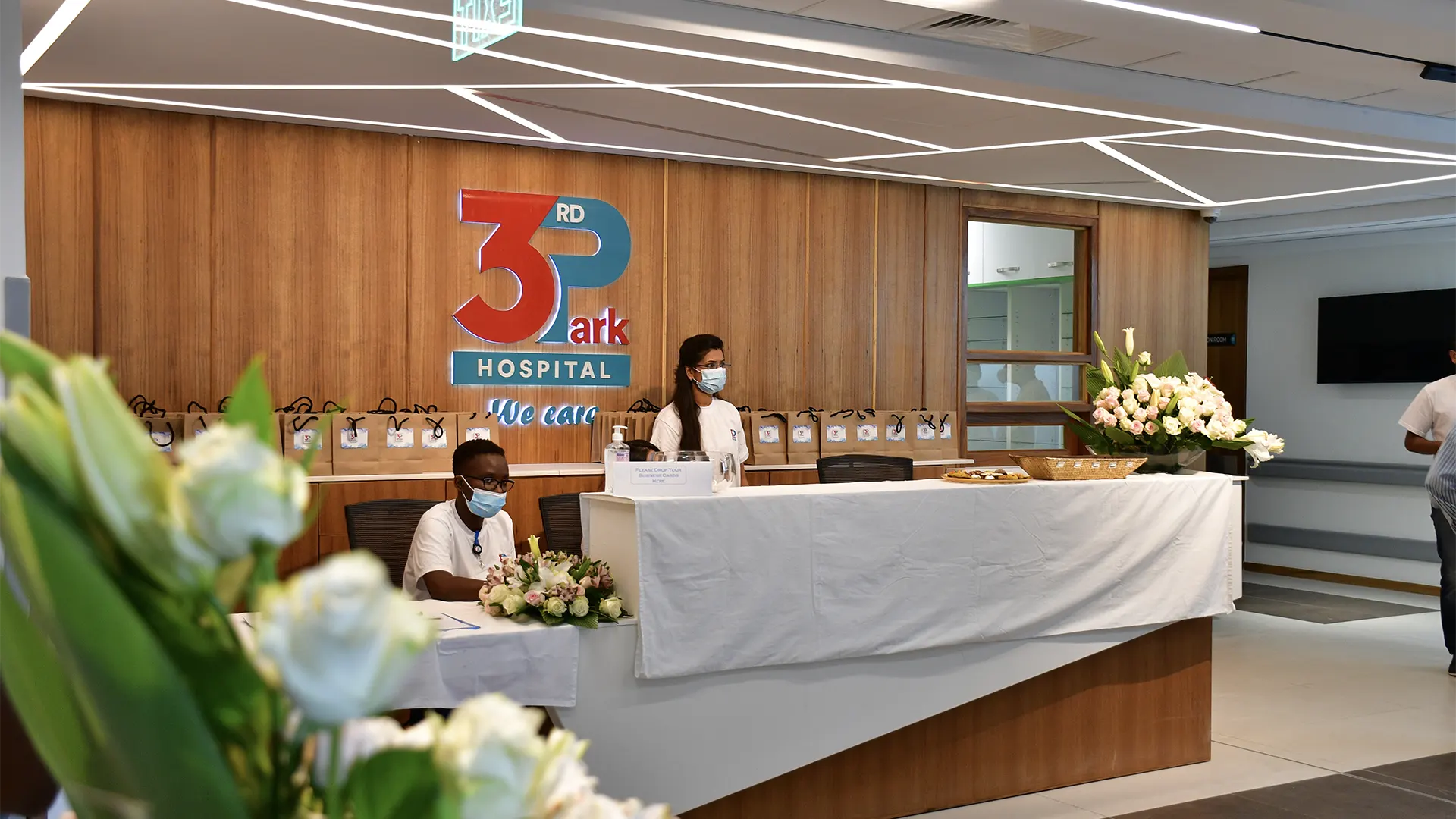
- Private hospitals and clinics, ranging from small practices to international-standard facilities
Public facilities are generally more affordable but can be overcrowded. Private hospitals provide faster service and modern equipment but at significantly higher cost.
Understanding this difference is key to navigating healthcare costs in Kenya.
Consultation Costs in Kenya
Public Hospital Consultation Fees
Public health facilities in Kenya are subsidized by the government. Consultation fees are relatively low compared to private institutions.
Typical consultation costs may range from:
- KSh 100–500 in public dispensaries and health centers
- KSh 300–1,000 in larger county referral hospitals

These lower fees make public facilities accessible to a large portion of the population.
However, long waiting times and limited specialist availability can affect the overall experience.
Private Hospital Consultation Fees
Private healthcare facilities charge significantly more.
Consultation fees in private hospitals typically range from:
- KSh 2,000–5,000 for general practitioners
- KSh 3,000–10,000+ for specialists
High-end hospitals in Nairobi may charge even more for renowned consultants.
This large gap highlights how dramatically healthcare costs in Kenya vary between public and private sectors.
Laboratory & Diagnostic Costs
Basic Lab Tests
Common laboratory tests such as blood work, urine tests, and malaria screening vary in cost:
- Public facilities: KSh 200–1,500 depending on test
- Private facilities: KSh 1,000–5,000+
Private hospitals often use more advanced diagnostic technology, which partly explains higher pricing.
Imaging & Specialized Tests
More advanced diagnostics significantly impact healthcare costs in Kenya:
- X-ray: KSh 2,000–5,000
- Ultrasound: KSh 3,000–8,000
- CT scan: KSh 10,000–25,000
- MRI scan: KSh 20,000–40,000+
Public hospitals may offer lower fees but often have longer waiting lists for imaging services.
Inpatient & Hospital Admission Costs
Public Hospital Admission
Public hospital inpatient costs are subsidized, especially for Kenyan citizens enrolled in national insurance schemes.
Daily bed charges in public hospitals can range from:
- KSh 500–3,000 per day, depending on ward type
However, patients may need to pay separately for medications, surgical supplies, or lab work.
Private Hospital Admission

Private hospital inpatient costs are significantly higher:
- Standard ward: KSh 5,000–15,000 per day
- Private room: KSh 15,000–40,000+ per day
Surgical procedures can cost anywhere from KSh 50,000 to several hundred thousand shillings, depending on complexity.
This makes insurance coverage crucial when planning for healthcare costs in Kenya.
Insurance Options for Residents
National Health Insurance Fund (NHIF / SHIF Transition)
Kenyan residents traditionally enroll in NHIF (now transitioning to the Social Health Insurance Fund framework).
Monthly contributions are relatively affordable, often ranging from a few hundred to a few thousand shillings depending on income bracket.
Coverage includes:
- Public hospital admissions
- Some private hospital arrangements
- Maternity services
For long-term residents, NHIF significantly reduces healthcare costs in Kenya.
Private Medical Insurance
Many middle-class Kenyans and expats use private insurance providers.
Premiums vary based on:
- Age
- Coverage level
- Inpatient vs outpatient coverage
- Chronic illness inclusion
Annual private insurance premiums may range from:
- KSh 50,000 to 300,000+ per person
While costly, private insurance protects against catastrophic medical bills.
Insurance Options for Tourists
Travel Medical Insurance
Visitors should never rely solely on out-of-pocket payments.
Travel insurance typically covers:
- Emergency hospitalization
- Medical evacuation
- Acute illnesses or injuries
Evacuation to Europe or South Africa for specialized treatment can cost tens of thousands of dollars without insurance.
For short-term travelers, insurance dramatically reduces exposure to unexpected healthcare costs in Kenya.
Regional Quality Differences
Nairobi & Major Cities

Nairobi has the highest concentration of:
- International-standard private hospitals
- Specialist doctors
- Advanced diagnostic centers
Mombasa and Kisumu also offer strong private facilities.
Healthcare costs in Kenya are highest in Nairobi due to premium infrastructure and demand.
Rural & Remote Areas
Rural areas often depend on:
- Public dispensaries
- County referral hospitals
Challenges may include:
- Equipment shortages
- Limited specialist care
- Referral delays
For retirees or families relocating outside major cities, proximity to healthcare should factor into planning.
Common Pitfalls & Budgeting Tips
Underestimating Out-of-Pocket Expenses
Many public services require:
- Medication purchases from external pharmacies
- Extra payments for unavailable supplies
Budgeting for unexpected expenses is wise.
Not Having Insurance
The biggest financial risk in Kenya’s healthcare system is a major medical emergency without coverage.
Even moderate surgical procedures can significantly impact savings.
Insurance is the safest way to manage healthcare costs in Kenya.
Quality Differences: Public vs Private
Public Healthcare Strengths
- Affordable
- Wide geographic coverage
- Government-subsidized programs
Private Healthcare Strengths
- Faster service
- Modern facilities
- Shorter waiting times
- Greater privacy
The quality gap largely explains the difference in healthcare costs in Kenya between systems.
Who Should Choose What?
Families & Retirees
Families with children often prefer private insurance for pediatric access.
Retirees with chronic conditions may benefit from comprehensive coverage plans.
Short-Term Visitors
Travel insurance is essential, especially for adventure travelers or safari tourists.
Also read:What Things Cost in Kenya: From Chapati to Apartments
Wrap-Up
Understanding healthcare costs in Kenya requires examining public vs private systems, consultation and lab fees, inpatient charges, and insurance coverage. Public healthcare is affordable but may involve longer waits and limited equipment. Private hospitals offer modern facilities and speed, but at significantly higher cost.
For residents, national insurance schemes help reduce expenses, while private insurance offers greater flexibility. Tourists should never travel without medical coverage.
Planning ahead ensures medical care in Kenya remains accessible without financial strain.a
10 Frequently Asked Questions (FAQs)
1. How much does a doctor’s visit cost in Kenya?
Public hospitals may charge KSh 100–1,000; private clinics typically charge KSh 2,000–5,000+.
2. Are public hospitals free in Kenya?
They are subsidized but not entirely free.
3. How expensive are surgeries in private hospitals?
Procedures can range from KSh 50,000 to several hundred thousand.
4. Is healthcare in Nairobi better than rural areas?
Yes, Nairobi generally has more advanced facilities.
5. Should tourists get travel insurance?
Absolutely.
6. Does NHIF cover private hospitals?
In some cases, yes, depending on agreements.
7. Are lab tests expensive?
Public labs are cheaper; private labs cost significantly more.
8. What is the biggest risk without insurance?
High inpatient and surgical costs.
9. Can expats access public healthcare?
Yes, but quality and access may vary.
10. Is private healthcare worth the cost?
For faster service and modern facilities, many residents believe so.