Kenya is a dynamic land of sweeping savannahs, bustling markets, and modern cities — where life for a visitor rarely matches the everyday reality of someone who calls this place home. The financial choices you make here — whether you’re visiting for a short holiday or living long‑term — can vary wildly, shaping not only your budget, but your experience, comfort, and ease of life.
In this guide, we unpack the money decisions that most affect short‑term tourists versus long‑term residents — from daily spending and accommodation to communications, banking, hidden costs, and smart strategies that locals use to stretch every shilling.
Also Read: Nairobi City Guide: Exploring Kenya’s Bustling Capital
Why Money Matters Differently for Tourists and Residents
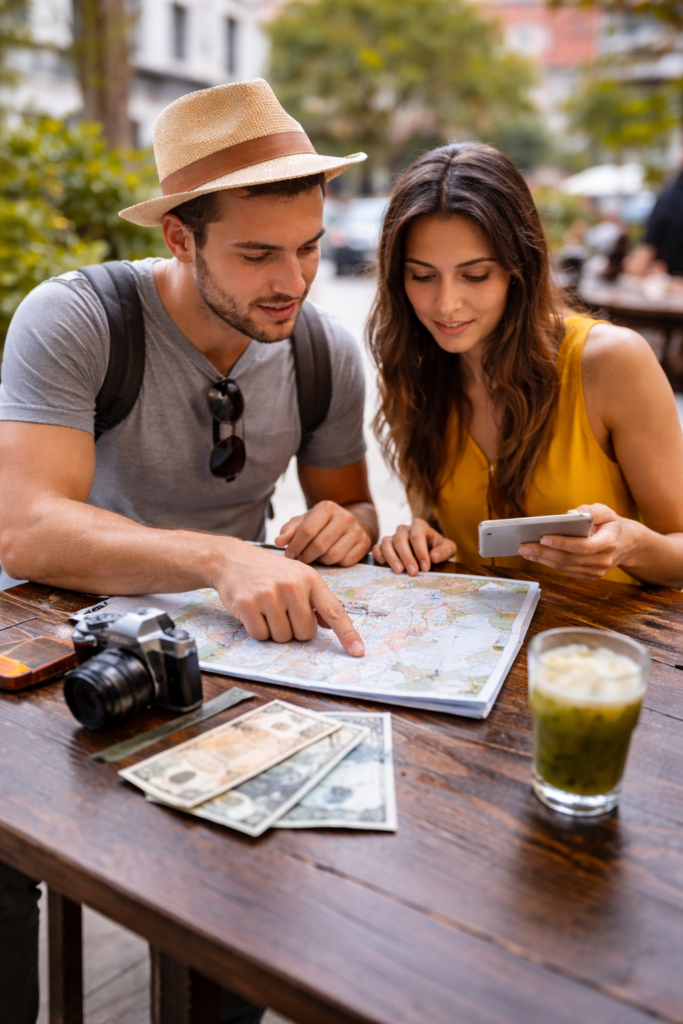
As a tourist, you’re here for a defined period — days, weeks, maybe a few months. Your spending is often focused on convenience, experiences, safety, and memories. Tourists aren’t usually planning meals for a month, long‑term rentals, or navigating local bank fees.
Residents, on the other hand, budget for life: food every day, rent or mortgage over years, mobile and data needs, local transport, banking systems, and long‑term cost savings.
Understanding the contrast between these lifestyles helps you plan better — whether you’re coming for a safari holiday or considering moving to Kenya.
Short‑Term Tourist Spending vs Resident Cost‑Saving Strategies
Tourists Spend on Convenience
Tourists typically pay a premium for convenience:
- Hotels and Holiday Rentals: Short stays often mean nightly rates — sometimes much higher than equivalent long‑term housing costs.
- Meals Out: Eating every meal in restaurants adds up fast.
- Tours and Experiences: Whether it’s a Maasai Mara game drive or climbing Kilimanjaro, these are priced for visitors.
- Transport: Ride‑hailing services (like Bolt or Uber) are convenient but more expensive than local alternatives.
For many visitors, the priority is comfort and ease — and that means paying rates designed for short stays.
Residents Think in Weeks, Months, Years
Locals organize money around longer timelines. Some strategies residents use:
- Bulk Grocery Shopping: Buying in bulk at major supermarkets or markets reduces cost per meal.
- Cooking at Home: Owning or renting a simple place with a kitchen quickly saves money over eating out every day.
- Seasonal and Street Food: Local staples like ugali, sukuma wiki, chapati, and mandazi are delicious and affordable.
- Public Transport: Matatus and buses are far cheaper than daily ride‑hailing.
The more time you spend in Kenya, the more these long‑term habits start to make financial sense — even for extended holiday travelers.
Renting vs Buying Property
For Tourists: Short‑Term Rentals
Most visitors stay in:
- Hotels or guesthouses
- Airbnb/short‑term apartments
- Safari lodges or camps
These can be booked online with flexible check‑in/out dates. Tourists value flexibility, all‑inclusive services, and security.
For Residents: Rent or Buy
Once someone decides to stay longer — a year or more — renting becomes a smarter financial decision than nightly hotel rates.
- Long‑Term Rentals: Typically negotiated monthly or yearly. You can find everything from modest apartments in Nairobi to family homes in Mombasa.
- Buying Property: For residents with long‑term plans (work, family), owning can be an investment. Land and housing prices vary widely by region — Nairobi and coastal cities command higher prices than rural areas.
Financially, buying only makes sense if you’re certain you’ll be here for years. Rental gives flexibility without long‑term commitment.

SIM Cards, Mobile Data, and Banking Options
SIM Cards & Mobile Data
Getting connected is one of the first decisions you’ll make on arrival.
For tourists:
- A prepaid SIM with a short data bundle is ideal.
- You’ll often buy this at the airport or from official stores.
For residents:
- Long‑term bundles with larger data allowances are cost‑efficient.
- Consider multi‑SIM plans from different providers depending on coverage where you live or work.
Major networks like Safaricom, Airtel, and Telkom offer competitive data packages. Residents often sign up for recurring bundles to avoid frequent top‑ups and lock in discounts.
Tip: Always carry your passport for SIM registration — Kenya requires this for all prepaid lines.
Mobile Banking and Payments
Kenya is a global leader in mobile money.
Tourists
Tourists might prefer:
- Cash: Often needed in markets or for local transport.
- Cards: Widely accepted at hotels, restaurants, and major outlets.
- Mobile Wallets: Some visitors use roaming mobile wallets or link international cards to local services.
Residents
Locals rely heavily on:
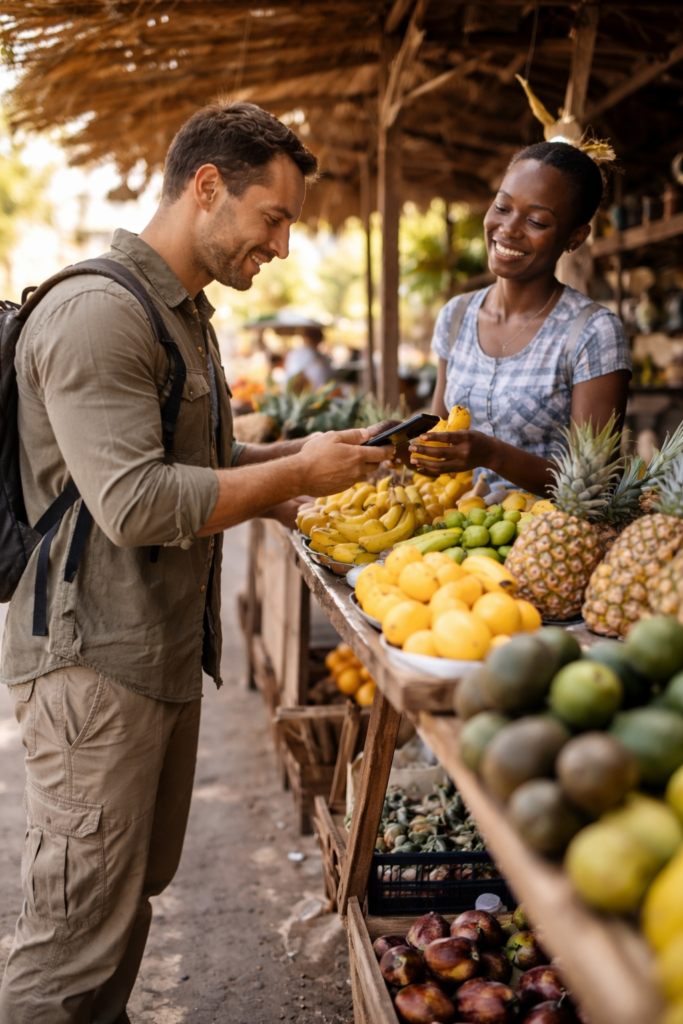
- M‑Pesa: Ubiquitous for bills, transfers, savings, and more.
- Bank Accounts: For salaries, rent, loans, and regulated financial services.
- Mobile Banking: Apps that handle payments, investments, and loans.
Residents benefit from cost‑efficient peer transfers and widespread acceptance of mobile money for everyday transactions.
Hidden Costs Foreigners Don’t Expect
Even seasoned travelers can be surprised by:
1. VAT and Service Charges
Many bills include a value‑added tax (VAT) and optional service charge — especially in hotels and restaurants.
2. Transport Surprises
Ride‑hailing surge pricing can double fares at peak times. Local matatus are cheaper but more chaotic.
3. Sim Card Registration/Activation
There’s sometimes a fee or minimum airtime requirement to fully activate and use a new SIM.
4. Banking Fees
International card use can trigger withdrawal or exchange fees.
5. Tourist Levies
In certain parks or conservancies, wildlife fees or conservation levies are added at entry.
6. Cash‑Only Vendors
Many local vendors don’t accept digital payments — so always carry some local currency.
One local saying sums it up well: “The price is what you pay, the value is what you get.” Knowing the true cost ahead of time makes your Kenya experience richer and your budget stronger.
Why These Financial Differences Matter
Understanding how money works in Kenya — whether you’re here briefly or making a home — affects:
- Your overall experience
- Your comfort and convenience
- How far your money goes
- Your ability to navigate local culture without confusion
Low costs can be wonderful — but they sometimes come with trade‑offs in convenience or expectations. High costs can buy comfort — but sometimes at the expense of authentic local experiences.
Practical Tips for Tourists
Budgeting for a Short Visit
- Plan your daily budget based on how you travel (luxury vs mid‑range vs backpacker).
- Book accommodations that include breakfast or kitchen access.
- Buy multi‑day data bundles — they are often cheaper than daily packs.
- Exchange a small amount of cash at the airport, then find better rates in town.
Money Safety Tips
- Use hotel safes.
- Avoid flashing large amounts of cash.
- Use reputable ride services.
Stretching Your Shilling
- Eat local where safe and recommended.
- Use public transport or shared shuttles.
Money Wisdom from Residents
Stretch Long‑Term Costs
- Learn where locals shop — open‑air markets can be cheaper for produce.
- Plan your transport routes to avoid unnecessary ride‑hail trips.
- Consider co‑living spaces or shared rentals to save on rent.
Financial Tools
- Set up local mobile wallets or bank accounts for easier payments.
- Use recurring plans for data and utilities to avoid last‑minute premiums.
Residents often say that mastering money isn’t just about saving — it’s about knowing where to spend and where to cut back.
Whether you’re stepping off a plane for the first time or unpacking suitcases for a long‑term stay, Kenya challenges you to think differently about money. Tourists experience the thrill of adventure — and sometimes the shock of unexpected costs. Residents build routines that weave financial savvy into daily life.
Understanding the financial decisions that shape these two lifestyles isn’t just practical — it’s empowering. With insight and preparation, you can make Kenya fit your budget and your life — whether for a short stay or a life chapter that lasts years.
FAQs
1: How much should a tourist budget per day in Kenya?
Daily budgets vary. Budget travelers can spend under KSh 5,000. Mid‑range travelers average KSh 8,000 to KSh 15,000. Luxury safaris cost more.
2: Is Kenya expensive for long‑term living?
It depends on your lifestyle. Nairobi and Mombasa are pricier, but living in smaller towns with local habits lowers monthly costs.
3: Should I rent or buy property if I plan to stay a year?
Rent. Buying makes sense only with long‑term legal status and local insight. Most expats and residents start with a 6–12 month lease.
4: Are there hidden charges tourists should expect?
Yes. VAT, service charges, park entry fees, mobile SIM costs, and airport transfers often surprise short‑term visitors.
5: Is mobile money like M‑Pesa safe for foreigners to use?
Yes. M‑Pesa is safe, reliable, and widely accepted. Tourists need a local SIM and passport to register.
6: What’s the best way to get mobile data in Kenya?
Buy a local SIM from Safaricom, Airtel, or Telkom. Long‑term bundles are cheaper. Avoid airport vendors if possible — prices are higher.
7: Can foreigners open a bank account in Kenya?
Yes, with proper documentation. Residents need a work permit or long‑term visa. Tourists generally use mobile wallets or international cards.
8: Is public transport safe for visitors?
Matatus and buses are cheap but can be chaotic. Tourists often prefer Uber, Bolt, or organized shuttles for safety and ease.
9: Why do long‑term residents spend less on the same lifestyle?
They adapt to local prices, shop in bulk, use public transport, avoid tourist traps, and build routines around lower-cost choices.
10: Is it true that Kenya is cheap to visit?
(Myth‑busting)
Partly. Some things are affordable — like local food or transport — but safaris, park fees, and foreign rates make short trips expensive.