Explore the breathtaking Maasai Mara through stunning photography. Discover the beauty of Maasai Mara photos.
Have you ever wondered what makes Maasai Mara photos so captivating?
Imagine yourself traversing Kenya’s vast, open savannas, where the air is as fresh as the morning dew and the landscapes are as diverse as the wildlife inhabiting them. This is the Maasai Mara, where nature’s raw beauty is captured in every photo.
In this article, we delve into the heart of the Maasai Mara, exploring its unique allure through a camera lens.
From the majestic wildlife to the breathtaking landscapes, we uncover the secrets behind the stunning photos that have captivated the world.
Also read: Top Safari in Kenya Picks for Adventure Seekers
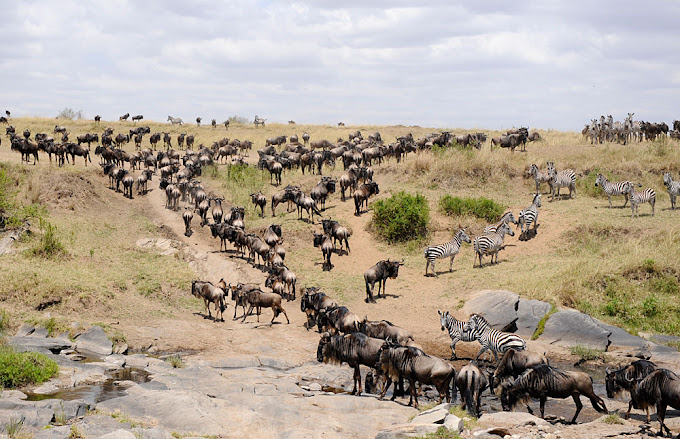
A Detailed Explanation of Maasai Mara’s Photogenic Beauty
The Maasai Mara is not just a destination; it’s a vibrant canvas that brings photographers and nature enthusiasts from all over the globe.
Its allure lies in its unspoiled natural beauty and abundant wildlife roaming freely across its plains.
The Wildlife of Maasai Mara: A Photographer’s Paradise
The Maasai Mara is a haven for wildlife enthusiasts and photographers alike, offering a kaleidoscope of Africa’s most iconic species.
This majestic landscape, renowned for its Maasai Mara photos, is a living gallery where each animal plays a vital role in the ecosystem’s tapestry.
Majestic Lions and Graceful Giraffes

The lions of the Mara are a symbol of strength and royalty, often found lazing under the Acacia trees, their manes glowing in the African sun. Capturing these majestic beasts in their natural habitat is a dream for many photographers.
Equally captivating are the giraffes, gracefully striding across the plains, their elongated necks creating a striking silhouette against the vast sky.
These moments, whether during the calm of the day or the cool of the evening, offer a glimpse into the serene life of the Mara’s giants.
Dramatic River Crossings and Quiet Moments
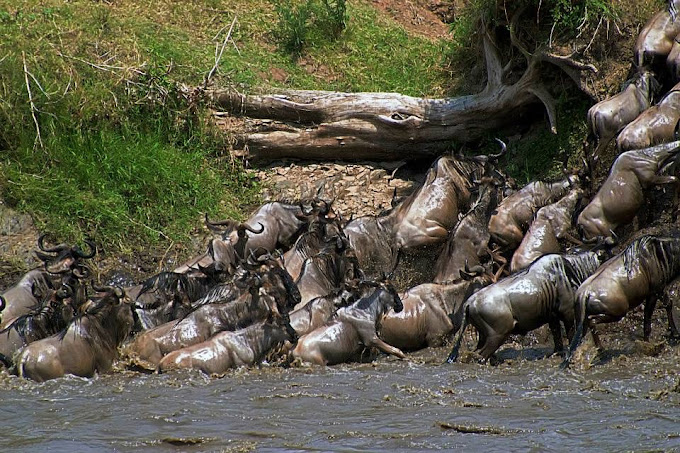
Is Masai Mara worth it for wildlife photography?
Absolutely. The Great Migration, a spectacle of nature, presents dramatic scenes as herds of wildebeest and zebras make dangerous river crossings, a true test of survival. These moments of high drama are a magnet for photographers, offering shots filled with action and emotion.
In contrast, the quieter moments, like a leopard lounging in a tree or a cheetah surveying the horizon, provide opportunities to capture the subtle, yet equally powerful, aspects of life in the Mara.
Diverse Fauna: A Photographer’s Dream
Beyond these iconic species, the Mara is home to a plethora of other wildlife, each adding diversity to the photographic experience.
From the agile antelopes and the cunning hyenas to the colorful array of birdlife, the Mara offers endless opportunities to capture the essence of African wildlife. Every creature, big or small, contributes to the Mara’s allure, making it a destination that lives up to every photographer’s dream.
The Maasai Mara is not just a destination; it’s a journey through the heart of Africa’s wilderness. It promises Maasai Mara photos filled with beauty, drama, and the untamed spirit of the wild.
The Landscape and Light of Maasai Mara: A Photographic Symphony
The landscape of the Maasai Mara is an ever-changing canvas that captivates photographers from around the world.
Renowned for its Maasai Mara photos, this Kenyan gem offers a visual feast that is both dynamic and awe-inspiring.
Golden Grasslands and Acacia Trees

The Mara’s golden grasslands are a signature feature, creating a vivid, quintessentially African backdrop.
Dotted with iconic Acacia trees, these grasslands offer a stunning contrast against the deep blue skies, a scene that begs to be photographed.
The way the light plays across this landscape, especially during the golden hours of sunrise and sunset, is magical.
Photographers find these moments ideal for capturing the Mara’s serene beauty, with the warm hues enhancing the sense of depth and texture in their Maasai Mara photos.
The Magic of Golden Hours
Is Masai Mara worth it for landscape photography? The answer lies in the unique play of light that the Mara offers.
The golden hours bring a soft, diffused light that wraps the landscape in a warm embrace. This light is perfect for photography, highlighting the contours of the land and casting long, dramatic shadows.
During these hours, the Mara truly comes alive, with the colors of the savannah glowing intensely, creating a dreamlike quality that is both enchanting and surreal.
Capturing the Essence of the Mara
Photographers are drawn to the Mara not just for its wildlife, but for its breathtaking landscapes. The interplay of light and land here is a dance of natural beauty, offering endless opportunities to capture striking Maasai Mara photos.
Whether it’s the first light of dawn breaking over the horizon or the last rays of the sun setting the sky ablaze, each moment presents a new perspective, a new chance to capture the essence of Mara’s unparalleled beauty.
The landscape and light of the Maasai Mara form a symphony of natural beauty, offering photographers a chance to capture the essence of Africa in its most pristine form.
The Maasai Mara photos taken here are not just images; they are stories of light, land, and the timeless beauty of nature.
Also read: Unforgettable Adventures Await: Masai Mara Flying Safari
Cultural Richness of Maasai Mara: A Tapestry of Tradition and Color
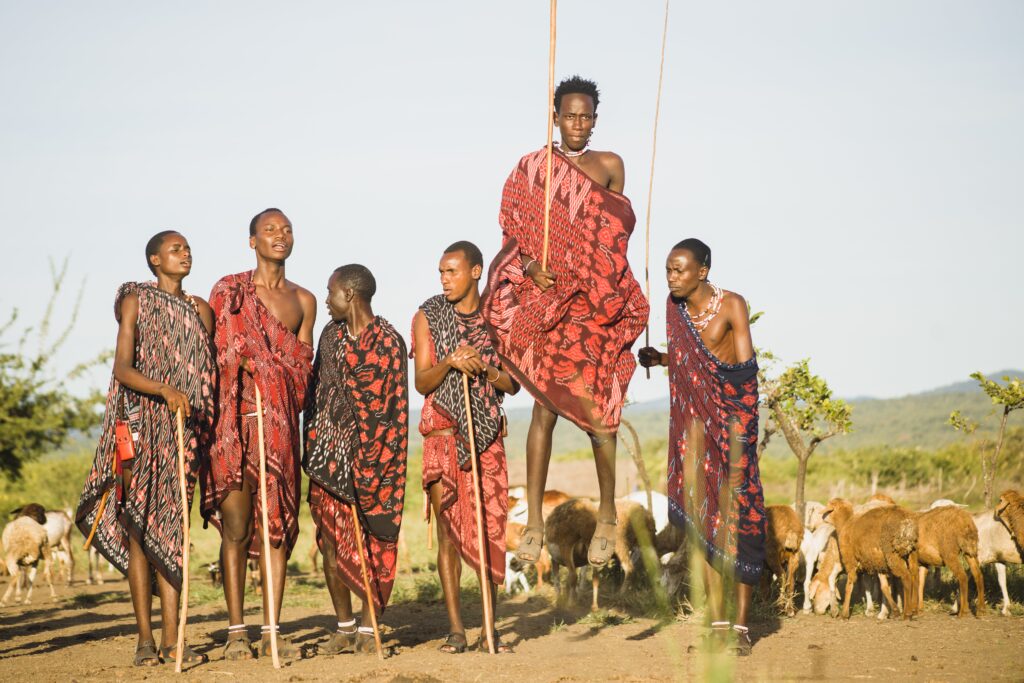
The Maasai People: Guardians of the Land
The Maasai, known for their deep connection to the land and their ancestral traditions, are a symbol of cultural resilience and pride.
Their way of life, harmoniously intertwined with the environment, offers a unique perspective on sustainable living.
Capturing the Maasai in their traditional attire, adorned with bright beads and cloths, adds color and human interest to Maasai Mara photos. These images tell a story of a people deeply rooted in their culture, yet facing the challenges of the modern world.
Traditions and Daily Life
Photographing the Maasai in their daily activities, from herding cattle to performing traditional dances, provides insight into their rich cultural practices.
Is Masai Mara worth it for cultural photography?
Absolutely. The opportunity to document their interactions with the land, their livestock, and each other is a privilege that offers a deeper understanding of the Mara’s cultural landscape.
These moments capture the essence of the Maasai way of life, showcasing their strong community bonds and role as custodians of the land.
A Fusion of Nature and Culture

The cultural richness of the Maasai Mara goes beyond mere visual appeal; it represents a fusion of nature and human history.
The Maasai’s respect for nature and their sustainable practices are lessons in coexistence, crucial in today’s world. Photographers capturing both the natural and cultural elements of the Mara provide a more holistic view of this extraordinary region.
The resulting Maasai Mara photos are visually stunning and culturally enlightening, offering viewers a glimpse into a world where tradition and nature intertwine.
In essence, the cultural richness of the Maasai Mara adds a profound dimension to the region’s allure.
The Maasai people, with their vibrant traditions and intimate connection with the land, offer a colorful and meaningful narrative to the Maasai Mara photos, making them not just images of a place, but stories of a living, breathing culture.
Here’s everything else you need to know about capturing the essence of the Maasai Mara through photography.
The Great Migration: A Spectacular Sight in Maasai Mara
The Great Migration in the Maasai Mara is a spectacle of nature that is unparalleled in its scale and drama.
This annual event, a highlight for Maasai Mara photos, draws photographers and nature enthusiasts from across the globe eager to capture one of the most awe-inspiring scenes in the natural world.
The Phenomenal Scale of the Migration
Millions of wildebeest, accompanied by zebras and gazelles, embark on their epic journey across the Mara River each year.
This mass movement is driven by the search for fresh grazing grounds, following the rains in a cycle that has been repeated for millennia. The scale of the Great Migration is immense, making it a phenomenal subject for photographers.
Capturing the vast herds against the backdrop of the Maasai Mara’s landscapes offers a perspective on the sheer abundance of life that thrives in this ecosystem.
Dramatic River Crossings and Wildlife Interactions
Is Masai Mara worth it for capturing the Great Migration?
Undoubtedly, yes. The Mara River crossings are the most dramatic part of the migration. These crossings are dangerous, as wildebeest and zebras brave crocodile-infested waters and strong currents to reach the other side.
The tension and urgency of these moments create powerful, dynamic, emotionally charged and visually striking images. Additionally, the migration brings heightened predator-prey interactions, offering photographers the chance to capture the raw essence of the wild.
A Once-in-a-Lifetime Photographic Experience

For photographers, the Great Migration in the Maasai Mara is more than just an opportunity to take stunning photos; it’s a chance to witness and document one of the greatest natural events on the planet.
The migration’s unpredictability and the variety of scenes, from peaceful grazing to intense crossings, provide many opportunities for captivating and diverse Maasai Mara photos.
Each moment during the migration offers a unique story, a snapshot of the circle of life in one of the world’s most spectacular settings.
The Great Migration in the Maasai Mara is not just a spectacular sight; it’s a profound experience that offers endless opportunities for breathtaking photography.
Capturing this event is a dream for many photographers, offering a chance to immortalize the drama, beauty, and sheer magnitude of one of nature’s most extraordinary phenomena.
Timing and Positioning for Capturing the Great Migration in Maasai Mara
When it comes to photographing the Great Migration in the Maasai Mara, timing and positioning are crucial elements that can make all the difference.
For those seeking to capture the essence of this natural wonder in their Maasai Mara photos, understanding the migration patterns is key.
Understanding Migration Patterns
The Great Migration, a spectacle of nature, typically unfolds between July and October. However, this timing can vary depending on the annual rainfall patterns.
The herds follow the rains, seeking fresh pastures, which makes predicting their movement a challenge that requires both knowledge and a bit of luck. Staying informed about the current year’s migration trends is essential for planning your photography expedition.
Strategic Positioning Along the Mara River
Is Masai Mara worth it for capturing the Great Migration?
Absolutely, especially if you position yourself strategically, the Mara River crossings are the most dramatic and sought-after moments of the migration. Finding the right spot along the river can significantly increase your chances of capturing these breathtaking events.
Experienced guides can be invaluable in helping you choose locations where crossings are most likely to occur. These spots offer the best views and the safest and most responsible ways to witness and photograph the migration without disturbing the wildlife.
Patience and Preparedness
Patience is a virtue in wildlife photography, particularly for the Great Migration. The waiting game can be long and unpredictable, but the rewards are unparalleled.
Being prepared with the right equipment, ample storage, and backup batteries ensures that you’re ready to capture it in all its glory when the moment arrives.
Maximizing Photographic Opportunities

To maximize your chances of capturing the iconic scenes of the Great Migration in the Maasai Mara, it’s advisable to spend several days in the region.
This allows for a better understanding of the animals’ movements and behavior, increasing the likelihood of being in the right place at the right time.
Early and late afternoons often provide the best light for photography, adding a dramatic effect to your Maasai Mara photos.
Timing and positioning are critical for photographers aiming to capture the Great Migration in the Maasai Mara.
By understanding the migration patterns, strategically positioning yourself along the Mara River, and exercising patience, you can increase your chances of photographing this awe-inspiring spectacle, creating unforgettable Maasai Mara photos that truly encapsulate the spirit of this incredible natural event.
Challenges and Rewards of Photographing the Great Migration in Maasai Mara
Capturing the Great Migration in the Maasai Mara is an endeavor filled with both challenges and immense rewards.
For photographers aiming to take the perfect Maasai Mara photos, understanding and overcoming these challenges is key to experiencing the profound satisfaction of this unique photographic pursuit.
Navigating the Challenges
One of the primary challenges is the need for patience. The migration, while predictable in its annual occurrence, is unpredictable in its daily movements.
Photographers often spend hours, sometimes days, waiting for the perfect moment when the herds decide to cross the river or engage in dramatic interactions.
Additionally, being prepared for the elements is crucial. The Maasai Mara’s weather can be unpredictable, and the conditions in the wild can change rapidly. Adequate preparation with the right gear to protect yourself and your camera equipment is essential.
The unpredictability of wildlife behavior also poses a challenge.
Animals are wild and unpredictable, making it important to always be alert and ready to capture spontaneous moments. This unpredictability, however, is also what makes photographing the Great Migration so exciting and rewarding.
The Unparalleled Rewards
Is Masai Mara worth it for photographers?
The rewards of capturing the Great Migration say yes. The opportunity to witness and photograph one of the most spectacular natural events on the planet is a reward in itself. The raw, unscripted drama of nature, from the tense moments before a river crossing to the jubilant aftermath, provides a sense of fulfillment that is hard to match.
Capturing these moments allows photographers to tell a story of survival, resilience, and the sheer power of nature.
The images taken become more than just Maasai Mara photos; they become timeless narratives that evoke emotion and awe in those who view them.
A Fulfilling Photographic Journey
The experience of photographing the Great Migration in the Maasai Mara goes beyond the physical photos. It’s about the journey, the learning, and the personal growth that comes with facing and overcoming these challenges.
It’s about the connections made with nature and the deeper understanding of the wild world. The rewards of this experience are not just in the images captured, but in the memories and stories, each photographer brings back.
While photographing the Great Migration in the Maasai Mara comes with its set of challenges, the rewards are truly unparalleled.
The experience offers a unique blend of excitement, patience, and fulfillment, making it a must-do for any photographer to capture the essence of one of the world’s most incredible natural phenomena.
The Mara’s Diverse Ecosystems: A Photographer’s Delight
The Maasai Mara’s diverse ecosystems are a treasure trove for photographers, offering a rich tapestry of landscapes and wildlife.
Each area within the Mara presents unique photographic opportunities, making it a prime destination for capturing stunning Maasai Mara photos.
Riverine Forests: A Haven for Diverse Wildlife

The riverine forests along the Mara River are lush, verdant areas teeming with life. These forests are a sanctuary for a variety of bird species, creating a paradise for bird photographers.
The dense canopy provides a natural filter for the light, creating soft, diffused lighting conditions ideal for photography.
Photographers can also find hippos and crocodiles in these forests, adding excitement and danger to their Maasai Mara photos. The play of light through the trees, combined with the reflections on the water, creates enchanting scenes that are both challenging and rewarding to capture.
Open Grasslands: The Heart of the Mara
The vast open grasslands are the essence of the Maasai Mara. This is where the magic of the Mara truly unfolds, with its iconic wildlife like lions, cheetahs, and elephants.
Photographing these animals in their natural habitat, often with a lone Acacia tree or a herd of elephants in the distance, is a quintessential part of Maasai Mara photography.
The grasslands offer expansive views, allowing photographers to play with compositions that include large swathes of the landscape. The interplay of light and shadow over these plains, especially during the golden hours, adds depth and drama to the photos.
Capturing the Essence of the Mara’s Ecosystems
Is Masai Mara worth it for landscape and wildlife photography?
The diversity of its ecosystems answers this with a resounding yes. Each ecosystem within the Mara offers its own unique set of challenges and rewards.
Photographers can explore and capture a wide range of subjects, from intimate, close-up shots in the dense riverine forests to the sweeping landscapes of the open grasslands.
The diverse ecosystems of the Maasai Mara provide a rich canvas for photographers. Whether it’s the mysterious depths of the riverine forests or the vast openness of the grasslands, each offers unique opportunities to capture the essence of this magnificent region in Maasai Mara photos.
The Mara’s natural beauty and diverse habitats make it a destination that every photographer dreams of exploring.
Top 5 Locations for Capturing Stunning Maasai Mara Photos
1. Mara Triangle
The Mara Triangle is renowned for its exceptional wildlife viewing and is less crowded than other parts of the Maasai Mara.
It allows photographers to capture unique Maasai Mara photos of diverse wildlife, including the Big Five. The Mara River, running through this area, is a prime location for witnessing the dramatic wildebeest crossings during the Great Migration.
2. Ol Kinyei Conservancy
This conservancy is known for its unspoiled natural beauty and offers exclusive wildlife viewing experiences.
Photographers can capture intimate wildlife moments in a serene setting, including rare sightings of leopards and cheetahs with their cubs.
3. Olare Orok Conservancy
This area is celebrated for its high concentration of wildlife and stunning landscapes. It’s an excellent spot for photographers seeking to capture the essence of the Maasai Mara, from majestic lions to graceful giraffes against the backdrop of rolling plains.
5. Musiara Swamp
Located near the Mara River, Musiara Swamp is a haven for birdlife and offers unique opportunities for bird photography.
The swamp’s lush environment also attracts a variety of other wildlife, providing diverse photo opportunities in a less frequented part of the reserve.
5. Mara North Conservancy
This conservancy offers a more private safari experience and is ideal for capturing undisturbed wildlife interactions.
Its varied landscapes, from open plains to dense bushland, make it a versatile location for photographers looking to add variety to their Maasai Mara photo collection.
Final Thoughts
As we conclude this exploration of the Maasai Mara, it’s clear that this remarkable region is more than just a destination; it’s a vivid tapestry of life, color, and natural wonder.
Throughout this article, we’ve journeyed together through the Mara’s diverse landscapes, encountering its dramatic wildlife and serene vistas.
Each element, from the majestic lions to the tranquil sunsets, contributes uniquely to Mara’s photographic allure, making Maasai Mara photos a coveted treasure for any photographer.
The Maasai Mara is where each snapshot tells a story, capturing moments of raw beauty and unscripted drama. It’s a region where the interplay of light and landscape creates breathtaking scenes, and the cultural richness adds depth to the natural beauty.
Is Masai Mara worth it for photography enthusiasts?
Absolutely. The Mara is not just a place to visit; it’s an endless source of inspiration, a canvas where nature’s beauty is etched in every frame.
As you reflect on the insights and images shared, let them inspire you to explore, capture, and cherish the natural wonders of our world.
The Maasai Mara stands as a testament to the beauty and diversity of our planet, a reminder of the precious moments that await us in the wild.
May your journey through the Mara, whether through these pages or in person, ignite a passion for discovery and a deep appreciation for the majestic tapestry of life that thrives in this extraordinary corner of the world.
FAQs
1. What is the best time to visit Maasai Mara for photography?
The best time is during the dry season, from July to October, which coincides with the Great Migration.
2. Can beginners in photography find good opportunities in the Maasai Mara?
Absolutely! The Maasai Mara offers diverse subjects suitable for photographers of all levels.
3. Are there photography tours available in the Maasai Mara?
Yes, specialized photography tours cater to different skill levels and interests.
4. What kind of camera equipment is recommended for Maasai Mara photography?
A DSLR or mirrorless camera with a good zoom lens is ideal for wildlife photography.
5. Is it safe to photograph wildlife in the Maasai Mara?
Yes, it’s safe as long as you respect the wildlife and follow the guidelines provided by your guide.
6. Can I photograph the local Maasai people?
Yes, but always ask for permission before photographing individuals or cultural ceremonies.
7. What are some challenges of photographing in the Maasai Mara?
Challenges include unpredictable weather, the need for patience, and sometimes difficult lighting conditions.
8. Are there ethical considerations to keep in mind while photographing wildlife?
Yes, it’s important to maintain a respectful distance and not interfere with the natural behavior of the animals.
9. Can I combine a photography trip with other activities in the Maasai Mara?
Definitely! You can combine photography with safari drives, cultural visits, and even hot air balloon rides.
10. How can I ensure my photography has a minimal impact on the environment?
Practice responsible photography by staying on designated paths, minimizing noise, and following the guidelines of the reserve.
What are your thoughts on capturing the essence of the Maasai Mara in your photos? Share your experiences and tips on photographing this magnificent landscape!


