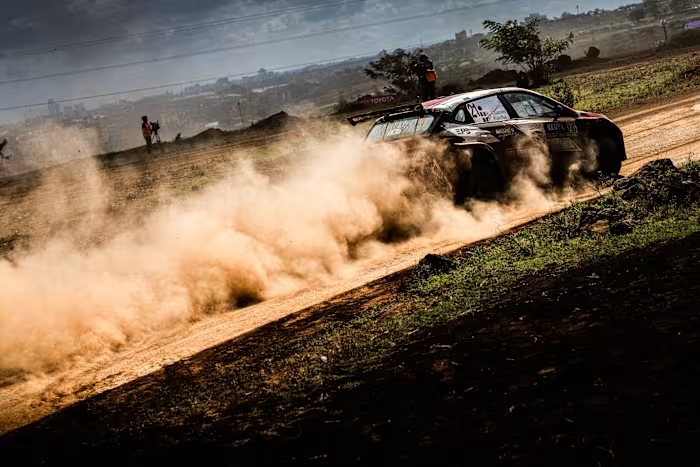
A Legendary Rally Reborn in the Heart of the Rift Valley
The Safari Rally Kenya stands as one of the most legendary motorsport events in the world. Originally launched in 1953 and resurrected into the World Rally Championship (WRC) calendar in 2021, Safari Rally Kenya has earned its place as the “world’s toughest rally” thanks to its brutal terrain, unpredictable weather, and rich heritage.
This rally invites drivers, teams, and fans to Kenya’s Great Rift Valley and surrounding regions—Naivasha, Nakuru County, and other iconic venues—to test endurance, machine and spirit against nature, wildlife, dust, gravel, water-crossings and sudden storms. In this article, we dive into what Safari Rally Kenya is about, its history, the 2026 edition highlights, how you can watch or participate, and why it matters not just for motorsport but for Kenya’s tourism and heritage.
What Is Safari Rally Kenya?

Safari Rally Kenya is an annual rally event in Kenya, famous for being one of the most challenging motorsport races globally. It first ran in 1953 as the East African Coronation Safari and became part of the World Rally Championship from 1973 until 2002, before its return in 2021.
The rally features long gravel stages, deep rut tracks, unpredictable weather (rain turning roads into mud, or extreme dust), and wildlife hazards—making it not just a race but a battle of machine and man against the elements.
In its modern incarnation, Safari Rally Kenya is part of the WRC calendar and contributes to global motorsport, while preserving its unique Kenyan flavour: wildlife, Rift Valley scenery, local hospitality, and a raw endurance test.
When & Where Does Safari Rally Kenya Take Place?

Safari Rally Kenya is based around Naivasha and Nakuru County, in Kenya’s Great Rift Valley. In 2026, Safari Rally Kenya is set to take place from 12–15 March 2026, as the third round of the 2026 FIA World Rally Championship Season. This year marks an important evolution in format and route, with organizers enhancing the competitive experience while preserving the rally’s heritage and grit
The event uses stages that traverse wooded savannah, volcanic ridges, water crossings, and the wilderness around Hell’s Gate National Park. The varied terrain is central to what makes Safari Rally Kenya unique.
Every edition includes ceremonial starts (often in Nairobi or Naivasha), competitive special stages, service parks, and a finish podium in the Rift Valley. Spectators come from Kenya and globally to experience the atmosphere of Safari Rally Kenya.
The History & Heritage of Safari Rally Kenya
Early Years and WRC Glory
The origins of Safari Rally Kenya date to 1953, created as the East African Coronation Safari to celebrate Queen Elizabeth II’s coronation. In 1973 it became an official WRC round, gaining a reputation for its length, remoteness, and difficulty. Teams built specially strengthened cars with snorkels, bullbars and lights to cope with the rugged terrain.
Throughout the 1970s and 80s, Safari Rally Kenya was among the most prestigious events, with high speeds across farm tracks and terrible weather hazards. It also featured wildlife hazards and open roads, unlike many closed‐road rallies.
Return to the WRC and Modern Era

After leaving the WRC calendar in 2002, Safari Rally Kenya returned in 2021, bringing back the world’s attention to Kenya’s motorsport capability and heritage.
The modern Safari Rally Kenya retains the spirit of endurance and unpredictability, even with updated safety, shortened stages and global coverage. Since then, the rally has featured in the WRC calendar and is a major event for both international teams and Kenyan motorsport enthusiasts.
What Makes Safari Rally Kenya Unique?
Brutal Terrain & Endurance Test

One of the primary features of Safari Rally Kenya is the terrain: gravel, fesh-fesh (fine sand), deep ruts, volcanic rocks, water crossings, sudden mud when rains arrive. Drivers must balance speed with survival.
Stages in Safari Rally Kenya often cover more kilometres than typical rallies, demanding not just speed but mechanical reliability and team strategy.
Wildlife, Scenery & Kenyan Spirit
Safari Rally Kenya is unique because the stage routes pass through wildlife habitats—elephants, giraffes, zebras may be nearby. The backdrop of Lake Naivasha, Hell’s Gate, the Rift Valley cliffs, and Kenyan savannah gives the rally a special character.
The rally also blends Kenyan culture, hospitality and local roads into a world-class event.
Global Stage, Local Impact
By being part of the WRC, Safari Rally Kenya draws top teams, drivers and media globally. At the same time, it supports Kenya’s local motorsport community, drives tourism, and enhances the global perception of Kenya as a diverse sporting destination.
The 2026 Edition: What to Know

The 2026 Safari Rally Kenya is scheduled for 12–15 March 2026, serving as the third round of the 14-event World Rally Championship season.
This follows pre-season events like Rallye Monte-Carlo and Rally Sweden, placing Safari Rally Kenya early in the championship and marking one of the first true gravel tests of the season.
Rally Base & Geographic Setting
Safari Rally Kenya remains rooted in the Great Rift Valley region, with Naivasha serving as the rally base and service park headquarters. It also utilizes multiple stages near scenic landscapes such as Soysambu Conservancy, Elementaita, Kedong, Sleeping Warrior and Hell’s Gate National Park — areas renowned for both rally performance and natural beauty.
Route & Format Changes for 2026
A major update in 2026 is the removal of the Nairobi super special stage and ceremonial start. Instead, the event focuses exclusively on high-intensity competition within the Rift Valley, beginning with the official Nawisa shakedown test on Thursday and moving directly into competitive stages that afternoon.
The rally will span 20 special stages over four days, covering approximately 350 kilometres of demanding terrain.
Streamlined Schedule & Shakedown Changes
For 2026, Safari Rally Kenya introduces a new schedule that eliminates the traditional Wednesday shakedown and ceremonial start, instead beginning competitive action on Thursday afternoon after the Nawisa test.
This streamlined format ensures that the competition begins quickly and maintains momentum throughout the four-day event.
Competitive Stages & Terrain
With around 20 special stages, the rally will push drivers through familiar iconic stages — including Camp Moran, Mzabibu, Kedong, Soysambu, Sleeping Warrior and the famed Hell’s Gate Power Stage.
The combination of rugged hill runs, fast plains and tricky surfaces means Safari Rally Kenya remains one of the most physically and mechanically demanding tests on the WRC calendar.
Global Motorsport Stars
As part of the World Rally Championship, Safari Rally Kenya attracts top drivers and teams from around the world, including factory entries from major manufacturers and entries in support categories like WRC2 and WRC3.
How to Watch or Experience Safari Rally Kenya
For Spectators

- Spectators can attend Safari Rally Kenya by arriving in the Naivasha or Nakuru regions ahead of the main dates. Organisers publish official spectator guides and designate safe viewing zones along the route — ideal for watching cars up close and absorbing the rally atmosphere.
- Zones near iconic stages such as Hell’s Gate, Kedong and Sleeping Warrior are popular due to visibility, accessibility and scenic surroundings.
For Participants & Local Teams
- Local Kenyan teams can enter national or WRC affiliated classes. Safari Rally Kenya is part of the Kenyan National Rally Championship and the African Rally Championship.
- For international drivers and teams, ensure your car complies with WRC regulations, tyres suited for rough terrain, and logistics for Naivasha base.
Key Tips for Safari Rally Kenya
- Prepare for rough surfaces: tyres may puncture, suspension will be tested.
- Weather changes rapidly: rain can turn dirt tracks into mud, or sun into dust storms.
- Respect wildlife: although the event is organised, animals and local nature require caution.
- Accommodation spots in Naivasha fill fast—book early.
- Spectator safety: always stay in designated zones and follow marshals.
Why Safari Rally Kenya Matters Beyond Motorsport
Tourism & Economic Impact
Safari Rally Kenya promotes Kenya as more than wildlife and safaris—it positions the country as a top motorsport destination. The rally attracts tourists, media coverage and investment into Naivasha and surrounding regions.
Cultural & Heritage Value
Safari Rally Kenya carries heritage: Kenya’s motorsport history, endurance rally tradition and African terrain challenge. It preserves the legacy of the Original Safari, linking past and present.
Wildlife & Conservation Awareness
Because the rally runs through natural landscapes, organizers emphasise environmental accreditation. For example, the 2025 rally earned a prestigious FIA environmental certification.
Challenges & The Future of Safari Rally Kenya
Logistical and Infrastructure Demands
Hosting a global rally like Safari Rally Kenya demands roads, communications, hospitality and safety infrastructure. The rugged terrain adds to cost and complexity.
Balancing Tradition and Modernisation
While the rally must meet WRC standards, preserving the “safari spirit” is essential—meaning rough terrain, endurance, local heritage. There’s a fine balance between modern convenience and classic challenge.
Environmental & Community Considerations
The rally’s route traverses sensitive ecosystems and local communities. Safeguarding these, plus ensuring the benefit to local livelihoods (hotels, guides, drivers) is key.
Future Growth
Safari Rally Kenya looks forward to further editions (e.g., 2026 dates announced). The ambition includes expanding spectator engagement, rural tourism, and enhancing Kenya’s global motorsport footprint.
Also read:The Africa Concours d’Elegance:Where Heritage Meets Horsepower
Wrap-Up

The Safari Rally Kenya is far more than a high-speed race; it is a cultural, geographic and sporting landmark. It combines the grit of endurance motorsport with Kenya’s dramatic scenery, wildlife and heritage. For drivers, it is one of the ultimate tests. For spectators and visitors, it is an experience—dust, gravel, cheers, wildlife and Kenyan warmth.
If you’re looking for a sporting adventure that captures the spirit of Africa, the thrill of speed and the richness of landscape and culture—then Safari Rally Kenya belongs on your bucket list.
10 Frequently Asked Questions (FAQs)
- What is Safari Rally Kenya?
Safari Rally Kenya is a legendary motorsport rally event held in Kenya and part of the World Rally Championship. - When does the 2026 Safari Rally Kenya take place?
The 2026 edition runs from 12–15 March 2026 as the third round of the WRC season. - Why is Safari Rally Kenya considered so tough?
It features rough gravel terrain, unpredictable weather, long stages and natural obstacles, making it one of the hardest rallies. - Where is Safari Rally Kenya based?
The rally is based in Naivasha and the Great Rift Valley and includes stages across scenic landscapes. - Is Safari Rally Kenya still part of the WRC?
Yes — the event is an official round of the 2026 World Rally Championship. - How many stages are in the 2026 Safari Rally Kenya?
The 2026 rally features about 20 special stages over four days. - Can spectators watch Safari Rally Kenya up close?
Yes — there are designated spectator zones along the route with safe access. - What should visitors bring for Safari Rally Kenya?
Essentials include water, sun protection, sturdy shoes, 4×4 transport and a printed spectator guide. - How does Safari Rally Kenya support tourism?
It attracts global visitors and media coverage, boosting local hospitality and travel sectors. - What makes Safari Rally Kenya different from other WRC events?
Its rough, unpredictable terrain and natural African setting make it uniquely demanding and scenic.