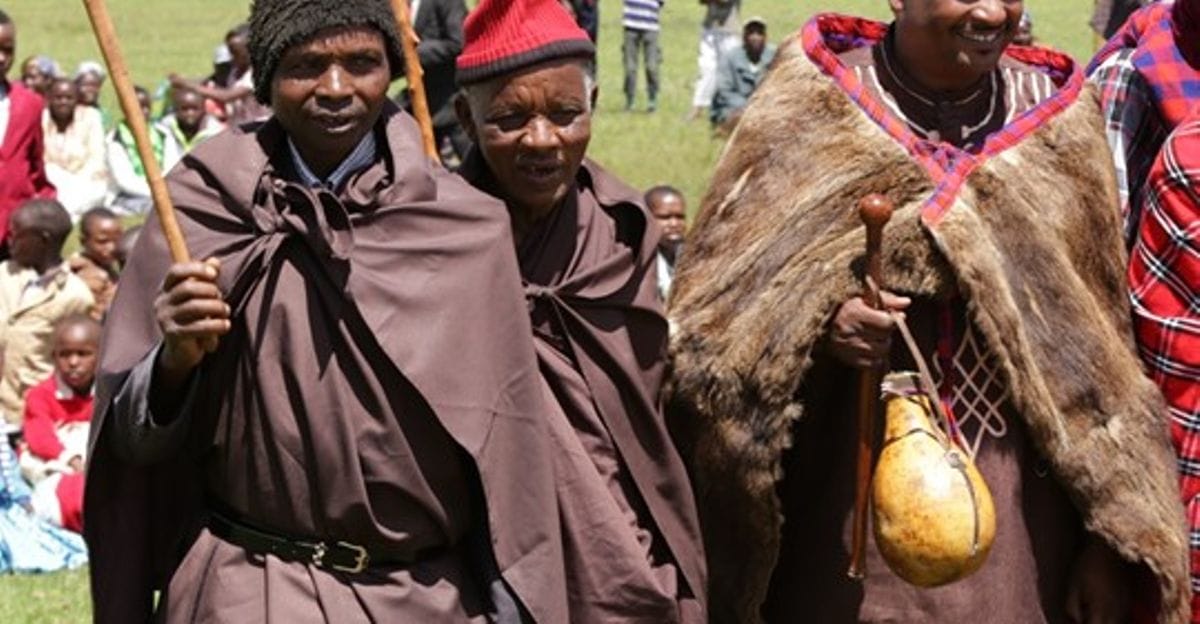
The Mau Forest is Kenya’s largest indigenous montane forest. It’s also the spiritual and ancestral home of the Ogiek community. For generations, the Ogiek have safeguarded this ecosystem. Their deep bond with the land is rooted in survival, culture, and identity.
The Ogiek Forest Festival isn’t just a celebration. It’s a form of resistance. It’s a space to amplify indigenous voices and reclaim ancestral land rights. Held annually in the Mau, this event brings together elders, youth, activists, and allies. It’s cultural, political, and deeply personal.
Also Read:Must-See Cultural Experiences in Kenya
A detailed explanation of the Ogiek Forest Festival
The festival began as a grassroots response to decades of displacement. For years, the Ogiek have faced forced evictions, political exclusion, and environmental injustice. The event aims to resist erasure by asserting presence.
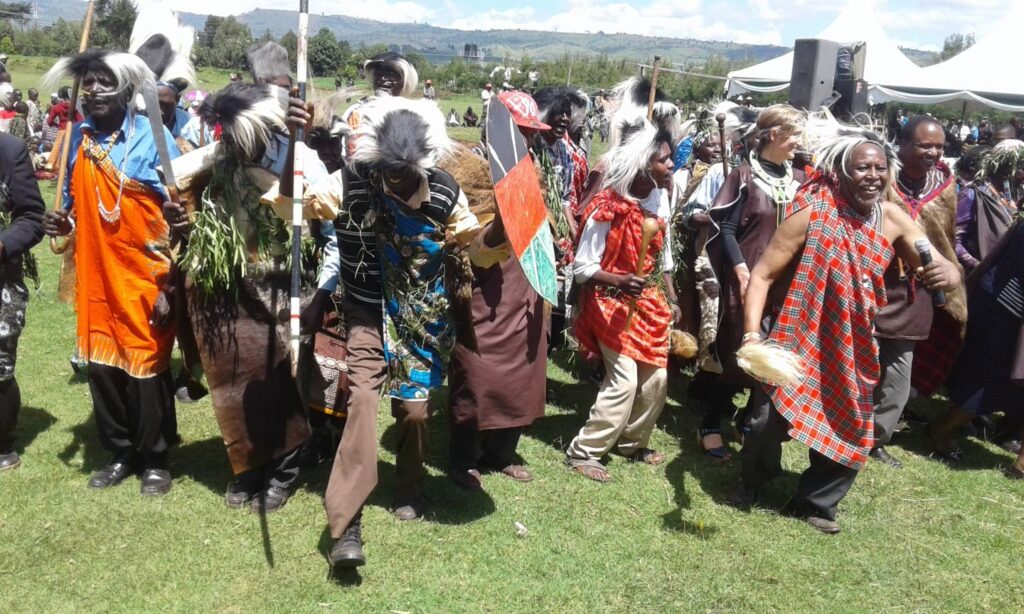
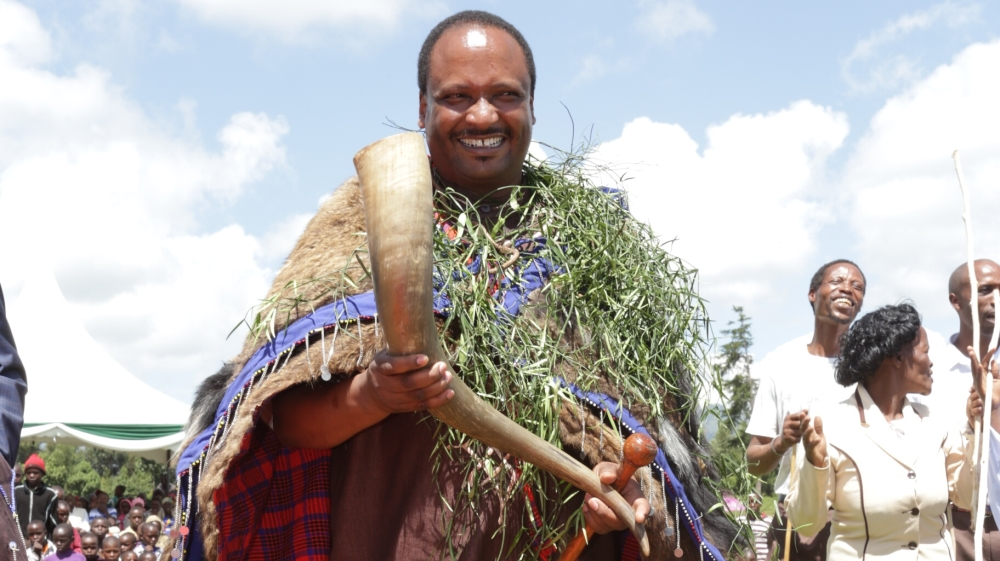
Each year, participants gather under the tall trees of Mau. They sing traditional songs. They perform rituals. They share food, stories, and knowledge. Elders lead the ceremonies, grounding the event in history. Youth participate actively, affirming that this identity will endure.
But this isn’t a nostalgic gathering. It’s strategic.
The festival connects indigenous experience with legal battles, environmental science, and global human rights. The message is clear: the Ogiek are here, and they’re not going anywhere.
Why the Mau Forest matters
- It supplies water to 12 major rivers
- Supports millions through farming and hydropower
- Acts as a key carbon sink
- Home to unique biodiversity
When the Ogiek are removed, the forest suffers. Tree cutting and illegal logging rise. Soil erosion accelerates. Wildlife disappears. The connection between indigenous land rights and conservation is direct.
Historical context: land injustice
The Ogiek have lived in the Mau for centuries. But colonial and post-colonial governments have repeatedly denied them land titles. Policies labeled them as squatters or encroachers.
Key flashpoints:
- Colonial era: British settlers allocated Mau lands to non-Ogiek communities.
- 1960s–1990s: Successive Kenyan governments resettled other groups into Mau, ignoring Ogiek claims.
- 2009–2010: Massive evictions in the name of conservation displaced thousands of Ogiek.
- 2017: African Court on Human and Peoples’ Rights ruled in favor of the Ogiek, affirming their rights.
Still, the court decision remains partially implemented.
The festival as a form of advocacy
The Ogiek Forest Festival builds awareness and visibility. It shows the world that land rights are not abstract. They affect food, identity, shelter, and spiritual life.
Activities at the festival include:
- Traditional honey harvesting demonstrations
- Forest walks with elders
- Public discussions on land rights
- Environmental education for youth
- Collaborative sessions with lawyers and NGOs
These moments link the past, present, and future of Ogiek struggle.
Women and youth leadership
The festival gives a platform to voices often overlooked.
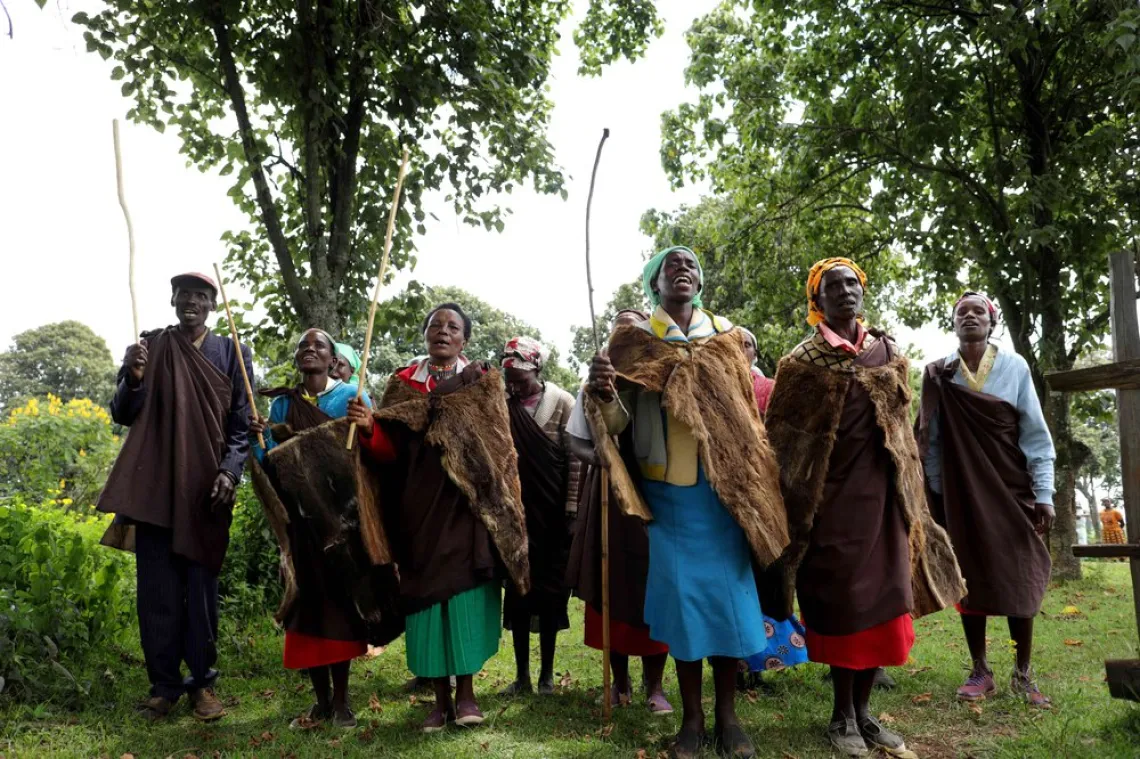
Ogiek women speak about their role in preserving food systems and cultural knowledge. They lead discussions on gender, education, and economic survival.
Ogiek youth perform spoken word and music. They use art to express resistance. Many are the first generation to attend university. They return to the forest with tools to advocate in new ways—law, media, science.
Environmental conservation and indigenous knowledge
Mainstream conservation often excludes indigenous people. But Ogiek knowledge systems are inherently ecological. Their practices include:
- Rotational beekeeping to protect tree health
- Controlled hunting seasons
- Use of natural medicine with strict harvesting rules
- Sacred forests where no tree or animal is touched
Such knowledge is based on reciprocity, not extraction.
Obstacles facing the Ogiek
Despite global recognition, the Ogiek face ongoing threats:
- Evictions: Often without notice, disrupting livelihoods and education
- Legal delays: Government slow to enforce court rulings
- Land grabbing: Powerful interests exploit forest lands
- Stigma: Being labeled as primitive or anti-development
These challenges make the festival even more important. It strengthens community cohesion. It builds alliances. It inspires resilience.
National and global attention
The Ogiek Forest Festival has attracted local and international interest.
- UN Special Rapporteurs have visited
- Kenyan environmental groups offer support
- Scholars and journalists cover the event
- Regional indigenous groups attend to show solidarity
This network is essential. It pressures the Kenyan government to act. It ensures the Ogiek are not forgotten.
The role of the African Court ruling
In 2017, the African Court ruled that the Ogiek’s expulsion violated their rights. It recognized their identity and land claims.
The judgment ordered the Kenyan government to:
- Return ancestral lands
- Provide compensation
- Work with the Ogiek on forest management
But enforcement is weak. Without political will, the judgment remains symbolic.
The future of the festival
The Ogiek Forest Festival is growing. Each year, more people attend. Each year, more youth return to the Mau.
Organizers plan to expand:
- Training in indigenous rights
- Legal literacy workshops
- Environmental monitoring programs
- Documenting oral histories and traditions
These steps are key to long-term survival.
Why this matters to you
If you care about climate change, biodiversity, or justice, this story concerns you.
Supporting indigenous land rights is one of the most effective climate solutions. Communities like the Ogiek have been protecting nature long before conservation became policy.
Your awareness, voice, and action matter.
What you can do:
- Read the African Court’s ruling
- Share Ogiek stories on social media
- Support local NGOs working on land justice
- Pressure policymakers to implement court decisions
- Attend the festival if you’re in Kenya.
Final thoughts
The Ogiek Forest Festival is a powerful reminder. Culture and land are inseparable. The forest is more than trees—it’s life, memory, and future for the Ogiek.
As Kenya debates land use, climate policy, and development, the Ogiek remind us that indigenous voices must be at the center. Not as victims, but as experts and leaders.
The Mau will survive if its guardians are protected. And the festival makes that vision visible—year after year.
10 FAQs about the Ogiek Forest Festival
1. When is the Ogiek Forest Festival held?
Typically each year in June or July, though dates may vary.
2. Where does it take place?
In the Mau Forest, Kenya—usually within areas traditionally inhabited by the Ogiek.
3. Who organizes the festival?
Ogiek community leaders, supported by NGOs and legal advocates.
4. Is the festival open to the public?
Yes, all allies and curious visitors are welcome.
5. What’s the goal of the event?
To assert land rights, preserve culture, and raise awareness about indigenous struggles.
6. What should visitors expect?
Cultural performances, forest walks, public talks, traditional food, and ceremonies.
7. How does the event support conservation?
By showcasing sustainable, indigenous practices that align with ecological preservation.
8. Are children involved?
Yes. Youth are central to performances, education, and leadership.
9. What’s the connection to land rights?
The festival protests historical injustices and promotes the enforcement of legal victories.
10. Why is international attention important?
It brings pressure on national governments and creates solidarity with global movements.