Honoring Tradition, Creativity, and Community in Kenya’s Ukambani Region
The Kamba Cultural Festival is one of Kenya’s most colorful and meaningful celebrations, bringing together the Kamba (Akamba) people to honor their traditions, artistry, and unity. Rooted in the Ukambani region—spanning Machakos, Kitui, and Makueni counties—the festival is an annual showcase of song, dance, storytelling, cuisine, and craftsmanship.
Beyond the vibrant performances and dazzling beadwork, the Kamba Cultural Festival carries deep cultural significance. It is a platform for preserving identity, strengthening community bonds, and teaching younger generations about their roots. With every drumbeat, every carved artifact, and every story told, the festival connects the present to the past while offering inspiration for the future.
What Is the Kamba Cultural Festival?
The Kamba Cultural Festival is an annual event that brings the Akamba community together to celebrate their unique traditions. It highlights the music, dances, folklore, artistry, and cuisine that have defined the Kamba for centuries.
More than just a performance-based event, the festival functions as:
- A cultural classroom – where youth learn from elders.
- A communal gathering – strengthening bonds across counties and beyond.
- A tourism attraction – drawing visitors eager to experience authentic Kenyan culture.
- A spiritual expression – incorporating sacred dances like Kilumi, which are believed to summon rain and blessings.
By uniting thousands of people in a shared celebration, the Kamba Cultural Festival keeps traditions alive in a world that is rapidly changing.
Where and When Is the Kamba Cultural Festival Held?
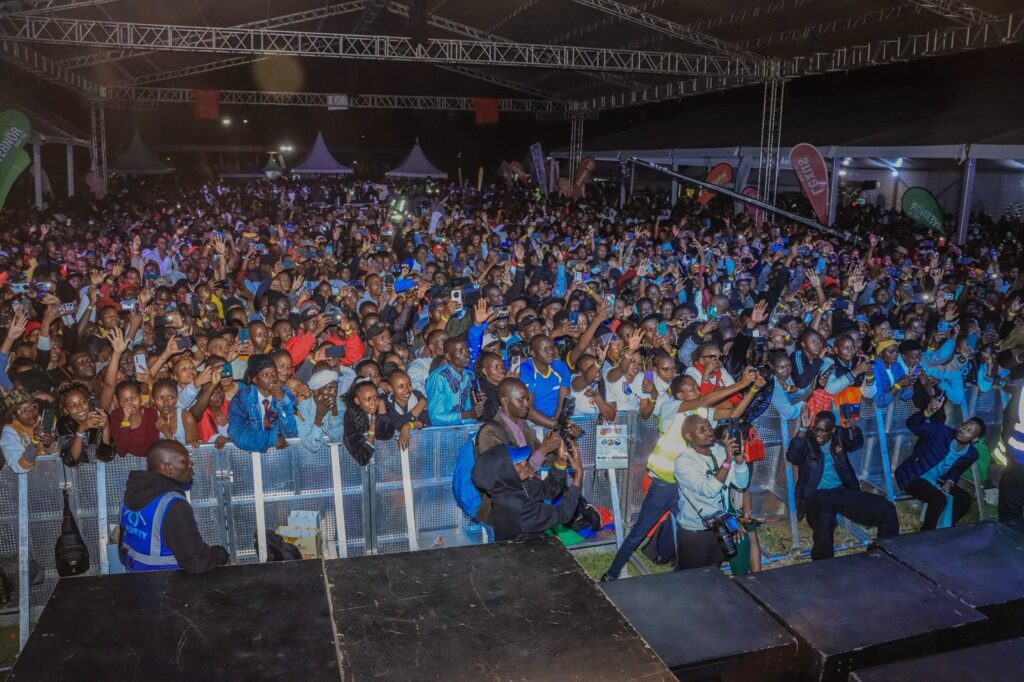
The Kamba Cultural Festival is primarily held in Ukambani, which includes Machakos, Kitui, and Makueni counties. Events often rotate among these areas, allowing different communities to showcase their local flavors of Kamba culture.
The timing of the festival varies, but it is typically staged during holiday seasons or cultural calendars, when communities can gather in large numbers. Recent editions have also been held in Nairobi, allowing the Kamba diaspora to connect with their heritage in urban spaces.
Historical Roots and Modern Revival
The Kamba are a Bantu-speaking people with a rich history in agriculture, trade, and craftsmanship. For centuries, they have been known as skilled woodcarvers, storytellers, and dancers.
The Kamba Cultural Festival draws on these roots by reviving practices that were once confined to villages:
- Kilumi – traditional rain-making dances performed with drums and chants.
- Mbeni – celebratory dances showcasing energy and unity.
- Folklore recitations – passing wisdom through oral traditions.
- Wood carving and beadwork – artistic expressions with symbolic meaning.
Modern editions of the festival have integrated contemporary elements such as concerts, fashion shows, and exhibitions. This blending of old and new ensures the Kamba Cultural Festival remains relevant to today’s youth while staying true to tradition.
Also read:Top 7 Must-Experience Cultural Festivals in Kenya
Cultural Highlights of the Kamba Cultural Festival

The festival is packed with cultural activities, each highlighting a different aspect of Akamba life.
Kilumi: Sacred Rain-Making Dance
The most spiritual element of the festival is the Kilumi dance, performed by elders and women. With steady drumbeats and trance-like chants, Kilumi is believed to summon rain and blessings from ancestors. Watching this performance is both mesmerizing and deeply moving, as it reflects the community’s connection to nature.
Mbeni Dances: Vibrant Expressions of Joy
Mbeni dances bring unmatched energy to the festival. With synchronized steps, ululations, and drums, dancers showcase the joy of community. These dances are not only entertainment but also a celebration of milestones like harvests, marriages, and victories.https://www.youtube.com/playlist?list=PL7usrcmLSeRNgjgGi2IaMmeu1jaOEJS2j
Wood Carving: Kamba Craftsmanship
The Akamba are globally renowned for their wood carving skills. During the Kamba Cultural Festival, artisans display sculptures of animals, masks, household items, and spiritual figures. Each carving tells a story and often carries symbolic meaning, making them both art pieces and cultural records.
Beadwork and Fashion
The Kamba are also masters of beadwork, with women adorning themselves in colorful necklaces, bangles, and earrings. At the festival, beadwork is displayed both as fashion and as cultural symbols. Each pattern and color represents aspects of identity, such as age, marital status, or social role.
Storytelling and Oral Folklore
Oral traditions remain at the heart of the Kamba Cultural Festival. Elders gather children and young adults to share:
- Folktales about heroes, animals, and moral lessons.
- Proverbs that capture ancestral wisdom in few words.
- Songs that tell stories of resilience, love, and community.
These oral traditions reinforce identity while educating future generations about values such as respect, unity, and hard work.
Community and Artistic Expression

The festival is also a platform for modern Kamba artists. Contemporary musicians, poets, and performers reinterpret traditional themes for modern audiences. This creative fusion ensures the Kamba Cultural Festival speaks to both the elder generation and the youth.
Fashion designers incorporate beadwork and shúkàs into modern outfits. Painters and photographers exhibit works inspired by Ukambani landscapes. Musicians blend Kilumi rhythms with contemporary beats. This intergenerational artistic exchange makes the festival dynamic and evolving.
Cultural Significance and Identity
The Kamba Cultural Festival plays a critical role in preserving identity. For the Kamba people, it is a reminder that their traditions are not relics of the past but living expressions of community pride.
The festival’s significance lies in:
- Preservation of heritage – ensuring customs survive modernization.
- Community unity – bringing together people from different counties and diaspora.
- Cultural diplomacy – showcasing Kenyan diversity to tourists and visitors.
- Education – teaching the younger generation about their roots.
In an era where many young people are influenced by global trends, the Kamba Cultural Festival anchors them to their cultural foundation.
Voices from the Festival
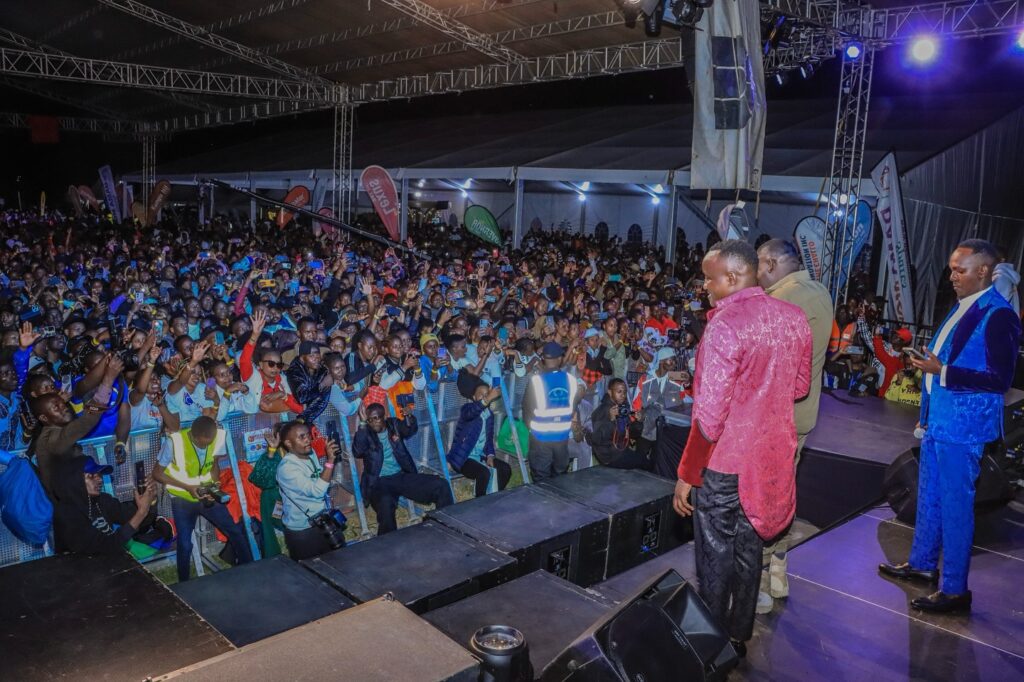
Community leaders, artists, and elders use the Kamba Cultural Festival as a platform to:
- Encourage youth to embrace their heritage.
- Call for preservation of cultural sites in Ukambani.
- Promote peace, unity, and resilience in the face of challenges.
For many, the festival is also a moment of reflection—remembering ancestors while celebrating the progress of the Kamba community.
Challenges and Authenticity
Like many cultural festivals, the Kamba Cultural Festival faces challenges:
- Commercialization – Risk of diluting authenticity for entertainment.
- Funding – Organizing large festivals requires resources.
- Youth interest – Competing with modern lifestyles and global culture.
- Documentation – Many traditions remain oral and need preservation.
Despite these challenges, the community continues to ensure the festival remains authentic. Elders play a crucial role in guiding the programming, while youth bring innovation, making it both traditional and contemporary.
Also read:7 Mind-Blowing Kenyan Music and Dance Performances
Wrap-Up
The Kamba Cultural Festival is more than a celebration—it is a cultural movement. From Kilumi rain dances and vibrant beadwork to storytelling and woodcarving, the festival keeps alive the spirit of Ukambani.
It bridges generations, unites counties, and attracts visitors from across Kenya and beyond. By preserving traditions while embracing modern artistic expressions, the Kamba Cultural Festival ensures that Kamba identity thrives in a changing world.
For anyone seeking to experience the heartbeat of Kenya’s diversity, the Kamba Cultural Festival is a must-attend event.
10 Frequently Asked Questions (FAQs)
- What is the Kamba Cultural Festival?
It is an annual celebration of Kamba heritage, featuring dances, music, wood carving, beadwork, storytelling, and cuisine. - Where is the festival held?
Primarily in Ukambani (Machakos, Kitui, Makueni), though it sometimes features in Nairobi. - When does it take place?
Usually during holiday seasons, with dates varying each year. - What is the Kilumi dance?
A sacred Kamba rain-making dance performed with drums and chants to summon blessings. - What are the key artistic highlights?
Wood carving, beadwork, music, dances like Kilumi and Mbeni, and folklore. - Is the festival open to non-Kamba visitors?
Yes, it is inclusive and encourages cultural exchange with tourists and other Kenyans. - What challenges does the festival face?
Commercialization, funding, youth engagement, and lack of cultural documentation. - How does the festival benefit the community?
It boosts tourism, provides income for artisans, preserves culture, and unites people. - Why is the Kamba Cultural Festival important?
It safeguards Kamba identity, educates youth, and showcases Kenya’s cultural diversity.