A Community’s Annual Tribute to Identity and Tradition
The Pokomo Cultural Day is a colorful annual celebration dedicated to the heritage, traditions, and cultural practices of the Pokomo people, a Bantu ethnic group residing along the Tana River in southeastern Kenya. This festival is more than an event; it is a cultural preservation initiative, a teaching platform for younger generations, and a community reunion that draws visitors from across the country.
On Pokomo Cultural Day, attendees are immersed in the vibrant music, dances, foods, and artifacts that define the Pokomo identity. The day serves not only as entertainment but also as a reminder of the resilience and beauty of Kenya’s diverse cultural mosaic.
The Pokomo People and Their Heritage
The Pokomo people number over 100,000 and are divided into Upper Pokomo (predominantly Muslim) and Lower Pokomo (mostly Christian). Despite religious differences, they are united by shared cultural traditions, agricultural practices, and folklore.
Known historically as farmers and fishermen, the Pokomo community has developed deep ties with the Tana River. Their oral literature—songs, folktales, and proverbs—reflects a close relationship with the environment, while their dances and drumming symbolize unity, resilience, and social order.
Pokomo Cultural Day brings all these aspects to life in one unforgettable celebration.
Origins of Pokomo Cultural Day
The festival was created as a way for the Pokomo to preserve their identity in a rapidly modernizing society. Urbanization and globalization threatened to erode traditional knowledge, so the community decided to set aside a day each year for showcasing and teaching their cultural practices.
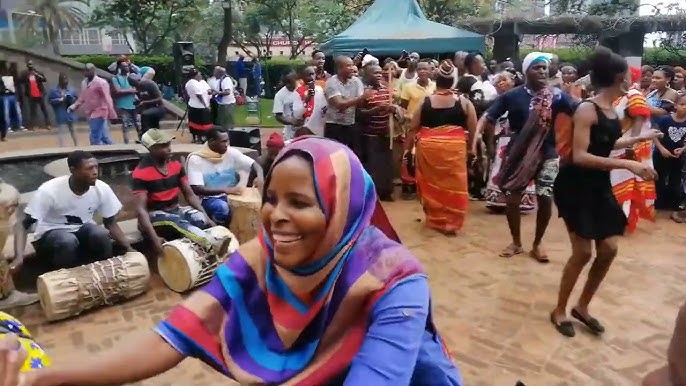
Held both in Tana River County and in urban centers like Nairobi, Pokomo Cultural Day has grown into an anticipated event that attracts not only Pokomo people but also Kenyans from diverse backgrounds who are eager to learn.
When and Where Is Pokomo Cultural Day Celebrated?
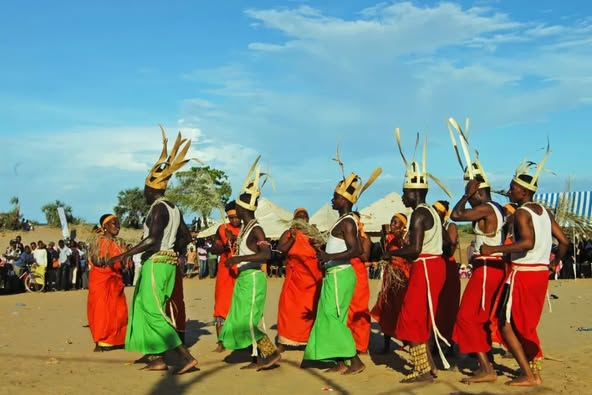
Pokomo Cultural Day does not have a fixed date like national holidays but is typically held once a year, often in December when communities reunite for the festive season.
The main celebrations usually take place in Tana River County, the homeland of the Pokomo. However, the event has also been staged in Nairobi’s CBD, making it more accessible to Pokomo diaspora and other communities. This dual presence ensures that the culture is not confined to one location but celebrated nationally.
Cultural Performances and Activities
The highlight of Pokomo Cultural Day is its lively performances that showcase the artistic richness of the Pokomo.
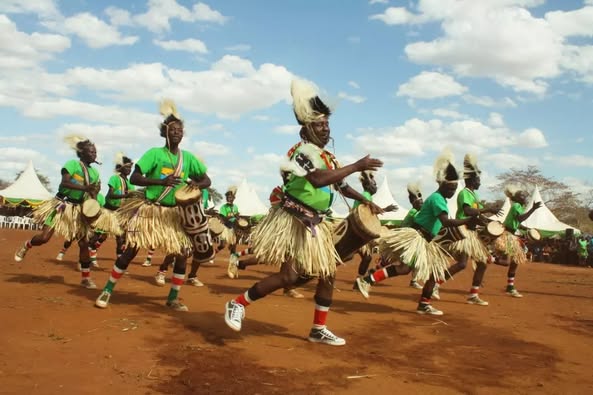
Traditional Dances
Pokomo dances are expressive and deeply symbolic. Popular ones include:
- Kingika – a high-energy dance performed during celebrations.
- Miri – performed at community gatherings and weddings.
- Mwaribe – a ritual dance associated with fertility and blessings.
- Kitoko – performed by women, emphasizing grace and beauty.
These dances are accompanied by powerful drumming, chants, and ululations that create an electrifying atmosphere.
Songs and Storytelling
Music plays a vital role in passing on oral history. Songs such as Mela ya Walume (men’s songs) and Mela ya Kitoko (women’s songs) are performed to teach morals, celebrate milestones, and honor ancestors. Elders often narrate folktales, ensuring that children learn community values through engaging stories.
The Ngadji Drum
A cultural icon, the Ngadji is a sacred drum symbolizing authority, unity, and spiritual power. On Pokomo Cultural Day, the Ngadji is displayed and sometimes used in ceremonies, reinforcing its role as a unifying force in the community.
Food and Cuisine
No cultural festival is complete without food, and Pokomo Cultural Day highlights the community’s culinary identity. Traditional dishes include:
- Wali wa nazi – coconut rice, a coastal delicacy.
- Samaki wa kukaanga – fried fish from the Tana River.
- Mkate wa sinia – sweet baked bread made with coconut milk.
- Uji wa mtama – sorghum porridge.
Food stalls offer these delicacies to visitors, allowing them to literally taste Pokomo culture. Sharing meals fosters community bonding and hospitality.
Cultural Exhibits and Crafts
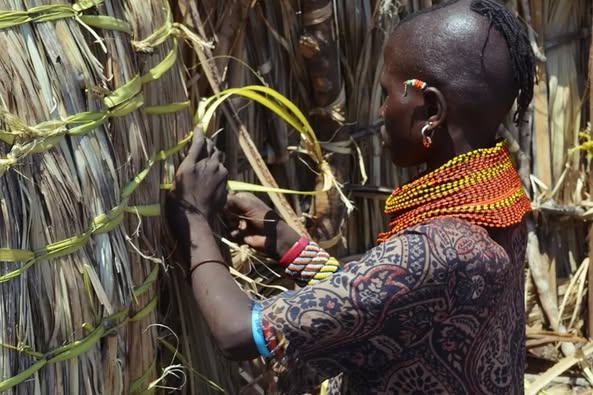
Pokomo artisans showcase their skills through exhibitions of:
- Handwoven baskets for farming and storage.
- Wooden carvings depicting animals and ancestral spirits.
- Beaded jewelry worn during dances.
- Traditional medicine using herbs from the riverine environment.
These exhibits not only entertain but also provide educational value, teaching visitors about Pokomo craftsmanship and indigenous knowledge.
Rituals and Symbolism
The Pokomo Cultural Day also highlights rituals that play a central role in community life. Among them are:
- Traditional healing practices, including the “bleeding horn” method.
- Blessings by elders, who invoke prosperity and peace for the community.
- Initiation rites, teaching youth about responsibility and adulthood.
These rituals underscore the importance of spirituality in Pokomo culture, blending religion with ancestral practices.
Inclusivity and Intergenerational Exchange
The Pokomo Cultural Day is designed not only for elders but for the youth as well. Children are encouraged to participate in dances, recitations, and games, ensuring they gain firsthand exposure to their traditions.
The event also fosters inclusivity by welcoming people from other communities. By opening its doors to outsiders, the Pokomo people strengthen intercultural dialogue and show how Kenya’s many ethnic groups can coexist in harmony.
Social and Economic Impact
The Pokomo Cultural Day is more than just a cultural gathering; it has broader social and economic benefits:
- Tourism: Visitors travel to Tana River to experience authentic Pokomo culture, boosting local hospitality industries.
- Economic Empowerment: Artisans, food vendors, and performers earn income during the festival.
- Cultural Diplomacy: By inviting leaders and dignitaries, the festival positions the Pokomo as active contributors to Kenya’s cultural diversity.
Challenges and the Future of Pokomo Cultural Day
Despite its success, the Pokomo Cultural Day faces challenges. Urbanization and modernization threaten the continuity of traditional practices. Younger generations, influenced by global media, may lose interest in indigenous culture.
However, the community is adapting by:
- Incorporating modern music alongside traditional performances.
- Using social media to promote the festival.
- Partnering with government and cultural organizations to secure funding.
These steps ensure that the Pokomo Cultural Day will remain a living, evolving cultural institution.
Also read:Ultimate Guide to Cultural Immersion in Kenya:(5 Tips)
Wrap-Up
The Pokomo Cultural Day is more than a festival; it is a testament to resilience, identity, and unity. From its expressive dances and soulful songs to its sacred rituals and delicious cuisine, the festival preserves the Pokomo’s cultural soul while sharing it with the world.
By dedicating a day each year to celebrate heritage, the Pokomo people ensure that future generations will continue to honor their traditions. For Kenyans and international visitors alike, the Pokomo Cultural Day offers an unforgettable journey into the heart of Tana River’s culture.
10 Frequently Asked Questions (FAQs)
- What is Pokomo Cultural Day?
It is an annual celebration by the Pokomo community showcasing their traditions, dances, food, and rituals. - Where is Pokomo Cultural Day held?
Primarily in Tana River County, but also celebrated in Nairobi for the Pokomo diaspora. - When is it celebrated?
It is usually held once a year, often in December during the festive season. - What makes Pokomo Cultural Day unique?
Its combination of music, rituals, cuisine, crafts, and the iconic Ngadji drum. - What traditional dances are performed?
Kingika, Miri, Mwaribe, and Kitoko are among the most popular dances. - Is the event open to non-Pokomo people?
Yes, it is inclusive and welcomes people from all communities and tourists. - What foods are featured during the festival?
Coconut rice, fried fish, mkate wa sinia, and sorghum porridge. - How does the festival benefit the community?
It promotes tourism, provides income for locals, and preserves cultural heritage. - What challenges does the festival face?
Urbanization, loss of traditional knowledge, and limited funding. - Why is Pokomo Cultural Day important?
It ensures the preservation of Pokomo identity, strengthens community unity, and educates future generations.