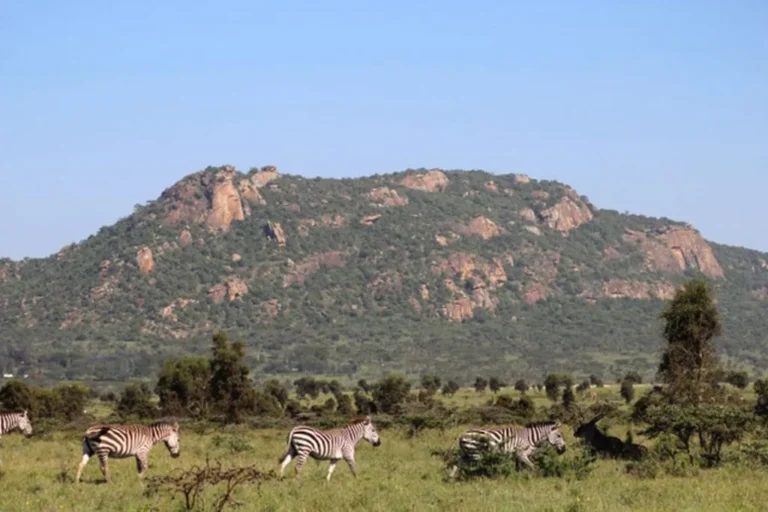
In the heart of Nairobi, surrounded by traffic, noise, and buildings, lies an unexpected retreat. The Nairobi Arboretum is a green sanctuary that provides a quiet, natural escape. Only 3 km from the city center, it is one of Kenya’s most accessible public green spaces. With over 350 species of indigenous and exotic trees, hundreds of bird species, and well-maintained walking trails, it offers more than just beauty—it offers a chance to reset.
Also Read:Hiking Trails in Kenya: An Adventurer’s Guide to the Best Routes
A Detailed Explanation of the Arboretum’s Appeal
The Nairobi Arboretum serves a critical role for both nature and people. Initially established in 1907 by the colonial government to test exotic tree species for commercial use, it has transformed into a vital recreational and educational resource. Managed by the Kenya Forest Service, the space blends conservation with public access.
What Makes the Nairobi Arboretum Unique?
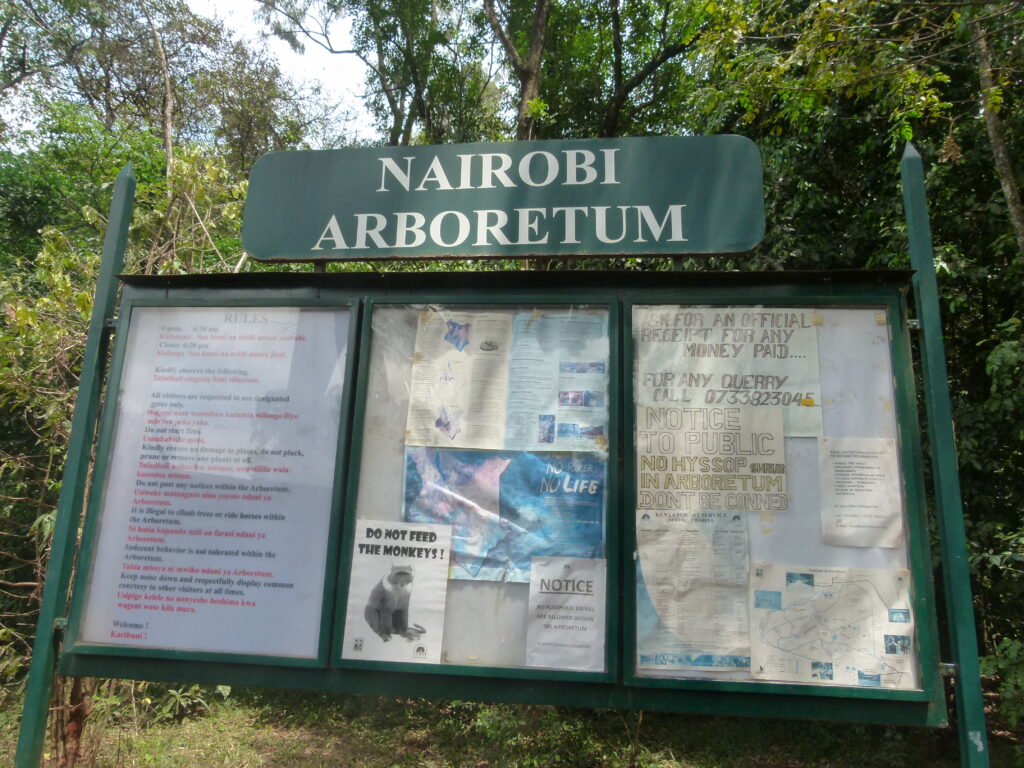
- Urban Location: Few capital cities have a forested park so close to their central business district.
- Tree Diversity: Over 350 tree species grow here, making it a living laboratory for botanists and students.
- Wildlife Habitat: Monkeys, butterflies, and over 100 bird species thrive in this environment.
- Fitness-Friendly: Joggers and walkers follow the 3.5 km loop trail every morning and evening.
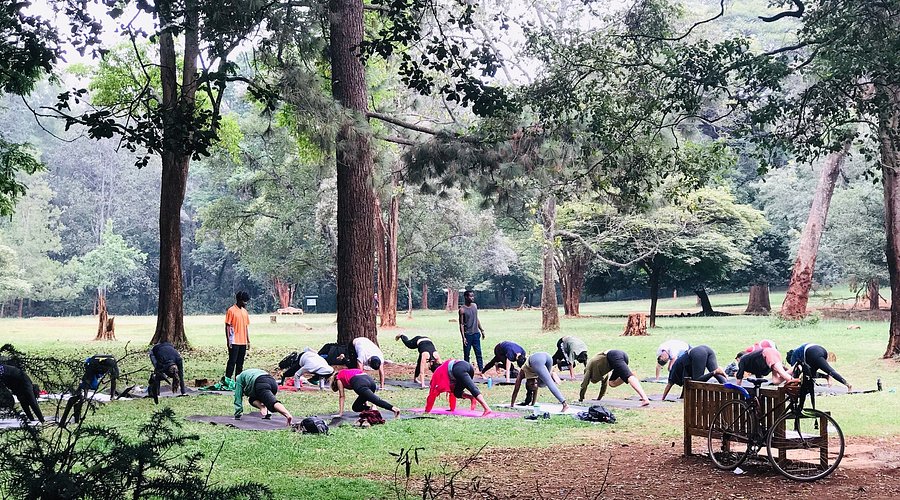
- Community Use: From yoga sessions to photography groups, the park supports a wide range of activities.
Who Should Visit?
- Nature lovers looking for plant and birdwatching opportunities.
- Families seeking safe, open spaces for kids to play.
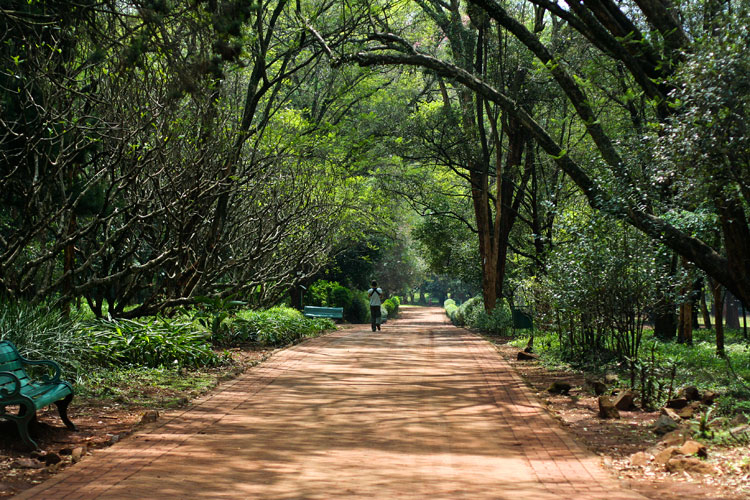
- Joggers and walkers wanting a scenic, shaded route.
- Tourists craving a non-commercial, authentic Nairobi experience.
Entry Information
- Open Daily: 6:00 AM to 6:15 PM
- Entrance Fee: KES 65 (Adults), KES 27 (Children under 12)
- Location: Arboretum Road, off State House Road, Nairobi
Things to Do at Nairobi Arboretum
1. Walk or Jog the Forest Loop
The trail network inside the Arboretum is a favorite among Nairobians. The paths are clean, shaded, and quiet. You will pass by labeled trees, listen to bird calls, and see families of vervet monkeys swinging through branches.
2. Enjoy a Picnic
Bring a blanket, some snacks, and enjoy a peaceful afternoon under the canopy. Picnic areas are marked, and restrooms are available near the main entrance.
3. Attend Open-Air Events
Yoga classes, small concerts, and photography meetups often take place here. Most events are free or donation-based. Follow local Facebook and WhatsApp groups to stay informed.
4. Practice Birdwatching
The Arboretum is a top spot for amateur and seasoned birdwatchers. Species often seen include:
- African paradise flycatcher
- Black kite
- Yellow-rumped tinkerbird
- African grey hornbill
Bring binoculars and arrive early—between 6:30 and 8:00 AM—for the best experience.
5. Tree Identification and Learning
Many trees are labeled with both their common and botanical names. Visitors interested in botany or herbal medicine find this a rich resource.
History of Nairobi Arboretum
The British colonial administration planted the first trees in 1907. The goal was to determine which non-native species could survive in Kenya’s climate. Over time, the space evolved from an experimental plot to a protected public park.
In the 1990s, the Friends of Nairobi Arboretum (FONA) began community-led efforts to rehabilitate the park after years of neglect. Today, the Arboretum thrives, with paths, signage, and security in place.
Best Time to Visit
- Early Mornings: For birdwatching and cool weather.
- Late Afternoons: Golden light makes it perfect for photography and walks.
- Weekdays: Quieter than weekends. Ideal for solo visitors and readers.
Safety and Accessibility
- Security Guards: Present at the main gates and patrolling inside.
- Parking: Available at the entrance.
- Accessibility: The main trails are flat and suitable for people with mobility aids, though some side trails may be uneven.
Avoid walking alone late in the afternoon. Visit in groups if possible, especially if bringing valuable equipment.
Photography and Filming
- Photography: Allowed for personal use. For commercial shoots, apply for a permit.
- Filming: Requires prior authorization from the Kenya Forest Service and a filming license.
This location is popular for graduation shoots and fashion photography due to its natural light and tree-lined backgrounds.
Facilities and Rules
- Restrooms: Available near the main gate.
- Trash Bins: Use them—no littering is allowed.
- Smoking and Alcohol: Prohibited.
- Pets: Not allowed to prevent disturbance to wildlife.
- Drones: Banned without special clearance.
Respecting these rules helps maintain the space for everyone.
Challenges Facing the Arboretum
While Nairobi Arboretum is a success story, it faces ongoing challenges:
- Encroachment: Urban development threatens its boundaries.
- Littering: Despite signs, some visitors still discard waste.
- Underfunding: Limited budgets mean some areas need maintenance.
Support from visitors, volunteers, and donations is vital to sustain the park’s health.
How to Get There
- By Car: Use Arboretum Road, off State House Road. Safe parking is available.
- By Matatu: Take routes passing through State House Road. Alight near the University of Nairobi grounds and walk.
- By Ride-share: Popular options like Uber or Bolt are available throughout Nairobi.
Tips for First-Time Visitors
- Wear comfortable shoes
- Carry water
- Visit early to avoid crowds
- Watch your belongings
- Avoid feeding monkeys
Why Nairobi Arboretum Matters
In a city known for its traffic and construction noise, the Arboretum offers silence. It’s more than a park—it’s a space for reconnection. Families bond here. Artists find inspiration. Runners find rhythm. Nature heals stress.
The Nairobi Arboretum stands as a symbol of what Nairobi could be: a city that grows without forgetting the value of its green spaces.
FAQs
1. Is there an entrance fee to the Nairobi Arboretum?
Yes. Adults pay KES 65, and children under 12 pay KES 27.
2. Are dogs allowed in the Arboretum?
No. Pets are not permitted to protect wildlife.
3. Can I take wedding photos at the Arboretum?
Yes, but you must apply for a permit for professional or commercial photography.
4. Are there food vendors inside?
No. Bring your own snacks or eat outside before entering.
5. Is the Arboretum safe?
Yes, especially during daylight hours. Avoid walking alone late in the evening.
6. Can I jog inside the Arboretum?
Yes. The 3.5 km loop is popular with joggers.
7. Are bicycles allowed?
No. Biking is not allowed inside to protect the trails.
8. Are there guided tours?
Not officially. But some environmental groups occasionally organize them.
9. What are the opening hours?
From 6:00 AM to 6:15 PM every day.
10. How do I support the Arboretum?
You can donate, volunteer, or join clean-up and planting days organized by FONA.