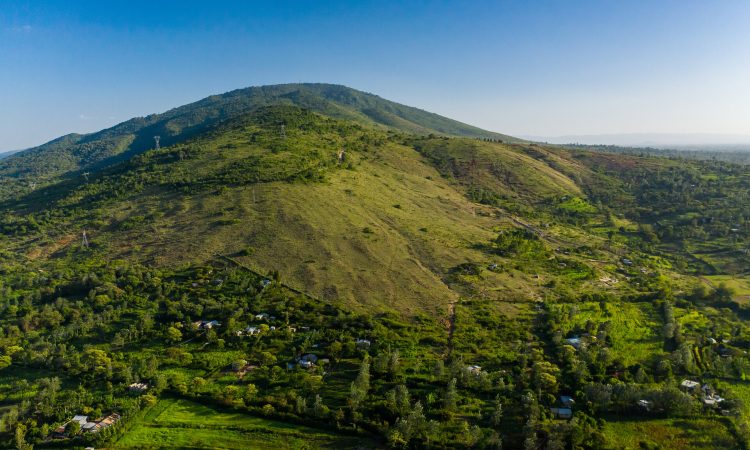
Ol Donyo Sabuk National Park sits quietly about 85 kilometers northeast of Nairobi. It’s not as famous as the Maasai Mara or Amboseli. But what it offers is rare—untouched nature, a rich cultural story, and views you won’t forget.
This park is a place where buffalo roam freely, birds fill the air, and Kikuyu tradition runs deep. It’s where outdoor lovers meet heritage seekers. It’s a small park, only 20 square kilometers, but it packs in more than most places twice its size.
Also Read:The Only Kenya National Parks List You Need
A Detailed Explanation of Why This Park Stands Out
Ol Donyo Sabuk National Park offers a unique combination of wildlife encounters, panoramic hiking, and cultural depth. It’s ideal for day trips, hiking expeditions, or learning about Kikuyu customs.
Where Is Ol Donyo Sabuk?
Ol Donyo Sabuk means “Mountain of the Buffalo” in Maasai. In Kikuyu, it’s known as Kilima Mbogo, or “Buffalo Hill.” It sits in Machakos County, near Thika town, and is managed by the Kenya Wildlife Service (KWS).
Getting there takes about 2 hours from Nairobi. The road is paved until the park gate, with a dirt road leading into the heart of the reserve. Four-wheel drive is advised in the rainy season.
What You’ll See: The Wildlife
- Buffalo: Over 250 Cape buffalo roam the park. These are the stars of the show.
- Monkeys: Baboons and vervet monkeys fill the trees and roadsides.
- Birds: Over 45 bird species, including eagles and doves.
- Small Game: Bushbucks, warthogs, mongoose, and porcupines.
Predators are rare here. That makes it a safe spot for walking and hiking, especially for beginners or families.
Why Hikers Love Ol Donyo Sabuk
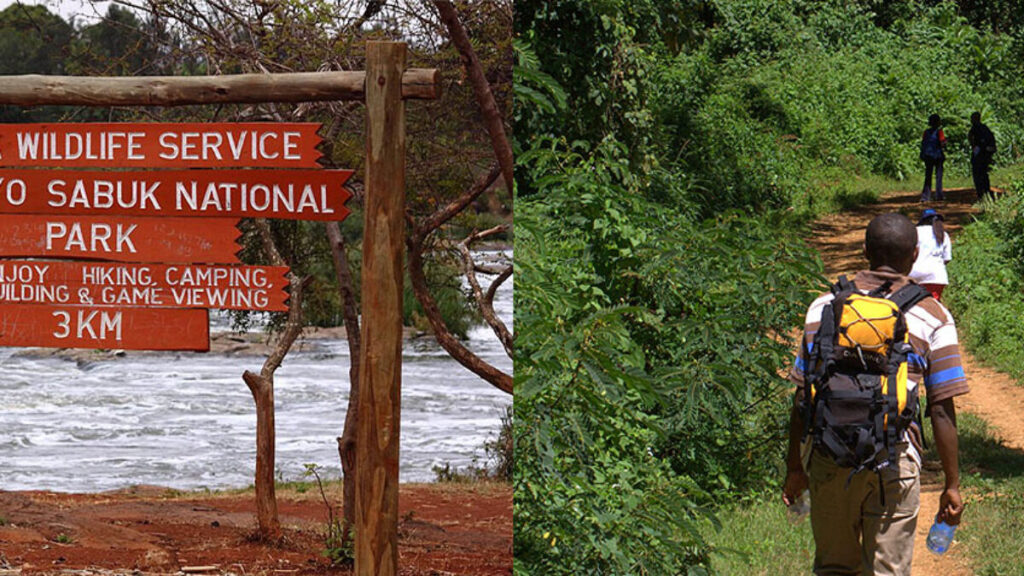
The main attraction is the hike to the summit—2,145 meters above sea level. The trail is about 9 kilometers long. It winds through acacia woodland, rocky paths, and open clearings.
From the top, you can see:
- Mount Kenya to the north
- The Aberdare Ranges to the west
- Nairobi skyline on clear days
Hiking here is moderate in difficulty. It’s not technical, but it’s a good workout. The trail is well-marked, and rangers are available for guided hikes.
Historic Sites in the Park
Lord Macmillan’s Legacy
The park has a strong colonial history. Lord William Northrop Macmillan, an American soldier-turned-settler, bought land here in the early 1900s. He built a mansion on the lower slopes.
His grave, along with those of his wife and servant, lies within the park. So does the grave of Sybil, their loyal dog. These graves sit under shady trees, giving the park a quiet, reflective space.
Kikuyu Cultural Significance
The mountain is sacred to the Kikuyu people. They believe it’s home to ancestral spirits. Elders still perform rituals here, especially during times of drought or community crisis.
This blend of colonial history and local spirituality makes Ol Donyo Sabuk unique.
Best Time to Visit
- Dry Season (July to October): Ideal for hiking and wildlife viewing.
- Rainy Season (March to May): Trails may be slippery, but the park is lush and green.
- Avoid weekends and holidays if you want peace and fewer crowds.
Entrance Fees
As of 2025 (check with KWS for updates):
- Kenyan Citizens: KES 300 adults, KES 200 children
- Residents: KES 1,000 adults, KES 500 children
- Non-residents: USD 20 adults, USD 10 children
Fees include hiking and viewing, but guides may charge extra.
What to Bring
- Hiking boots or sturdy shoes
- Drinking water (at least 2 liters per person)
- Sunscreen and a hat
- Light jacket or raincoat
- Packed snacks or lunch
- Camera or binoculars
There are no shops inside the park. Come fully prepared.
Accessibility
The park is not fully wheelchair accessible. The trails are rocky and steep in parts. However, the picnic areas near the gate are accessible and provide great views.
Camping and Accommodation
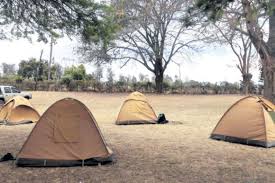
There’s one public campsite near the park gate. It’s basic: pit latrines, water tank, and no electricity. Bring your own tent and supplies.
If you prefer comfort, Thika has several hotels and lodges:
These offer budget to mid-range options and are about 30–40 minutes from the park.
Safety Tips
- Stick to marked trails
- Hire a guide if unsure of the path
- Don’t feed wildlife
- Watch for buffalo—they can charge if provoked
- Avoid the park during heavy rains
Why Ol Donyo Sabuk Deserves More Attention
It’s less crowded, more peaceful, and deeply rooted in Kenyan history. You won’t find luxury lodges or tourist crowds. What you get is authentic nature and cultural depth.
For families, it’s a great way to introduce kids to wildlife. For hikers, the summit is rewarding. For history lovers, it tells a powerful story.
FAQs
1. How do I get to Ol Donyo Sabuk from Nairobi?
Take Thika Road to Thika Town, then Garissa Road. Turn off toward the park about 18 kilometers past Thika.
2. Do I need a guide?
No, but it’s recommended for first-time visitors and safety.
3. Is the hike hard?
It’s moderate. Most healthy adults can do it in 2 to 3 hours up and 1 hour down.
4. Are there lions or leopards?
No large predators live here. That makes it safer for hiking and walking.
5. Can I visit with kids?
Yes. Kids over 7 years enjoy the hike. Younger ones may need help or a carrier.
6. Is photography allowed?
Yes. Bring a good zoom lens for wildlife shots.
7. Is camping safe?
Yes, but bring a flashlight, bug spray, and secure your food at night.
8. Are there picnic sites?
Yes. The main one is near the gate, with tables and shade.
9. What else can I do nearby?
Visit Fourteen Falls, a scenic waterfall about 40 minutes away.
10. Can I see Mount Kenya from the summit?
On clear days, yes. The views stretch far.
Ol Donyo Sabuk National Park is one of Kenya’s best-kept secrets. It blends natural beauty, cultural history, and outdoor fun in one compact area. Whether you’re hiking to the summit, learning about Kikuyu traditions, or watching buffalo graze—it’s a place that connects you to Kenya in a real, unforgettable way.