A Festival of Peace, Identity, and Cultural Exchange in Northern Kenya
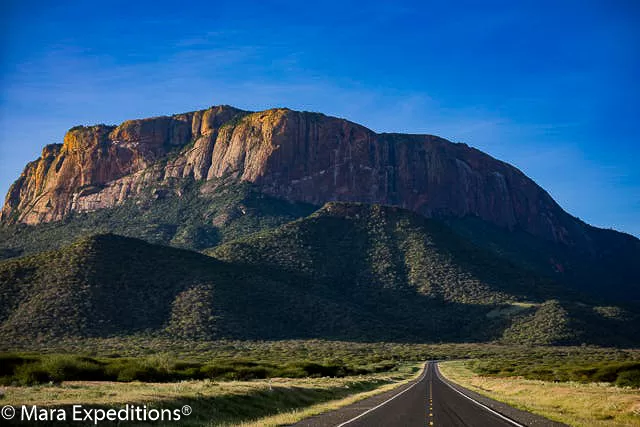
The Turkana Cultural Festival, also known as Tobong’u Lore (“Welcome Home” in the Turkana language), is one of Kenya’s most spectacular cultural gatherings. Held annually in Turkana County around Lodwar and Loiyangalani, the event brings together diverse ethnic groups from Northern Kenya and neighboring countries to celebrate their heritage.
Since its inception in 2008, the Turkana Cultural Festival has grown into a beacon of peace, cultural exchange, and sustainable tourism. With thousands of participants—clad in dazzling traditional regalia—showcasing music, dance, crafts, storytelling, and cuisine, the festival has become a symbol of identity and resilience for pastoralist communities.
What Is the Turkana Cultural Festival?
The Turkana Cultural Festival is an annual multi-day event designed to preserve culture and promote harmony among pastoralist groups. Its name, Tobong’u Lore, reflects its spirit—welcoming communities “home” to their roots.
Key objectives of the festival include:
- Celebrating heritage through traditional performances and rituals.
- Promoting peace among historically rival pastoralist groups.
- Boosting cultural tourism, positioning Turkana as a global attraction.
- Encouraging intergenerational knowledge transfer through storytelling and art.
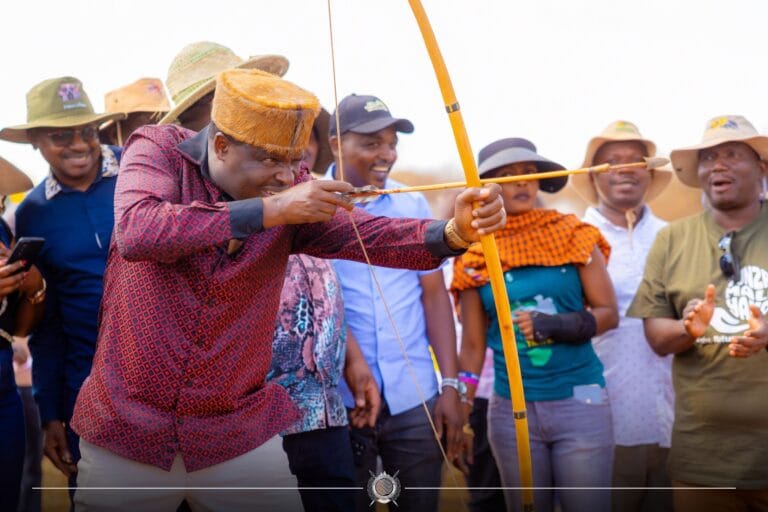
Unlike many cultural festivals that focus on a single community, the Turkana Cultural Festival unites more than 14 ethnic groups, including the Turkana, Samburu, El Molo, Rendille, Gabbra, Dassanach, and Pokot.
When and Where Is the Turkana Cultural Festival Held?
The festival takes place every year in April in Lodwar, the county capital, and in June in Loiyangalani, a small town by the southeastern shores of Lake Turkana. These venues were deliberately chosen:
- Lodwar serves as Turkana’s cultural and administrative hub.
- Loiyangalani—home to the El Molo and Rendille—symbolizes cross-cultural unity.
By rotating across key towns, the Turkana Cultural Festival ensures inclusivity and fosters participation from diverse communities.
Origins of the Turkana Cultural Festival
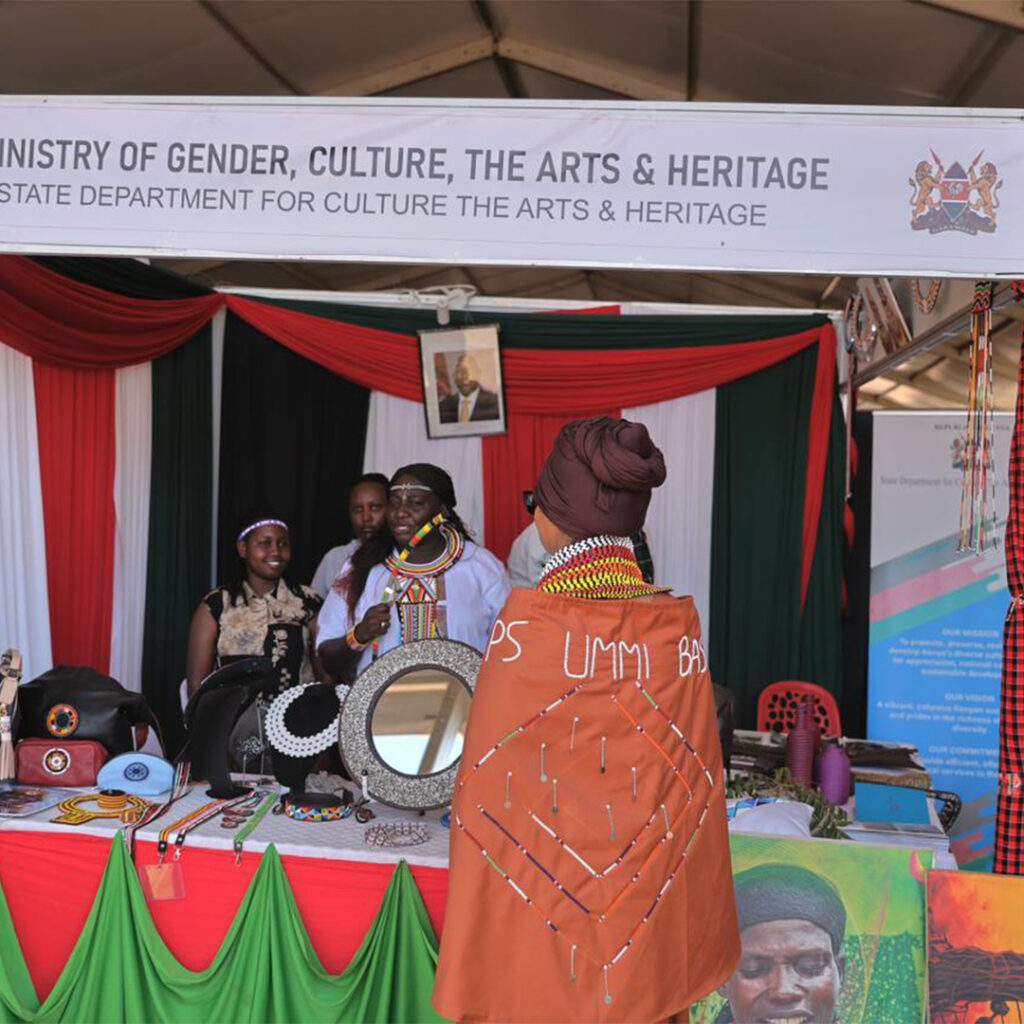
The festival was launched in 2008 by the National Museums of Kenya in partnership with local and international organizations. Its aim was to:
- Support peace-building initiatives among pastoralist groups often in conflict over grazing land and water.
- Promote sustainable tourism in Turkana, a region rich in heritage but often marginalized.
- Highlight Turkana’s role as home to ancient human history, including fossil sites near Lake Turkana.
Over the years, Tobong’u Lore has evolved into an international festival attracting visitors from across Africa and the world.
Cultural Highlights of the Turkana Cultural Festival
The Turkana Cultural Festival is a dazzling blend of traditions.
Traditional Music and Dance

The highlight is the colorful dances, accompanied by drumming, chants, and singing. Each community presents its unique style:
- Turkana warriors perform with rhythmic stomps and ululations.
- El Molo groups showcase dances linked to fishing traditions.
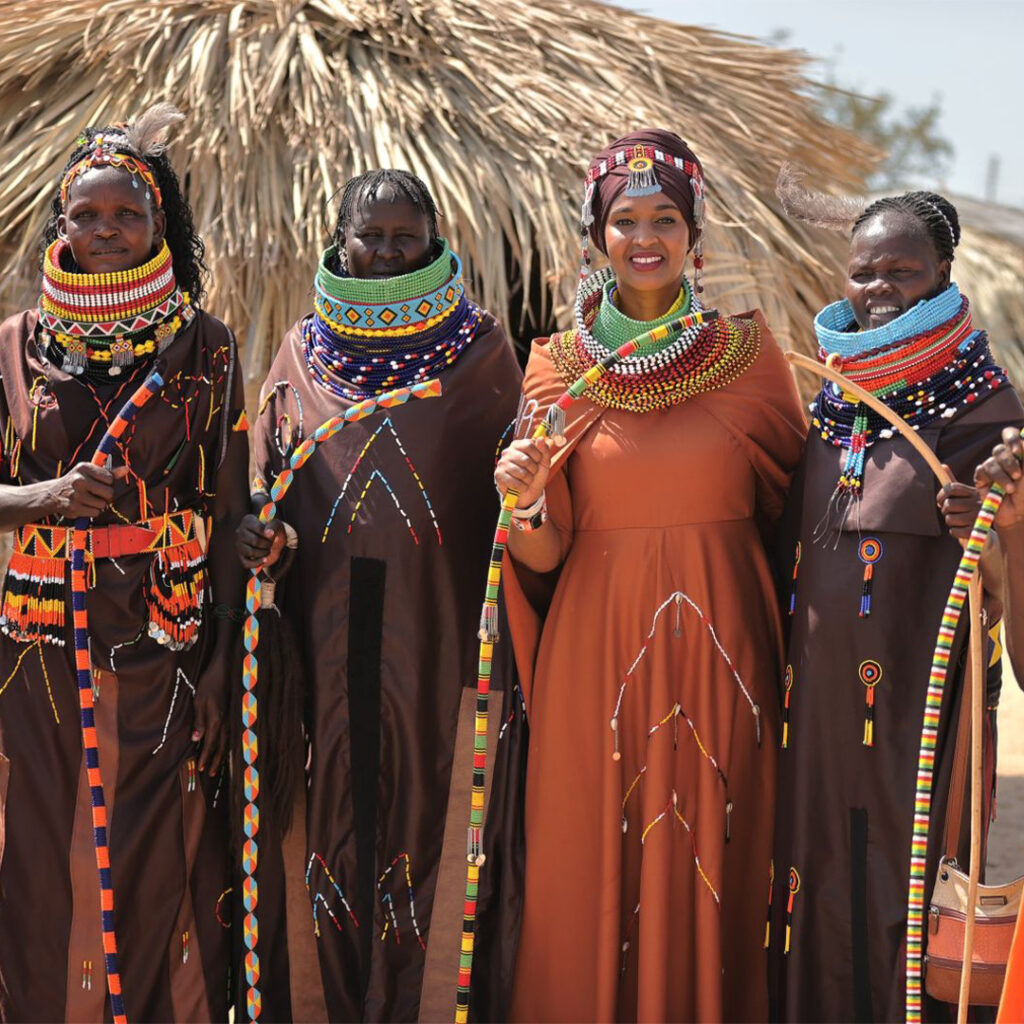
- Samburu and Rendille women display graceful movements adorned with beaded jewelry.
These performances are not just art—they are living narratives of history, spirituality, and survival.
Fashion and Traditional Regalia
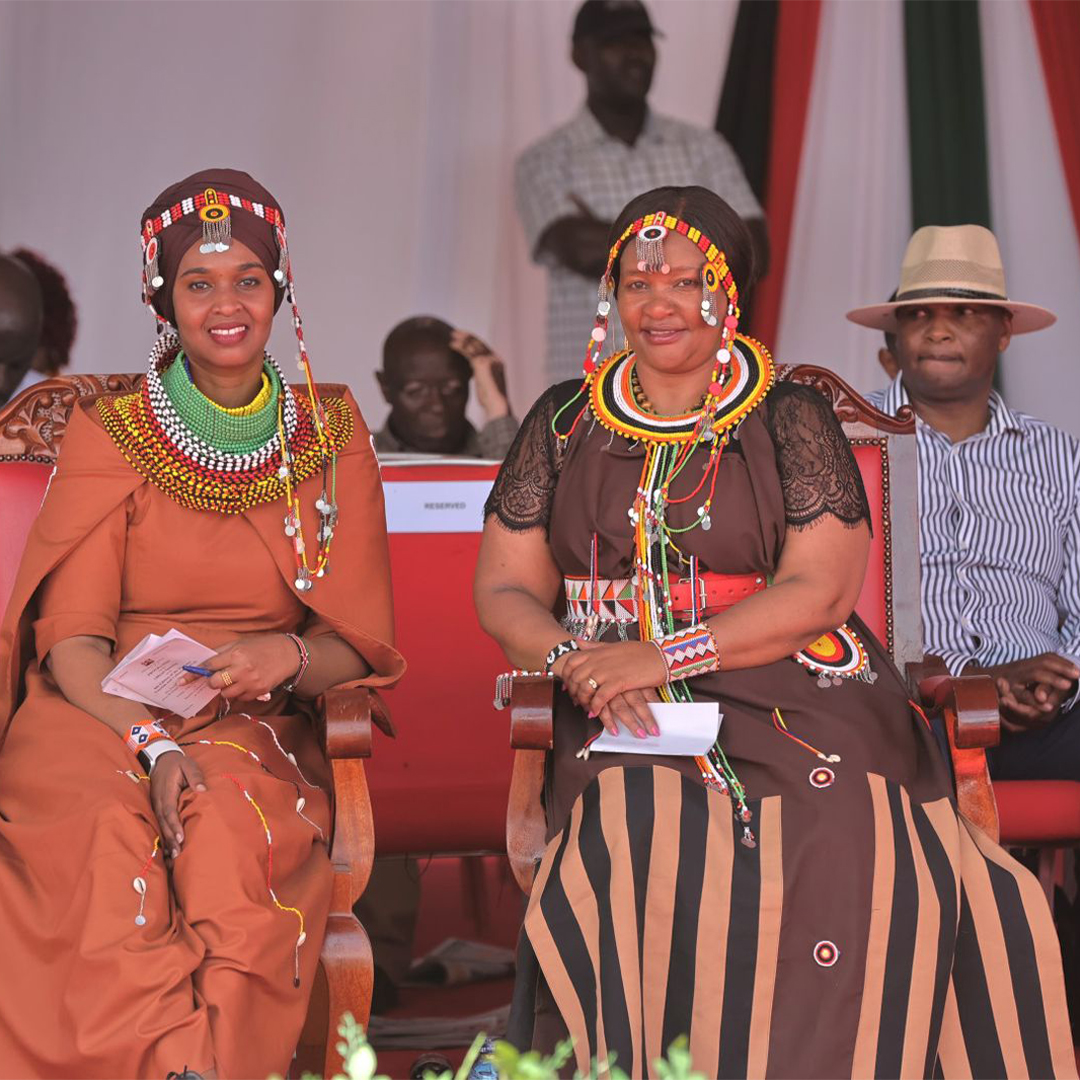
The festival is a fashion showcase of traditional attire. Beaded necklaces, headpieces, leather skirts, and decorated spears reflect identity and status. The brilliant colors transform festival grounds into a living rainbow of culture.
Crafts and Art Exhibitions
Artisans exhibit beadwork, carvings, woven baskets, and tools, offering both educational displays and trade opportunities. These items serve as cultural markers while supporting livelihoods.
Culinary Experiences
Food stalls provide visitors with a taste of pastoralist cuisine, including:
- Roasted goat and camel meat, staples in Turkana diets.
- Milk and blood-based dishes, highlighting livestock’s central role.
- Fish delicacies from Lake Turkana, unique to El Molo culture.
Tobong’u Lore and the Spirit of Peace
The most important theme of the Turkana Cultural Festival is peace. For centuries, pastoralist communities in Northern Kenya have clashed over land and water resources. The festival seeks to heal divisions by providing a platform for:
- Dialogue and reconciliation led by elders and leaders.
- Youth engagement in peace messages through art and drama.
- Cross-border participation, with communities from Ethiopia, Uganda, and South Sudan attending.
Through shared dances, meals, and performances, the festival transforms old rivalries into new friendships.
Tourism and Economic Impact
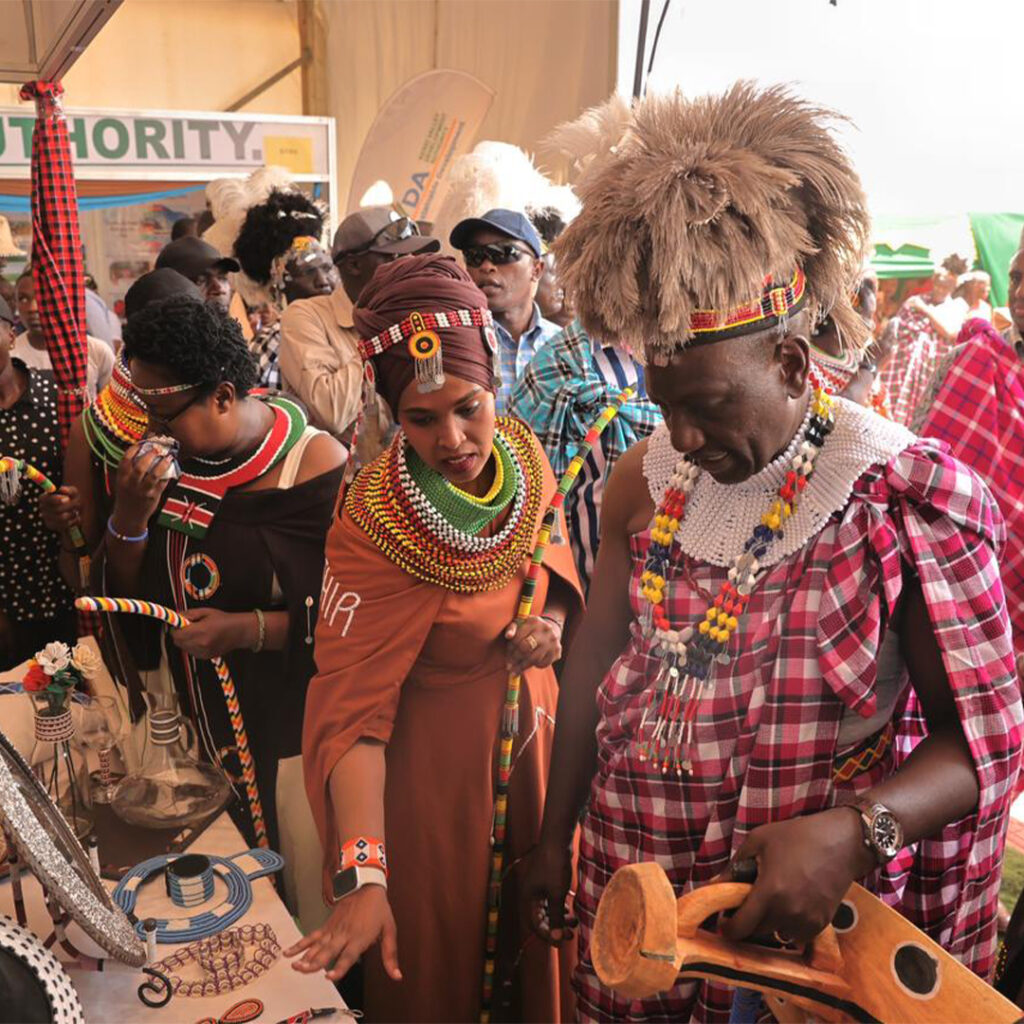
The Turkana Cultural Festival has boosted Turkana’s profile as a cultural tourism destination.
Benefits include:
- Increased domestic and international tourism.
- Growth of hospitality services—hotels, transport, and local guides.
- Opportunities for artisans and performers to earn income.
- Promotion of Lake Turkana, a UNESCO World Heritage site, as a global attraction.
By linking culture with tourism, the festival creates economic opportunities for one of Kenya’s most marginalized regions.
Challenges Facing the Turkana Cultural Festival
Despite its success, the Turkana Cultural Festival faces several challenges:
- Logistics: Hosting large crowds in remote areas requires significant resources.
- Funding: Reliance on sponsorships and government support makes sustainability uncertain.
- Climate change: Droughts and resource scarcity threaten pastoral livelihoods.
- Security issues: Pastoralist conflicts occasionally disrupt celebrations.
Nevertheless, community commitment and international support continue to ensure the festival thrives.
The Future of Tobong’u Lore
Looking ahead, the Turkana Cultural Festival aims to:
- Expand participation from regional and global communities.
- Integrate digital platforms for virtual attendance and promotion.
- Strengthen youth involvement to ensure generational continuity.
- Position Turkana as a model for peace through culture in Africa.
With its unique blend of tradition and modernity, the festival is poised to grow as both a cultural heritage event and a global peace platform.
Also read:Must-See Cultural Experiences in Kenya
Wrap-Up
The Turkana Cultural Festival is more than just a cultural event—it is a movement for peace, unity, and identity. From the vibrant dances and colorful regalia to the spirit of reconciliation, Tobong’u Lore embodies the resilience of Northern Kenya’s communities.
By celebrating traditions while addressing modern challenges, the festival ensures that the cultures of Turkana and its neighbors remain alive for future generations. For locals, it is a source of pride; for visitors, it is an unforgettable immersion into Kenya’s cultural soul.
10 Frequently Asked Questions (FAQs)
- What is the Turkana Cultural Festival?
It is an annual cultural event in Turkana County celebrating traditions, peace, and unity among Northern Kenya’s communities. - What does Tobong’u Lore mean?
It means “Welcome Home” in the Turkana language, symbolizing unity and return to roots. - Where is the Turkana Cultural Festival held?
In Lodwar (April) and Loiyangalani (June) by Lake Turkana. - When was the festival started?
It was launched in 2008 by the National Museums of Kenya. - Who participates in the festival?
The Turkana, Samburu, El Molo, Rendille, Gabbra, Dassanach, Pokot, and cross-border communities from Ethiopia, Uganda, and South Sudan. - What activities happen at the festival?
Music, dance, cultural exhibitions, food showcases, peace dialogues, and crafts markets. - Why is the festival important?
It promotes peace, preserves culture, boosts tourism, and strengthens community identity. - Can tourists attend the Turkana Cultural Festival?
Yes, it is open to both local and international visitors and is a growing cultural tourism attraction. - What challenges does the festival face?
Funding, logistics, climate change impacts, and occasional insecurity.
Why should one attend Tobong’u Lore?
To experience authentic traditions, support peace-building, and witness the cultural diversity of Northern Kenya.