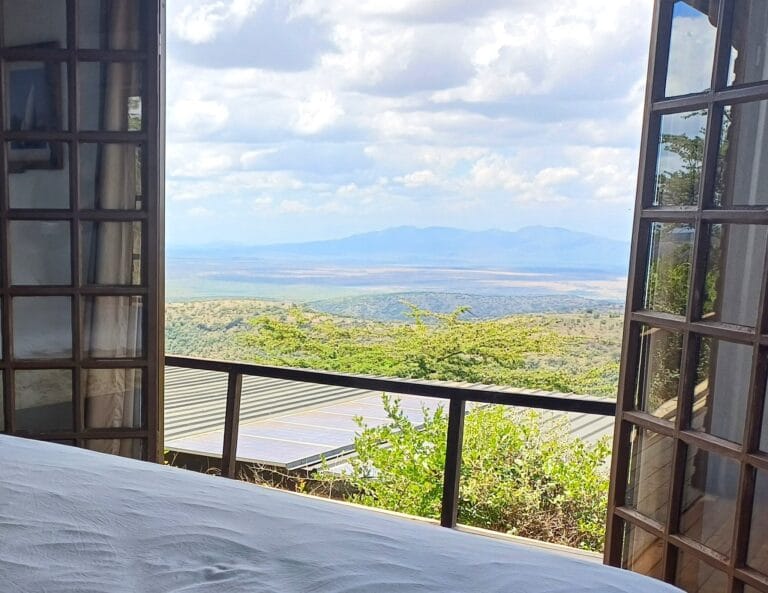
If you enjoy peaceful landscapes, unique bird species, and short escapes from Nairobi, Manguo Swamp should be on your radar. Tucked away near Limuru, this small, scenic wetland offers some of the best birdwatching in Kenya—without the crowds.
Also Read:Lake Nakuru Flamingos: A Journey into Kenya’s Pink Paradise
A Detailed Explanation of Why Manguo Swamp Stands Out
Manguo Swamp sits along the Nairobi-Naivasha highway. Just 40 minutes from the capital, it’s easily accessible yet rarely packed. Unlike Lake Naivasha or Lake Nakuru, Manguo isn’t a commercial hotspot. This makes it ideal for quiet observation, especially for serious birders or nature photographers.
Here’s why it matters:
- Over 120 bird species recorded
- Elevated vantage points along the road
- Easily accessible on foot or by car
- Frequent visits by local birding groups
- Rare and migratory birds visible in peak months
Manguo offers real value for those seeking genuine encounters with nature. No entry fees. No commercialization. Just birds, reeds, and clean air.

Location and How to Get There
Manguo Swamp lies on the outskirts of Limuru town. It’s directly visible from the Nairobi-Nakuru highway, around 5 kilometers before Limuru when coming from Nairobi. Public matatus heading to Naivasha or Nakuru pass right by.
Driving instructions:
- Take Waiyaki Way out of Nairobi.
- Follow the A104 highway toward Limuru.
- Stop when you reach the swamp on your left. There’s a small gravel pull-over area for parking.
If you prefer public transport:
- Take a matatu from Westlands or Kangemi heading to Limuru or Naivasha.
- Ask to alight at “Manguo.”
- Walk 100 meters to the swamp.
The Birds You’ll See
The swamp’s freshwater ecosystem attracts a wide range of birds year-round. But the best sightings occur between November and April. That’s when migratory species arrive from Europe and Asia.
Resident Birds
- Hadada ibis
- Sacred ibis
- Grey heron
- Black-headed heron
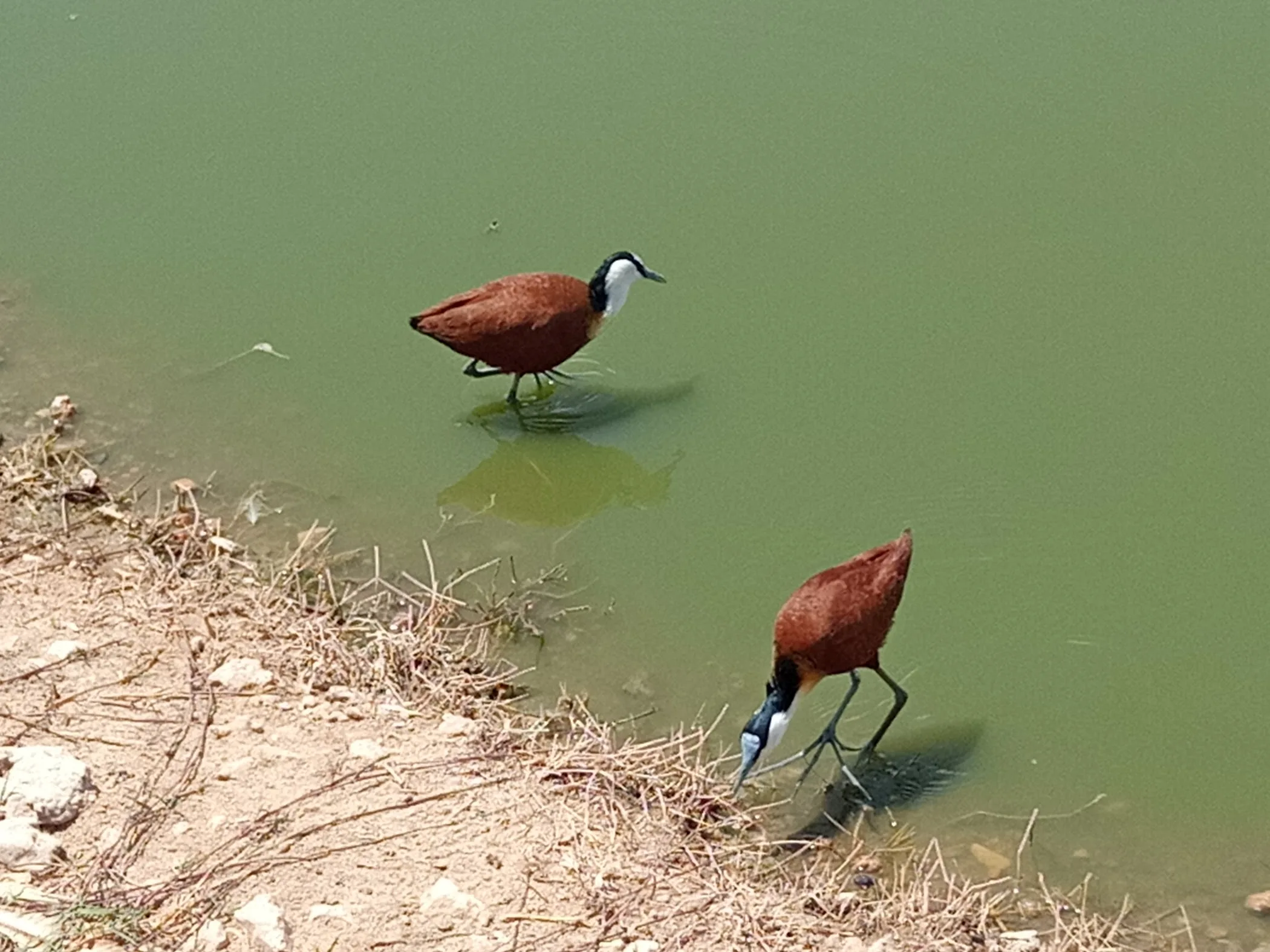
- African jacana
- Yellow-billed duck
Seasonal and Rare Sightings
- Eurasian marsh harrier
- Northern shoveler
- Grey crowned crane
- Maccoa duck (near-threatened)
- Purple swamphen
- White-faced whistling duck
You might also spot:
- Long-toed lapwing
- African spoonbill
- Glossy ibis
- African snipe
- Lesser swamp warbler
Many birders come hoping to spot the elusive Maccoa duck or the beautiful grey crowned crane. Both appear more often during the rainy season.

What Makes Birdwatching Special Here
Three main reasons:
1. Natural Elevation
You don’t need a drone or high tower. The road sits several meters above the swamp. This gives you a wide-angle view of the entire area without needing to wade through the reeds.
2. Minimal Human Activity
The swamp isn’t part of a park or resort. Locals use it for grazing or watering livestock. But the foot traffic is low. That means less noise, more birds.
3. Proximity to Nairobi
You don’t need to plan a weekend getaway. You can do a full birdwatching tour in one morning and be back in Nairobi by lunch.
Ideal Time to Visit
While the swamp has birds year-round, the best times are:
- Morning: 6:30 AM to 9:00 AM
- Evening: 4:30 PM to 6:30 PM
Avoid midday hours. Heat and wind drive most birds into cover. Cloudy mornings are especially productive, as light is soft and bird activity is higher.
Rainy seasons—March to May and October to December—bring migratory birds and breeding activity. Bring boots and weatherproof gear.
What to Bring
Your experience will improve with the right gear:
- Binoculars (8×42 or better)
- Field guide (Birds of East Africa by Terry Stevenson is best)
- DSLR or mirrorless camera with a telephoto lens (200mm+)
- Notebook or birding app (Merlin Bird ID or eBird)
- Water and snacks
- Light jacket (mornings are cold in Limuru)
Don’t forget sunscreen. Even under cloud cover, UV is high at elevation.
Safety and Comfort
Limuru’s altitude means lower temperatures. Carry a warm layer, especially for early mornings. The swamp is safe, but don’t leave valuables in your car. Locals are friendly, and small groups of schoolchildren sometimes gather to watch visitors with cameras.
There are no official toilets or shops nearby. For meals or rest stops, drive 5 minutes into Limuru town.
Combine With Nearby Attractions
Make a full-day trip by combining Manguo Swamp with:
- Limuru Tea Plantations: Panoramic views, guided tours
- Brackenhurst Forest Trails: Birding and hiking among indigenous trees
- Kentmere Club: Colonial-style rest stop with food and drinks
- Ngugi wa Thiong’o Birthplace (Kamirithu): Literary fans may find interest
Each spot is within 15–20 minutes of Manguo.

Conservation Concerns
Like many unprotected wetlands in Kenya, Manguo faces threats:
- Encroachment from real estate
- Waste dumping
- Water pollution from nearby farms
Birding helps raise awareness. By documenting your sightings on eBird or social media, you contribute to citizen science and help build the case for conservation.
Local NGOs like Nature Kenya have occasionally surveyed the site. More regular visits by eco-conscious travelers could help revive interest in long-term protection.
Who Should Visit?
- Nairobi residents needing a short escape
- Nature photographers looking for fresh subjects
- Birders checking off Kenya’s lesser-known hotspots
- School groups or eco clubs wanting low-cost nature education
- Visitors with tight schedules or low budgets
You don’t need a guide, ticket, or permit. You only need curiosity and an hour or two of your time.
What Locals Say
Local birding groups like the Youth Conservation Awareness Programme (YCAP) and Friends of Manguo organize occasional clean-ups and bird counts. They report steady numbers of key species and note that bird diversity remains high despite urban pressure.
One birder commented:
“I’ve visited Manguo at least 20 times. Every time I see something new.”
Another said:
“You don’t need to travel far for birding. Manguo is a classroom right by the highway.”
Birdwatching Etiquette
Keep the area peaceful and clean.
- Avoid loud music or talking
- Stay on the road or marked trails
- Don’t feed or chase birds
- Pack out all your litter
- Share sightings with local birding groups
Your visit can either preserve the site—or harm it. Be part of the solution.
Final Thoughts
Manguo Swamp isn’t famous, but that’s its strength. It’s peaceful. It’s accessible. And for anyone serious about birds—or needing a quiet morning in nature—it offers an experience far richer than its modest size suggests.
Go soon. Go often. Bring a friend. And bring your binoculars.
Frequently Asked Questions
1. Is Manguo Swamp safe to visit alone?
Yes, but go in the morning or early evening. Park in plain sight and don’t carry visible valuables.
2. Do I need a permit?
No. Access is free and open year-round.
3. Are there guides available?
Occasionally. Contact local groups like Nature Kenya if you want a guided experience.
4. What’s the best time of year to visit?
November to April offers the most variety due to migratory birds.
5. Can I bring kids?
Yes. Just ensure they stay close to the road. The swamp is deep in some places.
6. Is camping allowed?
No. It’s not a designated camping site.
7. What kind of camera is best?
Use a camera with a zoom lens (200mm or more) for good bird shots.
8. Are there crocodiles or snakes?
None reported. It’s primarily a bird habitat.
9. How long should I stay?
1–2 hours is enough for most birders.
10. Are food and restrooms available nearby?
No. You’ll need to drive into Limuru for meals or facilities.