A Marathon Among Rhinos, Elephants and Big Sky Horizons
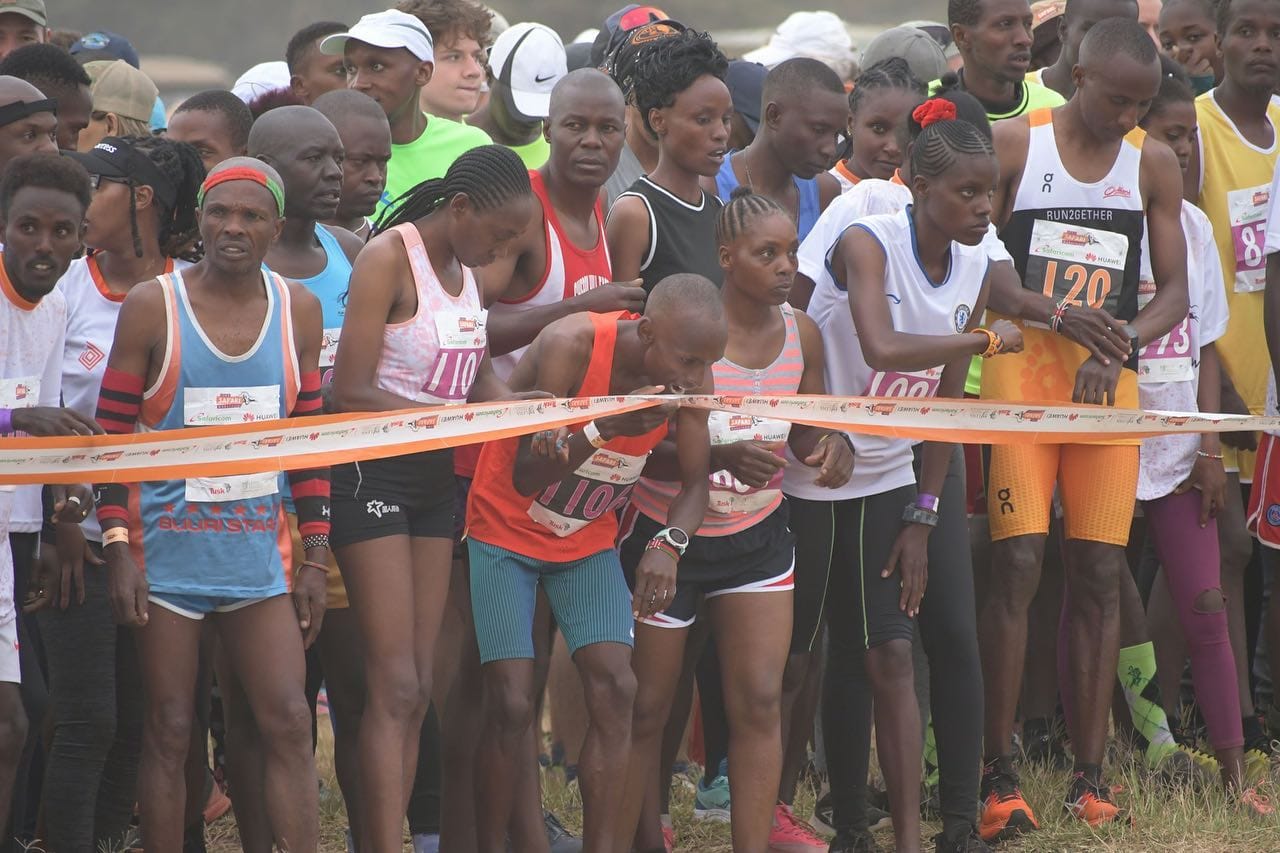
The Lewa Safari Marathon is not your average road race. Held in the heart of northern Kenya’s wild terrain at the Lewa Wildlife Conservancy, this event combines distance running with wilderness, wildlife and fundraising for conservation. For anyone who’s ever dreamed of running through African savannah, dodging dust, spotting wildlife and taking on terrain a world away from city streets—this is it.
In this article we explore everything you need to know about the Lewa Safari Marathon: its origins, its course, how you register, what the experience is like, why it matters, key tips, and a wrap-up with 10 FAQs to answer your burning questions.
What Is the Lewa Safari Marathon?
The Lewa Safari Marathon is an annual endurance running event held within the Lewa Wildlife Conservancy in Kenya. It offers multiple race distances: full marathon (42.195 km), half marathon (~21 km), 10km Executive, and a children’s 5km race
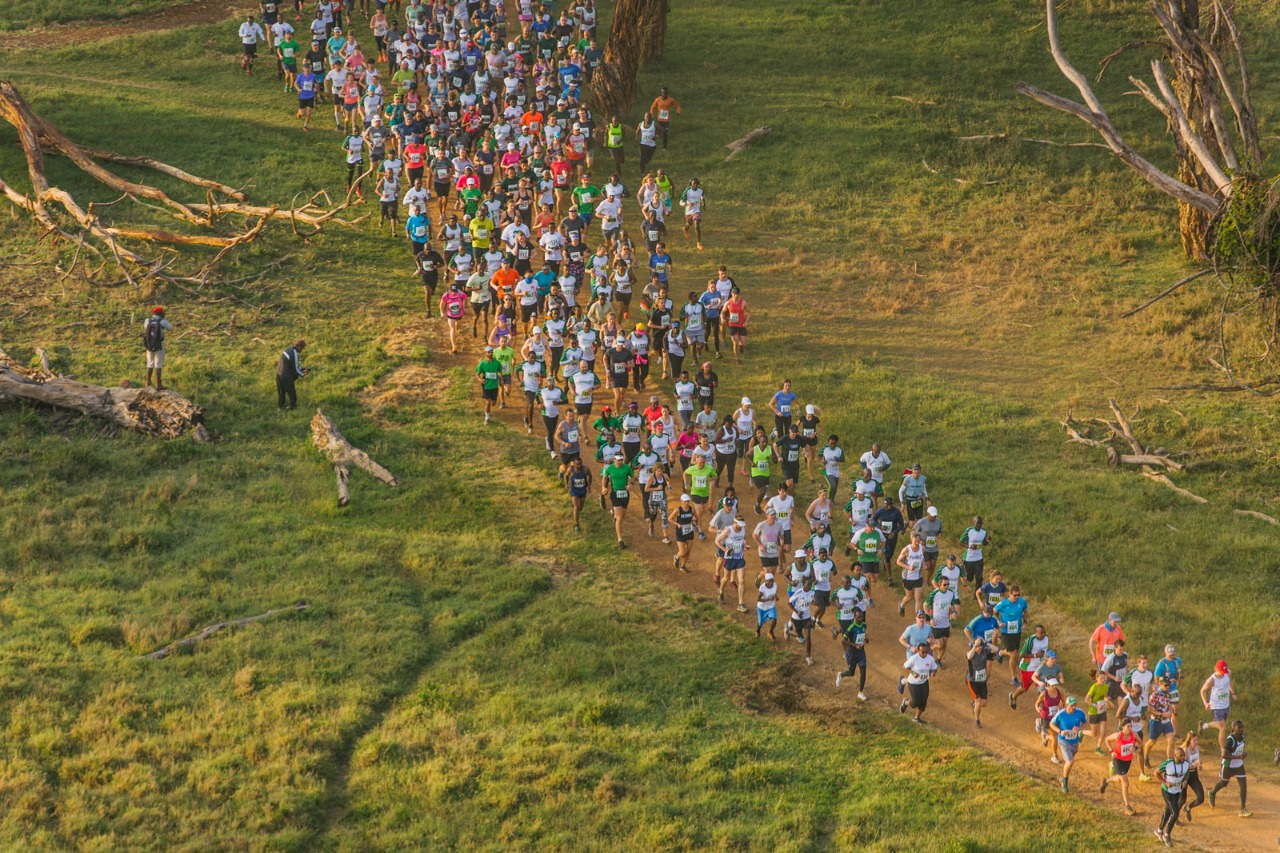
What sets the Lewa Safari Marathon apart is the setting: the course is situated on dirt and safari roads across savannah plains, riverbanks and acacia woodland, inside a functioning wildlife conservancy that hosts species like rhinos, elephants, zebras and more
The event is organised by the charity Tusk in partnership with Lewa and headline sponsors such as Safaricom.All entry fees and fundraising do more than cover race logistics—they contribute directly to wildlife conservation, community development and education.
When & Where Does the Lewa Safari Marathon Take Place?
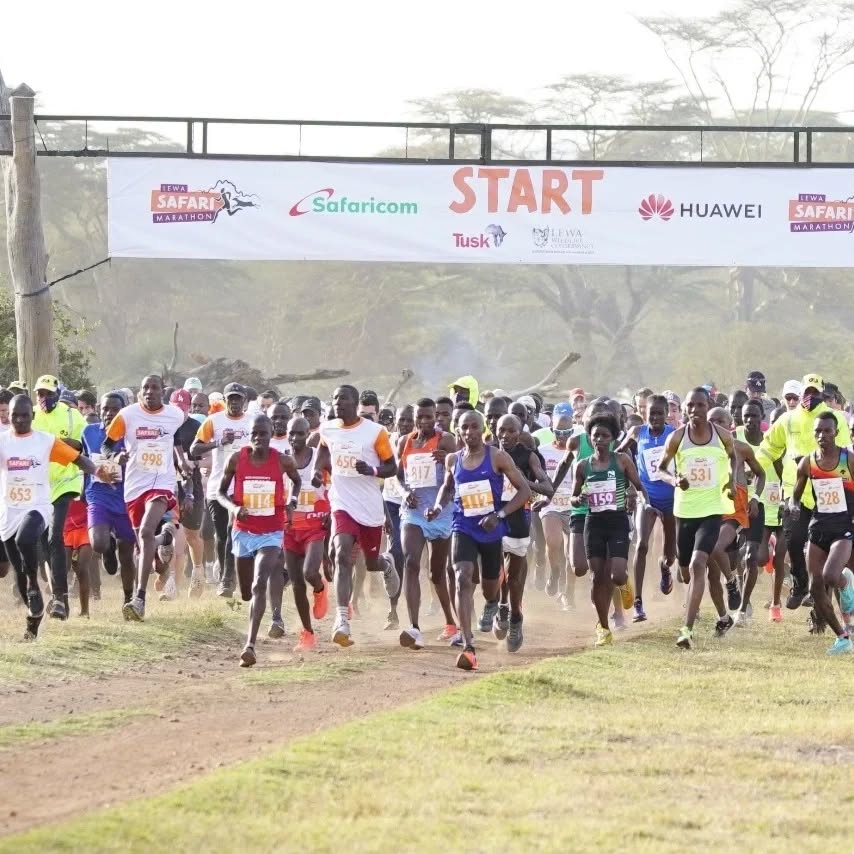
The race is held annually in June. For example, the 2025 edition took place at Lewa on Saturday 28 June 2025.
Location: Lewa Wildlife Conservancy, situated north of Mount Kenya, in Kenya’s Isiolo/Meru region. The terrain is high–elevation savannah at around 5,500 feet
Runners travel from Nairobi and other parts of Kenya (and around the world) to gather at Lewa the day before the race, participate in a briefing, and then set off early morning before the heat of the day builds. The race route loops through the conservancy, offering a thrilling encounter with nature.
History & Purpose of the Lewa Safari Marathon
The Lewa Safari Marathon began in the year 2000 (some sources say early 2000s) as a way to combine sport, community and conservation. Over the years it has grown in stature, attracting roughly 1,200+ runners from over 20 countries for the 2025 edition.
Its core purpose:
- Raise funds for endangered species protection (e.g., black rhino, Grevy’s zebra) within Lewa and nearby ecosystems.
- Support local communities: healthcare, education, infrastructure.
- Promote Kenya as a destination for adventure running, and more broadly raise awareness of wildlife conservation.
Running the Lewa Safari Marathon isn’t just about finishing in good time—it’s about being part of a movement. Every entrant contributes to the cause.
What the Course & Experience Are Like
Terrain and Challenges
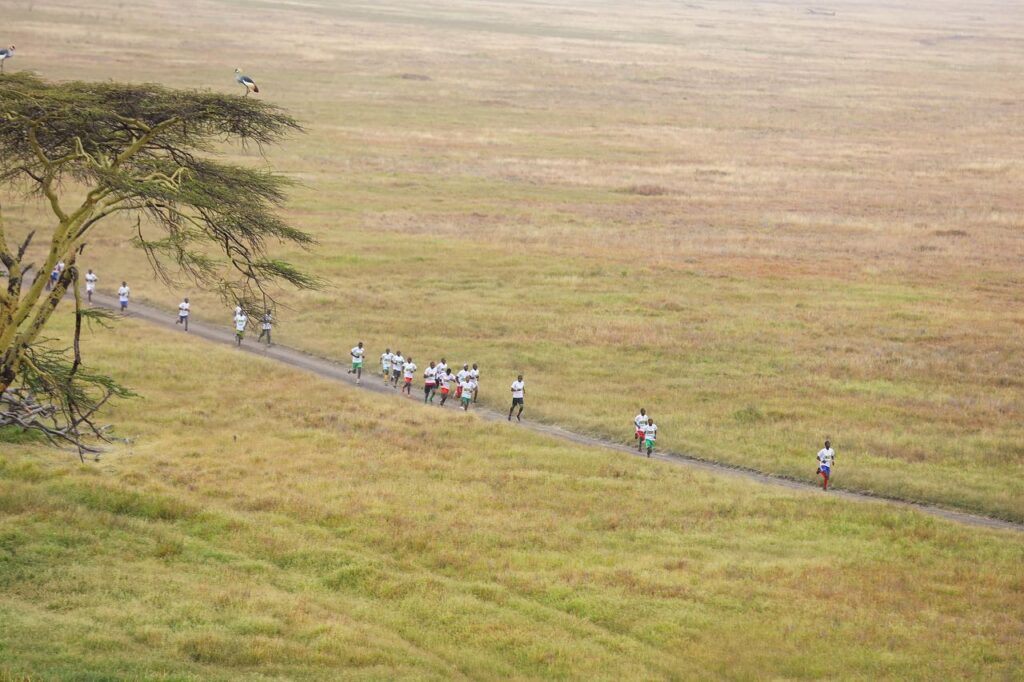
The course for the full marathon in the Lewa Safari Marathon involves two loops (approx 21.1 km each) on dirt roads through the conservancy. The route crosses savannah plains, river banks and acacia woodland.
Elevation: At ~5,500 feet above sea level in places, the altitude plus the equatorial climate combine to present a unique challenge.
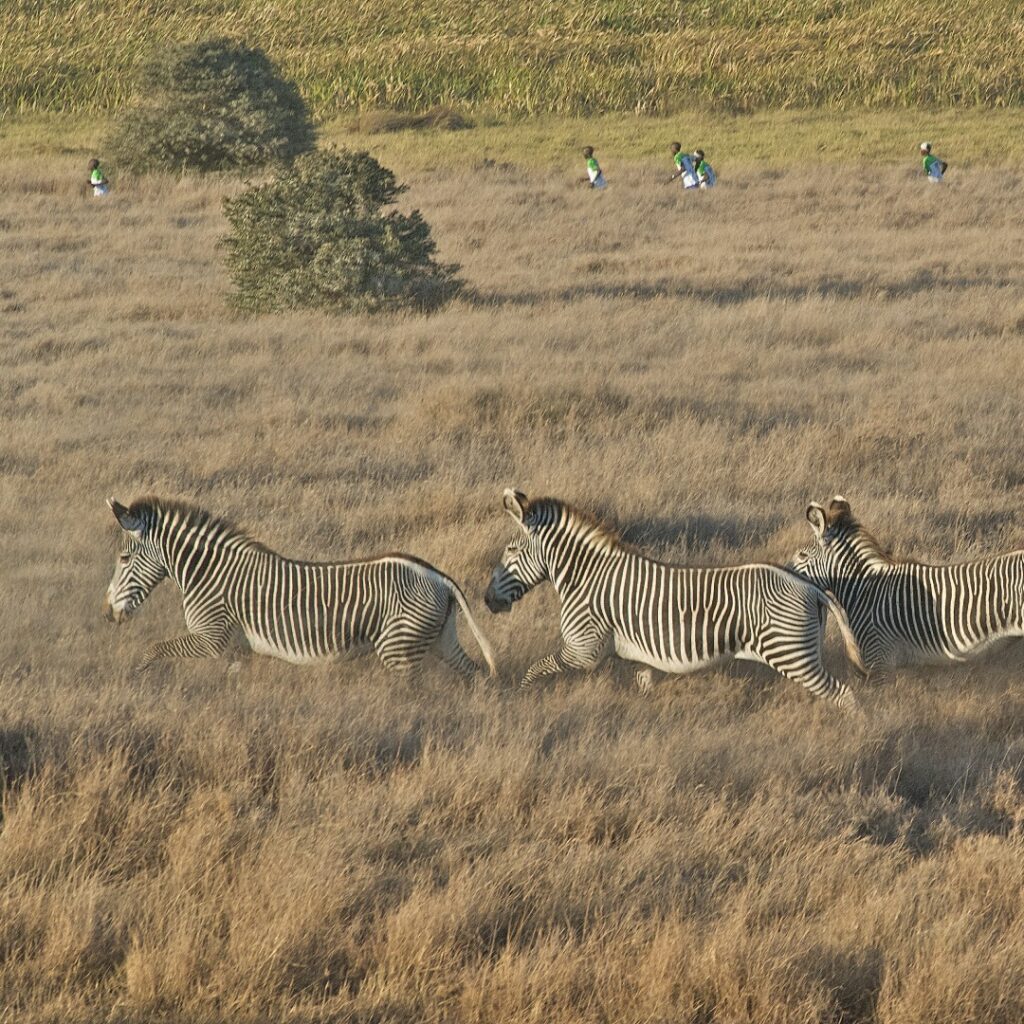
Wildlife: There are no physical barriers between runners and the wildlife. While the route is secured by park rangers—spotter planes and helicopters monitor the area—runners may see zebras, elephants, rhinos, even predators along the way.
Safety & logistics: Water stations every ~2.5 km, misting stations, medics and evacuation helicopter support. Wildlife safety managed carefully.
Atmosphere & Highlights
Expect dawn starts, red-dust trails, early sun, the sound of wings and wildlife around. The finish line is often deep in the conservancy with wildlife and wilderness all around. The sense of adventure and uniqueness is high.
Being one of “the world’s wildest challenges” is a quote often associated with the Lewa Safari Marathon.
Distances, Categories & Entry
For the Lewa Safari Marathon the main distances for 2025 included:
- Full marathon (42.2 km) — two loops of ~21.1 km.
- Half marathon (~21.1 km) — one loop.
- Executive 10 km race.
- Children’s 5 km fun run.
Entry fees (2025 details): For Kenyan residents entry to full/half is KSh. 20,000; Executive 10km KSh.50,000; children’s 5km KSh.3,000.
Minimum fundraising for international entrants often required—reflecting the charity/conservation focus.
Why Run the Lewa Safari Marathon?
For the Runner
- A once-in-a-lifetime running experience: you’re running in a wildlife conservancy, among elephants and rhinos, on dirt roads in Kenya.
- A challenge: the terrain, altitude, climate all combine to test endurance, mental strength and adaptability.
- A story: Finishing the Lewa Safari Marathon is more than a medal—it’s a narrative of running in Africa.
- Options: Whether you’re doing the full marathon or the half/10km, there is a category for your level.
For Conservation & Community
- Every participant supports the conservancy’s projects: school bursaries, clinics, wildlife protection.
- The event raises millions of KSh over decades. A legacy of conservation through sport.
- Running here makes you part of a movement—not just a race.
How to Prepare for the Lewa Safari Marathon
Training & Terrain Preparation
- Incorporate trail runs: the Lewa Safari Marathon course is dirt and uneven, not smooth asphalt.
- Accustom yourself to altitude: competition elevation ~1,700m (5,500 ft) so expect thinner air.
- Endurance work: long runs, back-to-back weeks, and strategy for two loops.
- Heat and dust: Early start will help avoid midday heat; include dust training or get used to loose surfaces.
Logistics & Travel
- Book early: International runners need visa/travel arrangements; local accommodation at Lewa is limited.
- Travel to Lewa: Usually from Nairobi (approx 3-5 hrs drive), or charter flights.
- Support gear: Even though race organsers handle logistics, runners should ensure personal comfort – e.g., hydration packs, trail shoes, gaiters, sun protection.
Safety & Wildlife Awareness
- Follow the rules: Course runs through game reserve; stay on the route. Ranger patrols and helicopters monitor wildlife.
- Medical insurance recommended (air evacuation possible) due to remote terrain.
- Protect yourself: dust, sun, terrain—all matter. Proper gear, plan accordingly.
The Broader Impact of the Lewa Safari Marathon
Conservation & Wildlife
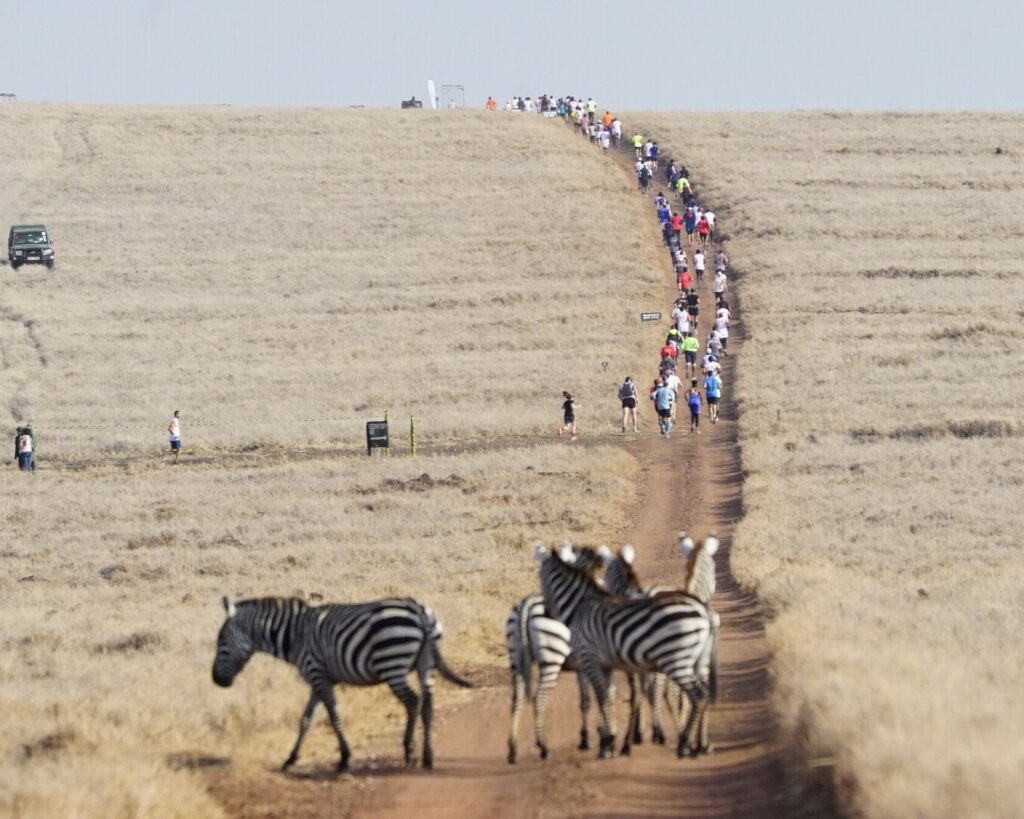
The event supports the Lewa Wildlife Conservancy’s mission: protecting endangered species like black rhino and Grevy’s zebra, maintaining wild corridors and engaging local communities.
Community Development
Funds have supported schools, clinics, and women’s entrepreneurship in the surrounding region. The Lewa Safari Marathon is thus also a community development event.
Tourism & Awareness
By hosting an international running event in a conservancy, Kenya expands its tourism offering—combining sport, nature and culture. The Lewa Safari Marathon invites globally aware runners to engage in “run & conservation” tourism.
Challenges & Considerations
- Access and logistics: Remote location, transportation, accommodation cost.
- Terrain difficulty: Not an easy ‘fun run’. The Lewa Safari Marathon demands effort and preparation.
- Wildlife risk: While well managed, running in a wildlife reserve has inherent risks and requires discipline.
- Fundraising and cost: Expect higher entry fees/fundraising demands compared to typical marathons because of conservation model.
- Environmental and community balance: Ensuring that running tourism supports rather than disrupts wildlife and local livelihoods.
Also read:Bullfighting in Kakamega: Strength Meets Spirit
Wrap-Up
The Lewa Safari Marathon is a rare blend of endurance sport, wild nature and meaningful purpose. If you’re a runner who yearns for something beyond pavement and the predictable, this event offers a chance to run among rhinos, elephants and Kenyan savannah, while contributing to conservation and community. The terrain is challenging, the experience is memorable, and the impact real. Lace up your trail shoes, pack your sense of adventure—and take part in the Lewa Safari Marathon.
10 Frequently Asked Questions (FAQs)
- What is the Lewa Safari Marathon?
It is an annual endurance running event held within Lewa Wildlife Conservancy in Kenya, offering full and half marathon distances (plus 10km and children’s 5km) through wilderness terrain. - Where is the Lewa Safari Marathon held?
At the Lewa Wildlife Conservancy, in northern Kenya (near Isiolo/Meru region), with terrain at ~5,500 ft above sea level. - When does the Lewa Safari Marathon take place?
Annually in June. For example, the 2025 edition was on Saturday 28 June 2025. - What distances are offered in the Lewa Safari Marathon?
Full marathon (42.2 km), half marathon (~21km), Executive 10km, and children’s 5km. - What terrain and conditions can I expect?
Dirt roads, savannah plains, riverbanks, acacia woodland. Elevation around 1,700m (5,500ft). Wildlife in close proximity. Dust, some heat. - Is the Lewa Safari Marathon just for elite runners?
No. While challenging, the event welcomes runners of all abilities. The half, 10km and children’s categories are accessible. It’s an adventure run as much as a competition. - How does the Lewa Safari Marathon support conservation?
Funds raised go to wildlife protection, community projects (schools, clinics), local economic support, and maintaining the Lewa Conservancy. - What about wildlife safety and medical backup?
The course is patrolled by armed rangers; helicopters/spotter planes monitor from above. Medical support includes water stations, first aid every ~2.5 km, and evacuation procedures. - How do I register and what are the entry fees?
Entry for Kenyan residents for full/half marathon is approx KSh. 20,000 (2025). Executive and children’s races have differing fees. International entrants often have fundraising requirements. - Why should I consider the Lewa Safari Marathon?
Because it’s more than a race—it’s a wilderness experience, a conservation contribution and an unforgettable challenge. For runners seeking meaningful adventure, the Lewa Safari Marathon stands out.