Kenya is a land of breathtaking landscapes, diverse ethnic communities, and rich cultural heritage. But beyond the safaris and beaches lies something equally powerful—Kenyan music and dance performances that pulse with rhythm, history, and emotion. These performances are not just entertainment; they are living stories, sacred ceremonies, and modern celebrations rolled into one.
In this blog, we take you on a journey across the sounds and movements that define Kenya’s spirit. From tribal dances to global Afropop beats, discover how Kenyan music and dance performances unite tradition and innovation like nowhere else on Earth.
A Cultural Exploration of Kenyan Music and Dance Performances
The Roots of Kenyan Music: A Tapestry of Ethnic Soundscapes
Kenyan music and dance performances are deeply rooted in the country’s 40+ ethnic communities. Each group brings its own instruments, vocal styles, rhythms, and dances to the cultural stage.
- Luo music emphasizes lyrical storytelling, often accompanied by the nyatiti (eight-stringed lyre).
- The Kikuyu integrate the mũtũrĩrũ (flute) and rhythmic clapping in ceremonial dances.
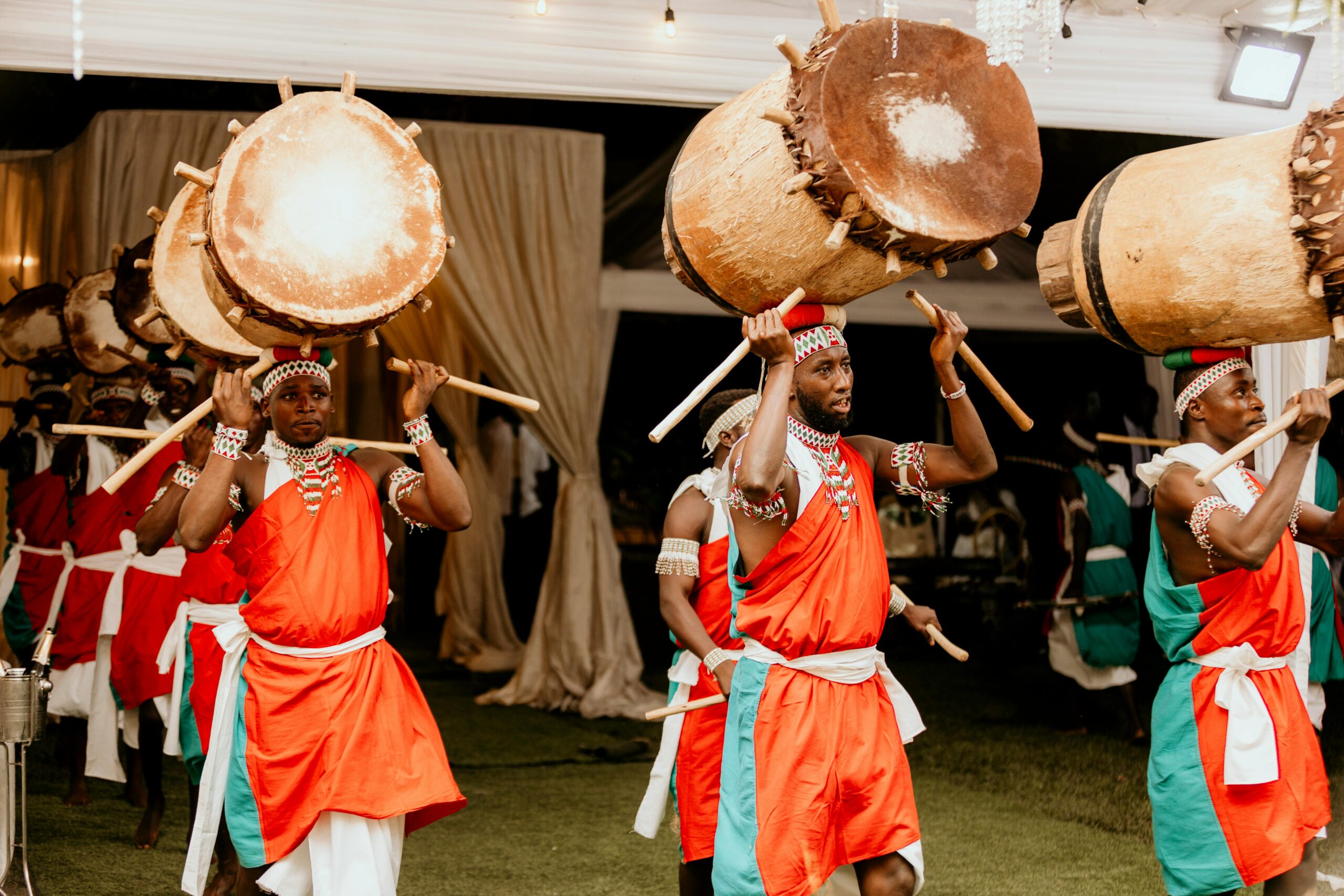
- The Luhya’s Isukuti drums are central to community celebrations, marked by rapid drumming and footwork.
This fusion of musical identities creates a national sound that is distinctly Kenyan, diverse, and electric.
Traditional Dances: Expressions of Identity and Ritual

One of the most vibrant aspects of Kenyan music and dance performances is the continued presence of traditional dance forms, many of which date back centuries.
- Adumu (Maasai jumping dance): Known globally for its impressive vertical leaps, this dance is part of male coming-of-age ceremonies.
- Isukuti dance (Luhya): A fast-paced, energetic performance using hand drums and intense synchronized footwork.
- Kifudu dance (Mijikenda): Performed during funerals and spiritual rituals, using masks and hypnotic beats.
These dances aren’t just for show—they’re rooted in community, storytelling, and spirituality.
Benga: Kenya’s Signature Musical Genre

No discussion of Kenyan music and dance performances is complete without mentioning Benga—arguably Kenya’s most iconic musical style. Originating from the Luo community, Benga combines fast guitar riffs with storytelling lyrics and danceable rhythms.
- Pioneers: Daniel Owino Misiani and George Ramogi
- Modern artists: Suzanna Owiyo, Dola Kabarry
- Instruments: Electric guitar, bass, percussion, and traditional lyres
Benga is played in clubs, weddings, political rallies, and even funerals—showing its versatility and deep cultural relevance.
Afrofusion and Afrobeat: Kenya on the Global Music Map

The modern Kenyan soundscape includes a fusion of Afrobeat, reggae, hip-hop, and R&B influences. These genres have evolved into Afrofusion, a contemporary style often featured in Kenyan music and dance performances.
- Top Artists: Sauti Sol, Blinky Bill, and Nyashinski
- Themes: Love, social issues, patriotism, personal struggle
- Global impact: Collaborations with international artists and features on platforms like Coke Studio Africa
These performances often blend traditional instruments with digital beats, representing the next chapter in Kenya’s cultural evolution.
Gospel Music and Dance: A Spiritual Experience
Kenya’s strong Christian community has given rise to a vibrant gospel music scene, which is deeply integrated into both religious services and mainstream entertainment.
- Famous artists: Gloria Muliro, Mercy Masika, and Daddy Owen
- Performance venues: Churches, TV shows, and massive gospel concerts
- Dance element: Choreographed routines by gospel dance crews, often blending African and Western styles
Kenyan music and dance performances in this genre evoke spiritual fervor and unity, transcending religious barriers.
Urban Dance Crews and Street Culture
In Nairobi, Mombasa, and Kisumu, urban dance crews have brought a new wave of youthful energy to Kenyan music and dance performances.
- Styles: Hip-hop, breakdance, shrap (Sheng + rap), afro dance
- Crews: FBI Dance Crew, Art in Motion, 254 Street Dancers
- Venues: Talent shows, urban festivals, flash mobs, and dance battles
These performers use dance as a tool for empowerment, storytelling, and even activism, often addressing societal issues through movement.
Coastal Taarab and Swahili Rhythms

From the shores of Lamu to the streets of Mombasa, the coast is alive with Swahili-influenced music like Taarab—a genre blending Arabic, Indian, and African sounds.
- Instruments: Oud, qanun, violins, and tablas
- Performers: Maulidi Juma, Culture Musical Club
- Dance elements: Graceful swaying, expressive hand movements, elaborate attire
Kenyan music and dance performances from the coast offer a slower, poetic rhythm perfect for cultural nights and coastal weddings.
Also read:Come With Me As We Explore Kenyan Cultural Experiences
Festivals and Events Showcasing Kenyan Music and Dance

Kenya is home to numerous festivals that spotlight its musical and dance diversity. These are ideal opportunities to witness live Kenyan music and dance performances from across the country.
- Lake Turkana Cultural Festival: Celebrates Northern Kenya’s 14 ethnic groups with traditional songs and dances.
- Lamu Cultural Festival: A blend of Swahili poetry, music, and dhow races.
- Koroga Festival: A contemporary event mixing live music with fashion and food.
- Safaricom Jazz Festival: Features local and international jazz fusion acts.
These festivals are vibrant, inclusive, and often family-friendly.
Where to Watch Kenyan Music and Dance Performances
If you’re in Kenya and want to experience the magic live, here are some top spots:
- Bomas of Kenya (Nairobi): Daily cultural shows featuring dance troupes from various tribes.
- Alliance Française (Nairobi): Hosts modern music concerts and dance showcases.
- GoDown Arts Centre: Known for promoting contemporary and traditional talent.
- Hotels and Resorts: Many coastal and safari lodges include cultural dance nights.
You can also catch Kenyan music and dance performances on national TV stations and YouTube platforms showcasing local talent.
🎶 Wrapping Up: A Cultural Symphony You Shouldn’t Miss
From tribal villages to urban rooftops, Kenyan music and dance performances are everywhere—and they tell a story that words alone can’t express. Whether it’s the rhythm of the drums, the grace of the dancers, or the depth of the lyrics, these performances connect people, celebrate identity, and inspire joy.
So the next time you’re in Kenya—or simply listening online—don’t just hear the music. Feel the culture. Move with the rhythm. And witness a journey through Kenya’s beating heart.
Frequently Asked Questions (FAQs)
1. What are the main types of Kenyan music?
Kenyan music includes Benga, Taarab, Gospel, Afrobeat, and traditional tribal music.
2. What’s the most famous dance in Kenya?
The Adumu (Maasai jumping dance) is the most iconic, known globally for its energetic jumps.
3. Where can I watch Kenyan music and dance performances?
Bomas of Kenya, cultural festivals, YouTube channels, and local art centers are excellent venues.
4. Are there modern Kenyan music artists I should check out?
Yes! Try Sauti Sol, Nyashinski, Nadia Mukami, and Blinky Bill for a taste of modern Kenya.
5. Is Benga music still popular in Kenya?
Absolutely. While it’s more common among older generations, Benga remains a cultural staple.
6. Are Kenyan music and dance performances only traditional?
No—Kenya’s music scene includes both traditional and modern styles like hip-hop, Afrofusion, and gospel.
7. What’s the significance of dance in Kenyan culture?
Dance is used for storytelling, rituals, celebrations, and even healing across many communities.
8. Can tourists participate in Kenyan music and dance?
Yes! Many cultural centers and events welcome audience participation during performances.
9. What’s Taarab music?
Taarab is a Swahili music genre from the Kenyan coast that blends Arabic and African influences.
10. Do schools in Kenya teach music and dance?
Yes, especially in cultural studies. Many schools even compete in national music festivals.