Ndakaini Dam is Kenya’s best-kept secret for weekend travelers. Located about 70 kilometers northeast of Nairobi, this highland reservoir offers peace, nature, and open space. Built in the 1990s to supply water to Nairobi, the dam has quietly become a go-to spot for outdoor lovers seeking a quiet break from urban life.
It serves a critical function—providing over 70% of Nairobi’s domestic water—but it also serves your soul. At an altitude of 2,041 meters above sea level, the air is cooler, cleaner, and crisper. The soundscape is dominated by birds and wind, not traffic or music.
Also Read:The Top 7 Best Lakes Worth Visiting In Kenya
A Detailed Explanation of What Makes Ndakaini Unique
- Freshwater Reservoir: It holds 70 million cubic meters of water, collected from rivers like Gikira, Thika, and Kayahwe.
- Highland Elevation: The higher altitude keeps the temperature lower than Nairobi, even during hot seasons.
- Protected Ecosystem: Surrounding catchment areas are strictly managed by the Athi Water Works Development Agency.
- Sustainable Tourism: Because it’s a water source, activities are regulated. This has helped preserve the dam’s pristine condition.

Getting There: Road Access and Transport Options
- From Nairobi: Drive along Thika Road, then take the Makuyu turn-off towards Kandara and Ndakaini. The drive takes 2–2.5 hours depending on traffic.
- By Matatu: Take a matatu to Murang’a Town, then a boda boda or taxi to the dam area.
- Parking: Available at various entry points, often managed by locals for a small fee (KSh 100–200).
Best Time to Visit:
- Dry months (Jan–Feb, July–Sep) provide the best weather for hiking and sightseeing.
- Mornings are clearer and less crowded.
Top Things to Do at Ndakaini Dam
1. Nature Walks and Runs
The 12-kilometer ring road encircling the dam is ideal for long walks, jogging, and group fitness events. Local running clubs often use it for endurance training. Elevation gains are moderate, making it suitable for beginners and advanced runners alike.
2. Cycling
Bring a mountain bike. The gravel roads offer enough grip and challenge. Riders often use this loop for altitude training. Local bike hire is rare, so bring your own gear.
3. Birdwatching
Over 100 bird species are present around the dam. These include:
- African sacred ibis
- White-faced whistling duck
- Grey crowned crane
- Pied kingfisher
Ideal times are early morning and late afternoon. Bring binoculars and a field guide for identification.
4. Picnics and Day Camping
Designated spots are grassy, shaded, and quiet. While there are no formal picnic facilities, you’re free to set up your own area. Portable chairs, mats, coolers, and sunhats are highly recommended.
5. Kayaking and Rowing
Motorized watercraft are banned, but you can engage in non-motorized water activities like rowing or kayaking. Local approvals and safety measures apply. Contact the Ndakaini Water Resource Users Association (WRUA) for guidance.
6. Photography
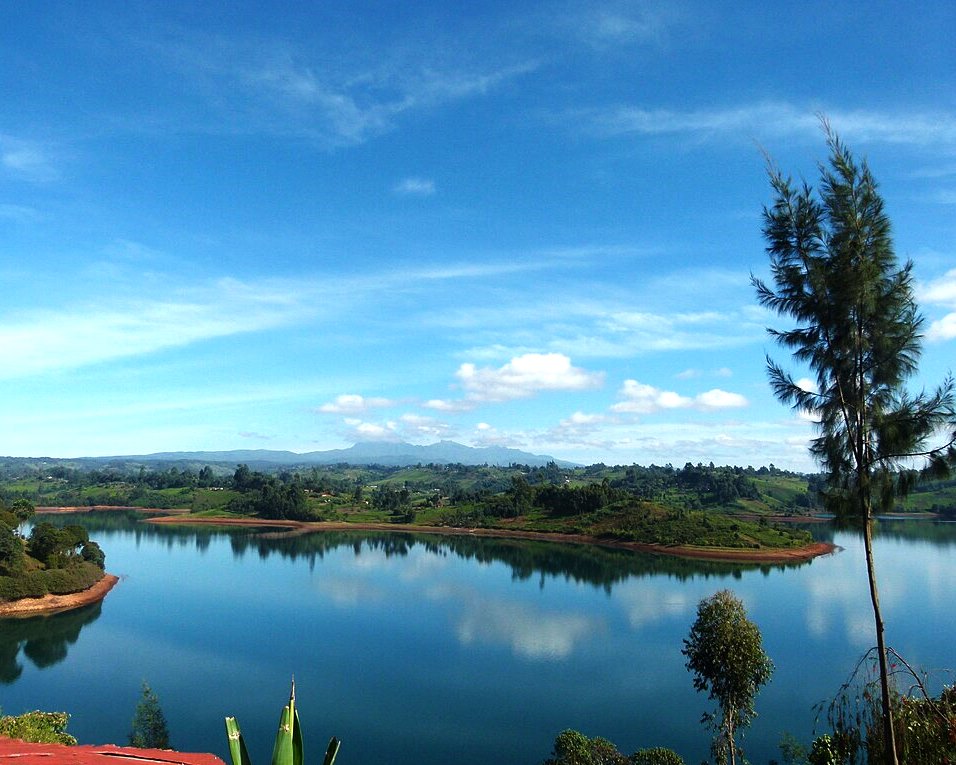
The dam is surrounded by the Aberdare ranges and tea farms. You’ll find stunning backdrops of water, green hills, and sunrise mist. Top shots include:
- Sunrise over the water
- Reflections of hills on calm days
- Migratory birds feeding along the shores
- Locals walking the trails
7. Annual Half Marathon
Every September, the Ndakaini Half Marathon draws thousands of runners. The course circles the dam and adjacent villages. This event promotes water conservation and supports local economies. It’s also a major calendar event for the Kenyan athletics community.
Where to Stay: Local and Nearby Accommodation
There are no hotels within the dam itself. However, the surrounding area offers a few excellent options:
- Local Homestays: Many families in Ndakaini, Karia, and Kiruri offer bed-and-breakfast options. Rates start at KSh 1,500 per night.
- Guesthouses in Murang’a Town: A 30-minute drive brings you access to budget and mid-range lodgings like the Nokras Riverine Hotel.
- Thika Town: Larger hotels such as Blue Post Hotel offer premium accommodation for travelers wanting a bit more comfort.
Local Foods to Try
Food is part of the experience. Try:
- Mukimo with beef stew
- Githeri with avocado
- Chapati and ndengu (green grams)
Most homestays include meals or have arrangements with nearby cooks.
Local Economy and Community Impact
Ndakaini’s growing popularity supports over 500 families through homestays, boda boda transport, and small eateries. Community-based organizations also run eco-awareness tours and hiking events. Visitors are encouraged to spend locally:
- Hire local guides
- Buy snacks and food from local vendors
- Tip fairly
Safety and Accessibility
- Swimming is banned due to water safety concerns and the importance of water purity.
- Mobile networks (Safaricom, Airtel) work well.
- Emergency services: The nearest health center is in Kiruri; Murang’a Level 5 Hospital is 35 km away.
- Wheelchair access is limited. Most trails are unpaved.
Important Rules and Conservation Etiquette
Ndakaini is a water catchment area. Follow these rules:
- No littering. Carry your trash out.
- No alcohol near water.
- No plastic bottles near the shore.
- No open flames or charcoal cooking.
- Stay on marked paths.
- Do not feed or harass wildlife.
Fast Facts About Ndakaini Dam
- Constructed: Between 1989 and 1994
- Managed by: Athi Water Works Development Agency
- Reservoir capacity: 70 million cubic meters
- Altitude: 2,041 meters above sea level
- Main rivers feeding dam: Thika, Gikira, Kayahwe
- Main pipe to Nairobi: 1.2 meters in diameter, gravity-fed

Ideal Visitors
- Nature photographers
- Trail runners
- Cyclists
- Families with kids
- Couples seeking quiet retreats
- Solo travelers and remote workers
What to Pack
- Water bottle and snacks
- Sunglasses and sunscreen
- Hiking shoes or trail runners
- Light jacket (it gets cold)
- Power bank
- ID or passport
- Binoculars for birding
Upcoming Developments
The Murang’a County government plans to:
- Add eco-lodges around the dam
- Improve signage and information boards
- Set up a tourism office at the entrance
- Introduce licensed boating and guided tours
The goal is to keep the area sustainable and low-impact, while increasing income for surrounding villages.
Ndakaini Dam is Kenya’s Quiet Outdoor Frontier
You won’t find loud music, flashy hotels, or nightlife at Ndakaini. You’ll find silence. Clean air. Running water. Friendly people. Whether you come for a morning run, a day of photos, or a quiet overnight stay, you’ll leave lighter.
If you’ve been looking for a place that feels untouched—but is still within reach—Ndakaini is waiting.
10 FAQs About Ndakaini Dam
- Is there an entrance fee?
No, but parking or guides may cost KSh 100–300.
- Can I swim in the dam?
No. Swimming is banned.
- Is camping allowed?
Not officially, but community campsites are in development.
- Is there food sold on-site?
A few local vendors offer snacks. Better to pack your own.
- Are pets allowed?
Yes, on leash and under control.
- Can I bring a drone?
Drones need approval from local authorities.
- Are guides available?
Yes, especially for birding and off-trail hikes.
- Is it safe?
Yes, during daylight hours.
- Is there fishing?
Catch-and-release fishing is allowed in designated zones.
- Are there toilets?
Basic facilities are available in homestays or by arrangement.