Uncategorized

Uncategorized

How Much Money Do You Need to Live Comfortably in Kenya?

Moving to or living in Kenya raises one of the first and most practical questions: how much money do you need to live comfortably here? Whether you’re planning a long‑term stay, relocating for work, retiring abroad, or simply curious about real living costs, understanding Kenya’s cost of living across lifestyle tiers and cities is essential. In this guide, we break down monthly budgets for three lifestyle tiers — basic, midrange, and luxury — and map out what “comfortable” really means in Kenyan contexts. We also dive into city‑specific cost comparisons (Nairobi, Mombasa, Kisumu, and more) and answer the most common questions expats and locals ask when planning life here. What Does “Comfortably” Really Mean in Kenya? Comfort doesn’t mean the same thing to everyone. In Kenya, you can live comfortably on a modest budget if you prioritize essentials and local living, or you can choose a more international lifestyle with conveniences like Western supermarkets, private schooling, and upscale dining. Here’s a breakdown of what “comfortable” commonly includes: 🟢 Basic Comfortable Lifestyle 🔵 Midrange Comfortable Lifestyle Everything in the basic tier, plus: 🔴 Luxury Comfortable Lifestyle All above plus: Monthly Budget Breakdown — Kenya Cost of Living Below are approximate monthly budgets in Kenyan Shillings (KES) and USD for each lifestyle tier in major Kenyan cities. These are ranges — real costs vary based on personal choices, seasonality, and location within cities. Budget Tier Approx. KES/Month Approx. USD/Month* Basic Comfortable 60,000 – 120,000 KES $450 – $900 Midrange Comfortable 120,000 – 280,000 KES $900 – $2,100 Luxury Comfortable 280,000 – 600,000+ KES $2,100 – $4,500+ *USD conversions are estimates and will vary with exchange rates. City‑By‑City Cost Breakdown 1. Nairobi — The Urban Hub Nairobi is Kenya’s capital and most expensive city. It’s the economic heartbeat — home to multinationals, expatriates, and varied neighborhoods. Basic Comfortable: Approx. Total: 60,000 – 95,000 KES Midrange Comfortable: Approx. Total: 120,000 – 230,000 KES Luxury Comfortable: Approx. Total: 280,000 – 600,000+ KES 👉 Nairobi’s higher costs reflect housing demand and lifestyle choices — but also access to world‑class services, coworking spaces, and nightlife. 2. Mombasa — Coastal Comfort Living in Mombasa offers a different vibe — the Indian Ocean, beaches, and slower pacing. Some costs are lower than Nairobi, but tourism can push prices up in peak seasons. Basic Comfortable: Approx. Total: 55,000 – 90,000 KES Midrange Comfortable: Approx. Total: 110,000 – 200,000 KES Luxury Comfortable: Approx. Total: 250,000 – 500,000+ KES Also Read: Top 7 Unforgettable Beaches of Kenya to Visit Now! 3. Kisumu — Western Kenya’s Gem Kisumu is growing fast and still comparatively affordable. Basic Comfortable: Approx. Total: 45,000 – 75,000 KES Midrange Comfortable: Approx. Total: 100,000 – 170,000 KES Luxury Comfortable: Approx. Total: 200,000 – 380,000+ KES What You Can Expect for Key Expenses 🏡 Housing Housing is typically the single biggest expense. Tips: Renting outside central districts (e.g., Ongata Rongai, Ruiru, Kikuyu) can slash costs while still offering good quality. 🍽️ Food & Groceries Kenya has abundant local markets where fresh produce is very affordable. Eating imported or Western foods regularly will raise your budget. Pro tip: Shop weekly at local markets for the best prices on fruits, vegetables, and staples. 🚗 Transport Options vary widely: Regular use of ride‑hailing apps is common among midrange and luxury budgets. 📶 Utilities & Connectivity Electricity, water, and a reliable fast internet connection are basics. Expect higher monthly bills if working remotely with heavy data usage. 🩺 Healthcare Kenya has good private healthcare options. Many expats choose private insurance to cover clinic visits and emergencies. What “Comfortable” Means in Daily Life 🏖️ Lifestyle Reality vs. Expectation A “comfortable life” in Kenya means: It does not require extreme luxury — especially if you embrace local living. 🧠 Cultural Tip Kenya values community and shared experiences. A comfortable life often includes local friendships, dining at neighbourhood joints, and enjoying outdoor living. Money‑Saving Tips for Living in Kenya Realistic Monthly Budget Examples 👩‍💻 Remote Worker — Nairobi (Midrange) Total: ~150,000 KES 🏡 Young Couple — Kisumu (Basic) Total: ~78,000 KES Lifestyle & Location — What Suits You? Choosing a budget in Kenya comes down to your priorities. If you love local culture, markets, community living, and authentic experiences, a basic to midrange comfortable budget will serve you well. If you want international standards in every corner — upscale housing, imported food, private schooling — prepare for a luxury tier budget. For deeper insight into living within Kenya and exploring its regions, check out our immersive guides like  Living comfortably in Kenya is far more than just crunching numbers — it’s about choosing the lifestyle that aligns with your needs, integrating into local communities, and making smart financial choices. Whether you’re budgeting for basic comfort or planning a luxury life by the coast, Kenya offers flexible living options to match virtually every budget. If you’re planning a move or long‑term stay and want tailored budget planning, just let me know your lifestyle goals and preferred city — I’ll help you map it out! Frequently Asked Questions (FAQ) 1. How much money is enough to live comfortably in Kenya? A comfortable monthly budget in Kenya ranges from KES 60,000 to 600,000+, depending on your city and lifestyle tier — basic, midrange, or luxury. 2. Is living in Kenya affordable for foreigners? Yes. Kenya offers good value for money, especially outside Nairobi. Foreigners who adapt to local living can enjoy a high quality of life at moderate cost. 3. What is the most expensive city to live in Kenya? Nairobi is the most expensive city, driven by high rent, international schools, and lifestyle spending. Mombasa is second, followed by Kisumu. 4. Can I live well in Kenya on $1,000 per month? Yes, especially in smaller cities like Kisumu or Nakuru. In Nairobi, $1,000 supports a modest, local lifestyle with basic comfort. 5. What is included in a midrange lifestyle budget? Midrange budgets include secure housing, regular dining out, private healthcare, reliable transport, internet, and some entertainment. 6. Do

Uncategorized

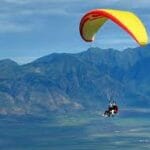
Paragliding Sport in Kenya: A Skyward Odyssey Over Wild Horizons

Kenya is world‑renowned for its majestic wildlife, sweeping savannahs, and dramatic Rift Valley landscapes. But beyond the classic safari lies another frontier of adventure — paragliding, a sport that lets you float like a bird over some of the country’s most spectacular terrain. From sunrise launches above steep escarpments to peaceful coastal glides, Kenya’s skies are becoming an unforgettable playground for thrill‑seekers and nature lovers alike. In this comprehensive travel guide, we’ll explore the history and growth of paragliding in Kenya, the best flying spots, what to expect as a visitor or beginner, and practical tips to make the most of your aerial adventure. Why Kenya Is an Emerging Paragliding Destination Paragliding in Kenya isn’t just a thrilling sport — it’s a celebration of aerial freedom framed by some of Africa’s most iconic landscapes. The sport’s popularity has grown steadily in recent years thanks to: Despite a relatively small active community of pilots — around 30, with a mix of locals and expatriates — Kenya’s potential for exploration and growth in paragliding tourism is significant. Also Read:Why Lukenya Hills Rock Climbing Is Worth Your Time Top Paragliding Spots Across Kenya Kenya’s flying spots are as varied and breathtaking as its landscapes. Whether you’re chasing thermal flights or calm coastal glides, here are the must‑visit paragliding destinations: 1. Kerio Valley – The Crown Jewel of Kenyan Paragliding Nestled in the Great Rift Valley, Kerio Valley is widely regarded as Kenya’s premier paragliding hub. The deep rift escarpments provide consistent thermals and dramatic lift, making it a favorite for both intermediate and advanced pilots. This is also where many of Kenya’s paragliding records have been set and where passionate flyers will tell you the sky feels truly limitless. 2. Kijabe Hill – Classic Escarpment Flying Near Nairobi Just a couple of hours north of Nairobi, Kijabe Hill is one of Kenya’s oldest and most iconic paragliding sites. This site rewards pilots with a dynamic flying environment, blending mountaintop launches with elegant descents into fertile valley plains. 3. Kibini Hill – A Hidden Gem South of Nairobi For pilots craving an adventurous ridge experience with panoramic savannah views, Kibini Hill is increasingly gaining attention. Whether you’re chasing thermal lifts or simply floating above rolling savannahs, Kibini delivers an authentic Kenyan flying experience wrapped in wild views. 4. Ngong Hills & Western Highlands Close to Nairobi’s bustling urban energy lies the serene Ngong Hills — a fantastic choice for day trips and tandem flights. If you’re in Nairobi and want to taste the thrill without venturing far, Ngong offers some of Kenya’s most accessible skyward thrills. 5. Coastal and Lakeside Options While inland escarpments dominate Kenya’s paragliding reputation, coastal areas like Diani Beach and sites near Lake Naivasha provide alternative flying environments. Combining paragliding with safari lodges or beach holidays makes for a balanced Kenyan adventure that blends air, water, and wild earth. Paragliding for Beginners & Visitors If you’re new to the sport or visiting Kenya specifically for a paragliding experience, there’s good news: you don’t need to be an experienced pilot to enjoy this thrill. Many operators offer tandem flights with certified instructors who handle take‑off, navigation, and landing while you soak in the views. What to Expect: Whether you’re overcoming a fear of heights or chasing an adrenaline rush, a well‑organized tandem flight gives you full access to Kenya’s skies with peace of mind. Safety, Training & Community While adventure is the heartbeat of paragliding, safety lies at its core. The Paragliding Association of Kenya (PAK) has taken commendable steps to formalize training, licensing, and safety guidelines to protect pilots and support sustainable sport growth. Tips for Safe Flying: Being part of the community means respecting the skies, local rules, and terrain — essential elements of a rewarding paragliding journey. Combining Paragliding With Kenyan Adventures Paragliding isn’t just an isolated thrill — it’s a gateway to a full Kenyan experience. Here’s how to expand your adventure: Kenya’s diverse tapestry of landscapes ensures that your adventure continues long after your feet touch the ground. Final Thoughts: Why Paragliding in Kenya Matters Paragliding in Kenya is more than a sport — it’s an immersive way to see the country from above, connecting with nature, culture, and the pure joy of flight. Whether you’re a seasoned pilot carving cross‑country routes or a first‑timer launching into the blue for the first time, Kenyan paragliding offers memories that last a lifetime. From the Rift Valley’s thermals to coastal sea breezes, Kenya’s skies are calling — and the wind is ready. Are you? FAQs: Paragliding Sport in Kenya 1. Is paragliding legal in Kenya? Yes, paragliding is legal and regulated by the Paragliding Association of Kenya (PAK) in coordination with aviation authorities. 2. Where is the best place to go paragliding in Kenya? Kerio Valley is considered the top paragliding spot in Kenya due to strong thermals, dramatic views, and consistent flying conditions. 3. Can beginners try paragliding in Kenya? Yes, beginners can enjoy tandem paragliding with certified instructors. No prior experience is required for tandem flights. 4. How much does paragliding cost in Kenya? Prices vary by location and operator. Tandem flights typically range from affordable short rides to premium experiences. 5. When is the best time for paragliding in Kenya? Paragliding is possible year-round in Kenya, but pilots prefer dry months for better thermals and visibility. 6. Is paragliding in Kenya safe? Yes, if you use certified operators and fly in suitable conditions. Safety briefings, gear checks, and pilot experience are critical. 7. Do I need training to paraglide in Kenya? Only if you want to fly solo. Otherwise, tandem flights require no training. For solo pilots, certified training is essential. 8. What should I wear when paragliding in Kenya? Wear comfortable clothes, a windproof jacket, closed shoes, and sunglasses. Operators provide helmets and harnesses. 9. Can I combine paragliding with a safari? Yes, many travelers combine paragliding with game drives or beach holidays for a complete Kenyan adventure. 10. Is paragliding only for

Uncategorized

How to Join the Watamu Coastal Cleanup Movement

Plastic bottles. Old fishing nets. Styrofoam. Every tide brings a fresh wave of trash onto Kenya’s Watamu coast. And every month, local hands remove it. This is not a government job. It’s not paid. It’s a movement—powered by locals, travelers, and conservation groups. If you’re asking how to join the Watamu Coastal Cleanup Movement, here’s everything you need to know. Also Read:The Ultimate Guide to the Most Beautiful Beaches of Kenya A Detailed Explanation of the Movement The Watamu Coastal Cleanup Movement started as a grassroots effort. Locals noticed more plastic in the water and less fish on their plates. Tourists complained of dirty beaches. The community responded. They started picking up the trash. Soon, schools joined. Then dive shops. Now it’s a coast-wide effort backed by environmental NGOs and the local government. You don’t need to be a marine biologist. You don’t need to be Kenyan. You just need to show up. Wear shoes. Bring gloves. That’s it. Why Watamu? Watamu is a UNESCO Biosphere Reserve. It sits inside the Watamu Marine National Park, home to coral reefs, sea turtles, and hundreds of fish species. The local economy depends on tourism and fishing. Both are at risk from marine pollution. Watamu’s coastlines collect debris from ships, neighboring countries, and inland rivers. This is where cleanup matters most. What You’ll Be Doing You will collect, sort, and record marine debris. Tasks include: It’s direct action. You’ll see the difference after every tide. Who Organizes the Cleanups? Several groups manage cleanups in Watamu: 1. Watamu Marine Association (WMA) They lead most monthly beach cleanups and school outreach programs. Volunteers are always welcome. 2. Local dive shops and hotels Turtle Bay Resort and Ocean Sports Watamu host beach and underwater cleanups. Some offer discounts to participants. 3. Community-based groups Youth groups and women’s collectives run informal cleanups in neighborhoods and mangroves. When and Where Cleanups Happen Beach cleanups happen every first Saturday of the month. Special events also happen on: Cleanup locations vary, but common ones include: Check with WMA for schedules. What You Need to Bring Cleanups are free to join. Here’s what to bring: Avoid bringing single-use plastic. How to Sign Up You don’t always need to register. But for organized cleanups, here’s how: Step 1: Contact Watamu Marine Association Step 2: Join WhatsApp Group Many groups use WhatsApp to share cleanup dates and locations. Step 3: Show Up Be on time. Follow safety instructions. Work with a group. Can Tourists Join? Yes. Tourists are encouraged to participate. Some hotels even reward it: Ask your hotel concierge for information. Can Kids Participate? Yes. Kids over 7 can join with adult supervision. Schools often organize student cleanups. It’s a strong learning experience and builds pride in the environment. What Happens to the Trash? Collected waste is sorted into: Data on debris is recorded and shared with global databases like Ocean Conservancy’s TIDES. What Else You Can Do Besides joining a cleanup, you can: Benefits of Joining Volunteer Stories “I joined during a short holiday. In two hours, we collected 20 bags of trash. It felt good. I went back the next week.” – Ana, Germany “Our school now does monthly cleanups. Students compete to collect the most. It changed how they see the beach.” – Teacher James, Watamu FAQs 1. Do I need to sign up in advance? Not always. But for large cleanups, yes. Contact organizers ahead. 2. Is it safe to join? Yes. Groups follow safety protocols. Avoid picking sharp or medical waste. 3. Can I join underwater cleanups? Yes, if you are a certified diver. Ask dive shops for details. 4. How long do cleanups last? Most last 2–3 hours. You can leave earlier if needed. 5. What happens if it rains? Cleanups continue unless conditions are unsafe. 6. Can I bring my own group? Yes. Contact organizers to plan a private or school group cleanup. 7. Is there a fee? No. Participation is free. 8. How do I support if I can’t attend? Donate money, share events online, or spread awareness. 9. Are there T-shirts or gear? Sometimes. Ask the organizing group. 10. Do cleanups make a real difference? Yes. In 2024, Watamu teams removed over 12 tons of plastic from the coast. Final Thoughts Watamu doesn’t need more talk. It needs more hands. If you’re near the coast or planning a trip, this is your moment. Join the Watamu Coastal Cleanup Movement. Protect marine life. Support local communities. Be the person who showed up.

Uncategorized

Mount Elgon Trail Hike Challenge: A Rugged Trek Worth Every Step

Thinking of escaping the usual hiking circuits in Kenya? The Mount Elgon Trail Hike Challenge is the underrated route you’ve been missing. While most flock to Mount Kenya or the Aberdares, Mount Elgon waits quietly on the border of Kenya and Uganda. It’s one of the oldest extinct volcanoes in East Africa, and its untouched trails deliver solitude, scenery, and serious elevation gains. If you want a physically demanding trek that rewards every step, this is it. Also Read:Mount Kenya Climbing & Trekking: Your Ultimate Adventure Guide A Detailed Explanation of the Mount Elgon Trail Hike Challenge Mount Elgon stands at 4,321 meters at its highest point, Wagagai Peak. On the Kenyan side, Koitoboss Peak is the highest at 4,222 meters. It’s not the tallest mountain in the region, but it offers a rewarding hiking experience with less human traffic and more natural beauty. The challenge lies in its terrain, weather shifts, and remoteness. The Mount Elgon Trail Hike Challenge involves multi-day trekking through dense forests, bamboo zones, moorlands, and volcanic craters. It demands endurance, navigation skills, and a respect for the mountain’s moods. Why Choose Mount Elgon Over More Popular Trails? Top Trails for the Mount Elgon Hike Challenge Each trail offers a different level of difficulty and scenery. Here’s a breakdown. 1. Koitoboss Trail (Kenya Side) This is the most accessible route from the Kenyan side. It cuts through bamboo forests and ends at a rocky summit with panoramic views over both countries. 2. Sasa Trail (Uganda Side) The Sasa Trail is the most direct but also the steepest. Be ready for a hard first day as you climb 1,600 meters straight up. 3. Sipi Trail (Uganda Side) This trail passes waterfalls, farmlands, and deep forests. It’s scenic but less challenging in gradient compared to the Sasa Trail. When to Go Elgon’s weather shifts fast. Mornings can be sunny, afternoons cloudy, and evenings freezing. Pack accordingly. Permits and Logistics You’ll need: Camping is the only option. No lodges inside the park. Bring gear or hire from local outfitters. What to Pack Mount Elgon throws everything at you—mud, wind, sun, cold, and sometimes snow. Pack: Also carry your own waste bags. Leave no trace. Health and Safety Tips What You’ll See Along the Way Fitness Requirements The Mount Elgon Trail Hike Challenge isn’t for first-timers. You’ll need: Train with weighted hikes weeks in advance. Focus on elevation gain and endurance. Guided vs. Solo Hike Guided Pros: Solo Pros: Verdict: Go guided unless you’re highly experienced in remote mountain trekking. How to Get There Plan for a stopover in Kitale or Eldoret for supplies and rest. Real Challenge, Real Reward Unlike many peaks that give you comfort lodges, Wi-Fi, and predictable terrain, Mount Elgon offers none of that. It gives you raw nature, tough trails, and absolute peace. You’ll battle altitude, mud, and fatigue. In return, you get pristine views, wildlife sightings, and a sense of achievement that’s hard to match. This trail filters out the casual hikers. If you complete it, you’ve earned more than a summit photo. You’ve conquered one of East Africa’s most overlooked trekking challenges. 10 FAQs About the Mount Elgon Trail Hike Challenge 1. How high is Mount Elgon? 4,321 meters at Wagagai Peak (Uganda), 4,222 meters at Koitoboss (Kenya). 2. Is Mount Elgon harder than Mount Kenya? Not in altitude, but yes in remoteness and navigation. 3. How long does the hike take? Anywhere from 2 to 6 days depending on your route. 4. Are there huts or accommodation inside the park? No. Only campsites. Bring your own gear or rent locally. 5. What’s the cost of permits? Approx. $20 per day on both Kenya and Uganda sides. 6. Is a guide mandatory? Recommended but not required on the Kenya side. Mandatory on some Uganda routes. 7. What wildlife will I see? Elephants, buffaloes, monkeys, and rare birds. 8. What’s the best month to hike? January and February offer dry trails and clearer skies. 9. Can I hike both Kenya and Uganda sides in one trip? Yes, but you’ll need valid entry visas for both countries. 10. Is it safe? Yes, if you prepare well and stick to marked trails or use a guide.

Uncategorized

Kisumu City Run: Lake Breeze and Neon Energy

The Kisumu City Run blends sport, culture, and scenery into one unique event. Runners charge through the city as cool breezes from Lake Victoria meet glowing neon. It’s not a marathon. It’s an experience. A sensory sprint that fuses the vibrant soul of Kisumu with high-energy movement. Each year, thousands gather for more than a race. They come for music, movement, and community. Whether you’re a seasoned runner or a weekend jogger, the Kisumu City Run delivers. Also Read:Discover the Heartbeat of Kisumu Town, Kenya What Makes the Kisumu City Run Unique? 1. Lake Breeze Effect 2. Neon Energy 3. City Meets Culture The Route Breakdown Start Point: Jomo Kenyatta Sports GroundKey Areas Covered: The route is flat. That means personal bests get shattered. Hydration stations appear every 2 km. Medical tents are on standby. Why Runners Love Kisumu City Run 1. Beginner-Friendly 2. Photogenic Views 3. Social Vibe Health and Safety Protocols Economic Impact Kisumu’s economy gets a temporary boost. How to Register Your kit includes: What to Wear Dress smart. Comfort equals speed. What to Expect on Race Day Latecomers can still run but will miss tracking and prizes. Where to Stay Affordable and mid-range hotels nearby include: Book early. Rooms fill up fast. Eco-Friendly Race Practices The race partners with local green groups to keep Kisumu clean. Tips for First-Time Participants Who Organizes It? The event is a collaboration between: Sponsorships come from fitness brands, telcos, and water companies. Is It Kid-Friendly? Yes. A special 2K run welcomes kids aged 5–12.Parents can run alongside. Medals are given to all finishers. Why It’s More Than a Run This is not a race to win. It’s a race to remember. 10 Frequently Asked Questions 1. Is the event timed? Yes, all adult races use chip timing. 2. Can I walk the 5K? Yes. Walkers and joggers are welcome. 3. Are pets allowed? No, pets are not permitted for safety. 4. Is there parking? Yes, secure lots near the Sports Ground are available. 5. Can I change categories after registering? Yes, up to 48 hours before race day. 6. Are there prizes? Yes, for top 3 in each category and fun categories like best costume. 7. How can I volunteer? Apply via the website. Volunteers get branded gear and food. 8. Are there toilets on the route? Yes, every 3 km along the route. 9. Is the route wheelchair accessible? Yes, the 5K route is flat and accessible. 10. Can I register on the day of the race? No. Online registration closes 72 hours before the event. Final Word The Kisumu City Run is more than fitness. It’s Kisumu on full display. Neon lights meet lake breeze. You feel alive, you move, you belong. Mark your calendar. Lace your shoes. The road is calling.

Uncategorized

Nairobi Color Run: Fitness, Fun, and Festival Vibes

The Nairobi Color Run isn’t your average race. It’s a 5K event packed with music, color, and energy. No medals. No pressure. No winners. You show up, get moving, and leave covered in color. Thousands join each year for one reason: joy. This is fitness without the seriousness. A social event disguised as exercise. A celebration of health, unity, and culture. Also Read:Exploring the Best Cultural Festivals in Kenya Here’s what to know before you sign up. A detailed explanation of the Nairobi Color Run What is the Nairobi Color Run? It’s a 5-kilometer untimed event where runners are doused in colored powder at every kilometer. Walk, jog, run, or dance your way through. The only rule: wear white and finish color-splashed. When and where does it happen? The event takes place once a year in Nairobi. Venues rotate between parks and open fields. Dates are announced three months ahead. Most editions happen on Sundays. Who can participate? Everyone. Kids, adults, seniors, even pets. Families join in groups. Companies register teams. Schools send students. No age limit. No speed requirement. Why it matters 1. It promotes movement. Many people dread running. The Color Run turns dread into excitement. You look forward to the music and the powder, not your time or pace. 2. It builds community. You’re not racing others. You’re moving with them. Laughing, posing for selfies, and sharing the same messy, colorful path. 3. It’s accessible. You don’t need special gear. You don’t need training. You need a white T-shirt and a pair of sneakers. 4. It’s safe. Organizers provide hydration, first aid, and security. Kids get wristbands. Volunteers manage crowds. Medical tents are visible at all key points. What to expect Start line: A DJ warms up the crowd. There’s dancing, stretching, and confetti. Runners go in waves. Color zones: At every kilometer, volunteers throw colored powder (safe, non-toxic cornstarch). Each zone has a different color. Finish line: You get a color packet for the final blast. Everyone throws their powder into the air. The result: a rainbow cloud and a dance party. Festival area: Live music, food stalls, water stations, sponsor booths, and games. Some bring picnic blankets. Others keep dancing. What to wear What to bring Cost and registration Early bird rates: KSh 1,500Regular price: KSh 2,000Kids under 10: free with paying adult Tickets include: Registration opens online two months before the event. Physical registration available at select outlets in Nairobi. Tips for first-timers The health angle The Color Run is not a hardcore workout. But it still gets your heart rate up. Here’s what a light jog through 5 kilometers gives you: Fitness doesn’t have to hurt. The Color Run proves it. Festival vibes: beyond the run After the run, the event turns into a full-blown festival. Expect: People linger long after the run ends. It’s part of the experience. Who should go? Parents: Safe, kid-friendly, and fun.Couples: A unique way to spend a weekend.Friends: Great group activity with tons of photo ops.Solo runners: You’ll leave with new friends.Fitness newbies: Low-pressure, feel-good atmosphere. Testimonials James, 34: “I never liked running. But this didn’t feel like a run. It felt like a party.” Wanjiku, 27: “We went as a company team. Laughed the whole way through. Great bonding event.” Amina, 41: “My kids loved the color zones. We already marked our calendar for next year.” Social impact Each Nairobi Color Run partners with a local charity. A portion of ticket sales goes toward youth programs, health clinics, or education support. Running means giving back. Last year’s event raised KSh 1.2 million for a girls’ school program in Kibra. This year’s cause will be announced closer to the date. Why you should go You don’t need to be a runner. You don’t need a fitness goal. You need a reason to smile, move your body, and connect. The Nairobi Color Run gives you that. No pressure. No judgment. Just joy, music, movement, and color. Show up in white. Leave in a rainbow. Return with stories. Frequently asked questions 1. Is the color powder safe? Yes. It’s food-grade cornstarch with FDA-approved coloring. Non-toxic and biodegradable. 2. What if I don’t want color on me? You can skip the zones or move to the side. Some participants wear rain ponchos or shower caps. 3. Is it a race? No. There are no prizes or timing chips. You move at your pace. 4. Can I walk the entire way? Yes. Many participants walk or alternate between walking and jogging. 5. Are there bathrooms? Yes. Portable toilets are set up throughout the venue. 6. Will there be photos? Yes. Event photographers cover the course and finish area. You can also bring your phone (covered). 7. How do I clean the color off? Shake off excess powder before getting in your car. Most washes out with one shower. Some colors may take two. 8. Are pets allowed? Small dogs on leashes are allowed. Avoid bringing pets sensitive to loud music or crowds. 9. Can I get a refund? No refunds, but you can transfer your ticket to someone else before the deadline. 10. Will it be held if it rains? Yes. The event goes on rain or shine unless there’s a safety concern.

Uncategorized

Kajiado Desert 4×4 Challenge: Kenya’s Toughest Off-Road Race

The Kajiado Desert 4×4 Challenge is not for everyone. It’s for those who thrive on raw terrain, engine heat, and split-second decisions. Every year, in the vast drylands of Kajiado County, Kenya’s toughest off-roaders face down the desert. This is not a safari. It’s survival. This is where drivers, co-drivers, machines, and minds get pushed to their limits. Also Read:The Ultimate Guide to Road Trips in Kenya A Detailed Explanation of the Kajiado Desert 4×4 Challenge The Kajiado Desert 4×4 Challenge is an annual off-road motorsport event held in the arid plains and semi-desert tracks of Kajiado County. Competitors race custom-built 4x4s across unforgiving desert terrain filled with loose sand, rocky trails, steep dunes, and deep trenches. The challenge combines speed, endurance, and advanced navigation. You don’t just drive here. You strategize. You think ahead. You read the desert. Why Kajiado? Kajiado is the perfect setting: This county is also close to Nairobi, making it easy for teams, sponsors, and spectators to access the event. What Makes This Event Unique? Who Competes? The challenge attracts a mix of: Each team has a driver, a co-driver, and a support crew. Some also have media teams capturing every moment. The Vehicles Most vehicles are heavily modified. Common setups include: All vehicles are subject to tech inspection before racing. What to Expect as a Spectator Watching the Kajiado Desert 4×4 Challenge is an adrenaline rush on its own. Here’s what you get: Bring sunscreen, a hat, and plenty of water. Cell service may drop. Stay alert—these machines move fast. How the Race Works The event usually runs over 2-3 days. Here’s the general flow: What You Need to Compete You also need to be ready for breakdowns, reroutes, and high-stakes decisions. Entry Requirements Anyone can enter, but slots fill quickly. Entry fees vary based on category and team size. Some categories include: Check the official entry page for updated fees and requirements. Why This Event Matters The Kajiado Desert 4×4 Challenge is more than a race. It’s a test of mental and physical strength. It strengthens local tourism. It boosts small business. It puts Kajiado on the motorsport map. It also empowers young talent. Mechanics become drivers. Drivers become champions. Environmental Responsibility Organizers mark routes carefully to avoid wildlife zones and cultural sites. Teams are instructed to: Local environmental groups assist in cleanup and monitoring. The Role of Local Communities The event boosts Kajiado’s economy. Locals offer homestays, sell crafts, and provide services. Maasai youth act as marshals and guides. Cultural exchanges happen off-track. This is more than racing. It’s partnership. Safety Measures Safety is non-negotiable. All teams must meet the following: Medical teams and rescue vehicles are always on standby. Who Should Attend? You’ll love the Kajiado Desert 4×4 Challenge if: Families, photographers, students, and adrenaline seekers all find something here. How to Get There Nearby towns offer fuel, food, and supplies. FAQs About the Kajiado Desert 4×4 Challenge 1. When is the event held? Usually between July and September. Dates change yearly. 2. Is the event open to the public? Yes. Spectators are welcome but must follow safety guidelines. 3. Can I compete with a stock 4×4? Yes, in amateur class—but expect a tough ride. 4. Are there entry fees? Yes. Prices depend on class and team size. 5. What if my car breaks down? You repair it on site or you’re out. Support crews help but can’t interfere mid-race. 6. Is camping allowed? Yes. Many teams and fans camp near the base camp. Bring your own gear. 7. How do I prepare for high heat? Hydration, light clothing, and vehicle ventilation are key. 8. Can I film or photograph the event? Yes. Media passes are available for content creators. 9. Is there food on site? Yes. Local vendors sell meals and drinks. Bring cash. 10. Are kids allowed? Yes, but only in designated safe areas under adult supervision. Final Thoughts The Kajiado Desert 4×4 Challenge is where power meets precision. Where locals and racers share sweat and stories. If you want more than a motorsport event—if you want fire, sand, and competition that’s real—mark your calendar. Whether you come to race or to watch, you leave changed.

Uncategorized

Eldoret 21K Half Marathon: Race Where Legends Are Made

Eldoret is not a regular town. It’s the heartbeat of long-distance running. It’s home to world champions and Olympic legends. Every stride on its roads has a story. The Eldoret 21K Half Marathon puts you right in the middle of that story. Whether you’re a serious runner, a fitness enthusiast, or a fan of athletics, this is a race that offers more than a medal. It gives you a chance to test your limits in one of the most competitive running environments on earth. Also Read:Sagana Rapids Camp: Water Sports Without the Crowds A Detailed Explanation of the Eldoret 21K Half Marathon The Eldoret 21K Half Marathon is an annual event held in Uasin Gishu County, Kenya. It attracts elite athletes, local runners, and international participants. Eldoret’s high altitude—about 2,100 meters above sea level—makes it a perfect training ground. It’s also a brutal but rewarding place to race. This is not a casual weekend jog. The terrain challenges your lungs. The elevation tests your endurance. And the competition? Fierce. But that’s the point. This is where you come to race like a champion, against champions. What Makes Eldoret Unique for Running? Running in Eldoret isn’t only physical. It’s cultural. It’s spiritual. Key Details About the Race There’s prize money for top finishers. More importantly, there’s pride. Every runner earns local respect for simply finishing. Who Should Run the Eldoret 21K? This race is inclusive but demanding. It rewards preparation, not luck. How to Prepare for the Altitude Eldoret is high. If you’re not used to it, your lungs will feel it. Here’s how to adapt: Altitude won’t make you faster overnight. But it will make you tougher over time. The Route: Scenic and Strategic The course loops through Eldoret’s rural and urban areas. Expect: There’s a reason so many world champions come from here. The land shapes them. What to Bring and Wear Temperatures range from 12°C to 24°C. Mornings are cool. Dress smart. Where to Stay in Eldoret Eldoret has plenty of accommodation options, from basic to luxury. Top picks include: Book early. Hotels fill up fast during race week. How to Get to Eldoret Taxis and boda bodas (motorcycle taxis) are widely available within town. Safety and Support on Race Day Still, personal safety starts with you. Stay alert. Stick to marked areas. Community and Culture Eldoret isn’t only about speed. It’s about community. Race day feels like a festival. Music plays. Kids high-five you. Strangers cheer your name. The energy is contagious. After the race, mingle with locals. Visit nearby training camps. You’ll meet future champions and maybe even run with them the next day. Why This Race Matters Kenya’s running success is no accident. It’s built on discipline, environment, and tradition. The Eldoret 21K Half Marathon honors all of that. It invites you to participate in it—not as a spectator, but as a runner. This is not a touristy “fun run.” It’s an authentic athletic challenge. And it’s open to anyone brave enough to try. Benefits of Racing in Eldoret If you take racing seriously, you owe yourself this experience The Experience Beyond the Race You’ll come for the race, but the experience will follow you home. 10 FAQs About the Eldoret 21K Half Marathon 1. Do I need to qualify to run? No. The race is open to all skill levels. 2. Is it safe for international runners? Yes. Security and medical support are strong. 3. How do I register? Through the official event website or in-person closer to the date. 4. What’s the prize money? Varies by year. Often thousands of dollars for top finishers. 5. Are pacers allowed? Not officially, but many locals run at steady paces. 6. Can I run as a relay or team? This is an individual event. 7. What’s the best time to arrive? At least 7–10 days before, to adjust to altitude. 8. Can I run without a chip? Chips are usually provided for timing. Mandatory for ranked results. 9. Are kids allowed to run? There’s usually a junior category. 10. How competitive is the race? Extremely. But all finishers are respected. Final Thought The Eldoret 21K Half Marathon isn’t easy. But it’s worth it. If you’re serious about running—or want to become serious—this is where you start. Or restart. Or go to the next level. In Eldoret, you don’t chase medals. You chase greatness. Ready to run?

Uncategorized

Come With Me As We Explore Kenyan Cultural Experiences

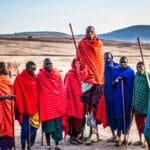
Are you curious about the vibrant and diverse cultural experiences that Kenya has to offer? Kenya, known for its breathtaking landscapes and iconic wildlife, is equally rich in cultural heritage, boasting over 40 different ethnic groups, each with its own unique traditions, customs, and way of life. In this article, we will explore the fascinating world of Kenyan cultural experiences, offering insights into the traditions, dances, music, and festivals that define the country’s identity. We will delve into the Maasai culture, Swahili heritage, and other tribes that make Kenya such a culturally vibrant destination. Whether you’re planning a trip to Kenya or just want to learn more about its culture, this guide will give you a comprehensive overview of the most authentic and engaging experiences the country has to offer. A Detailed Explanation of Kenyan Cultural Experiences Kenya: A Land of Diverse Cultures Did you know that Kenya is home to more than 40 distinct ethnic groups, each with its own language, customs, and traditions? From the coastal Swahili people to the nomadic Maasai in the savannah, Kenyan cultural experiences are as diverse as the landscapes themselves. One of the most striking features of Kenya’s cultural fabric is the coexistence of modernity with traditional ways of life. While urban centers like Nairobi are bustling with modern infrastructure, many rural communities continue to live according to ancestral customs. Visitors to Kenya can engage with this unique blend of past and present, making cultural tourism one of the most enriching experiences in the country. Maasai Culture: A Living Tradition The Maasai people are perhaps the most famous of Kenya’s ethnic groups, known for their colorful clothing, warrior traditions, and close connection to nature. Visitors can experience Maasai culture firsthand through guided tours of traditional Maasai villages. These visits often include opportunities to learn about their unique customs, such as how they build their iconic manyatta (houses), their livestock-rearing practices, and their traditional dances. One of the highlights of engaging with the Maasai is witnessing the Adumu, also known as the “jumping dance.” This ceremonial dance, performed by young Maasai warriors, is not only a physical feat but also a demonstration of strength, endurance, and pride. Visitors are often invited to participate, offering a fun and memorable experience. Another integral aspect of Maasai life is their relationship with nature. The Maasai live in harmony with their environment, and their deep respect for wildlife is evident in their customs. Engaging with the Maasai is a perfect introduction to Kenya’s tribal heritage, allowing you to experience a way of life that has remained largely unchanged for centuries. Swahili Culture: A Blend of African and Arab Heritage Kenya’s coastal regions are predominantly inhabited by the Swahili people, whose culture is a blend of African, Arab, and Persian influences. The Swahili culture is famous for its architecture, cuisine, and vibrant festivals. Visitors to cities like Mombasa, Lamu, and Malindi can explore ancient Swahili towns, which are characterized by narrow streets, intricately carved wooden doors, and coral stone buildings. The annual Lamu Cultural Festival is one of the highlights of the Swahili cultural calendar. This event celebrates the rich history of the island of Lamu, which is one of the oldest Swahili settlements in East Africa. The festival includes traditional music, dance performances, dhow sailing races, and displays of Swahili handicrafts. For those seeking an immersive cultural experience, attending this festival is a must. Swahili cuisine is another integral part of Kenyan cultural experiences along the coast. Influenced by Arab and Indian flavors, Swahili dishes such as biryani, pilau, and nyama choma are famous for their rich spices and unique cooking techniques. Visitors can savor these flavors at local markets or coastal restaurants, often accompanied by the sounds of taarab music, a traditional Swahili genre. Kenyan Music and Dance: The Heartbeat of Culture Music and dance are at the core of Kenya’s cultural identity. Each ethnic group has its own unique rhythms, instruments, and dance styles, which reflect the community’s values, history, and traditions. The Kikuyu people, the largest ethnic group in Kenya, have a rich tradition of music that includes instruments like the gichandi (a type of rattle) and wandindi (a traditional stringed instrument). Their dances often tell stories of love, war, and celebration, with performances taking place during community gatherings and festivals. In contrast, the Luo people of western Kenya are known for their energetic and fast-paced ramogi dance, often performed to the beat of drums and flutes. The Isikuti drum dance from the Luhya community is another exciting cultural performance, marked by its energetic rhythms and lively choreography. Music is also an essential part of contemporary Kenyan culture, with genres such as benga and genge blending traditional African sounds with modern influences. Festivals like the Kenya Music Festival and the Koroga Festival in Nairobi offer a platform for musicians to showcase their talents, making them great events for tourists looking to experience modern Kenyan music. Kenyan Food and Festivals: A Culinary Journey No cultural experience is complete without indulging in the local cuisine, and Kenya offers a culinary journey that reflects its diverse ethnic groups. From the central highlands’ nyama choma (grilled meat) to the coastal Swahili dishes, food is a central aspect of Kenyan life. The Maasai, for example, are known for their traditional diet of meat, milk, and blood, though modern Maasai communities have integrated more varied foods into their diets. Visitors can sample these delicacies during cultural tours or festivals. Kenya also hosts numerous cultural festivals throughout the year, celebrating the traditions of different ethnic groups. Events such as the Maralal Camel Derby, held in northern Kenya, not only showcase traditional camel racing but also highlight the culture of the nomadic Samburu people. The Lake Turkana Festival is another vibrant celebration of the cultures of northern Kenya’s desert communities, offering visitors a chance to engage with local crafts, music, and dances. The Role of Cultural Tourism in Community Development Cultural tourism plays a significant role in community development across Kenya. By

Uncategorized

Everything You Need to Know about Eco-tourism in Kenya

Looking to travel responsibly while experiencing Africa’s most stunning wildlife and rich cultures? Eco-tourism in Kenya offers an unmatched adventure that combines sustainability with extraordinary natural beauty. From the sweeping savannas of the Maasai Mara to the cultural richness of local villages, Kenya has positioned itself as a premier destination for eco-conscious travelers. In this article, we’ll take you through what makes Kenya a top eco-tourism destination, how it supports wildlife conservation, the role of local communities in tourism, and tips for making your trip as eco-friendly as possible. Let’s dive into how you can experience Kenya’s wonders while leaving a positive impact. A Detailed Explanation of Eco-tourism in Kenya What is eco-tourism in Kenya, and why is it gaining popularity among modern travelers? Eco-tourism focuses on responsible travel that conserves the environment and improves the well-being of local people. Kenya has embraced this concept by offering eco-conscious travelers the chance to enjoy its wildlife, landscapes, and cultures in ways that benefit both the environment and local communities. Kenyan National Parks: Protecting Wildlife and Nature One of the main draws for eco-tourists in Kenya is its rich biodiversity. The country is home to some of the world’s most famous national parks, including the Maasai Mara, Amboseli National Park, and Tsavo. These protected areas offer a chance to witness majestic wildlife like lions, elephants, and giraffes in their natural habitats while ensuring that tourism revenue contributes to conservation efforts. Kenya’s national parks are not only about big game. They also play a crucial role in conserving endangered species like the black rhino, Grevy’s zebra, and African wild dogs. Visitors can contribute to these efforts by choosing eco-conscious tours and lodges that support conservation projects. Eco-lodges and Sustainable Accommodation Kenya’s eco-lodges are a cornerstone of its eco-tourism industry. These lodges are built with sustainability in mind, using renewable energy, water conservation methods, and waste reduction techniques. They also tend to employ locals and source materials and food from nearby communities, which further supports the local economy. Popular eco-lodges like the Ol Pejeta Bush Camp and Campi ya Kanzi not only offer luxury in the wilderness but also have minimal environmental impact. Staying at these lodges means you can immerse yourself in nature without the guilt of contributing to pollution or habitat destruction. Community-based Tourism: Empowering Locals A key aspect of eco-tourism in Kenya is its focus on community-based tourism. Many eco-tours include visits to local villages, where tourists can interact with indigenous tribes like the Maasai and Samburu. These interactions provide insight into traditional cultures while giving locals an opportunity to share their way of life in a dignified, non-exploitative manner. Revenue from eco-tourism helps fund schools, healthcare, and community development projects, ensuring that local people benefit directly from tourism activities. This model of tourism empowers communities and encourages the preservation of cultural heritage, which might otherwise be lost to modernization. Wildlife Conservation and Responsible Safaris One of the biggest threats to Kenya’s wildlife is poaching, which has severely affected populations of elephants, rhinos, and other species. Eco-tourism plays a pivotal role in wildlife conservation by providing financial support for anti-poaching units and habitat restoration projects. When planning your safari, choose a tour operator that adheres to the principles of responsible travel. This means not disturbing wildlife, staying on designated paths, and respecting animal behavior. Look for tour companies that are certified by organizations such as Ecotourism Kenya, which ensures that operators follow eco-friendly practices. Green Travel Tips for Eco-conscious Visitors To truly embrace eco-tourism in Kenya, travelers must adopt eco-friendly habits before and during their trip. Here are some tips to reduce your environmental footprint: Unique Experiences in Kenya’s Eco-tourism Landscape While wildlife safaris are a major highlight, eco-tourism in Kenya offers a diverse range of experiences. Here are some standout activities that allow you to immerse yourself in both nature and culture: The Role of Kenyan Government in Promoting Eco-tourism Kenya’s government plays a crucial role in promoting eco-tourism and ensuring that tourism development is sustainable. The Kenya Wildlife Service (KWS) manages many of the country’s national parks and is heavily involved in wildlife conservation. Additionally, the government has introduced policies aimed at protecting natural resources while promoting tourism. For example, the National Tourism Blueprint 2030 outlines Kenya’s commitment to becoming a global leader in sustainable tourism. It highlights the importance of protecting the environment and empowering local communities as key pillars of the country’s tourism strategy. Challenges Facing Eco-tourism in Kenya While eco-tourism in Kenya has made great strides, it is not without its challenges. Climate change poses a significant threat to Kenya’s ecosystems, leading to unpredictable weather patterns and affecting wildlife habitats. Additionally, balancing tourism growth with environmental conservation is an ongoing struggle, as some areas face over-tourism, which can lead to degradation of natural resources. However, by choosing eco-friendly tours and accommodations, travelers can help mitigate these challenges. Supporting sustainable tourism businesses that prioritize conservation and community well-being ensures that Kenya’s natural and cultural treasures will be preserved for future generations. Why Eco-tourism in Kenya is Worth It Eco-tourism in Kenya offers more than just an unforgettable wildlife experience—it provides a way to travel responsibly, conserve natural resources, and empower local communities. Whether you’re exploring national parks, staying at eco-lodges, or engaging with indigenous cultures, you can feel good about making a positive impact while enjoying Kenya’s wonders. By supporting sustainable practices, eco-conscious travelers can ensure that Kenya remains a pristine destination for generations to come. FAQs

Uncategorized

Top 10 Volunteer Opportunities in Kenya 2025

Volunteer opportunities in Kenya: Are you looking for an exciting way to give back to the world while immersing yourself in a new culture? If you’re searching for volunteer opportunities in Kenya, you’re in for a transformative experience. Kenya offers a wide range of volunteer programs, from wildlife conservation to community service, making it a top destination for people passionate about making a positive impact. In this article, we’ll dive deep into the best volunteer opportunities in Kenya, what you can expect from these programs, and how to prepare for your volunteer experience. Whether you’re passionate about working with children, supporting local communities, or protecting wildlife, you’ll find the perfect program to suit your skills and interests. A Detailed Explanation of Volunteer Opportunities in Kenya What types of volunteer opportunities are available in Kenya? Kenya is known for its rich biodiversity, vibrant cultures, and a wide array of volunteer programs that cater to different passions and skills. From wildlife conservation to teaching in local schools, Kenya has something to offer for every type of volunteer. Wildlife Conservation Programs Kenya is home to some of the most iconic wildlife species on the planet, including elephants, lions, and rhinos. Wildlife conservation volunteer programs in Kenya offer a unique opportunity to work directly with animals in their natural habitats. Volunteers help with tasks like monitoring animal populations, assisting in anti-poaching efforts, and educating local communities about the importance of conservation. Programs are available in well-known reserves like the Maasai Mara and Amboseli National Park, where volunteers can experience Kenya’s famous wildlife up close. Community Development and Teaching Kenya has numerous community development programs aimed at improving education, healthcare, and general living conditions in rural areas. Teaching volunteer opportunities in Kenya are particularly popular, as many schools lack sufficient resources and trained teachers. Volunteers can teach English, math, or science, assist with after-school programs, and even help with school infrastructure projects like building classrooms. For those with a medical background, healthcare volunteering is another impactful avenue. Volunteers assist in local clinics and hospitals, providing basic healthcare services, running health workshops, and supporting medical staff in underserved communities. Childcare and Orphanage Volunteering Another popular option is volunteering at orphanages in Kenya. Many children in Kenya have lost their parents to disease or other hardships, and orphanages provide them with shelter, education, and emotional support. Volunteers assist with daily tasks like organizing educational activities, helping with meals, and providing one-on-one care to the children. Sustainable Agriculture and Environmental Projects For eco-conscious individuals, sustainable volunteering in Kenya is an attractive option. Environmental programs focus on reforestation, promoting sustainable agricultural practices, and helping rural communities develop eco-friendly farming techniques. Volunteers work alongside local farmers to implement sustainable solutions, ensuring long-term environmental health and food security. Cultural Exchange Programs Kenya is home to over 40 different ethnic groups, each with its own unique traditions and customs. Cultural exchange volunteer programs allow volunteers to live and work within these communities, learning about their cultures while sharing their own experiences. These programs often involve community activities, language lessons, and helping with cultural preservation projects. Also read: Photography Tips for Traveling in Kenya How to Choose the Right Volunteer Program When selecting a volunteer opportunity in Kenya, it’s important to consider your personal skills, interests, and the type of impact you want to make. Here are some key factors to help you choose the right program: 1. Assess Your Skills Are you good at teaching? Do you have experience in healthcare or environmental science? Think about how your skills can benefit a specific volunteer program. For example, if you’re a teacher, look for programs that involve teaching in Kenyan schools. If you’re passionate about conservation, a wildlife program might be the best fit. 2. Consider the Location Kenya’s volunteer programs are spread across various regions, from bustling cities like Nairobi to remote rural areas. If you prefer a more urban experience, you can choose a program based in a city. However, if you’re looking to fully immerse yourself in nature, rural or wildlife conservation programs might be more appealing. 3. Program Duration Some volunteer programs in Kenya run for just a few weeks, while others can last several months. Consider how much time you’re willing to commit and whether a short-term or long-term program fits into your schedule. 4. Program Costs While some programs offer free or low-cost volunteering, others may charge fees to cover accommodation, meals, and administrative costs. Research the pricing of various programs and ensure you budget accordingly. Many volunteers fundraise or apply for grants to offset these costs. 5. Cultural Immersion and Ethical Impact Volunteers should seek out programs that prioritize cultural immersion and ethical volunteering practices. Make sure the organization is truly benefiting local communities and not exploiting their needs for profit. Ethical programs are transparent about where your fees go and involve the community in decision-making. Preparing for Your Volunteer Experience in Kenya Once you’ve selected a volunteer program in Kenya, there are a few key steps to take before you embark on your journey: 1. Get Vaccinated and Stay Healthy Consult with your doctor or a travel clinic to ensure you’re up-to-date on necessary vaccinations, such as yellow fever, typhoid, and hepatitis A. It’s also advisable to bring a first-aid kit and any prescription medications you may need. 2. Learn About Kenyan Culture Understanding Kenyan culture and traditions will help you integrate more easily into your volunteer role. Read up on local customs, greetings, and cultural norms, especially if you’re working in a rural area. This will help avoid misunderstandings and allow you to build better relationships with the people you’re helping. 3. Pack Smart Kenya has a diverse climate, so packing appropriately is crucial. Bring lightweight clothing for hot days and warmer layers for cooler nights, especially if you’re volunteering in the highlands. Don’t forget essentials like sunscreen, insect repellent, and sturdy shoes for outdoor activities. 4. Prepare Financially While some volunteer programs may provide housing and meals, it’s important to bring enough

Uncategorized

Top 5 Killer Kenyan Handicrafts and Souvenirs You Can’t Miss

Kenyan handicrafts and souvenirs: Are you looking for the perfect Kenyan handicrafts and souvenirs to bring home after your safari or beach trip? Kenyan souvenirs are not only beautiful but also meaningful, reflecting the country’s rich history and diverse cultures. In this article, we’ll explore the different types of traditional Kenyan crafts, their cultural significance, and where to find them. By the end of this guide, you’ll know what to look for and how to choose the best souvenirs that are both authentic and responsibly sourced. A Detailed Explanation of Kenyan Handicrafts and Souvenirs What makes Kenyan handicrafts and souvenirs special, and why are they a must-have for travelers to Kenya? Kenya’s handicrafts are more than just decorative pieces—they represent the artistry, skills, and heritage of the many ethnic groups across the country. These crafts include everything from Maasai beadwork to wooden sculptures, and they are often created by hand using traditional methods passed down through generations. This section will delve into the most popular Kenyan souvenirs, where you can find them, and their cultural significance. 1. Kenyan Maasai Beadwork: A Symbol of Tradition One of the most iconic authentic Kenyan souvenirs is Maasai beadwork. The Maasai people, a semi-nomadic ethnic group from southern Kenya, are famous for their intricate beadwork, which is often worn during important ceremonies and celebrations. These pieces are not just decorative—they hold cultural and spiritual meanings. If you’re looking to buy authentic Maasai beadwork, consider purchasing directly from a Maasai village or a fair-trade shop that ensures the artisans are fairly compensated. 2. Wooden Carvings: Capturing Kenyan Wildlife and Culture Kenya’s handmade wooden carvings are another popular souvenir, with many representing the country’s famous wildlife or cultural icons. These carvings are typically made from local woods such as ebony or mahogany, and they vary in size from small figurines to large sculptures. When purchasing wooden carvings, it’s important to ensure that the wood is sustainably sourced, as over-harvesting can harm the environment. Kikoi and Kanga: Vibrant Kenyan Fabrics Looking for wearable souvenirs? The Kikoi and Kanga are two traditional Kenyan fabrics that are as beautiful as they are versatile. Both fabrics make for excellent gifts as they are lightweight, easy to pack, and represent the vibrant culture of Kenya’s coastal communities. Soapstone Carvings: Unique and Colorful Keepsakes Soapstone carvings from the Kisii region of Kenya are unique, colorful souvenirs that come in various forms, including bowls, figurines, and decorative plates. These carvings are made from soft soapstone that is easy to shape and polish, resulting in smooth and delicate pieces. Purchasing soapstone carvings not only supports local artisans in Kisii but also gives you a one-of-a-kind souvenir to take home. African Tribal Masks: A Piece of History African tribal masks are another type of traditional Kenyan craft that tourists seek out. Although many different ethnic groups across Africa make masks, the masks from Kenya are particularly significant in tribal rituals and ceremonies. Fair Trade and Sustainable Shopping in Kenya With an increasing awareness of sustainable tourism, many travelers are seeking out fair trade crafts when shopping for Kenyan handicrafts and souvenirs. Fair trade ensures that artisans are paid a fair price for their work and that the materials used are sustainably sourced. Where to Buy Authentic Kenyan Souvenirs Kenya offers a wide range of shopping destinations for those looking to purchase authentic Kenyan souvenirs: Kenya’s handicrafts and souvenirs are more than just mementos of your travels—they are a connection to the country’s rich culture and history. Whether you’re looking for Maasai beadwork, wooden carvings, or vibrant Kanga fabrics, there’s something for everyone. The next time you visit Kenya, remember to shop sustainably and support local artisans to make a positive impact on the communities you visit. FAQs

Uncategorized

7 Mind-Blowing Kenyan Music and Dance Performances

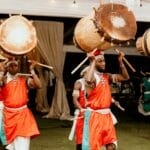
Kenyan music and dance performances: Kenya’s music and dance performances are more than just entertainment—they are a gateway into the soul of the country’s diverse cultures. From the rhythmic drumming of the coastal Swahili people to the upbeat tunes of modern Kenyan pop, music and dance serve as a vital expression of life, tradition, and identity. In this article, you’ll explore the vibrant world of Kenyan music and dance performances, their cultural significance, popular styles, and how they have evolved over time. Whether you’re planning a trip to Kenya or just curious about African music, this comprehensive guide will give you an insider’s look into Kenya’s performing arts scene. A Detailed Explanation of Kenyan Music and Dance What makes Kenyan music and dance performances stand out from other forms of African music? The answer lies in the country’s rich cultural diversity. Kenya is home to over 40 ethnic groups, each with its unique musical traditions and dance styles. These performances are often tied to important events like weddings, religious ceremonies, and community gatherings, making them central to the social fabric of Kenyan society. 1. Traditional Kenyan Music Kenya’s traditional music is deeply rooted in the country’s ethnic diversity. Each community has its distinct sound, often driven by local instruments and themes that reflect their culture and way of life. Here are a few notable examples: Kenyan Dance Styles Music and dance in Kenya are inseparable. Each musical style has its corresponding dance form, and together they tell stories that have been passed down through generations. Isukuti DanceThe Isukuti is a traditional dance of the Luhya community. Accompanied by fast drumming on Isukuti drums, dancers move with swift, energetic steps in rhythm with the beats. This dance is often performed during weddings, funerals, and harvest celebrations, reflecting the joy or sorrow of the occasion. Dodo DanceThe Dodo dance is a performance by the Luo people. It is a slow, graceful dance that often accompanies storytelling songs, where dancers move in a circular motion. The dance is symbolic, with movements representing emotions like joy, sorrow, or love. Giriama DancesThe Giriama people from the Kenyan coast perform several dances, including the Gonda and the Msewe. These dances are marked by their rhythmic footwork and involve both men and women in synchronized movements. The Gonda is performed at funerals to honor the dead, while the Msewe is a joyous dance celebrating weddings and other social events. Evolution of Modern Kenyan Music While traditional Kenyan music remains popular, contemporary music styles have taken over the urban scene. Genres like Afrobeat, Kapuka, and Gengetone dominate Kenyan radio and clubs, attracting younger audiences. 3. Gospel MusicGospel music has a strong following in Kenya, thanks to the country’s deeply religious population. Kenyan gospel artists blend traditional rhythms with modern beats, producing uplifting, soulful tunes that resonate across various Christian denominations. Artists like Gloria Muliro and Willy Paul are household names in the Kenyan gospel scene. Cultural Significance of Kenyan Music and Dance Music and dance in Kenya are not just forms of entertainment—they are essential to cultural identity and community bonding. Each performance tells a story, communicates values, and preserves the history of the people. Kenyan Music and Dance in Tourism For travelers looking to experience Kenyan culture, music and dance performances offer a glimpse into the heart of the country’s heritage. Visitors can witness traditional and contemporary performances at cultural festivals, national events, and local entertainment spots. The Role of Kenyan Music in Conservation and Social Change Kenyan musicians have long used their art to raise awareness about important social and environmental issues. In recent years, music has become a platform for conservation efforts, especially in the fight against poaching and environmental degradation. FAQs about Kenyan Music and Dance Kenyan music and dance performances are a vital expression of the country’s diverse cultures, offering both locals and visitors a unique way to connect with Kenya’s rich heritage. Whether through traditional or contemporary forms, these performances celebrate life, community, and the vibrant spirit of the Kenyan people.

Uncategorized

Top 7 Must-Experience Cultural Festivals in Kenya

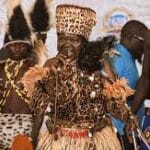
Cultural festivals in Kenya: Kenya is renowned for its wildlife safaris and breathtaking landscapes, but have you ever wondered about the cultural festivals in Kenya that breathe life into the country’s diverse traditions? Whether you’re an avid traveler or someone seeking a deeper connection to Kenya’s vibrant heritage, attending these festivals offers an immersive experience into the heart of Kenyan culture. In this article, we’ll take a deep dive into the cultural festivals in Kenya, explore their historical significance, and help you discover why they’re a must-see for travelers. We’ll also offer tips on the best times to visit and highlight which festivals stand out for their unique blend of tradition, music, dance, and community spirit. A Detailed Explanation of Cultural Festivals in Kenya Are you curious about the cultural festivals in Kenya that celebrate its ethnic diversity and heritage? Kenya is home to over 40 distinct ethnic groups, each contributing to the country’s vibrant cultural tapestry. These festivals not only serve as a celebration of traditions but also offer visitors a chance to witness authentic African heritage in action. Let’s explore some of the top cultural festivals in Kenya that will leave you in awe of this country’s cultural depth and hospitality. The Lamu Cultural Festival The Lamu Cultural Festival is one of Kenya’s most famous and vibrant cultural events. Held annually in Lamu, an ancient Swahili settlement on Kenya’s coast, this festival brings together locals and visitors to celebrate Swahili culture, traditions, and heritage. The Maasai Mara Cultural Festival No exploration of cultural festivals in Kenya would be complete without mentioning the Maasai Mara Cultural Festival. The Maasai people are one of Kenya’s most iconic tribes, known for their vibrant red shukas (robes), beadwork, and jumping dance. Aso read:Discovering Lalashe Maasai Mara: An Unforgettable Adventure Mombasa Carnival The Mombasa Carnival is Kenya’s largest and most colorful street festival, celebrated every year to showcase the diverse ethnic groups and cultures along Kenya’s coast. The Maralal Camel Derby and Cultural Festival While camel races might seem out of place in Kenya, the Maralal Camel Derby offers a thrilling mix of adventure and cultural heritage. This festival is held in Samburu County, a region known for its nomadic tribes like the Samburu, Rendille, and Turkana. Tobong’u Lore (Lake Turkana Festival) Held in Loiyangalani, a small town by Lake Turkana, this festival celebrates the unique cultures of Kenya’s northern communities, including the Turkana, Samburu, El Molo, and Rendille. Luo Cultural Festival The Luo Cultural Festival is a celebration of Luo customs and traditions, typically held in western Kenya along the shores of Lake Victoria. Kikuyu Music and Dance Festival The Kikuyu, Kenya’s largest ethnic group, also have their own music and dance festival, celebrating their traditions and culture. Kamba Festival The Kamba Festival is a vibrant cultural event that celebrates the traditions and customs of the Kamba community, one of Kenya’s major ethnic groups. This festival features a variety of activities, including traditional Kamba dances, music performances, and art exhibitions. It is a platform where the Kamba people showcase their rich cultural heritage, including their well-known Kilumi (sacred drumming), which is central to their spiritual practices. The Kamba Festival also highlights traditional Kamba crafts such as beadwork, pottery, and wood carvings. It offers a unique opportunity for visitors to experience the storytelling traditions of the Kamba, who are renowned for their oral narratives and folklore. What to Expect at the Kamba Festival: Embrace Kenya’s Cultural Festivals for a Unique Travel Experience Kenya’s cultural festivals offer more than just entertainment; they are windows into the country’s soul, showcasing the rich diversity of its people and traditions. Whether you’re drawn to the ancient Swahili traditions of the Lamu Cultural Festival, the warrior spirit of the Maasai, or the vibrant street parades of the Mombasa Carnival, there’s something for everyone in Kenya’s festival calendar. Travelers seeking an authentic cultural experience should consider timing their visits to coincide with these cultural festivals in Kenya. These events offer not only a chance to witness traditional music, dance, and rituals but also the opportunity to engage with local communities and understand the country’s deep-rooted heritage. FAQs About Cultural Festivals in Kenya

Uncategorized

Top Tips for Immersive Cultural Experiences in Kenya

Cultural immersion in Kenya: Kenya is a country rich in diversity, with over 40 different ethnic groups, each with its own distinct language, traditions, and customs. While Kenya is well-known for its stunning wildlife and scenic landscapes, it’s the people and their vibrant cultures that make a visit truly unforgettable. Cultural immersion in Kenya offers a unique opportunity to go beyond the typical tourist experience, allowing travelers to connect with local communities, learn about their way of life, and gain a deeper appreciation for Kenya’s rich heritage. In this blog, we’ll explore some of the best ways to experience Kenya’s culture firsthand, from traditional village visits to local festivals, food, art, and music. These experiences provide a genuine way to connect with Kenyan communities and learn about their customs, values, and way of life. Why Cultural Immersion Matters When you immerse yourself in a new culture, you step beyond the typical sightseeing experience and open yourself to learning, understanding, and appreciating the ways others live. In Kenya, cultural immersion goes hand in hand with sustainable and responsible tourism, as it not only enriches your experience but also supports local communities and preserves their heritage. By engaging directly with the people of Kenya, you can create meaningful connections and support the protection of traditional practices for generations to come. Top Ways to Immerse Yourself in Kenyan Culture 1. Visit a Maasai Village The Maasai people are one of Kenya’s most iconic tribes, known for their vibrant red clothing, beadwork, and semi-nomadic lifestyle. Visiting a Maasai village provides a fascinating window into one of Kenya’s oldest cultures. What to Expect: Tip: Check with your tour operator for ethical Maasai village visits, as some communities have established programs to ensure tourism benefits them directly. 2. Participate in a Samburu Homestay The Samburu people are closely related to the Maasai, sharing similar traditions, but they have their own distinct customs and lifestyle. The Samburu region, situated in northern Kenya, offers a more off-the-beaten-path cultural experience. What to Expect: Tip: Bring a small gift for your host family as a gesture of gratitude, such as tea leaves, sugar, or school supplies, which are appreciated in many Kenyan communities. Also read;Kenya’s Festivals and Events: Your Guide to Cultural Celebrations 3. Explore Kenya’s Coastal Swahili Culture Kenya’s coastal towns, such as Lamu and Mombasa, are deeply influenced by Swahili culture, a rich blend of African, Arab, and Asian traditions that has evolved over centuries. What to Expect: Tip: To enhance your experience, try to learn a few Swahili phrases. Locals appreciate it when visitors make an effort to speak their language, even if it’s just simple greetings. 4. Attend a Cultural Festival Kenya is home to a variety of cultural festivals that celebrate music, art, and traditions from across the country. Attending a festival is one of the best ways to experience Kenya’s diversity in a single setting. Notable Festivals to Attend: Tip: Plan your trip around these festivals to experience the full vibrancy of Kenyan culture in a lively, community-centered environment. 5. Learn Traditional Kenyan Crafts Kenya is known for its vibrant arts and crafts scene, with many traditional skills being passed down through generations. Taking part in a craft workshop or visiting artisan centers gives you hands-on insight into these techniques. What to Try: Tip: Purchase your souvenirs directly from artisans to support their craft and ensure authenticity. 6. Taste Traditional Kenyan Cuisine Food is an essential part of any culture, and trying traditional Kenyan dishes is a delightful way to experience local life. Kenyan cuisine is diverse, with influences from the many ethnic communities, each offering distinct flavors and cooking styles. Must-Try Dishes: Tip: Street food is popular and affordable in Kenya, but make sure to buy from reputable vendors for a safe and enjoyable experience. 7. Experience Kenya’s Music and Dance Kenya’s music and dance are deeply rooted in cultural traditions, with each ethnic group having its own unique style. From the rhythmic beats of Luo music to the dynamic Maasai dances, exploring Kenya’s music scene offers insight into the country’s soul. What to Explore: Tip: If you’re visiting during Kenya’s festival season, you’ll likely see a variety of music and dance performances, giving you a taste of Kenya’s diverse rhythms and beats. 8. Support Local Community Projects One of the best ways to give back to Kenya’s communities while immersing yourself in local culture is to support community-based projects. Many communities have initiatives that focus on education, health, conservation, and skills development. Recommended Community Projects: Tip: Look for eco-friendly lodges and community-focused tours that give back to local projects and create a positive impact. Conclusion Cultural immersion in Kenya offers a powerful way to connect with the country’s rich heritage, diverse communities, and timeless traditions. In this guide, we explored ways to dive into Kenya’s cultural landscape, from visiting Maasai villages and attending local festivals to tasting traditional foods and learning indigenous crafts. By taking the time to understand and appreciate Kenyan culture, travelers not only gain a richer experience but also contribute to preserving these practices for future generations. So next time you’re planning a trip to Kenya, consider going beyond the safari and embracing the vibrant communities, stories, and traditions that make this country truly special. FAQs FAQs Always approach with curiosity and respect. Ask for permission before taking photos, and follow local customs and etiquette. Many tour operators in Kenya offer inclusive cultural experiences suitable for various interests, budgets, and schedules. It’s best to visit through reputable tours that partner with Maasai communities to ensure the visit benefits locals directly. Purchase directly from artisans in markets or visit workshops and cooperatives where locals handcraft items. Street food is generally safe when purchased from popular, reputable vendors. Avoid raw foods and stick to freshly cooked dishes. Festivals typically occur between November and December or during major cultural celebrations; check event calendars before planning. Yes, homestays are available, especially with Maasai, Samburu, and other communities, offering authentic cultural experiences. Learning

Uncategorized

Top 9 Kenya’s Festivals and Events That You Shouldn’t Miss!

Kenyas-festivals:Kenya is not only renowned for its breathtaking wildlife and landscapes but also for its rich and diverse culture, celebrated through various festivals and events. From traditional tribal ceremonies to international music festivals, Kenya’s cultural calendar is packed with unique experiences that offer travelers a glimpse into the heart of this East African nation. If you want to immerse yourself in Kenyan culture, attending one of the country’s many festivals or events is a fantastic way to do so. In this cultural guide, we’ll explore the most popular festivals in Kenya, showcasing the vibrant traditions, music, and arts that define the country’s heritage. A Detailed Guide to Kenya’s Festivals and Events What are some of the best festivals and cultural events to experience in Kenya? Whether you’re interested in music, food, or traditional ceremonies, Kenya has something to offer every traveler. 1. Lamu Cultural Festival Held annually on the island of Lamu, the Lamu Cultural Festival is a celebration of the island’s rich history and Swahili heritage. Lamu is one of the oldest and best-preserved Swahili settlements in East Africa, and the festival aims to showcase the traditions that have been passed down for centuries. The festival usually takes place in November and features events such as: This festival is a must-see for anyone interested in Kenya’s coastal culture and offers an authentic experience of Swahili life. 2. Maasai Mara Wildebeest Migration While not a “festival” in the traditional sense, the Great Wildebeest Migration in the Maasai Mara is one of Kenya’s most famous natural events, often referred to as the “Eighth Wonder of the World.” Each year, between July and October, millions of wildebeest, zebras, and other herbivores migrate from Tanzania’s Serengeti to Kenya’s Maasai Mara in search of fresh grazing lands. Visitors flock to the Maasai Mara to witness this awe-inspiring event, often accompanied by Maasai cultural displays and dances, particularly in lodges and safari camps. Although nature-driven, the migration has become an integral part of Kenya’s cultural and tourism calendar. 3. Mombasa Carnival Mombasa Carnival is the largest annual street party in Kenya, typically held in November. This colorful festival celebrates the multicultural heritage of Mombasa, Kenya’s coastal city and a historic trading hub. The festival features: Whether you’re drawn to the music, food, or cultural diversity, the Mombasa Carnival offers an unforgettable experience of Kenya’s vibrant coastal culture. Also read; Must-See Cultural Experiences in Kenya 4. Kenya Music Festival Founded in 1927, the Kenya Music Festival is one of the country’s oldest and most prestigious cultural events. Held annually in August, it brings together performers from across Kenya to showcase their talents in music, drama, poetry, and dance. Participants range from school children to professional musicians, and the festival aims to promote Kenyan culture and artistic expression. Some key features of the festival include: The Kenya Music Festival is a celebration of both traditional and contemporary arts, making it a must-visit for lovers of the performing arts. 5. Lake Turkana Festival The Lake Turkana Festival, held annually in May, is a celebration of the diverse cultures of Kenya’s northern communities. The festival takes place in Loiyangalani, a remote town on the shores of Lake Turkana, often referred to as the “Jade Sea.” The festival brings together over 14 ethnic groups, including the Turkana, Samburu, El Molo, and Rendille, and aims to promote peace and unity among the often-marginalized northern tribes. Visitors can experience: The Lake Turkana Festival is a fascinating exploration of Kenya’s northern tribes, making it a cultural experience like no other. 6. Rusinga Festival The Rusinga Festival, held annually in December, is a two-day event on Rusinga Island in Lake Victoria. It celebrates the culture and heritage of the Abasuba people, an ethnic group that traces its origins to Uganda and is found around Lake Victoria. Some highlights of the festival include: The Rusinga Festival is a great opportunity to experience a lesser-known aspect of Kenyan culture while enjoying the scenic beauty of Lake Victoria. 7. Kenya Fashion Week Held annually in Nairobi, Kenya Fashion Week is a celebration of Kenyan and African fashion. The event brings together designers, models, and fashion enthusiasts from across the continent to showcase the latest trends in African fashion. The event features: Kenya Fashion Week offers a platform for emerging and established designers to shine, making it a must-attend for fashion lovers and anyone interested in African creativity. 8. Nairobi Restaurant Week For food lovers, Nairobi Restaurant Week is a culinary festival not to be missed. Held every January, the event brings together some of Nairobi’s best restaurants, offering special menus and discounted prices for a week-long celebration of Kenyan cuisine. Key features include: Nairobi Restaurant Week is the perfect way to sample Kenya’s burgeoning food scene while enjoying the best that the city’s top chefs have to offer. 9. Safari Rally The East African Safari Rally is one of the oldest motorsport events in Africa, dating back to 1953. The event, which takes place annually in June, sees drivers from around the world tackle Kenya’s challenging terrains, from dusty plains to muddy rivers. The Safari Rally is a test of endurance, skill, and precision, attracting thousands of motorsport enthusiasts to witness the race. The event has become part of Kenya’s sporting culture, with spectators cheering on the drivers as they navigate the rugged landscapes. Conclusion Kenya’s festivals and events offer a rich tapestry of cultural experiences that provide a deeper understanding of the country’s heritage. Whether you’re interested in traditional tribal celebrations, international music festivals, or contemporary arts, there’s something for every traveler. In this article, we explored some of the most iconic festivals in Kenya, from the Lamu Cultural Festival to the Mombasa Carnival, each offering a unique insight into Kenya’s diverse traditions. Attending any of these events will not only enhance your trip but also leave you with lasting memories of the country’s vibrant culture. FAQs November and December are ideal for attending cultural festivals, as events like the Lamu Cultural Festival and Mombasa

Uncategorized

10 Traditional Kenyan Foods You Must Try

Traditional Kenyan Foods: Are you planning a trip to Kenya, or simply curious about its rich culinary traditions? From the bustling streets of Nairobi to the serene coastal towns and lush highlands, Kenya’s food scene is as diverse as its landscapes. Traditional Kenyan foods are a true reflection of the country’s multicultural heritage, offering a delicious blend of flavors, textures, and aromas that make every meal an adventure. In this article, you’ll explore the essential dishes that define Kenya’s food culture. Whether you’re a seasoned traveler or an adventurous foodie, these Kenyan delights are a must-try. From hearty stews and spicy sides to delightful street food and sweet treats, prepare to savor the rich tastes of Kenya. A Detailed Explanation of Traditional Kenyan Foods You Must Try Nyama Choma: The King of Kenyan Barbecue What is Nyama Choma?Nyama Choma, which means “grilled meat” in Swahili, is a staple in Kenya and is often referred to as the country’s unofficial national dish. Traditionally, goat or beef is marinated with a simple blend of salt and sometimes spices, then slowly roasted over an open flame. The result is a smoky, tender, and deeply flavorful meat that’s served with a side of kachumbari (a fresh tomato and onion salad) and ugali (cornmeal porridge). Why You Should Try ItNyama Choma isn’t just about the food; it’s a social experience. It’s often enjoyed in the company of friends and family, with cold drinks and lively conversations. The meat’s juicy and slightly charred taste makes it a must-try for barbecue lovers. Ugali: Kenya’s Staple Comfort Food What is Ugali?Ugali is a simple yet essential dish in Kenyan cuisine, made from maize flour and water. This dense and starchy porridge is similar to polenta and is typically served as an accompaniment to stews, vegetables, or roasted meats. It’s usually rolled into small balls and used to scoop up the saucy parts of the meal. Why You Should Try ItWhile it may seem plain on its own, ugali is the perfect partner for many Kenyan dishes, helping to balance the rich flavors of the stews and sauces. It’s a true representation of everyday life in Kenya and a great way to experience the country’s home-cooked meals. Also read; Discover Culinary Gems: Top Restaurants Malindi to Savor Sukuma Wiki: A Nutritious Side Dish What is Sukuma Wiki?Sukuma Wiki, meaning “to push the week” in Swahili, is a popular leafy green vegetable dish made from collard greens. It’s sautéed with onions, tomatoes, and a touch of seasoning, and sometimes enriched with a little meat or stock for extra flavor. It’s an affordable and nutritious side that’s commonly served with ugali or rice. Why You Should Try ItSukuma Wiki is a versatile dish that complements almost every Kenyan meal. Its light, savory taste balances the richness of other dishes, and it’s packed with vitamins and nutrients, making it a favorite among locals. Pilau: Fragrant Spiced Rice What is Pilau?Pilau is a spiced rice dish that has roots in the coastal regions of Kenya, influenced by the Indian Ocean spice trade. It’s made by cooking rice with a mixture of fragrant spices such as cardamom, cinnamon, cloves, and cumin, along with meat (often beef, chicken, or goat) and broth. The result is a deeply aromatic dish with a warm, slightly sweet flavor. Why You Should Try ItPilau is a celebration food, often served during special occasions like weddings, holidays, and family gatherings. Its unique blend of spices and tender meat makes it an unforgettable dish that will delight your senses. Samosas: A Savory Street Food Delight What are Samosas?Samosas are triangular pastries filled with spiced meat or vegetables and deep-fried until crispy. They are a popular snack across Kenya, especially in cities and towns where street food culture thrives. While the dish has roots in Indian cuisine, Kenyans have made it their own with local flavors and ingredients. Why You Should Try ItThe crunchy exterior and savory filling of a well-made samosa make it an irresistible snack. Whether you’re grabbing a quick bite from a street vendor or enjoying it as an appetizer at a local restaurant, samosas offer a taste of Kenya’s vibrant street food scene. Githeri: A Hearty Mix of Maize and Beans What is Githeri?Githeri is a traditional dish made from boiled maize and beans, often enriched with additional ingredients like potatoes, vegetables, and occasionally meat. Originating from the Kikuyu community, it’s a staple in many households throughout the country. Githeri is slow-cooked to allow the flavors to meld together, resulting in a hearty and satisfying meal. Why You Should Try ItGitheri is a comfort food that provides a balanced mix of protein, fiber, and carbohydrates. It’s a great option for vegetarians and is often prepared in large batches for communal gatherings, making it a true Kenyan classic. Mandazi: Kenya’s Sweet Fried Bread What is Mandazi?Mandazi is a type of fried dough that’s slightly sweet and infused with flavors like coconut, cardamom, or nutmeg. These triangular or round treats are commonly enjoyed as a snack or dessert, paired with a hot cup of tea or coffee. Think of them as Kenya’s version of a doughnut but without the frosting. Why You Should Try ItMandazi is a delightful way to end a meal or satisfy your sweet tooth. Its light, fluffy texture and hint of spice make it a comforting snack that pairs perfectly with Kenya’s famous chai tea. Chapati: A Versatile Flatbread What is Chapati?Chapati is a soft and flaky flatbread that’s popular across East Africa, including Kenya. It’s made from wheat flour, water, and a bit of oil, rolled out into thin circles, and cooked on a griddle. The result is a golden-brown bread with a slightly chewy texture that’s perfect for scooping up stews and curries. Why You Should Try ItChapati’s versatility makes it a must-try, as it pairs well with a variety of Kenyan dishes like ndengu (green gram stew), beans, or even sukuma wiki. It’s a popular choice during family meals and festive occasions,

Uncategorized

Adventure Awaits on the Islands of Lake Victoria

Are you searching for a hidden gem for your next travel adventure? The islands in Lake Victoria offer an extraordinary blend of natural beauty, culture, and adventure that’s perfect for every traveler. Located at the crossroads of Kenya, Uganda, and Tanzania, Lake Victoria’s islands offer a unique travel experience that stands out among other destinations. Known for their stunning landscapes, vibrant cultures, and abundant wildlife, these islands provide an incredible escape for those seeking both relaxation and adventure. In this article, we’ll take you on a journey to explore the islands in Lake Victoria, uncovering the secrets of this stunning region. From lush landscapes and fascinating wildlife to vibrant local cultures, these islands promise an unforgettable experience. You’ll discover the best islands to visit, the unique activities they offer, and tips to make your journey smooth and enjoyable. Pack your bags and prepare for an adventure like no other as we delve into the enchanting world of Lake Victoria’s islands. Also read:Exploring Lake Naivasha and Lake Nakuru: A Kenyan Safari Adventure A Detailed Explanation of the Islands in Lake Victoria The Magic of Lake Victoria What makes the islands in Lake Victoria so magical? Lake Victoria is Africa’s largest lake and the world’s second-largest freshwater lake by surface area, covering about 68,800 square kilometers. Nestled between Kenya, Tanzania, and Uganda, this lake is home to over 84 islands, each offering a unique experience for travelers. The lake is a critical part of East Africa’s ecosystem, providing livelihood, food, and transportation to millions of people around its shores. It’s also a hub of biodiversity, supporting various plant and animal species. Whether you’re drawn to the allure of pristine beaches, lush greenery, or the chance to encounter diverse wildlife, Lake Victoria has something for everyone. The islands are characterized by rolling hills, dense forests, and stunning coastlines, creating an idyllic setting for any traveler. Let’s explore some of the most captivating islands of Lake Victoria and discover what makes them a must-visit destination. 1. Rusinga Island: A Blend of History and Adventure Rusinga Island, one of the most famous islands of Lake Victoria, offers a unique combination of history and adventure. Located in the Kenyan part of the lake, Rusinga Island is a haven for travelers seeking a blend of history, culture, and nature. Historical Significance The island is renowned for its archaeological sites, with fossil discoveries dating back millions of years. Rusinga is where renowned paleontologist Mary Leakey found the remains of the Proconsul, an early ancestor of apes and humans, highlighting its significance in human evolutionary history. Visitors can explore these prehistoric sites and learn about the island’s role in human history, offering a fascinating glimpse into the past. Nature and Adventure Rusinga Island is a haven for birdwatchers, with over 100 bird species making it a birdwatcher’s paradise. The island’s natural beauty is further enhanced by its diverse landscape, which includes rolling hills, lush greenery, and serene beaches. You can enjoy fishing in the lake, hiking through the island’s scenic trails, or taking a boat ride to enjoy breathtaking views of the surrounding landscape. The waters around Rusinga are also ideal for water sports like kayaking and sailing. Local Culture Engaging with the local Luo community is a highlight of any visit to Rusinga Island. The Luo people are known for their rich traditions, music, and dance, providing an immersive cultural experience. You can participate in traditional ceremonies, enjoy local cuisine, and interact with the community to gain insights into their way of life. The island also hosts the annual Rusinga Cultural Festival, celebrating the arts, culture, and traditions of the Luo people. 2. Mfangano Island: A Cultural and Scenic Delight Mfangano Island is a treasure trove of culture and natural beauty, perfect for those looking to immerse themselves in authentic African experiences. Situated southwest of Rusinga, this island offers a peaceful retreat away from the hustle and bustle of city life. Rock Art and Historical Sites The island is home to ancient rock art sites, providing a glimpse into the area’s prehistoric past. These rock paintings, believed to be over 2,000 years old, are attributed to the Abasuba people and depict scenes from daily life and spiritual beliefs. Exploring these sites offers a unique insight into the island’s rich history and cultural heritage. Cultural Experiences Engage with the local Abasuba community and experience traditional dances, crafts, and culinary delights. The Abasuba are known for their warm hospitality and vibrant culture, making visitors feel welcome and at home. You can also visit local markets and villages to see traditional crafts and artwork, gaining a deeper understanding of the community’s way of life. Scenic Beauty The lush greenery and panoramic views make Mfangano Island a photographer’s paradise. The island’s diverse landscapes include terraced hills, dense forests, and beautiful beaches, offering stunning vistas and plenty of opportunities for outdoor exploration. Hiking trails around the island lead to breathtaking viewpoints where you can enjoy the tranquility and natural beauty of the surroundings. 3. Ssese Islands: A Tropical Paradise The Ssese Islands in Uganda are a group of 84 islands, each offering a unique charm and allure. Known for their tropical beauty and serene atmosphere, the Ssese Islands are a must-visit destination for travelers seeking relaxation and adventure. Pristine Beaches The Ssese Islands boast some of the most beautiful beaches in East Africa, with soft sands and clear waters perfect for swimming and sunbathing. The tranquil environment makes it an ideal spot for relaxation, where you can unwind and soak in the stunning views of Lake Victoria. Activities such as beach volleyball, picnicking, and leisurely strolls along the shoreline are popular among visitors. Wildlife Encounters Explore the islands’ lush forests and encounter diverse wildlife, including monkeys, exotic birds, and even hippos in certain areas. The islands are home to various plant and animal species, making them an excellent destination for nature enthusiasts and wildlife photographers. Guided tours are available to explore the islands’ natural habitats and learn about their unique ecosystems. Vibrant

Uncategorized

Discover the Fascinating Turkana Basin: A Journey into Kenya’s Desert Lake

Have you ever wondered about the mysterious Turkana Basin and its captivating landscapes? This intriguing region is a paradise for adventurers and nature enthusiasts. Known as Kenya’s Desert Lake, Lake Turkana holds secrets of ancient civilizations and offers breathtaking views. In this article, you’ll embark on a journey through the Turkana Basin. You’ll explore its geological wonders, discover the vibrant cultures of the indigenous people, and learn about the rich biodiversity that thrives in this unique ecosystem. Whether you’re planning a trip or just curious about this fascinating area, this guide will provide all the insights you need. Also read:Discover Kenya Game Reserves (A-Z List) A Detailed Explanation of the Turkana Basin What Makes the Turkana Basin Special? The Turkana Basin is a geographical marvel that has captured the attention of scientists and travelers alike. What exactly makes this region so unique, and why should you consider visiting it? The Turkana Basin, located in northern Kenya, is home to Lake Turkana, also known as Lake Rudolf. It’s the world’s largest permanent desert lake, surrounded by arid landscapes and a rich tapestry of wildlife and cultures. This area offers a glimpse into the past, with numerous archaeological sites that have revealed some of humanity’s earliest ancestors. 1. Geological Wonders of the Turkana Basin 2. Exploring Lake Turkana 3. Cultural Richness of the Turkana People 4. Wildlife and Biodiversity 5. Travel Tips for Visiting the Turkana Basin The History of Lake Turkana 1. The Origins of Lake Turkana 2. Lake Turkana’s Name and Nicknames 3. Environmental Changes Over Time Lake Turkana’s Role in Human Evolution 1. Fossil Discoveries and Hominid Sites 2. The Importance of Koobi Fora 3. The Turkana Boy The Enduring Appeal of the Turkana Basin The Turkana Basin is a destination that captivates the imagination with its rich history, stunning landscapes, and vibrant cultures. Whether you’re drawn to the Jade Sea for its natural beauty or the ancient stories waiting to be uncovered, this region offers an unforgettable experience. By visiting the Turkana Basin, you’ll not only discover the wonders of Lake Turkana and its surroundings but also support the local communities and conservation efforts. Embrace the adventure and make lasting memories in this remarkable part of Kenya. FAQs 1. What is the Turkana Basin known for? The Turkana Basin is renowned for its unique geological features, rich fossil discoveries, and cultural diversity. 2. How did Lake Turkana get its name? Lake Turkana was initially called Lake Rudolf, but it was renamed after the indigenous Turkana people who inhabit the region. 3. What is the significance of the Turkana Boy? The Turkana Boy is a significant fossil discovery that provides insights into the physical and developmental characteristics of early human species. 4. What wildlife can be found in the Turkana Basin? The Turkana Basin is home to a diverse range of wildlife, including Nile crocodiles, hippos, and various bird species. 5. Is it safe to visit the Turkana Basin? While the Turkana Basin is generally safe for tourists, it’s essential to adhere to safety guidelines and travel with local guides or organized tours. 6. What is the best time to visit Lake Turkana? The best time to visit Lake Turkana is during the dry seasons from June to September and December to February. 7. How can I reach the Turkana Basin? Travelers can reach the Turkana Basin by flying to Lodwar and then hiring local guides or joining organized tours to explore the region. 8. What is the cultural significance of the Turkana Basin? The Turkana Basin is home to indigenous communities that have preserved their traditional ways of life, offering a glimpse into Kenya’s diverse cultural heritage. 9. Are there any conservation efforts in the Turkana Basin? Yes, various organizations work to preserve the area’s unique biodiversity, focusing on initiatives that protect both wildlife and the local environment. 10. What are the main attractions in the Turkana Basin? The main attractions in the Turkana Basin include Lake Turkana, Koobi Fora, Sibiloi National Park, and the indigenous communities that inhabit the region.

Uncategorized

Harnessing the Winds: A Comprehensive Guide to Lake Turkana Wind Power

Are you interested in sustainable energy solutions and how they shape our future? If so, Lake Turkana Wind Power is a project that deserves your attention. Located in the remote and arid region of northern Kenya, this ambitious wind farm is not only the largest of its kind in Africa but also a symbol of Kenya’s commitment to clean energy and sustainable development. In this article, we will explore the Lake Turkana Wind Power project in detail, discussing its origins, objectives, and the transformative impact it has on the region and beyond. We’ll also delve into the challenges faced during its implementation and the broader implications for renewable energy in Africa.  Whether you’re a renewable energy enthusiast, an eco-conscious traveler, or simply curious about innovative solutions to global energy challenges, this comprehensive guide will provide you with valuable insights into one of Africa’s most significant renewable energy projects. Also read:The Great Migration Masai Mara: A Must-See A Detailed Explanation of Lake Turkana Wind Power The Genesis of Lake Turkana Wind Power Why was Lake Turkana chosen as the site for this massive wind power project? The answer lies in the unique geographical and climatic conditions of the region, which make it an ideal location for harnessing wind energy. Lake Turkana, often referred to as the “Jade Sea,” is the world’s largest desert lake and one of the most remote areas in Kenya. The area is characterized by strong, consistent winds that blow throughout the year, providing an exceptional opportunity for wind energy generation. 1. Location and Climate: 2. Vision and Planning: The Construction and Implementation Building the largest wind farm in Africa was no small feat. The Lake Turkana Wind Power project required meticulous planning, innovative engineering, and collaboration between international and local stakeholders. 1. Infrastructure Development: 2. Environmental and Social Considerations: The Impact and Benefits Lake Turkana Wind Power has had a transformative impact on Kenya’s energy landscape and economy. The project’s benefits extend beyond energy generation, contributing to social, economic, and environmental progress. 1. Energy Generation and Reliability: 2. Economic Growth and Development: 3. Environmental and Social Impact: Challenges and Lessons Learned Despite its success, the Lake Turkana Wind Power project faced numerous challenges during its implementation. Understanding these obstacles provides valuable lessons for future renewable energy projects. 1. Logistical and Geographical Challenges: 2. Community and Cultural Considerations: 3. Financial and Regulatory Hurdles: FAQs About Lake Turkana Wind Power

Uncategorized

Discover the Elegant Sovereign Hotel in Kisumu, Kenya

Are you looking for a luxurious yet affordable place to stay in Kisumu, Kenya?  The Sovereign Hotel Kisumu is a prime destination that promises an unforgettable experience. In this article, we will explore why this hotel stands out as a top choice for travelers like you. The Sovereign Hotel in Kisumu, Kenya, offers a unique blend of comfort, luxury, and excellent service, making it an ideal choice for both business and leisure travelers. In this article, we’ll delve into what makes the Sovereign Hotel an exceptional place to stay. From its prime location to the top-notch amenities and services offered, you’ll discover why this hotel should be at the top of your list when visiting Kisumu. A Detailed Explanation of the Sovereign Hotel Kisumu Kenya Prime Location in Kisumu The Sovereign Hotel is strategically located in Milimani, one of the most serene and secure neighborhoods in Kisumu. This prime location provides easy access to major attractions such as the Kisumu Museum, Dunga Beach, and the Impala Sanctuary. Being situated in the heart of the city, the hotel is also conveniently close to business centers and shopping malls, making it an excellent choice for both tourists and business travelers. Luxurious Accommodations One of the key highlights of the Sovereign Hotel is its luxurious accommodations. The hotel offers a range of rooms and suites designed to provide maximum comfort and elegance.  Each room is well-equipped with modern amenities including air conditioning, high-speed internet, flat-screen TVs, and mini-bars. The stylish decor and comfortable furnishings ensure a relaxing stay, whether you’re in town for a short visit or an extended stay. Superior Rooms and Executive Suites The hotel features various room categories to cater to different preferences and budgets. The Superior Rooms are perfect for solo travelers or couples looking for a cozy and affordable option. For those seeking more space and luxury, the Executive Suites offer a separate living area, enhanced amenities, and breathtaking views of Lake Victoria. Exceptional Dining Options When it comes to dining, the Sovereign Hotel does not disappoint. The hotel boasts multiple dining options that cater to diverse tastes and culinary preferences. The main restaurant offers a wide array of international and local dishes, prepared with fresh ingredients and presented with flair. For a more casual dining experience, the poolside bar and grill serve light snacks, refreshing beverages, and grilled specialties. Fine Dining at The Terrace The Terrace, the hotel’s signature restaurant, provides an exquisite fine dining experience. With its elegant ambiance and gourmet menu, it’s the perfect place for a romantic dinner or a special celebration. The restaurant’s extensive wine list complements the delectable dishes, ensuring a memorable dining experience. First-Class Amenities and Services The Sovereign Hotel is renowned for its first-class amenities and services. Guests can enjoy a range of facilities designed to enhance their stay, including a well-equipped fitness center, a luxurious spa, and a stunning outdoor pool. The hotel also offers excellent business facilities, including meeting rooms and conference spaces equipped with the latest technology. Relax and Rejuvenate at the Spa The on-site spa offers a variety of treatments and therapies aimed at relaxation and rejuvenation. From massages to facials, the professional staff ensures that you leave feeling refreshed and revitalized. The tranquil setting and top-notch services make the spa a haven for guests seeking to unwind after a busy day. Here’s everything else you need to know about the Sovereign Hotel Kisumu. Related Questions You Might Have Next What Activities Can You Enjoy Near Sovereign Hotel Kisumu? Explore Kisumu Museum The Kisumu Museum is a short drive from the Sovereign Hotel and offers a fascinating insight into the cultural and natural history of the region. Visitors can explore exhibits on traditional Luo culture, local wildlife, and the history of Kisumu. The museum also has a snake park and an outdoor display of traditional Luo homesteads, providing a comprehensive cultural experience. Discover Dunga Beach Dunga Beach, located on the shores of Lake Victoria, is another must-visit attraction near the Sovereign Hotel. The beach is a popular spot for bird watching, boat rides, and fishing. It also features the Dunga Ecotourism and Environmental Center, where visitors can learn about local conservation efforts and the importance of protecting Lake Victoria’s ecosystem. Visit the Impala Sanctuary The Impala Sanctuary is a wildlife haven situated near the hotel. It is home to a variety of animals including impalas, zebras, and buffaloes, as well as a rescue center for orphaned and injured animals. The sanctuary offers walking trails, picnic spots, and a chance to see wildlife up close, making it an ideal destination for nature lovers and families. What Makes Sovereign Hotel Kisumu Ideal for Business Travelers? Proximity to Business Hubs The hotel’s central location makes it an excellent choice for business travelers. It is close to major business hubs, government offices, and commercial centers, ensuring that guests have easy access to their meetings and appointments. The convenience of the location helps business travelers save time and focus on their work. Excellent Conference Facilities The Sovereign Hotel offers state-of-the-art conference facilities, making it an ideal venue for business meetings, seminars, and workshops. The meeting rooms are equipped with the latest audio-visual technology, high-speed internet, and comfortable seating arrangements. The hotel’s professional staff is always on hand to assist with any requirements, ensuring that events run smoothly. Business Support Services In addition to conference facilities, the hotel provides various business support services such as photocopying, printing, and secretarial assistance. These services are designed to meet the needs of business travelers and ensure that they have everything they need for a productive stay. How Does the Sovereign Hotel Cater to Families and Groups? Family-Friendly Accommodations The hotel offers spacious family rooms and interconnecting suites, providing ample space and privacy for families traveling together. The rooms are designed to accommodate families of different sizes, ensuring a comfortable and enjoyable stay for all members. Activities for All Ages The Sovereign Hotel provides a range of activities and amenities suitable for guests of all

Uncategorized

Discover Beautiful Kenya: An Adventurous Travel Guide

Have you ever wondered what makes Kenya such a beautiful destination?  In this article, we’ll explore why Kenya stands out as a must-visit place, highlighting its stunning landscapes, rich culture, and incredible wildlife. Kenya is a land of diverse beauty, offering everything from the savannahs of the Maasai Mara to the pristine beaches of Diani. Its vibrant cities, unique cultural experiences, and commitment to wildlife conservation make it an ideal travel destination for those seeking adventure and meaningful experiences. In this article, we’ll delve into the reasons why Kenya should be on your travel bucket list. You’ll discover top destinations, travel tips, and how to make the most of your visit to this incredible country. A Detailed Explanation of Beautiful Kenya Diverse Landscapes Kenya’s landscapes are incredibly varied, making it a paradise for nature lovers. From the snow-capped peaks of Mount Kenya to the arid expanses of Tsavo National Park, the country’s geographical diversity is breathtaking. The Great Rift Valley, with its dramatic escarpments and lakes, offers spectacular views and is a haven for bird watchers. The Maasai Mara One of Kenya’s most famous landscapes is the Maasai Mara. This expansive savannah is home to the Big Five—lions, elephants, buffalo, leopards, and rhinos. The annual Great Migration, where millions of wildebeest and zebras traverse the Mara, is a sight to behold and attracts visitors from all over the world. Coastal Beauty Kenya’s coastline is equally stunning, featuring white sandy beaches and crystal-clear waters. Diani Beach, in particular, is a favorite among tourists for its idyllic setting and opportunities for water sports. The coastal city of Mombasa blends historical charm with modern amenities, offering a rich cultural experience. Rich Cultural Heritage Kenya is home to over 40 different ethnic groups, each with its own unique traditions and cultures. This diversity is reflected in the country’s vibrant festivals, traditional music, and dance. Visitors can experience the rich cultural tapestry of Kenya by visiting local villages, participating in traditional ceremonies, or exploring museums and cultural centers. The Maasai People The Maasai people, known for their distinctive dress and customs, are one of Kenya’s most recognized ethnic groups. Visitors can learn about their way of life, from their semi-nomadic lifestyle to their intricate beadwork. Engaging with the Maasai offers a deep dive into one of Africa’s most fascinating cultures. Wildlife Conservation Kenya is a leader in wildlife conservation, with numerous national parks and reserves dedicated to protecting its diverse animal species. The country is home to several endangered species, including the black rhino and Grevy’s zebra. Conservation efforts are supported by both government initiatives and local communities, ensuring that future generations can continue to enjoy Kenya’s natural beauty. Nairobi National Park Located just outside the capital city, Nairobi National Park is a unique wildlife sanctuary where you can see animals against the backdrop of Nairobi’s skyline. It’s an excellent example of how urban and natural environments can coexist harmoniously. Here’s everything else you need to know about planning your trip to Kenya and making the most of your visit. Related Questions the Reader is Most Likely to Have Next What are the Best Times to Visit Kenya? Kenya’s climate is generally warm and temperate, making it a year-round destination. However, the best times to visit depend on what you want to experience. For wildlife enthusiasts, the dry seasons from June to October are ideal for game viewing as animals gather around water sources. Dry Season Advantages During the dry season, the bush is less dense, making it easier to spot wildlife. The lack of rain also means that roads and paths within the parks are more accessible. This period is also when the Great Migration takes place, offering a spectacular wildlife spectacle. Wet Season Benefits The wet season, from November to May, brings lush green landscapes and an abundance of newborn animals. Bird watchers will appreciate the migratory species that arrive during this time. Additionally, the wet season means fewer tourists, leading to a more peaceful and intimate experience in the parks. How Safe is it to Travel to Kenya? Safety is a common concern for many travelers, but Kenya has made significant strides in ensuring the safety of its visitors. Major tourist areas are generally safe, and the Kenyan government has implemented measures to protect tourists. Staying Safe It’s important to stay informed about your destination and follow travel advisories. Stick to well-known tourist areas, avoid traveling at night, and use reputable tour operators. Local guides can provide valuable insights and help ensure a safe and enjoyable experience. Health Precautions Travelers should also be aware of health precautions. Malaria is present in some areas, so taking anti-malarial medication and using mosquito repellent is advisable. Make sure your vaccinations are up to date, and consider travel insurance for added peace of mind. What Unique Experiences Can I Have in Kenya? Kenya offers a plethora of unique experiences that cater to various interests. From thrilling safaris to cultural immersions, there’s something for everyone. Hot Air Balloon Safaris One of the most memorable ways to experience Kenya’s wildlife is from above. Hot air balloon safaris over the Maasai Mara provide a bird’s-eye view of the savannah and its inhabitants. This experience often includes a champagne breakfast upon landing, adding a touch of luxury to your adventure. Community Tourism Engaging with local communities offers a deeper understanding of Kenyan culture. Programs like community tourism allow visitors to stay in villages, participate in daily activities, and learn about sustainable living practices. These experiences not only enrich your travel but also support local economies. Final Thoughts Visiting beautiful Kenya is an adventure of a lifetime. You’ve learned about its diverse landscapes, rich cultural heritage, and dedicated wildlife conservation efforts. Whether you’re exploring the savannahs of the Maasai Mara or the stunning coastline, Kenya offers unforgettable experiences. Embrace the beauty, culture, and spirit of Kenya, and you’ll leave with memories that last a lifetime. FAQs 1. What is the best way to travel around Kenya? The best way to

Uncategorized

Experience the Thrill: Sky Diving Kenya – A Must-Do Adventure

Thinking about taking the plunge and experiencing the ultimate adventure of sky diving in Kenya?  You’re in the right place! Sky diving in Kenya offers a unique and exhilarating way to see the country’s stunning landscapes from a new perspective. In this article, you’ll learn about the best skydiving locations in Kenya, the costs involved, and tips to ensure you have an unforgettable experience. A Detailed Explanation of Sky Diving in Kenya Sky diving in Kenya combines the thrill of free-fall with the breathtaking beauty of the country’s landscapes. Whether you’re an adrenaline junkie or a first-time jumper, Kenya offers some of the best skydiving experiences in the world. Here’s a closer look at what makes sky diving in Kenya so special. Popular Locations for Skydiving in Kenya Diani Beach Diani Beach, located along the southern coast of Kenya, is a prime location for skydiving. Known for its pristine white sands and crystal-clear waters, Diani Beach provides a stunning backdrop for your jump. Imagine free-falling over the Indian Ocean and then gliding down to land on a beautiful beach – it’s an experience like no other. The Diani Beach skydiving experience often includes a brief training session, where you’ll learn the basics of skydiving, safety protocols, and what to expect during your jump. The instructors are highly experienced and prioritize your safety, ensuring you feel comfortable and confident before taking the leap. Watamu Watamu, another coastal gem, offers an equally breathtaking skydiving experience. This small town is famous for its marine park and coral reefs. Skydiving over Watamu gives you a unique aerial view of the vibrant marine life and the stunning coastline. Watamu’s skydiving adventures are typically organized by professional operators who provide comprehensive training and all necessary equipment. The clear waters and vibrant coral reefs make Watamu a picturesque location for skydiving, and many operators offer video and photo packages to capture your adventure. Naivasha For those who prefer inland adventures, Naivasha is a fantastic choice. Located in the Great Rift Valley, Naivasha offers skydivers a view of lush landscapes, freshwater lakes, and volcanic mountains. The diversity of scenery makes Naivasha a unique skydiving destination. Skydiving in Naivasha allows you to experience the dramatic landscapes of the Great Rift Valley from above. The views of Lake Naivasha, Mount Longonot, and the surrounding areas are simply breathtaking. Like other locations, Naivasha’s skydiving operators prioritize safety and provide all necessary training and equipment. Typical Costs of Sky Diving in Kenya Sky diving in Kenya can vary in price depending on the location and the package you choose. Generally, you can expect to pay between $300 and $500 for a tandem jump.  This price typically includes a brief training session, all necessary equipment, and the jump itself. Some operators also offer video and photo packages for an additional fee, allowing you to capture your unforgettable experience. Breakdown of Costs Most skydiving operators in Kenya offer packages that cater to both first-timers and experienced skydivers. It’s important to research and choose a reputable operator to ensure a safe and enjoyable experience. Here’s everything else you need to know to plan your skydiving adventure in Kenya. Related Questions the Reader is Most Likely to Have Next How Much Does Sky Diving in Kenya Cost? Skydiving in Kenya typically costs between $300 and $500 for a tandem jump. The cost includes a brief training session, equipment rental, and the jump itself. Additional costs may apply for video and photo packages, which many operators offer to help you capture your adventure. Detailed Cost Breakdown What Should You Expect During a Skydiving Experience in Kenya? Preparation: Before your jump, you’ll undergo a brief training session with a certified instructor. This session covers safety procedures, body positions, and what to expect during the jump. The Jump: You’ll board the aircraft and ascend to the jump altitude, usually between 10,000 and 15,000 feet. Once at altitude, you’ll be securely attached to your instructor for a tandem jump. Free-Fall: The initial free-fall lasts about 60 seconds, during which you’ll experience the ultimate adrenaline rush as you plummet towards the earth at speeds of up to 120 mph. Parachute Deployment: At around 5,000 feet, your instructor will deploy the parachute, and you’ll enjoy a serene 5-7 minute descent, taking in the stunning views of Kenya’s landscapes. Detailed Process Final Thoughts Sky diving in Kenya is more than just an adventure; it’s an experience that offers unparalleled views and a rush of adrenaline. Whether you’re soaring over the coastal beauty of Diani Beach or the diverse landscapes of Naivasha, skydiving in Kenya promises memories that will last a lifetime. So, why wait? Take the leap and discover the thrill of sky diving in Kenya today! FAQs 1. How much is sky diving in Kenya? 2. Is sky diving in Kenya safe? 3. What should I wear for sky diving in Kenya? 4. Can beginners go sky diving in Kenya? 5. What is the best time of year to go sky diving in Kenya? Sky diving in Kenya offers a unique blend of adventure and breathtaking scenery. Whether you’re a seasoned skydiver or a first-timer, Kenya provides an unforgettable experience that will leave you wanting more. So, pack your bags, take the leap, and discover the thrill of sky diving in Kenya.

Uncategorized

Unveiling the Mystique of Man Eaters Camp: An Adventurer’s Guide

Are you fascinated by tales of the wild and the legendary man-eating lions of Tsavo? If so, you’re about to embark on a thrilling journey to the Man Eaters Camp, where history and adventure intertwine. In this article, we’ll delve into the captivating history of the Man Eaters Camp, explore the infamous Tsavo lions, and provide practical tips for planning your visit.  You’ll learn about the legend of the man-eating lions, their impact on railway construction, and the camp’s modern-day allure. Whether you’re a history buff, wildlife enthusiast, or adventure seeker, the Man Eaters Camp promises an unforgettable experience. Also read:Discover Tsavo National Park in Kenya: A Breathtaking Adventure A Detailed Explanation of Man Eaters Camp The Man Eaters Camp is located along the Tsavo River in Kenya, a region infamous for the man-eating lions that terrorized railway workers in the late 19th century. This site is steeped in history, with tales of bravery, tragedy, and the untamed wilderness that still captivates visitors today. The Legend of the Man-Eating Lions The story begins in 1898, during the construction of the Kenya-Uganda railway, when two male lions began attacking and devouring workers. These lions, devoid of manes and unusually aggressive, instilled fear among the laborers.  Lieutenant Colonel John Henry Patterson, an engineer overseeing the project, took on the challenge of hunting these lions. After months of relentless pursuit, Patterson managed to kill both lions, ending their reign of terror. The Tsavo Lions: Size and Characteristics The Tsavo lions are distinct from other lion populations due to their lack of manes and their formidable size and weight. These unique characteristics, coupled with their fearsome reputation, have made them subjects of extensive study and fascination. Today, the preserved skins and skulls of the man-eaters are on display at the Field Museum of Natural History in Chicago. Modern-Day Man Eaters Camp Presently, the Man Eaters Camp is a popular tourist destination offering a blend of history, wildlife, and natural beauty. Visitors can stay at the camp, explore the surrounding savannah, and imagine the dramatic events that unfolded over a century ago. The camp provides guided tours, allowing guests to learn more about the man-eaters and the region’s rich biodiversity. Here’s everything else you need to know to plan your visit to the Man Eaters Camp. Related Questions and Information Exploring the History of the Man Eaters Camp The history of the Man Eaters Camp is deeply intertwined with the construction of the railway and the bravery of Colonel Patterson. Understanding this history provides context to the camp’s significance and the allure it holds for visitors today. The Construction of the Kenya-Uganda Railway The Kenya-Uganda railway, also known as the Lunatic Line, was a monumental engineering project that faced numerous challenges, including the threat of man-eating lions. The railway was vital for connecting the interior of East Africa to the coast, facilitating trade and colonial expansion. The story of the man-eaters added a dramatic twist to the project’s history, symbolizing the clash between human ambition and nature’s ferocity. Colonel Patterson’s Heroic Feat Colonel John Henry Patterson’s pursuit and eventual killing of the man-eaters became legendary. His detailed accounts in the book “The Man-Eaters of Tsavo” have immortalized the event. Patterson’s efforts not only protected the workers but also highlighted the dangers and unpredictability of the African wilderness. Understanding the Tsavo Lions The Tsavo lions are unique not just for their mane-less appearance but also for their behavior. This section explores their biological and ecological traits, offering insights into why these particular lions became notorious man-eaters. Behavioral Characteristics Tsavo lions are known for their distinctive social structures and hunting techniques. Unlike other lion prides, Tsavo lions often hunt in smaller groups or even alone. Their aggressive nature and adaptability to the harsh environment have made them formidable predators. Researchers continue to study these lions to understand the factors that led to their unusual behavior during the railway construction period. Conservation Efforts Today, efforts are underway to protect the Tsavo lions and their habitat. Conservation programs aim to balance human-wildlife coexistence, ensuring the preservation of these majestic animals while promoting sustainable tourism. Visitors to the Man Eaters Camp can learn about these initiatives and contribute to the ongoing conservation efforts. Planning Your Visit to Man Eaters Camp Visiting the Man Eaters Camp offers a unique opportunity to experience Kenya’s rich history and diverse wildlife. This section provides practical information to help you plan your trip. Accommodation and Facilities The Man Eaters Camp offers comfortable accommodations ranging from luxury tents to budget-friendly options. Each facility is designed to provide a close-to-nature experience while ensuring guest comfort. The camp’s amenities include guided tours, a restaurant serving local cuisine, and opportunities for wildlife viewing and photography. Activities and Attractions Beyond the historical tours, visitors can engage in various activities such as game drives, bird watching, and guided walks along the Tsavo River. The camp’s strategic location also allows easy access to nearby attractions like the Tsavo East National Park and the Tsavo West National Park, known for their stunning landscapes and abundant wildlife. Also read:Tsavo East National Park in Kenya: Untamed Wilderness Final Thoughts Exploring the Man Eaters Camp is more than just a visit to a historical site; it’s an adventure into the heart of Kenya’s wild past and present. You’ve learned about the harrowing tales of the man-eating lions, the heroism of Colonel Patterson, and the modern allure of the camp. Embrace the opportunity to immerse yourself in this unique blend of history, nature, and adventure. So, pack your bags and get ready to experience the mystique of the Man Eaters Camp. It’s a journey you won’t forget! FAQs 1. What is the Man Eaters Camp? The Man Eaters Camp is a historical site in Tsavo, Kenya, known for the man-eating lions that terrorized railway workers in 1898. 2. Who killed the Tsavo man-eaters? Lieutenant Colonel John Henry Patterson killed the two man-eating lions of Tsavo, ending their reign of terror during the construction of the Kenya-Uganda

Uncategorized

Exploring the Majestic Tsavo River Bridge: A Traveler’s Guide

Have you ever wondered about the fascinating history and architectural brilliance of the Tsavo River Bridge?  If you’re a traveler or history enthusiast, this iconic structure in Kenya is sure to pique your interest. The Tsavo River Bridge is an architectural marvel with a rich history that spans over a century. In this article, we’ll delve into the historical significance, construction details, and the role this bridge plays in Kenya’s infrastructure. We’ll also explore practical tips for visiting and why it should be on your travel itinerary. Also read:Discover Tsavo National Park in Kenya: A Breathtaking Adventure A Detailed Explanation of the Tsavo River Bridge The Historical Significance The Tsavo River Bridge, constructed in the late 19th century, is more than just a crossing point. It is a testament to the engineering prowess of the time and played a crucial role in the expansion of the railway system in East Africa. The Construction Era Built between 1898 and 1899, the bridge was part of the Uganda Railway project, aimed at connecting Mombasa to Lake Victoria. The construction phase was marked by numerous challenges, including the infamous man-eating lions of Tsavo, which attacked the workers. Strategic Importance The bridge facilitated the transportation of goods and passengers, significantly boosting trade and mobility in the region. Its strategic location made it a vital link between the coastal city of Mombasa and the interior regions of Kenya and Uganda. Architectural Brilliance The Tsavo River Bridge is an engineering masterpiece of its time. Designed to withstand the harsh environmental conditions, its robust construction has ensured its longevity. Structural Details The bridge spans the Tsavo River with a series of trusses and beams, designed to support heavy loads. Its steel framework and concrete foundations reflect the advanced engineering techniques of the period. Preservation Efforts Over the years, preservation efforts have been undertaken to maintain the structural integrity and historical value of the bridge. These efforts ensure that it remains a significant landmark and a reminder of Kenya’s colonial past. Related Questions You May Have How Can You Visit the Tsavo River Bridge? Visiting the Tsavo River Bridge is a straightforward process, but it requires some planning. Getting There The bridge is located within Tsavo National Park, making it accessible via the Nairobi-Mombasa highway. You can also take a train or fly to nearby airports and then drive to the park. Best Time to Visit The best time to visit is during the dry season, between June and October, when the weather is favorable, and wildlife sightings are more frequent. What Other Attractions Are Nearby? When visiting the Tsavo River Bridge, there are several other attractions you can explore. Tsavo National Park The bridge is situated in one of Kenya’s largest and most diverse national parks. Tsavo National Park is home to a wide variety of wildlife, including elephants, lions, and numerous bird species. Lugard Falls Another nearby attraction is Lugard Falls, where the Galana River rushes through a series of rapids and falls. It’s a great spot for photography and nature walks. Discovering the Natural Beauty Surrounding the Tsavo River Bridge Flora and Fauna The area around the Tsavo River Bridge is teeming with diverse flora and fauna. As part of the Tsavo National Park, the region boasts an impressive variety of wildlife and plant species. Wildlife Wonders Visitors to the bridge are often treated to sightings of elephants, giraffes, zebras, and various antelope species. The park is also home to the iconic “red elephants” of Tsavo, known for their reddish-brown color from the dust baths they take in the local soil. Bird watchers will find the area a paradise, with over 500 bird species recorded, including ostriches, hornbills, and kingfishers. Plant Life The region’s plant life is equally impressive, with a mix of savannah grasslands, acacia woodlands, and riverine vegetation. The diverse ecosystems provide critical habitats for the wildlife and contribute to the overall beauty of the landscape. Cultural Significance The Tsavo River Bridge is not only a marvel of engineering but also holds cultural significance for the local communities. Local Tribes The area around the bridge is inhabited by several indigenous tribes, including the Maasai and the Kamba. These communities have rich cultural traditions and histories that are intertwined with the landscape. Historical Events Over the years, the Tsavo region has been the backdrop for significant historical events, including the struggles against colonial rule. The bridge itself is a symbol of the broader historical narrative of Kenya’s development and the resilience of its people. Practical Travel Tips for Visiting the Tsavo River Bridge Accommodations When planning a visit to the Tsavo River Bridge, it’s essential to consider your accommodation options. Lodges and Camps Tsavo National Park offers a range of accommodations, from luxury lodges to budget-friendly campsites. Popular choices include Kilaguni Serena Safari Lodge, which provides stunning views of the park and close proximity to the bridge, and Tsavo River Lodge, known for its rustic charm and excellent hospitality. Booking Tips It’s advisable to book your accommodation in advance, especially during peak tourist seasons. Many lodges offer package deals that include guided tours of the bridge and surrounding attractions. Also read:Discover Tsavo East National Park: A Kenyan Adventure Awaits! Final Thoughts Exploring the Tsavo River Bridge offers a unique glimpse into Kenya’s rich history and architectural heritage. As a traveler, you’ll appreciate the blend of historical significance and natural beauty surrounding this iconic landmark. Whether you’re a history buff, an architecture enthusiast, or simply looking for a unique travel experience, the Tsavo River Bridge is a destination worth adding to your itinerary. FAQs 1. What is the history behind the Tsavo River Bridge? The Tsavo River Bridge was constructed between 1898 and 1899 as part of the Uganda Railway project. It played a vital role in connecting Mombasa to Lake Victoria and facilitated trade and mobility in the region. 2. How do I get to the Tsavo River Bridge? You can reach the Tsavo River Bridge by road via the Nairobi-Mombasa highway, by

Uncategorized

Discover the Thriving Lion Population in Kenya: A Conservation Success Story

Ever wondered about the current state of the lion population in Kenya?  If you’re curious about these majestic creatures and their conservation status, you’ve come to the right place. Kenya’s lion population has seen a remarkable turnaround, thanks to concerted conservation efforts and the involvement of local communities. In this article, you’ll explore the history, current status, and future prospects of lions in Kenya. We’ll dive into the challenges they face and the incredible work being done to ensure their survival. Also read:Simba Lodge Lake Naivasha: Your Gateway to Kenya’s Wonders A Detailed Explanation of the Lion Population in Kenya Historical Context Lions, once abundant across Africa, have seen significant declines over the past century. In Kenya, their numbers dwindled due to habitat loss, poaching, and human-wildlife conflict. By the early 2000s, the situation was dire, prompting urgent conservation measures. Historically, lions roamed vast areas of Kenya, but human encroachment has severely restricted their habitat. As human populations grew, so did the need for agricultural land and settlements. This expansion led to a loss of prey and habitats for lions, forcing them into smaller, fragmented areas. Additionally, the cultural practice of hunting lions for trophies or as a rite of passage among some communities further decimated their numbers. Current Status Recent surveys indicate a stable and even growing lion population in certain areas. According to the Kenya Wildlife Service, there are approximately 2,000 lions in Kenya. These lions are primarily found in protected areas like the Maasai Mara, Tsavo, and Amboseli National Parks. The Maasai Mara, in particular, is known for its thriving lion population. The Mara-Serengeti ecosystem supports one of the highest densities of lions in the world, making it a critical area for lion conservation. Tsavo National Park, split into East and West, is another significant refuge for lions, offering vast landscapes where they can roam freely. Conservation Efforts Several organizations, including the Lion Guardians and the African Wildlife Foundation, are at the forefront of conservation efforts. These groups focus on habitat preservation, anti-poaching measures, and community engagement programs. For example, the Lion Guardians program trains local Maasai warriors to monitor and protect lion populations, fostering a sense of ownership and responsibility within the community. The African Wildlife Foundation works on several fronts, including establishing wildlife corridors that connect fragmented habitats, ensuring that lions and other wildlife can move freely between protected areas. They also engage in anti-poaching patrols and provide support for community-based conservation initiatives. What Are the Major Threats to Lions in Kenya? Lions in Kenya face several threats, primarily from poaching and habitat loss. Poachers target lions for their bones and other body parts, which are in demand for traditional medicine and as trophies. Additionally, human-wildlife conflict often leads to retaliatory killings, as lions prey on livestock, causing significant economic losses for local farmers. Human encroachment into lion habitats remains a significant issue. As human settlements expand, the natural prey for lions dwindles, leading them to target livestock. This, in turn, prompts farmers to take defensive actions, often resulting in the killing of lions. Moreover, the fragmentation of habitats makes it difficult for lions to find sufficient food and establish territories, leading to increased conflict among lion populations themselves. How Are Conservation Efforts Funded? Conservation initiatives in Kenya are funded through a mix of government support, international donations, and tourism revenue. Tourists visiting national parks contribute through park fees, which are reinvested into conservation projects. Additionally, many NGOs rely on grants and donations from global partners to sustain their efforts. Tourism plays a crucial role in funding conservation. Visitors to Kenya’s national parks and reserves provide the financial backbone needed to support conservation programs. These funds are used for a variety of purposes, including anti-poaching patrols, community education programs, and the maintenance of protected areas. How Can Tourists Contribute to Lion Conservation? Tourists can play a crucial role in lion conservation by practicing responsible tourism. This includes choosing eco-friendly lodges, participating in conservation programs, and spreading awareness about the plight of lions. Volunteering with conservation organizations or donating to reputable NGOs are also effective ways to make a positive impact. When visiting national parks, tourists should adhere to guidelines that minimize their impact on wildlife. This includes keeping a safe distance from animals, not feeding wildlife, and supporting businesses that prioritize sustainability. Additionally, many lodges and tour operators offer opportunities for tourists to participate in conservation activities, such as tracking lions or assisting with community outreach programs. The Role of National Parks and Reserves Kenya’s national parks and reserves are critical to lion conservation. The Maasai Mara, for instance, is renowned for its lion population and is a hotspot for research and conservation activities. Parks like Tsavo and Amboseli also provide safe havens for lions, ensuring they have the space and resources needed to thrive. Success Stories In the Maasai Mara, collaborative efforts between conservationists and local communities have led to a significant increase in lion numbers. Similar success is seen in the Ol Pejeta Conservancy, where innovative strategies like wildlife corridors have minimized human-wildlife conflict and supported population growth. The Maasai Mara’s success can be attributed to several factors. The Mara Predator Project, for instance, monitors lion populations and works with local communities to reduce conflicts. The project also engages in research to better understand lion behavior and ecology, which helps inform conservation strategies. In Tsavo National Park, the construction of underpasses and overpasses for wildlife has significantly reduced roadkill incidents, allowing lions and other animals to move safely between different parts of the park. These structures are part of a broader effort to mitigate the impact of infrastructure development on wildlife. Community-Based Conservation Engaging local communities is vital for sustainable conservation. Programs that involve local people, such as the Lion Guardians, not only protect lions but also benefit communities through employment and education. This symbiotic relationship ensures that both lions and humans can coexist harmoniously. Community-based conservation initiatives are particularly effective because they address the root causes of human-wildlife conflict. By providing

Uncategorized

Discover the Hidden Treasures of the Kenya Railway Museum

Are you curious about Kenya’s rich railway history? Wondering where you can explore this fascinating aspect of the country’s heritage?  Look no further than the Kenya Railway Museum! The Kenya Railway Museum is a treasure trove of historical artifacts, exhibits, and stories that highlight the development of Kenya’s railway system and its impact on the nation’s growth. In this article, you’ll discover everything you need to know about the Kenya Railway Museum, from its history and significance to practical details like how to get there and what to see. Whether you’re a history buff or just looking for an interesting place to visit, the Kenya Railway Museum offers a unique and educational experience. A Detailed Explanation of the Kenya Railway Museum Overview of the Museum The Kenya Railway Museum, located in Nairobi, is dedicated to preserving and showcasing the history of Kenya’s railway system. Established in 1971, the museum is situated adjacent to the Nairobi Railway Station, making it easily accessible for visitors. The museum features an extensive collection of locomotives, wagons, and other railway artifacts that tell the story of Kenya’s railway heritage. History and Significance The history of Kenya’s railway system dates back to the late 19th century when the British colonial government initiated the construction of the Uganda Railway. This railway played a crucial role in the economic and social development of Kenya, facilitating trade and transportation across the region.  The museum highlights this transformative period through a variety of exhibits and displays that provide insight into the challenges and achievements of the railway’s construction and operation. Key Exhibits and Attractions Visitors to the Kenya Railway Museum can explore a range of fascinating exhibits, including vintage locomotives and carriages, historical photographs, and detailed models of railway infrastructure. One of the museum’s highlights is the collection of steam engines, some of which date back to the early 20th century.  These meticulously restored engines offer a glimpse into the past and the technological advancements of the time. Additionally, the museum features a section dedicated to the famous “Lunatic Express,” the nickname given to the Uganda Railway due to the numerous challenges and controversies it faced during its construction. Here’s everything else you need to know to plan your visit to the Kenya Railway Museum. How to Get to the Kenya Railway Museum The Kenya Railway Museum is conveniently located in Nairobi, making it easily accessible by various modes of transportation. If you’re traveling by car, the museum is situated near the Nairobi Railway Station on Station Road.  There is ample parking available for visitors. For those using public transport, the museum is a short walk from the Nairobi Central Business District (CBD) and can be reached by bus or taxi. The central location also makes it easy for tourists staying in the city to visit the museum. Entry Fees and Opening Hours Before planning your visit, it’s essential to know the entry fees and opening hours of the Kenya Railway Museum. The museum is open to the public from Monday to Saturday, from 8:00 AM to 5:00 PM. It is closed on Sundays and public holidays. The entry fees are affordable, with discounted rates for children and students.  Adults typically pay a small fee, while children and students can enjoy reduced prices. It’s a budget-friendly option for families and individuals interested in learning about Kenya’s railway history. What to Expect: Exhibits and Attractions When you visit the Kenya Railway Museum, you can expect a rich and immersive experience. The museum’s exhibits are thoughtfully curated to provide a comprehensive overview of Kenya’s railway history. Highlights include: The Impact of the Railway on Kenya’s Development The construction and operation of the railway had a profound impact on Kenya’s development. It facilitated the movement of goods and people, contributing to the growth of towns and cities along the railway line.  The railway also played a critical role in the agricultural sector by providing farmers with access to markets. This section delves into the economic and social transformations brought about by the railway, highlighting its significance in shaping modern Kenya. Educational Programs and Tours The Kenya Railway Museum offers educational programs and guided tours for schools, groups, and individual visitors. These programs provide an in-depth understanding of the railway’s history and its role in Kenya’s development. Guided tours are led by knowledgeable staff who share fascinating stories and insights about the exhibits. This section provides details on how to book a tour and the benefits of participating in these educational programs. Special Events and Exhibitions The museum frequently hosts special events and temporary exhibitions that focus on specific aspects of railway history or related topics. These events provide an opportunity to learn about unique themes and interact with experts in the field. This section highlights some of the past events and exhibitions and offers information on upcoming events that visitors can look forward to. Visitor Information and Tips To make the most of your visit to the Kenya Railway Museum, it’s helpful to know some practical tips and information. This section includes advice on the best times to visit, accessibility information, facilities available at the museum, and suggestions for nearby attractions to explore. It also offers tips on how to enhance your experience, such as bringing a camera to capture the memorable exhibits. Final Thoughts Visiting the Kenya Railway Museum offers a unique opportunity to delve into the fascinating history of Kenya’s railway system. From vintage locomotives to historical photographs, the museum provides a comprehensive and engaging experience for visitors.  Whether you’re a history enthusiast or simply looking for an interesting place to explore, the Kenya Railway Museum is a must-visit destination in Nairobi. Plan your visit today and uncover the rich heritage of Kenya’s railways! FAQs 1.What is the Kenya Railway Museum? The Kenya Railway Museum is a museum in Nairobi dedicated to preserving and showcasing the history of Kenya’s railway system. 2.Where is the Kenya Railway Museum located? The museum is located near the Nairobi Railway Station on Station Road

Uncategorized

Unveiling the Spectacle: Wild Beast Migration

Have you ever wondered what it’s like to witness the breathtaking wild beast migration in Kenya?  This natural marvel, involving millions of wildebeests, zebras, and other animals, is a sight to behold and a dream for many adventurers and wildlife enthusiasts. In this article, we delve deep into the wild beast migration, exploring its wonders, timings, and the best places to experience this awe-inspiring event. We’ll guide you through everything you need to know to plan your ultimate safari adventure. Also read:Captivating Maasai Mara Photos: A Visual Journey A Detailed Explanation of the Wild Beast Migration The wild beast migration is an annual event where over two million animals, primarily wildebeests along with zebras and gazelles, traverse the African plains in search of food and water. This journey is driven by the seasonal rains and the animals’ instinct to find lush grazing grounds, making it one of the most spectacular natural events on the planet. The Route and Timing of the Wild Beast Migration The wild beast migration, a magnificent display of nature’s rhythm, charts a circular path of about 3,000 kilometers. This journey, a relentless pursuit for survival, unfolds across the vast landscapes of the Serengeti in Tanzania and the Masai Mara in Kenya. The timing of this migration, while somewhat predictable, is primarily dictated by the seasonal rains, influencing the movement of these majestic herds. January to March: The Calving Season During the early months of the year, from January to March, the southern plains of the Serengeti become a nursery for new life. Here, in the nutrient-rich grasslands, approximately half a million wildebeest calves are born, often synchronously. This period is not just about new beginnings but also a time of vulnerability, attracting predators and setting the stage for the dramatic events that follow. April to May: The Great Trek Northwest As the dry season beckons and the rains recede, the herds begin their arduous trek towards the central and western regions of the Serengeti. This phase marks a transition, as the landscape changes and the herds navigate through diverse terrains. It’s a time when the strength and endurance of these animals are truly tested. June to July: The Perilous River Crossings The most dramatic and anticipated phase of the wild beast migration occurs between June and July. The herds, now in the northern Serengeti, face their most daunting challenge: crossing the treacherous waters of the Grumeti and Mara rivers. These crossings are a spectacle of chaos and survival, as the animals brave strong currents and evade lurking crocodiles. August to October: Grazing in the North Upon successfully crossing the rivers, the herds arrive in the lush pastures of the northern Serengeti and the Masai Mara. This period is relatively more peaceful, as the animals graze and regain their strength. However, the threat of predators still looms, keeping the herds alert. November to December: The Journey South As the year draws to a close, the cycle of the wild beast migration prompts the herds to move southward again. Driven by the onset of the short rains, they embark on their journey back to the Serengeti, where the cycle will begin anew.  This phase is a testament to the resilience and enduring spirit of these creatures, as they traverse the African savannah, completing one of the world’s most awe-inspiring natural phenomena. Understanding the Ecosystem Impact The wild beast migration plays a crucial role in maintaining the balance of the Serengeti-Mara ecosystem. The movement of such a large number of animals helps to shape the landscape, influencing everything from vegetation growth to predator-prey dynamics. The Role of Predators in the Wild Beast Migration Predators are not merely antagonists in the story of the wild beast migration; they are essential players in the ecological drama that unfolds across the Serengeti and Masai Mara. Their role is pivotal in maintaining the delicate balance of the ecosystem. Natural Selection at Work During the wild beast migration, predators exert a form of natural selection. By preying on the weaker or sick members of the herds, they ensure that only the strongest and healthiest animals survive to reproduce.  This selective pressure is crucial for the genetic health of the migrating species. Predators, therefore, are not just hunters but agents of ecological balance, shaping the evolutionary path of their prey. Lions: The Apex Predators Lions, often referred to as the kings of the jungle, play a significant role in the wild beast migration. They are strategic hunters, using their strength and group tactics to take down their prey.  Their presence on the migration route keeps the herds moving, preventing overgrazing in any one area. This movement is essential for the regeneration of grasslands, which benefits a multitude of other species within the ecosystem. Cheetahs and Hyenas: The Speed and Opportunism Cheetahs, with their incredible bursts of speed, target the smaller and more vulnerable animals in the herds. Their hunting methods contribute to the diversity of the predator-prey interactions during the migration.  Hyenas, often underestimated, are versatile predators and scavengers. They play a critical role in the ecosystem by cleaning up carcasses, thus preventing the spread of disease. The Best Places to Witness the Wild Beast Migration Experiencing the wild beast migration, a phenomenal display of nature’s grandeur, requires strategic timing and choosing the right locations. Each phase of the migration offers unique spectacles, making certain areas more favorable for witnessing these incredible moments. Here’s a guide to the best places for observing different stages of the wild beast migration. Southern Serengeti: The Calving Season (January to March) The Southern Serengeti is the place to be from January to March. During these months, the plains come alive with the calving season, a time when thousands of wildebeest give birth, almost simultaneously.  This period offers a unique opportunity to witness the beginning of life in the wild, making it a profound experience for wildlife enthusiasts. The lush green landscapes and the abundance of newborns also attract predators, adding to the drama of survival in the wild.

Scroll to Top