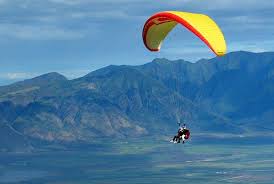
Kenya is world‑renowned for its majestic wildlife, sweeping savannahs, and dramatic Rift Valley landscapes. But beyond the classic safari lies another frontier of adventure — paragliding, a sport that lets you float like a bird over some of the country’s most spectacular terrain. From sunrise launches above steep escarpments to peaceful coastal glides, Kenya’s skies are becoming an unforgettable playground for thrill‑seekers and nature lovers alike.
In this comprehensive travel guide, we’ll explore the history and growth of paragliding in Kenya, the best flying spots, what to expect as a visitor or beginner, and practical tips to make the most of your aerial adventure.
Why Kenya Is an Emerging Paragliding Destination
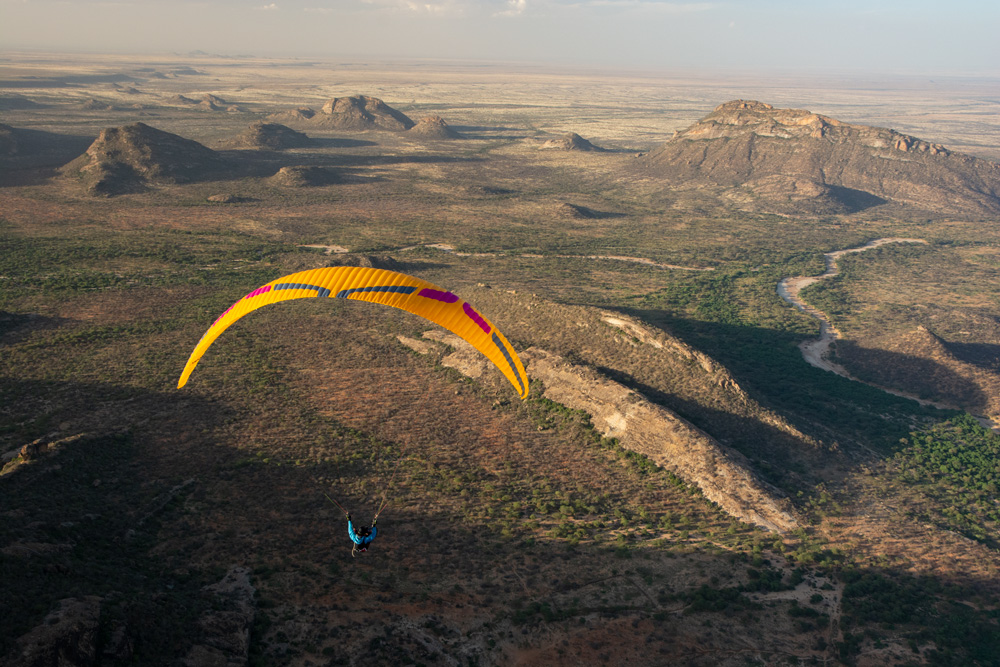
Paragliding in Kenya isn’t just a thrilling sport — it’s a celebration of aerial freedom framed by some of Africa’s most iconic landscapes. The sport’s popularity has grown steadily in recent years thanks to:
- Diverse landscapes: From high ridges and escarpments to gentle hills and coastal breezes, Kenya’s topography offers flying conditions for all levels of pilots.
- Adventure tourism growth: More visitors are seeking experiences beyond traditional safaris. Paragliding adds a fresh perspective to the country’s adventure portfolio.
- Organized development: With the establishment of the Paragliding Association of Kenya (PAK), the sport now benefits from safety standards, training curricula, and pilot licensing systems aligned with aviation authorities.
Despite a relatively small active community of pilots — around 30, with a mix of locals and expatriates — Kenya’s potential for exploration and growth in paragliding tourism is significant.
Also Read:Why Lukenya Hills Rock Climbing Is Worth Your Time
Top Paragliding Spots Across Kenya
Kenya’s flying spots are as varied and breathtaking as its landscapes. Whether you’re chasing thermal flights or calm coastal glides, here are the must‑visit paragliding destinations:
1. Kerio Valley – The Crown Jewel of Kenyan Paragliding
Nestled in the Great Rift Valley, Kerio Valley is widely regarded as Kenya’s premier paragliding hub. The deep rift escarpments provide consistent thermals and dramatic lift, making it a favorite for both intermediate and advanced pilots.
- Why it’s special: Strong thermal activity and scenic soaring routes over vast valley floors.
- Flight experience: Extended cross‑country routes are possible, especially when conditions align at sunrise and sunset.
- Best for: Intermediate to experienced pilots seeking dynamic flying conditions.
This is also where many of Kenya’s paragliding records have been set and where passionate flyers will tell you the sky feels truly limitless.
2. Kijabe Hill – Classic Escarpment Flying Near Nairobi
Just a couple of hours north of Nairobi, Kijabe Hill is one of Kenya’s oldest and most iconic paragliding sites.
- Altitude: Over 2,600 meters above sea level with a 600m height difference from the valley floor.
- Takeoff points: Multiple launch sites allow flying in various wind conditions.
- Experience: Ideal for those looking to experience ridge flying with sweeping views of Rift Valley landscapes.
This site rewards pilots with a dynamic flying environment, blending mountaintop launches with elegant descents into fertile valley plains.
3. Kibini Hill – A Hidden Gem South of Nairobi
For pilots craving an adventurous ridge experience with panoramic savannah views, Kibini Hill is increasingly gaining attention.
- Location: About 130 km south of Nairobi — perched above sweeping Maasai plains.
- Takeoff versatility: Launches are possible in multiple directions, offering excellent morning and evening flying.
- Tips: Plan access in advance, as the area is on private land.
Whether you’re chasing thermal lifts or simply floating above rolling savannahs, Kibini delivers an authentic Kenyan flying experience wrapped in wild views.
4. Ngong Hills & Western Highlands
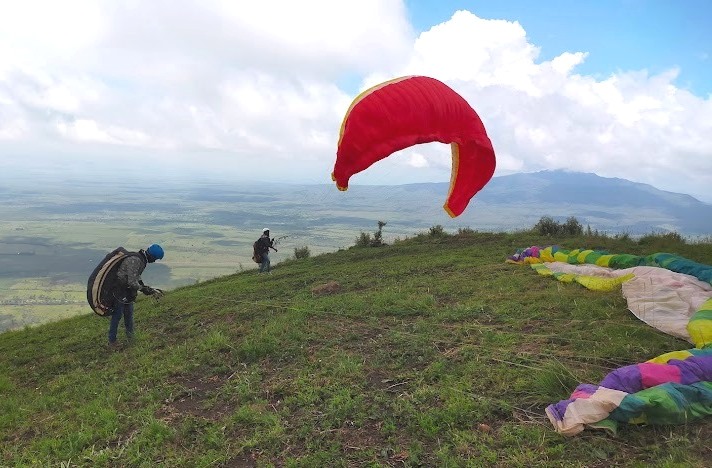
Close to Nairobi’s bustling urban energy lies the serene Ngong Hills — a fantastic choice for day trips and tandem flights.
- Scenery: Rolling green hills and far‑reaching landscapes make this spot perfect for scenic flights.
- Access: Easily reachable from the capital, making it ideal for visitors with limited time.
- Experience: Gentle breezes and panoramic views — great for beginners and tandem flying.
If you’re in Nairobi and want to taste the thrill without venturing far, Ngong offers some of Kenya’s most accessible skyward thrills.
5. Coastal and Lakeside Options
While inland escarpments dominate Kenya’s paragliding reputation, coastal areas like Diani Beach and sites near Lake Naivasha provide alternative flying environments.
- Diani Beach: Imagine gliding above palm‑lined beaches and endless Indian Ocean blues.
- Lake Naivasha & Elementaita: Lakeside thermal activity creates playful flying conditions with dramatic water reflections below.
Combining paragliding with safari lodges or beach holidays makes for a balanced Kenyan adventure that blends air, water, and wild earth.
Paragliding for Beginners & Visitors
If you’re new to the sport or visiting Kenya specifically for a paragliding experience, there’s good news: you don’t need to be an experienced pilot to enjoy this thrill. Many operators offer tandem flights with certified instructors who handle take‑off, navigation, and landing while you soak in the views.
What to Expect:
- Safety briefings: Essential for understanding equipment, weather, and signals.
- Gear provided: Most experiences include helmets, harnesses, and flight suits.
- Comfort: Wear comfortable, weather‑appropriate clothing and closed shoes.
Whether you’re overcoming a fear of heights or chasing an adrenaline rush, a well‑organized tandem flight gives you full access to Kenya’s skies with peace of mind.
Safety, Training & Community
While adventure is the heartbeat of paragliding, safety lies at its core. The Paragliding Association of Kenya (PAK) has taken commendable steps to formalize training, licensing, and safety guidelines to protect pilots and support sustainable sport growth.
Tips for Safe Flying:
- Choose reputable operators: Safety standards, experienced instructors, and good equipment matter.
- Weather awareness: Kenya’s equatorial climate brings varied wind and thermal patterns — pilots adjust accordingly.
- Training: If you aim to fly solo, certified courses and licenses help you understand the laws and skills needed.
Being part of the community means respecting the skies, local rules, and terrain — essential elements of a rewarding paragliding journey.
Combining Paragliding With Kenyan Adventures
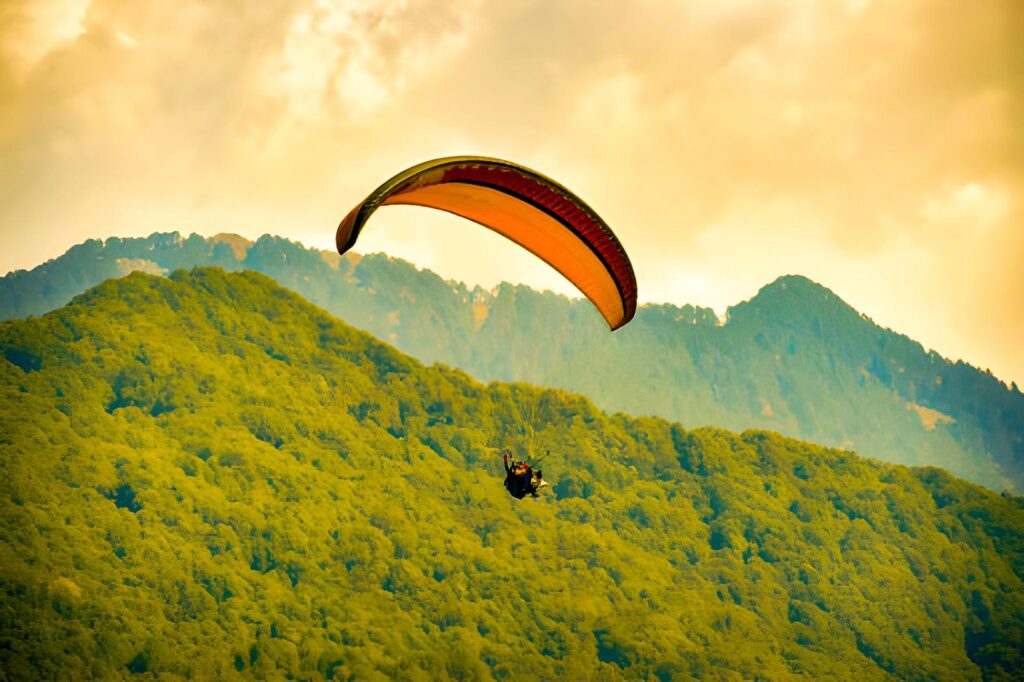
Paragliding isn’t just an isolated thrill — it’s a gateway to a full Kenyan experience. Here’s how to expand your adventure:
- Safari & Aerial Combo: Book extended packages that combine air time with game drives across Maasai Mara, Amboseli, or Samburu.
- Culture & Landscapes: Before or after your flight, explore nearby cultural sites or local markets.
- Coastal Retreats: Pair a flight over Diani with days of beach relaxation and snorkeling.
Kenya’s diverse tapestry of landscapes ensures that your adventure continues long after your feet touch the ground.
Final Thoughts: Why Paragliding in Kenya Matters
Paragliding in Kenya is more than a sport — it’s an immersive way to see the country from above, connecting with nature, culture, and the pure joy of flight. Whether you’re a seasoned pilot carving cross‑country routes or a first‑timer launching into the blue for the first time, Kenyan paragliding offers memories that last a lifetime.
From the Rift Valley’s thermals to coastal sea breezes, Kenya’s skies are calling — and the wind is ready. Are you?
FAQs: Paragliding Sport in Kenya
1. Is paragliding legal in Kenya?
Yes, paragliding is legal and regulated by the Paragliding Association of Kenya (PAK) in coordination with aviation authorities.
2. Where is the best place to go paragliding in Kenya?
Kerio Valley is considered the top paragliding spot in Kenya due to strong thermals, dramatic views, and consistent flying conditions.
3. Can beginners try paragliding in Kenya?
Yes, beginners can enjoy tandem paragliding with certified instructors. No prior experience is required for tandem flights.
4. How much does paragliding cost in Kenya?
Prices vary by location and operator. Tandem flights typically range from affordable short rides to premium experiences.
5. When is the best time for paragliding in Kenya?
Paragliding is possible year-round in Kenya, but pilots prefer dry months for better thermals and visibility.
6. Is paragliding in Kenya safe?
Yes, if you use certified operators and fly in suitable conditions. Safety briefings, gear checks, and pilot experience are critical.
7. Do I need training to paraglide in Kenya?
Only if you want to fly solo. Otherwise, tandem flights require no training. For solo pilots, certified training is essential.
8. What should I wear when paragliding in Kenya?
Wear comfortable clothes, a windproof jacket, closed shoes, and sunglasses. Operators provide helmets and harnesses.
9. Can I combine paragliding with a safari?
Yes, many travelers combine paragliding with game drives or beach holidays for a complete Kenyan adventure.
10. Is paragliding only for tourists in Kenya?
No. Local pilots and adventure groups are actively growing the sport. Training and community events are open to Kenyans and visitors.