Kenyan handicrafts and souvenirs: Are you looking for the perfect Kenyan handicrafts and souvenirs to bring home after your safari or beach trip? Kenyan souvenirs are not only beautiful but also meaningful, reflecting the country’s rich history and diverse cultures. In this article, we’ll explore the different types of traditional Kenyan crafts, their cultural significance, and where to find them. By the end of this guide, you’ll know what to look for and how to choose the best souvenirs that are both authentic and responsibly sourced.
A Detailed Explanation of Kenyan Handicrafts and Souvenirs
What makes Kenyan handicrafts and souvenirs special, and why are they a must-have for travelers to Kenya?
Kenya’s handicrafts are more than just decorative pieces—they represent the artistry, skills, and heritage of the many ethnic groups across the country. These crafts include everything from Maasai beadwork to wooden sculptures, and they are often created by hand using traditional methods passed down through generations. This section will delve into the most popular Kenyan souvenirs, where you can find them, and their cultural significance.
1. Kenyan Maasai Beadwork: A Symbol of Tradition

One of the most iconic authentic Kenyan souvenirs is Maasai beadwork. The Maasai people, a semi-nomadic ethnic group from southern Kenya, are famous for their intricate beadwork, which is often worn during important ceremonies and celebrations. These pieces are not just decorative—they hold cultural and spiritual meanings.
- Maasai Necklaces: These colorful, circular necklaces are a symbol of status and identity within Maasai communities. They are commonly worn by women and vary in size and pattern depending on the occasion.
- Bracelets and Anklets: Beaded jewelry like bracelets and anklets make perfect souvenirs due to their portability and vibrant colors. They are often crafted with different patterns that represent Maasai beliefs, age, and social standing.
- Belts and Sandals: Maasai sandals, traditionally made from leather and beads, are now a trendy souvenir item. They are durable, comfortable, and come in various designs that showcase the talent of Maasai artisans.
If you’re looking to buy authentic Maasai beadwork, consider purchasing directly from a Maasai village or a fair-trade shop that ensures the artisans are fairly compensated.
2. Wooden Carvings: Capturing Kenyan Wildlife and Culture

Kenya’s handmade wooden carvings are another popular souvenir, with many representing the country’s famous wildlife or cultural icons. These carvings are typically made from local woods such as ebony or mahogany, and they vary in size from small figurines to large sculptures.
- Wildlife Sculptures: You’ll often find beautifully carved animals such as elephants, giraffes, lions, and rhinos. These carvings are not only perfect for home decor but also serve as reminders of Kenya’s incredible wildlife.
- Cultural Figurines: Kenyan artisans also create carvings of Maasai warriors, women carrying water, and other scenes depicting rural life. These figurines offer a glimpse into everyday Kenyan culture and make for excellent conversation starters.
When purchasing wooden carvings, it’s important to ensure that the wood is sustainably sourced, as over-harvesting can harm the environment.
Kikoi and Kanga: Vibrant Kenyan Fabrics
Looking for wearable souvenirs? The Kikoi and Kanga are two traditional Kenyan fabrics that are as beautiful as they are versatile.
- Kikoi: A Kikoi is a type of woven cotton wrap traditionally worn by men along the coast of Kenya. Today, it is a popular souvenir for both men and women due to its colorful stripes and multipurpose nature. Kikoi can be worn as a sarong, used as a beach towel, or even as a scarf.
- Kanga: The Kanga, on the other hand, is a brightly colored fabric with Swahili sayings printed along its edges. It is often given as a gift to mark special occasions or to send messages of love and hope. Kangas can be used as wraps, baby carriers, or even wall hangings.
Both fabrics make for excellent gifts as they are lightweight, easy to pack, and represent the vibrant culture of Kenya’s coastal communities.

Soapstone Carvings: Unique and Colorful Keepsakes
Soapstone carvings from the Kisii region of Kenya are unique, colorful souvenirs that come in various forms, including bowls, figurines, and decorative plates. These carvings are made from soft soapstone that is easy to shape and polish, resulting in smooth and delicate pieces.
- Bowls and Plates: Soapstone bowls and plates are often hand-painted with bold African designs and make for great home decor items.
- Animal Figurines: Like wooden carvings, soapstone animals are popular among tourists. These figures are usually painted in bright, bold colors and are small enough to be packed in luggage easily.
Purchasing soapstone carvings not only supports local artisans in Kisii but also gives you a one-of-a-kind souvenir to take home.
African Tribal Masks: A Piece of History
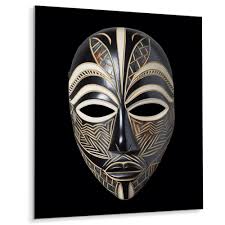
African tribal masks are another type of traditional Kenyan craft that tourists seek out. Although many different ethnic groups across Africa make masks, the masks from Kenya are particularly significant in tribal rituals and ceremonies.
- Ritual Masks: Traditionally used in dances, rituals, and ceremonies, these masks often represent deities, spirits, or ancestors. Today, they are made for decorative purposes and can add a cultural touch to any home.
- Where to Buy: African masks are commonly sold in curio shops, markets, and fair-trade craft stores. Make sure to ask about the mask’s origin and meaning, as each one tells a unique story.
Fair Trade and Sustainable Shopping in Kenya
With an increasing awareness of sustainable tourism, many travelers are seeking out fair trade crafts when shopping for Kenyan handicrafts and souvenirs. Fair trade ensures that artisans are paid a fair price for their work and that the materials used are sustainably sourced.
- Support Local Artisans: When purchasing souvenirs, consider buying directly from the artisans or from markets that support local communities. This ensures that your money goes towards sustaining the livelihoods of Kenyan craftspeople.
- Sustainable Materials: Look for products made from sustainable or recycled materials, such as jewelry made from recycled glass beads or carvings made from ethically sourced wood. This way, you can enjoy your souvenirs knowing that they were made with respect for the environment.
Where to Buy Authentic Kenyan Souvenirs

Kenya offers a wide range of shopping destinations for those looking to purchase authentic Kenyan souvenirs:
- Maasai Markets: Held in different locations across Nairobi, the Maasai Markets are one of the best places to find a wide variety of Kenyan crafts. Bargaining is expected, so be prepared to haggle for the best price.
- Curio Shops: Located in most tourist areas, curio shops offer a wide range of handicrafts, from beadwork to carvings. While prices tend to be higher than at local markets, you may find unique items.
- Fair Trade Shops: For those who want to ensure their purchases are ethical, there are several fair-trade shops in Kenya, such as the Kazuri Beads workshop in Nairobi, which supports single mothers.
Kenya’s handicrafts and souvenirs are more than just mementos of your travels—they are a connection to the country’s rich culture and history. Whether you’re looking for Maasai beadwork, wooden carvings, or vibrant Kanga fabrics, there’s something for everyone. The next time you visit Kenya, remember to shop sustainably and support local artisans to make a positive impact on the communities you visit.
FAQs
- What are the most popular Kenyan souvenirs?
Maasai beadwork, wooden carvings, Kikoi fabrics, and soapstone carvings are among the most popular. - Where can I buy authentic Kenyan handicrafts?
Maasai Markets, curio shops, and fair-trade stores are the best places to buy authentic souvenirs. - What is Maasai beadwork?
Maasai beadwork is traditional jewelry made by the Maasai people, known for its intricate designs and cultural significance. - Are Kenyan handicrafts fair trade?
Many Kenyan handicrafts are available through fair-trade shops, ensuring that artisans are fairly compensated. - What are Kikoi and Kanga?
Kikoi and Kanga are traditional Kenyan fabrics used for clothing, decor, and gifts. - Is it safe to buy wooden carvings in Kenya?
Yes, but ensure that the wood is sustainably sourced to avoid environmental harm. - What are soapstone carvings?
Soapstone carvings are handmade souvenirs from the Kisii region, known for their smooth texture and bold colors. - How can I tell if a souvenir is authentic?
Shop from reputable stores or directly from artisans to ensure authenticity. - Can I bargain when shopping in Kenya?
Yes, especially at markets like the Maasai Market, where haggling is part of the experience. - What is fair trade in the context of Kenyan crafts?
Fair trade ensures artisans receive a fair price for their work, and the materials are sourced sustainably.