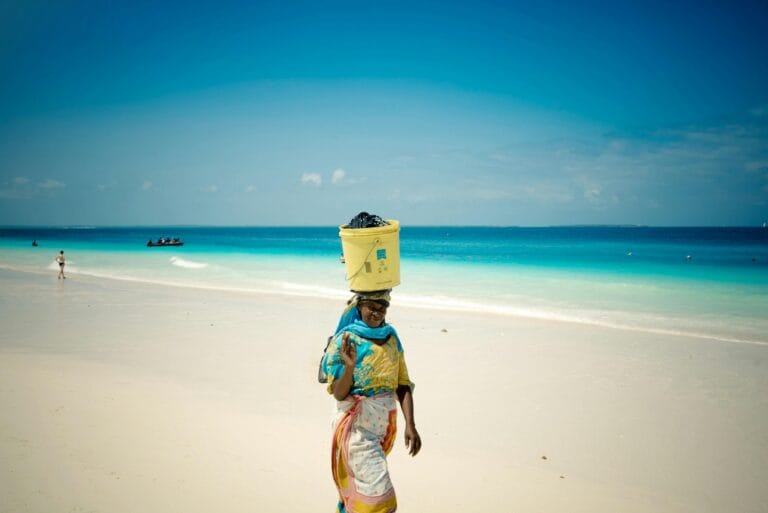
Kenya is one of Africa’s most iconic travel destinations — from the sweeping plains of the Maasai Mara and Amboseli to the vibrant streets of Nairobi and the white‑sand beaches of the Kenyan Coast. Yet one question keeps cropping up in travel groups and forums:
👉 Is Kenya expensive — especially for tourists?
The honest answer is: it depends on how you travel, where you go, and whether you understand how pricing works for visitors vs locals. One major factor shaping this perception is a practice known as dual pricing — and it can significantly affect your travel budget if you’re not prepared.
Let’s unpack why dual pricing exists, where tourists often overpay, and practical tips to pay local rates when possible.
Why Dual Pricing Exists in Kenya (and Many Other Destinations)

Dual pricing — also called tourist pricing, two‑tier pricing, or tourist tariffs — refers to charging different prices for the same service, activity, or entrance fee based on your nationality or residency status. In other words, locals often pay less than international visitors for the same experience.
This isn’t unique to Kenya — it happens in many countries around the world, from Southeast Asia to parts of Africa, Europe, and the Middle East.
Here’s why dual pricing exists:
1. Local Affordability
In Kenya, average income levels are significantly lower than in many Western countries or Japan, Australia, and North America. To ensure that parks, cultural sites, and popular experiences remain accessible to Kenyan residents, pricing is set lower for locals. Charging international visitors a higher fee helps balance this economic reality.
2. Tourism Revenue Funds Conservation and Services
Fees collected from international visitors — especially for safaris, national park entries, and major attractions — are a key source of revenue that funds conservation, anti‑poaching patrols, park infrastructure, and community support programs. Without this income, protected areas might struggle to operate sustainably.
3. Locals Contribute Through Taxes and Government Funding
Residents often already pay local taxes or contribute directly to the upkeep of parks and communal resources. Tourists, on the other hand, are viewed as external contributors who can absorb higher fees without the same socioeconomic pressures.
Where Tourists Overpay in Kenya
If you’re not prepared, it’s easy to assume Kenya is expensive across the board. But many of the higher costs are tied to tourism infrastructure and the dual pricing systems that come with it.
1. National Parks and Game Reserves
This is one of the most noticeable dual pricing areas. Kenyan national parks — like Maasai Mara, Amboseli, and Tsavo — charge significantly higher entry fees for non‑residents than for Kenyan citizens or residents. These fees can be a substantial part of the safari bill and make Kenya’s wildlife experiences feel expensive compared to local expectations.
Even proposals to increase park fees — debated among Kenyan tourism stakeholders — can push overall costs higher for visitors.
2. Safari Lodges and Tour Packages
Safari operators often price differently for local and international guests. International tour packages may include overhead costs such as marketing, foreign operator commissions, insurance, and international payment handling — all of which raise the price. Meanwhile, local operators or guides working directly with visitors can often offer more competitive rates.
Also Read: Budget-Friendly Tours in Kenya: Affordable Safari Deals
3. Transport and Guiding Fees
While public transport like matatus and local buses are affordable for locals, tourists may pay higher fares for private transfers or tour‑based transfers without negotiating. Independent travellers using normal local transport pay closer to what locals do.

4. Restaurants, Markets, and Informal Services
Small local eateries (mama mboga stalls, roadside chapatis, local cafes) price essentially the same for everyone — but in tourist‑oriented areas, some vendors may quote higher rates to visitors who don’t ask or negotiate. Being aware and practising respectful haggling in markets can make a big difference.
5. Accommodation Differences
Hotels and lodges often display one rate for the local market (sometimes requiring a Kenyan ID) and a different rate for international bookings, especially when rate parity is controlled by global reservation systems. Booking through local platforms or agents can sometimes secure better alignment with local rates.
Does That Make Kenya “Expensive”?
The truth is more nuanced. Kenya can be both affordable and expensive, depending on how you travel:
Moderate Everyday Costs
Daily expenses like food, city transport, and modest accommodation can be surprisingly affordable. Budget travellers report daily costs of roughly $80–$100 per person, including meals, transport, and modest lodging.
A week in Kenya as a couple on a simple independent travel budget can cost roughly $1,960, including local transport, meals, sightseeing, and accommodation.
High Experience Costs
Where costs rise sharply is in specialised tourism experiences — safaris, guided tours, exclusive lodges, and premium park entries. These are valuable and world‑class experiences, but they’re priced at a premium compared to what locals might pay.
So Kenya isn’t inherently unaffordable — but certain aspects of the visitor experience are priced for an international tourism market rather than a local one.
Tips to Pay Local Rates (or Close to Them)

You may not always avoid dual pricing — but you definitely can reduce its impact on your travel budget.
1. Book with Local Tour Operators and Guides
Local operators often have access to local rates, better park entry packages, and negotiation power with lodges and transport providers. Local knowledge goes a long way in maximizing value.
2. Travel Independently for Some Parts of Your Trip
Choose your own transport (buses, trains, shared taxis) — these often cost the same as what locals would pay. Eating in local eateries rather than tourist‑oriented restaurants can cut daily costs dramatically.
3. Ask About Local Pricing or Discounts
At attractions where dual pricing exists, politely asking for local rates or resident pricing eligibility (if you qualify, e.g., East African citizen or resident permit) can sometimes be helpful. At the very least, it opens a conversation about pricing.
4. Understand When Dual Pricing Applies
Knowing ahead of time that parks and reserves may charge more for foreign nationals helps you budget appropriately. It’s also worth comparing prices online before arrival — many parks list entry fees for locals and foreigners clearly on their official sites or tourism boards.
5. Avoid Tourist Traps (Unnecessary Extras)
Touts in busy tourist areas may quote higher prices for souvenirs, tuk‑tuk rides without meters, or informal guides. Polite negotiation and choosing regulated services keep costs down.
6. Time Your Trip Well
While Kenya doesn’t have extreme seasons like some destinations, shoulder periods (when tourism demand is moderate) can bring better deals on lodges, flights, and tours.
The Bigger Picture: Tourism, Sustainability & Fairness
Dual pricing is common globally — and it’s not always inherently negative. It often exists to ensure locals aren’t priced out of their own heritage and natural resources, while still capturing critical revenue from international tourism.
However, critics argue that it can sometimes feel unfair and discriminatory, and if poorly communicated, it can leave visitors feeling unwelcome or overcharged.
Kenya’s tourism stakeholders continually debate how best to balance sustainable funding, local inclusion, and international competitiveness — especially as global travellers become more cost‑aware.
Kenya Is Not One Price Fits All
If you’re asking “Is Kenya expensive for tourists?” the honest answer is:
🟢 For everyday local life — Kenya is not inherently expensive.
🟡 For specialised tourist experiences — prices reflect dual pricing and premium services.
Understanding this difference empowers you to plan better, budget smartly, and experience Kenya more like a savvy traveller than an uninformed tourist.
Whether you’re drawn by wildlife, culture, beaches, or vibrant cities, Kenya can be enjoyed on a range of budgets — as long as you know where prices come from, why they differ, and how to navigate them.
FAQs: Is Kenya Expensive? Tourist Costs vs Local Rates
1. Why does Kenya charge tourists more than locals?
Kenya uses dual pricing to make attractions affordable for locals while collecting higher fees from tourists to fund conservation and tourism infrastructure.
2. Are tourists overcharged in Kenya?
Tourists often pay more in national parks, safaris, and hotels due to official foreigner rates or inflated pricing in tourist zones, but not everywhere.
3. What is dual pricing in Kenya?
Dual pricing is a system where Kenyan citizens and residents pay less than foreign tourists for services like park entry, tours, and accommodation.
4. Can foreigners pay local prices in Kenya?
Foreigners can sometimes access local rates by booking with local operators, using public transport, and avoiding tourist-marketed services.
5. How much do national parks cost for tourists vs locals?
Tourists may pay up to 10 times more than locals at some parks. For example, a foreign adult may pay $70 per day where a Kenyan pays under $10.
6. Are safaris more expensive for tourists?
Yes, safari prices often include international markups. Local tour guides and self-drive options can reduce costs while offering similar experiences.
7. Can you negotiate prices in Kenya?
Yes. In markets, taxis, and some informal services, negotiation is expected. Polite bargaining helps avoid tourist markups.
8. Do restaurants charge tourists more in Kenya?
Tourist-oriented restaurants in cities and beach towns may inflate prices. Local eateries typically charge everyone the same rate.
9. Is Kenya affordable for budget travelers?
Kenya is affordable for budget travelers who use public transport, stay in guesthouses, eat locally, and avoid high-end safari packages.
10. Is dual pricing in Kenya a scam? (Myth-busting)
No, dual pricing is legal and common in many countries. It reflects income differences and helps fund public services and conservation.