What is Ol Pejeta Run the Wild?
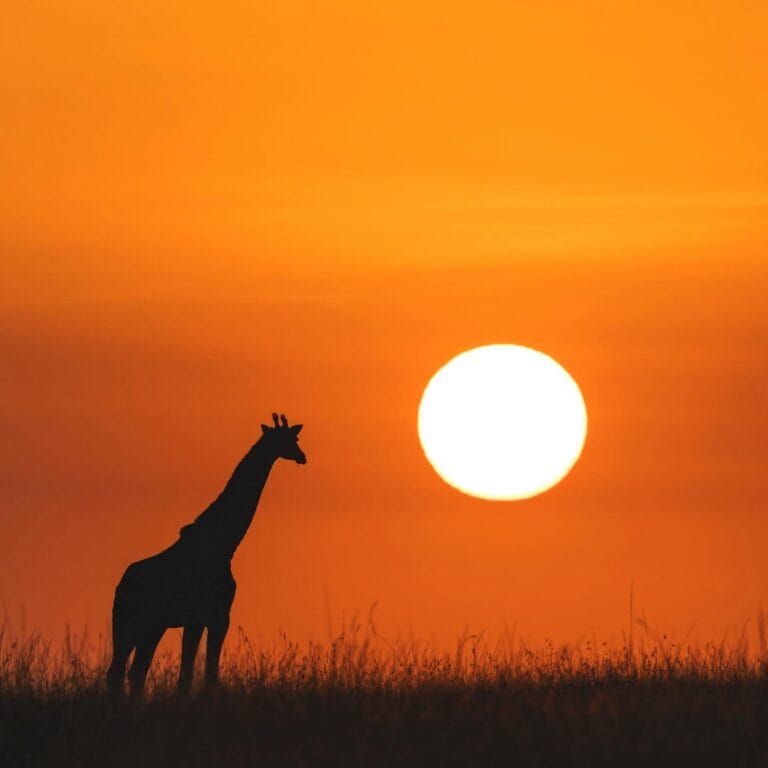
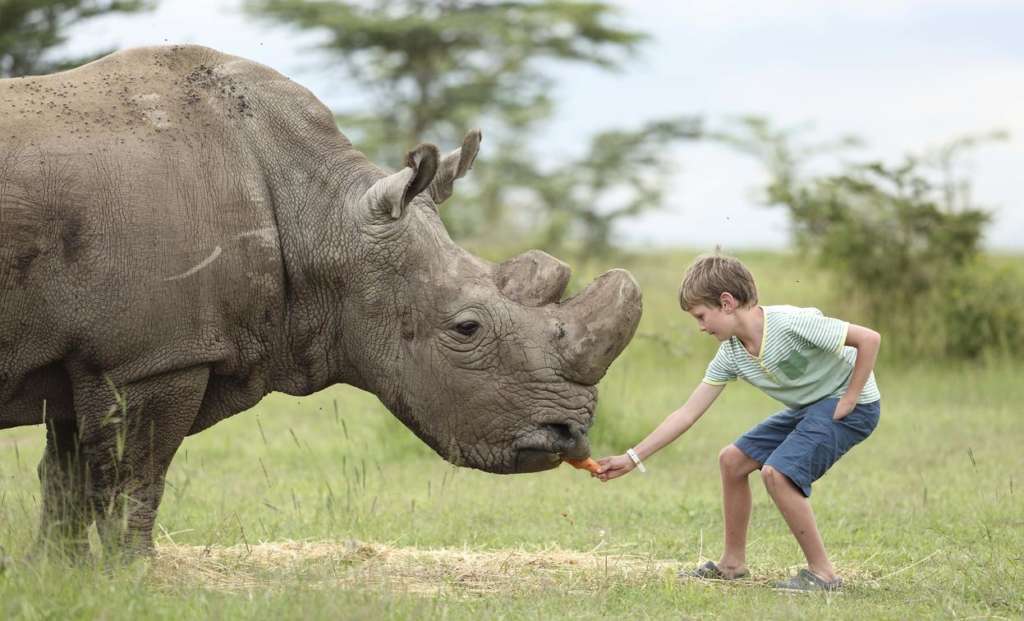
It’s not your average charity run. “Run the Wild” takes place inside Ol Pejeta Conservancy, home to the last two northern white rhinos on Earth. Participants don’t just race. They run alongside giraffes, zebras, and elephants, all while supporting frontline conservation.
This unique event turns every step into action for endangered species. You’re not running for a medal. You’re running to keep rhinos alive.
Also Read:Shompole Conservancy: A Maasai-Led Wildlife Haven
A Detailed Explanation of Why It Matters
Conservation requires money. Poaching, habitat loss, and climate threats are growing. Rangers, vets, and anti-poaching units need consistent funding. This event raises it.
By combining tourism, athleticism, and conservation, Ol Pejeta has created a sustainable model. Runners pay to participate. Sponsors fund operations. The ecosystem benefits.
You’re not just donating. You’re participating. You’re in the field, seeing the challenges firsthand.
The Location: Ol Pejeta Conservancy
- 90,000 acres of protected savannah in Laikipia County, Kenya
- Home to over 130 black rhinos, the largest population in East Africa
- Habitat for lions, leopards, elephants, buffalos, and chimps
- Headquarters for armed rhino protection units
Ol Pejeta is more than a park. It’s a working model of what conservation should look like: wildlife, communities, and sustainability in balance.
What Makes the Race Special?
1. It’s in the wild.
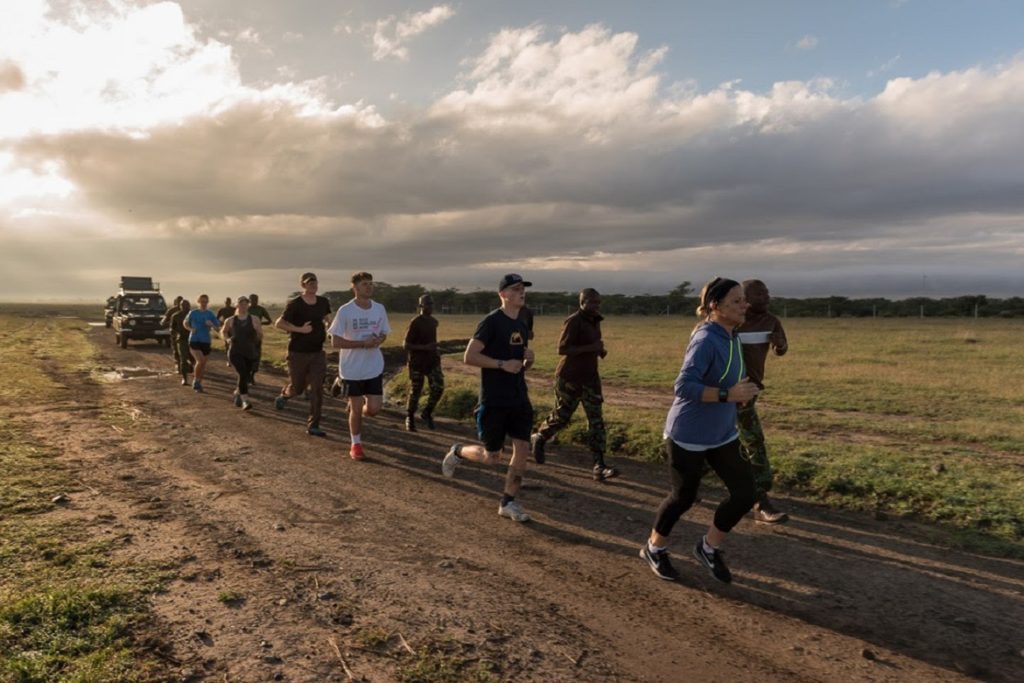
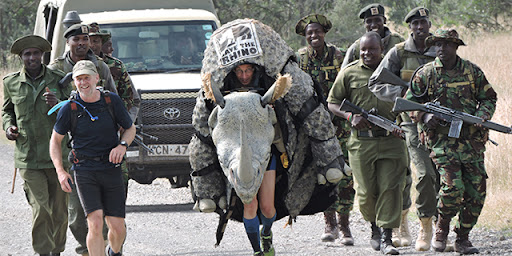
No artificial tracks. You run on animal paths. You pass by herds. Rangers escort runners for safety. Helicopters monitor from above.
2. It supports real conservation work.
Your entry fee supports ranger salaries, animal rescues, habitat restoration, and education programs.
3. It’s accessible.
There are 5K, 10K, and 21K options. Walkers are welcome. Families are encouraged.
4. It builds awareness.
Participants leave changed. They see the frontline of conservation. They share it with others.
Who Organizes Run the Wild?
Ol Pejeta Conservancy, in partnership with Run Beyond, a group that organizes high-impact, low-footprint races globally.
Run Beyond helps connect adventure-seekers with causes that matter. Their events don’t leave waste behind. They work with local communities. They focus on legacy.
At Ol Pejeta, the legacy is survival.
How the Race Funds Conservation
Your Race Fee Covers:
- Anti-poaching units
Salaries, gear, and night patrol equipment - Wildlife corridors
Maintaining paths for elephants and large predators to move safely - Rhino protection
Intensive monitoring of endangered rhinos - Veterinary care
Emergency response for injured or ill animals - Local community education
Training, scholarships, and conservation clubs in nearby schools
What You’ll Experience on Race Day
Arrival:
You’ll stay in eco-lodges or campsites inside the conservancy. Wake up to the sound of hyenas or distant lions.
Morning of the Race:
Sunrise over Mount Kenya. Stretching beside zebras. Helicopters overhead. Rangers brief you on the course.
The Run:
You start on red dirt tracks. You pass by giraffes, warthogs, antelope. You move through savannah, riverbeds, and bushlands.
Finish Line:
Water, smiles, conservation booths. Children from local schools cheer you on. You don’t receive a plastic medal. You receive a beaded one handmade by local women’s groups.
Safety First
- Armed rangers accompany runners.
- Helicopters patrol for any danger.
- Runners briefed on wildlife behavior.
- Emergency medical teams on standby.
There’s risk, but it’s managed. Thousands have completed this race safely.
When Does It Happen?
Annually, in the dry season—usually in August or September. Dates vary depending on wildlife migration patterns and weather.
Booking opens months in advance. Spots sell out quickly due to the race’s limited size.
Who Should Run?
You, if you are:
- A runner looking for meaning
- A traveler who supports ethical tourism
- A conservationist at heart
- A parent teaching your child about nature
- A company seeking team-building with purpose
Whether you walk or race, your presence matters.
Local Impact
The Run the Wild event directly supports:
- Over 300 staff across conservation, education, and tourism
- 10+ schools in surrounding communities
- Local businesses including guides, artisans, and transport providers
It boosts the local economy without harming the environment.
How to Join
- Register via Ol Pejeta’s official website.
- Choose your distance – 5K, 10K, or 21K.
- Plan your stay – lodge, tented camp, or camping.
- Book transport – flights to Nanyuki or drive from Nairobi.
- Train for terrain – trail running preparation is ideal.
Each registrant gets a welcome kit, safety instructions, and conservation materials.
Success Stories
Last Year’s Run:
- Raised $250,000 for rhino protection
- Funded 12 new ranger jobs
- Rescued two injured rhinos after poaching attempts
- Sponsored 40 students in local schools
- Distributed 1,000 reusable water bottles to reduce plastic use
Every year the results grow.
International Support
Global sponsors include:
- Eco-tourism operators
- Athletic brands committed to sustainability
- Wildlife organizations from Europe, Asia, and the US
Participants come from over 25 countries. Many return each year, forming a loyal global community.
Run. Fund. Protect.
This isn’t a race for personal records. It’s a race to save what’s left.
Every dollar supports action. Every step tells a story. Every runner becomes a voice for the voiceless.
Want to Do More?
After the race, many participants:
- Sponsor a rhino or elephant
- Join anti-poaching patrols as volunteers
- Fundraise in their home countries
- Return with friends or colleagues
- Share the story in schools or blogs
You start with a run. You leave with a mission.
10 Frequently Asked Questions
1. Is it safe to run near wild animals?
Yes. Rangers and helicopters monitor the course. Animals are used to vehicles and humans nearby.
2. What if I don’t finish?
Support vehicles are stationed along the course. You’ll be safely transported back.
3. Are children allowed?
Yes. Children 8 and up can register. Must be accompanied by adults.
4. What is the terrain like?
Mostly dirt tracks, some riverbeds, slight elevation. Trail shoes recommended.
5. How much does it cost?
Ranges from $80 to $250 depending on race distance and accommodation choice.
6. Where do I sleep?
You can choose eco-lodges, tented camps, or self-camping options.
7. Are there medals?
Yes. Handmade by local artisans using sustainable materials.
8. Can I raise extra funds?
Absolutely. Many runners create fundraising pages and get sponsorship.
9. What’s the best way to get there?
Fly to Nanyuki or drive 4–5 hours from Nairobi.
10. Is it worth it?
If you care about wildlife, conservation, and ethical travel—yes.
Final Word
The Ol Pejeta Run the Wild is more than a race. It’s a lifeline for endangered species. It’s your chance to be part of the solution. Whether you run 5K or 21K, every step helps protect Kenya’s wildlife for future generations.
Lace up. Sign up. Show up. Run the Wild.