Conservancies

Conservancies

Giraffe Center: A Gentle Giant Encounter at the Heart of Nairobi

Conservation, Education, and Close-Up Wildlife Experiences in Kenya’s Capital The Giraffe Center is one of Kenya’s most beloved conservation attractions, offering visitors a rare opportunity to interact with giraffes at eye level while learning about wildlife protection and environmental stewardship. Located in Lang’ata, just a short drive from Nairobi’s city center, the Giraffe Center blends conservation science, education, and memorable experiences into a destination that appeals to families, students, tourists, and nature lovers alike. In this comprehensive guide, we explore everything you need to know about the Giraffe Center—its history, mission, the giraffes themselves, visitor experiences, educational programs, sustainability impact, and practical tips for planning your visit. By the end, you’ll understand why the Giraffe Center remains a must-visit attraction in Kenya and a global model for community-driven conservation. What Is the Giraffe Center? The Giraffe Center is a conservation and education facility dedicated primarily to the protection of the endangered Rothschild’s giraffe. Established to rescue and breed these gentle giants, the center allows visitors to feed and observe giraffes from an elevated platform—creating an intimate, respectful interaction that is both thrilling and educational. Beyond giraffes, the Giraffe Center serves as a hub for environmental education, research support, and community outreach. Its programs inspire conservation awareness among Kenyans and international visitors, emphasizing coexistence between people and wildlife. A Brief History of the Giraffe Center Origins and Purpose The Giraffe Center was founded in the late 1970s when Rothschild’s giraffes were nearing extinction in Kenya due to habitat loss and human encroachment. Conservationists established the center to breed giraffes in a protected environment and reintroduce them to suitable habitats across the country. From a small rescue initiative, the Giraffe Center has grown into a globally recognized conservation success story, helping stabilize Rothschild’s giraffe populations in Kenya. The Role of Education From the beginning, education has been central to the Giraffe Center’s mission. By welcoming school groups, teachers, and youth organizations, the center has shaped generations of conservation-minded citizens who understand the importance of protecting wildlife and ecosystems. Where the Giraffe Center Is Located Lang’ata, Nairobi The Giraffe Center is located in Lang’ata, approximately 20 minutes from Nairobi’s Central Business District. Its proximity to other attractions—such as Nairobi National Park and the Karen area—makes it easy to include in a day’s itinerary. Natural Setting Set amid indigenous forest and open grounds, the Giraffe Center offers a peaceful escape from the city’s bustle. The surrounding greenery supports birds, small mammals, and native plants, enhancing the overall nature experience. Meet the Stars: Rothschild’s Giraffes What Makes Rothschild’s Giraffes Special? Rothschild’s giraffes are one of the most endangered giraffe subspecies. They are distinguished by their lighter coat patterns and lack of markings below the knees. The Giraffe Center focuses on protecting this subspecies through breeding, research, and reintroduction programs. Feeding and Interaction One of the most memorable activities at the Giraffe Center is feeding the giraffes from the raised platform. Visitors purchase specially prepared pellets and offer them to giraffes—often resulting in gentle nuzzles and curious looks that make for unforgettable photos. Visitor Experiences at the Giraffe Center The Elevated Viewing Platform The iconic platform at the Giraffe Center brings visitors face-to-face with giraffes at eye level. This design ensures safe, respectful interaction while minimizing stress for the animals. Educational Talks and Displays Interpretive signs and guided talks explain giraffe biology, conservation challenges, and the center’s work. These sessions help visitors understand how everyday actions—like land use and waste management—affect wildlife. Nature Trails The Giraffe Center features scenic nature trails that wind through indigenous forest. These trails are perfect for quiet walks, birdwatching, and reflection, adding depth to the visit beyond giraffe encounters. Educational Programs and Community Impact School Outreach and Learning Education is at the heart of the Giraffe Center’s impact. The center hosts thousands of students annually, offering curriculum-aligned lessons on ecology, conservation, and sustainability. Teacher Training and Resources The Giraffe Center equips educators with tools and training to integrate environmental education into classrooms, multiplying its impact across communities. Conservation Beyond the Giraffe Center Breeding and Reintroduction Programs A key achievement of the Giraffe Center is the successful breeding of Rothschild’s giraffes and their reintroduction into protected areas across Kenya. These efforts have contributed significantly to population recovery. Partnerships and Research The Giraffe Center collaborates with wildlife authorities, NGOs, and researchers to monitor giraffe health, genetics, and habitat conditions—ensuring evidence-based conservation strategies. Sustainability and Responsible Tourism Eco-Friendly Practices The Giraffe Center embraces sustainable operations, including waste reduction, habitat preservation, and environmentally sensitive infrastructure. These practices demonstrate how tourism can support conservation rather than undermine it. Supporting Local Communities By employing local staff and sourcing materials locally, the Giraffe Center contributes to livelihoods while fostering community ownership of conservation goals. Planning Your Visit to the Giraffe Center Opening Hours and Best Time to Visit The Giraffe Center is typically open daily during daylight hours. Morning visits are ideal, as giraffes are more active and crowds are lighter. Entry Fees and Facilities Entry fees support conservation and education programs. Facilities include restrooms, a small gift shop, and shaded areas for relaxation. Accessibility and Family-Friendliness The Giraffe Center is family-friendly and accessible to visitors of all ages. Safety guidelines ensure positive experiences for children while protecting the animals. Why the Giraffe Center Is a Must-Visit The Giraffe Center stands out because it offers: It’s a place where learning meets wonder—and where visitors leave inspired to care for the natural world. Also read:Nguuni Nature Sanctuary in Mombasa: Wildlife Close to the Coast Wrap-Up The Giraffe Center is more than a tourist attraction; it’s a living classroom, a conservation success story, and a reminder of humanity’s responsibility to protect wildlife. Whether you’re feeding a giraffe, strolling the nature trail, or listening to an educational talk, every moment at the Giraffe Center reinforces the value of coexistence and stewardship. For first-time visitors to Kenya and lifelong residents alike, the Giraffe Center offers a meaningful, memorable experience—one that connects people to nature and empowers them to make a difference.

Conservancies

Ol Pejeta Run the Wild: Racing for Conservation 

What is Ol Pejeta Run the Wild? It’s not your average charity run. “Run the Wild” takes place inside Ol Pejeta Conservancy, home to the last two northern white rhinos on Earth. Participants don’t just race. They run alongside giraffes, zebras, and elephants, all while supporting frontline conservation. This unique event turns every step into action for endangered species. You’re not running for a medal. You’re running to keep rhinos alive. Also Read:Shompole Conservancy: A Maasai-Led Wildlife Haven A Detailed Explanation of Why It Matters Conservation requires money. Poaching, habitat loss, and climate threats are growing. Rangers, vets, and anti-poaching units need consistent funding. This event raises it. By combining tourism, athleticism, and conservation, Ol Pejeta has created a sustainable model. Runners pay to participate. Sponsors fund operations. The ecosystem benefits. You’re not just donating. You’re participating. You’re in the field, seeing the challenges firsthand. The Location: Ol Pejeta Conservancy Ol Pejeta is more than a park. It’s a working model of what conservation should look like: wildlife, communities, and sustainability in balance. What Makes the Race Special? 1. It’s in the wild. No artificial tracks. You run on animal paths. You pass by herds. Rangers escort runners for safety. Helicopters monitor from above. 2. It supports real conservation work. Your entry fee supports ranger salaries, animal rescues, habitat restoration, and education programs. 3. It’s accessible. There are 5K, 10K, and 21K options. Walkers are welcome. Families are encouraged. 4. It builds awareness. Participants leave changed. They see the frontline of conservation. They share it with others. Who Organizes Run the Wild? Ol Pejeta Conservancy, in partnership with Run Beyond, a group that organizes high-impact, low-footprint races globally. Run Beyond helps connect adventure-seekers with causes that matter. Their events don’t leave waste behind. They work with local communities. They focus on legacy. At Ol Pejeta, the legacy is survival. How the Race Funds Conservation Your Race Fee Covers: What You’ll Experience on Race Day Arrival: You’ll stay in eco-lodges or campsites inside the conservancy. Wake up to the sound of hyenas or distant lions. Morning of the Race: Sunrise over Mount Kenya. Stretching beside zebras. Helicopters overhead. Rangers brief you on the course. The Run: You start on red dirt tracks. You pass by giraffes, warthogs, antelope. You move through savannah, riverbeds, and bushlands. Finish Line: Water, smiles, conservation booths. Children from local schools cheer you on. You don’t receive a plastic medal. You receive a beaded one handmade by local women’s groups. Safety First There’s risk, but it’s managed. Thousands have completed this race safely. When Does It Happen? Annually, in the dry season—usually in August or September. Dates vary depending on wildlife migration patterns and weather. Booking opens months in advance. Spots sell out quickly due to the race’s limited size. Who Should Run? You, if you are: Whether you walk or race, your presence matters. Local Impact The Run the Wild event directly supports: It boosts the local economy without harming the environment. How to Join Each registrant gets a welcome kit, safety instructions, and conservation materials. Success Stories Last Year’s Run: Every year the results grow. International Support Global sponsors include: Participants come from over 25 countries. Many return each year, forming a loyal global community. Run. Fund. Protect. This isn’t a race for personal records. It’s a race to save what’s left. Every dollar supports action. Every step tells a story. Every runner becomes a voice for the voiceless. Want to Do More? After the race, many participants: You start with a run. You leave with a mission. 10 Frequently Asked Questions 1. Is it safe to run near wild animals? Yes. Rangers and helicopters monitor the course. Animals are used to vehicles and humans nearby. 2. What if I don’t finish? Support vehicles are stationed along the course. You’ll be safely transported back. 3. Are children allowed? Yes. Children 8 and up can register. Must be accompanied by adults. 4. What is the terrain like? Mostly dirt tracks, some riverbeds, slight elevation. Trail shoes recommended. 5. How much does it cost? Ranges from $80 to $250 depending on race distance and accommodation choice. 6. Where do I sleep? You can choose eco-lodges, tented camps, or self-camping options. 7. Are there medals? Yes. Handmade by local artisans using sustainable materials. 8. Can I raise extra funds? Absolutely. Many runners create fundraising pages and get sponsorship. 9. What’s the best way to get there? Fly to Nanyuki or drive 4–5 hours from Nairobi. 10. Is it worth it? If you care about wildlife, conservation, and ethical travel—yes. Final Word The Ol Pejeta Run the Wild is more than a race. It’s a lifeline for endangered species. It’s your chance to be part of the solution. Whether you run 5K or 21K, every step helps protect Kenya’s wildlife for future generations. Lace up. Sign up. Show up. Run the Wild.

Conservancies

How We Do Wildlife Conservation in Kenya:( A-Z Guide)

Wildlife conservation is a crucial part of Kenya’s identity, not only for preserving the country’s incredible biodiversity but also for supporting tourism and local communities. Kenya is home to some of the world’s most iconic animals, including elephants, lions, rhinos, and cheetahs, making it a focal point for conservation efforts. But what exactly does wildlife conservation in Kenya involve, and how does it impact the environment, economy, and future of its wildlife? In this article, you’ll learn about the strategies Kenya uses to protect its wildlife, the key conservation organizations working in the region, and how you, as a traveler, can contribute to these efforts. We’ll explore the role of national parks, community-based conservation, and sustainable tourism in preserving Kenya’s natural heritage. A Detailed Explanation of Wildlife Conservation in Kenya Have you ever wondered why wildlife conservation in Kenya is so essential to both the country and the global ecosystem? The truth is, Kenya’s wildlife is under constant threat from factors like poaching, habitat loss, and climate change. However, through a combination of government policies, community initiatives, and international cooperation, Kenya is making significant strides in safeguarding its precious wildlife. Below, we’ll dive into how these efforts are structured and the real impact they’re having. Kenya’s National Parks: A Haven for Wildlife Kenya’s national parks and reserves play a pivotal role in conservation efforts. Parks like Maasai Mara, Amboseli, and Tsavo are not just popular tourist attractions; they serve as protected areas where animals like elephants, lions, and rhinos can thrive without the immediate threats posed by human activities. Kenya Wildlife Service (KWS) oversees these parks, ensuring that anti-poaching patrols, ecological monitoring, and controlled tourism protect the delicate balance of these ecosystems. The KWS also works to ensure the sustainable management of natural resources, so wildlife habitats remain intact for generations to come. Also read:Kenya National Parks & Game Reserves Guide Benefits of National Parks for Wildlife Conservation Community-Based Conservation Initiatives Kenya’s conservation success wouldn’t be possible without the involvement of local communities. Community-based conservation focuses on empowering indigenous populations, such as the Maasai, to take an active role in protecting wildlife. Organizations like Big Life Foundation and Northern Rangelands Trust (NRT) have been instrumental in training and equipping local rangers to prevent poaching and ensure the safe coexistence of humans and wildlife. Local communities often benefit from conservation through eco-tourism, which provides jobs, education, and financial support, incentivizing sustainable practices. For example, in Laikipia County, the Ol Pejeta Conservancy works with locals to protect endangered species, including black rhinos, while offering eco-friendly tourism experiences. How Community-Based Conservation Works: Key Wildlife Conservation Organizations in Kenya Several organizations are leading the charge when it comes to wildlife conservation in Kenya, each focusing on different aspects of the cause, from anti-poaching to habitat restoration. The Role of Sustainable Tourism Sustainable tourism is a vital component of wildlife conservation in Kenya. Tourists flock to Kenya’s national parks and conservancies to witness the stunning wildlife, and this generates significant revenue for conservation projects. However, Kenya is careful to promote responsible tourism that minimizes environmental impact. Eco-lodges and tour operators adhere to strict guidelines to ensure that wildlife habitats remain undisturbed, waste is managed responsibly, and resources are used sustainably. Many lodges also contribute a portion of their revenue to local conservation initiatives, creating a cycle of sustainability that benefits both wildlife and local communities. Tips for Responsible Wildlife Tourism in Kenya: Challenges Facing Wildlife Conservation in Kenya Despite significant efforts, wildlife conservation in Kenya faces ongoing challenges. Poaching remains a serious issue, particularly for elephants and rhinos targeted for their ivory and horns. The illegal wildlife trade generates billions globally, and combating this requires international cooperation, stronger enforcement, and more resources. Habitat loss is another major concern. As human populations expand, more land is cleared for agriculture and settlements, leading to shrinking habitats for animals. This increases human-wildlife conflicts, where animals like lions and elephants wander into farmlands, sometimes resulting in deaths on both sides. Climate change also poses a long-term threat. Rising temperatures and changing rainfall patterns disrupt ecosystems, affecting food availability and migration patterns for many species. Innovations in Kenyan Wildlife Conservation To combat these challenges, Kenya is increasingly turning to technology and innovation. For instance, drone surveillance is being used in anti-poaching efforts, allowing park rangers to cover large areas of land more efficiently. Satellite tracking of animals like elephants helps researchers understand migration patterns and identify areas at risk of human-wildlife conflict. DNA forensics is also playing a role in identifying and prosecuting poachers, offering a new tool in the fight against wildlife crime. Innovative Conservation Techniques: How You Can Support Wildlife Conservation in Kenya As a traveler or someone passionate about conservation, there are several ways you can contribute to wildlife conservation in Kenya. Whether you’re planning a visit or simply want to help from afar, your actions can make a real difference. FAQs on Wildlife Conservation in Kenya By focusing on wildlife conservation in Kenya, we ensure that future generations can experience the beauty of this incredible country’s animals while also supporting the well-being of local communities and ecosystems.

Lake Nakuru Flamingos
Lakes, Conservancies, National Parks and Reserves

Lake Nakuru National Park: Unveiling Kenya’s Magic

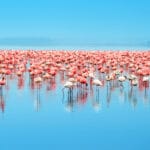
Have you ever dreamed of a place where nature’s beauty unfolds in its most vivid forms?  Lake Nakuru National Park is that dream turned into reality.  Nestled in the heart of Kenya, this park is not just a destination; it’s an experience that stays with you long after you’ve left its borders. In this article, we’ll journey through Lake Nakuru National Park.  From its flamingo-fringed shores to the hidden corners where wildlife roams free, we’ll uncover everything that makes this park a must-visit destination for adventurers and nature lovers alike. A Detailed Explanation of Lake Nakuru National Park Lake Nakuru National Park is a sanctuary of biodiversity. The park, famous for its vast population of pink flamingos, paints a picture of nature in its most unadulterated form.  But there’s more to Lake Nakuru than just flamingos. The Flamingo Phenomenon at Lake Nakuru National Park A Mesmerizing Display of Color The iconic image of Lake Nakuru National Park is undoubtedly the mesmerizing sight of millions of flamingos gathered along the lake’s shores.  This breathtaking spectacle is one of nature’s most stunning displays, where the flamingos create a vivid pink tapestry that stretches as far as the eye can see.  The reason behind this phenomenon is the lake’s alkaline environment, which fosters a rich growth of algae, the flamingos’ favorite food. This abundance of algae attracts these birds in colossal numbers, making Lake Nakuru a flamingo paradise. Ecological Significance of the Flamingos The presence of such a large number of flamingos is not just a visual marvel; it signifies the ecological health of Lake Nakuru.  These birds are an integral part of the lake’s ecosystem. Their feeding habits help to balance the algae levels, ensuring the ecological equilibrium of the lake.  Moreover, the flamingos contribute to the park’s biodiversity, supporting a complex food web that includes various fish species, insects, and other birdlife. A Dynamic and Ever-Changing Scene Lake Nakuru National Park visitors should note that the flamingo population can vary. Factors like water level and food availability influence their numbers.  Sometimes, the lake hosts over a million flamingos, while at other times, they migrate to other Rift Valley lakes.  This dynamic nature adds to the park’s allure, as each visit offers a unique experience with varying concentrations of these magnificent birds. The flamingo phenomenon at Lake Nakuru is a must-see attraction, offering a glimpse into the wonders of nature and the intricate workings of an aquatic ecosystem.  It’s a spectacle that beautifully illustrates the harmony between wildlife and their natural habitat, making Lake Nakuru National Park a top destination for nature enthusiasts and bird watchers. Also read: Top 5 Game Reserves in Kenya: Hidden Gems  Beyond the Pink: Wildlife Diversity at Lake Nakuru National Park A Sanctuary for Mammals and Birds While Lake Nakuru National Park is renowned for its flamingos, it’s also a sanctuary teeming with diverse wildlife.  The park boasts over 450 species of birds, making it a paradise for birdwatchers. But the avian wonders are just the beginning. The park is also home to a rich variety of mammals.  Majestic lions, elusive leopards, endangered rhinos, and robust buffaloes are among the many species that roam the acacia forests and grasslands. This diversity turns Lake Nakuru into a microcosm of African wildlife. Diverse Habitats within the Park The secret to the park’s rich biodiversity lies in its varied habitats. Each area supports different forms of life, from the dense acacia forests to the open grasslands and the lake’s water bodies.  These habitats provide shelter and food sources for various species, creating a complex and vibrant ecosystem.  The acacia forests are particularly known for their leopard sightings, while herds of buffaloes and rhinos often graze the grasslands. A Mosaic of Ecological Niches Each corner of Lake Nakuru National Park offers a unique wildlife experience. The park’s ecological niches are a haven for photographers and nature enthusiasts.  The water bodies attract flamingos, pelicans, cormorants, and fish eagles. The grasslands are frequented by zebras, giraffes, and various antelope species, offering a picturesque African safari scene.  This mosaic of habitats ensures that every visit to Lake Nakuru is filled with new and exciting wildlife encounters. Lake Nakuru National Park is much more than its famed flamingos. Its diverse habitats create a haven for a wide array of wildlife, making it a must-visit destination for anyone interested in experiencing Kenya’s natural beauty.  The park’s commitment to conservation and sustainable tourism further enhances its appeal as a premier wildlife sanctuary. Conservation Efforts at Lake Nakuru National Park Rhino Sanctuary: A Beacon of Hope Lake Nakuru National Park stands out as a beacon of conservation, particularly for its remarkable success in protecting rhinos.  The park has established itself as a haven for black and white rhinos, species under severe threat due to poaching and habitat loss. The dedicated rhino sanctuary within the park has been pivotal in providing a secure environment for these majestic creatures.  This effort helps increase their numbers and serves as a symbol of hope for the conservation of endangered species globally. Sustainable Practices for Wildlife Protection The park’s approach to conservation extends beyond just protecting individual species. It encompasses a broader commitment to sustainable tourism practices, ensuring the natural habitat is preserved while allowing visitors to experience its wonders.  Lake Nakuru National Park sets a global standard for wildlife protection by balancing ecological needs with tourism.  These practices include controlled tourism activities, habitat restoration projects, and community involvement initiatives, all aimed at maintaining the park’s ecological integrity. A Model for Global Conservation Efforts Lake Nakuru’s conservation strategies are not just locally significant; they serve as a blueprint for wildlife protection worldwide.  The park’s success in rhino conservation, in particular, demonstrates the positive impact of dedicated sanctuaries and anti-poaching measures.  Additionally, the park’s efforts in educating visitors and involving local communities in conservation activities highlight the importance of a holistic approach to protecting wildlife.  This model of conservation, combining rigorous protection measures with sustainable tourism and community involvement, is a guiding light

Best Game Reserves in Kenya
Conservancies

Discover Kenya’s Hidden Gems: Best Conservancies In Kenya

Have you ever wondered what makes Kenya a dream destination for nature and wildlife enthusiasts?  You’re probably looking for destinations that offer adventure and a connection with nature. In this article, we’ll explore the best conservancies in Kenya, offering you a guide to the most breathtaking and eco-friendly destinations in this East African jewel.  Whether you’re an avid hiker, a wildlife photographer, or simply someone who loves to immerse in different cultures, these conservancies will offer you an experience of a lifetime. Also read: Discovering Beautiful Kenya: A Journey of Wonder and Awe A Detailed Explanation of Best Conservancies in Kenya Kenya is not just about the famous Maasai Mara; it’s a mosaic of diverse conservancies, each with its unique charm and offerings.  Let’s delve into the nuances of these destinations, exploring why they stand out and how they cater to travelers seeking authentic, affordable, and eco-friendly experiences. Best Conservancies in Kenya: Nairobi National Park >> A Wildlife Haven in the City Imagine waking up in a bustling city and, within a few minutes, finding yourself amidst a rich wildlife sanctuary.  Nairobi National Park, located just a stone’s throw away from Kenya’s capital, offers this unique experience. It’s where you can witness lions, giraffes, and rhinos with a backdrop of city skyscrapers, offering a surreal blend of urban and natural landscapes. this park represents convenience and accessibility.  It’s a perfect spot for a quick yet fulfilling escape into the wild, without the need for extensive travel. The park’s efforts in conservation and its role in educating visitors about wildlife protection align with its eco-friendly values. Best Conservancies in Kenya: Maasai Mara National Reserve >> The Spectacle of the Wildebeest Migration The Maasai Mara is synonymous with the great wildebeest migration, a natural wonder where millions of wildebeests, zebras, and gazelles traverse the plains in search of greener pastures.  This spectacle and the chance to witness the Big Five make it a bucket-list destination for many, including Sarah. However, the Maasai Mara is more than just the migration. It’s a cultural hub where visitors can interact with the Maasai community, learning about their rich heritage and sustainable living practices.  For someone interested in cultural experiences and sustainable tourism, like Sarah, the Maasai Mara offers an enriching and responsible travel experience. Best Conservancies in Kenya: Lake Nakuru National Park >>> A Birdwatcher’s Paradise Lake Nakuru, famed for its flocks of pink flamingos, is a testament to Kenya’s avian diversity. The park, however, is not limited to birdwatching. It’s a sanctuary for rhinos and offers excellent opportunities to see leopards and lions. For adventurous and curious travelers, Lake Nakuru provides tranquility and wildlife exploration. The park’s initiatives in protecting birdlife and its commitment to conservation resonate with its eco-friendly and adventurous spirit. Here’s everything you need to know about the other top conservancies in Kenya, each offering unique experiences and opportunities for adventure, cultural immersion, and wildlife observation. Best Conservancies in Kenya: Mt. Kenya National Park >>> Adventure and Diversity Mt. Kenya National Park is a realm of adventure and diversity, offering scenic beauty, rugged terrain, and rich biodiversity.  Dominated by the majestic Mt. Kenya, the second-highest peak in Africa, this park is a paradise for trekkers and climbers, presenting various routes that cater to different skill levels.  The park’s landscape is a tapestry of dense forest, Afro-alpine vegetation, and glacial valleys, creating a haven for wildlife enthusiasts. Here, you can encounter rare species like the Mount Kenya antelope alongside elephants, leopards, and many bird species.  The park is not just about adventure; it’s a vital water catchment area, contributing significantly to the region’s ecological balance. Mt. Kenya National Park is an unparalleled destination for those seeking a blend of thrill, natural beauty, and environmental awareness.  Its diverse offerings make it a must-visit for anyone wanting to experience the essence of Kenya’s wild and untamed spirit. Also read: Unmissable Hiking Trails in Kenya: A Guide for Adventurers Best Conservancies in Kenya: Lake Turkana >>> A Desert Lake’s Wonders Source: Wikipedia Lake Turkana, often described as the Jade Sea due to its striking blue-green waters, is a marvel set in the arid landscapes of Northern Kenya.  As the world’s largest permanent desert lake and the largest alkaline lake, Turkana offers a unique ecological niche. Its remote and harsh environment has preserved a certain untouched beauty, making it a destination for those seeking off-the-beaten-path adventures.  The lake is renowned for its rich biodiversity, including unique fish species like the Turkana tilapia. It’s also a critical habitat for the Nile crocodile, hippos, and various bird species. Surrounding the lake are important archaeological sites, offering insights into early human history.  The region’s cultural diversity is another highlight, with communities such as the El Molo, Turkana, and Dassanach, have remarkably adapted to the harsh environment.  Lake Turkana‘s blend of natural beauty, unique wildlife, and cultural richness makes it a fascinating destination for travelers interested in exploring one of the world’s most extraordinary landscapes. Best Conservancies in Kenya: Amboseli National Park >>> The Land of Giants Amboseli National Park, aptly known as the “Land of Giants,” is a spectacular wildlife sanctuary in Kenya, renowned for its majestic herds of African elephants.  Nestled at the foot of Mount Kilimanjaro, the world’s tallest free-standing mountain, the park offers breathtaking views and an iconic backdrop.  The elephants here are known for their impressive tusks, roaming against a landscape dotted with acacia trees and vast savannahs. But Amboseli is more than just elephants. It’s a biodiverse hotspot, home to over 400 species of birds, including pelicans, kingfishers, and cranes.  The park’s wetlands, fed by the melting snow of Kilimanjaro, provide a vital ecosystem supporting a variety of wildlife, including lions, cheetahs, buffaloes, and giraffes. The park also holds cultural significance, offering insights into the Maasai people’s way of life, and coexisting with the wildlife.  For visitors, Amboseli is not just a wildlife viewing experience; it’s an immersion into a vibrant ecosystem where the wild majesty of Africa is on full display. Its

Scroll to Top