Where to Exchange, ATM & Card Advice, and Smart Cash Handling for Your Kenya Trip
Traveling in Kenya is an unforgettable experience — from wildlife safaris and tropical beaches to vibrant cities like Nairobi and Mombasa. But to enjoy Kenya without money stress, you need a solid plan for managing your cash, cards, and currency exchanges safely. This practical guide covers Kenya travel money tips you won’t want to miss: where to exchange money safely, navigating ATMs and withdrawals, smart card use abroad, mobile payment options, and how to keep your money secure throughout your trip.
Whether you’re budgeting for food in a local market or paying park fees on safari, these travel money tips help you make confident decisions and avoid common pitfalls. Here’s everything you need to know about handling money in Kenya.
Understanding Kenya’s Currency & Money System
The Kenyan Shilling (KES)
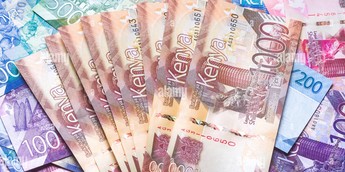
Kenya’s official currency is the Kenyan Shilling (KES), often written as KSh or simply Shilling. The most common denominations include KSh 50, 100, 200, 500 and 1,000 notes, with coins used for smaller amounts.
Other Currencies Accepted
While KES is the standard for most daily transactions, US dollars (USD) are widely accepted in tourist areas, hotels, and safari lodges. Euros are occasionally accepted, but less common, and British pounds are the least common of the three. Always expect change in Kenyan Shillings.
Where to Exchange Money Safely in Kenya
Best Places to Exchange Foreign Currency
When planning your money strategy, exchanging your cash safely is a priority. Kenya travel money tips generally recommend these secure options:
- Licensed Forex Bureaus – Found in major cities like Nairobi, Mombasa and Kisumu, forex bureaus usually offer competitive rates with low or no fees.
- Commercial Banks – Banks such as Equity Bank, KCB, Co-operative Bank, and NCBA provide secure and regulated currency exchange. They often give reliable rates but operate within banking hours.
- Airport Exchange Counters – Convenient for initial small exchanges when you land, but generally offer poorer rates, so only use them for immediate needs like transport.
- Hotel/Resort Exchanges – Useful in a pinch, but rates are usually less favorable than banks or forex bureaus.
💡 Money Safety Tip: Always use licensed forex bureaus or banks — avoid unofficial street exchangers or “black-market” deals, as these can involve counterfeit currency or fraud.
ATM Access and Card Withdrawals
Using ATMs in Kenya
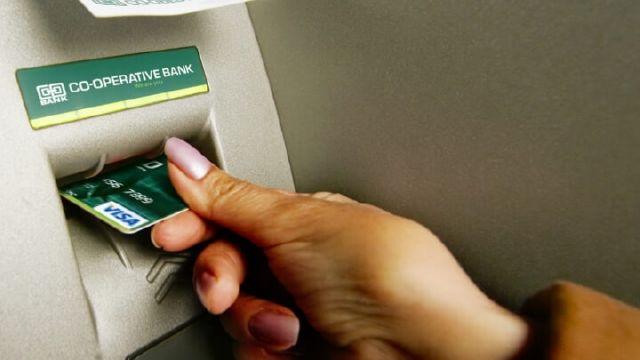
ATMs are a convenient way to get local currency and often provide competitive exchange rates compared with exchange counters. There are thousands of ATMs in major Kenyan cities, malls, airports, and banks.
Accepted Cards & Networks
- Visa and Mastercard cards are widely accepted at ATMs across Kenya.
- American Express, Diners Club and other networks may be limited or accepted at fewer machines.
- Many ATMs also accept Plus and Cirrus network cards.
Most ATMs dispense only Kenyan Shillings (KES), so you won’t be able to choose another currency.
Withdrawal Fees & Limits
Foreign cardholders often incur fees — both from the Kenyan bank and your own bank. Typical ATM charge ranges are moderate, and withdrawal limits vary by bank, often around KSh 40,000 to 100,000 per day.
💡 Money Safety Tip: Choose ATMs inside banks, shopping malls, or secured buildings rather than standalone machines to reduce fraud risk and ensure a safer environment.
Smart Trends: Cash, Cards, and Mobile Money in Kenya
When to Use Cash vs Card
Cash remains essential in many parts of Kenya, especially outside big cities. Smaller restaurants, markets, local taxis and rural businesses often prefer cash.
Cards — particularly Visa and Mastercard — are widely accepted in larger hotels, upscale restaurants, shopping malls, and for online bookings.
💡 Travel Money Tip: Always carry a mix of cash and cards to cover different scenarios, and use cash where cards aren’t accepted.
Mobile Money: M-Pesa
One of the biggest innovations in Kenya’s financial system is M-Pesa, a mobile money platform that lets users send, receive, store and pay funds via phone. M-Pesa is ubiquitous and widely accepted, even in rural areas.
Visitors can register on M-Pesa with a local SIM card (e.g., Safaricom) and use it to transfer money, pay bills, do shopping, and send money securely without carrying large amounts of cash.
Handling Cash Safely in Kenya
Cash Safety Strategies
Carrying large amounts of cash can make you a target for theft or loss. Use these Kenya travel money tips for better security:
- Only carry what you need daily and leave the rest securely stored in your hotel safe.
- Keep cash in multiple places (e.g., belt pouch + wallet) so losing one doesn’t lose everything.
- Use money belts or neck pouches under your clothes in crowded areas.
- Avoid displaying cash publicly when paying in markets or transit areas.
Avoiding Scams and Card Fraud
ATM fraud and card skimming can happen anywhere. Some classic precautions include:
- Using ATMs located inside banks or busy malls.
- Covering the keypad when entering your PIN.
- Checking for suspicious attachments on the ATM before inserting your card.
💡 Pro Tip: Keep your bank’s emergency contact on your phone in case you need to block a lost or stolen card immediately.
Payment Tips for Specific Situations
Safaris and Rural Travel
On safari or in remote areas, ATMs are rare, and many camps, lodges, or local guides prefer cash (KSh) or M-Pesa. Plan ahead and withdraw sufficient cash in cities before heading into remote areas.
Some safari lodges may accept card payments, but it’s usually best to confirm in advance to avoid unexpected issues.
Tipping and Small Purchases

Kenya’s tipping norms (e.g., for guides or service staff) are often handled in cash, so ensure you have small denominations like KSh 50, 100, 200 or 500 for tips.
In markets or small eateries, cash is king — many vendors don’t have reliable card terminals.
Avoiding Hidden Fees & Maximizing Value
Exchange Rates and Surcharges
When exchanging money, always check the offered rate and any fees attached. Banks may offer excellent security but sometimes less competitive rates than forex bureaus.
For ATM withdrawals, avoid “accept conversion” prompts that charge poor exchange rates; instead choose to withdraw in Kenyan Shillings (without conversion) so your card’s bank applies the rate.
Inform Your Bank Before Travel
Informing your bank about your travel plans helps prevent unexpected card blocks for “suspicious activity” when your card is used in Kenya.
Wrap-Up
Mastering your travel money strategy is essential for a smooth Kenya trip. The key Kenya travel money tips include understanding the local currency (KES), safely exchanging money through banks or licensed forex bureaus, using ATMs wisely, combining cash with card and mobile payment options like M-Pesa, and keeping your cash safe with smart habits. With these practical tools and precautions, you’ll be prepared to enjoy Kenya’s breathtaking landscapes, wildlife, cities and culture — without money headaches.
10 Frequently Asked Questions (FAQs)
- What is the official currency of Kenya?
The official currency is the Kenyan Shilling (KES). - Should I exchange money before arriving in Kenya?
It’s useful to have a small amount of KES for initial expenses, but most travelers exchange larger sums locally for better rates. - Where is the safest place to exchange money in Kenya?
Use licensed forex bureaus or banks for secure and competitive currency exchange. - Can I withdraw cash with my foreign debit card in Kenya?
Yes — most ATMs accept Visa and Mastercard; other networks may vary. - Are ATMs safe to use in Kenya?
Generally yes, but use ATMs inside banks or malls and be cautious of surroundings. - Can I use credit cards in Kenya?
Many places accept credit cards, especially in cities, but always have cash as backup. - What is M-Pesa and can tourists use it?
M-Pesa is a mobile money platform widely used in Kenya; tourists can set it up with a local SIM card. - How much cash should I carry in Kenya?
Carry enough for small purchases, tips and rural travel — avoid carrying large amounts at once. - Can US dollars be used in Kenya?
Yes, particularly in tourist areas, but KES is preferred and often required for change. - How do I avoid ATM fees in Kenya?Use fee-free ATMs and avoid airport machines — choose “withdraw in KES without conversion.”