Coastal Kenya

Coastal Kenya

Summer Tides Festival: Kenya’s Ultimate Coastal Music Escape

Why Summer Tides Festival Is Becoming the Beach Event Everyone Talks About What Is Summer Tides Festival? Summer Tides Festival is one of Kenya’s most exciting coastal music and lifestyle events, bringing together beach lovers, music fans, creatives, influencers, travellers, and partygoers for a high-energy celebration by the Indian Ocean. It is more than a concert. It is a full beach experience built around music, coastal culture, nightlife, fashion, food, friendship, and unforgettable memories. The festival has grown into a major highlight on Kenya’s entertainment calendar because it combines the magic of the coast with the pulse of modern African music. For many people, Summer Tides Festival is not just an event they attend; it is a planned getaway, a reunion with friends, a content creation opportunity, and a chance to enjoy Kenya’s beach culture in a fresh and vibrant way. The 2026 edition, themed “Summer Love,” is expected to take place in Malindi, one of Kenya’s most beautiful coastal destinations. With sandy beaches, warm weather, ocean views, and a relaxed coastal mood, Malindi gives Summer Tides Festival the kind of setting that makes a music event feel like a mini-holiday. The Story Behind the Summer Tides Festival Experience Summer Tides Festival has built its identity around the idea of escaping the ordinary. Instead of hosting music in a typical indoor venue or city club, the festival places the experience directly on the beach. That changes everything. The ocean becomes part of the atmosphere. The sand becomes the dance floor. The sunset becomes part of the production. The coastal breeze adds to the feeling of freedom. Over the years, the festival has attracted thousands of young people and music lovers who want something bigger than a regular night out. The event has become known for energetic DJ sets, coastal road trips, beach fashion, group travel, after-parties, sunrise moments, and the kind of memories people keep talking about long after the weekend ends. This is one reason Summer Tides Festival has become so popular among Kenyan youth and travellers from across East Africa. It delivers an experience that blends entertainment and destination tourism. You are not only going to listen to music; you are also going to feel the coast, meet new people, dress for the beach, explore local hospitality, enjoy food and drinks, and create stories worth sharing. Where and When Is Summer Tides Festival 2026? The 2026 edition of Summer Tides Festival is scheduled for July 2–4, 2026, at Lost Beach Club in Malindi, Kenya. The festival is expected to run for three days, offering attendees a longer and more immersive experience than a one-night concert. Malindi is a strong choice for this edition because it offers a unique mix of natural beauty, coastal history, nightlife potential, and beachside relaxation. Located along Kenya’s Indian Ocean coastline, Malindi is known for its warm weather, sandy beaches, oceanfront resorts, Swahili culture, seafood, and relaxed holiday energy. For anyone planning to attend Summer Tides Festival, the location matters. A beach festival is only as good as its setting, and Malindi gives attendees the chance to turn the event into a full coastal trip. You can arrive before the festival, explore the area, enjoy the ocean, attend the shows, and extend your stay after the final set. Why Malindi Is a Perfect Festival Destination Malindi has a slower, more relaxed rhythm than Nairobi, which makes it ideal for a beach festival. During the day, attendees can enjoy beach walks, swimming, boat rides, coastal food, and scenic relaxation. At night, the energy shifts toward music, dancing, lights, performances, and social connection. The town also gives Summer Tides Festival a destination appeal. People are not just buying tickets to an event; they are buying into a coastal lifestyle moment. That combination of music and travel is powerful because it turns the festival into a complete experience. What to Expect at Summer Tides Festival Summer Tides Festival is designed to be immersive. The 2026 edition is expected to feature multiple stages, different music genres, food and drink vendors, beach activities, photo spots, official merchandise, and accommodation partnerships. The goal is to create a full festival environment where attendees can enjoy entertainment from day to night. Music is the main attraction, but it is not the only reason people attend. Many guests come for the vibe, the community, the beach outfits, the content opportunities, the coastal trip with friends, and the chance to be part of one of Kenya’s biggest beach events. Music Across Different Genres One of the strongest selling points of Summer Tides Festival is its diverse music experience. The festival is associated with genres such as Afrobeats, EDM, House, R&B, Amapiano, Dancehall, and other high-energy sounds that work perfectly in a beach setting. This variety makes the event appealing to different audiences. Afrobeats fans can enjoy African rhythm and popular hits. Amapiano lovers get the deep log drums and dance-heavy energy. EDM and House fans can expect festival-style drops, long sets, and late-night movement. R&B brings smoother moments, while Dancehall adds tropical fire to the beach atmosphere. Because the festival uses multiple stages, attendees can move between different sounds and experiences. That freedom helps keep the energy fresh throughout the event. Beach Activities and Daytime Fun Summer Tides Festival is not only about what happens after dark. The daytime beach experience is part of the attraction. Attendees can expect activities such as beach games, water sports, boat rides, photo sessions, and chill moments by the ocean. This daytime programming is important because it makes the festival feel like a holiday. You can wake up near the beach, grab breakfast, meet friends, enjoy the ocean, take photos, rest, and then prepare for the next round of music. The rhythm of the weekend becomes a balance between relaxation and celebration. Food, Drinks, and Coastal Flavours A great festival needs good food, and Summer Tides Festival benefits from being on the Kenyan coast, where food culture is rich and memorable. Attendees can expect a mix of

Coastal Kenya

The Hidden Traditions You’ll Learn at Shimoni’s Digo Celebrations

Perched on the serene shores where the Indian Ocean gently laps the Kenyan coast lies Shimoni, a historic village that has for centuries been a hearth of Swahili and Digo culture. Beyond the palm‑lined beaches and lobster markets, Shimoni’s Digo celebrations hold a tapestry of rituals, songs, and ancestral wisdom few travelers ever experience. In this guide, you’ll uncover the hidden traditions that animate these celebrations — a cultural journey into the heart of Kenya’s coastal soul. In this immersive exploration, we go beyond surface tourism: revealing how sacred dances encode history, how herbal knowledge connects communities to land and sea, and how feasts, songs, and rites bind generations. Whether you’re planning an authentic cultural visit or simply seeking deeper understanding, this guide is your compass to the traditions that make Shimoni’s Digo celebrations unforgettable. Shimoni’s Digo Celebrations: Who Are the Digo? The Digo are one of Kenya’s nine Mijikenda tribes — coastal communities with rich social, spiritual, and artistic traditions. Rooted in oral history and coastal trade, Digo culture blends indigenous practices with centuries of interaction with Arab, Persian, and Indian Ocean influences. Their celebrations — whether for harvest, rites of passage, or seasonal cycles — are communal touchstones. These events are not tourist spectacles but living expressions of identity, meaning, and continuity. 1. Sacred Dances: More Than Just Movement One of the most striking elements of any Shimoni’s Digo Celebrations is dance. These dances — with intricate footwork, rhythmic ululations, and layered drumming — are not merely performance art. They are living archives: Local elders often narrate meanings as dances unfold — metaphors of resilience, migration, and the ocean’s guiding spirit 2. Ancestral Storytelling Around the Fire As the sun sets and fires are lit near the mangroves, elders weave oral histories that span generations. Storytelling isn’t idle talk. It’s an educational lineage: These stories are often accompanied by call‑and‑response chants, where the entire community participates — a living, breathing archive of coastal wisdom. Also Read:Mijikenda Cultural Festival: Celebrating “Chenda Chenda” — Heritage, Unity and Sacred Kayas 3. Coastal Cuisine as Cultural Expression Food at Shimoni’s Digo Celebrations is a narrative on a plate. Sharing a feast isn’t just nourishment — it’s storytelling, hospitality, and community repair. Imagine plates of: These dishes reflect centuries of Indian Ocean trade — connecting Shimoni’s tables to Zanzibar, Oman, and India. Meals are communal — shared from large trays with laughter and song. 4. Herbal Wisdom & Healing Rituals Hidden within the coastal forests surrounding Shimoni are teachings of herbal remedies and spiritual botanicals. During certain Digo rituals, elders introduce visitors to: These practices blur lines between physical healing and spiritual well‑being — a holistic worldview passed down through centuries. 5. Naming Rites: A Collective Blessing When a child is born, traditional naming rites echo deep cultural values. These ceremonies, sometimes woven into larger celebrations, involve: For visitors, witnessing a jina‑kikombe (naming ritual) is an intimate lesson in belonging and responsibility to community. 6. Women’s Circles & Matriarchal Traditions Women play an essential role in Shimoni’s Digo Celebrations — not just in preparation but in preserving cultural memory. In Malkia (women’s circles), you’ll learn: These circles are informal academies of tradition — where girls learn cadence, cautionary tales, and climatological rhythms tied to fishing and farming seasons. 7. Rituals of the Sea Given Shimoni’s proximity to the ocean, many traditions honor the sea’s bounty and dangers. One such practice is the Karamu ya Bahari — a communal offering of food and incense to thank the ocean before fishing seasons begin. It includes: These rituals foster humility and respect — a powerful reminder of humans’ delicate balance with nature. 8. Music & Performance as Cultural Memory Central to any Shimoni’s Digo Celebrations is music — from flutes carved of local reeds to the bass thump of ngoma drums. The rhythms tell stories: For travelers, participating in or simply listening to these performances is a lesson in how music encodes emotional history. 9. Communal Conflict Resolution & Proverbs In the heart of every Shimoni’s Digo Celebrations lies social cohesion. Digo elders often use proverbs — poetic metaphors rooted in nature and lived experiences — to resolve disputes and affirm shared values. Examples include: These phrases surface during celebrations, teaching both young and old how to navigate life’s challenges. 10. How Travelers Should Approach These Traditions The heart of Shimoni’s Digo Celebrations is participation, respect, and consent. Here’s how to approach them as a guest: ✔ Always ask permission before joining rituals. ✔ Dress respectfully — modest coastal attire. ✔ Offer small gifts of appreciation — dates, cloth, or tea. ✔ Listen more than you speak. ✔ Engage with elders with humility — they are the keepers of tradition. Authentic cultural exchange is about respectful reciprocity, not spectacle. Practical Expectations Shimoni is accessible by road from Mombasa, Diani, or Lunga Lunga. While tourism infrastructure exists, many cultural celebrations are unplanned and community‑centric. Arrange visits through local guides who respect community protocols. This ensures: Beyond Shimoni’s Digo Celebrations While the Shimoni’s Digo Celebrations are mesmerizing, Shimoni also offers: 10 FAQs — Shimoni’s Digo Celebrations & Traditions 1. What are Shimoni’s Digo Celebrations?Digo celebrations are communal gatherings that mark seasonal cycles, rites of passage, and shared cultural heritage among the Digo people of coastal Kenya. 2. Can visitors attend these Shimoni’s Digo Celebrations?Yes — with respect and permission. Always use a local cultural guide or community liaison to ensure meaningful and ethical access. 3. What is the best time to experience Shimoni’s Digo Celebrations?There is no fixed season — many rites align with community calendars. Speak with local guides to find upcoming events. 4. Are there sacred traditions visitors should not photograph?Yes. Some rituals are private or sacred. Always ask before snapping photos, and follow community guidelines. 5. Do Shimoni’s Digo Celebrations involve music and dance?Absolutely. Music and dance are central — serving as both entertainment and cultural teaching. 6. Are these Shimoni’s Digo Celebrations still practiced today?Yes — though modernization has changed some forms, many coastal communities actively preserve core

Coastal Kenya

Shimoni Cultural Days: Digo and Coastal History Revealed

On Kenya’s southern coastline, where the Indian Ocean laps gently against coral rag shores and the equatorial sun casts golden light over fishing dhows returning to port, lies the village of Shimoni — a place where history and culture meet the sea. While Shimoni is often known for stunning marine scenery and world‑class snorkeling, it also holds one of East Africa’s most profound cultural narratives: the story of the Digo people and the coastal history that shaped this corner of Kwale County. Shimoni Cultural Days is more than a festival — it’s a living mosaic of ancient heritage, collective memory, and contemporary celebration that brings to life traditions, music, dance, and heartfelt stories that have endured through time. The Heart of Coastal Culture Shimoni rests just south of Mombasa, close to the Tanzanian border, and is a vibrant crossroads of African, Arab, and Swahili influences. Its identity is rooted deeply in the traditions of the Digo, a subgroup of the Mijikenda peoples who have lived between the Tanzanian border and northern coastal rivers for centuries. The Digo’s oral heritage, artisanal crafts, ritual dances, and communal rites form the backbone of Shimoni Cultural Days. During this cultural celebration, visitors experience coastal Kenya not as a transient tourist destination but as a living, breathing society — where every drum beat, thatched hut, and sacred grove tells a story. Also Read:Family-Friendly Festivals at the Kenyan Coast What Makes Shimoni Cultural Days Special 1. A Celebration of Digo Heritage The Digo people have rich customs that intertwine spirituality, music, and communal cohesion. Throughout Shimoni Cultural Days, there are performances of traditional dances like Sengenya, which incorporates rhythms and storytelling movements reflecting life’s stages, ancestral remembrance, and community values. Artisans display basket weaving, wood carving, and pottery — crafts that hold centuries of local knowledge and coastal symbolism. Unlike staged performances, these are living traditions passed down through generations. 2. Storytelling Through Music and Dance Music is the lifeblood of the Digo — it sustains community, narrates history, and honors ancestors. Events feature live musical troupes performing rhythmic songs accompanied by drums, chivoti (traditional flutes), and vocal chants. These performances invite audience participation and offer an authentic window into how coastal communities celebrate, mourn, and connect. 3. Understanding Coastal History: The Shimoni Caves No visit during Shimoni Cultural Days is complete without visiting the Shimoni Caves — an undeniably powerful site that reveals one of the darkest chapters in local and global history. These limestone caves, extending kilometers into the earth, were once holding pens for victims of the Indian Ocean slave trade, where enslaved people were shackled as they awaited transport to Zanzibar’s slave markets. Walking through these tunnels is a somber reminder of human resilience and suffering. It is here that cultural memory deepens: local guides — often descendants of those affected — convey ancient oral histories alongside archaeological evidence, making Shimoni simultaneously a place of remembrance and resistance. Cultural Fusion: Tradition Meets Contemporary Expression While rooted in tradition, Shimoni Cultural Days also embraces the region’s evolving identity. Contemporary storytellers, poets, and even visual artists participate, bridging historical legacy with modern perspectives. The festival becomes an intergenerational dialogue — elders recounting oral lore, and youth reimagining it for a wider world. Workshops on Swahili coastal history, maritime trade routes, and the impact of colonialism enrich the narrative, giving both local and international visitors context beyond performances and displays. Community and Sustainability The festival reinforces the critical role of community stewardship in preserving heritage. Projects tied to Shimoni Cultural Days often support local education, indigenous artisan cooperatives, conservation of the Shimoni forest, and youth cultural programs. In a time where globalization can erode local identities, such initiatives anchor the Digo heritage firmly in both memory and practice. Practical Guide for Visitors When to Go: Shimoni Cultural Days typically occurs during the dry season months when coastal weather is most conducive for outdoor performances and cave tours (precise dates may vary each year). Book in Advance: Shimoni’s unique cultural events attract both Kenyan and international visitors. Secure accommodation early — in Shimoni or nearby Mombasa — to ensure seamless travel plans. Respect Local Customs: Always ask permission before photographing performers or entering sacred spaces. Some rituals or shrines are deeply spiritual and require respectful observance. Combine Experiences: Pair festival attendance with visits to Kisite‑Mpunguti Marine Park, Wasini Island, and the Shimba Hills, all of which offer varying facets of the coastal ecosystem and heritage. Why Shimoni Cultural Days Matters This festival is not merely entertainment — it’s an invitation to understand the layered history of the Kenyan coast, from ancient settlement and maritime trade to the harrowing legacy of the slave trade and the vibrant continuity of Digo and Mijikenda traditions. It encourages visitors to engage thoughtfully: to listen, to reflect, and to appreciate cultures that have endured through adversity and time. Through dance, song, narrative, and ritual, Shimoni Cultural Days reveals the soul of coastal Kenya. 10 FAQs: Shimoni Cultural Days & Coastal Heritage 1. What is Shimoni Cultural Days? It is a cultural celebration in Shimoni, Kenya, highlighting Digo traditions, music, dance, crafts, and coastal history. 2. Where is Shimoni? Shimoni is a village in Kwale County on Kenya’s southeastern coast, near the Tanzanian border. 3. Who are the Digo people? The Digo are a coastal Bantu community, part of the Mijikenda peoples, with rich customs and oral traditions. 4. Can I visit the Shimoni Caves during the festival? Yes — the caves are a key historical attraction that contextualizes the region’s history, especially the Indian Ocean slave trade. 5. What activities are typical at the festival? Expect traditional dances, music performances, artisan showcases, cultural talks, and community workshops. 6. Is the festival suitable for families? Yes, families interested in culture and history will find the festival both educational and engaging. 7. Do I need a guide for the Shimoni Caves? Yes — guided tours enhance understanding and safety while exploring the cave network. 8. What should I wear? Light, breathable clothing,

Coastal Kenya

Watamu’s Eco Warriors: Stories from the Cleanup Festival

Watamu—crystal‑blue waters, white sand beaches, and coral gardens that teem with life. But this Kenyan coastal gem has also faced a mounting challenge: plastics, fishing gear, and human waste washing up on shores that should be pristine. That’s where Watamu’s Eco Warriors step in—ordinary people with extraordinary passion. This isn’t just another cleanup. It’s a festival—an awakening—where community members, tourists, schoolchildren, and local businesses converge to protect the very environment that sustains them. These are their stories: of pride, of struggle, and of hope. 🌊 Why a Cleanup Festival Matters Watamu is more than a beach destination. It’s a living ecosystem—home to endangered sea turtles, vibrant coral reefs, and mangrove forests that protect the shoreline. But years of increasing waste, much of it plastic, have threatened these fragile systems. The Cleanup Festival isn’t simply about picking up trash. It’s: The message is clear: conservation is everyone’s responsibility. 🧹 The Morning That Changed a Town At sunrise, volunteers gathered near the Watamu Marine National Park entrance. With gloves, bags, and unstoppable energy, the Cleanup Festival began. What made this event different wasn’t just the numbers—hundreds of participants—but the stories behind each person. 🎒 A Student’s First Step Twelve‑year‑old Amina had never seen so much trash before. “I thought the ocean just swallowed everything,” she said shyly. After learning about how plastic harms turtles and fish, she spent the morning sorting waste and educating her friends. “Now I tell everyone at school: if you don’t want the sea to cry, don’t throw garbage where it doesn’t belong.” Her enthusiasm sparked a wave of young volunteers—proof that environmental stewardship starts early. 👨‍👩‍👧 A Family Affair Then there was the Mwangi family—parents and three kids. They’d come to Watamu for a holiday but stayed an extra day to join the festival. “It felt right to give back,” said Ms. Mwangi. “We’ve taken so much beauty from this place; today we help protect it.” Their youngest, six‑year‑old Jomo, carried the heaviest bag he could manage. At the end of the day, he beamed: “I picked up more than trash—I picked up pride.” 🐢 Conservation Beyond the Beach The Cleanup Festival wasn’t just on sand. Activities stretched into nearby mangroves and tidal pools—crucial habitats for juvenile fish and birds. Local guides led educational tours explaining how: This whole‑ecosystem approach deepens understanding: it’s all connected. Also Read:The Ultimate Guide to the Most Beautiful Beaches of Kenya 🛶 Local Businesses Step Up Watamu’s tourism community showed up in force. One dive captain said, “We dive these waters every day. When the reef suffers, our whole town suffers.” By partnering with volunteers, businesses are turning conservation into community culture—not a checklist item. 📸 Moments That Inspired From singlets scrawled with “Protect What You Love” to impromptu beach art made from collected trash, the Cleanup Festival was full of visual reminders that change begins with a single step—followed by thousands more. 🧠 Watamu’s Eco Warriors: What Participants Learned This wasn’t just manual labor. The festival wove education into every activity: Topic What People Learned Plastic pollution How long items take to decompose and where they end up Recycling What can be reused versus what can’t Marine ecology The role of reefs, turtles, and mangroves Personal impact Daily choices that reduce waste Volunteers left not just with bags full of trash, but with new habits. 🤝 How Tourists Made a Difference Visitors from around the world took part—and took home lessons to share. One German traveller said: “We came for the beach, but we leave with purpose.” Their presence strengthened the message that caring for Watamu is a global effort—because oceans belong to all of us. 🗣Watamu’s Eco Warriors: Voices from the Sand Here are a few standout quotes from the festival: 🌱 What’s Next for Watamu’s Eco Warriors The Cleanup Festival is just the beginning. Plans are underway for: These efforts are building a momentum that could transform Watamu into a model for coastal conservation across Kenya. 🧳 How You Can Join the Movement Whether you’re planning a trip or already in town, here’s how to get involved: Before You Arrive While You’re Here After You Leave Your footsteps can leave a legacy—not a footprint. 🌴 Final Thoughts Watamu’s Eco Warriors are living proof that real change starts with community spirit and shared responsibility. The Cleanup Festival isn’t just a day on the calendar—it’s a promise that beaches, coral gardens, and the people who rely on them can thrive together. Join the movement. Be a part of the story. And when you visit Watamu, leave nothing behind but hope. ❓ FAQs — Watamu’s Eco Warriors & the Cleanup Festival 1. What is the Watamu Cleanup Festival? It’s a community‑led conservation event where locals, tourists, and volunteers clean beaches, mangroves, and public spaces to protect marine ecosystems. 2. Who organizes the festival? Local environmental groups, tourism businesses, schools, and community volunteers collaborate to host the event. 3. Can tourists participate? Absolutely! Visitors are encouraged to join and make a positive impact while exploring Watamu. 4. What kind of trash is collected? Plastic bottles, fishing nets, packaging, discarded toys, and other debris that harms wildlife and pollutes shores. 5. Are there educational activities too? Yes — workshops, guided nature talks, and tours explain marine ecology and how to reduce waste. 6. How often does this festival happen? Many communities aim for at least annual gatherings, with smaller cleanups throughout the year. 7. What should I bring if I join a cleanup? Reusable gloves, water, a hat, sunscreen, and a commitment to protect the environment. 8. Do cleanup efforts help the local ecosystem? Yes — removing harmful waste reduces threats to turtles, fish, seabirds, and coral reefs. 9. How does this benefit local businesses? Cleaner beaches attract more tourists, support healthier fisheries, and build a reputation for sustainable tourism. 10. How can children get involved? Schools often coordinate groups, and kids help with safe, age‑appropriate tasks while learning about conservation.

Coastal Kenya

Lamu Dhow Sailing Races: Wind, Skill, and Swahili Craftsmanship

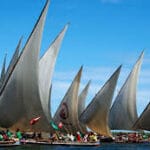
The Lamu Dhow Sailing Races are more than a local sport. They are living proof of the Swahili coast’s history, pride, and connection to the sea. Held during key festivals like Maulidi and Lamu Cultural Festival, these races turn the Indian Ocean into a stage for fierce competition and unmatched artistry. Also Read:Dhow House Lamu: A Hidden Gem in Kenya A Detailed Explanation of the Lamu Dhow Races Lamu, a UNESCO World Heritage site off the coast of Kenya, is one of the few places where traditional dhows still dominate the horizon. These wooden sailing vessels—built without nails and powered solely by wind and human will—are raced by local crews in timed events that test balance, speed, and strategy. Each race pits experienced sailors against the elements, steering hand-built dhows across challenging tides. These races attract both tourists and locals, offering a rare look at centuries-old sailing traditions that continue to thrive. What Is a Dhow? These boats were once used for trading across the Indian Ocean. Today, they serve as cultural icons and racing machines. When Do the Races Take Place? The most anticipated dhow races are held during: Why These Races Matter Dhow sailing is not a tourist gimmick. It’s a way of life. Young boys in Lamu learn to sail as early as age 10. For many, racing a dhow is a badge of honor, a test of skill, and a display of respect for Swahili heritage. The races matter because they: The Building of a Dhow No blueprints. No power tools. A dhow begins with a keel—a central spine—then ribs are shaped and attached using wooden pegs. Cotton cloths soaked in oil are used for sealing. Sails are cut and stitched by hand. This process takes weeks, sometimes months. Every curve, every joint is precise. A small mistake could lead to water leaks or poor wind performance. Tools Used Key Facts Wind and Water Strategy Lamu’s sailors don’t rely on GPS or compasses. They read the wind, water, and tide by eye and instinct. Racing strategies include: Crew coordination is critical. One misstep can slow the boat or cause capsizing. Types of Races There are two main race formats: Winners often receive cash prizes, trophies, and community respect. Community Involvement Dhow races are deeply communal. Men build and race the boats. Women and children cheer from the shoreline. Local elders judge the races and handle disputes. Before the race, families gather to bless the crew and vessel. Afterward, celebrations include drumming, dancing, and Swahili feasts of pilau, grilled fish, and coconut stew. The Experience for Visitors Watching a dhow race is immersive and loud. You’ll hear drumbeats, laughter, and the flap of heavy sails. Crowds gather along the beaches. The scent of the sea mixes with spiced rice and charcoal-grilled seafood. Tips for Attending: Tourists can also join sailing excursions on non-race days. Some operators offer sunset cruises, fishing trips, or island hopping tours in traditional dhows. Conservation Through Culture Preserving dhow culture supports both heritage and the environment. Hand-built dhows have a low carbon footprint. They rely on wind, not fuel. Supporting local craftsmen keeps money within the community and reduces dependence on imports. Cultural tourism tied to dhow races helps fund: Why Lamu Is Unique Unlike other coastal towns, Lamu has resisted overdevelopment. There are no cars. People walk or use donkeys. The town’s coral stone buildings and narrow alleys remain unchanged. This timeless setting makes the races even more powerful. Watching a dhow speed past the horizon feels like time travel. Challenges Facing Dhow Racing Despite its beauty, dhow sailing faces threats: NGOs and local groups are now stepping in with training, sponsorship, and awareness campaigns to keep the tradition alive. How You Can Support Supporting dhow culture helps preserve a vanishing skill and way of life. 10 FAQs About Lamu Dhow Sailing Races 1. What is a dhow? A traditional wooden sailboat used along the Swahili coast, powered by a triangular sail. 2. Where are the races held? Mainly off Lamu Island, around Shela, Manda, and the surrounding archipelago. 3. When is the best time to see a dhow race? During the Maulidi Festival (Rabi’ al-Awwal), Lamu Cultural Festival (November), or New Year’s Eve. 4. How long is a typical race? From 30 minutes for short races to over 2 hours for longer ones. 5. Can tourists participate? Not in the official races, but some tours offer sailing experiences with local crews. 6. Are the boats safe? Yes. They are expertly built and maintained, with generations of experience behind them. 7. Who builds the dhows? Local craftsmen, many of whom learned the skill from their fathers and grandfathers. 8. Are there women sailors? Traditionally, crews are male, but women participate in planning, logistics, and celebration. 9. What does a dhow race cost to watch? Most are free to watch from the beach or harbor. 10. Is Lamu safe for tourists? Yes. Lamu is generally safe and welcoming. Follow basic travel safety tips and local advice. Final Thoughts Lamu’s dhow races are not a relic. They are a living, breathing tradition. When the wind fills the sail and the crowd roars, it’s clear—this is not a show. It’s a centuries-old passion kept alive by skill, pride, and the power of the sea.

Coastal Kenya

Malindi Deep Sea Fishing Tournament

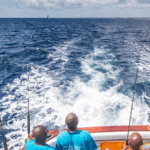
The Malindi Deep Sea Fishing Tournament is East Africa’s top destination for sportfishing enthusiasts. Held annually off the Kenyan coast, this high-stakes event attracts anglers from around the world who come to chase marlin, sailfish, and tuna in one of the richest marine environments on the planet. Also Read:The Best Mombasa Beaches  A Detailed Explanation of the Tournament’s Appeal What Makes Malindi Ideal for Sportfishing? Malindi sits on the edge of the East African continental shelf. The drop-off into deep waters is quick and close to shore. This means you get to deep-sea fishing zones faster than in most global locations. The Indian Ocean currents bring in baitfish. These attract larger predators like blue marlin, black marlin, striped marlin, sailfish, yellowfin tuna, and dorado. It’s one of the few places where you can catch all three types of marlin in one trip. When Does It Happen? The tournament usually runs in October. This coincides with the migration of pelagic species through the area. It also avoids the rainy seasons, giving anglers calm seas and clear skies. Who Participates? Where Does It Launch From? All boats depart from Malindi’s main jetty. Pre-registered teams get briefed on safety, fish-tagging rules, and scoring procedures the evening before. How the Tournament Works Entry Requirements You need: Categories Scoring System Equipment Allowed Conservation Rules What You Can Expect On the Water Types of Fish You Might Encounter Common Tactics Boat Setup Why Anglers Keep Coming Back Fast Access to Deep Water You can be fishing within 30 minutes of leaving shore. Other tournaments require hours of travel. High Fish Density In peak season, you’ll get multiple strikes per hour. This keeps competition fierce. Skill Level Diversity You don’t need to be an expert. Local charters provide all gear, guides, and coaching. Reliable Weather October provides calm seas, clear skies, and minimal rainfall. Perfect fishing conditions. Global Camaraderie The tournament draws international teams. It’s a mix of competition and celebration. The Local Economy Benefits Too The event brings: Many local vendors rely on this event to earn a large share of their annual income. How to Join as a Tourist Family-Friendly and Inclusive Where to Stay Options range from beachfront resorts to eco-lodges. Book at least 3 months in advance. Tips for First-Time Anglers How to Win Notable Past Moments The Role of Conservation The tournament partners with: This ensures sustainable fishing practices and long-term marine health. Local Voices Final Thoughts The Malindi Deep Sea Fishing Tournament is more than a competition. It’s a celebration of skill, conservation, and community. Whether you’re a seasoned angler or a curious traveler, it offers an unforgettable experience in one of the world’s most vibrant marine ecosystems. Top 10 FAQs About the Malindi Deep Sea Fishing Tournament

Coastal Kenya

Foodie’s Guide to Coastal Festival Cuisine

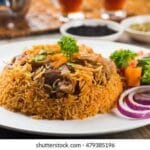
Coastal festivals are a feast for your senses. The sound of waves, the smell of salt air, and the sight of open-fire grills tell you one thing: you’re in the right place for good food. Here’s how to navigate the vibrant world of coastal festival cuisine. From street eats to traditional dishes, this guide will help you find the best bites, understand what to expect, and eat like a local. Also Read:9 Local foods in Kenya You Need to Try in 2025 A detailed explanation of coastal festival cuisine Coastal cuisine changes with geography. But one rule stays true: it revolves around freshness. Most dishes use seafood, tropical ingredients, and traditional methods like grilling and steaming. At festivals, these foods are served in fast, flavorful, and sometimes flamboyant ways. Expect open fires, smoky flavors, and dishes made right in front of you. Vendors focus on speed and taste. You’ll find everything from grilled oysters in Louisiana to coconut fish curries in Mombasa. Understanding regional variations helps you eat smarter. What Makes Coastal Festival Food Special? Popular Coastal Festival Dishes by Region Here’s a breakdown of dishes you should try depending on where your festival takes you. East Africa – Kenyan Coast Most are served with flatbreads or rice. Spices are bold but balanced. United States – Gulf Coast Southern influences bring spice, smoke, and soul to every plate. Southeast Asia – Thailand, Vietnam Street vendors prepare dishes fast, often over charcoal grills. South America – Brazil, Peru Tropical ingredients meet African and Indigenous cooking styles. How to Eat Smart at a Coastal Festival Knowing what to eat is one thing. Knowing how to eat smart is better. Here’s how to avoid long lines and food fatigue. 1. Show Up Hungry, But Not Starving Being too hungry might make you settle for the first stall. Scan the whole area first. 2. Ask Locals Locals know which vendors serve authentic dishes. If a stall has a line, it’s probably worth the wait. 3. Share Dishes You’ll want to try many foods. Sharing allows you to sample more without feeling stuffed. 4. Watch Before You Buy Observe how food is cooked. Look for hygiene and freshness. 5. Eat What’s Cooking Skip the pre-made trays. Go for grilled or fried foods made in front of you. Ingredients to Watch For Certain ingredients appear often in coastal cuisines. Understanding them helps you know what you’re eating. Cooking Methods That Dominate Festivals Most coastal festival foods are cooked fast and hot. Here are the top methods you’ll see: Grilling The king of coastal cooking. Fish, shrimp, or meat on open flames. Smoke adds flavor fast. Frying Used for everything from fish to dough. Often in large woks or deep pans. Steaming A healthier option. Fish or dumplings cooked in banana leaves or metal trays. Smoking Used in parts of the U.S. Gulf and Caribbean. Adds deep, rich flavor to meats and seafood. Don’t Miss These Festival-Only Treats Some dishes only appear during festivals. Don’t skip them. Drinks That Pair Well With Coastal Cuisine Food is only half the story. Drinks matter too. Here are common pairings: Always check for locally made juices, brews, or spiced drinks. They’re part of the experience. Food Safety Tips for Festivals You’ll be eating outdoors, often in heat. Here’s how to stay safe. Why Festival Food is Worth the Trip Food at coastal festivals tells stories. Each bite reflects history, trade, and culture. You eat what locals love. You taste a place, not just its ingredients. These events offer a crash course in local cuisine. You’ll learn how spices, fish, and fire create unforgettable dishes. Better yet, you’ll eat them with music in the background and sand under your feet. 10 Frequently Asked Questions 1. Are coastal festivals safe for eating street food? Yes, if you follow hygiene rules. Stick to busy stalls with high turnover. 2. What’s the best time to eat at a festival? Late morning or early evening. Lines are shorter, and vendors are still fresh. 3. Can I eat seafood if I have allergies? No. Coastal festivals often use shared grills. Cross-contamination is likely. 4. Are vegetarian options available? Yes. Look for bean dishes, grilled veggies, and coconut-based foods. 5. How much should I budget? $20–$50 depending on location. Share plates to maximize value. 6. Is tipping expected at food stalls? Not always, but rounding up is appreciated. 7. How do I know if a dish is spicy? Ask before ordering. In many regions, spice levels vary. 8. Should I drink tap water at festivals? No. Stick to bottled or sealed drinks unless you’re sure of the source. 9. Are credit cards accepted? Many vendors are cash-only. Carry small bills. 10. How do I avoid long lines? Arrive early, eat off-peak, and look for lesser-known vendors with quality food. Coastal festival food is more than a meal. It’s an invitation to experience culture, community, and craft through taste. Use this guide to eat smart and savor every bite.

Coastal Kenya

Family-Friendly Festivals at the Kenyan Coast

Looking for safe, fun, and affordable family festivals at the Kenyan Coast?  Here’s where culture meets kid-friendly fun without breaking the bank. Also Read:Best Accommodation in Mombasa Town A Detailed Explanation of Family-Friendly Festivals at the Kenyan Coast The Kenyan Coast is more than beaches. It hosts festivals packed with music, food, art, and culture — all suitable for families. Many events cater to children with workshops, games, and entertainment. Parents find safe spaces and activities that engage the whole family. Below is a breakdown of family-friendly festivals you should consider. 1. Lamu Cultural Festival Location: Lamu IslandTime: NovemberFocus: Swahili heritage and coastal traditions This is a peaceful, educational festival. Children see dhow races, donkey races, henna painting, and Swahili poetry. Parents enjoy exhibitions, traditional music, and local cuisine. Why it works for families: 2. Mombasa Carnival Location: Mombasa CityTime: NovemberFocus: Multicultural parades and performances The Mombasa Carnival is Kenya’s most colorful street event. Different communities showcase traditional dances, music, and floats. Family benefits: 3. Kilifi New Year Festival Location: Kilifi Creek Time: Late December to early JanuaryFocus: Music, art, and eco-conscious living This is more alternative in style. But it includes a dedicated kids’ zone. There are supervised play areas, eco-workshops, and storytelling tents. Good to know: 4. Diani Beach Festival Location: Diani, South CoastTime: DecemberFocus: Sports, food, and beach fun Diani Beach Festival is activity-packed. It mixes sports like beach volleyball with cultural shows and music. For families: 5. Lamu Yoga Festival Location: Shela, Lamu IslandTime: MarchFocus: Wellness and mindfulness Though not a typical festival, this offers quiet bonding time for families. There are sessions for beginners, children, and parents. Why families love it: 6. Mombasa International Cultural Festival Location: MombasaTime: VariesFocus: Heritage and global cultures This is often held at Fort Jesus or public parks. Schools and cultural groups take part. Performances are educational and inclusive. Ideal for: 7. Maridadi Festival Location: WatamuTime: AugustFocus: Art, design, and local talent This is a smaller, boutique-style festival. It’s hosted near hotels and resorts. Kid-friendly perks: 8. Swahili Food Festival Location: Malindi, MombasaTime: April (dates vary)Focus: Swahili culinary traditions Children often enjoy cooking classes and food-tasting games. There’s space to sit and eat safely. Why families attend: What Makes These Festivals Truly Family-Friendly? Safety: All listed events have local security teams, crowd control, and family zones. Cultural exposure: They include music, dance, crafts, and stories. Children learn through experience, not screens. Accessibility: Held near main towns, resorts, or ferry routes. Affordable lodging nearby. Affordability: Entry is free or low-cost. Most food and activities are budget-friendly. How to Plan for Family-Friendly Festivals at the Coast 1. Check Schedules Early Some festivals change dates annually. Confirm with organizers or local tourism boards. 2. Book Family-Friendly Stays Look for hotels with kids’ pools, babysitting, and transport to festival venues. 3. Prepare for the Heat Pack sunscreen, hats, and refillable water bottles. 4. Keep Identification Handy Give each child a wristband with your contact details. 5. Carry Snacks and First Aid Food stalls may have long lines. Bring backup. Carry basics like plasters, wipes, and allergy meds. What to Avoid Travel Tips for Families Attending Coastal Festivals Transport: Use reputable taxi services or shuttle buses. Avoid late-night rides. Food: Stick to vendors with good hygiene ratings. Choose freshly cooked meals. Health: Visit a clinic before travel. Carry mosquito repellent. Confirm festival sanitation facilities. Budgeting for a Coastal Festival Trip Transport (Round trip): Nairobi to Mombasa SGR: Ksh 1,000–2,000 per personLocal taxi: Ksh 200–1,000 Accommodation: Budget hotel: Ksh 3,000–5,000 per night for a family roomAirbnb: Ksh 4,000–7,000 per night Food: Festival snacks: Ksh 100–300Local meals: Ksh 200–600 Tickets (if any): Most are free or under Ksh 500 for adults. Children often enter free. Local Insights from Coastal Parents Best Times to Visit for Family Festivals Families exploring the Kenyan coast can do more than swim. Festivals offer a fun, cultural, and affordable way to bond, learn, and celebrate together. Whether it’s a dhow race in Lamu or music by the beach in Kilifi, your kids will remember the coast as more than sand and sea — they’ll remember the culture, the people, and the fun. FAQs 1. Are these festivals safe for toddlers? Yes. Most offer kids’ zones and clean spaces for families. 2. Are there family toilets at the venues? Yes, especially in major festivals like Kilifi and Mombasa Carnival. 3. Is food safe for kids? Vendors are screened. Still, carry snacks and check for allergens. 4. What should I pack for the kids? Comfortable shoes, swimwear, sunscreen, a hat, refillable water bottle. 5. Do I need to book tickets? Not always. Some require advance booking. Check online pages. 6. Are pets allowed? Rarely. Confirm with festival organizers. 7. What’s the best festival for first-timers? Lamu Cultural Festival. It’s calm, authentic, and well-managed. 8. Can I attend with a baby? Yes. Choose day events with shade and rest areas. 9. Are hotels nearby affordable? Yes. Plenty of budget and mid-range stays exist near festival zones. 10. What about transport to remote festivals? Many have shuttle options. Ask hotel or festival help desks.

Coastal Kenya

Diani at Night: Where to Eat, Dance, and Chill During Festival Season

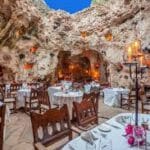
Diani isn’t only about sun, sand, and surf. When the sun sets, especially during festival season, the coast comes alive in new ways. Streets hum with music. Beach bonfires light up the shoreline. Restaurants fill up with travelers from around the world. The nightlife here isn’t chaotic. It’s curated. It’s chill. But it’s also full of energy—if you know where to look. This guide walks you through the best spots to eat, party, and relax in Diani after dark. Whether you’re here for New Year’s Eve or the Lamu Cultural Festival after-party, you’ll find something that suits your mood and budget. Also Read:Best Hotels in Diani Beach, Mombasa, Kenya: A Comprehensive Guide A Detailed Explanation of Diani’s Festival Season Vibe Diani is always warm. But it gets hot during festivals. The high season peaks in December, with Christmas, New Year’s Eve, and full-moon beach parties drawing hundreds. Easter, Madaraka Day, and other local holidays also bring vibrant night events. Most resorts and clubs extend their hours. Restaurants stay open past midnight. DJs, both local and international, spin at beachfront lounges. The mix of cultures, from Nairobi city slickers to global backpackers, makes for a uniquely Kenyan vibe—laid-back, expressive, fun. Still, Diani is not a wild party town. You choose the pace. You can sip a coconut cocktail under the stars, sway to reggae near the tide, or dance until sunrise. The scene is diverse. Where to Eat: Diani’s Top Night Restaurants 1. Ali Barbour’s Cave Restaurant 2. Nomad Beach Bar & Restaurant 3. The Salty Squid 4. Sails Beach Bar & Restaurant 5. Tiki Bar Diani Where to Dance: Clubs and Beach Parties 6. Shakatak Disco 7. Tandoori Club Diani 8. Bidi Badu Beach Lounge 9. Safari Beach Hotel – Full Moon Parties 10. Kokkos Lounge Where to Chill: Relaxed Evenings and Quiet Corners 11. Forty Thieves Beach Bar (Pop-up Events) 12. Soul Breeze Lounge at Soul Breeze Resort 13. Bahari Dhow Garden Bar 14. Outside the Box Café 15. DIY Chill at Sand and Sea Hammocks Tips for Getting Around Safely at Night Essential Festival Season Safety Tips Budget Breakdown: What You’ll Spend on a Night Out Activity Budget (KES) Dinner at Nomad or Sails 2,500–5,000 Club Entry + 3 Drinks 1,500–3,000 Chill Lounge with Shisha 1,200–2,500 Street Food + Beer at Tiki 800–1,200 Tip: Always carry a mix of cash and Mpesa. Some spots don’t take cards. When to Go Out Local Food to Try at Night Hidden Gems to Ask Locals About Final Thoughts Diani after dark is an experience in itself. From cave restaurants and beach parties to moonlit lounges and shisha bars, the coastal town has something for every type of night owl. Festival season brings out the best energy, flavors, and sounds. The key is to pace yourself, stay curious, and enjoy what’s around the next corner. Whether you came for the sun or stayed for the night, Diani won’t disappoint. 10 FAQs About Diani at Night During Festival Season 1. Is Diani safe at night? Yes, but use common sense and stay in groups. 2. Can I drink on the beach? Yes, though some areas discourage it. Keep it low-key. 3. Are the beaches crowded at night? Only during major events or holidays. Otherwise, they’re peaceful. 4. Do I need to book dinner reservations? For high-end spots during festivals—yes. 5. What’s the best club for international music? Tandoori plays the widest global mix. 6. Where do locals go to party? Shakatak and Tiki are local favorites. 7. What time do parties usually start? Most events heat up by 10 PM. 8. Is there a dress code? Beach casual is fine. Some clubs prefer covered shoes. 9. What should I avoid? Avoid isolated beach walks or dark shortcuts. 10. Can I walk from one spot to another? Some are walkable, but take a tuk-tuk after dark.

Accomodation, Coastal Kenya, Hotels

Top Restaurants in Malindi: Where to Eat, Drink & Savor

Looking to satisfy your culinary cravings on Kenya’s coast? Restaurants in Malindi offer more than just good food—they serve rich cultural experiences flavored with Italian heritage, Swahili tradition, and the freshest seafood straight from the Indian Ocean. Whether you’re hunting for authentic pasta, spiced samaki wa kupaka, or a beachside cocktail at sunset, Malindi’s dining scene is a delicious adventure. This blog will guide you through the best restaurants in Malindi to suit every mood, budget, and palate. A Deep Dive into the Best Restaurants in Malindi Why Malindi Is a Hidden Culinary Gem Situated along the northern coast of Kenya, Malindi is famous for its laid-back beach vibes, warm hospitality, and rich historical influences. But what many don’t realize is that restaurants in Malindi are among the most diverse and high-quality in East Africa. Italian settlers brought their recipes, Swahili culture added spice, and the local fishermen ensured the freshest catch of the day. The result? A melting pot of deliciousness you’ll be dreaming about long after your vacation ends. 1. Osteria Beach – Italian Excellence on the Sand Among the most iconic restaurants in Malindi, Osteria Beach combines Italian fine dining with tropical relaxation. Picture wood-fired pizzas, homemade pasta, and tiramisu served steps from the ocean. It’s a bit on the pricey side, but the atmosphere, service, and flavors are worth every shilling. 2. Baby Marrow – Art Meets Fine Dining Located in the heart of town, Baby Marrow doubles as an art gallery and fine dining restaurant, making it a standout among restaurants in Malindi for creative souls. The indoor-outdoor ambiance and thoughtful plating make this a great spot for cultured travelers seeking more than just a meal. 3. Seafront Swahili Dishes – Local, Flavorful, Authentic If you’re craving a taste of Kenyan coastal cuisine, this gem delivers. Tucked beside the ocean and favored by locals, Seafront Swahili Dishes offers a flavorful experience you won’t find in tourist traps. For a genuine Swahili food experience, this is one of the must-visit restaurants in Malindi. 4. The Old Man and the Sea – A Nautical Dining Delight Inspired by Hemingway’s classic, The Old Man and the Sea is a rustic, charming restaurant known for generous portions and a sea-themed ambiance. It’s a long-time favorite for tourists and expats, firmly placing it among the legendary restaurants in Malindi. 5. La Rosada – Beachfront Vibes and Pizza Perfection La Rosada is where the locals and expats go for a slice of pizza heaven. Set right on the beach, this casual eatery offers cold drinks, live music, and perfect thin-crust pizza. It’s affordable, consistent, and fun—one of the more casual yet unforgettable restaurants in Malindi. 6. White Elephant Restaurant – Elegant, Artistic, Eclectic This hidden gem is located inside the White Elephant Sea Lodge and offers a mix of gourmet dining and visual art. If you’re after a culinary experience that stimulates all your senses, this is a must-visit among restaurants in Malindi. 7. Non Solo Gelato – Sweet Treats and Light Bites You can’t leave Malindi without tasting the town’s best gelato—and that’s at Non Solo Gelato. This charming spot is proof that the best restaurants in Malindi aren’t always full-service meals—sometimes, they’re about that one unforgettable bite. 8. Malaika Estro – The Upscale All-Rounder For those seeking a high-end experience, Malaika Estro is all about sophistication, from its wine list to its white-linen service. It’s one of the more upscale restaurants in Malindi, ideal for celebrations or business dinners. 9. Barefoot Beach Camp Café – Relaxed and Rustic This beach café offers a rustic, bohemian vibe with wooden benches, fresh seafood, and sweeping ocean views. For a low-key afternoon with your toes in the sand and a plate of grilled prawns, this is the ultimate escape among restaurants in Malindi. 10. Simba Dishes – Street Food Legend If you’re more of a street food enthusiast, Simba Dishes is the go-to local joint that captures the spirit of Malindi through every bite. For backpackers, students, and foodies looking for the real deal, this place holds its own in the lineup of restaurants in Malindi. Also read:Discover Culinary Gems: Top Restaurants Malindi to Savor 🥘 Final Thoughts on Restaurants in Malindi Whether you’re dining on an oceanside deck or munching on spicy street food from a plastic plate, restaurants in Malindi promise variety, flavor, and authenticity. From luxurious lobster dinners to finger-licking Swahili curries, Malindi’s culinary scene is as rich as its history. No matter your budget or taste, one thing’s for sure—you’ll never go hungry in this coastal paradise. Frequently Asked Questions (FAQs) 1. What types of food can I find in Malindi? You’ll find Italian, Swahili, seafood, international, and street food across various restaurants in Malindi. 2. Are there vegetarian options in Malindi restaurants? Yes! Many places, especially Italian and Swahili eateries, offer plant-based dishes like veggie pasta, beans, and vegetable stews. 3. Which restaurants in Malindi are kid-friendly? Osteria Beach, La Rosada, and The Old Man and the Sea are great for families with children. 4. What’s the best time to go out for dinner in Malindi? Evenings between 6 PM and 9 PM are ideal. Some restaurants close early, so always check ahead. 5. Can I pay by card at most restaurants? Larger restaurants accept cards, but it’s best to carry cash for smaller spots and tips. 6. Are seafood dishes safe to eat in Malindi? Yes—especially at reputable restaurants in Malindi, where seafood is fresh and well-prepared. 7. Are there halal restaurants in Malindi? Yes, several Swahili and local restaurants offer halal-certified meals. 8. What’s the average meal cost in Malindi? Street food: $1–$3; Mid-range restaurants: $10–$20; High-end spots: $30+ per person. 9. Do restaurants in Malindi serve alcohol? Yes, most international and Italian restaurants serve wine, beer, and cocktails. 10. Do I need to book reservations? Not always, but for fine dining restaurants like Malaika Estro or Osteria, it’s smart to reserve ahead.

Accomodation, Coastal Kenya, Hotels

Top 5 Star Hotels in Mombasa North Coast

Mombasa North Coast is a stunning destination where golden beaches meet turquoise waters and where luxury travelers can unwind in style. If you’re planning a premium escape to Kenya’s coastal gem, knowing the best 5 Star Hotels in Mombasa North Coast can transform your trip into an unforgettable experience. From world-class amenities to impeccable service, let’s uncover your perfect tropical retreat. In this article, we dive deep into the most luxurious hotels along Mombasa’s northern coastline. You’ll discover where to stay, what to expect, and how to make the most of your seaside escape. A Detailed Explanation of 5 Star Hotels in Mombasa North Coast Here’s a curated list of the top-rated luxury hotels that define elegance and comfort in this coastal paradise: 1. Serena Beach Resort & Spa – A Timeless Swahili-Inspired Haven Nestled in the quiet suburb of Shanzu, Serena Beach Resort & Spa is a serene escape that brings Swahili charm to life with its intricate architecture, lush gardens, and beachfront views. As one of the most culturally immersive 5 Star Hotels in Mombasa North Coast, it exudes elegance, tranquility, and tradition in equal measure. Highlights: Best for: Activities: 2. Sarova Whitesands Beach Resort & Spa – Where Family Fun Meets Corporate Class Situated right on the famous Bamburi Beach, Sarova Whitesands offers an expansive and dynamic experience. From corporate retreats to tropical weddings, this iconic resort strikes the perfect balance between leisure and luxury. Among the 5 Star Hotels in Mombasa North Coast, it is distinguished by its sheer scale and world-class service. Facilities: Dining: Who it suits: 3. Voyager Beach Resort – Set Sail on a Nautical Adventure Voyager Beach Resort, located in Nyali, delivers a playful yet luxurious all-inclusive holiday reminiscent of a luxury cruise. Known for its themed evenings and family-friendly vibe, this hotel is among the most engaging and experiential 5 Star Hotels in Mombasa North Coast. Unique Offerings: Perfect For: Extras: 4. Sun Africa Beach Resort – Boutique Luxury with a Cultural Twist Sun Africa Beach Resort offers an exceptional blend of modern elegance and Afro-Arabic charm, setting it apart from the traditional hotel chains along the coast. Perched atop a quiet stretch of Nyali Beach, it delivers an intimate, personalized experience that places it firmly among the finest 5 Star Hotels in Mombasa North Coast. Special Features: Target Guests: Nearby Attractions: 5. The Reef Hotel – Coastal Charm Meets Nightlife Energy The Reef Hotel, located in the heart of Nyali, is where tradition meets contemporary beach culture. A long-standing icon on the Mombasa hospitality scene, this hotel caters to guests who seek a balance of daytime relaxation and nighttime excitement. Best For: Perks: Notable: Also read:Best Accommodation in Mombasa Town: Affordable & Stunning Stays Why Choose a 5 Star Hotel in Mombasa’s North Coast? Thinking about a high-end coastal retreat in Kenya? Here’s why staying at any of the 5 Star Hotels in Mombasa North Coast is worth every dollar. 🌟 Unmatched Security and Peace of Mind You’ll enjoy 24/7 security services, private entrances, and professional concierge assistance. These hotels go above and beyond to ensure guests feel safe, comfortable, and cared for—whether you’re relaxing on the beach or heading out on an excursion. 🌴 Premium Amenities That Define Coastal Luxury From infinity pools overlooking the ocean to spa centers offering East African-inspired therapies, luxury is embedded in every corner. You’ll also find business lounges, gyms, yoga decks, and even private butler services in some resorts. 🍽️ World-Class Dining That Celebrates Kenyan and Global Cuisine Savor everything from grilled seafood and fresh coconuts to Mediterranean, Indian, and Swahili fusion dishes. Many resorts offer live cooking stations, themed dinners, and beachfront bars, making each meal an experience in itself. 🛫 All-Inclusive Convenience with Value-Added Experiences Many of these 5-star resorts offer complimentary airport transfers, curated tours to marine parks, and access to exclusive beach zones. You’ll also enjoy eco-conscious experiences, including wildlife conservancies, coral reef preservation, and community tourism programs. Are These Hotels Family Friendly? Absolutely! One of the greatest advantages of staying at 5 Star Hotels in Mombasa North Coast is how well they cater to families of all sizes and ages. These resorts have been thoughtfully designed to ensure that both parents and children have a memorable and stress-free vacation. Many hotels offer kids’ clubs staffed with trained professionals, keeping young ones entertained with supervised activities like beach games, arts and crafts, treasure hunts, and movie nights. For parents seeking a bit of downtime, babysitting services are also available upon request, allowing adults to relax at the spa or enjoy a romantic dinner. Families can also benefit from spacious suites with connecting rooms, ensuring privacy without separation. These accommodations are often equipped with amenities like child-sized beds, bathtubs, and even special welcome packs for kids. Ideal Time to Book Your Stay While the North Coast of Mombasa enjoys a warm tropical climate throughout the year, the best time to experience 5 Star Hotels in Mombasa North Coast depends on your travel priorities—weather, crowd levels, or special occasions. Wrapping Up: Finding the Perfect 5 Star Hotel in Mombasa North Coast Luxury travel to the Kenyan coast doesn’t get better than this. From beachside bliss to cultural charm, the 5 Star Hotels in Mombasa North Coast offer an irresistible mix of hospitality, elegance, and tropical serenity. Whether you’re planning a honeymoon, a business escape, or a well-earned family vacation, this slice of paradise awaits with open arms and a chilled coconut. Frequently Asked Questions 1. What’s the best time to visit Mombasa North Coast? July to October and December holidays offer the best weather and activities. 2. Are 5-star hotels in Mombasa safe? Yes, they have professional security, surveillance, and emergency support. 3. What are the average prices per night? Expect $120–$450 depending on the season and hotel. 4. Do these hotels offer airport transfers? Most provide airport pickup and drop-off—check when booking. 5. Are the hotels all-inclusive? Many offer all-inclusive packages including meals, drinks, and activities. 6. Can I

Coastal Kenya

7 Jaw-Dropping Facts About Swahili Language and Culture

Swahili language and culture: Are you interested in learning about Swahili language and culture? Whether you’re a curious traveler or someone seeking to explore East Africa’s diverse traditions, Swahili offers a window into a rich cultural heritage that has spanned centuries. In this article, we’ll dive deep into the fascinating origins of the Swahili language, explore the customs and traditions that make Swahili culture unique, and understand how Swahili continues to shape the identity of millions across East Africa and beyond. A Detailed Explanation of the Swahili Language and Culture What Is the Swahili Language, and Where Did It Originate? The Swahili language, known locally as Kiswahili, is a Bantu language spoken by millions across East Africa. But how did Swahili come to dominate such a vast region? Swahili originated from the East African coast, evolving as a lingua franca for trade between African, Arab, Persian, and Indian merchants. It combines Bantu roots with influences from Arabic, Persian, Portuguese, and even some Indian dialects. This blend of languages makes Swahili not only a communication tool but also a reflection of East Africa’s multicultural history. Today, Swahili is spoken by over 100 million people and is an official language in countries like Tanzania, Kenya, Uganda, and even parts of DR Congo. It plays a key role in unifying different ethnic groups across these regions. The History of the Swahili People The Swahili culture is as diverse and colorful as the language itself. Swahili people, or Waswahili, primarily live along the coast of East Africa, stretching from Somalia in the north to Mozambique in the south. Historically, the Swahili civilization developed from a mix of local African communities and traders from the Middle East and India. This contact began around the 1st century AD, and by the 8th century, Swahili city-states, such as Kilwa and Mombasa, became thriving centers of trade. These ports were not just places of commerce but also hubs of cultural exchange. As Swahili culture grew, so did the influence of Islam, which was brought by Arab traders. Islam became a crucial part of Swahili identity, and today, most Swahili people are Muslim. This integration of faith has played a huge role in shaping the region’s art, architecture, and daily life. Swahili Customs and Traditions Swahili customs are a blend of African traditions and Islamic practices. The Swahili people observe various ceremonies and events that celebrate both religious and cultural aspects of life. Some of the most notable Swahili traditions include: Swahili Food and Cuisine Swahili cuisine reflects the coastal lifestyle of the Swahili people. Given the region’s proximity to the Indian Ocean, seafood is a staple in Swahili cooking. But the Swahili kitchen also features a fusion of African, Arabic, Indian, and Portuguese influences. Some signature Swahili dishes include: The use of coconut is prominent in many Swahili dishes, and Swahili cuisine is known for its fragrant, aromatic spices like cloves and cardamom. The Importance of Swahili Language in East Africa Swahili serves as the linguistic bridge between different ethnic communities in East Africa. The language transcends ethnic barriers, allowing people from various tribes and regions to communicate effortlessly. This aspect has made Swahili essential for national unity in countries like Tanzania, where over 120 different ethnic groups exist. In Tanzania, Swahili is the official language of government and education, helping to foster a sense of national identity. Kenya also uses Swahili as a national language, and it is taught in schools from an early age. Uganda and Rwanda are adopting Swahili more widely, particularly in trade and diplomacy, making it a cornerstone of regional integration. Swahili Influence on Art and Music Swahili culture has greatly influenced East African art and music. One of the most recognizable forms of Swahili music is Taarab, a genre that blends African rhythms with Arabic instruments and melodies. Taarab is often performed at weddings and social gatherings, and its soulful lyrics typically focus on love and social issues. Swahili poetry, known as Ushairi, is another important aspect of the culture. Historically, Swahili poets would recite verses at community events, reflecting on themes like love, wisdom, and spirituality. Learning Swahili: Why It’s Worth the Effort If you’re considering learning Swahili, you’re not alone. The language’s simplicity and phonetic nature make it an accessible choice for beginners. Unlike many other African languages, Swahili is not tonal, which makes pronunciation easier. Moreover, learning Swahili can enhance your travel experience in East Africa. Understanding the language allows for deeper connections with locals, enabling you to immerse yourself in the culture fully. Whether you’re visiting the vibrant markets of Zanzibar, exploring the national parks of Kenya, or walking through the historic streets of Stone Town, knowing some Swahili will enrich your experience. How Swahili Promotes Sustainable Tourism Swahili-speaking regions, especially along the East African coast, are at the forefront of sustainable tourism efforts. Many tour operators and hotels in places like Zanzibar and Lamu prioritize eco-friendly practices that respect both the environment and local communities. By learning Swahili, tourists can engage more meaningfully with local communities, support community-led initiatives, and contribute to preserving the unique ecosystems of the region. FAQs about Swahili Language and Culture Swahili is spoken in Tanzania, Kenya, Uganda, Rwanda, DR Congo, and several other East African countries. Swahili is considered one of the easiest African languages to learn due to its straightforward grammar and non-tonal nature. ‘Hakuna Matata’ translates to “no worries” or “no problem.” Most Swahili people practice Islam, which significantly influences Swahili culture. Although Swahili has many Arabic loanwords, Swahili speakers typically do not speak Arabic unless they’ve studied it separately. Traditional Swahili foods include pilau, chapati, samosas, and coconut fish curry. Swahili poetry is known as Ushairi. Swahili weddings are grand events involving multiple ceremonies that celebrate both cultural and religious traditions. Swahili acts as a unifying language across ethnic groups in East Africa and is the official language of several countries. Taarab is a popular music genre in Swahili culture, blending African and Arabic influences.

Coastal Kenya

Top 10 Epic Diani Beach Escapes You Must See

Diani Beach: Have you ever wondered what makes Diani Beach one of the best beach destinations in Kenya? Nestled along the Indian Ocean coast, Diani Beach offers pristine white sands, lush green palms, and a serene atmosphere perfect for a getaway. Whether you’re looking to unwind by the beach or dive into thrilling water sports, Diani Beach has something for everyone. In this article, we’ll explore why Diani Beach is so popular among travelers, what activities you can do while you’re there, and the best places to stay. We’ll also delve into the vibrant culture of the coastal region, where you can enjoy local delicacies and learn about the rich Swahili traditions. A Detailed Explanation of Why Diani Beach is Kenya’s Top Beach Destination Diani Beach is a gem of the Kenyan coastline, stretching about 17 kilometers (10.5 miles) of powder-soft, white sands. Why is Diani Beach considered Kenya’s top beach destination? The answer lies in its breathtaking scenery, tranquil ambiance, and variety of activities that cater to all kinds of travelers. What Makes Diani Beach Special? 1. Stunning Natural Beauty One of the first things you notice about Diani Beach is the jaw-dropping beauty. The white sand contrasts brilliantly with the turquoise waters of the Indian Ocean. The beach is lined with palm trees, offering natural shade and adding to the tropical vibe. The crystal-clear water makes it ideal for swimming, and the calmness of the ocean provides the perfect environment for water sports like snorkeling and scuba diving. 2. Rich Marine Life The coral reefs along Diani Beach are teeming with life. If you’re an underwater enthusiast, snorkeling or diving will give you a chance to witness the vibrant marine ecosystem. The beach is home to diverse fish species, sea turtles, and even dolphins. One of the best places to explore marine life is the Kisite Mpunguti Marine Park, which is just a short boat ride from Diani. The park offers guided tours where you can see dolphins, colorful fish, and coral gardens. 3. Water Sports and Adventures For adventure lovers, Diani Beach is a paradise. It offers activities such as: 4. Luxurious Beachfront Resorts Diani Beach is known for its luxury accommodations, which range from budget-friendly hotels to all-inclusive resorts. Some of the best places to stay include: 5. Proximity to Safari Destinations If you’re someone who loves both beaches and safaris, Diani Beach gives you the best of both worlds. It’s close to some of Kenya’s best national parks and reserves. A short drive away is Shimba Hills National Reserve, where you can see elephants, leopards, and the rare Sable Antelope. Combining a beach vacation with a safari is a unique way to experience the diverse landscapes Kenya has to offer. Things to Do in Diani Beach Now that we’ve covered why Diani Beach is a top destination, let’s dive into the activities you can enjoy while you’re there. 1. Explore the Coral Reefs For nature lovers, the coral reefs are a must-see. Snorkeling and diving are the best ways to experience the vibrant underwater world. You can explore the colorful corals, swim with schools of fish, and even spot turtles. 2. Visit Colobus Conservation Diani Beach isn’t just about the sea; it’s also home to the Colobus Conservation, a sanctuary dedicated to protecting the endangered Angolan Colobus monkeys. Visitors can take guided tours of the forest and learn about conservation efforts aimed at preserving this species. 3. Go for a Sunset Cruise A Dhow Sunset Cruise is a romantic and relaxing way to end your day. These traditional Swahili boats take you along the coastline at sunset, offering stunning views of the horizon while you sip on cocktails. 4. Day Trip to Wasini Island Located just off the coast, Wasini Island is famous for its incredible coral reefs and dolphin watching. You can spend the day exploring the island, visiting the Shimoni Caves, or enjoying a seafood lunch. 5. Shopping and Dining in Diani For those who love shopping, Diani Beach has several markets where you can buy local crafts, jewelry, and souvenirs. The Diani Shopping Centre is a good spot for finding unique items. Dining in Diani is a treat, with a variety of restaurants offering both local Swahili dishes and international cuisines. Be sure to try the freshly caught seafood! When to Visit Diani Beach Diani Beach is enjoyable year-round, but the best time to visit is during the dry season, from June to October and December to March. During these months, the weather is sunny and dry, perfect for outdoor activities. The off-season, from April to May, is the rainy season, which may limit some outdoor adventures. Where to Stay in Diani Beach Whether you’re looking for luxury, budget-friendly stays, or something in between, Diani Beach has options for everyone. 1. Luxury Stays 2. Budget-Friendly Options 3. Family-Friendly Resorts How to Get to Diani Beach Diani Beach is accessible via several modes of transport: 1. By Air The easiest way to get to Diani is by flying into Ukunda Airport, which is just a few kilometers from the beach. There are daily flights from Nairobi, Kenya’s capital. 2. By Road If you prefer road trips, Diani is about a 30-40 minute drive from Mombasa, the largest coastal city. You can hire a car or take a taxi. 3. By Ferry If you’re coming from Mombasa Island, you’ll take the Likoni Ferry across to the south coast, then drive to Diani. Safety and Travel Tips While Diani Beach is generally safe for tourists, it’s always good to keep a few safety tips in mind: Why Diani Beach Should Be Your Next Travel Destination In conclusion, Diani Beach is the perfect destination for travelers seeking both adventure and relaxation. With its stunning beaches, rich marine life, luxury resorts, and thrilling activities, it offers something for everyone. Whether you’re an adventurer looking to dive into the depths of the ocean or someone wanting to relax on the shore, Diani Beach will leave you with

Coastal Kenya

Top 7 Unforgettable Beaches of Kenya to Visit Now!

Beaches of Kenya: Are you planning a tropical getaway and wondering where to find the best beaches in Kenya? With its rich coastline along the Indian Ocean, Kenya is home to some of the most stunning beaches in Africa, offering white sandy shores, crystal-clear waters, and a perfect blend of culture, history, and adventure. In this article, we’ll take you on a journey along the Kenyan coast, showcasing the most popular beaches that are not only breathtaking but also offer unique experiences. From the luxurious shores of Diani Beach to the untouched beauty of Lamu Island, you’ll find all the details you need to plan the perfect beach holiday in Kenya. A Detailed Explanation of Kenya’s Most Popular Beaches What makes the beaches of Kenya so unique? The beaches of Kenya are a perfect blend of natural beauty, history, and vibrant culture. The country’s coastline stretches for about 536 kilometers along the Indian Ocean, featuring soft white sands, lush palm trees, and warm turquoise waters. Each beach has its own character, from laid-back fishing villages to lively resort towns, making Kenya an ideal destination for travelers looking for a variety of experiences. Let’s dive into the details of the top beaches in Kenya and what makes each of them stand out. 1. Diani Beach – A Tropical Paradise Located on the southern coast, about 30 kilometers from Mombasa, Diani Beach is perhaps the most famous and popular beach in Kenya. Known for its pristine white sands and warm turquoise waters, it has won numerous awards as one of Africa’s best beach destinations. 2. Watamu Beach – A Haven for Marine Enthusiasts Watamu Beach, located north of Mombasa near the town of Malindi, is a serene and picturesque destination. Known for its coral gardens and the Watamu Marine National Park, this beach is a haven for divers and snorkelers. 3. Malindi Beach – A Historic Coastal Town Malindi Beach combines the beauty of a Kenyan coastal destination with a fascinating history. This beach has a more relaxed atmosphere compared to Diani and is perfect for travelers who are interested in history, culture, and nature. 4. Lamu Island Beaches – A Step Back in Time The beaches on Lamu Island are not only beautiful but offer a journey back in time. Lamu is part of the Lamu Archipelago and is famous for its ancient Swahili culture and unspoiled beaches. 5. Nyali Beach – A City Beach with a Relaxed Vibe Nyali Beach is located just outside of Mombasa and is popular for its proximity to the city, making it a great escape for those looking to relax without traveling far. The beach has a quieter vibe than some of the more tourist-heavy spots. 6. Shanzu Beach – A Hidden Gem Near Mombasa If you’re looking for a quieter, more secluded beach near Mombasa, Shanzu Beach is a hidden gem that offers a peaceful escape. It’s less crowded but still offers many of the amenities of the bigger beaches. 7. Kikambala Beach – A Scenic and Serene Spot Located north of Mombasa, Kikambala Beach is another serene destination for those looking to escape the crowds. This beach is ideal for long walks and soaking up the sun in peace. Kenya’s beaches offer something for everyone, from adventure seekers and marine enthusiasts to those simply looking for a serene spot to relax. Whether you’re diving into the coral reefs of Watamu or soaking up the cultural heritage of Lamu Island, the beaches of Kenya will leave you with unforgettable memories and a desire to return. So, pack your bags and get ready to explore Kenya’s pristine coastline. FAQs

Coastal Kenya

Exploring Kenya’s Coast: Your Guide to the Best Beaches

Kenya is world-renowned for its incredible wildlife and iconic savannahs, but many travelers are surprised to discover that it also boasts some of the most stunning coastlines in Africa. From vibrant coral reefs and turquoise waters to palm-fringed white-sand beaches, Kenya’s coast is a paradise for beach lovers, offering a serene escape from the bustle of the savannah. Whether you’re looking for a tranquil spot to relax, a lively beach for water sports, or a cultural gem with a rich history, Kenya’s coastline has something for everyone. In this guide, we’ll take you through the best beaches along Kenya’s coast, highlighting what makes each one special, the activities you can enjoy, and tips for making the most of your beach vacation. Let’s dive in and discover the magic of Kenya’s coastal wonders. 1. Diani Beach: A Tropical Paradise Diani Beach is one of Kenya’s most famous and beautiful beaches, known for its powdery white sand, clear blue waters, and swaying palm trees. Located just 30 kilometers south of Mombasa, Diani offers a perfect blend of relaxation and adventure, making it ideal for families, honeymooners, and solo travelers alike. Pro Tip: Visit the Colobus Conservation Centre to learn about efforts to protect the endangered colobus monkeys that inhabit the area. It’s a great way to add an educational element to your trip while supporting local conservation. Also read; The Best Mombasa Beaches  2. Watamu Beach: A Haven for Marine Life Why Visit: Watamu Beach, located about 105 kilometers north of Mombasa, is a serene destination that is part of the Watamu Marine National Park. It’s known for its stunning coral reefs, crystal-clear waters, and diverse marine life. The beach’s beautiful sand dunes and mangroves add to its appeal, making it one of the top spots on Kenya’s northern coastline. Pro Tip: Visit between October and April for the best snorkeling conditions and to see the seasonal migration of humpback whales along the coast. 3. Lamu Island: A Step Back in Time Why Visit: Lamu Island is a UNESCO World Heritage Site that offers a blend of rich Swahili culture, history, and stunning coastal scenery. Unlike other beach destinations, Lamu feels like a step back in time, with its car-free streets, traditional dhow boats, and intricately carved wooden doors. It’s a place where history meets relaxation. Pro Tip: Plan your visit during the Lamu Cultural Festival, held annually in November, to experience traditional Swahili music, dance, and dhow races. 4. Malindi Beach: History and Water Sports Why Visit: Malindi offers a unique blend of history, culture, and beachside relaxation. Located about 120 kilometers north of Mombasa, Malindi is home to beautiful beaches and important historical sites that date back to the arrival of the Portuguese explorer Vasco da Gama in the 15th century. Pro Tip: Malindi is a great base for exploring Watamu, which is just 30 minutes away by car, allowing you to experience both destinations during your trip. 5. Kilifi: A Hidden Gem Why Visit: Kilifi is a hidden gem along Kenya’s coast, known for its laid-back vibe, beautiful creek, and stunning beaches. It’s the perfect destination for travelers looking for a more tranquil and less touristy beach experience, with a focus on nature and community-based tourism. Pro Tip: Stay at one of the eco-friendly lodges or guesthouses in Kilifi to support local businesses and enjoy a more sustainable travel experience. 6. Shanzu Beach: Serenity Close to Mombasa Why Visit: Shanzu Beach is located just a short drive from Mombasa, making it an excellent choice for those who want a beautiful beach experience without traveling far from the city. It’s known for its calm waters and well-maintained resorts, making it popular with families and couples. Pro Tip: Shanzu Beach’s resorts offer easy access to Mombasa’s Moi International Airport, making it a convenient place to start or end your Kenyan beach adventure. 7. Tiwi Beach: A Tranquil Retreat Why Visit: For those seeking a quieter alternative to Diani, Tiwi Beach is a hidden gem just a few kilometers north. It’s perfect for travelers who want to escape the crowds and enjoy a more relaxed, laid-back vibe without sacrificing the beauty of Kenya’s coastline. Pro Tip: Visit Tiwi Beach during the low season to enjoy even more seclusion and potentially have the beach all to yourself. 8. Nyali Beach: A Gateway to Mombasa’s Culture Why Visit: Located close to Mombasa City, Nyali Beach offers a perfect blend of urban convenience and beachside relaxation. Its long stretch of sandy beach and proximity to attractions make it a great choice for those looking to explore both Mombasa’s culture and its coastal beauty. Pro Tip: Nyali Beach’s location makes it a great starting point for a coastal road trip north to Watamu or south to Diani. FAQs Conclusion Kenya’s coastline is a hidden treasure, offering some of the most beautiful beaches in East Africa. Whether you’re diving among coral reefs in Watamu, exploring the cultural heritage of Lamu Island, or simply unwinding on the sandy shores of Diani, there’s a beach in Kenya for every type of traveler. With this guide, you can plan the perfect coastal adventure, discovering the diverse and breathtaking beauty of Kenya’s seaside paradise. So pack your sunscreen, grab your snorkel, and get ready to explore the wonders of Kenya’s coastline!

Coastal Kenya, Hotels

The 8 Best Mombasa South Coast Hotels You Must Visit

Mombasa south coast hotels: Mombasa’s South Coast is an enchanting paradise that beckons travelers with its pristine beaches, cultural richness, and vibrant wildlife. If you’re planning a trip to this tropical haven, you’ll want to know where to stay to make the most of your vacation. But with so many hotels to choose from, how do you decide? This article covers the top hotels on Mombasa’s South Coast, offering luxurious, comfortable, and budget-friendly options for every type of traveler. In this article, we’ll explore the best hotels to stay at along Mombasa’s South Coast, considering factors like amenities, proximity to attractions, eco-friendly practices, and overall guest experience. From upscale resorts to charming boutique stays, you’ll find a diverse range of accommodation options that cater to different tastes and budgets. A Detailed Explanation of the Best South Coast Hotels in Mombasa Are you looking for the best hotels in Mombasa’s South Coast? Whether you’re planning a romantic getaway, a family vacation, or a solo adventure, choosing the right accommodation can make all the difference. In this guide, we’ll take a closer look at some of the finest hotels that will ensure your stay in Mombasa is unforgettable. 1. Almanara Luxury Villas Nestled along Diani Beach, Almanara Luxury Villas is the epitome of high-end luxury and exclusivity. This property boasts private villas that offer a tranquil retreat for guests seeking both privacy and opulence. With panoramic views of the Indian Ocean and direct access to the powdery white sands, this is a haven for those looking to indulge in the finer things. Why it stands out: If you’re a fan of sustainable tourism, Almanara also leads the way in eco-friendly practices, including responsible water use and supporting local community projects. 2. The Sands at Nomad For those who desire a unique blend of eco-conscious living and luxury, The Sands at Nomad is a perfect fit. Situated in a stunning coastal forest and bordered by the turquoise waters of the Indian Ocean, this boutique hotel offers an experience like no other. The property features a mix of suites, cottages, and villas, all designed to harmonize with the surrounding environment. Highlights: With its strong focus on sustainability and low-impact tourism, The Sands at Nomad is a fantastic choice for eco-conscious travelers who want to enjoy Mombasa’s natural beauty while minimizing their environmental footprint. 3. Leopard Beach Resort & Spa Located just a short distance from Diani Beach, Leopard Beach Resort & Spa offers a luxurious yet relaxed ambiance perfect for families, couples, and even solo travelers. This resort is well-known for its extensive spa treatments, lush gardens, and multiple dining options that cater to various tastes. Why it stands out: Leopard Beach Resort is ideal for families looking for a mix of relaxation and activities, as well as for honeymooners seeking an exotic, romantic escape. 4. Baobab Beach Resort & Spa Set on an 80-acre coastal property, Baobab Beach Resort & Spa is a sprawling, all-inclusive resort that offers something for every type of traveler. The resort boasts three swimming pools, multiple bars and restaurants, and an array of entertainment options, including live music, cultural shows, and sports facilities. What makes it unique: For families and larger groups, Baobab Beach Resort’s all-inclusive packages offer great value, ensuring that your stay is both fun and hassle-free. 5. Kinondo Kwetu Located further south along the coast, Kinondo Kwetu is a more secluded, intimate retreat known for its personalized service and unique Swahili architecture. This boutique hotel offers a luxurious stay that feels worlds apart from the hustle and bustle of mainstream tourism. Reasons to love Kinondo Kwetu: Kinondo Kwetu is ideal for couples looking for romance and solitude or for those wanting to participate in yoga and wellness retreats. Its secluded nature and personalized service make it a gem on the South Coast. 6. Swahili Beach Resort If you’re after a hotel that blends traditional African design with modern amenities, look no further than Swahili Beach Resort. The architecture of this resort reflects the rich Swahili heritage of the region, offering guests a unique cultural experience without sacrificing luxury. Key features: Swahili Beach Resort is known for its attention to detail, both in design and service, making it a favorite for both honeymooners and cultural enthusiasts. 7. Southern Palms Beach Resort Another great family-friendly option is Southern Palms Beach Resort, which offers a wide range of activities for kids and adults alike. With over 300 rooms, this large resort is perfect for larger groups and those looking for an active vacation filled with water sports, beach games, and cultural performances. Why families love it: Southern Palms is a top choice for those who want an action-packed holiday with plenty of entertainment options for every age group. 8. Pinewood Beach Resort and Spa For those looking to escape the crowds, Pinewood Beach Resort and Spa offers a peaceful sanctuary set against a backdrop of lush gardens and beachfront views. This small, boutique resort emphasizes intimate, personalized service and a tranquil atmosphere perfect for relaxation. What sets Pinewood apart: Pinewood Beach Resort is a great option for couples and solo travelers seeking a quiet, laid-back retreat away from the busier parts of the coast. What to Consider When Choosing a South Coast Hotel When planning your stay in Mombasa’s South Coast, there are several factors to consider before booking your accommodation: Conclusion: Choosing Your South Coast Escape In summary, the South Coast of Mombasa offers a wide array of hotels that cater to various tastes, budgets, and experiences. Whether you’re looking for luxury at Almanara Villas, eco-conscious living at The Sands at Nomad, or family fun at Southern Palms, you’re sure to find the perfect place to stay. Each hotel offers a unique experience, from the Swahili charm of Swahili Beach Resort to the intimate tranquility of Pinewood Beach Resort. No matter which hotel you choose, the vibrant culture, stunning landscapes, and warm hospitality of the South Coast will leave you with unforgettable memories. FAQS 1.What is

Coastal Kenya

The Best Mombasa Beaches (Updated 2025)

Mombasa is home to some of the most breathtaking beaches on the Kenyan coast, offering a mix of relaxation, adventure, and cultural richness. In this article, we’ll explore the best beaches in Mombasa as updated for 2025, so you can plan your perfect beach getaway. Whether you’re into snorkeling, sunbathing, or simply enjoying a tranquil escape, there’s something here for every traveler. Also read:Unforgettable Journey: Discover the Train from Nairobi to Mombasa Nyali Beach: A Tranquil Coastal Escape If you’re looking for a quiet, less crowded beach, Nyali Beach is the perfect option. This beach offers soft white sands and calm waters, making it ideal for leisurely strolls or a refreshing swim. The area around Nyali Beach is also known for its luxury hotels and international restaurants, offering top-notch amenities for visitors. Additionally, its location near Mombasa’s city center makes it easily accessible for travelers wanting to experience both the beach and the bustling city life. Diani Beach: Kenya’s Most Famous Beach Diani Beach is arguably the most famous and frequently visited beach in Kenya, renowned for its long stretches of powdery white sand and crystal-clear waters. Located about 30 kilometers south of Mombasa, this beach is a haven for both relaxation and adventure. Diani Beach is perfect for snorkeling, diving, and kite surfing due to its extensive coral reefs and vibrant marine life. It’s also home to numerous resorts and restaurants, catering to all budgets, from luxurious beachfront properties to budget-friendly accommodations​. Watamu Beach: Nature Lover’s Paradise Watamu Beach, located north of Mombasa, is a pristine destination for nature enthusiasts. It’s part of the Watamu Marine National Park, known for its coral reefs, turtles, and an array of marine life. If you love snorkeling or diving, this is the spot for you. Watamu is famous for eco-tourism, with ongoing conservation efforts to protect its natural beauty. Here, you can also explore the nearby Arabuko Sokoke Forest or visit the historic Gede Ruins for a cultural touch​. Bamburi Beach: Perfect for Water Sports If you’re seeking some adventure, Bamburi Beach is the go-to spot for water sports. Located on Mombasa’s northern coast, Bamburi offers everything from jet skiing and parasailing to snorkeling and windsurfing. The warm tropical waters are inviting year-round, and there are plenty of rental shops along the beach to help you dive into your next adventure. The beach is also close to several restaurants and bars, so you can enjoy a drink or meal after a day of activities​. Tiwi Beach: A Hidden Gem Just south of Diani lies Tiwi Beach, a secluded and lesser-known spot that’s perfect for travelers who prefer tranquility and privacy. The golden sands and beautiful shells along the shore give Tiwi a unique charm. This beach is a great place for snorkeling at high tide, as its reef offers an abundance of fish and other marine life. Tiwi is also budget-friendly, attracting both locals and travelers looking for a peaceful escape​. Shanzu Beach: The Ultimate Relaxation Shanzu Beach is perfect for visitors seeking a serene and peaceful retreat. Located north of Mombasa, this beach boasts alabaster sands and calm waters, making it ideal for sunbathing and leisurely walks. Shanzu’s less-crowded shores are perfect for unwinding, and the resorts in the area often include private sections of the beach with top-notch services like spa treatments and yoga​. Kilifi Beach: Resort Luxury Kilifi Beach, about 35 miles northeast of Mombasa, is a great option for those looking to combine luxury with relaxation. Known for its soft “sugar” sands and tranquil waters, Kilifi Beach offers a true resort experience. The nearby dhow (traditional wooden boat) cruises are a highlight, as is the fresh seafood available at local restaurants. Kilifi is perfect for couples or families looking for a more laid-back, scenic beach experience​. Turtle Bay: Eco-Conscious Beach Adventures Turtle Bay, adjacent to Watamu Beach, is another excellent destination for eco-conscious travelers. It is famous for its conservation efforts and marine life, particularly the sea turtles that nest in the area. This beach is part of the larger Watamu Marine National Park and is well-known for its crystal-clear waters, perfect for snorkeling and diving​. Mombasa Beach: A Classic Choice Mombasa Beach, located between Nyali and Pirates Beach, is another fantastic option for visitors. Known for its clean white sand and proximity to restaurants and malls, Mombasa Beach offers a laid-back atmosphere, making it perfect for families. You can easily rent equipment for snorkeling or diving at one of the nearby dive shops, allowing you to explore the vibrant coral reefs​. Lamu Beach: A Unique Cultural Experience Though not directly in Mombasa, Lamu Beach is worth mentioning due to its close proximity and the unique cultural experience it offers. Known for its historic Swahili culture and stunning beaches, Lamu is a peaceful tropical island that’s perfect for those looking to escape the busy tourist spots. From dhow sailing to swimming with dolphins, Lamu offers a one-of-a-kind beach experience​. Conclusion Whether you’re seeking adventure, relaxation, or a mix of both, Mombasa’s beaches have something for every traveler. From the famous Diani Beach to the serene shores of Nyali and Shanzu, there’s no shortage of beautiful spots to explore in 2025. Whether you want to dive into marine adventures or simply relax by the ocean, the beaches of Mombasa are sure to offer unforgettable experiences. FAQs

Coastal Kenya

Experience the Alluring Beauty of Mombasa Beach: Your Ultimate Guide

Are you dreaming of a perfect beach getaway?  Imagine sinking your toes into the soft, white sand as you gaze out at the azure waters of the Indian Ocean. Welcome to Mombasa Beach, where your tropical paradise awaits. Mombasa Beach, located on Kenya’s coastline, offers a serene escape from the hustle and bustle of everyday life. In this article, we’ll explore everything you need to know about Mombasa Beach, from its stunning natural beauty to the best activities and accommodations. Get ready to plan your dream vacation in one of the world’s most breathtaking beach destinations. Also read:Top Gyms in Mombasa’s Fitness Oasis in 2024 A Detailed Explanation of Mombasa Beach Location and Overview Mombasa Beach is situated along Kenya’s coastline, stretching from the north to the south of Mombasa Island. Known for its crystal-clear waters, powdery white sands, and vibrant marine life, this beach is a haven for sun-seekers and adventure enthusiasts alike. The beach is easily accessible, making it a popular destination for both locals and international travelers. North Coast Beaches The northern part of Mombasa boasts several famous beaches, including Nyali Beach and Bamburi Beach. Nyali Beach is known for its luxurious resorts and water sports activities. It’s a great spot for swimming, snorkeling, and even kite surfing. Bamburi Beach, on the other hand, is perfect for a more relaxed experience, offering beautiful coral reefs and diverse marine life. South Coast Beaches The south coast of Mombasa features stunning beaches like Diani Beach and Tiwi Beach. Diani Beach is renowned for its long stretches of pristine sand and clear blue waters. It’s a top choice for those looking to indulge in water sports such as windsurfing, jet skiing, and deep-sea fishing. Tiwi Beach offers a quieter, more secluded experience, ideal for couples and families seeking tranquility. Activities and Attractions Mombasa Beach is not just about lounging by the sea; it offers a plethora of activities and attractions to keep you entertained. Here’s everything else you need to know: Water Sports and Marine Adventures For adventure lovers, Mombasa Beach is a playground. You can explore the vibrant underwater world through snorkeling and scuba diving. The coral reefs are teeming with colorful fish, making it a memorable experience. For those who prefer staying above water, options like jet skiing, windsurfing, and kite surfing are available. Historical and Cultural Sites Mombasa is rich in history and culture, offering several attractions worth visiting. Fort Jesus, a UNESCO World Heritage site, is a must-see. This 16th-century Portuguese fort showcases the city’s diverse history and offers stunning views of the coastline. The Old Town, with its narrow streets and Swahili architecture, provides a glimpse into Mombasa’s past. Accommodations and Dining When it comes to accommodations, Mombasa Beach caters to all budgets and preferences. From luxury resorts with private beaches to budget-friendly hotels and charming beachfront cottages, there’s something for everyone. Many of these establishments offer all-inclusive packages, ensuring a hassle-free vacation. Luxury Resorts For a lavish experience, consider staying at one of Mombasa’s luxury resorts. Properties like the Sarova Whitesands Beach Resort and Spa and the Voyager Beach Resort provide top-notch amenities, including private beaches, world-class dining, and rejuvenating spas. Budget-Friendly Options Travelers on a budget can find numerous affordable accommodations without compromising on comfort. Hotels such as the PrideInn Express Nyali and Bamburi Beach Hotel offer great value with comfortable rooms, excellent service, and proximity to the beach. Dining Experiences Mombasa Beach boasts a vibrant culinary scene, with a wide range of dining options. You can savor fresh seafood at beachfront restaurants, enjoy international cuisine at hotel restaurants, or indulge in local Swahili dishes at traditional eateries. Related Headings the Reader Will Need to Know Best Time to Visit Mombasa Beach The best time to visit Mombasa Beach is during the dry seasons, from June to October and January to February. During these months, the weather is warm and sunny, perfect for beach activities and exploring the area. Avoid the rainy seasons (April to May and November) when heavy rains can disrupt travel plans. Safety Tips for Travelers While Mombasa Beach is generally safe for tourists, it’s essential to take certain precautions to ensure a smooth and enjoyable trip. Always keep an eye on your belongings, avoid isolated areas at night, and use reputable transportation services. It’s also advisable to stay informed about local safety guidelines and any travel advisories. Eco-Friendly Travel Tips For those who prioritize sustainable tourism, Mombasa Beach offers several eco-friendly options. Support local businesses, minimize plastic use, and respect marine life by not disturbing coral reefs or wildlife. Many resorts and tour operators in Mombasa are committed to eco-friendly practices, so choose those that prioritize sustainability. Final Thoughts In this article, you’ve learned about the enchanting Mombasa Beach, from its idyllic locations and exciting activities to the best times to visit and tips for staying safe. This tropical paradise is not only a feast for the eyes but also offers a myriad of experiences that cater to all kinds of travelers. So pack your bags, and get ready to create unforgettable memories at Mombasa Beach. FAQs Explore the allure of Mombasa Beach and immerse yourself in the beauty and adventure that awaits in this tropical paradise. Happy travels!

Coastal Kenya

Best Hotels in Diani Beach, Mombasa, Kenya: A Comprehensive Guide

Are you planning an unforgettable trip to the stunning Diani Beach in Mombasa, Kenya?  Wondering where to stay to make the most of your vacation? In this article, we’ll explore the best hotels in Diani Beach, Mombasa, Kenya, highlighting their unique features and what makes each one special. In this article, you’ll discover a mix of luxurious resorts, budget-friendly accommodations, and unique stays that offer a perfect blend of comfort, convenience, and local charm. Whether you’re looking for a beachfront paradise, a family-friendly environment, or an eco-friendly haven, we’ve got you covered. Also read:Where is Vipingo in Mombasa?  A Detailed Explanation of the Best Hotels in Diani Beach, Mombasa, Kenya Diani Reef Beach Resort & Spa Diani Reef Beach Resort & Spa is a luxurious escape offering world-class amenities and stunning ocean views. This resort boasts spacious rooms, multiple dining options, and a wide range of recreational activities, including water sports and a spa. Features: Why it’s great: Perfect for travelers seeking a blend of luxury and adventure, this resort offers top-notch services and a picturesque setting. Baobab Beach Resort & Spa Nestled in a lush tropical garden, Baobab Beach Resort & Spa provides a serene and relaxing atmosphere. The resort features several swimming pools, diverse dining options, and an array of activities for all ages. Features: Why it’s great: Ideal for families and couples alike, Baobab Beach Resort & Spa combines relaxation with a variety of fun activities. Swahili Beach Resort Swahili Beach Resort offers a unique blend of traditional Swahili architecture and modern luxury. The resort’s infinity pool, overlooking the Indian Ocean, is a highlight, along with its cultural dining experiences. Features: Why it’s great: This resort is perfect for those looking to immerse themselves in the local culture while enjoying luxurious comforts. Southern Palms Beach Resort Southern Palms Beach Resort is known for its expansive beachfront and large swimming pools. With a focus on providing a vibrant and lively atmosphere, this resort offers various entertainment options and water sports. Features: Why it’s great: Ideal for travelers looking for a lively and engaging resort experience, Southern Palms Beach Resort delivers fun and relaxation. The Sands at Nomad The Sands at Nomad is a boutique hotel offering an intimate and luxurious stay. This eco-friendly resort emphasizes sustainability while providing high-end amenities and personalized services. Features: Why it’s great: Perfect for eco-conscious travelers who still want to experience luxury and personalized service, The Sands at Nomad is a unique and memorable option. Here’s Everything Else You Need to Know Related Questions the Reader is Most Likely to Have Next Where Can I Find Budget-Friendly Hotels in Diani Beach? Budget-friendly options in Diani Beach include smaller guesthouses, hostels, and budget hotels that still offer great amenities and convenient locations. Some popular budget-friendly hotels include: Diani Backpackers: Ideal for solo travelers and backpackers looking for a social atmosphere and affordable rates. Diani Backpackers offers a friendly environment with dormitory-style rooms and private rooms at a reasonable price. Glory Palace Hotel: A budget hotel offering basic amenities and a convenient location near the beach. Glory Palace Hotel provides clean and comfortable accommodations with easy access to local attractions. Simba & Oryx Beach Cottages: Affordable cottages with kitchen facilities, perfect for longer stays. Simba & Oryx Beach Cottages are ideal for travelers looking for a home-like stay with the flexibility of self-catering. What Activities Can I Enjoy While Staying in Diani Beach? Diani Beach offers a variety of activities for all types of travelers: Water Sports: Engage in activities like snorkeling, scuba diving, and kite surfing. Diani Marine offers diving courses and equipment rentals for underwater adventures. Wildlife Safaris: Take a day trip to nearby Shimba Hills National Reserve for wildlife viewing. Shimba Hills Lodge provides guided tours and safaris to explore the local flora and fauna. Cultural Tours: Explore local villages and learn about Swahili culture and traditions. Diani Tours & Safaris offers cultural tours that include visits to local markets and community projects. Relaxation: Enjoy spa treatments, beach walks, and lounging by the pool. Many resorts, such as Swahili Beach Resort, offer luxurious spa services and serene environments for relaxation. How Safe is Diani Beach for Tourists? Diani Beach is generally considered safe for tourists, but it’s always important to take common-sense precautions: Stay in reputable hotels: Choose well-reviewed accommodations with good security measures. Opt for places like Diani Reef Beach Resort & Spa or Baobab Beach Resort & Spa for their excellent security and guest services. Be cautious at night: Avoid walking alone on the beach after dark and stick to well-lit areas. Protect your belongings: Keep valuables secure and be aware of your surroundings. Use hotel safes and be mindful of your belongings, especially in crowded places. Final Thoughts In this article, you’ve learned about the top hotels in Diani Beach, Mombasa, Kenya, each offering unique features and amenities to make your stay unforgettable.  From luxurious resorts to budget-friendly accommodations, there’s something for every traveler. Whether you’re looking for adventure, relaxation, or cultural experiences, Diani Beach has it all. Happy travels, and enjoy your stay in this beautiful paradise! FAQs 1. What are the best hotels in Diani Beach, Mombasa, Kenya? The best hotels in Diani Beach include Diani Reef Beach Resort & Spa, Baobab Beach Resort & Spa, Swahili Beach Resort, Southern Palms Beach Resort, and The Sands at Nomad. 2. Are there budget-friendly accommodations in Diani Beach? Yes, budget-friendly accommodations in Diani Beach include Diani Backpackers, Glory Palace Hotel, and Simba & Oryx Beach Cottages. 3. What activities are available in Diani Beach? Activities in Diani Beach include water sports with Diani Marine, wildlife safaris through Shimba Hills Lodge, cultural tours with Diani Tours & Safaris, and relaxation at resorts like Swahili Beach Resort. 4. Is Diani Beach safe for tourists? Diani Beach is generally safe for tourists, but it’s important to stay in reputable hotels, be cautious at night, and protect your belongings. 5. What makes Swahili Beach Resort unique? Swahili Beach Resort is unique for

Coastal Kenya

Unforgettable Safari Mombasa Kenya: A Dream Adventure Awaits

Have you ever dreamed of embarking on a safari mombasa Kenya, where the wild heart of Africa beats in unison with breathtaking landscapes?  Imagine waking up to the sound of the wilderness, where every day brings a new adventure and a chance to connect with nature like never before. In this article, we dive deep into the heart of Safari Mombasa Kenya, offering you a comprehensive guide to making your African safari dream a reality. From the majestic wildlife to the serene landscapes, we cover everything you need to know to plan your unforgettable adventure. Also read:https://www.naturaltoursandsafaris.com/kenya-safaris/mombasa A Detailed Explanation of Safari Mombasa Kenya Embarking on a safari in Mombasa Kenya , it offers an unparalleled opportunity to explore the diverse wildlife and stunning scenery of East Africa. Mombasa, Kenya’s second-largest city, serves as a perfect starting point for numerous safari adventures, thanks to its strategic location and access to some of the world’s most renowned national parks and reserves. The Magic of Tsavo East National Park A Gateway to Wilderness Just a few hours’ drive from Mombasa, Tsavo East National Park stands as a beacon of wilderness in the heart of Kenya. This expansive park, one of the oldest and largest in Kenya, is a testament to the untamed beauty of the African landscape.  Its accessibility from Mombasa makes it a favorite starting point for adventurers eager to dive into the safari experience. The journey from the coastal city to the park itself is an adventure, offering glimpses of Kenya’s diverse landscapes. Encounter with the Giants Upon entering Tsavo East, visitors are immediately greeted by the park’s vast savannahs, dotted with acacia trees and framed by distant mountains.  The park is renowned for its large herds of elephants, which are often seen coating themselves in the park’s red dust, giving them a distinctive, almost ethereal appearance. These gentle giants roam freely, offering unforgettable sightings against the backdrop of Tsavo’s sweeping plains. Predators and Prey Tsavo East is not just about elephants. It’s a domain where the drama of life plays out in its most primal form. The park is home to the legendary “Man-Eaters of Tsavo,” lions that have become a part of local lore and global fascination.  Alongside these famed predators, visitors can also spot leopards and cheetahs, each adding to the park’s allure as a predator’s paradise. The presence of such apex predators indicates a healthy ecosystem, rich in prey species like zebras, antelopes, and buffaloes, making every game drive an exciting quest to witness nature’s balance. A Birdwatcher’s Haven Beyond the land mammals, Tsavo East offers a vibrant tapestry of birdlife, with over 500 species recorded. From the majestic African fish eagle to the colorful lilac-breasted roller, the park is a haven for birdwatchers.  The Galana River, a lifeline of the park, attracts a plethora of bird species, providing spectacular birding opportunities alongside its crocodile and hippo inhabitants. Embracing the Wild Tsavo East National Park is more than just a destination; it’s an experience that connects visitors with the raw essence of Africa. Its landscapes, wildlife, and the sheer scale of wilderness invite travelers to immerse themselves in a world where nature reigns supreme.  A safari in Tsavo East, starting from the vibrant city of Mombasa, is not just a journey through space, but also a voyage back in time to the cradle of life itself. The Splendor of Amboseli National Park Journey to the Foot of Kilimanjaro Though a journey from Mombasa to Amboseli National Park requires a bit more time, the rewards are unparalleled. Nestled at the foot of Mount Kilimanjaro, the world’s tallest free-standing mountain, Amboseli offers a safari experience that is as visually stunning as it is thrilling.  The contrast of the park’s wildlife against the snow-capped peak of Kilimanjaro creates a backdrop so spectacular, it seems almost surreal. A Sanctuary for Giants Amboseli is renowned for its large elephant populations, some of the most studied and photographed elephants in the world. The park’s flat and open terrain allows for easy viewing of these majestic creatures, often seen in large family groups. Their graceful presence, set against the backdrop of Mount Kilimanjaro, offers a safari spectacle found nowhere else on earth. A Rich Tapestry of Wildlife Beyond elephants, Amboseli’s ecosystems support a diverse array of wildlife. The park’s wetlands, savannahs, and woodlands are home to giraffes, zebras, and wildebeests, as well as a plethora of bird species. The flat terrain not only makes wildlife spotting exceptionally rewarding but also allows for easy navigation through the park’s vast landscapes. The Birdlife of Amboseli Amboseli National Park is also a birdwatcher’s paradise, with over 400 species of birds recorded. From waterfowl congregating in the park’s swamps to raptors soaring above, the variety of birdlife adds another layer of wonder to the Amboseli safari experience. Embracing the Majesty of Nature A visit to Amboseli is an immersion into the heart of the African wilderness, offering a unique blend of adventure, wildlife observation, and breathtaking scenery.  The park’s commitment to conservation and community involvement adds depth to the safari experience, ensuring that the splendor of Amboseli continues to thrive for generations to come. The Marine Wonders of Kisite-Mpunguti Marine Park A Dive into the Blue For adventurers keen to blend the thrill of a safari with the allure of the ocean, Kisite-Mpunguti Marine Park emerges as a jewel of the Kenyan coast. Accessible from Mombasa, this marine sanctuary offers an escape into a world beneath the waves, where crystal-clear waters reveal an astonishing diversity of marine life. The park’s proximity to Mombasa makes it an ideal day trip for those looking to experience Kenya’s underwater splendor. Snorkeling and Diving Paradise Kisite-Mpunguti is not just any marine park; it’s a haven for snorkelers and divers, from beginners to the experienced. The warm, clear waters serve as a canvas for a kaleidoscope of coral reefs teeming with colorful fish, sea turtles, and occasionally, dolphins.  The park offers guided snorkeling and diving tours, ensuring that even those new

Coastal Kenya

Discover Culinary Gems: Top Restaurants Malindi to Savor

Are you on the hunt for an unforgettable dining experience in Malindi? In this article, we’ll explore the Kenyan coastal town’s culinary delights.  From the freshest seafood to the richest Italian flavors, Malindi’s restaurant scene is a treasure trove waiting to be discovered. In this article, you’ll find a curated list of the top eateries, each with its unique ambiance and signature dishes.  Whether you’re a local foodie or a traveler with a penchant for taste adventures, this guide is your ticket to the best dining spots in Malindi. A Detailed Explanation of Malindi’s Dining Scene Malindi boasts a diverse range of restaurants that cater to all tastes and preferences.  The town’s coastal location means seafood is a staple on many menus, but there’s also a surprising abundance of Italian cuisine, reflecting the influence of the Italian expat community. Also read: Dhow House Lamu: A Hidden Gem in Kenya The Italian Influence In Malindi, the Italian influence is palpable, with a plethora of restaurants that transport diners straight to the cobblestone streets of Italy.  These establishments are a testament to the town’s rich cultural tapestry, woven through years of Italian expatriates making Malindi their home.  The result is a culinary scene where restaurants malindi are not just eateries but bastions of authentic Italian cuisine. Casual pizzerias serve up bubbling, cheesy pizzas with thin, crispy crusts, while more upscale ristorantes offer a fine dining experience that rivals those found in Italy’s famed food regions.  The chefs, many of whom hail from Italy, are passionate about marrying local Kenyan ingredients with traditional Italian recipes, creating a fusion that’s both innovative and respectful of the cuisine’s roots. From homemade pasta dressed in freshly made sauces to seafood dishes that showcase the Indian Ocean’s bounty, the Italian restaurants in Malindi are a celebration of flavor.  They offer a slice of Italy served with a side of Kenyan hospitality, ensuring that each meal is not just a dish but a story told through taste and tradition.  As you explore restaurants malindi, expect to be greeted with the warmth that is characteristic of Italian culture, making every dining experience feel like a meal with family. Coastal Delights and Dining Malindi’s dining scene is a reflection of its coastal charm, where restaurants Malindi offer more than just a meal; they provide a feast for the senses.  The gentle lapping of the ocean waves, the soft sand underfoot, and the salty breeze all combine to create an ambiance that’s as much a part of the dining experience as the food itself.  In these eateries, the catch of the day is brought straight from the fishermen’s nets to your plate, ensuring an unparalleled freshness that can only be found in a town so intimately connected with the sea. The Malindi restaurants are adept at showcasing the versatility of seafood. From grilled lobster to tamarind-infused octopus, the menus are a testament to the creativity of local chefs inspired by the abundance of the Indian Ocean.  These culinary artisans are constantly innovating, blending local spices with international techniques to produce novel and familiar dishes.  It’s this innovation that keeps diners returning, eager to taste the latest fusion of flavors that the talented chefs of Malindi have conjured up. Authentic Swahili Feasts In the heart of Malindi, the Swahili culture is alive and thriving, particularly in its cuisine. The restaurants Malindi are the perfect places to dive into this rich cultural heritage.  Swahili cuisine is a complex tapestry of flavors, influenced by Arabic, Indian, and African culinary traditions.  Here, you can indulge in biryanis and pilafs that are fragrant with spices, or savor the simplicity of grilled meats and fish basted with piquant Swahili sauces. The Malindi restaurants specializing in Swahili dishes offer more than just food; they offer an immersive cultural experience.  As you sit down to eat, you’re likely to be surrounded by the vibrant colors and textures of traditional Swahili decor, and the air is often filled with the sounds of Taarab music, adding an extra layer of authenticity to the meal.  Dining in these establishments is not just about filling your stomach; it’s about feeding your soul with the rich history and traditions of the Kenyan coast. Also read: Discovering Beautiful Kenya: A Journey of Wonder and Awe A Taste of the Tropics Tropical flavors are at the forefront of the culinary experience in restaurants Malindi.  The town’s eateries use the lush fruits and vegetables that thrive in the Kenyan climate. From the sweet tang of mangoes to the creamy richness of coconuts, these ingredients are the stars of many dishes in Malindi restaurants. Chefs in Malindi are skilled at incorporating these tropical delights into food and beverages, creating refreshing smoothies, vibrant salads, and decadent desserts that are perfect for the warm climate.  Tropical fruits are not limited to sweet dishes; they also appear in savory meals, adding a burst of sweetness to balance spices and heat.  This clever use of local produce supports regional agriculture and ensures that every meal is an explosion of fresh, natural flavors that capture the essence of Malindi’s tropical setting. Regenerate Seafood Specialties Malindi’s proximity to the Indian Ocean is a boon for seafood lovers, with restaurants Malindi offering an array of dishes that celebrate the sea’s bounty.  The town’s eateries take pride in their seafood specialties, from grilled snapper to aromatic crab curries that tantalize the taste buds.  The catch of the day is a common phrase here, not just a menu cliché, ensuring that the seafood you’re enjoying is fresh, often caught within hours of being served. The culinary expertise of Malindi chefs in preparing seafood is unmatched. They skillfully blend local spices and cooking methods with international techniques to create unique and familiar dishes.  Whether it’s a simple, perfectly grilled lobster or a complex, spice-laden seafood stew, the flavors are always spot-on, reflecting the freshness of the ingredients. Moreover, the Malindi restaurants often feature open kitchens, allowing diners to witness the artistry that goes into preparing their meals. 

Coastal Kenya

Where is Vipingo in Mombasa? 

Unveiling Vipingo: A Gem on Mombasa’s Coast Have you ever wondered where is Vipingo in Mombasa?  Imagine a place where the sun kisses the horizon, and the sea’s azure expanse whispers tales of adventure. This is Vipingo, not just a location, but a luxurious embrace by the Kenyan coast. In this article, we’ll take you through the heart of Vipingo, where culture, comfort, and conservation converge.  We’ll explore the top destinations, activities, and hidden gems that make Vipingo a must-visit spot for travelers like Sarah, who seek a blend of thrill and tranquility. Also read: Dhow House Lamu: A Hidden Gem in Kenya A Detailed Explanation of Vipingo’s Allure Vipingo is more than a dot on the map; it’s a lifestyle, a community, and a sanctuary.  Nestled in Kilifi County, just a stone’s throw from Mombasa, Vipingo Ridge offers an extraordinary holiday and lifestyle destination.  It’s a place where luxury meets the wild, with a sprawling 2,500-acre estate that boasts an 18-hole championship golf course, a wildlife sanctuary, and a marine conservation area. The Heart of Vipingo: Vipingo Ridge At the core of Vipingo’s allure lies the prestigious Vipingo Ridge, a five-star sanctuary that epitomizes the luxury of the Kenyan coast.  This exclusive residential golfing destination beckons with its promise of serene sea view plots, poised for sale, where one can build a dream home overlooking the Indian Ocean.  The holiday villas sprinkled throughout the estate offer a perfect blend of privacy and opulence, making them an ideal retreat for discerning travelers like Sarah, who seek adventure and relaxation. Vipingo Ridge is not just about the real estate; it’s a celebration of the great Kenyan outdoors.  The Vipingo Ridge Beach Club is a testament to this, providing a gateway to the Kuruwitu Marine Reserve’s underwater splendor.  Here, guests can indulge in snorkeling or diving excursions to witness the thriving marine ecosystem, a result of the community’s dedicated conservation efforts.  The club itself is a hub of activity, where the sun, sand, and sea come together to offer a truly exceptional Kenyan coastal experience. For those who find solace in the greens and fairways, Vipingo Ridge is a golfer’s paradise.  The estate’s centerpiece, an 18-hole championship golf course, offers a challenging yet rewarding experience with every swing, all set against the backdrop of Vipingo’s breathtaking landscapes.  Whether you’re a seasoned golfer or a curious novice, the course is designed to provide an unforgettable golfing journey, making where is Vipingo in Mombasa, not just a question but the start of an extraordinary adventure. Embracing Serenity: Beaches of Vipingo Where is Vipingo in Mombasa? It’s a serene escape nestled along the pristine coastline, where the beaches are as tranquil as they are beautiful.  Vipingo’s beaches are the quintessence of coastal serenity, offering a respite from the hustle and bustle of city life. The soft white sands are a canvas for footprints, while the gentle waves of the Indian Ocean provide a soothing soundtrack for relaxation. For those who seek a quiet spot to meditate, read, or simply bask in the sun, the beaches of Vipingo offer secluded corners where peace is the only companion.  The coastline stretches, dotted with palm trees that sway with the breeze, creating a picturesque setting for a day spent by the sea.  As the tides ebb and flow, visitors can indulge in leisurely walks along the shore, collecting shells and memories along the way. The beaches are not only about solitude but also community hubs where locals gather to share stories and laughter.  Visitors can join in on beach games, participate in yoga sessions at dawn, or enjoy the catch of the day prepared by the skilled fishermen of the area. In Vipingo, the beach is more than a destination; it’s a way of life that celebrates Kenya’s coast’s simple joys and natural beauty. Also read: Discovering Beautiful Kenya: A Journey of Wonder and Awe Cultural Immersion: The Soul of Vipingo Delving into the question, where is Vipingo in Mombasa, leads one to the cultural heart of this coastal gem. Vipingo is not just a geographical location; it’s a vibrant tapestry of culture and tradition.  The local communities here are a melting pot of customs and practices that reflect the rich heritage of the Kenyan coast. Visitors to Vipingo have the opportunity to immerse themselves in cultural experiences that are both enlightening and enriching.  From the rhythmic beats of traditional drumming to the intricate art of basket weaving, the cultural practices of Vipingo are a testament to the creativity and spirit of its people. Local markets bustle with activity, offering a chance to purchase handmade crafts, textiles, and artifacts that each tell a story of the region’s history and artistry. Cultural tours can take you through the villages where the architecture, language, and daily routines provide a deeper understanding of the coastal way of life.  Engaging with the community through homestays, cooking classes, or dance workshops allows for a genuine connection with the people of Vipingo, turning a simple visit into a journey of cultural discovery.  In Vipingo, culture is not just observed; it’s experienced, offering a profound sense of place and belonging. Eco-Exploration: Vipingo’s Natural Wonders When one asks, where is Vipingo in Mombasa, they’re inquiring about a location that’s a gateway to some of Kenya’s most breathtaking natural wonders.  Vipingo is a haven for eco-tourists and nature enthusiasts who yearn to explore the untouched beauty of the natural world. The region’s diverse ecosystems, from mangrove forests to coastal scrublands, are home to an array of wildlife and plant species that showcase the biodiversity of the African coast. Eco-tours in Vipingo offer insightful journeys through these habitats, led by knowledgeable guides who share the secrets of the local flora and fauna.  Birdwatchers can delight in the sight of rare species, while those interested in botany can learn about the medicinal and ecological significance of native plants.  The mangrove forests, in particular, are a marvel of nature’s engineering, serving as crucial breeding grounds for fish and acting

Dhow House Lamu
Coastal Kenya

Dhow House Lamu: A Hidden Gem in Kenya

Have you ever longed for a getaway that promises both tranquility and adventure?  Dhow House Lamu is your answer.  Nestled on the idyllic shores of Kenya, this destination is a blend of rich culture, breathtaking landscapes, and an untouched coastal vibe that beckons the discerning traveler. In this article, we’ll sail through the essence of Dhow House Lamu, uncovering the layers that make it a must-visit destination for those who seek a journey off the beaten path. Also read: Exciting Adventure Travel in Kenya: A Complete Guide A Detailed Explanation of Dhow House Lamu Dhow House Lamu is not just a place; it’s an experience woven into the tapestry of Lamu’s history.  Lamu, an island steeped in centuries of Swahili culture, offers a glimpse into a lifestyle that has remained largely unchanged over time. The Heart of Swahili Culture Dhow House Lamu is more than just a destination; it’s the pulsating heart of Swahili culture, offering a window into an ancient world where traditions are preserved and celebrated.  Dhow House Lamu stands as a proud emblem of this rich heritage, inviting travelers to step into a realm where time moves to the rhythm of the tides. The Swahili culture, a sophisticated fusion of African, Arab, Persian, and Indian influences, is evident in every aspect of Lamu life.  From the language spoken to the music that fills the air during the vibrant festivals, every nuance is a thread in the fabric of this community’s identity.  The Dhow House, with its traditional architecture featuring carved wooden doors and coral stone walls, is a living museum echoing the stories of sailors and traders who traversed the Indian Ocean centuries ago. Guests at Dhow House Lamu are not mere observers but become part of the island’s tapestry.  Visitors are enveloped in a genuine cultural exchange by engaging with local artisans in their workshops, participating in community projects, or simply sharing stories under the stars.  This immersion sets Dhow House apart, offering not just a stay, but a transformative journey through the Swahili way of life. Here, in the heart of Lamu, culture is not just preserved; it is a palpable force that shapes the daily life of its people.  Dhow House Lamu is your gateway to experiencing this cultural richness firsthand, where every moment is an opportunity to connect with a heritage that has been carefully safeguarded for generations. Also read: Unmissable Hiking Trails in Kenya: A Guide for Adventurers Dhow House in Lamu: Sustainable Tourism at Its Best At Dhow House Lamu, sustainability isn’t just a concept; it’s the cornerstone of their existence.  This enchanting retreat has woven eco-consciousness into its operations, ensuring that every guest’s stay contributes positively to preserving Lamu’s natural and cultural landscapes.  Dhow House in Lamu takes a proactive stance in minimizing its ecological footprint, all while providing an experience that is both luxurious and environmentally responsible. Harnessing the sun’s power, Dhow House Lamu utilizes solar energy to light up its premises, ensuring that clean, renewable resources power your stay. This commitment extends beyond just energy consumption; it’s about fostering a sustainable ecosystem that supports local communities. By sourcing produce and materials from local vendors, Dhow House in Lamu bolsters the local economy and reduces the carbon emissions associated with transportation. The sustainability ethos at Dhow House Lamu is also about education and engagement.  Guests are invited to participate in conservation efforts through beach clean-ups or wildlife preservation initiatives.  The establishment’s dedication to the environment is matched by its commitment to cultural sustainability, preserving the rich heritage of Lamu for future generations to enjoy. In every aspect, from the food served to the activities offered, Dhow House in Lamu stands as a beacon of sustainable tourism.  It’s a place where luxury and responsibility go hand in hand, ensuring that your Kenyan coastal adventure leaves a lasting impression on you but not on the planet. Here’s everything else you need to know to make the most of your visit to Dhow House Lamu. Dhow House Lamu: The Culinary Journey Lamu’s Gastronomic Delights The culinary landscape of Lamu is a flavorful testament to its historical trade connections, and Dhow House in Lamu sits at the heart of this gastronomic paradise.  Here, the island’s cuisine is not just food; it’s a narrative of its past, told through a symphony of flavors that dance on the palate. The kitchens of Dhow House in Lamu are where chefs become storytellers, each dish a chapter of history served on a plate. Seafood, fresh from the Indian Ocean, is the star of the show.  The Swahili fish curry, rich with coconut and subtly spiced, is a homage to the island’s spice trade legacy. Grilled lobster, caught by local fishermen, offers a taste of the sea’s bounty, infused with flavors that have traveled across oceans and time to reach your table. It’s not just a meal; it’s a journey through the crossroads of African, Arabian, and Indian cuisines that have shaped Lamu’s culinary identity. At Dhow House Lamu, dining is an immersive experience. As you savor the day’s catch, you’re surrounded by the gentle whispers of the sea and the warmth of Swahili hospitality.  The island’s gastronomy celebrates its natural resources, prepared with respect for tradition and a touch of modern flair. Every bite at Dhow House in Lamu is a discovery, an exploration of Lamu’s rich tapestry of flavors. It’s a place where food is not merely consumed but experienced, where each meal is an opportunity to connect with the island’s vibrant culture and history. A Taste of Local Life In the warm embrace of Dhow House Lamu, dining transcends the ordinary, becoming a vibrant celebration of community and culture.  The island’s spirit of togetherness is most palpable at the dining table, where meals are not just served but shared. Dhow House Lamu prides itself on offering an authentic taste of local life, where every meal is a communal affair, echoing the island’s communal ethos. The ingredients that make up the delectable dishes are sourced

Scroll to Top