Perched on the serene shores where the Indian Ocean gently laps the Kenyan coast lies Shimoni, a historic village that has for centuries been a hearth of Swahili and Digo culture. Beyond the palm‑lined beaches and lobster markets, Shimoni’s Digo celebrations hold a tapestry of rituals, songs, and ancestral wisdom few travelers ever experience. In this guide, you’ll uncover the hidden traditions that animate these celebrations — a cultural journey into the heart of Kenya’s coastal soul.
In this immersive exploration, we go beyond surface tourism: revealing how sacred dances encode history, how herbal knowledge connects communities to land and sea, and how feasts, songs, and rites bind generations. Whether you’re planning an authentic cultural visit or simply seeking deeper understanding, this guide is your compass to the traditions that make Shimoni’s Digo celebrations unforgettable.
Shimoni’s Digo Celebrations: Who Are the Digo?
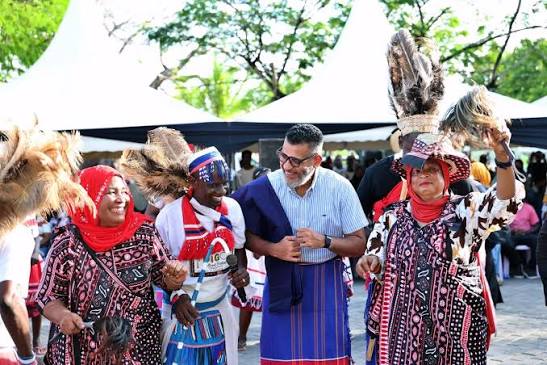
The Digo are one of Kenya’s nine Mijikenda tribes — coastal communities with rich social, spiritual, and artistic traditions. Rooted in oral history and coastal trade, Digo culture blends indigenous practices with centuries of interaction with Arab, Persian, and Indian Ocean influences.
Their celebrations — whether for harvest, rites of passage, or seasonal cycles — are communal touchstones. These events are not tourist spectacles but living expressions of identity, meaning, and continuity.
1. Sacred Dances: More Than Just Movement
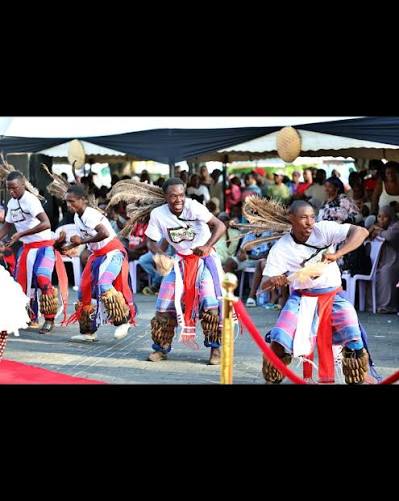
One of the most striking elements of any Shimoni’s Digo Celebrations is dance.
These dances — with intricate footwork, rhythmic ululations, and layered drumming — are not merely performance art. They are living archives:
- Kifudu: A circle dance performed during community blessings, representing unity and shared destiny.
- Ngoma ya Kiswera: Played at weddings and harvest gatherings — the drumbeats echo rhythms tied to ancient East African ocean winds.
- Dhundhuru: A women’s celebratory dance with symbolic steps that mimic life’s cycles: growth, harvest, and renewal.
Local elders often narrate meanings as dances unfold — metaphors of resilience, migration, and the ocean’s guiding spirit
2. Ancestral Storytelling Around the Fire
As the sun sets and fires are lit near the mangroves, elders weave oral histories that span generations.
Storytelling isn’t idle talk. It’s an educational lineage:
- Stories of Wabongo wa Miji — legendary coastal heroes whose feats shaped clan identities.
- Tales of the Ocean Mother, a mythic figure who protected fishermen and granted safe passage.
- Parables recounting moral lessons about community, courage, and respect for nature.
These stories are often accompanied by call‑and‑response chants, where the entire community participates — a living, breathing archive of coastal wisdom.
Also Read:Mijikenda Cultural Festival: Celebrating “Chenda Chenda” — Heritage, Unity and Sacred Kayas
3. Coastal Cuisine as Cultural Expression
Food at Shimoni’s Digo Celebrations is a narrative on a plate.
Sharing a feast isn’t just nourishment — it’s storytelling, hospitality, and community repair.
Imagine plates of:
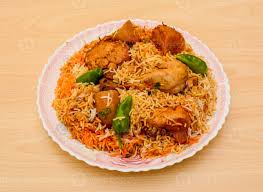
- Biryani infused with local spices and coconut milk
- Octopus simmered in tamarind and lime
- Mkate wa Ufuta (coconut rice bread)
- Seaweed salad hand‑picked at low tide
These dishes reflect centuries of Indian Ocean trade — connecting Shimoni’s tables to Zanzibar, Oman, and India. Meals are communal — shared from large trays with laughter and song.
4. Herbal Wisdom & Healing Rituals
Hidden within the coastal forests surrounding Shimoni are teachings of herbal remedies and spiritual botanicals.
During certain Digo rituals, elders introduce visitors to:
- Mkaa wa Bahari herbs used to calm seasickness.
- Uwanja wa Ngozi plants applied for skin protection under the equatorial sun.
- Sacred incense blends that symbolize purification before communal gatherings.
These practices blur lines between physical healing and spiritual well‑being — a holistic worldview passed down through centuries.
5. Naming Rites: A Collective Blessing
When a child is born, traditional naming rites echo deep cultural values. These ceremonies, sometimes woven into larger celebrations, involve:
- Blessings by elders invoking ancestral protection.
- Gifts of symbolic meaning (sea shells for resilience, beads for prosperity).
- Community affirmation — everyone present pledges support to the child and family.
For visitors, witnessing a jina‑kikombe (naming ritual) is an intimate lesson in belonging and responsibility to community.
6. Women’s Circles & Matriarchal Traditions
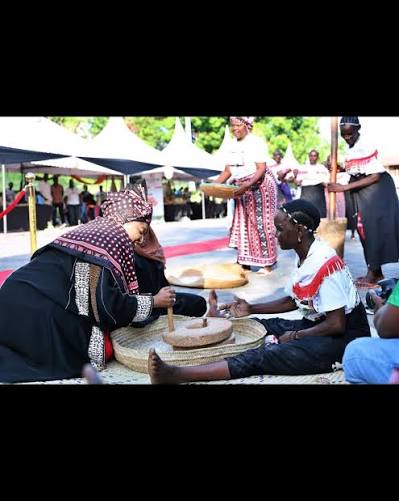
Women play an essential role in Shimoni’s Digo Celebrations — not just in preparation but in preserving cultural memory.
In Malkia (women’s circles), you’ll learn:
- Songs of transition — sung as girls move into adulthood.
- Weaving traditions — patterns that tell clan stories.
- Salt harvest practices — symbolic of life’s essential gifts.
These circles are informal academies of tradition — where girls learn cadence, cautionary tales, and climatological rhythms tied to fishing and farming seasons.
7. Rituals of the Sea
Given Shimoni’s proximity to the ocean, many traditions honor the sea’s bounty and dangers.
One such practice is the Karamu ya Bahari — a communal offering of food and incense to thank the ocean before fishing seasons begin. It includes:
- Communal chanting at dawn.
- Sprinkling of herbs into surf.
- An offering accompanied by ululations and drum rhythms.
These rituals foster humility and respect — a powerful reminder of humans’ delicate balance with nature.
8. Music & Performance as Cultural Memory
Central to any Shimoni’s Digo Celebrations is music — from flutes carved of local reeds to the bass thump of ngoma drums.
The rhythms tell stories:
- Movement between seasons.
- Joy and sorrow in coastal life.
- The cadence of the tides that sustain fishing communities.
For travelers, participating in or simply listening to these performances is a lesson in how music encodes emotional history.
9. Communal Conflict Resolution & Proverbs
In the heart of every Shimoni’s Digo Celebrations lies social cohesion.
Digo elders often use proverbs — poetic metaphors rooted in nature and lived experiences — to resolve disputes and affirm shared values.
Examples include:
- “Samaki mkunje angali mbichi” — “Shape the fish while it’s fresh,” meaning guide the young while they’re still learning.
- “Maji ya bahari hayapewi jina mbili” — “The sea has one name,” meaning unity above division.
These phrases surface during celebrations, teaching both young and old how to navigate life’s challenges.

10. How Travelers Should Approach These Traditions
The heart of Shimoni’s Digo Celebrations is participation, respect, and consent.
Here’s how to approach them as a guest:
✔ Always ask permission before joining rituals.
✔ Dress respectfully — modest coastal attire.
✔ Offer small gifts of appreciation — dates, cloth, or tea.
✔ Listen more than you speak.
✔ Engage with elders with humility — they are the keepers of tradition.
Authentic cultural exchange is about respectful reciprocity, not spectacle.
Practical Expectations
Shimoni is accessible by road from Mombasa, Diani, or Lunga Lunga. While tourism infrastructure exists, many cultural celebrations are unplanned and community‑centric. Arrange visits through local guides who respect community protocols.
This ensures:
- You witness traditions in context.
- You contribute economically to local livelihoods.
- You honor the culture you’re visiting.
Beyond Shimoni’s Digo Celebrations
While the Shimoni’s Digo Celebrations are mesmerizing, Shimoni also offers:
- Historic Slave Caves — solemn reminders of the Indian Ocean slave trade.
- Snorkeling and marine life tours in the Shimoni Channel.
- Lodges and beach‑side cafes where local seafood and Swahili coffee define slow coastal mornings.
10 FAQs — Shimoni’s Digo Celebrations & Traditions
1. What are Shimoni’s Digo Celebrations?
Digo celebrations are communal gatherings that mark seasonal cycles, rites of passage, and shared cultural heritage among the Digo people of coastal Kenya.
2. Can visitors attend these Shimoni’s Digo Celebrations?
Yes — with respect and permission. Always use a local cultural guide or community liaison to ensure meaningful and ethical access.
3. What is the best time to experience Shimoni’s Digo Celebrations?
There is no fixed season — many rites align with community calendars. Speak with local guides to find upcoming events.
4. Are there sacred traditions visitors should not photograph?
Yes. Some rituals are private or sacred. Always ask before snapping photos, and follow community guidelines.
5. Do Shimoni’s Digo Celebrations involve music and dance?
Absolutely. Music and dance are central — serving as both entertainment and cultural teaching.
6. Are these Shimoni’s Digo Celebrations still practiced today?
Yes — though modernization has changed some forms, many coastal communities actively preserve core rituals.
7. How should I dress when attending a Shimoni’s Digo Celebrations?
Modest, respectful coastal attire is best — think lightweight fabrics that cover shoulders and knees.
8. Is food shared during Shimoni’s Digo Celebrations?
Yes, communal feasting is common — offering a chance to taste local coastal dishes.
9. Do Shimoni’s Digo Celebrations involve spiritual beliefs?
Many traditions are interwoven with spiritual worldviews honoring ancestors, nature, and the ocean.
10. How can I support the local community ethically?
Book local guides, purchase crafts directly from artisans, and contribute to community projects with transparency.