On Kenya’s southern coastline, where the Indian Ocean laps gently against coral rag shores and the equatorial sun casts golden light over fishing dhows returning to port, lies the village of Shimoni — a place where history and culture meet the sea. While Shimoni is often known for stunning marine scenery and world‑class snorkeling, it also holds one of East Africa’s most profound cultural narratives: the story of the Digo people and the coastal history that shaped this corner of Kwale County.
Shimoni Cultural Days is more than a festival — it’s a living mosaic of ancient heritage, collective memory, and contemporary celebration that brings to life traditions, music, dance, and heartfelt stories that have endured through time.
The Heart of Coastal Culture
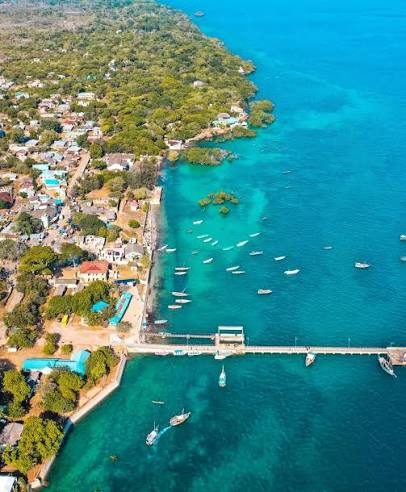
Shimoni rests just south of Mombasa, close to the Tanzanian border, and is a vibrant crossroads of African, Arab, and Swahili influences. Its identity is rooted deeply in the traditions of the Digo, a subgroup of the Mijikenda peoples who have lived between the Tanzanian border and northern coastal rivers for centuries. The Digo’s oral heritage, artisanal crafts, ritual dances, and communal rites form the backbone of Shimoni Cultural Days.
During this cultural celebration, visitors experience coastal Kenya not as a transient tourist destination but as a living, breathing society — where every drum beat, thatched hut, and sacred grove tells a story.
Also Read:Family-Friendly Festivals at the Kenyan Coast
What Makes Shimoni Cultural Days Special
1. A Celebration of Digo Heritage
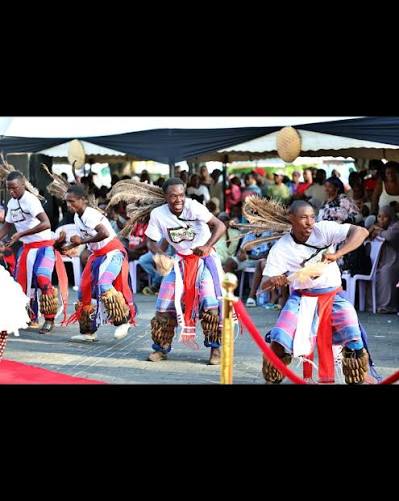
The Digo people have rich customs that intertwine spirituality, music, and communal cohesion. Throughout Shimoni Cultural Days, there are performances of traditional dances like Sengenya, which incorporates rhythms and storytelling movements reflecting life’s stages, ancestral remembrance, and community values.
Artisans display basket weaving, wood carving, and pottery — crafts that hold centuries of local knowledge and coastal symbolism. Unlike staged performances, these are living traditions passed down through generations.
2. Storytelling Through Music and Dance
Music is the lifeblood of the Digo — it sustains community, narrates history, and honors ancestors. Events feature live musical troupes performing rhythmic songs accompanied by drums, chivoti (traditional flutes), and vocal chants. These performances invite audience participation and offer an authentic window into how coastal communities celebrate, mourn, and connect.
3. Understanding Coastal History: The Shimoni Caves
No visit during Shimoni Cultural Days is complete without visiting the Shimoni Caves — an undeniably powerful site that reveals one of the darkest chapters in local and global history. These limestone caves, extending kilometers into the earth, were once holding pens for victims of the Indian Ocean slave trade, where enslaved people were shackled as they awaited transport to Zanzibar’s slave markets.
Walking through these tunnels is a somber reminder of human resilience and suffering. It is here that cultural memory deepens: local guides — often descendants of those affected — convey ancient oral histories alongside archaeological evidence, making Shimoni simultaneously a place of remembrance and resistance.
Cultural Fusion: Tradition Meets Contemporary Expression
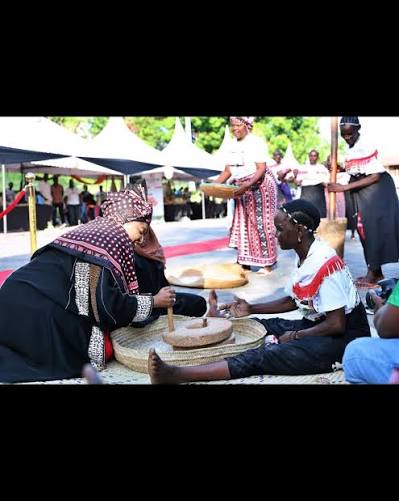
While rooted in tradition, Shimoni Cultural Days also embraces the region’s evolving identity. Contemporary storytellers, poets, and even visual artists participate, bridging historical legacy with modern perspectives. The festival becomes an intergenerational dialogue — elders recounting oral lore, and youth reimagining it for a wider world.
Workshops on Swahili coastal history, maritime trade routes, and the impact of colonialism enrich the narrative, giving both local and international visitors context beyond performances and displays.
Community and Sustainability
The festival reinforces the critical role of community stewardship in preserving heritage. Projects tied to Shimoni Cultural Days often support local education, indigenous artisan cooperatives, conservation of the Shimoni forest, and youth cultural programs. In a time where globalization can erode local identities, such initiatives anchor the Digo heritage firmly in both memory and practice.
Practical Guide for Visitors
When to Go: Shimoni Cultural Days typically occurs during the dry season months when coastal weather is most conducive for outdoor performances and cave tours (precise dates may vary each year).
Book in Advance: Shimoni’s unique cultural events attract both Kenyan and international visitors. Secure accommodation early — in Shimoni or nearby Mombasa — to ensure seamless travel plans.
Respect Local Customs: Always ask permission before photographing performers or entering sacred spaces. Some rituals or shrines are deeply spiritual and require respectful observance.
Combine Experiences: Pair festival attendance with visits to Kisite‑Mpunguti Marine Park, Wasini Island, and the Shimba Hills, all of which offer varying facets of the coastal ecosystem and heritage.

Why Shimoni Cultural Days Matters
This festival is not merely entertainment — it’s an invitation to understand the layered history of the Kenyan coast, from ancient settlement and maritime trade to the harrowing legacy of the slave trade and the vibrant continuity of Digo and Mijikenda traditions.
It encourages visitors to engage thoughtfully: to listen, to reflect, and to appreciate cultures that have endured through adversity and time. Through dance, song, narrative, and ritual, Shimoni Cultural Days reveals the soul of coastal Kenya.
10 FAQs: Shimoni Cultural Days & Coastal Heritage
1. What is Shimoni Cultural Days?
It is a cultural celebration in Shimoni, Kenya, highlighting Digo traditions, music, dance, crafts, and coastal history.
2. Where is Shimoni?
Shimoni is a village in Kwale County on Kenya’s southeastern coast, near the Tanzanian border.
3. Who are the Digo people?
The Digo are a coastal Bantu community, part of the Mijikenda peoples, with rich customs and oral traditions.
4. Can I visit the Shimoni Caves during the festival?
Yes — the caves are a key historical attraction that contextualizes the region’s history, especially the Indian Ocean slave trade.
5. What activities are typical at the festival?
Expect traditional dances, music performances, artisan showcases, cultural talks, and community workshops.
6. Is the festival suitable for families?
Yes, families interested in culture and history will find the festival both educational and engaging.
7. Do I need a guide for the Shimoni Caves?
Yes — guided tours enhance understanding and safety while exploring the cave network.
8. What should I wear?
Light, breathable clothing, comfortable shoes for walking, and a hat or sunscreen for daytime events.
9. Is photography allowed?
Photography is generally welcome, but always ask permission first, especially during ritual performances.
10. How does Shimoni Cultural Days benefit the local community?
Festivals support local artisans, educational initiatives, cultural preservation programs, and community tourism enterprises, strengthening both economy and heritage.
Shimoni Cultural Days stands as a testament to Kenya’s coastal resilience — a tapestry woven from ancestral wisdom, historical reckoning, and joyful celebration. For those seeking cultural depth alongside scenic beauty, this is a journey worth taking.