Watamu—crystal‑blue waters, white sand beaches, and coral gardens that teem with life. But this Kenyan coastal gem has also faced a mounting challenge: plastics, fishing gear, and human waste washing up on shores that should be pristine. That’s where Watamu’s Eco Warriors step in—ordinary people with extraordinary passion.
This isn’t just another cleanup. It’s a festival—an awakening—where community members, tourists, schoolchildren, and local businesses converge to protect the very environment that sustains them. These are their stories: of pride, of struggle, and of hope.
🌊 Why a Cleanup Festival Matters
Watamu is more than a beach destination. It’s a living ecosystem—home to endangered sea turtles, vibrant coral reefs, and mangrove forests that protect the shoreline. But years of increasing waste, much of it plastic, have threatened these fragile systems.
The Cleanup Festival isn’t simply about picking up trash. It’s:
- Community‑driven: locals leading change in their neighborhoods
- Education‑focused: schools and youth groups learning to protect their future
- Tourism‑positive: visitors joining hands with residents to leave a place better than they found it
The message is clear: conservation is everyone’s responsibility.
🧹 The Morning That Changed a Town
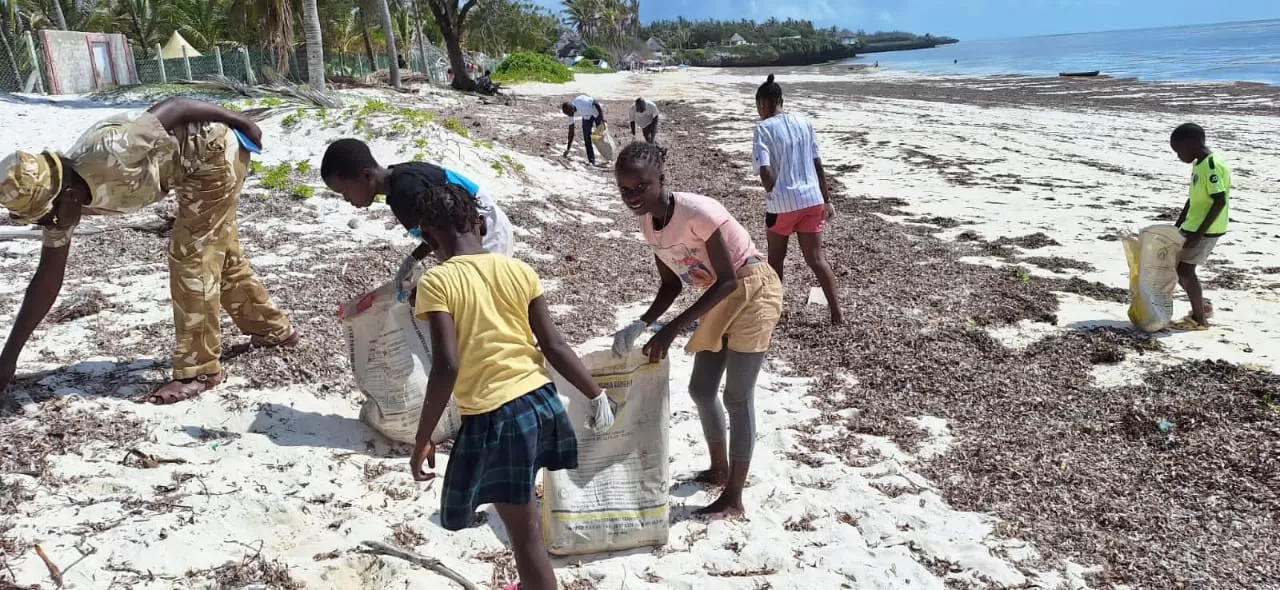
At sunrise, volunteers gathered near the Watamu Marine National Park entrance. With gloves, bags, and unstoppable energy, the Cleanup Festival began.
What made this event different wasn’t just the numbers—hundreds of participants—but the stories behind each person.
🎒 A Student’s First Step
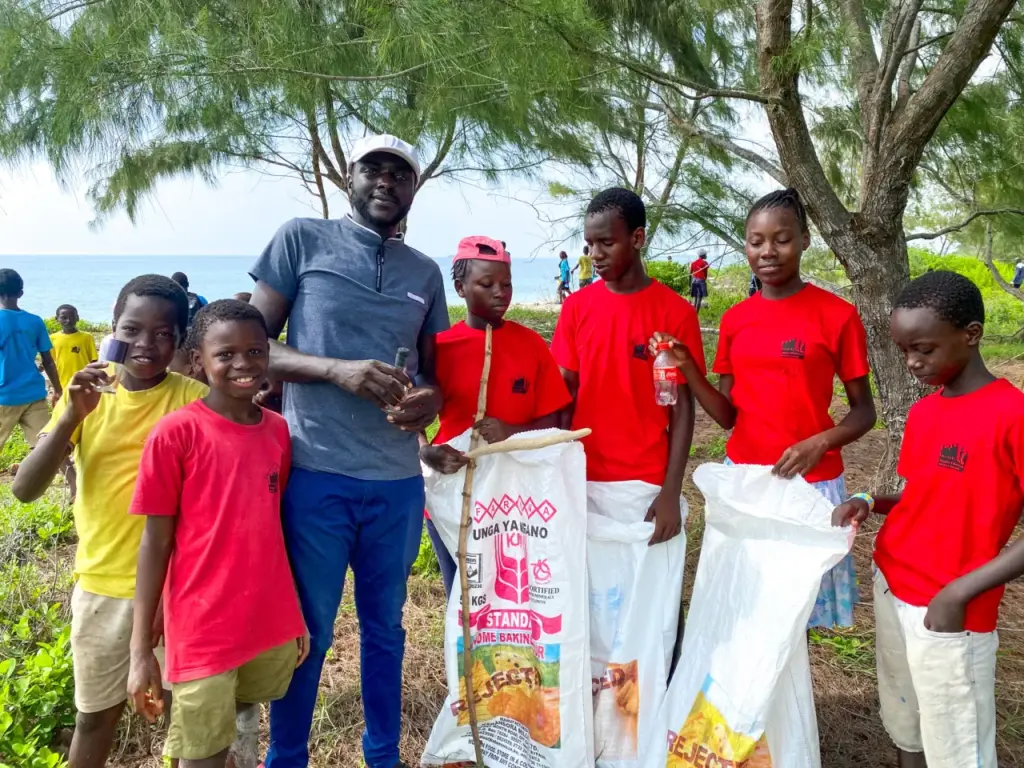
Twelve‑year‑old Amina had never seen so much trash before. “I thought the ocean just swallowed everything,” she said shyly. After learning about how plastic harms turtles and fish, she spent the morning sorting waste and educating her friends.
“Now I tell everyone at school: if you don’t want the sea to cry, don’t throw garbage where it doesn’t belong.”
Her enthusiasm sparked a wave of young volunteers—proof that environmental stewardship starts early.
👨👩👧 A Family Affair
Then there was the Mwangi family—parents and three kids. They’d come to Watamu for a holiday but stayed an extra day to join the festival.
“It felt right to give back,” said Ms. Mwangi. “We’ve taken so much beauty from this place; today we help protect it.”
Their youngest, six‑year‑old Jomo, carried the heaviest bag he could manage. At the end of the day, he beamed: “I picked up more than trash—I picked up pride.”
🐢 Conservation Beyond the Beach
The Cleanup Festival wasn’t just on sand. Activities stretched into nearby mangroves and tidal pools—crucial habitats for juvenile fish and birds.
Local guides led educational tours explaining how:
- Mangroves filter water and trap carbon
- Coral reefs protect shorelines from storms
- Sea turtles mistake plastic bags for jellyfish
This whole‑ecosystem approach deepens understanding: it’s all connected.
Also Read:The Ultimate Guide to the Most Beautiful Beaches of Kenya
🛶 Local Businesses Step Up
Watamu’s tourism community showed up in force.
- Beach restaurants offered free water refill stations
- Hotels hosted volunteer check‑ins and provided snacks
- Dive operators shared stories from the ocean floor
One dive captain said, “We dive these waters every day. When the reef suffers, our whole town suffers.”
By partnering with volunteers, businesses are turning conservation into community culture—not a checklist item.
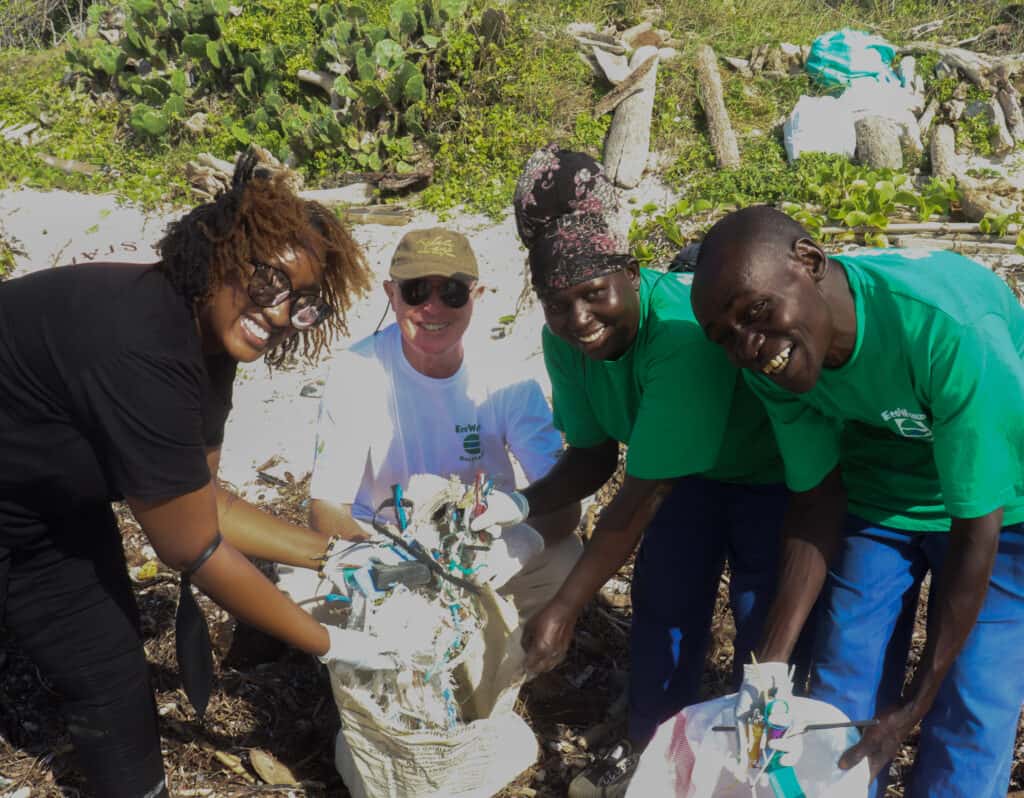
📸 Moments That Inspired
From singlets scrawled with “Protect What You Love” to impromptu beach art made from collected trash, the Cleanup Festival was full of visual reminders that change begins with a single step—followed by thousands more.
🧠 Watamu’s Eco Warriors: What Participants Learned
This wasn’t just manual labor. The festival wove education into every activity:
| Topic | What People Learned |
| Plastic pollution | How long items take to decompose and where they end up |
| Recycling | What can be reused versus what can’t |
| Marine ecology | The role of reefs, turtles, and mangroves |
| Personal impact | Daily choices that reduce waste |
Volunteers left not just with bags full of trash, but with new habits.
🤝 How Tourists Made a Difference
Visitors from around the world took part—and took home lessons to share. One German traveller said:
“We came for the beach, but we leave with purpose.”
Their presence strengthened the message that caring for Watamu is a global effort—because oceans belong to all of us.
🗣Watamu’s Eco Warriors: Voices from the Sand
Here are a few standout quotes from the festival:
- “We don’t inherit the earth from our parents—we borrow it from our children.” — Local teacher
- “If the ocean is silent, we must speak louder.” — Student volunteer
- “Clean beaches are not just pretty—they are healthy and productive.” — Dive operator
🌱 What’s Next for Watamu’s Eco Warriors
The Cleanup Festival is just the beginning. Plans are underway for:
- Regular beach and mangrove cleanups
- Plastic reduction initiatives with hotels and vendors
- School programs on waste management
- Community recycling hubs
These efforts are building a momentum that could transform Watamu into a model for coastal conservation across Kenya.
🧳 How You Can Join the Movement
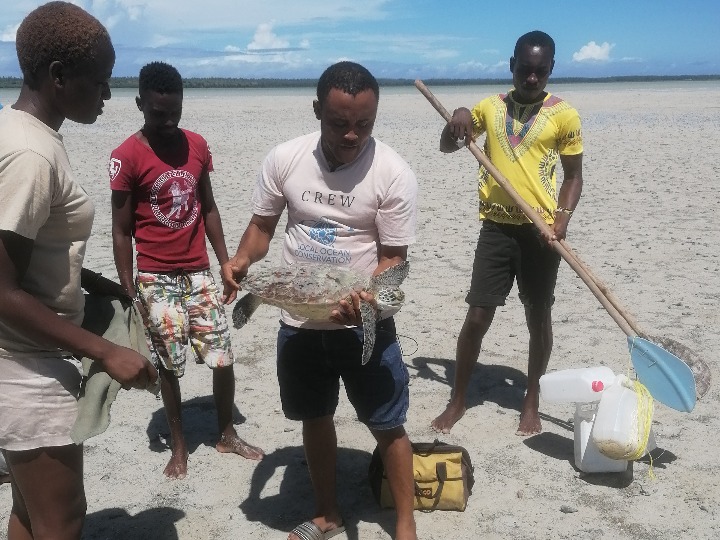
Whether you’re planning a trip or already in town, here’s how to get involved:
Before You Arrive
- Pack reusable items (water bottle, bags, straws)
- Learn about sustainable tourism practices
- Support businesses that prioritize the environment
While You’re Here
- Join a community cleanup
- Respect wildlife and habitats
- Choose eco‑friendly activities and tours
After You Leave
- Share your experience to inspire others
- Support marine conservation organisations
- Reduce single‑use plastics at home
Your footsteps can leave a legacy—not a footprint.
🌴 Final Thoughts
Watamu’s Eco Warriors are living proof that real change starts with community spirit and shared responsibility. The Cleanup Festival isn’t just a day on the calendar—it’s a promise that beaches, coral gardens, and the people who rely on them can thrive together.
Join the movement. Be a part of the story. And when you visit Watamu, leave nothing behind but hope.
❓ FAQs — Watamu’s Eco Warriors & the Cleanup Festival
1. What is the Watamu Cleanup Festival?
It’s a community‑led conservation event where locals, tourists, and volunteers clean beaches, mangroves, and public spaces to protect marine ecosystems.
2. Who organizes the festival?
Local environmental groups, tourism businesses, schools, and community volunteers collaborate to host the event.
3. Can tourists participate?
Absolutely! Visitors are encouraged to join and make a positive impact while exploring Watamu.
4. What kind of trash is collected?
Plastic bottles, fishing nets, packaging, discarded toys, and other debris that harms wildlife and pollutes shores.
5. Are there educational activities too?
Yes — workshops, guided nature talks, and tours explain marine ecology and how to reduce waste.
6. How often does this festival happen?
Many communities aim for at least annual gatherings, with smaller cleanups throughout the year.
7. What should I bring if I join a cleanup?
Reusable gloves, water, a hat, sunscreen, and a commitment to protect the environment.
8. Do cleanup efforts help the local ecosystem?
Yes — removing harmful waste reduces threats to turtles, fish, seabirds, and coral reefs.
9. How does this benefit local businesses?
Cleaner beaches attract more tourists, support healthier fisheries, and build a reputation for sustainable tourism.
10. How can children get involved?
Schools often coordinate groups, and kids help with safe, age‑appropriate tasks while learning about conservation.