Preserving Tradition and Fostering Unity in Northern Kenya
The Rendille Cultural Fair is one of Kenya’s most unique cultural gatherings, held every year in Loglogo, Marsabit County. Designed to showcase the traditions, foods, and identity of the Rendille people, the festival has grown into a vibrant platform for cultural preservation, intergenerational learning, and tourism promotion.
Each year in August, the Rendille community invites visitors from across Kenya and beyond to experience the richness of their heritage. With events ranging from camel racing to ancestral recipe exhibitions, the Rendille Cultural Fair celebrates the spirit of resilience and innovation that defines pastoralist life in Kenya’s arid northern landscapes.
What Is the Rendille Cultural Fair?
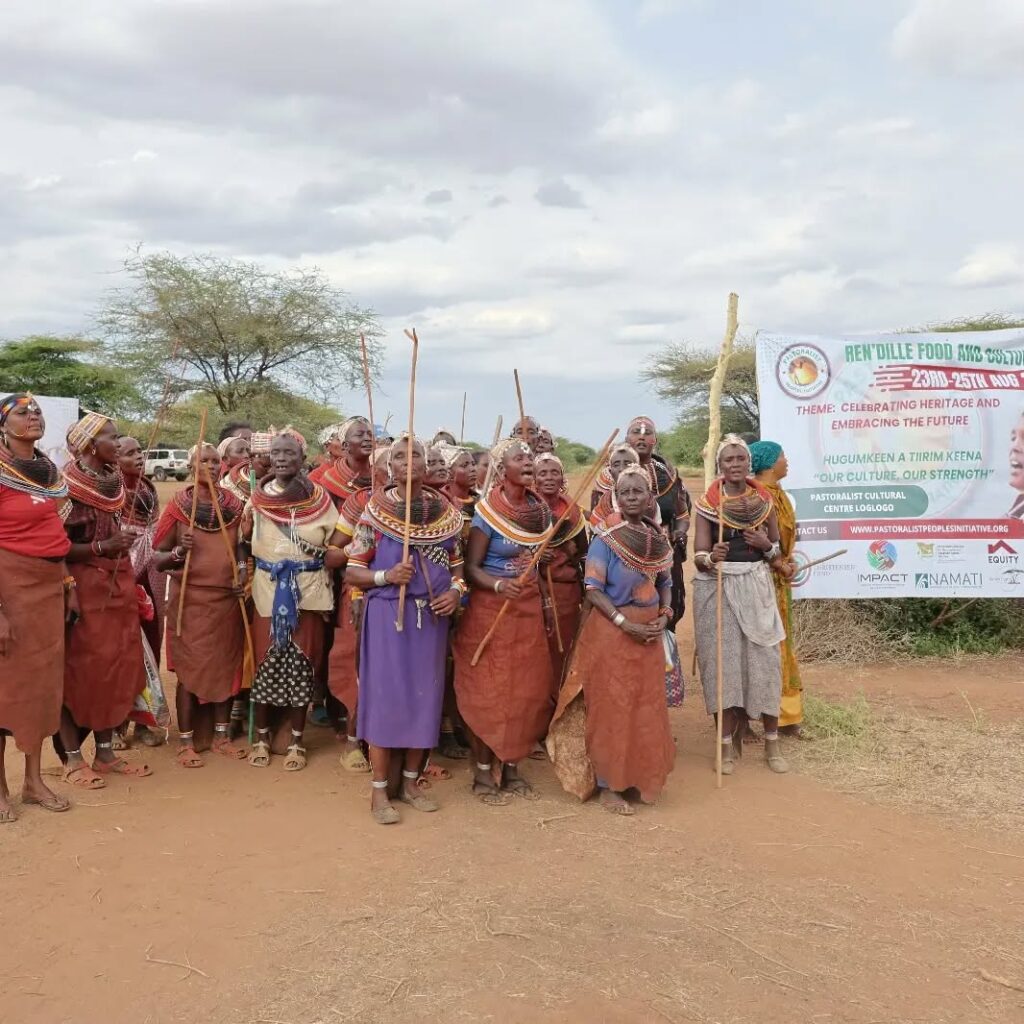
The Rendille Cultural Fair is an annual event showcasing the cultural traditions of the Rendille people. It brings together:
- Traditional food exhibitions, featuring recipes passed down through generations.
- Cultural dances, songs, and poetry in colorful regalia.
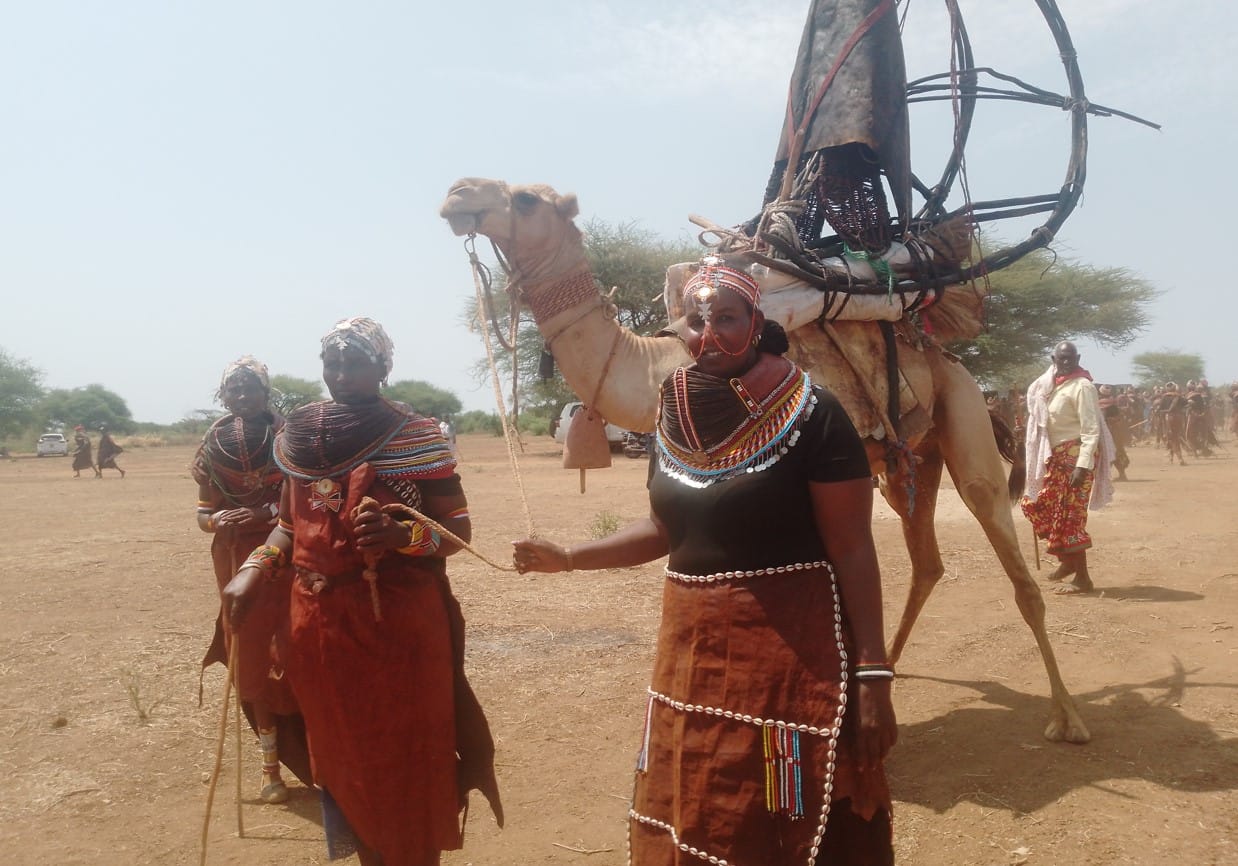
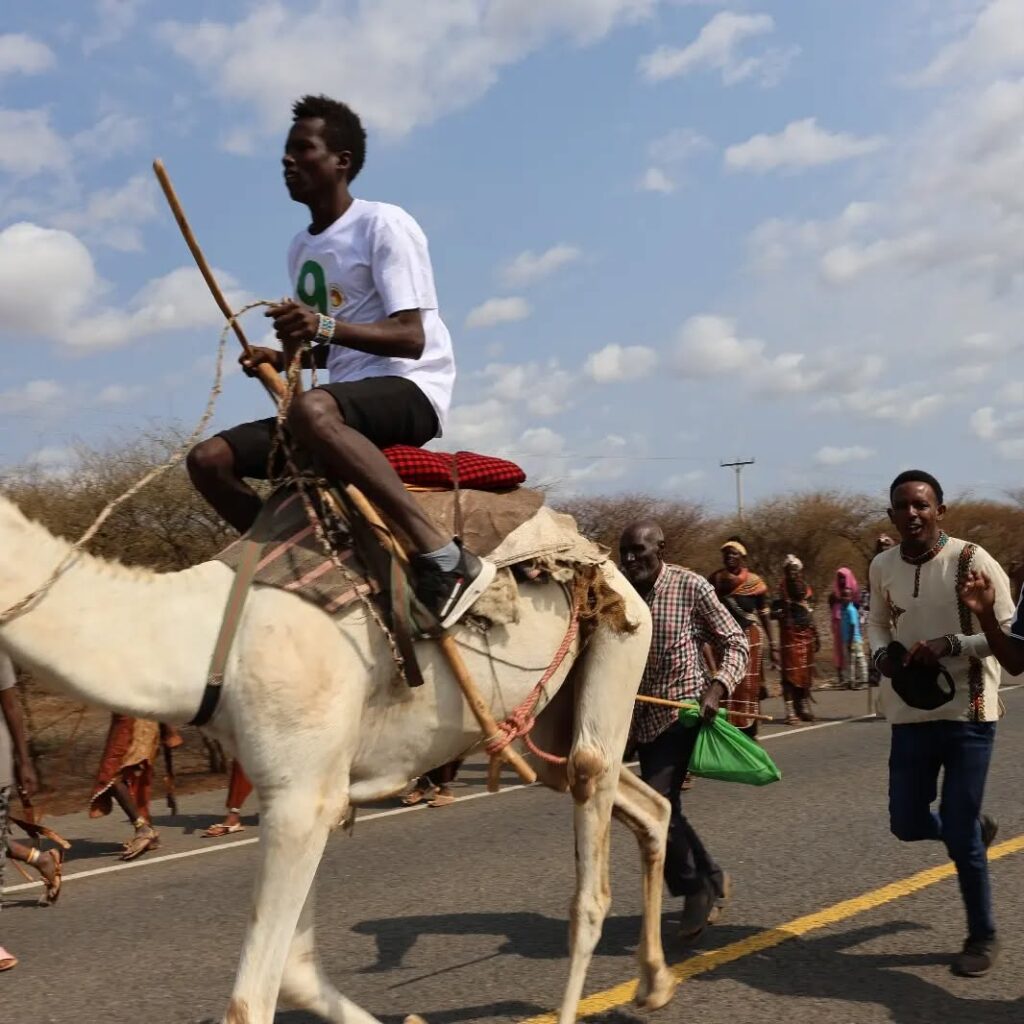
- Camel races, particularly the Sacred Kharaad’i Waakh, which symbolizes endurance and honor.
- Craft exhibitions, displaying beadwork, wood carving, and pastoral tools.
- Heritage storytelling, where elders recount the community’s history, myths, and values.
The festival’s purpose goes beyond entertainment. It is a heritage preservation movement that strengthens identity and gives the youth pride in their roots.
When and Where Is the Rendille Cultural Fair Held?
The festival takes place in Loglogo, Marsabit County, every August. In recent years, it has been scheduled between August 23–25, coinciding with favorable weather and community calendars.
The setting in Marsabit is significant: it is the heartland of the Rendille, whose pastoralist lifestyle thrives in the region’s arid climate. By hosting the Rendille Cultural Fair here, the community honors its ancestral homeland while also drawing visitors to explore Marsabit’s scenic landscapes and cultural villages.
Who Are the Rendille People?
To appreciate the Rendille Cultural Fair, one must understand the people behind it. The Rendille are a Cushitic-speaking pastoralist community living in northern Kenya. Known as the “holders of the sacred camels,” they rely heavily on camel herding for food, transport, and survival in arid environments.
Key cultural features of the Rendille include:
- Camel symbolism: Camels are central to rituals, wealth, and survival.
- Oral traditions: Knowledge is passed down through songs, proverbs, and storytelling.
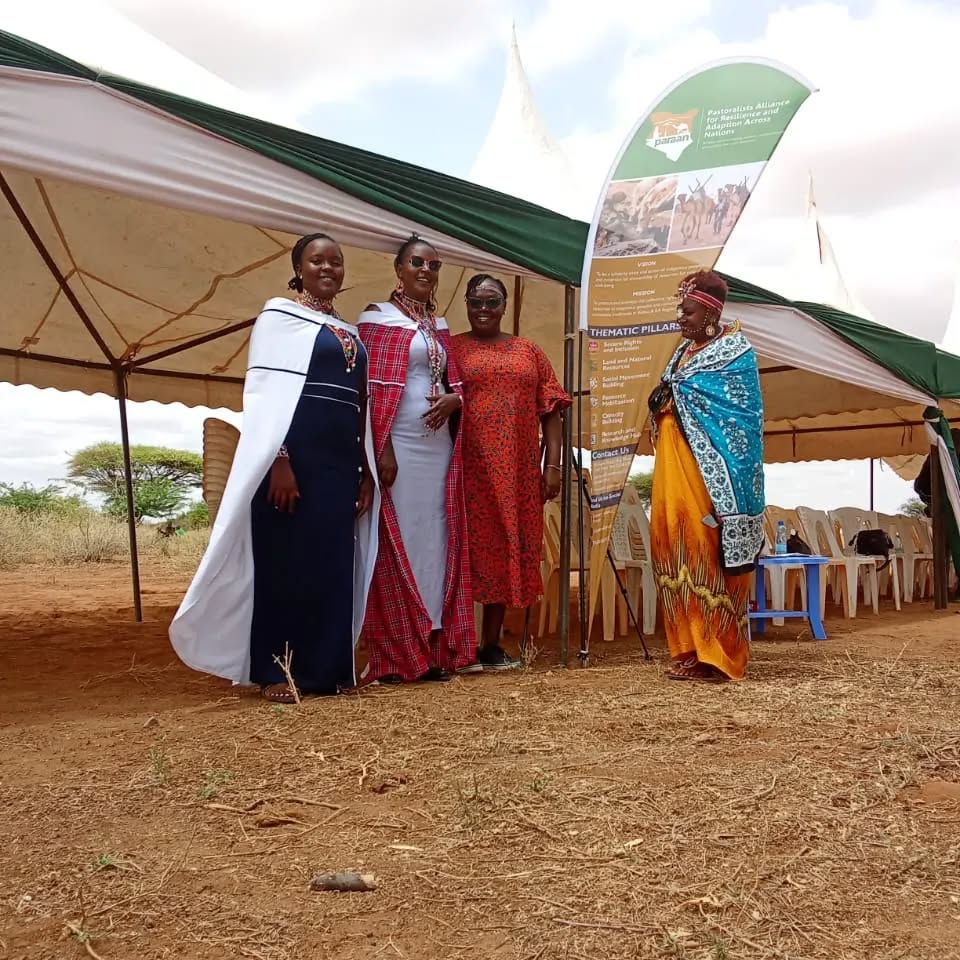
- Distinct attire and beadwork: Adorned with vibrant necklaces, headgear, and ornaments.
- Indigenous ecological knowledge: The Rendille use lunar calendars and traditional wisdom to manage resources in harsh environments.
The Rendille Cultural Fair is therefore both a display and a living continuation of this heritage.
Cultural Highlights of the Rendille Cultural Fair
The Rendille Cultural Fair is packed with activities that immerse visitors in the richness of Rendille life.
Camel Racing: The Sacred Kharaad’i Waakh
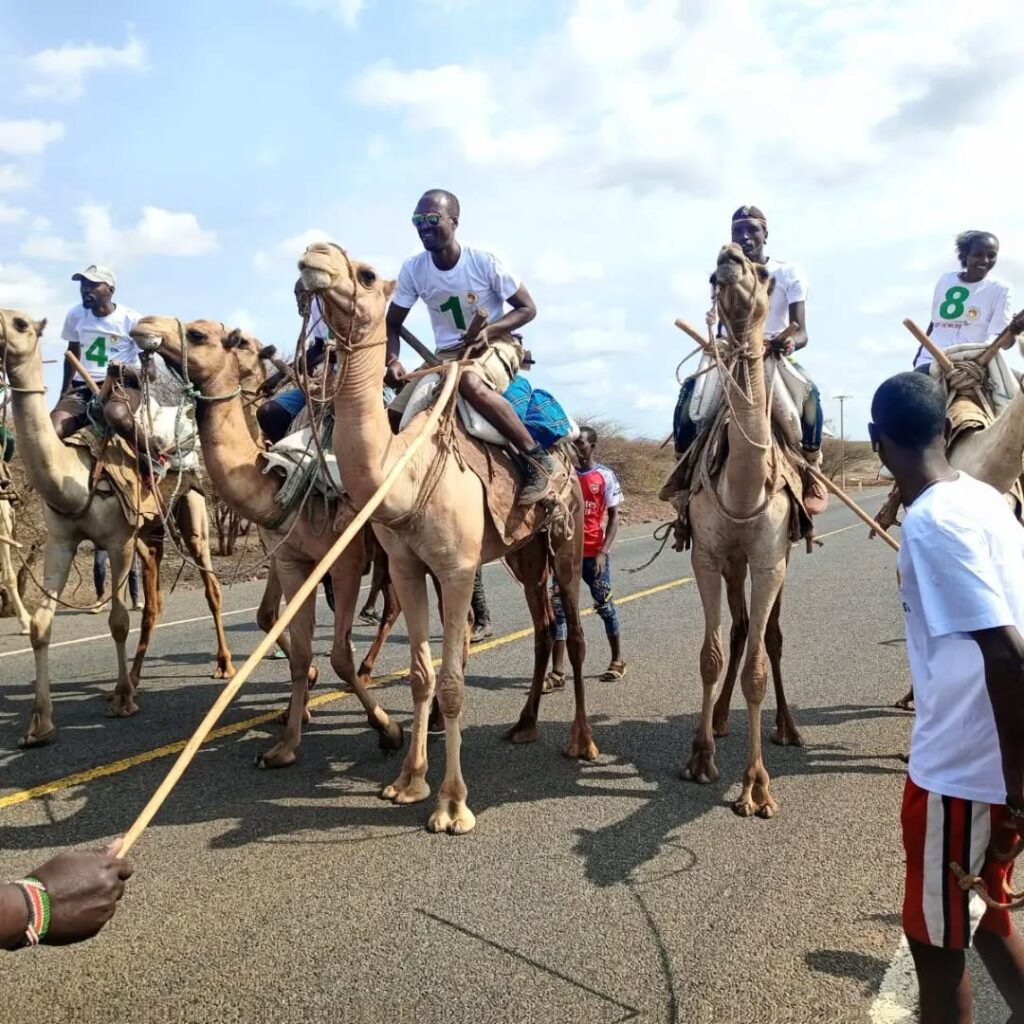
Perhaps the most exciting highlight is camel racing, a spectacle that symbolizes speed, endurance, and pride. The Sacred Kharaad’i Waakh race is not just competition—it is a ritual deeply tied to Rendille identity.
Traditional Food Exhibitions
Food stalls offer dishes prepared using ancestral recipes. Attendees taste meals made from camel milk, goat meat, millet, and indigenous herbs. This culinary experience is both a feast and a cultural lesson on resilience in arid lands.
Dances and Songs in Regalia
The air is filled with rhythmic songs, ululations, and dances performed in colorful traditional attire. Beaded jewelry and decorated clothing transform the festival grounds into a cultural rainbow.
Crafts and Pastoral Tools
Artisans display beadwork, carvings, woven baskets, and tools used in camel herding. These exhibitions serve both as educational showcases and economic opportunities.
The Cultural Village at Loglogo
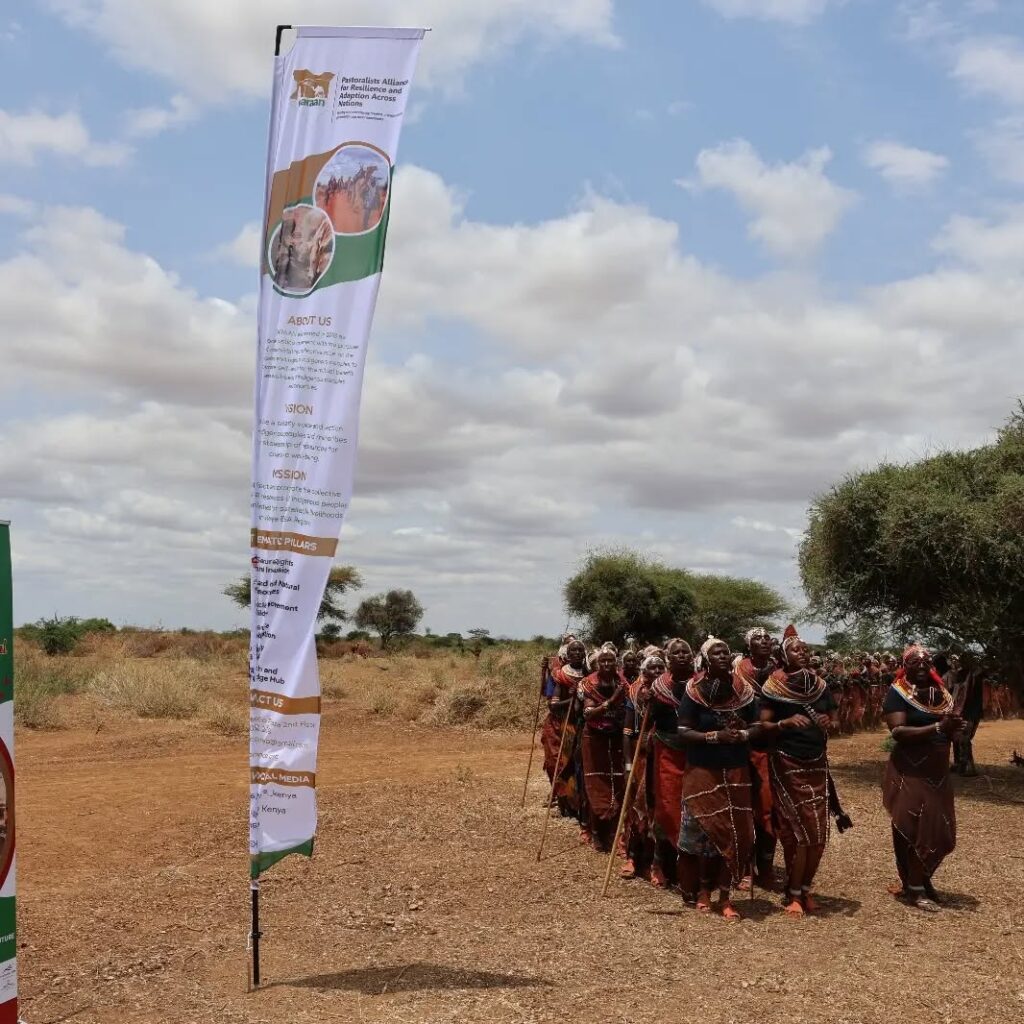
One of the most significant additions to the Rendille Cultural Fair is the establishment of a cultural village in Loglogo, complete with nine traditional clan huts. This living heritage center allows visitors to step into the daily life of the Rendille, experiencing their housing, rituals, and artifacts.
The village is used not only during the festival but year-round as a space for:
- Educating children about traditions.
- Hosting cultural performances for visitors.
- Safeguarding artifacts such as sacred objects and tools.
Intergenerational Learning and Cultural Pride
A core feature of the Rendille Cultural Fair is its role in teaching younger generations about their heritage. Elders play a central role, leading storytelling sessions, initiating cultural rituals, and explaining the meanings behind symbols.
For the youth, the festival builds confidence in their identity and provides a counterbalance to modernization pressures. It encourages them to view culture not as outdated but as an asset for the future.
Environmental Wisdom and Pastoralist Knowledge
The Rendille Cultural Fair is also a platform for discussing environmental sustainability. As custodians of dryland knowledge, the Rendille use the festival to highlight:
- Camel-based pastoralism as a climate-resilient livelihood.
- Indigenous ecological knowledge, such as lunar calendars for grazing cycles.
- Climate adaptation practices, including water harvesting and pasture management.
By blending culture and environment, the festival shows how tradition can guide modern solutions to climate change.
Tourism and Economic Impact
The Rendille Cultural Fair is also a driver of tourism and economic growth in Marsabit.
Benefits include:
- Increased domestic and international visitors.
- Growth of hospitality industries—hotels, transport, and local guides.
- Opportunities for artisans and performers to earn income.
- Promotion of Marsabit as a cultural tourism hub in Kenya.
By linking heritage with livelihoods, the festival demonstrates how culture can create prosperity.
Challenges Facing the Rendille Cultural Fair
Like many cultural festivals, the Rendille Cultural Fair faces challenges:
- Funding: Reliance on sponsors and government support.
- Modernization: Risk of youth drifting from traditions.
- Climate impacts: Drought threatens camel herding and pastoralist practices.
- Accessibility: Remote location limits participation for some visitors.
Despite these hurdles, the community remains committed to ensuring the festival thrives, adapting to change while preserving authenticity.
The Future of the Rendille Cultural Fair
The Rendille Cultural Fair continues to grow in scale and recognition. Future goals include:
- Expanding cultural education programs.
- Partnering with tourism boards for wider promotion.
- Integrating digital platforms to reach global audiences.
- Strengthening cross-community participation with neighboring Samburu, Turkana, and Borana communities.
As long as the community continues to adapt while holding onto tradition, the Rendille Cultural Fair will remain a vital celebration of pastoralist identity.
Also read:Ultimate Guide to Cultural Immersion in Kenya
Wrap-Up
The Rendille Cultural Fair is more than a festival—it is a living heritage movement. From camel races and food exhibitions to storytelling and cultural villages, the festival captures the spirit of resilience and pride that defines the Rendille people.
By linking tradition with tourism, environment, and intergenerational learning, the festival ensures that Rendille identity remains vibrant in the 21st century. For locals, it is a celebration of who they are; for visitors, it is a rare opportunity to step into the world of one of Kenya’s most unique pastoralist communities.
10 Frequently Asked Questions (FAQs)
- What is the Rendille Cultural Fair?
It is an annual festival in Loglogo, Marsabit County, celebrating Rendille food, culture, camel races, and traditions. - When is the festival held?
Every August, usually between August 23–25. - Where is it hosted?
In Loglogo, Marsabit County, northern Kenya. - What are the main highlights?
Camel racing, food exhibitions, dances, crafts, storytelling, and cultural exhibitions. - Who are the Rendille people?
A Cushitic-speaking pastoralist community in northern Kenya, known for camel herding and rich oral traditions. - What foods are featured at the festival?
Dishes made from camel milk, goat meat, millet, sorghum, and indigenous herbs. - What is the Sacred Kharaad’i Waakh?
It is a camel race held during the festival, symbolizing endurance, resilience, and cultural pride. - Is the festival open to tourists?
Yes, the Rendille Cultural Fair welcomes both local and international visitors. - What challenges does the festival face?
Funding, modernization, climate change, and accessibility. - Why is the Rendille Cultural Fair important?
It preserves Rendille identity, promotes cultural pride, boosts tourism, and provides economic opportunities.