Shompole Conservancy is not your average safari destination. It is a living example of how indigenous knowledge and conservation science work together. Located in southern Kenya near the Tanzania border, it sits in the Great Rift Valley, between Lake Magadi and Lake Natron.
This is Maasai land. For centuries, the Maasai people have lived with wildlife. They know migration paths. They know when the rains come. They know how to live in balance.
Shompole takes that knowledge and builds on it. It’s run by the local Maasai community. They lead the operations. They protect the land. They decide what happens next.
Also Read:Off-the-Beaten-Path Destinations in Kenya
A Detailed Explanation of Shompole Conservancy
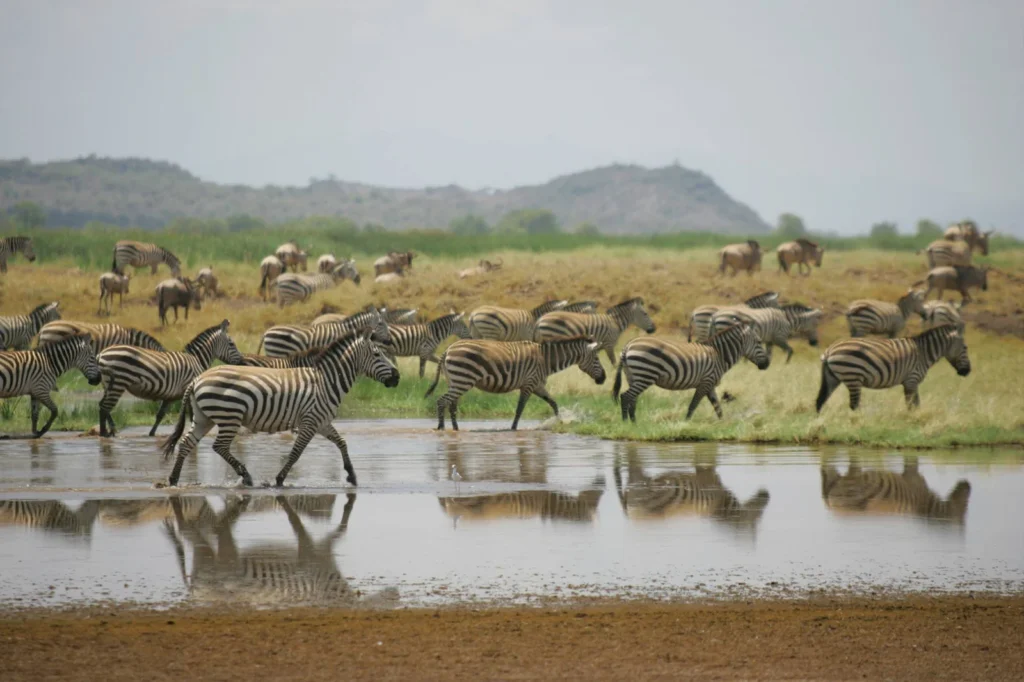
Shompole Conservancy spans more than 35,000 acres. It is a crucial corridor for elephants, lions, zebras, and many other species that move between Kenya and Tanzania. This land is vital for survival. It’s open, wild, and mostly untouched.
The conservancy is a joint effort between local communities and conservation partners. The goal is simple: protect biodiversity and support the people who live here.
Community Ownership
The Maasai own this land. They are not tenants. They are the stewards.
Revenue from tourism and conservation projects goes directly to the community. It funds schools, health clinics, water projects, and grazing plans. Every dollar spent here stays here.
Wildlife Protection
Shompole is home to endangered species, including:
- Grevy’s zebra
- African wild dog
- Black rhino
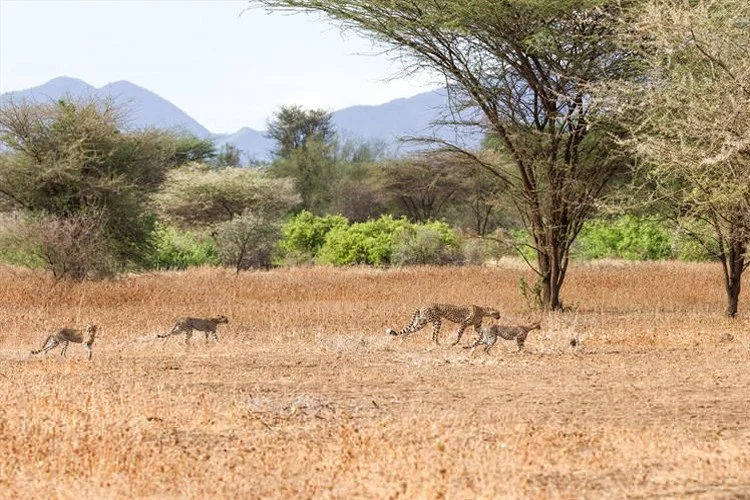
- Cheetah
Rangers from the community patrol the land daily. They use GPS and radio systems. They track poachers. They report injured animals. They are trained, equipped, and respected.
Carbon Credits and Sustainability
Shompole is part of Kenya’s carbon credit economy. By managing grazing, protecting forests, and preventing land degradation, it reduces greenhouse gases. These efforts generate carbon credits, which are sold on global markets.
The money supports reforestation, clean energy, and job creation. It also helps fund anti-poaching units.
Tourism with Purpose
Tourism is limited. This is not mass travel. Lodges and camps are few and eco-friendly. They use solar power. They recycle waste. They hire locally.
Guests can:
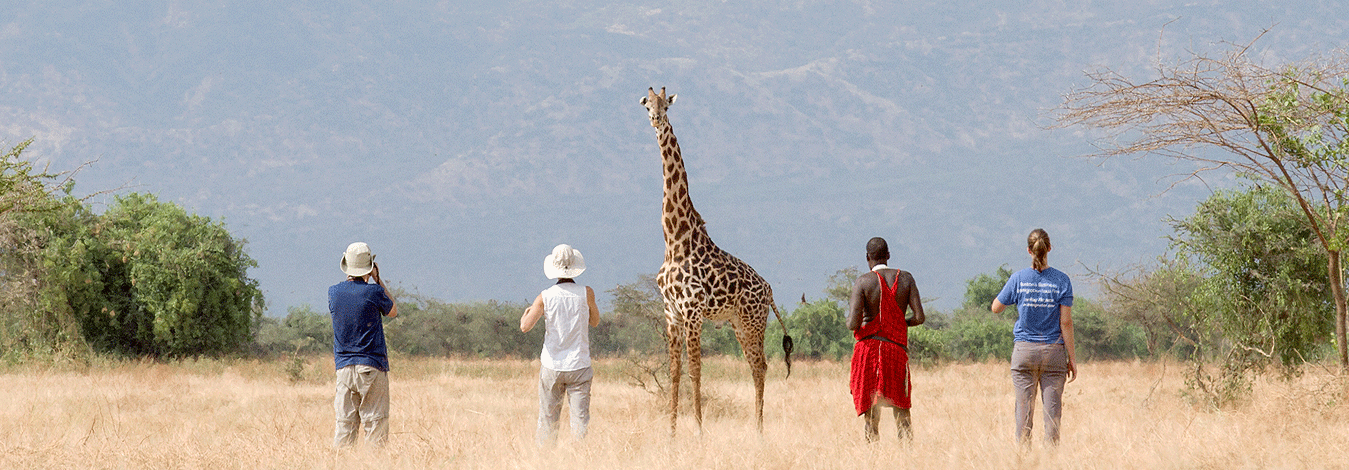
- Track lions with Maasai guides
- Visit traditional bomas (homesteads)
- Join conservation patrols
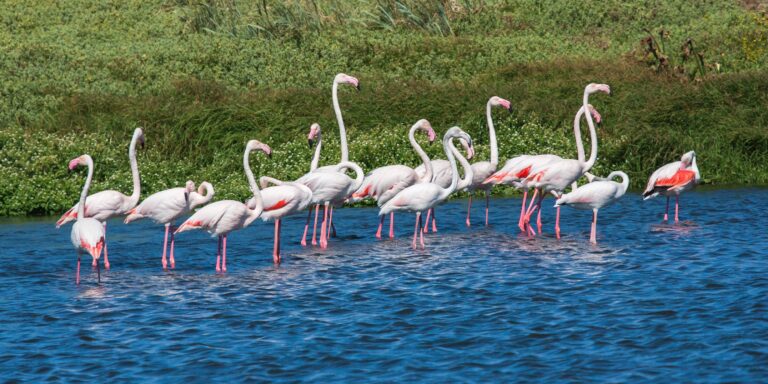
- Watch flamingos on nearby lakes
The experience is personal, respectful, and real.
Why Shompole Conservancy Matters
Shompole is more than a protected area. It is a model. It shows how communities can lead conservation. It shows that ethical travel works. And it shows that wild places can still belong to the people who call them home.
Bridging Tradition and Science
Maasai herders use centuries-old grazing systems. Scientists add tools like satellite imaging and soil testing. Together, they plan better.
They rotate livestock to prevent overgrazing. They leave buffer zones for wildlife. They plant native grasses that resist drought.
This system protects both cows and antelope. It balances the economy and the ecosystem.
Empowering Women
In Maasai culture, women have often been excluded from decision-making. Shompole is changing that.
Women now serve on management boards. They run craft cooperatives. They earn wages as trackers and hospitality workers.
With income comes power. With power comes progress.
Education and Youth
Shompole funds scholarships for local children. It builds classrooms. It trains young people as wildlife scouts and eco-guides.
This is the next generation of conservation leaders.
What Visitors Say
Tourists who visit Shompole report:
- Deep cultural exchange
- Rare wildlife sightings
- Genuine community impact
- Peace and privacy
Reviews often mention the lack of crowds, the warmth of the hosts, and the authenticity of the experience.
This is not a photo-op safari. It is a partnership between guest and host.
What Makes Shompole Different
- Led by locals: No foreign managers run the show. The Maasai decide what tourism looks like.
- Focused on conservation: Wildlife comes first. Profit supports protection.
- Intimate and exclusive: No lines, no buses, no overdevelopment.
- Ethical and transparent: Guests know where their money goes. Communities benefit directly.
Threats and Challenges
Shompole is strong, but not immune. It faces real risks:
- Climate change: Droughts are longer. Water is scarce.
- Poaching: Still a threat, despite progress.
- Land pressure: Urban growth and agriculture push into wildlife corridors.
- Funding gaps: Global donations are unpredictable.
These threats are serious. But the community remains committed. Their track record proves it.
How You Can Help
If you want to support Shompole, you have options:
- Book a stay through ethical travel operators
- Donate to partner NGOs supporting the conservancy
- Share its story with others
- Respect the land and culture when you visit
Every action counts.
Quick Facts
- Location: Kajiado County, Kenya
- Size: 35,000+ acres
- Wildlife: Elephants, lions, cheetahs, zebras, hyenas, flamingos
- Activities: Walking safaris, cultural tours, birdwatching, conservation tracking
- Community: Maasai-owned and operated
- Sustainability: Carbon credits, solar power, rainwater harvesting
10 Common Questions About Shompole Conservancy
1. Is Shompole Conservancy open year-round?
Yes. The best time to visit is during the dry season, from June to October.
2. Is it safe to visit?
Yes. Community rangers and local guides ensure visitor safety.
3. Can you see the Big Five here?
You can see lions, elephants, and buffalo. Rhinos are rare, but nearby areas offer sightings.
4. How do I get there?
Drive from Nairobi (about 4–5 hours) or charter a flight to a nearby airstrip.
5. Is the area child-friendly?
Yes. Lodges cater to families and offer nature walks for children.
6. What should I pack?
Light clothes, sun protection, insect repellent, binoculars, and a good camera.
7. Do I need a guide?
Yes. All visits are guided by local experts.
8. Are the lodges eco-certified?
Most are. Check with individual properties for details.
9. Is this a private conservancy?
Yes. It’s managed by the local Maasai community with support from partners.
10. Can I volunteer?
Some programs offer short-term volunteering. Contact NGOs connected to the conservancy.
Final Thoughts
Shompole Conservancy is one of Kenya’s best-kept secrets. It protects nature. It uplifts people. It proves that community-led conservation works.
This is where you go when you want your travel to mean something. When you want to support people who protect the land. When you want to see wild Africa, as it truly is.