The Malindi Deep Sea Fishing Tournament is East Africa’s top destination for sportfishing enthusiasts. Held annually off the Kenyan coast, this high-stakes event attracts anglers from around the world who come to chase marlin, sailfish, and tuna in one of the richest marine environments on the planet.
Also Read:The Best Mombasa Beaches
A Detailed Explanation of the Tournament’s Appeal
What Makes Malindi Ideal for Sportfishing?
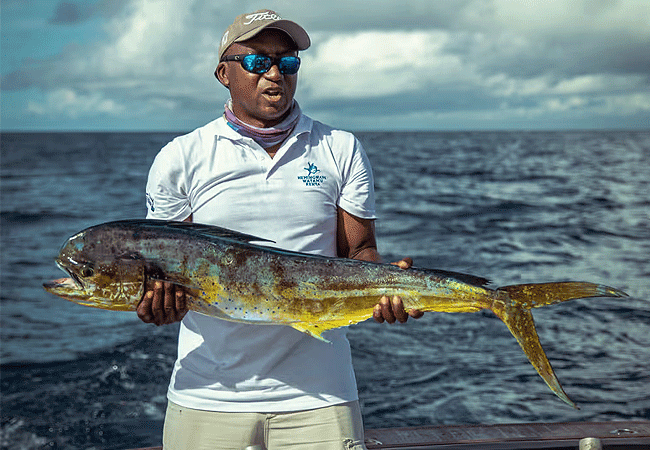
Malindi sits on the edge of the East African continental shelf. The drop-off into deep waters is quick and close to shore. This means you get to deep-sea fishing zones faster than in most global locations.
The Indian Ocean currents bring in baitfish. These attract larger predators like blue marlin, black marlin, striped marlin, sailfish, yellowfin tuna, and dorado. It’s one of the few places where you can catch all three types of marlin in one trip.
When Does It Happen?
The tournament usually runs in October. This coincides with the migration of pelagic species through the area. It also avoids the rainy seasons, giving anglers calm seas and clear skies.
Who Participates?
- International anglers from Europe, South Africa, and the U.S.
- Kenyan sportfishing veterans
- First-time tourists with licensed charters
- Youth teams and women’s teams are increasingly common
Where Does It Launch From?
All boats depart from Malindi’s main jetty. Pre-registered teams get briefed on safety, fish-tagging rules, and scoring procedures the evening before.
How the Tournament Works
Entry Requirements
You need:
- A registered boat or charter
- A certified captain
- A valid sportfishing license
- Entry fee (varies by category)
Categories
- Tag and Release Billfish
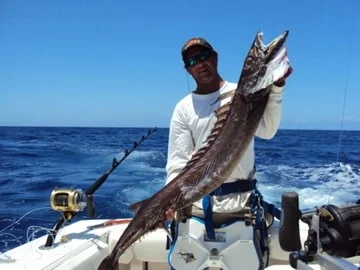
- Heaviest Game Fish (tuna, dorado, wahoo)
- Junior Angler
- Female Angler
- Team Performance
Scoring System
- Billfish (marlin, sailfish) must be tagged and released to gain maximum points
- Weighed fish must meet minimum weight to count
- Disqualified catches include undersized or untagged billfish
Equipment Allowed
- Rod and reel only
- Circle hooks required for live bait
- No handlines or nets
- Live bait and trolling allowed
Conservation Rules
- Catch and release is prioritized
- Tagging helps research migrations
- Marine species reports are submitted post-event

What You Can Expect On the Water
Types of Fish You Might Encounter
- Blue Marlin: 300–800 lbs, fast and powerful
- Black Marlin: Aggressive, prefers live bait
- Striped Marlin: Smaller, but acrobatic
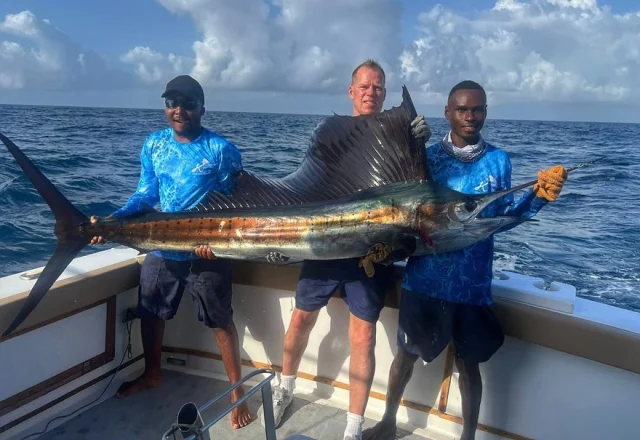
- Sailfish: Best for tagging, common during October
- Yellowfin Tuna: Up to 200 lbs, strong fighters
- Dorado (Mahi Mahi): Bright colors, high-speed runs
- Wahoo: Razor-sharp teeth, fast hits
Common Tactics
- Trolling with artificial lures
- Slow trolling with live bait
- Chumming to bring fish closer
- Using outriggers for spread control
Boat Setup
- Twin-engine sports boats
- Fish-finding sonar
- Outriggers and fighting chairs
- Safety gear and ice storage
Why Anglers Keep Coming Back
Fast Access to Deep Water
You can be fishing within 30 minutes of leaving shore. Other tournaments require hours of travel.
High Fish Density
In peak season, you’ll get multiple strikes per hour. This keeps competition fierce.
Skill Level Diversity
You don’t need to be an expert. Local charters provide all gear, guides, and coaching.
Reliable Weather
October provides calm seas, clear skies, and minimal rainfall. Perfect fishing conditions.
Global Camaraderie
The tournament draws international teams. It’s a mix of competition and celebration.
The Local Economy Benefits Too
The event brings:
- Full bookings for lodges and hotels
- Increased sales for fishing charters
- More business for local guides and suppliers
- Boost in restaurant and bar revenues
Many local vendors rely on this event to earn a large share of their annual income.
How to Join as a Tourist
- Book early. Charter boats and accommodations fill up fast.
- Choose a charter company with tournament experience.
- Check if the charter provides gear, bait, and food.
- Verify they follow tagging and conservation rules.
- Confirm if they’re registered with the tournament committee.
Family-Friendly and Inclusive
- Evening events include BBQs and cultural nights
- Some boats allow children under supervision
- Separate prizes for youth and female anglers
- Many lodges offer non-fishing activities for families
Where to Stay
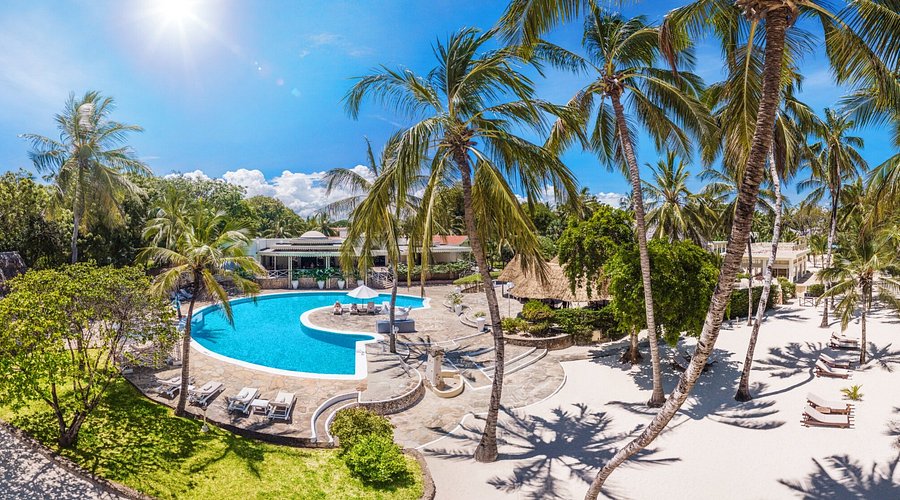
Options range from beachfront resorts to eco-lodges.
- High-end: Ocean Sports Resort, Diamonds Dream of Africa
- Mid-range: Scorpio Villas, Driftwood Club
- Budget: Malindi Backpackers, Silver Rock Hotel
Book at least 3 months in advance.
Tips for First-Time Anglers
- Wear UV-protective clothing
- Bring motion sickness pills
- Stay hydrated
- Follow your captain’s instructions
- Don’t overhandle the rod; let the drag do the work
- Use sunscreen and sunglasses with a strap
How to Win
- Focus on tagging billfish. It scores more than weighed fish.
- Fish early in the day when seas are calm.
- Choose baits based on water temperature and moon phase.
- Communicate well with your crew.
- Listen during the captain’s briefing before departure.
Notable Past Moments
- A 792-pound blue marlin caught in 2012 set a local record.
- 2020’s tournament saw a record 23 marlin tagged in one day.
- In 2023, a junior team placed in the top three overall.
The Role of Conservation
The tournament partners with:
- Kenya Marine and Fisheries Research Institute
- International Game Fish Association
- World Wildlife Fund (Kenya)
This ensures sustainable fishing practices and long-term marine health.
Local Voices
- “The tournament is not just for pros. Even first-timers walk away with stories.” – Captain Yusuf, Malindi Charters
- “Every year, I meet people from all over the world. The friendships outlast the fish.” – Sara, tournament volunteer
Final Thoughts
The Malindi Deep Sea Fishing Tournament is more than a competition. It’s a celebration of skill, conservation, and community. Whether you’re a seasoned angler or a curious traveler, it offers an unforgettable experience in one of the world’s most vibrant marine ecosystems.
Top 10 FAQs About the Malindi Deep Sea Fishing Tournament
- When is the next Malindi Deep Sea Fishing Tournament?
Typically held in October. Check with local organizers for confirmed dates. - Do I need to bring my own fishing gear?
No. Most charters provide high-quality rods, reels, and bait. - What happens if the weather is bad?
The tournament may delay or adjust times but rarely cancels due to weather. - Can beginners join?
Yes. Guides and captains assist first-time anglers throughout the trip. - Are there entry fees?
Yes. Fees vary by category and are usually payable during registration. - Can kids participate?
Yes. There are junior angler categories and family-friendly boats. - How many people per team?
Teams often range from 2–4 anglers per boat. - Is it a catch-and-kill tournament?
No. The focus is on tag and release, especially for billfish. - What fish count for points?
Marlin, sailfish, tuna, dorado, and wahoo all count in various categories. - Where can I register?
Registration is typically done online or at Malindi’s sportfishing club in the weeks leading up to the event.