
A Festival of Identity, Unity, and Heritage Across Kenya
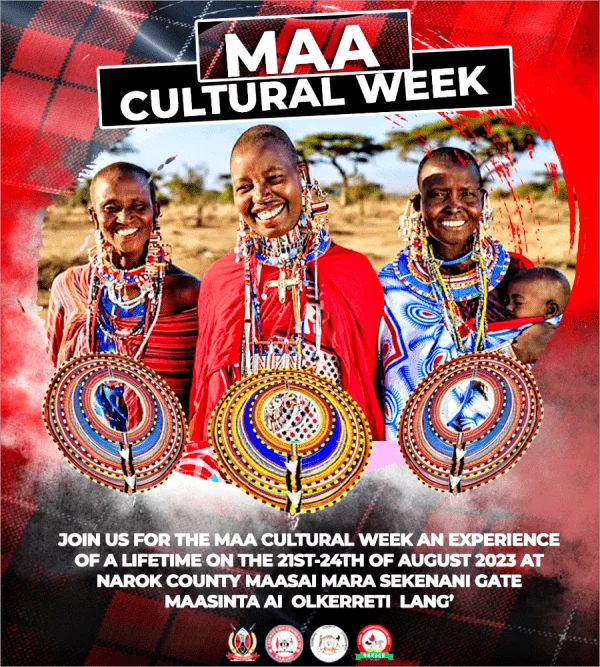
The Maa Cultural Week is one of Kenya’s most colorful and significant cultural festivals. Celebrated annually by Maa-speaking communities—including the Maasai, Samburu, Ilchamus, Ilkeekonyokie, and others—it is a unique showcase of heritage, unity, and resilience.
Held across different Maa-populated counties such as Narok, Kajiado, Laikipia, Samburu, Marsabit, and Baringo, the Maa Cultural Week brings together thousands of people from Kenya, Tanzania, and beyond. Through song, dance, beadwork, oral traditions, and community dialogue, the event ensures the survival of Maa identity while fostering pride and inclusivity.
More than just a festival, the Maa Cultural Week is a living classroom—where the wisdom of elders meets the curiosity of youth, and where culture becomes both a unifying force and an economic driver.
What Is Maa Cultural Week?
The Maa Cultural Week is a week-long festival that celebrates the traditions, artistry, and lifestyles of Maa-speaking communities. It is an immersive cultural journey, blending traditional dances, colorful beadwork, Maasai attire, homestead experiences, storytelling, music, and conservation dialogues.
While deeply rooted in tradition, the festival is also forward-looking. It highlights issues such as cultural preservation, environmental stewardship, women’s empowerment, and the role of youth in safeguarding heritage.
When and Where: Rotating Locations & Recent Editions
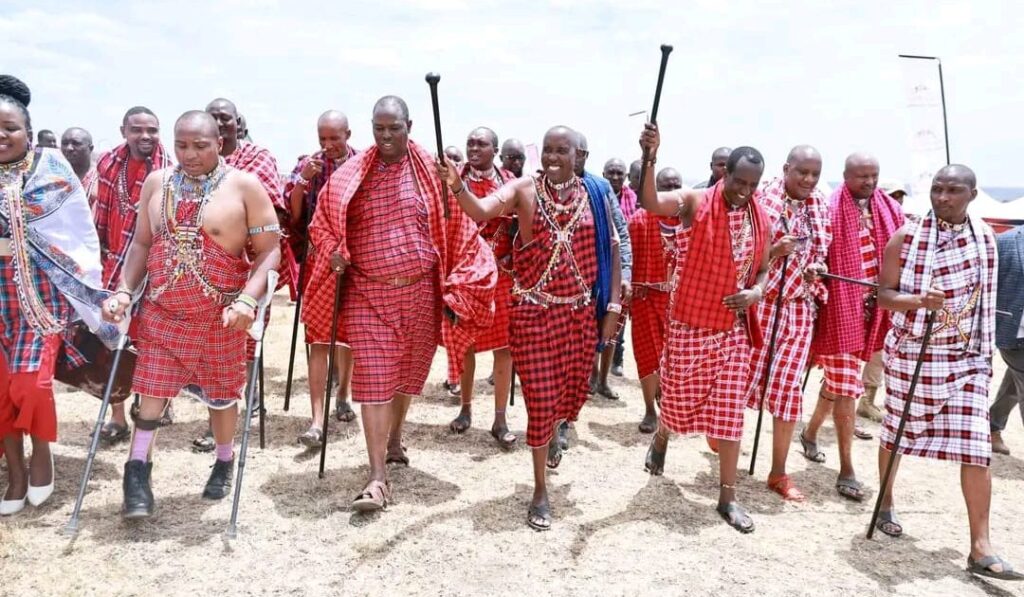
The Maa Cultural Week does not have a fixed location. Instead, it rotates among Maa-speaking counties to ensure inclusivity and community representation. Past festivals have been held in:
- Narok County – The heartland of the Maasai, hosting cultural displays and wildlife-linked tourism.
- Kajiado County – Home to Maasai homesteads near Nairobi.
- Laikipia and Samburu Counties – Known for expansive conservancies and cultural landscapes.
- Baringo and Marsabit Counties – Including Ilchamus and Samburu communities.
The 2024 edition took place at Samburu National Reserve between November 6–9, 2024, drawing dignitaries, tourists, and thousands of community members. The setting amidst wildlife emphasized the close bond between the Maa people and nature.
Origins & Objectives: Celebrating Maa Heritage
The Maa Cultural Week was established as a way of preserving Maa culture in the face of rapid modernization and globalization. Traditional lifestyles—pastoralism, beadwork, dances, and rituals—were at risk of being lost. Leaders, elders, and cultural advocates came together to ensure these practices were celebrated and safeguarded.
Key objectives of the festival include:
- Preserving heritage – Keeping oral traditions, songs, and practices alive.
- Fostering unity – Bringing together different Maa-speaking sub-groups.
- Boosting economic opportunities – Through cultural tourism and local crafts.
- Highlighting conservation – Linking cultural identity to wildlife and land stewardship.
- Encouraging youth participation – Passing knowledge from elders to younger generations.
Cultural Highlights: Dance, Dress, Manyattas & Storytelling
Traditional Dances
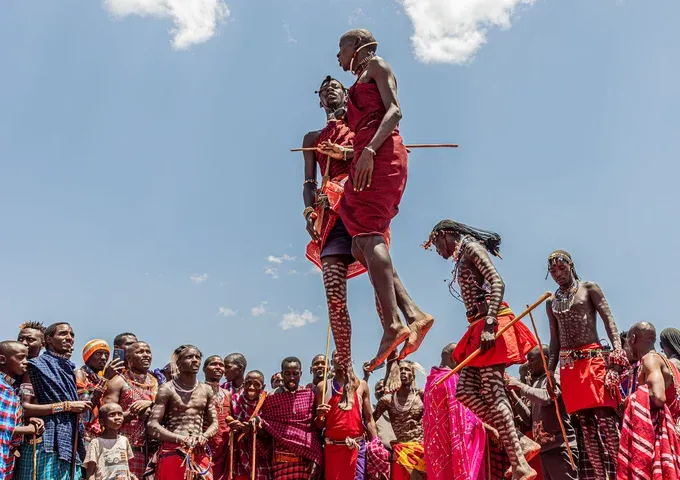
The most iconic dance of the Maa Cultural Week is the Adumu, famously known as the “jumping dance.” Warriors (Morans) showcase their strength by leaping high in the air while chanting in unison. Other dances highlight courtship, victory, and rituals of passage.
Dress and Beadwork
Maa attire is world-renowned. Men wear red shúkà (cloth) symbolizing courage, while women adorn themselves with intricate bead necklaces, earrings, and headpieces. Beadwork is not just decorative; it communicates marital status, age, and social roles.
Manyatta Displays
The festival recreates manyattas (Maasai homesteads), allowing visitors to experience traditional Maasai living. These huts, built from cow dung and mud, symbolize community cooperation and resilience.
Storytelling and Oral Traditions
Elders narrate folktales, myths, and proverbs. These stories carry wisdom about bravery, respect, nature, and unity. Storytelling sessions are interactive, with youth encouraged to ask questions and learn.
Nature & Heritage: Conservation Dialogues
The Maa Cultural Week uniquely integrates cultural celebration with environmental conservation. Maa communities, especially the Maasai and Samburu, have long coexisted with wildlife.
During the festival, discussions and exhibitions focus on:
- Sustainable pastoralism – Balancing livestock rearing with ecosystem conservation.
- Wildlife protection – Reducing human-wildlife conflict.
- Climate change adaptation – Using indigenous knowledge for resilience.
This aspect of the festival positions Maa communities as not just cultural custodians but also environmental stewards.
Community Impact: Cultural Unity & Economic Boost
The Maa Cultural Week has far-reaching benefits:
- Cultural Unity: It fosters solidarity across Maa-speaking communities in Kenya and Tanzania.
- Economic Growth: Hotels, artisans, transport providers, and vendors benefit from the influx of visitors.
- Cultural Tourism: Tourists experience authentic traditions beyond safaris, boosting Kenya’s tourism profile.
- Youth Empowerment: Young people perform, showcase crafts, and learn leadership through the festival.
The festival also provides a platform for NGOs and government agencies to engage with communities on development projects, health awareness, and education.
Voices from the Event: Leaders, Elders & Youth
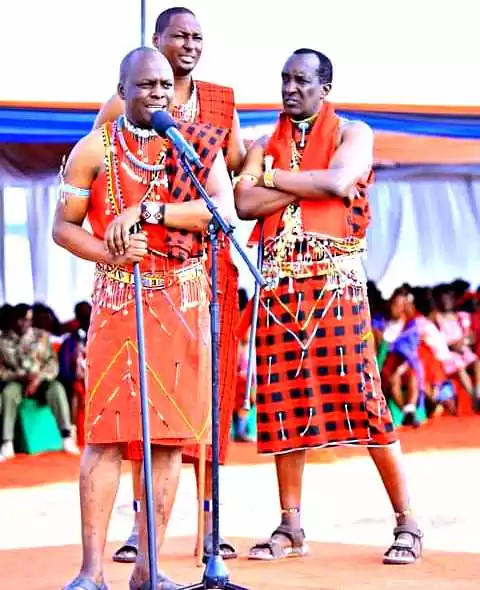
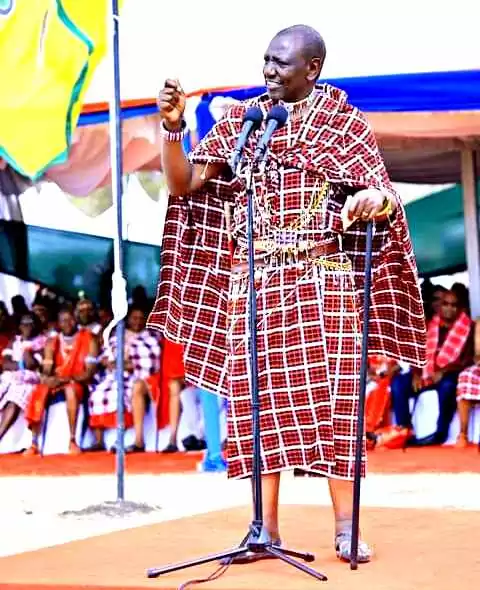
The Maa Cultural Week brings together leaders from politics, community elders, and youth groups. Leaders emphasize cultural pride and unity, elders impart wisdom through speeches and blessings, while youth showcase modern innovations blended with tradition.
This tri-generational participation ensures that the festival remains dynamic, relevant, and inclusive.
Challenges & the Future: Preserving Identity Amid Change
The Maa Cultural Week faces challenges that threaten cultural survival:
- Modernization – Urban migration reduces youth participation in cultural practices.
- Globalization – Western lifestyles influence traditional values.
- Climate change – Droughts disrupt pastoralist livelihoods, central to Maa identity.
- Funding – Sustaining large-scale festivals requires financial support.
Despite these hurdles, the Maa Cultural Week is adapting. Organizers use digital platforms to broadcast performances, collaborate with conservation groups for funding, and encourage youth innovation within cultural expressions. The future looks promising as long as the balance between tradition and modernity is maintained.
Also read:Come With Me As We Explore Kenyan Cultural Experiences
Wrap-Up
The Maa Cultural Week is a cultural renaissance—an annual reminder of the richness, beauty, and resilience of Maa heritage. From the powerful Adumu dance and intricate beadwork to storytelling and conservation dialogues, the festival is both a celebration and a call to preserve culture.
By uniting communities across Kenya and Tanzania, empowering youth, boosting local economies, and advocating for environmental stewardship, the Maa Cultural Week has established itself as one of East Africa’s most important cultural festivals.
For anyone eager to experience Kenya beyond wildlife safaris, the Maa Cultural Week offers a front-row seat to the soul of the Maa people.
10 Frequently Asked Questions (FAQs)
- What is Maa Cultural Week?
It is an annual festival celebrating Maa-speaking communities’ heritage through dance, beadwork, storytelling, and conservation. - Who participates in Maa Cultural Week?
Communities include the Maasai, Samburu, Ilchamus, Ilkeekonyokie, and others from Kenya and Tanzania. - Where is Maa Cultural Week held?
It rotates among counties such as Narok, Samburu, Laikipia, Kajiado, Marsabit, and Baringo. - When is Maa Cultural Week celebrated?
Usually held in November, with specific dates announced yearly. - What cultural highlights stand out?
The Adumu dance, Maasai beadwork, manyatta displays, and oral storytelling are key highlights. - How does Maa Cultural Week support conservation?
It hosts discussions on pastoralism, climate resilience, and wildlife coexistence, promoting Maa as environmental stewards. - Is Maa Cultural Week open to tourists?
Yes, tourists are encouraged to attend, experience the culture, and support local economies. - What foods are showcased at the festival?
Traditional meals like roasted goat, milk-based dishes, and ugali are common. - What challenges does the festival face?
Modernization, climate change, and funding are key challenges. - Why is Maa Cultural Week important?
It preserves Maa traditions, unites communities, boosts tourism, empowers youth, and promotes conservation.