The Lamu Dhow Sailing Races are more than a local sport. They are living proof of the Swahili coast’s history, pride, and connection to the sea. Held during key festivals like Maulidi and Lamu Cultural Festival, these races turn the Indian Ocean into a stage for fierce competition and unmatched artistry.
Also Read:Dhow House Lamu: A Hidden Gem in Kenya
A Detailed Explanation of the Lamu Dhow Races
Lamu, a UNESCO World Heritage site off the coast of Kenya, is one of the few places where traditional dhows still dominate the horizon. These wooden sailing vessels—built without nails and powered solely by wind and human will—are raced by local crews in timed events that test balance, speed, and strategy.
Each race pits experienced sailors against the elements, steering hand-built dhows across challenging tides. These races attract both tourists and locals, offering a rare look at centuries-old sailing traditions that continue to thrive.
What Is a Dhow?
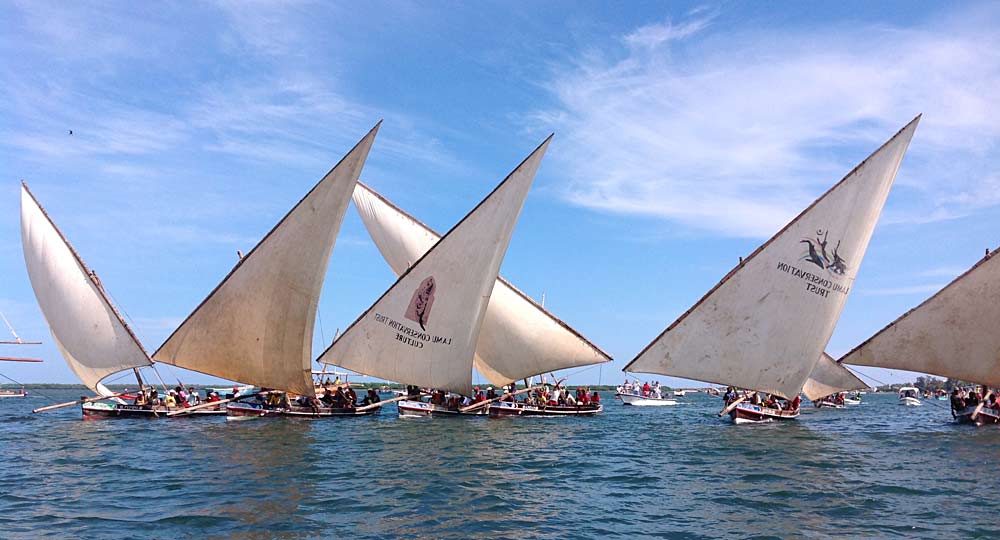
- A dhow is a traditional sailing vessel with a lateen (triangular) sail.
- Most dhows used in Lamu are crafted from mango or mahogany wood.
- They are built entirely by hand, using methods passed down through generations.
These boats were once used for trading across the Indian Ocean. Today, they serve as cultural icons and racing machines.
When Do the Races Take Place?
The most anticipated dhow races are held during:
- Maulidi Festival (Rabi’ al-Awwal): Celebrating the birth of the Prophet Muhammad, this religious festival includes parades, poetry, and sailing races.
- Lamu Cultural Festival (November): A larger cultural event showcasing Swahili heritage, music, food, and sailing competitions.
- New Year’s Eve: Informal yet fiercely contested dhow races close the year with speed and celebration.
Why These Races Matter
Dhow sailing is not a tourist gimmick. It’s a way of life. Young boys in Lamu learn to sail as early as age 10. For many, racing a dhow is a badge of honor, a test of skill, and a display of respect for Swahili heritage.
The races matter because they:
- Preserve traditional boat-making techniques.
- Provide economic opportunities for local craftsmen and sailors.
- Offer authentic experiences to cultural tourists.
- Strengthen community identity and pride.
The Building of a Dhow
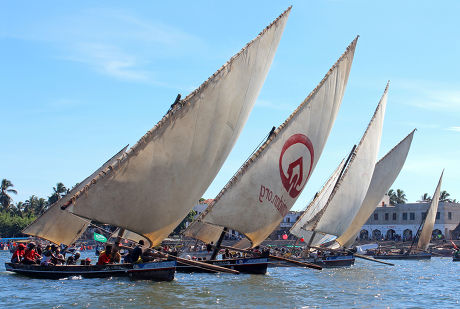
No blueprints. No power tools. A dhow begins with a keel—a central spine—then ribs are shaped and attached using wooden pegs. Cotton cloths soaked in oil are used for sealing. Sails are cut and stitched by hand.
This process takes weeks, sometimes months. Every curve, every joint is precise. A small mistake could lead to water leaks or poor wind performance.
Tools Used
- Adzes and chisels
- Hand saws
- Mallets
- Wooden dowels
- Coconut fiber ropes
Key Facts
- No nails are used.
- Coconut oil and lime are used to seal joints.
- Each dhow has a name—often in Swahili or Arabic.
Wind and Water Strategy
Lamu’s sailors don’t rely on GPS or compasses. They read the wind, water, and tide by eye and instinct.
Racing strategies include:
- Adjusting sail angle for maximum wind pull.
- Navigating shallow reefs and hidden currents.
- Balancing crew weight for speed and stability.
Crew coordination is critical. One misstep can slow the boat or cause capsizing.
Types of Races
There are two main race formats:
- Short-distance sprints (between Lamu Island and Shela Beach)
- Long-distance races (around Manda Island and across open channels)
Winners often receive cash prizes, trophies, and community respect.
Community Involvement
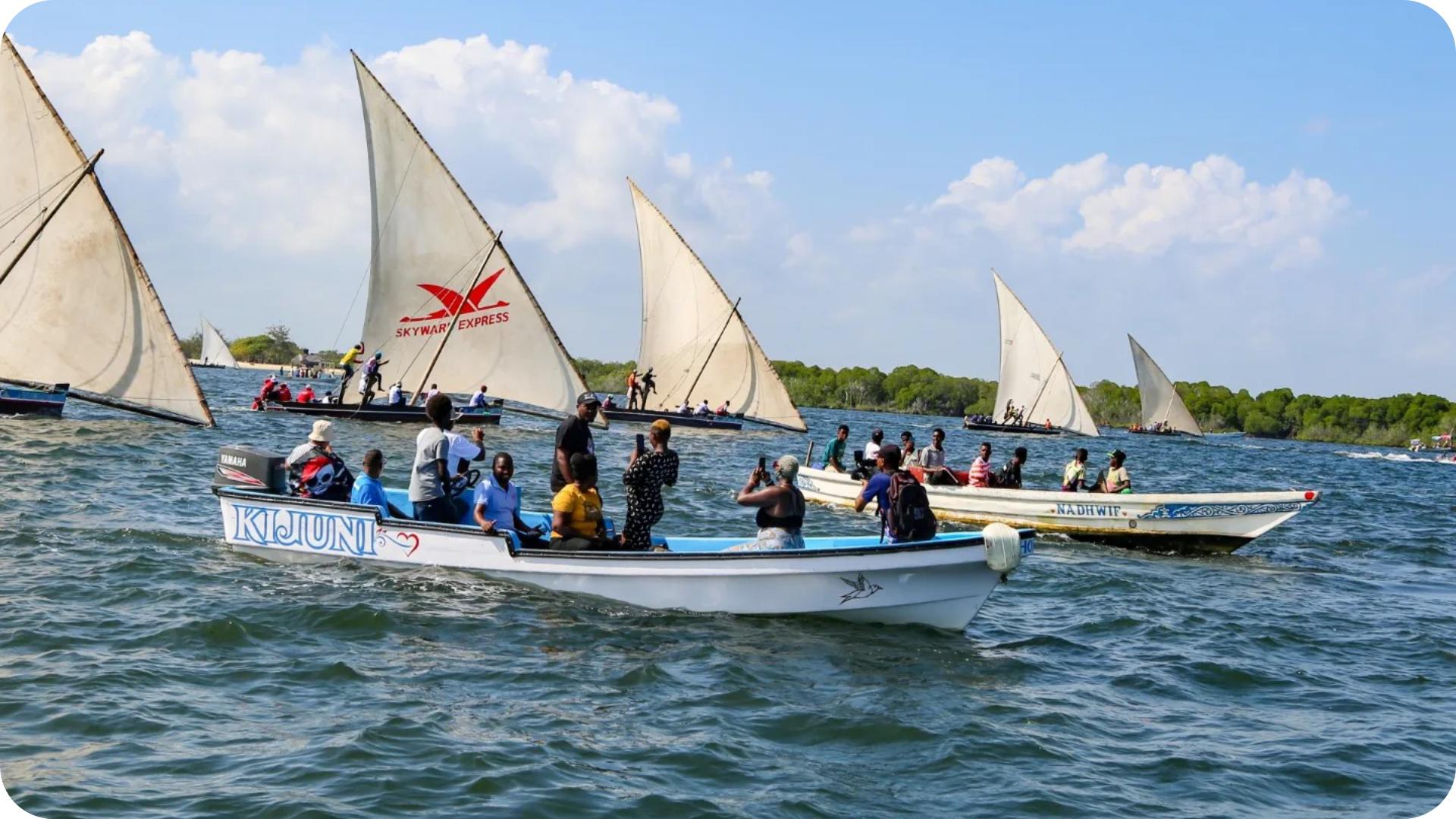
Dhow races are deeply communal. Men build and race the boats. Women and children cheer from the shoreline. Local elders judge the races and handle disputes.
Before the race, families gather to bless the crew and vessel. Afterward, celebrations include drumming, dancing, and Swahili feasts of pilau, grilled fish, and coconut stew.
The Experience for Visitors
Watching a dhow race is immersive and loud. You’ll hear drumbeats, laughter, and the flap of heavy sails. Crowds gather along the beaches. The scent of the sea mixes with spiced rice and charcoal-grilled seafood.
Tips for Attending:
- Arrive early to get a good spot along the beach or harbor.
- Wear light, breathable clothes.
- Bring water, sunscreen, and a camera.
- Respect local customs and dress modestly.
Tourists can also join sailing excursions on non-race days. Some operators offer sunset cruises, fishing trips, or island hopping tours in traditional dhows.
Conservation Through Culture
Preserving dhow culture supports both heritage and the environment. Hand-built dhows have a low carbon footprint. They rely on wind, not fuel. Supporting local craftsmen keeps money within the community and reduces dependence on imports.
Cultural tourism tied to dhow races helps fund:
- Boat repair and building workshops
- Youth sailing programs
- Swahili language and music education
Why Lamu Is Unique
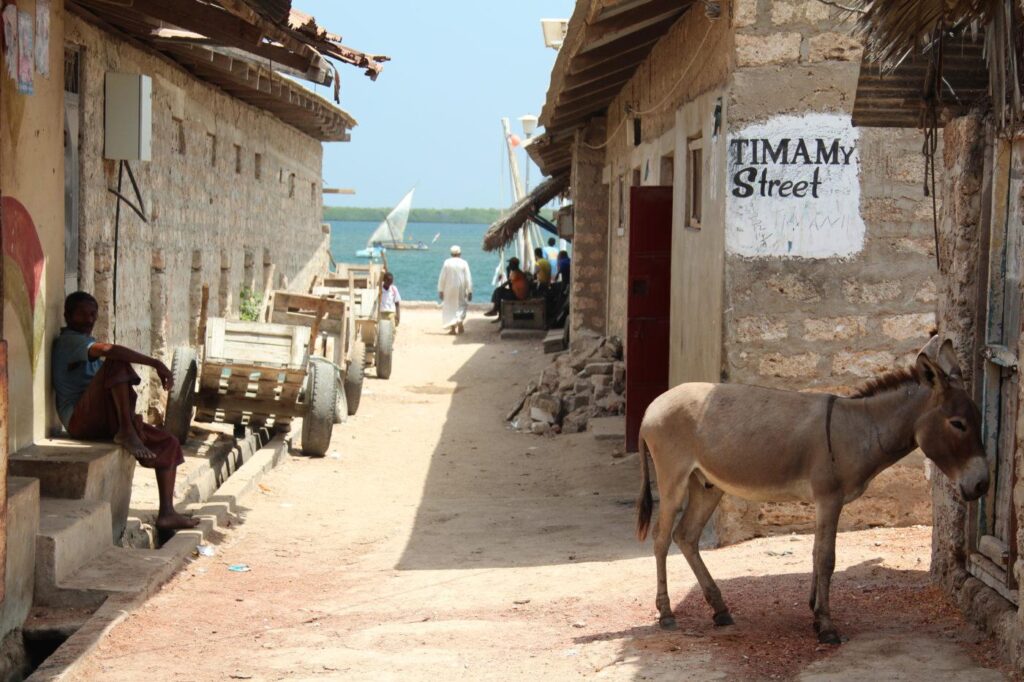
Unlike other coastal towns, Lamu has resisted overdevelopment. There are no cars. People walk or use donkeys. The town’s coral stone buildings and narrow alleys remain unchanged.
This timeless setting makes the races even more powerful. Watching a dhow speed past the horizon feels like time travel.
Challenges Facing Dhow Racing
Despite its beauty, dhow sailing faces threats:
- Cheaper, mass-produced boats undermine local builders.
- Younger generations leave for urban jobs.
- Rising sea levels and storms damage boats and docks.
NGOs and local groups are now stepping in with training, sponsorship, and awareness campaigns to keep the tradition alive.
How You Can Support
- Attend a dhow race during your visit to Kenya.
- Book a tour or cruise with a local dhow operator.
- Buy souvenirs or artwork made by Lamu’s artisans.
- Share photos and stories to raise awareness.
Supporting dhow culture helps preserve a vanishing skill and way of life.
10 FAQs About Lamu Dhow Sailing Races
1. What is a dhow?
A traditional wooden sailboat used along the Swahili coast, powered by a triangular sail.
2. Where are the races held?
Mainly off Lamu Island, around Shela, Manda, and the surrounding archipelago.
3. When is the best time to see a dhow race?
During the Maulidi Festival (Rabi’ al-Awwal), Lamu Cultural Festival (November), or New Year’s Eve.
4. How long is a typical race?
From 30 minutes for short races to over 2 hours for longer ones.
5. Can tourists participate?
Not in the official races, but some tours offer sailing experiences with local crews.
6. Are the boats safe?
Yes. They are expertly built and maintained, with generations of experience behind them.
7. Who builds the dhows?
Local craftsmen, many of whom learned the skill from their fathers and grandfathers.
8. Are there women sailors?
Traditionally, crews are male, but women participate in planning, logistics, and celebration.
9. What does a dhow race cost to watch?
Most are free to watch from the beach or harbor.
10. Is Lamu safe for tourists?
Yes. Lamu is generally safe and welcoming. Follow basic travel safety tips and local advice.
Final Thoughts
Lamu’s dhow races are not a relic. They are a living, breathing tradition. When the wind fills the sail and the crowd roars, it’s clear—this is not a show. It’s a centuries-old passion kept alive by skill, pride, and the power of the sea.