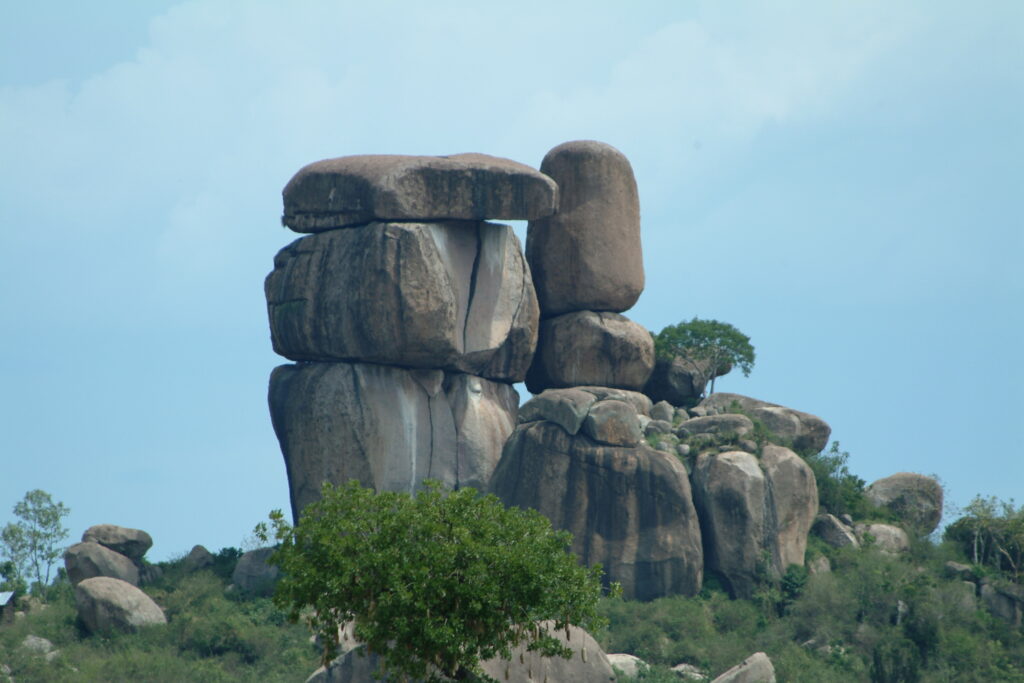
Kit Mikayi is a unique rock formation located about 30 kilometers west of Kisumu, near the village of Seme. For the Luo people, it holds spiritual significance and is a centerpiece of their cultural heritage. It is not just a natural monument, but a living shrine that continues to attract pilgrims, tourists, and locals.
Also Read:Discover the Best Hotels in Kisumu for Every Traveler[updated 2025]
A Detailed Explanation of Kit Mikayi’s Cultural Importance
Kit Mikayi means “the stone of the first wife” in Dholuo, the Luo language. The formation is said to resemble a woman resting on her hut, flanked by her children. This visual metaphor matches the Luo family structure, where the first wife holds a central place in the household.
The rock is not merely admired for its shape. It functions as a religious site where prayers, fasting, and cleansing rituals occur. Some locals believe the site holds healing powers. Others come seeking spiritual clarity or blessings.
Location and Accessibility
- Located in Seme, Kisumu County, western Kenya
- About 30 km from Kisumu city
- Accessible by road, both from Kisumu city and nearby towns
- Entry fee ranges between KES 200 and 500, with guided tours available
The Legend Behind the Rock
According to oral history, a man named Ngeso loved to sit near the rocks for long hours. His wife would often search for him, only to find him seated under the large stone formation. Locals said he loved the rock so much, it became his “first wife.” Over time, the community named the rock Kit Mikayi.
The story is symbolic. In Luo tradition, the first wife has status and respect. The rock, being central and massive, was compared to this honored wife. The smaller rocks around it represent the second and third wives and children.
Spiritual Use by Legio Maria Church
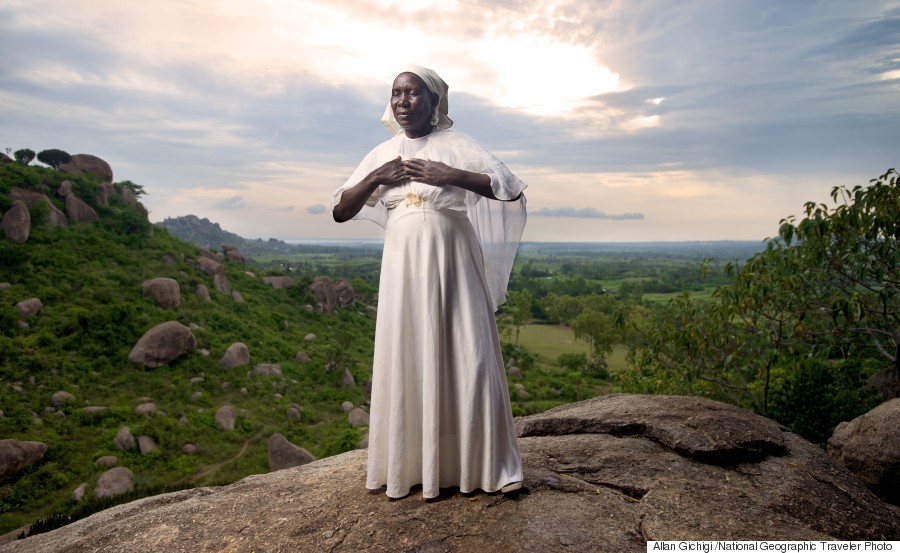
The rock serves as a pilgrimage site for members of the Legio Maria Church. They believe the site is sacred. Pilgrims often fast and pray for several days, sometimes climbing into the caves that dot the formation. Rituals include lighting candles, chanting, and prayer sessions. These practices have kept the site spiritually active for decades.
Role in Luo Ceremonies
Kit Mikayi is not limited to Christian or Legio Maria rituals. Luo elders also use it for traditional rites. These include:
- Initiation rituals for young men
- Cleansing ceremonies for families
- Blessings for marriages
- Rainmaking prayers during drought
Traditional leaders believe the site connects the living to ancestors. Offerings like millet, sorghum, or beer are placed near the base of the rock.
Tourism and Education
Besides its spiritual significance, Kit Mikayi attracts domestic and international tourists. Visitors often come to:
- View the unique rock structure
- Learn about Luo traditions
- Participate in guided cultural experiences
- Take panoramic photos of Kisumu plains
Local guides, often elders or cultural custodians, explain the stories and practices linked to the rock. School groups also visit to study geography, culture, and local history.
Conservation Efforts
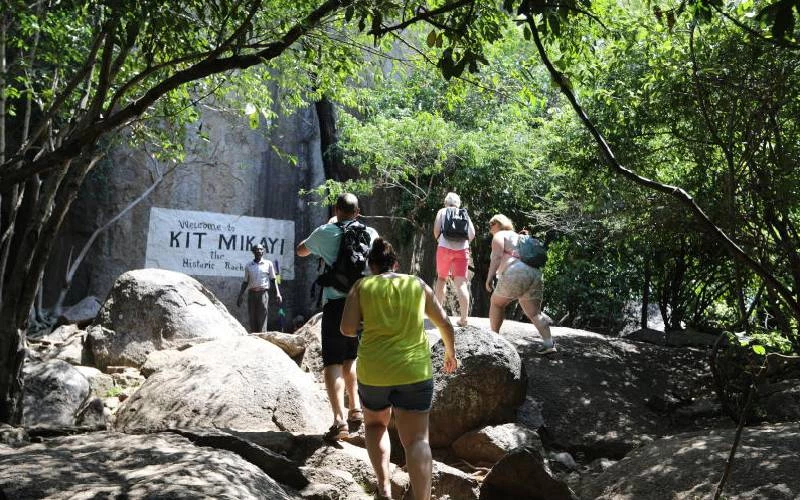
The site is under threat from natural erosion and human activity. Foot traffic, graffiti, and littering have caused concern among elders and conservationists.
To protect the rock, local committees have introduced:
- Clean-up days organized by schools and churches
- Entry fees for maintenance
- Guide-only access to sensitive zones
- Educational posters in Dholuo and English
These efforts aim to keep the site intact for future generations.
Socio-Economic Impact on the Community
Kit Mikayi brings economic benefits to the local community. These include:
- Income from entry fees
- Jobs for local guides and caretakers
- Sales of snacks, souvenirs, and crafts
- Guesthouse and homestay bookings
The cultural site has helped build pride among the Luo people. It also gives tourists a reason to explore Kisumu County beyond Lake Victoria.
Kit Mikayi in Kenyan Identity
Kit Mikayi is more than a Luo site. It has become a national cultural symbol. Kenyan music videos, documentaries, and TV shows have featured it. The rock has even been nominated for UNESCO World Heritage Site status.
Its visibility in national media has elevated Luo culture and given the younger generation a reason to stay connected to their roots.
Photography and Film Use
Photographers and filmmakers use the site for:
- Wedding shoots
- Music video backdrops
- Tourism documentaries
- Cultural preservation archives
Drone footage has become common, showing the rock’s vast form from above. However, permission is required for commercial shoots.
What You Can Expect When You Visit
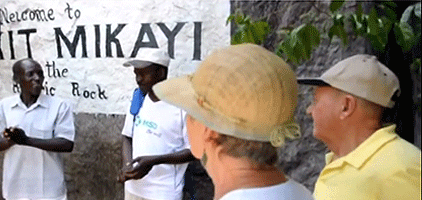
Visitors often begin with a brief introduction by a local guide. Then they climb partway up the rock. Some go all the way to the caves. Others prefer to stay at the base and take photos or sit quietly.
Expect the following:
- Slippery rocks during the rainy season
- Strong winds at the top
- Quiet zones marked for prayer
- Shoe removal in sacred areas
- No alcohol or smoking allowed
Tips for a Better Experience
- Go early to avoid crowds
- Bring drinking water
- Wear firm shoes with grip
- Respect prayer groups
- Leave no trash behind
- Hire a local guide for deeper insight
Myths and Beliefs
Some stories passed down include:
- A childless couple conceived after praying at the rock
- Rain falling only on Kit Mikayi during dry spells
- Nighttime voices or drumming heard near the caves
These myths keep the aura of mystery alive and help pass down cultural teachings.
Kit Mikayi in Schools and Textbooks
Kenyan primary and secondary school books feature Kit Mikayi under social studies and geography topics. Teachers use it to explain rock formation, cultural identity, and spiritual practices.
Field trips often follow the textbook learning, giving students a real-world connection to what they study.
Gender and Cultural Roles at Kit Mikayi
The first wife holds symbolic power in Luo culture. Women who visit Kit Mikayi often relate the rock’s symbolism to their role in families and communities. Some women’s groups even hold prayers and mentoring sessions there.
This gender symbolism strengthens respect for women’s roles in traditional Luo homes.
Future of Kit Mikayi
The challenge ahead is preserving the site amid growing tourism. There are plans to:
- Create a visitor center
- Train more local guides
- Digitize oral stories for online platforms
- Add signage in international languages
These plans aim to balance cultural preservation with economic growth.
Final Word
Kit Mikayi is more than a rock. It is a spiritual, cultural, and historical cornerstone of the Luo people. Whether you go for faith, curiosity, or education, the site leaves a strong impression. By visiting respectfully and supporting local efforts, you help preserve this sacred place for generations.
10 Most Asked Questions About Kit Mikayi Rock
1. What does Kit Mikayi mean?
It means “the stone of the first wife” in Dholuo.
2. Where is Kit Mikayi located?
It is in Seme, Kisumu County, 30 km west of Kisumu city.
3. Why is the rock sacred?
It is linked to Luo spirituality and family structure, and is used for rituals and prayer.
4. What is the legend behind Kit Mikayi?
A man spent so much time at the rock that villagers joked it was his first wife.
5. Can tourists climb the rock?
Yes, parts of the rock are accessible for climbing, with guidance.
6. Is Kit Mikayi a Christian site?
It is used by Legio Maria, but also by traditional Luo practitioners.
7. What is the entry fee?
Fees range from KES 200 to 500, depending on age and nationality.
8. Are there guides available?
Yes, local guides provide tours in English, Kiswahili, and Dholuo.
9. Is it safe to visit?
Yes, the area is peaceful and local communities are welcoming.
10. Can I take photos or videos?
Yes, but commercial photography requires permission.