A Living Relic of Africa’s Ancient Rainforest
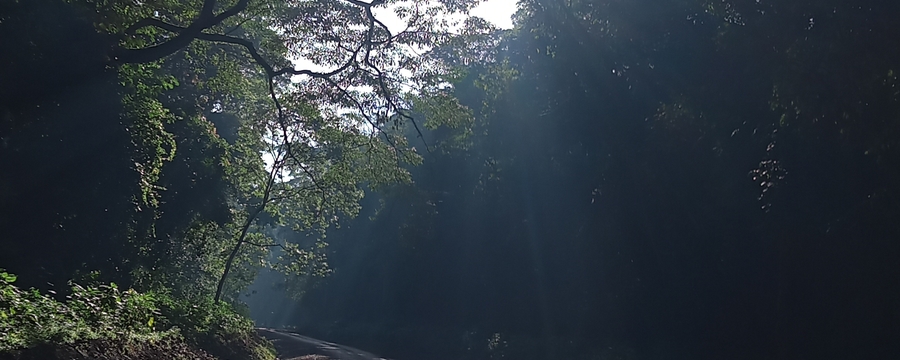
Kakamega Forest is one of Kenya’s most extraordinary natural treasures and the country’s only tropical rainforest. Located in western Kenya, this lush ecosystem is a remnant of the ancient Guineo-Congolian rainforest that once stretched across Central Africa. Today, it stands as a vibrant biodiversity hotspot, home to unique plants, rare birds, monkeys, butterflies, and towering indigenous trees.
Spanning over 230 square kilometers, Kakamega Forest is not just a haven for wildlife but also a sanctuary for those seeking peace, adventure, and cultural immersion. From its whispering canopies to its hidden waterfalls, the forest invites explorers into a world where nature thrives in its purest form.
In this article, we’ll dive into the location and geography of Kakamega Forest, its rich biodiversity, cultural heritage, and the activities that make it one of Kenya’s best eco-tourism destinations.
Location and Geography of Kakamega Forest
Where Kakamega Forest is Found
Kakamega Forest lies in the western part of Kenya within Kakamega County, about 420 kilometers northwest of Nairobi and 45 kilometers north of Kisumu. The forest is strategically positioned on the northern edge of the Lake Victoria basin, at the transition between Kenya’s highlands and the lower-lying lake region.
Sitting at altitudes of 1,500–1,700 meters above sea level, Kakamega enjoys a humid, cool climate with frequent rainfall, foggy mornings, and lush green vegetation throughout the year. This climate is perfect for sustaining a tropical rainforest ecosystem, making Kakamega unlike any other forest in Kenya.
The forest is divided into distinct sections—Kakamega National Reserve, Kisere Forest Reserve, and Buyangu Nature Reserve—each offering unique trails, wildlife habitats, and visitor facilities. These zones are jointly managed by the Kenya Wildlife Service (KWS) and the Kenya Forest Service (KFS), ensuring both conservation and tourism coexist in balance.
Natural Setting
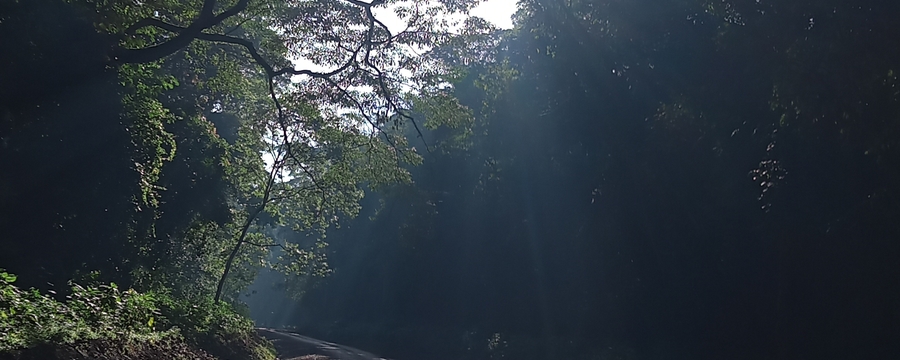
The landscape of Kakamega Forest is a striking mosaic of ecological beauty. Towering indigenous trees create a thick canopy that filters sunlight into soft beams, giving the forest floor a mystical glow. Meandering rivers like the Isiukhu River snake through the trees, feeding into tranquil pools and cascading waterfalls.
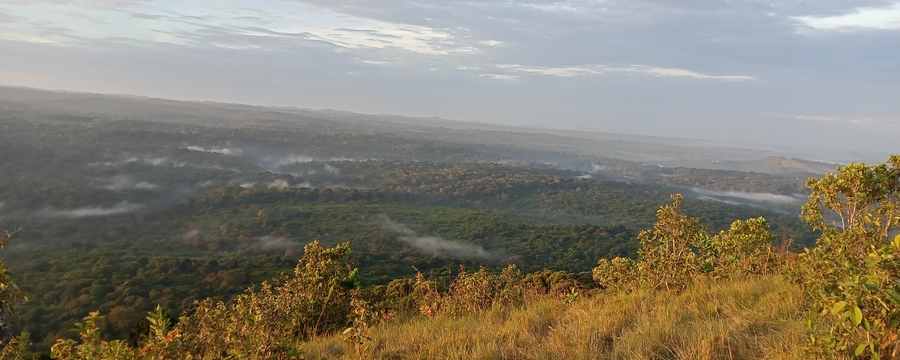
Rolling hills and swampy valleys add topographical diversity, while rocky outcrops offer panoramic lookouts across the forest and surrounding countryside. During the early morning, the forest often appears wrapped in a blanket of mist, which slowly lifts as the sun rises—transforming the scenery into something magical. This setting is not just a geographical wonder, but a living theater of nature where every corner whispers with life.
Biodiversity of Kakamega Forest
Flora: Towering Trees and Medicinal Plants
Kakamega Forest is home to over 380 species of plants, ranging from gigantic centuries-old trees to delicate herbs and ground flora. Some of the most iconic tree species include:
- Elgon teak – prized for its hardwood and towering presence.
- Red stinkwood – traditionally used in herbal medicine to treat stomach ailments and fevers.
- Fig trees – considered sacred by local communities, often used as spiritual sites.
- Mahogany and African satinwood – valuable timber trees that also provide habitats for countless forest species.
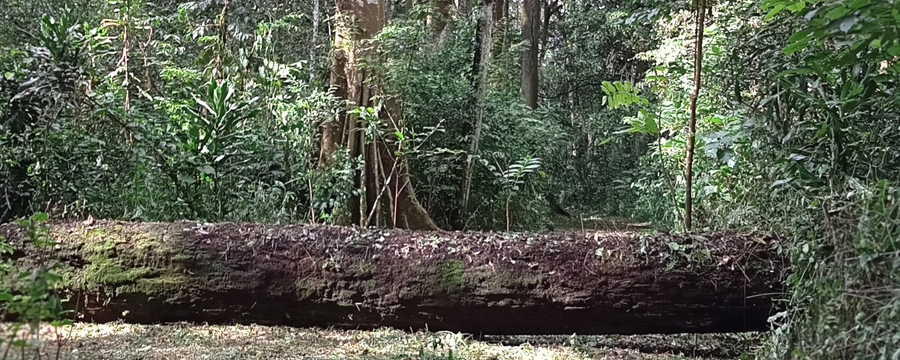
The forest floor is a paradise of ferns, mosses, creepers, and fungi, each layer adding to the complexity of the ecosystem. Medicinal plants harvested by local healers are still an integral part of traditional healthcare, linking biodiversity to cultural survival.
Fauna: Wildlife of Kakamega Forest
The wildlife of Kakamega Forest is as rich as its flora.
- Mammals: Visitors may encounter bushbucks, duikers, and the giant forest squirrel. Monkeys are a highlight—species like the playful blue monkey, red-tailed monkey, and the elusive endangered De Brazza’s monkey swing across branches in lively troops.
- Birds: The forest is a birdwatcher’s paradise, with over 350 recorded species. Rare gems include the Turner’s eremomela, the vibrant great blue turaco, and the charismatic grey parrot, which fills the canopy with its calls.
- Reptiles and Amphibians: The forest shelters snakes such as the forest cobra, chameleons camouflaged among branches, and brightly colored frogs near streams.
- Butterflies and Insects: Over 400 butterfly species flutter across the clearings, making Kakamega one of East Africa’s most important butterfly sanctuaries. Insects, though small, are critical to the ecosystem—pollinating plants and recycling nutrients.
Together, this biodiversity makes Kakamega Forest a living classroom of ecology and evolution.
Cultural Significance of Kakamega Forest
Sacred Groves and Traditions
For the Luhya community, the forest is deeply spiritual. Certain fig trees are revered as sacred, serving as sites for rituals, prayers, and community gatherings. Elders often recount oral traditions that speak of ancestors and forest spirits that inhabit Kakamega, making it not only a physical sanctuary but also a cultural one.
Herbalists rely on plants such as red stinkwood and African pepper for traditional medicine, ensuring that the forest is central to both healing practices and spiritual well-being.
Community Connection
Beyond spirituality, the forest sustains local livelihoods. Communities around Kakamega benefit from eco-tourism jobs, beekeeping, and cultural performances that showcase music, dance, and handicrafts. These activities strengthen the bond between people and nature while fostering sustainable economic development. For visitors, engaging with these traditions offers an authentic glimpse into how human culture and the rainforest are intertwined.
Things to Do in Kakamega Forest
Hiking and Nature Trails
The forest is a hiker’s paradise, with trails for all levels:
- Isiukhu Falls Trail – leading to a beautiful hidden waterfall surrounded by ferns and mossy rocks.
- Lirhanda Hill Trail – a challenging ascent that rewards hikers with sweeping views of the forest canopy and beyond.
- Buyangu Trail – perfect for birdwatching and butterfly spotting, weaving through dense trees and open glades.
Birdwatching
Birdwatchers flock to Kakamega Forest for its unparalleled diversity. Early mornings bring melodious bird calls, while evenings often feature raptors soaring above the canopy. Rare species like the Turner’s eremomela attract ornithologists from around the world.
Canopy Exploration and Sunrise Views
Hiking up Lirhanda Hill or Buyangu Hill at dawn provides spectacular views of sunrise over the forest. As mist rises, the canopy glows in golden hues—an unforgettable experience for photographers and nature lovers alike.
Picnicking and Camping
Designated picnic areas provide serene spots for families and groups. For those seeking immersion, camping in the forest offers nights filled with the calls of owls, frogs, and insects—an enchanting reminder of the forest’s nocturnal life.
Cultural Tours
Guided tours by locals allow visitors to learn about traditional medicine, hunting practices, and cultural ceremonies. These tours add depth, showing how Kakamega Forest is not just a natural reserve, but also a cultural landscape.
Travel Guide to Kakamega Forest
Best Time to Visit
The best time to explore is during the dry seasons (December–March and June–September), when trails are firm and easier to hike. Rainy seasons make trails slippery, but they also bring out the forest’s lush vibrancy and increase the drama of waterfalls.
Getting There
- By Road: From Nairobi, it’s a 7–8 hour scenic drive through the Rift Valley. From Kisumu, the forest is just 1.5 hours away.
- By Air: Flights connect Nairobi to Kisumu or Kakamega airstrip, followed by a short road transfer.
What to Carry
- Waterproof hiking boots and rain gear.
- Binoculars and a good camera for wildlife.
- Drinking water and energy snacks.
- Insect repellent for comfort.
- A field guide if you’re keen on identifying plants and birds.
Safety and Conservation
Safety Tips
- Always use registered local guides.
- Stick to designated trails to avoid getting lost.
- Start hikes early to maximize daylight.
- Avoid wandering alone at night—wildlife is active after dark.
- Be prepared for sudden tropical rain showers.
Conservation Efforts
Kakamega Forest faces threats from encroachment, deforestation, and farming. To address this:
- Eco-tourism initiatives provide sustainable income for local people.
- Tree planting programs restore degraded areas.
- Community education projects raise awareness about the importance of conservation.
Visitors can support these efforts by practicing responsible tourism—carrying out litter, respecting rules, and supporting local eco-friendly businesses.
Accommodation Near Kakamega Forest
Budget Options
Eco-campsites and guesthouses near Isecheno Gate offer affordable stays, perfect for backpackers and students.
Mid-Range Options
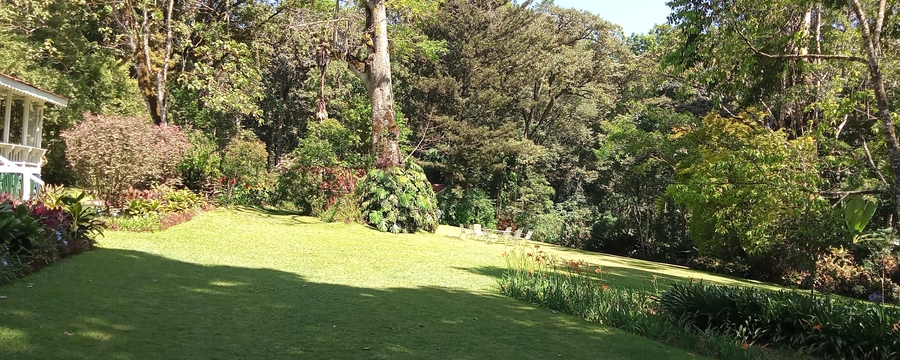
Lodges like Rondo Retreat provide charming cottages with gardens, nature trails, and birdwatching right at your doorstep.
Luxury Options
Upscale eco-lodges near Kisumu and Kakamega town offer modern amenities, ideal for travelers wanting both comfort and proximity to the forest.
Why Visit Kakamega Forest?
- Unique Tropical Rainforest – Kenya’s only one of its kind.
- Biodiversity Hotspot – Rare birds, monkeys, butterflies, and medicinal plants.
- Cultural Depth – Sacred groves and strong community traditions.
- Adventure and Relaxation – Hiking, camping, birdwatching, and sunrise views.
- Accessibility – Easy to reach from Nairobi and Kisumu.
Also read:Unveiling the Best Places in Kenya For Safari Adventures
FAQs About Kakamega Forest
1. Where is Kakamega Forest located?
Kakamega Forest is in Kakamega County, western Kenya, about 420 km from Nairobi.
2. Why is Kakamega Forest famous?
It is Kenya’s only tropical rainforest and a biodiversity hotspot.
3. What animals live in Kakamega Forest?
Monkeys, bushbucks, duikers, giant forest squirrels, and over 350 bird species.
4. Can you camp in Kakamega Forest?
Yes, there are designated campsites and eco-lodges for visitors.
5. What is the best time to visit Kakamega Forest?
The dry seasons (December–March and June–September) are best for hiking and exploration.
6. How big is Kakamega Forest?
It covers about 230 square kilometers.
7. What cultural significance does Kakamega Forest have?
It is sacred to the Luhya community, with traditional rituals and herbal medicine linked to it.
8. Are there guided tours in Kakamega Forest?
Yes, local guides offer birdwatching, hiking, and cultural tours.
9. How can I get to Kakamega Forest from Nairobi?
By road (7–8 hours) or by flying to Kisumu, then driving to the forest.
10. Why should I visit Kakamega Forest?
To experience Kenya’s only tropical rainforest, rich biodiversity, and cultural heritage.