Western Kenya holds a secret. It’s not on every traveler’s list. It’s not crowded. It’s not loud. Yet it offers what many crave—peace. Kaimosi Forest is that secret. It’s a natural haven with untapped serenity, tucked in Vihiga County.
This forest doesn’t scream for attention. But it rewards those who pay attention.
Also Read:Top 7 Epic Camping in Kenya Spots You Must Experience
A Detailed Explanation of Kaimosi Forest
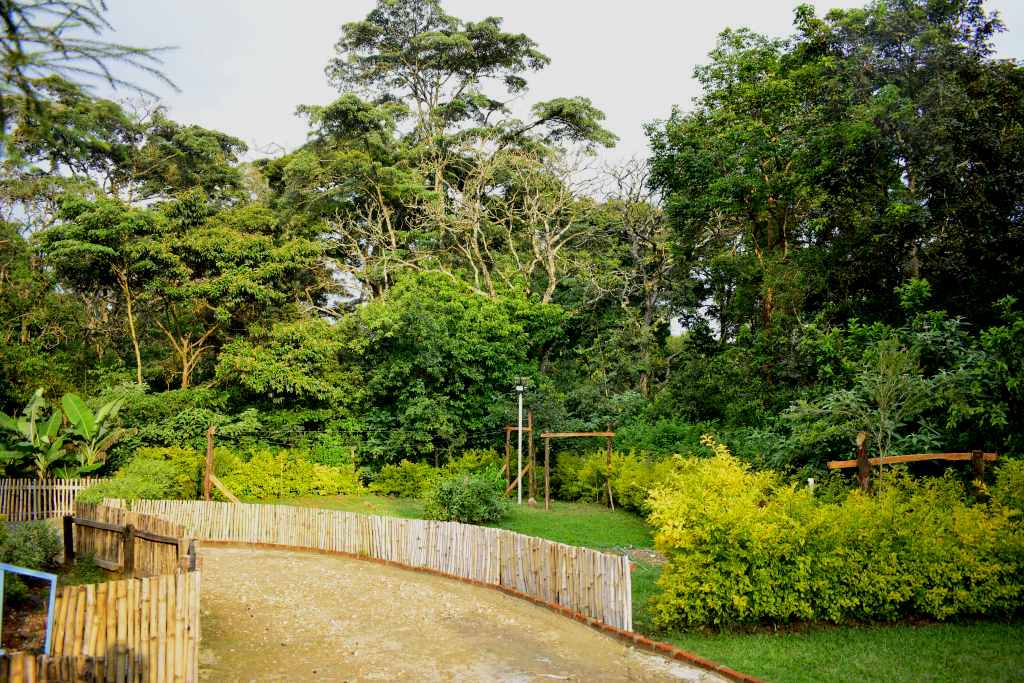
Kaimosi Forest is part of the Kakamega Forest ecosystem, one of Kenya’s last remnants of the Guineo-Congolian rainforest. Spanning over 1,000 hectares, it’s smaller than its more popular cousin, Kakamega Forest, but no less important. It hosts a diverse range of plant species, animals, birds, and unique landscapes.
This forest is mostly indigenous. It’s home to century-old trees, thick canopies, and trails untouched by mass tourism. Streams run quietly through it. The air is cleaner, cooler, and still. It offers a deep connection to nature.
Why Kaimosi Forest Matters
- Rare biodiversity: Home to endangered species and indigenous plants.
- Low human traffic: Ideal for solitude and reflection.
- Cultural richness: The surrounding Tiriki community offers insights into traditional Western Kenya life.
- Eco-tourism potential: It’s a sleeping giant for sustainable travel.
Location and Accessibility
Kaimosi Forest lies in Vihiga County, near Kaimosi town. It’s roughly 30 km north of Kisumu and 15 km from Kakamega. Roads leading here are tarmacked, though sections may get muddy during heavy rains.
Nearby, you’ll find:
- Kaimosi Friends University
- Kaimosi Hospital
- Kaimosi Mission Compound, built in 1902
These landmarks reflect the region’s mix of education, health, and early missionary influence.
Best Time to Visit
Western Kenya experiences two rainy seasons:
- Long rains: March to May
- Short rains: October to December
The best time to visit is between June and September or January and February. Trails are dry. Birdwatching is ideal. You’ll enjoy the quiet without the disruptions of heavy rain.
Things to Do in Kaimosi Forest
1. Nature Walks
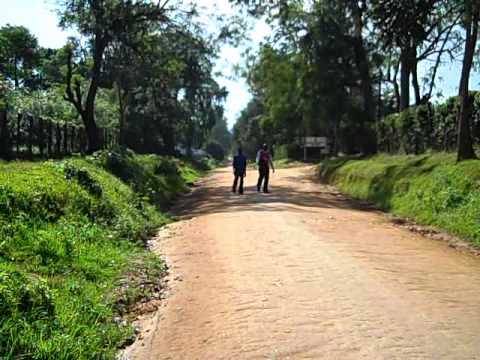
The forest has walking trails, both informal and ranger-guided. You’ll walk under thick tree canopies. You’ll hear birds, see butterflies, and feel peace.
2. Bird Watching
Kaimosi is a birding gem. Some of the species seen here include:
- Great blue turacos
- African crowned eagles
- Yellow-whiskered greenbuls
Bring binoculars. Bring patience. The forest rewards both.
3. Photography
With its misty mornings, streams, and wildflowers, Kaimosi is photogenic. You won’t need filters here.
4. Cultural Tours
The Tiriki people live around the forest. They are known for age-group initiation ceremonies and sacred traditions tied to the forest. Local guides offer cultural experiences.
5. Picnics and Meditation
This is not a noisy forest. It invites quiet. Perfect for picnics, reading, or meditation.
6. Forest Conservation Projects
Visitors can take part in community-led tree planting programs and environmental education.
What Makes Kaimosi Forest Different?
Kakamega Forest is better known. But Kaimosi offers something Kakamega can’t: solitude.
There are fewer tourists. You can walk a trail and not meet another soul. The silence is not empty. It’s full of birdsong, wind, and leaf rustle.
And Kaimosi has spiritual weight. Local communities treat it with reverence. Some parts are sacred. Rituals are still held in the deeper parts of the forest.
Safety and Visitor Tips
- Hire a local guide. They know the trails and the stories.
- Wear hiking shoes. Some paths are steep and slippery.
- Carry water and snacks. There are no cafes inside the forest.
- Stay on trails. It’s easy to get lost off-path.
- Respect the culture. Don’t photograph rituals without permission.
Where to Stay
There are no lodges inside the forest, but nearby options include:
- Kaimosi Friends Guest House
- Kakamega Rainforest Lodge (45 mins drive)
- Homestays with Tiriki families
Homestays offer the richest experience. You eat local food, hear local stories, and live close to the forest.
Conservation Challenges
Kaimosi faces threats:
- Illegal logging
- Encroachment from farms
- Low government investment
But there is hope. NGOs and local youth groups have started reforestation projects. Schools organize eco-visits. With support, the forest can thrive again.
How You Can Help
- Choose eco-friendly travel.
- Support local guides and community-run tours.
- Donate to local conservation groups.
- Share the forest’s story with others.
Why Visit Kaimosi Now?
Because it’s still pure. It hasn’t been packaged. It hasn’t been marketed. It’s authentic. And that kind of authenticity is rare.
Kaimosi offers serenity. Not silence, but a better kind of noise. Nature’s noise.
It’s for the traveler who doesn’t want a crowd. Who wants a trail, a bird call, and a tree older than any city.
Kaimosi is waiting. Quietly. But not forever.
FAQs
1. Where is Kaimosi Forest located?
In Vihiga County, Western Kenya, near Kaimosi town.
2. Is it safe to visit?
Yes. With a local guide and common precautions, it’s safe.
3. What’s the best time to go?
Visit during the dry seasons: January–February or June–September.
4. Do I need to pay entry fees?
No formal fees yet, but hiring a local guide is recommended and supports the community.
5. Can I camp inside the forest?
Camping is not officially organized. Ask local guides about safe options nearby.
6. What animals live in the forest?
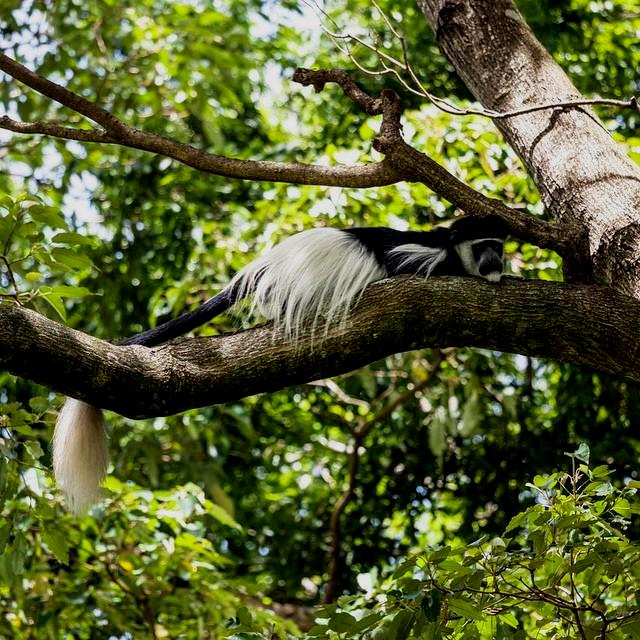
Monkeys, duikers, many bird species, and unique insects.
7. Are there facilities like toilets or cafes?
No. Prepare ahead. Carry essentials.
8. How do I get there?
From Kisumu or Kakamega, take a matatu or drive via Chavakali.
9. Can I visit with children?
Yes, but stick to shorter trails and go with a guide.
10. Is it wheelchair accessible?
Unfortunately, the forest trails are not yet accessible for wheelchairs.