A Cultural Bridge Between Kenya and Ethiopia
The Borana Festival is one of the most unique and significant cultural celebrations in East Africa. Rooted in the traditions of the Borana people, a subgroup of the larger Oromo community, this festival embodies centuries of history, heritage, and identity. Celebrated both in northern Kenya (Isiolo, Marsabit, Moyale) and in southern Ethiopia, the festival showcases a colorful blend of music, dance, rituals, and communal gatherings.
The Borana Festival is more than an event; it is a cultural institution. From the New Year cultural extravaganza in Isiolo’s Ayoo Village to the Gada ceremony in Ethiopia, the festival represents the Borana’s commitment to preserving their traditions while sharing them with the world. Each edition draws thousands of participants—elders, warriors, women, youth, and visitors—who come together to honor their past and celebrate their future.
What Is the Borana Festival?
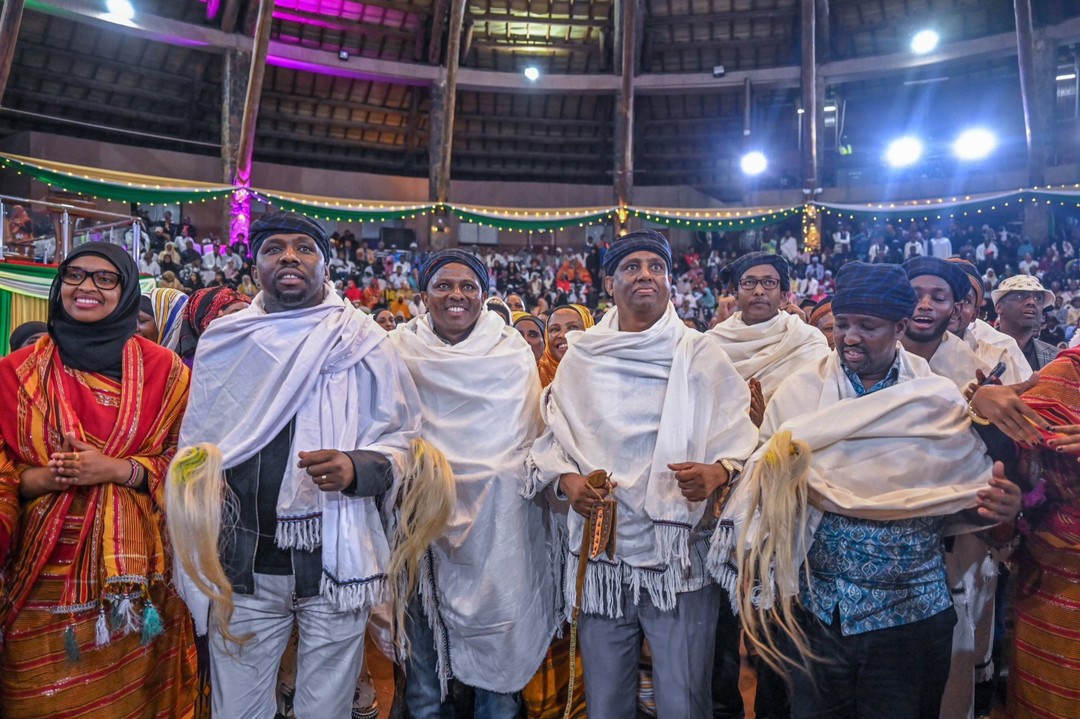
At its core, the Borana Festival is a celebration of cultural identity, community unity, and spiritual continuity. It brings Borana clans together to perform traditional songs, dances, poetry, and rituals, while also showcasing their craftsmanship, cuisine, and deep connection to the land.
The festival has two major forms:
- The Borana New Year Festival in Kenya, marked by cultural exhibitions, performances, and traditional ceremonies.
- The Gada Ceremony in Ethiopia, a sacred event that takes place once every eight years to mark the peaceful transfer of leadership.
Both events highlight the Borana’s resilience as pastoralists, their role as guardians of the drylands, and their unique governance system, the Gada system, recognized by UNESCO as an Intangible Cultural Heritage of Humanity.
When and Where the Borana Festival Takes Place
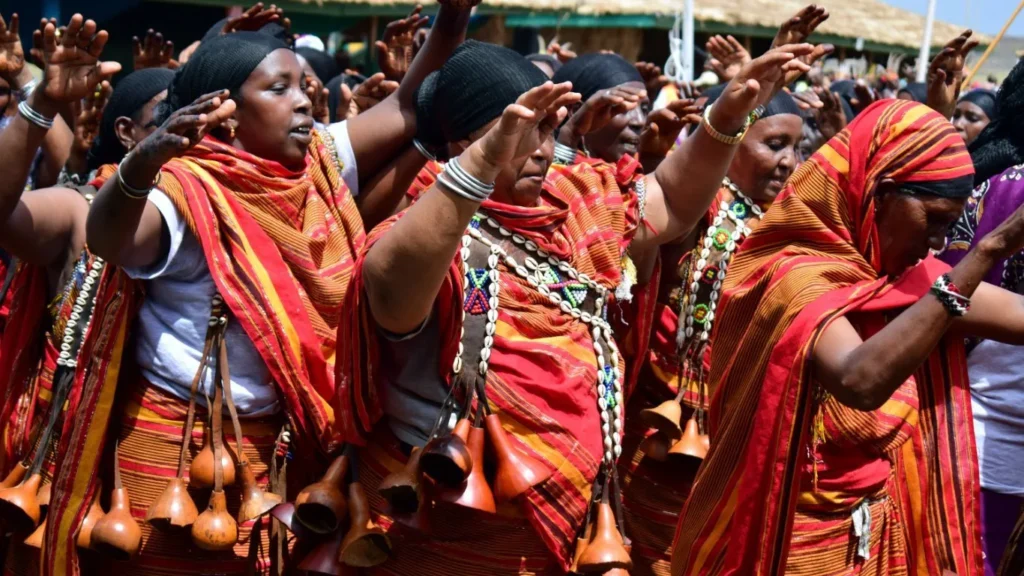
The Borana Festival is celebrated in different forms depending on location:
- In Isiolo County (Kenya): The festival is often held at Ayoo Village, especially during the New Year celebrations, where Borana people gather for cultural exhibitions, traditional performances, and blessings from elders.
- In Marsabit & Moyale (Kenya): Cultural days and festivals are organized to showcase Borana heritage and unite communities.
- In Southern Ethiopia (Arero): The Gada Ceremony occurs every eight years. This week-long festival attracts thousands of Borana from across East Africa and beyond.
By being celebrated in both Kenya and Ethiopia, the Borana Festival transcends borders, reinforcing the Borana’s shared identity across nations.
Also read:10 Shocking Cultural Festivals in Kenya You Must See Now
Cultural Highlights of the Borana Festival
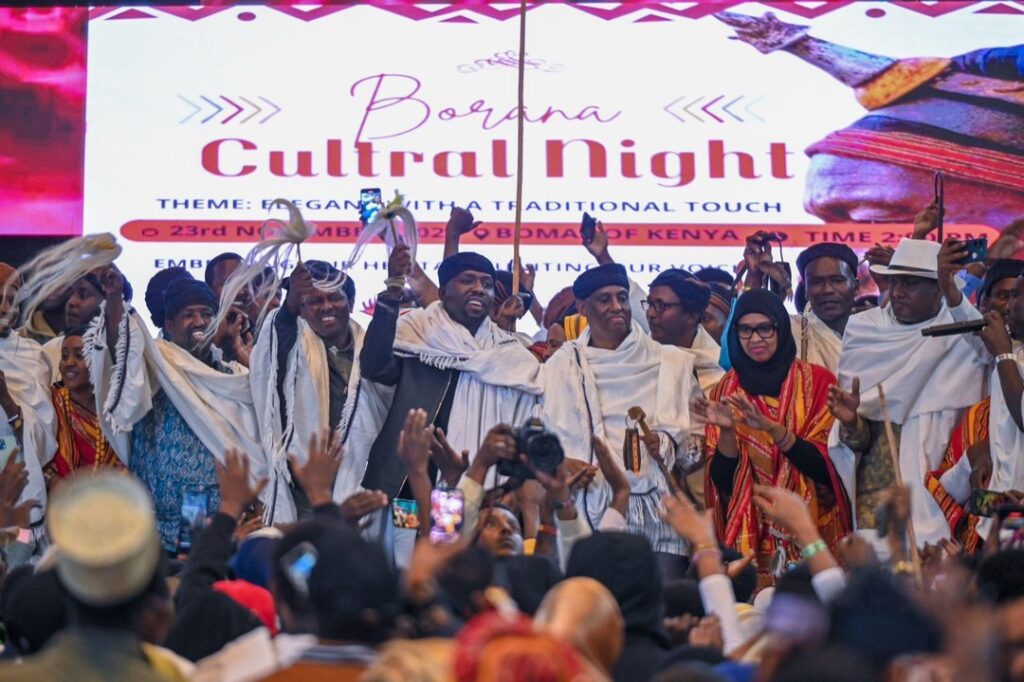
The Borana Festival is a vibrant display of tradition, artistry, and community spirit.
Traditional Music & Dance
Borana music is rhythmic and deeply spiritual. Drumming, chanting, and ululations set the tone for dances that celebrate everything from victory in battle to rain-making rituals. The performances are often communal, with men, women, and children joining in.
Traditional Attire & Beadwork
Participants dress in elaborate traditional garments. Women wear brightly colored dresses adorned with intricate beadwork, while men wear robes, headgear, and carry traditional spears. The beadwork carries symbolic meaning, reflecting age, marital status, and clan identity.
Cultural Exhibitions & Artifacts
Crafts, tools, and revered Borana artifacts are displayed. Among the most symbolic items is the Siinqee baton, carried by women as a sign of respect and protection, and the Borana drum, used in sacred rituals.
Cuisine
Traditional Borana foods and drinks, including milk-based dishes, roasted meat, and local grains, are shared during the festival. Food is communal, symbolizing unity and hospitality.
The Gada Ceremony: A Sacred Transition of Power
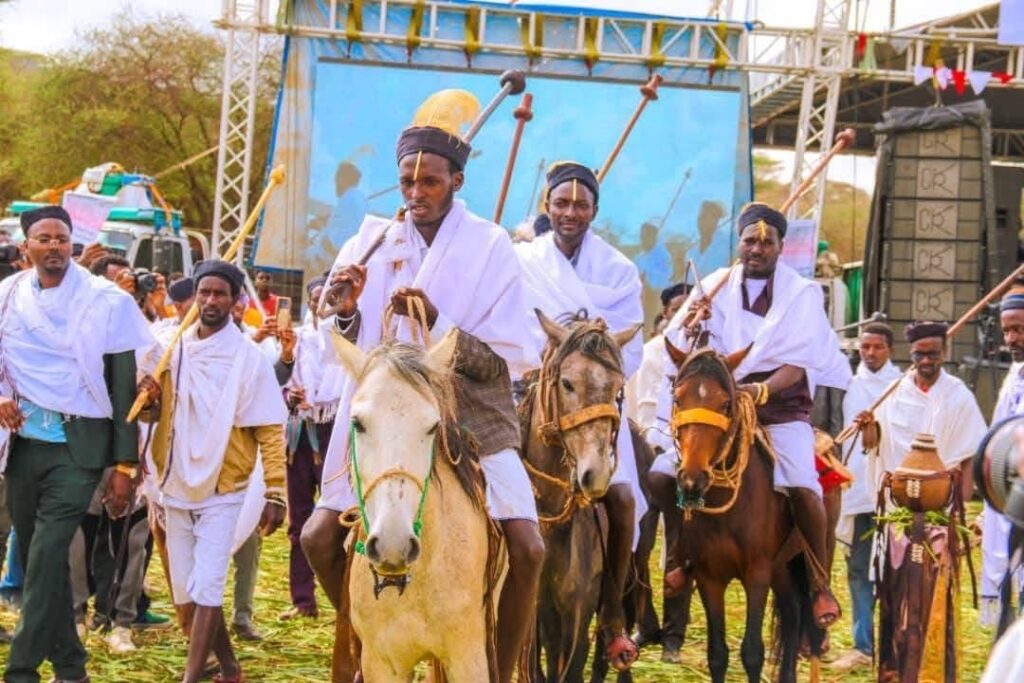
One of the most remarkable aspects of the Borana Festival is the Gada Ceremony, held every eight years among Borana communities in Ethiopia. This ceremony marks the peaceful transfer of power from one generation of leaders to the next, in line with the Gada system.
The Gada system is a traditional democratic governance structure where leaders serve for eight years before handing over leadership. The festival is a week-long celebration featuring:
- Rituals led by elders, who guide the transition.
- Blessings from spiritual leaders, ensuring prosperity and unity.
- Songs and dances, performed by warriors and women.
- The role of women, who carry siinqee batons and build temporary housing for the ceremonies.
The Gada Ceremony is not only cultural but also spiritual, reinforcing the Borana’s values of unity, respect, and order.
Symbolism in the Borana Festival
The Borana Festival is steeped in symbolism.
- Siinqee Baton: Represents women’s rights, authority, and protection. It symbolizes unity and balance in society.
- Drumming: The steady beat of the Borana drum connects the community to ancestors and the spiritual world.
- Traditional Attire: Red, white, and black garments symbolize courage, purity, and resilience.
- Pastoralist Practices: Livestock and water rituals highlight the Borana’s deep connection to the land and their identity as guardians of the drylands.
Borana Society and Identity
The Borana people, numbering hundreds of thousands in Kenya and Ethiopia, are primarily pastoralists. Their lives revolve around cattle, water sources, and seasonal migration. The Borana Festival is a reflection of this identity, emphasizing:
- Pastoralist pride, with livestock parades and blessings.
- Water rituals, recognizing wells as sacred community lifelines.
- Clan unity, as people from different regions gather together.
- Oral traditions, ensuring younger generations learn about history, morals, and ancestral wisdom.
Cultural Preservation and Unity
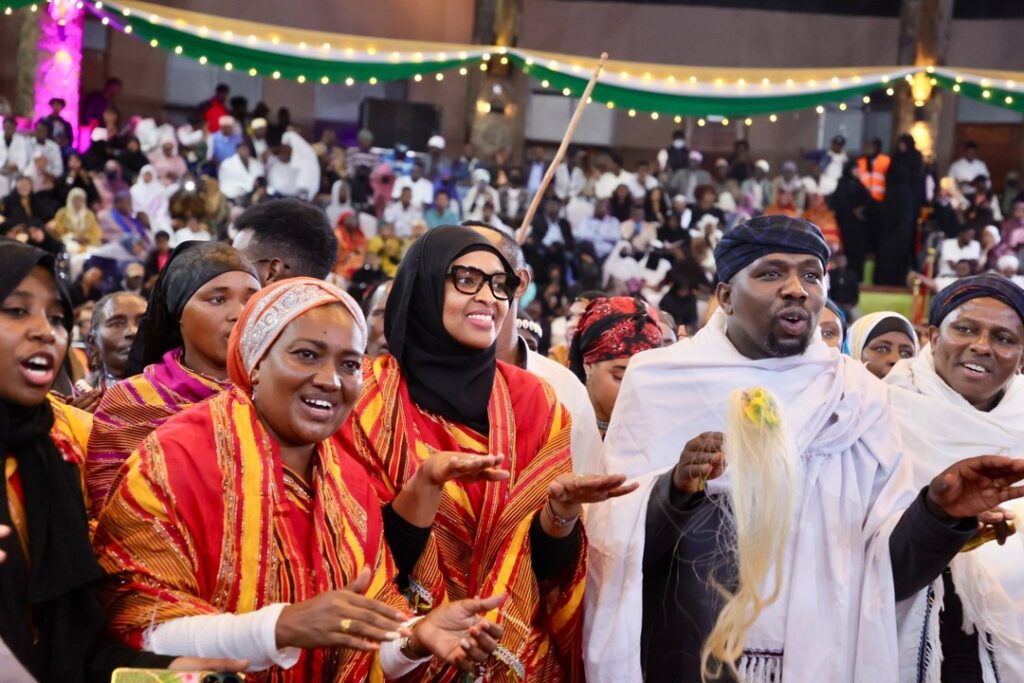
In the face of modernization, urban migration, and globalization, the Borana Festival plays a vital role in preserving identity. It ensures that cultural knowledge—songs, dances, rituals, and governance systems—are passed down.
The festival also promotes unity beyond borders. Borana communities in Kenya and Ethiopia see themselves as one people, and the festival strengthens this cross-border identity.
Challenges Facing the Borana Festival
Despite its vibrancy, the Borana Festival faces challenges:
- Modernization – Younger generations may drift away from traditional practices.
- Funding – Large-scale festivals require financial support.
- Climate Change – Droughts threaten pastoral livelihoods central to Borana identity.
- Cultural Dilution – Balancing authenticity with tourism appeal.
Yet, the community continues to adapt. By using social media for promotion, collaborating with governments and NGOs, and involving youth in cultural expression, the Borana Festival is evolving while safeguarding authenticity.
Also read:8 Surprising Kenyan Customs and Cultural Norms Revealed
Wrap-Up
The Borana Festival is not just an event; it is a cultural bridge between past and present, between Kenya and Ethiopia, and between generations. With its vibrant dances, sacred Gada ceremonies, symbolic artifacts, and communal spirit, it stands as a powerful testament to the Borana people’s resilience and heritage.
For visitors, attending the Borana Festival is a chance to experience East Africa’s cultural heartbeat. For the Borana, it is an affirmation of identity and unity in a rapidly changing world.
10 Frequently Asked Questions (FAQs)
- What is the Borana Festival?
The Borana Festival is an annual cultural celebration of the Borana people, featuring music, dance, rituals, and heritage exhibitions. - Where is the Borana Festival held?
In Isiolo, Marsabit, and Moyale (Kenya) and southern Ethiopia, especially during the Gada Ceremony at Arero. - When does the festival take place?
New Year festivals happen annually in Kenya, while the Gada Ceremony occurs once every eight years in Ethiopia. - What is the Gada system?
A traditional Borana governance system where leaders serve for eight years before handing over leadership in a peaceful transition. - What happens during the Gada Ceremony?
A week-long festival with rituals, songs, dances, blessings, and the transfer of leadership roles among Borana elders. - What role do women play in the festival?
Women carry the siinqee batons, build ceremonial huts, perform dances, and play central roles in rituals. - What cultural highlights can visitors expect?
Traditional music, drumming, Borana dances, beadwork, pastoralist displays, and authentic Borana cuisine. - How does the festival promote unity?
It unites Borana people across Kenya and Ethiopia, while also welcoming other communities and international tourists. - What challenges face the Borana Festival?
Funding, climate change, modernization, and balancing authenticity with tourism. - Why is the Borana Festival important? It preserves Borana heritage, promotes unity, strengthens cultural identity, and showcases East Africa’s diversity.