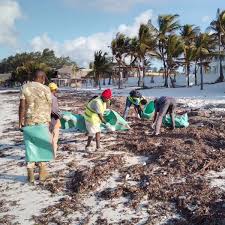
Plastic bottles. Old fishing nets. Styrofoam. Every tide brings a fresh wave of trash onto Kenya’s Watamu coast. And every month, local hands remove it. This is not a government job. It’s not paid. It’s a movement—powered by locals, travelers, and conservation groups. If you’re asking how to join the Watamu Coastal Cleanup Movement, here’s everything you need to know.
Also Read:The Ultimate Guide to the Most Beautiful Beaches of Kenya
A Detailed Explanation of the Movement
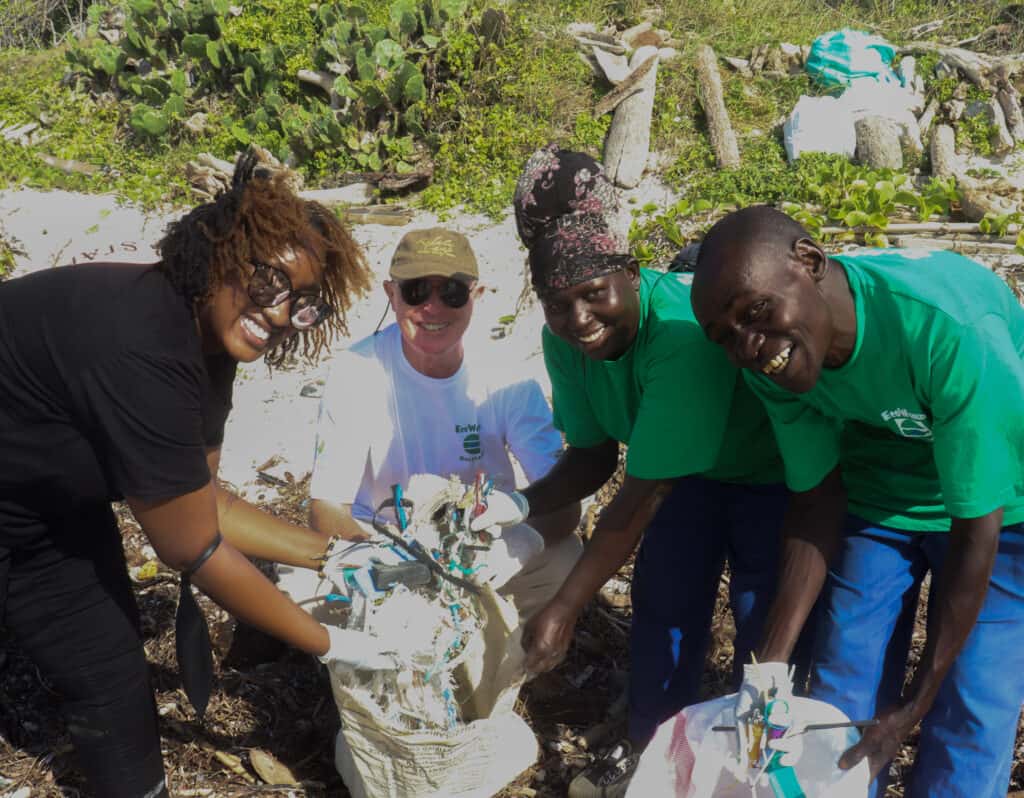
The Watamu Coastal Cleanup Movement started as a grassroots effort. Locals noticed more plastic in the water and less fish on their plates. Tourists complained of dirty beaches. The community responded. They started picking up the trash. Soon, schools joined. Then dive shops. Now it’s a coast-wide effort backed by environmental NGOs and the local government.
You don’t need to be a marine biologist. You don’t need to be Kenyan. You just need to show up. Wear shoes. Bring gloves. That’s it.
Why Watamu?
Watamu is a UNESCO Biosphere Reserve. It sits inside the Watamu Marine National Park, home to coral reefs, sea turtles, and hundreds of fish species. The local economy depends on tourism and fishing. Both are at risk from marine pollution.
- Over 8 million tons of plastic enter the ocean every year.
- Sea turtles often mistake plastic for jellyfish.
- Coral reefs suffocate under plastic bags.
Watamu’s coastlines collect debris from ships, neighboring countries, and inland rivers. This is where cleanup matters most.
What You’ll Be Doing
You will collect, sort, and record marine debris.
Tasks include:
- Picking up plastic, glass, and fishing gear
- Logging debris types for research
- Sorting items for recycling vs landfill
- Reporting hotspots to coordinators
It’s direct action. You’ll see the difference after every tide.
Who Organizes the Cleanups?
Several groups manage cleanups in Watamu:
1. Watamu Marine Association (WMA)
They lead most monthly beach cleanups and school outreach programs. Volunteers are always welcome.
2. Local dive shops and hotels
Turtle Bay Resort and Ocean Sports Watamu host beach and underwater cleanups. Some offer discounts to participants.
3. Community-based groups
Youth groups and women’s collectives run informal cleanups in neighborhoods and mangroves.
When and Where Cleanups Happen
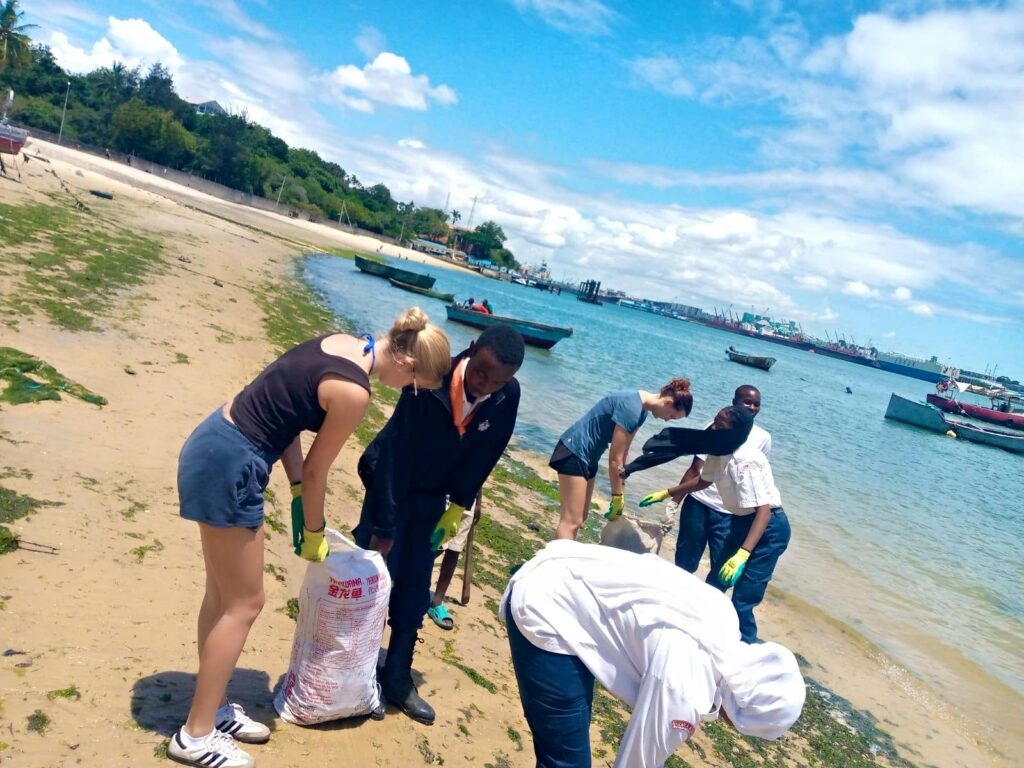
Beach cleanups happen every first Saturday of the month. Special events also happen on:
- World Oceans Day (June 8)
- International Coastal Cleanup Day (September)
- World Environment Day (June 5)
Cleanup locations vary, but common ones include:
Check with WMA for schedules.
What You Need to Bring
Cleanups are free to join. Here’s what to bring:
- Reusable gloves
- Closed shoes (no sandals)
- Water bottle
- Sunscreen
- Trash bags (if extra needed)
- Hat or sun cover
Avoid bringing single-use plastic.
How to Sign Up
You don’t always need to register. But for organized cleanups, here’s how:
Step 1: Contact Watamu Marine Association
Step 2: Join WhatsApp Group
Many groups use WhatsApp to share cleanup dates and locations.
Step 3: Show Up
Be on time. Follow safety instructions. Work with a group.
Can Tourists Join?
Yes. Tourists are encouraged to participate. Some hotels even reward it:
- Turtle Bay Beach Club offers free breakfast to volunteers.
- Some dive shops give discounts for underwater cleanups.
Ask your hotel concierge for information.
Can Kids Participate?
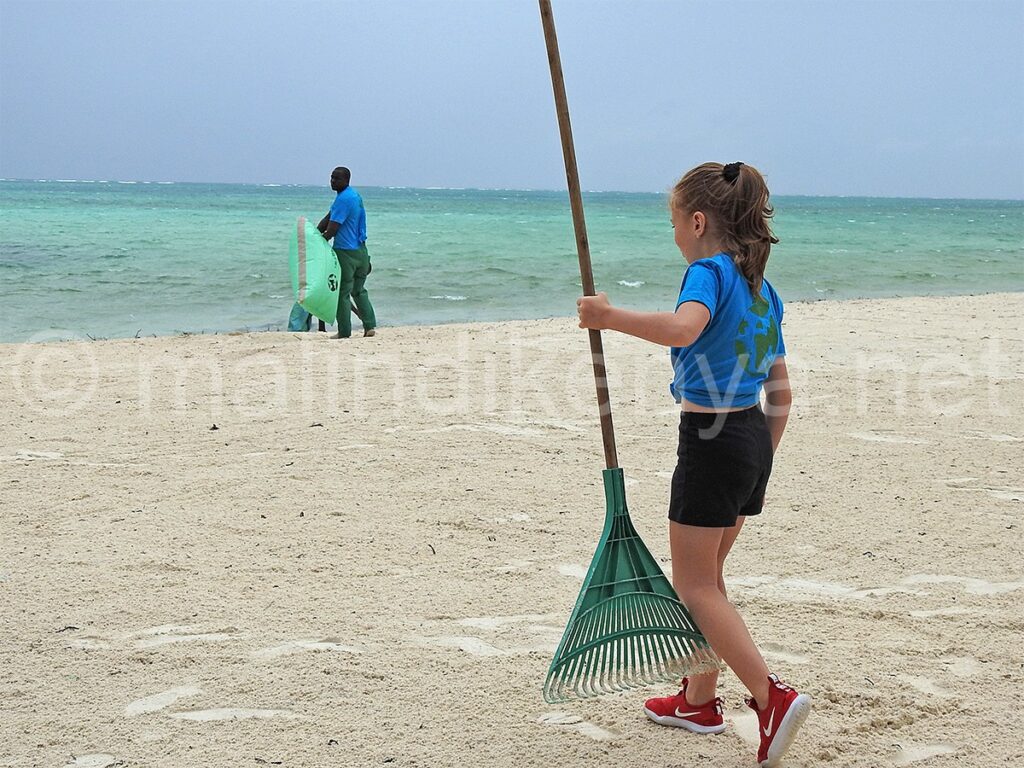
Yes. Kids over 7 can join with adult supervision. Schools often organize student cleanups. It’s a strong learning experience and builds pride in the environment.
What Happens to the Trash?
Collected waste is sorted into:
- Recyclables: sent to local recycling hubs
- Organic waste: composted
- Non-recyclables: sent to Kilifi landfill
Data on debris is recorded and shared with global databases like Ocean Conservancy’s TIDES.
What Else You Can Do
Besides joining a cleanup, you can:
- Donate to local NGOs like WMA
- Support eco-certified hotels and tour operators
- Reduce your own plastic use
- Educate others about ocean pollution
Benefits of Joining
- Immediate impact on marine life
- Meet like-minded people
- Learn about ocean conservation
- Engage with the local community
- Set an example for others
Volunteer Stories
“I joined during a short holiday. In two hours, we collected 20 bags of trash. It felt good. I went back the next week.” – Ana, Germany
“Our school now does monthly cleanups. Students compete to collect the most. It changed how they see the beach.” – Teacher James, Watamu
FAQs
1. Do I need to sign up in advance?
Not always. But for large cleanups, yes. Contact organizers ahead.
2. Is it safe to join?
Yes. Groups follow safety protocols. Avoid picking sharp or medical waste.
3. Can I join underwater cleanups?
Yes, if you are a certified diver. Ask dive shops for details.
4. How long do cleanups last?
Most last 2–3 hours. You can leave earlier if needed.
5. What happens if it rains?
Cleanups continue unless conditions are unsafe.
6. Can I bring my own group?
Yes. Contact organizers to plan a private or school group cleanup.
7. Is there a fee?
No. Participation is free.
8. How do I support if I can’t attend?
Donate money, share events online, or spread awareness.
9. Are there T-shirts or gear?
Sometimes. Ask the organizing group.
10. Do cleanups make a real difference?
Yes. In 2024, Watamu teams removed over 12 tons of plastic from the coast.
Final Thoughts
Watamu doesn’t need more talk. It needs more hands. If you’re near the coast or planning a trip, this is your moment. Join the Watamu Coastal Cleanup Movement. Protect marine life. Support local communities. Be the person who showed up.