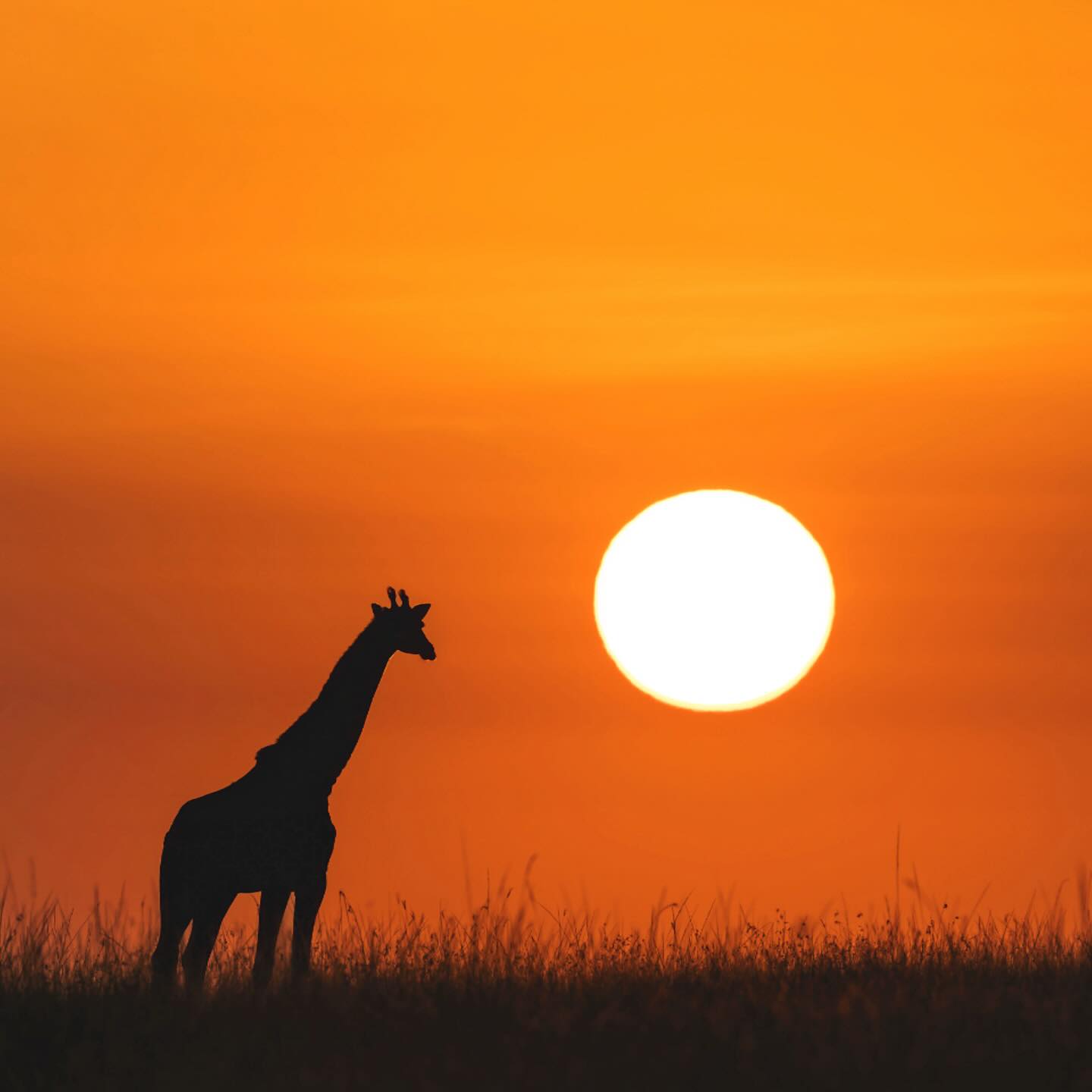
Conservation, Education, and Close-Up Wildlife Experiences in Kenya’s Capital
The Giraffe Center is one of Kenya’s most beloved conservation attractions, offering visitors a rare opportunity to interact with giraffes at eye level while learning about wildlife protection and environmental stewardship. Located in Lang’ata, just a short drive from Nairobi’s city center, the Giraffe Center blends conservation science, education, and memorable experiences into a destination that appeals to families, students, tourists, and nature lovers alike.
In this comprehensive guide, we explore everything you need to know about the Giraffe Center—its history, mission, the giraffes themselves, visitor experiences, educational programs, sustainability impact, and practical tips for planning your visit. By the end, you’ll understand why the Giraffe Center remains a must-visit attraction in Kenya and a global model for community-driven conservation.
What Is the Giraffe Center?
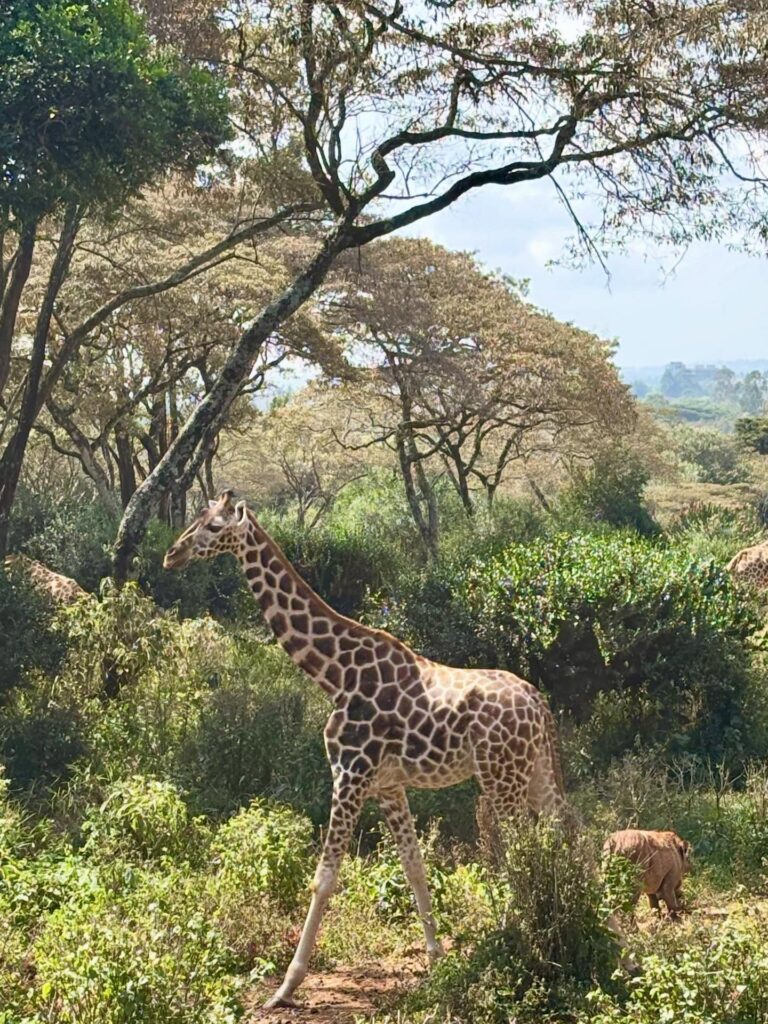
The Giraffe Center is a conservation and education facility dedicated primarily to the protection of the endangered Rothschild’s giraffe. Established to rescue and breed these gentle giants, the center allows visitors to feed and observe giraffes from an elevated platform—creating an intimate, respectful interaction that is both thrilling and educational.
Beyond giraffes, the Giraffe Center serves as a hub for environmental education, research support, and community outreach. Its programs inspire conservation awareness among Kenyans and international visitors, emphasizing coexistence between people and wildlife.
A Brief History of the Giraffe Center
Origins and Purpose
The Giraffe Center was founded in the late 1970s when Rothschild’s giraffes were nearing extinction in Kenya due to habitat loss and human encroachment. Conservationists established the center to breed giraffes in a protected environment and reintroduce them to suitable habitats across the country.
From a small rescue initiative, the Giraffe Center has grown into a globally recognized conservation success story, helping stabilize Rothschild’s giraffe populations in Kenya.
The Role of Education
From the beginning, education has been central to the Giraffe Center’s mission. By welcoming school groups, teachers, and youth organizations, the center has shaped generations of conservation-minded citizens who understand the importance of protecting wildlife and ecosystems.
Where the Giraffe Center Is Located
Lang’ata, Nairobi
The Giraffe Center is located in Lang’ata, approximately 20 minutes from Nairobi’s Central Business District. Its proximity to other attractions—such as Nairobi National Park and the Karen area—makes it easy to include in a day’s itinerary.
Natural Setting
Set amid indigenous forest and open grounds, the Giraffe Center offers a peaceful escape from the city’s bustle. The surrounding greenery supports birds, small mammals, and native plants, enhancing the overall nature experience.
Meet the Stars: Rothschild’s Giraffes
What Makes Rothschild’s Giraffes Special?
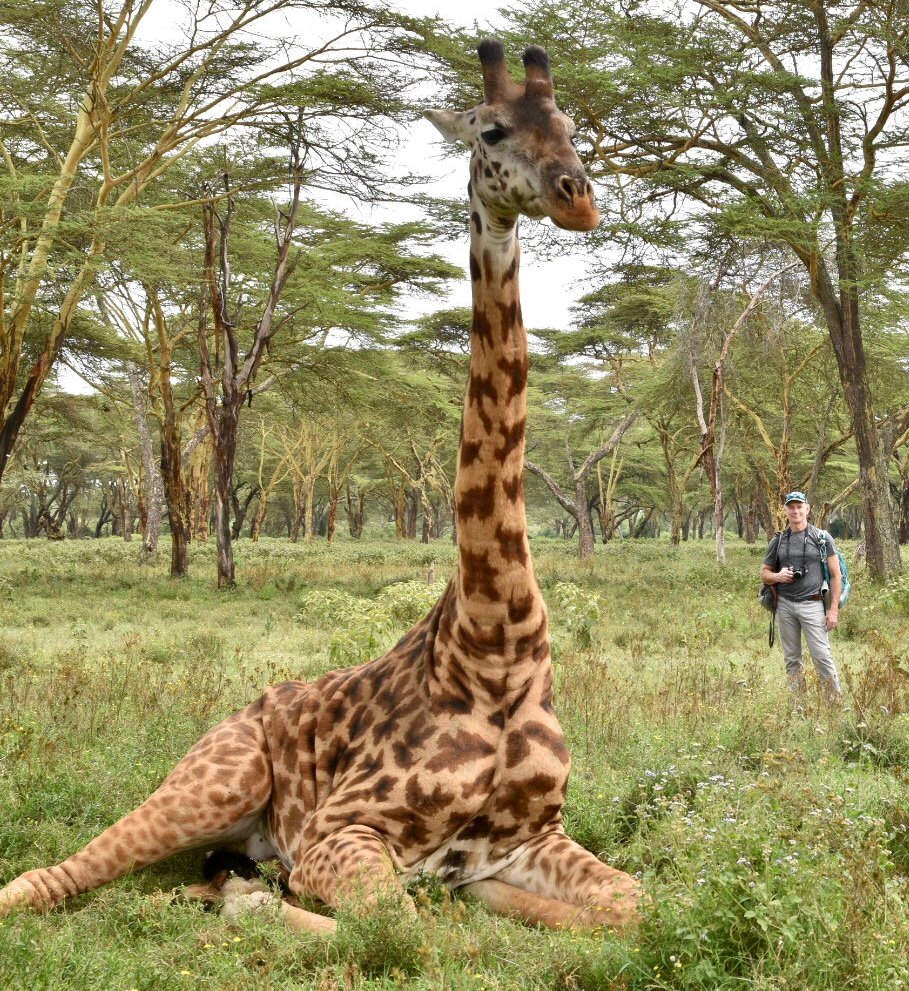
Rothschild’s giraffes are one of the most endangered giraffe subspecies. They are distinguished by their lighter coat patterns and lack of markings below the knees. The Giraffe Center focuses on protecting this subspecies through breeding, research, and reintroduction programs.
Feeding and Interaction
One of the most memorable activities at the Giraffe Center is feeding the giraffes from the raised platform. Visitors purchase specially prepared pellets and offer them to giraffes—often resulting in gentle nuzzles and curious looks that make for unforgettable photos.
Visitor Experiences at the Giraffe Center
The Elevated Viewing Platform
The iconic platform at the Giraffe Center brings visitors face-to-face with giraffes at eye level. This design ensures safe, respectful interaction while minimizing stress for the animals.
Educational Talks and Displays
Interpretive signs and guided talks explain giraffe biology, conservation challenges, and the center’s work. These sessions help visitors understand how everyday actions—like land use and waste management—affect wildlife.
Nature Trails
The Giraffe Center features scenic nature trails that wind through indigenous forest. These trails are perfect for quiet walks, birdwatching, and reflection, adding depth to the visit beyond giraffe encounters.
Educational Programs and Community Impact
School Outreach and Learning
Education is at the heart of the Giraffe Center’s impact. The center hosts thousands of students annually, offering curriculum-aligned lessons on ecology, conservation, and sustainability.
Teacher Training and Resources
The Giraffe Center equips educators with tools and training to integrate environmental education into classrooms, multiplying its impact across communities.
Conservation Beyond the Giraffe Center
Breeding and Reintroduction Programs
A key achievement of the Giraffe Center is the successful breeding of Rothschild’s giraffes and their reintroduction into protected areas across Kenya. These efforts have contributed significantly to population recovery.
Partnerships and Research
The Giraffe Center collaborates with wildlife authorities, NGOs, and researchers to monitor giraffe health, genetics, and habitat conditions—ensuring evidence-based conservation strategies.
Sustainability and Responsible Tourism
Eco-Friendly Practices
The Giraffe Center embraces sustainable operations, including waste reduction, habitat preservation, and environmentally sensitive infrastructure. These practices demonstrate how tourism can support conservation rather than undermine it.
Supporting Local Communities
By employing local staff and sourcing materials locally, the Giraffe Center contributes to livelihoods while fostering community ownership of conservation goals.
Planning Your Visit to the Giraffe Center
Opening Hours and Best Time to Visit
The Giraffe Center is typically open daily during daylight hours. Morning visits are ideal, as giraffes are more active and crowds are lighter.
Entry Fees and Facilities
Entry fees support conservation and education programs. Facilities include restrooms, a small gift shop, and shaded areas for relaxation.
Accessibility and Family-Friendliness
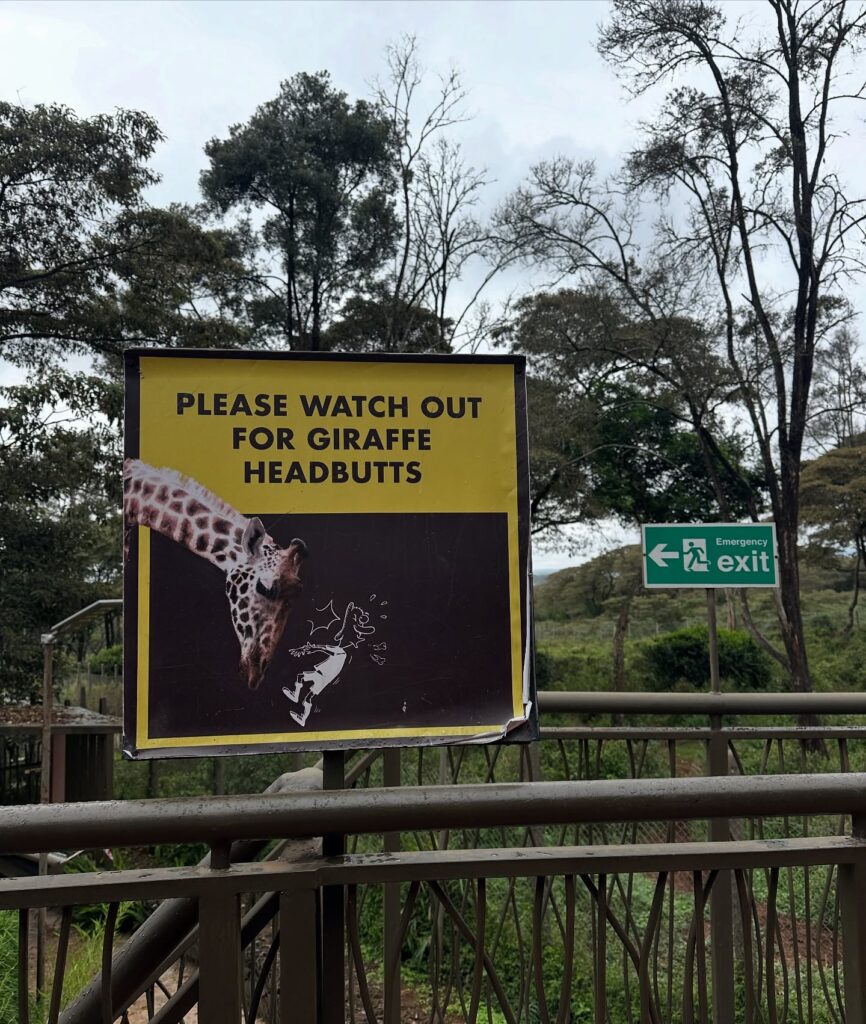
The Giraffe Center is family-friendly and accessible to visitors of all ages. Safety guidelines ensure positive experiences for children while protecting the animals.
Why the Giraffe Center Is a Must-Visit
The Giraffe Center stands out because it offers:
- Ethical, close-up wildlife interaction
- Hands-on conservation education
- Easy access within Nairobi
- Tangible impact on endangered species protection
It’s a place where learning meets wonder—and where visitors leave inspired to care for the natural world.
Also read:Nguuni Nature Sanctuary in Mombasa: Wildlife Close to the Coast
Wrap-Up
The Giraffe Center is more than a tourist attraction; it’s a living classroom, a conservation success story, and a reminder of humanity’s responsibility to protect wildlife. Whether you’re feeding a giraffe, strolling the nature trail, or listening to an educational talk, every moment at the Giraffe Center reinforces the value of coexistence and stewardship.
For first-time visitors to Kenya and lifelong residents alike, the Giraffe Center offers a meaningful, memorable experience—one that connects people to nature and empowers them to make a difference.
10 Frequently Asked Questions (FAQs)
- What is the Giraffe Center?
The Giraffe Center is a conservation and education facility in Nairobi focused on protecting Rothschild’s giraffes. - Where is the Giraffe Center located?
It is located in Lang’ata, about 20 minutes from Nairobi’s city center. - Can visitors feed the giraffes?
Yes, visitors can feed giraffes from an elevated platform using approved pellets. - Is the Giraffe Center suitable for children?
Absolutely. The Giraffe Center is family-friendly and educational for all ages. - How long does a visit take?
Most visits last 1–2 hours, including feeding, learning sessions, and nature walks. - What species of giraffe are at the Giraffe Center?
The center focuses on Rothschild’s giraffes, one of the most endangered subspecies. - Are there guided tours?
Yes, educational talks and guided explanations are available on-site. - Does the Giraffe Center support conservation elsewhere?
Yes, it runs breeding and reintroduction programs across Kenya. - What should I bring to the Giraffe Center?
Comfortable shoes, a camera, and curiosity are all you need. - Why should I visit the Giraffe Center?
Because it offers ethical wildlife interaction, education, and a chance to support real conservation work.