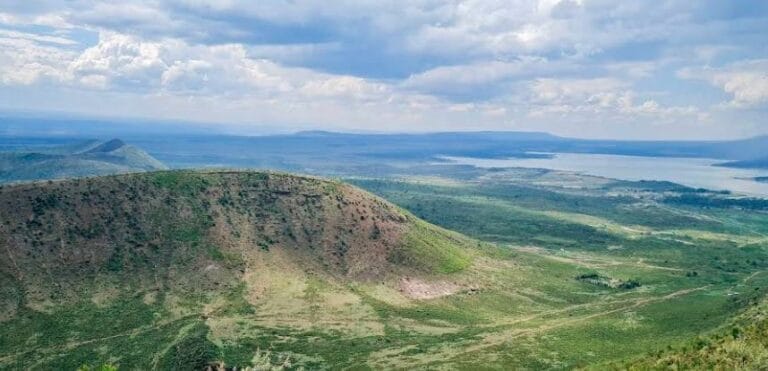
Lukenya Hills is less than 50 kilometers from Nairobi. It’s a popular destination for local climbers, but few international travelers know about it. If you’re looking for real rock climbing, not an indoor wall or a commercial zipline park, Lukenya delivers.
It’s clean. It’s uncrowded. It’s affordable. And it offers some of the best granite routes in East Africa.
Also Read:Mount Kenya Climbing & Trekking: Your Ultimate Adventure Guide
A Detailed Explanation of Lukenya Hills Rock Climbing
What Makes Lukenya Unique
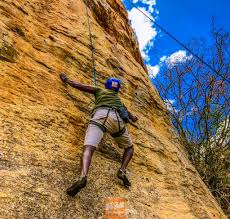
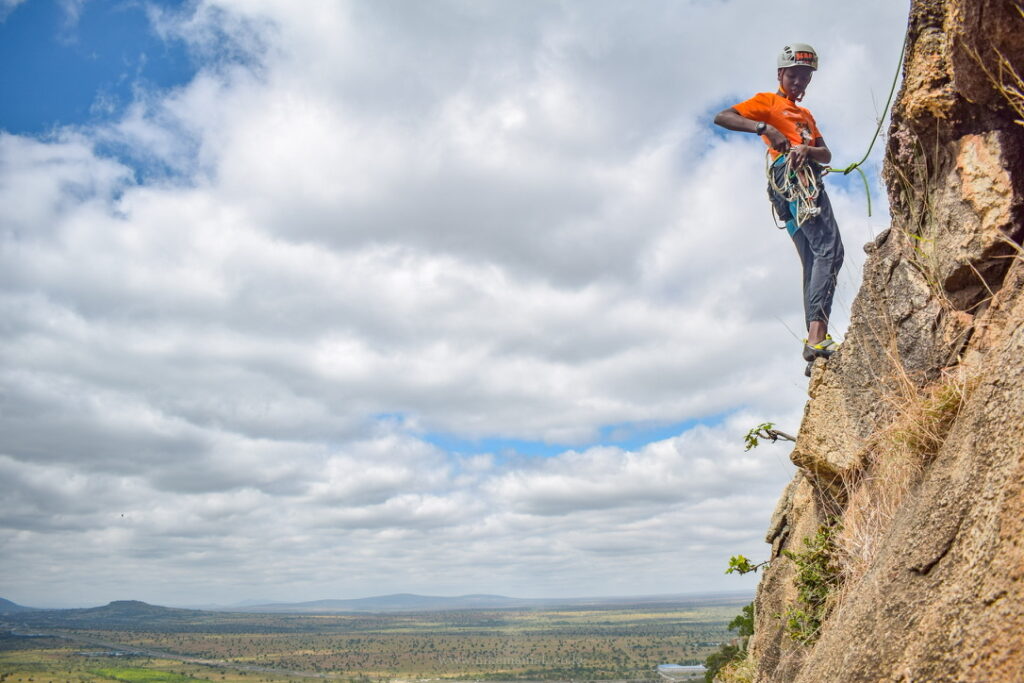
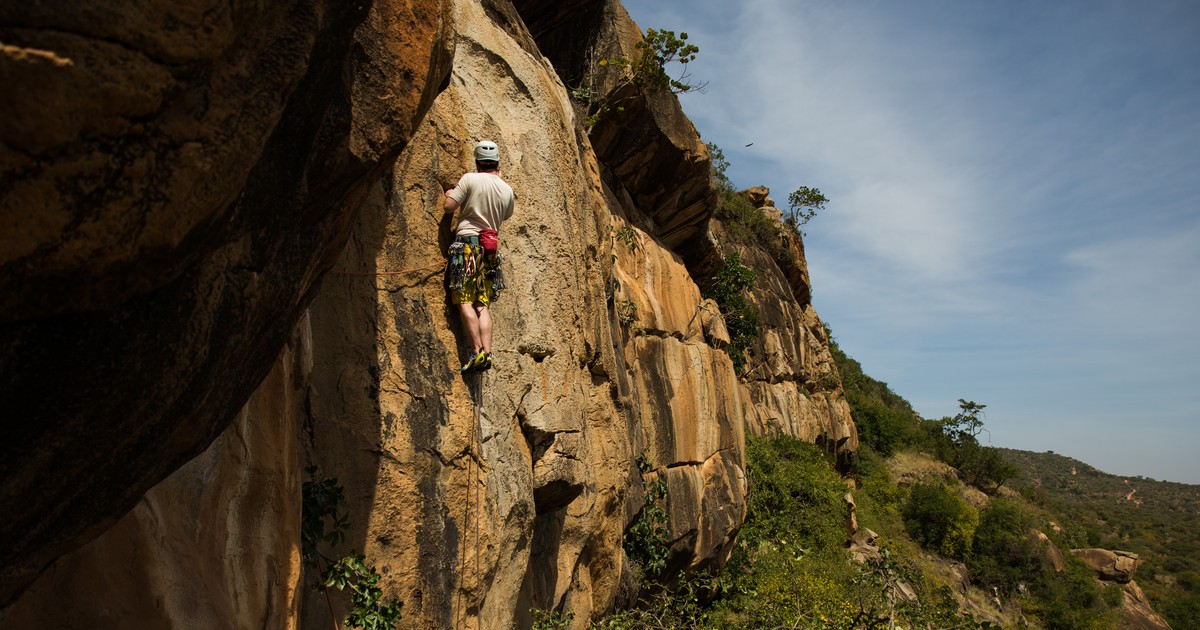
Lukenya is a large granite outcrop with over 300 established climbing routes. These range from beginner to advanced. The main rock faces are well-bolted, and the area is known for traditional climbing. This makes it an excellent place to train, push limits, or just enjoy nature while climbing safely.
The crag is managed by the Mountain Club of Kenya (MCK), which controls access and maintains route safety. Day passes are affordable and funds go directly toward conservation.
Key Climbing Areas at Lukenya
There are four main climbing zones:
1. Main Wall
This is the tallest wall in the area. Routes range from 20 to 60 meters. Most require trad gear. The rock is rough, providing great friction.
2. Upper Cliffs
Perfect for beginner and intermediate climbers. Many top-rope routes here are under 25 meters. Easier walk-offs make it ideal for group climbs.
3. Mushroom Area
Named for its unique rock shape. This area features short but technical routes. It’s popular for warm-ups or quick evening climbs.
4. Guardian Crag
This is the overhanging wall for climbers seeking advanced challenges. Most routes are sport climbs with pre-placed bolts.
When to Go
You can climb year-round. Kenya’s equatorial climate means the rock dries fast even after rain.
Best conditions:
- Dry Season: July to October
- Cool Weather: May and June
- Avoid: Heavy rains in April and November
How to Get There
Lukenya Hills is about a one-hour drive from Nairobi, depending on traffic. Most climbers use private cars or carpool. The final stretch is on a dirt road, passable in most vehicles.
Pin location: Lukenya Academy, Machakos County.
What to Bring
The area is remote. Bring all your climbing gear, water, and snacks.
Suggested gear:
- Helmet
- Climbing shoes
- Harness
- Chalk
- 60m rope
- Quickdraws
- Trad rack (if doing traditional routes)
- First aid kit
- Sun protection
Safety and Rules
- Climbing is only allowed with a Mountain Club of Kenya permit.
- Helmets are strongly advised due to loose rock in some areas.
- No bolting without MCK approval.
- Respect local wildlife and environment.
- Do not litter.
There’s limited mobile reception. Let someone know your plans before heading out.
Costs
Access fees:
- MCK Members: Free
- Non-members: KES 400 per day (approx. $3 USD)
Annual MCK membership is KES 3,000. It’s worth it if you plan to climb more than a few times.
Camping:
- Free for members
- KES 200 for non-members
- Basic campsite available near the crag with pit latrines
Who Should Climb at Lukenya
- Beginners: Great introduction to outdoor climbing. The Upper Cliffs are ideal for learning.
- Intermediate Climbers: Broad variety of moderate trad and sport routes.
- Advanced Climbers: Guardian Crag and deep trad routes on the Main Wall offer technical challenges.
- Climbing Clubs: Lukenya supports group events. Check with MCK for large bookings.
Nearby Attractions
If you want to mix in some non-climbing activities:
- Lukenya Getaway Lodge: Comfortable base with food and rooms.
- Athi River: Small town with restaurants and shops.
- Game Drives: Nairobi National Park is less than an hour away.
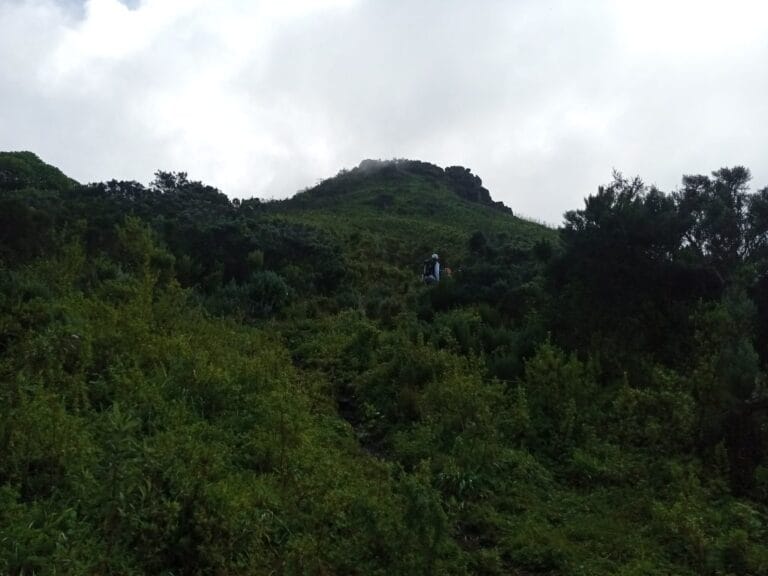
- Hiking: Scenic walks along the ridge offer great views of the savannah.
Local Tips
- Start early to beat the heat.
- Avoid weekends if you want the crag to yourself.
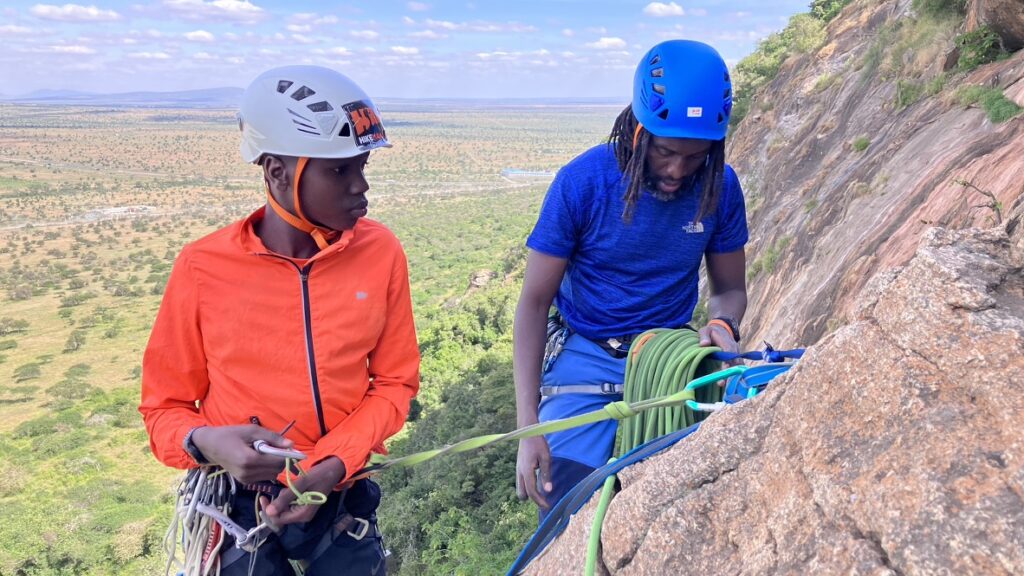
- Hire a local guide if new to outdoor climbing.
- Respect local communities when passing through villages.
- Pack out your trash. There are no cleanup crews.
Why Lukenya Hills Is Growing in Popularity
Word is spreading. More climbers are adding Lukenya to their bucket list. It’s cheaper than Kilimanjaro, closer than Hell’s Gate, and safer than many international spots.
The community is friendly. Routes are documented. And you don’t need a guide unless you want one.
Where to Learn More
Visit the Mountain Club of Kenya website. They list all routes, events, and access details.
Also check the Kenya Rock Climbing Facebook group for current conditions, climbing partners, and events.
10 Frequently Asked Questions
1. Do I need a guide?
Not if you’re an experienced climber. But beginners will benefit from local guidance.
2. Can I rent gear there?
No. Bring everything you need.
3. Is there water at the campsite?
No. Bring at least 5 liters per person per day.
4. What’s the rock like?
Granite. Sharp and grippy. Use older shoes.
5. Is it safe for solo travelers?
Yes. But let someone know your plans.
6. Can I bring kids?
Yes. Many families climb at Upper Cliffs.
7. Are there snakes?
Rare, but yes. Be alert.
8. What’s mobile coverage like?
Weak or none. Offline maps help.
9. Do I need to book in advance?
No. But check if MCK has an event that day.
10. How do I become a member of MCK?
Apply online at their website. Membership includes access to Lukenya and other climbing sites.
Final Thoughts
Lukenya Hills offers real climbing in wild terrain, minutes from Nairobi. It’s ideal for serious climbers looking to escape the gym, train hard, and connect with Kenya’s growing climbing community. If you’ve been searching for a place that combines access, variety, and peace — this is it.