Where Culture Meets Nature at the Ura Gate Cultural Festival
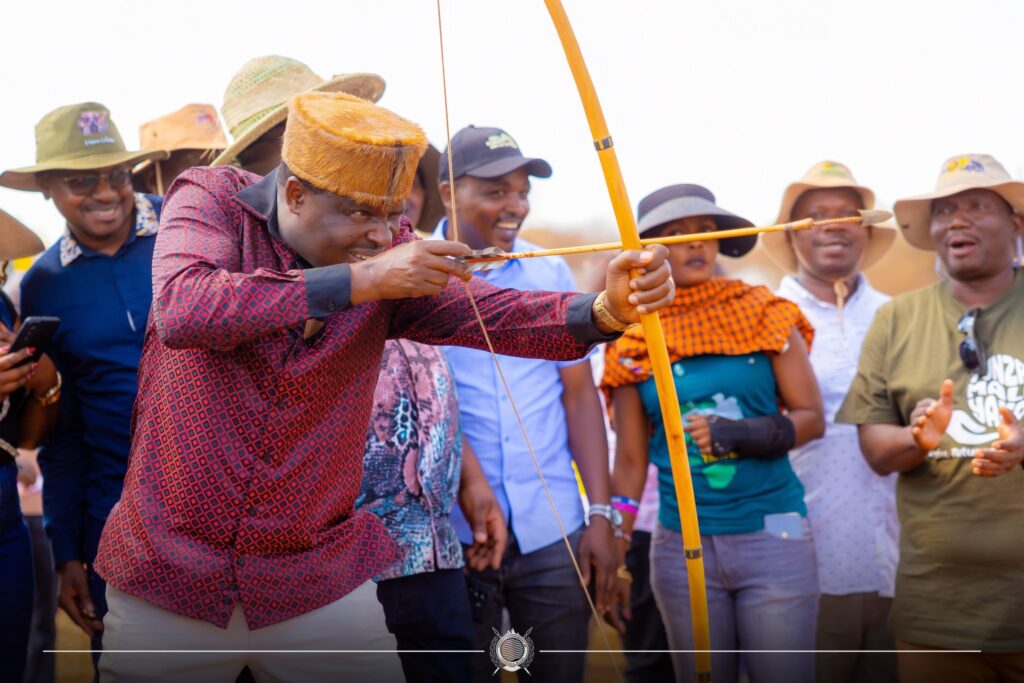
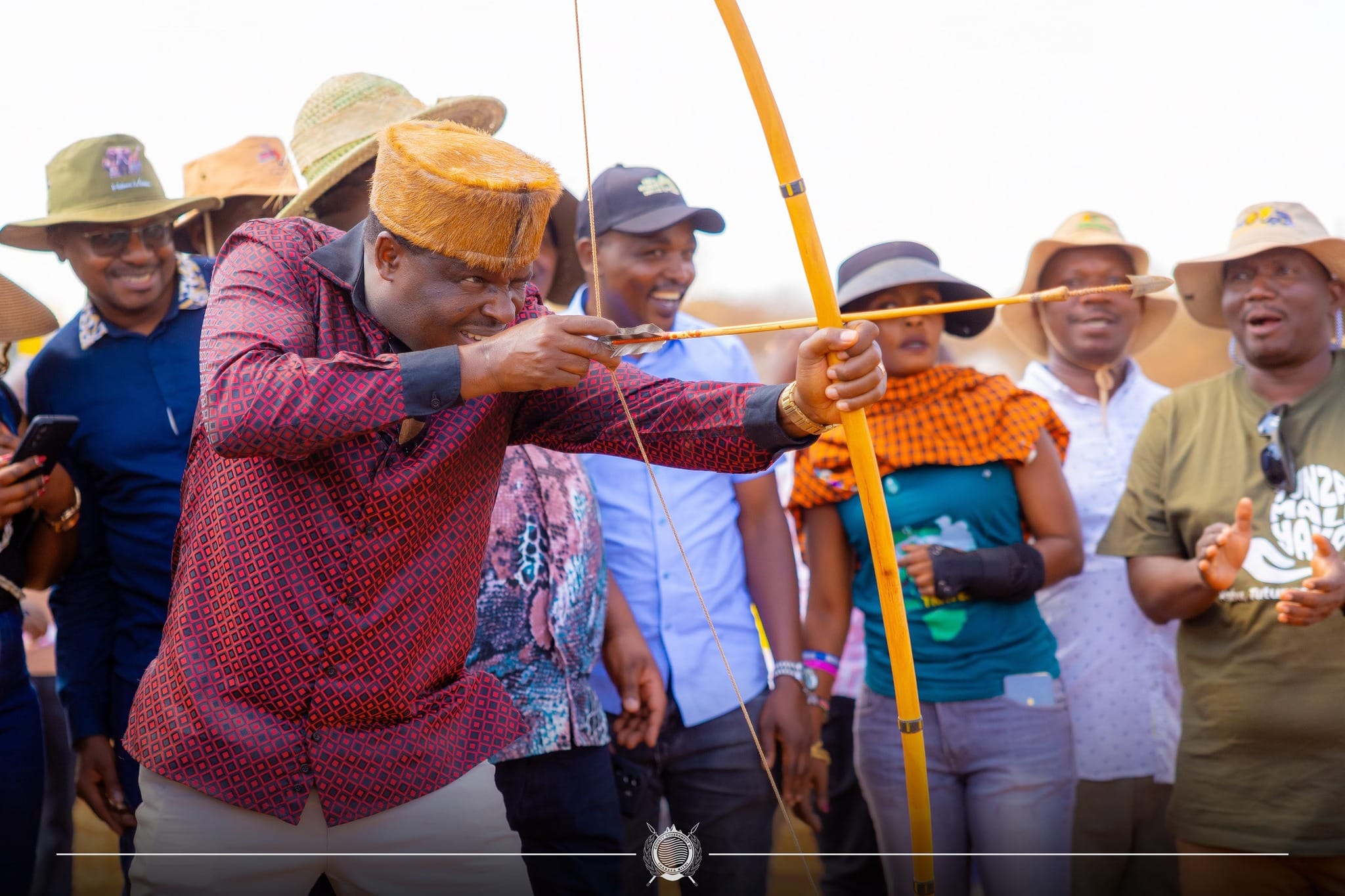
Tharaka Nithi Heritage Day is a vibrant annual celebration that showcases the rich cultural identity of the Tharaka, Chuka, Mwimbi, and Muthambi communities. Centered around the Ura Gate Cultural Festival, which is held at the entrance to Meru National Park every August, the event brings together thousands of people to celebrate traditions through song, dance, food, crafts, and rituals.
The festival is not only a space for cultural display but also a platform for heritage preservation, intergenerational learning, and environmental awareness. Sponsored in part by the Kenya Wildlife Service (KWS) and supported by local leaders and elders, Tharaka Nithi Heritage Day has grown into a nationally recognized celebration that draws tourists, researchers, and cultural enthusiasts.
What Is Tharaka Nithi Heritage Day?
Tharaka Nithi Heritage Day is a county-wide festival designed to celebrate, preserve, and showcase the traditions of the communities that make up Tharaka Nithi County in Eastern Kenya. The event revolves around the Ura Gate Cultural Festival, which is hosted at Meru National Park’s Ura Gate—a symbolic location where culture meets conservation.
During this event, attendees experience:
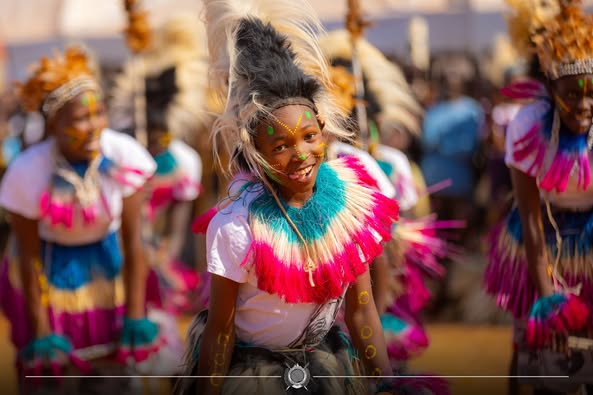
- Traditional dances and chants performed in colorful attire.
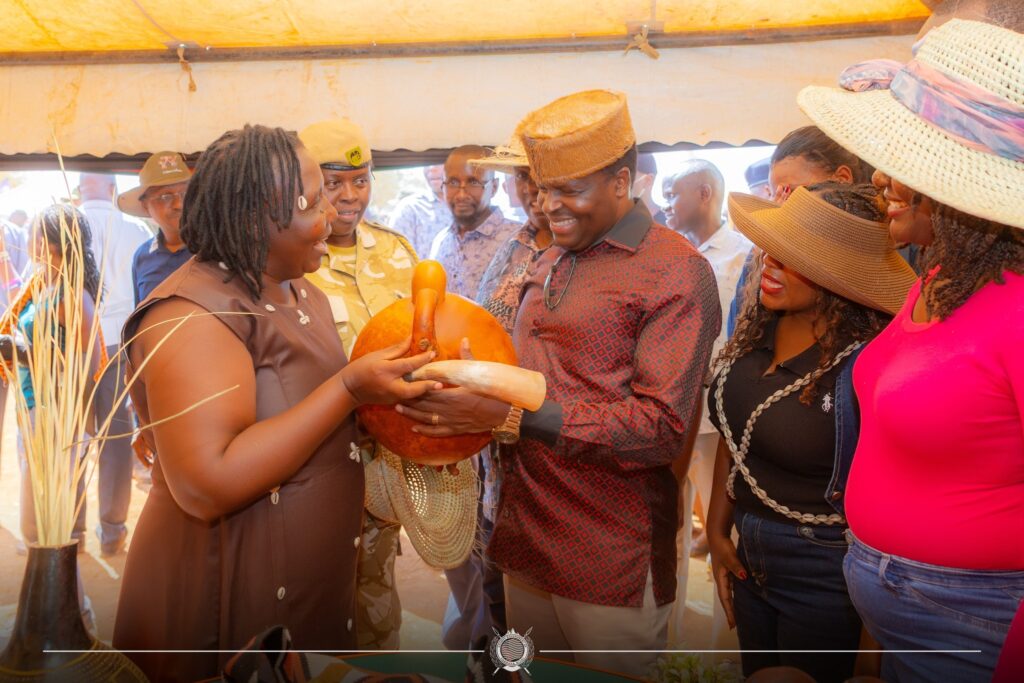
- Cultural exhibitions of artifacts, beadwork, and crafts.
- Goat auctions and livestock displays, reflecting pastoralist heritage.
- Local delicacies, offering an authentic taste of Tharaka cuisine.
By bringing communities together, Tharaka Nithi Heritage Day strengthens identity, encourages tourism, and ensures cultural continuity in an era of modernization.
When and Where Does It Take Place?
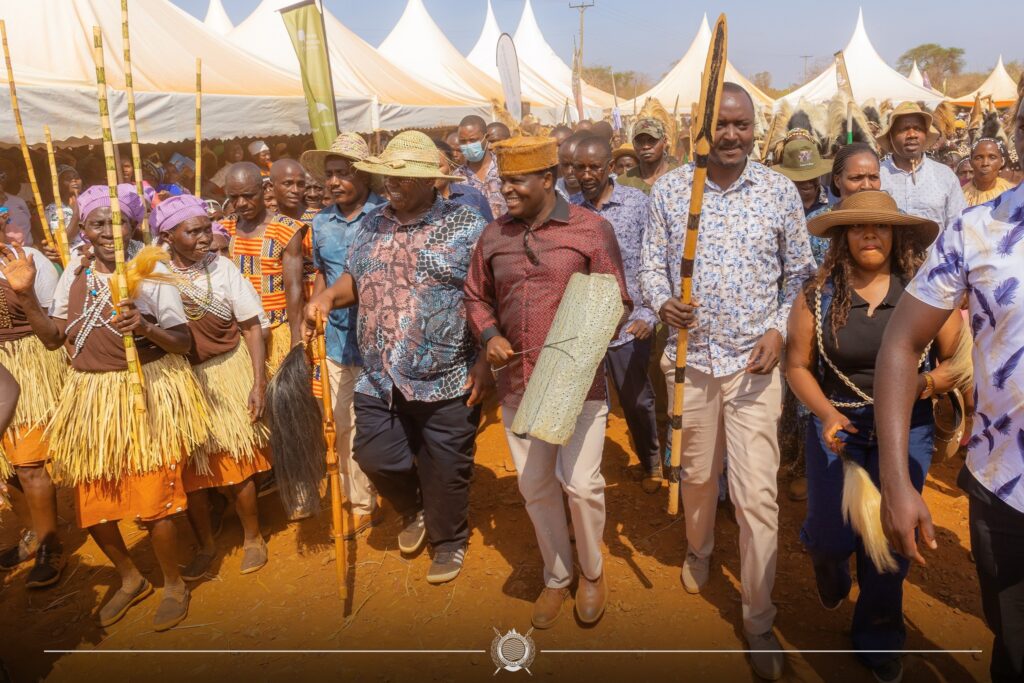
The main event takes place annually in late August (28th–31st) at the Ura Gate entrance to Meru National Park. This location was chosen deliberately: it highlights the county’s close ties with conservation while providing a scenic backdrop for cultural exhibitions.
Beyond the Ura Gate Cultural Festival, other smaller celebrations are held throughout the year in villages across the county. For example, monthly gatherings at Mutaranga Hill feature prayers, songs, and communal meals, reinforcing cultural continuity at the grassroots level.
Cultural Performances and Traditions
The highlight of Tharaka Nithi Heritage Day is the wide range of cultural performances.
Traditional Dances and Drumming
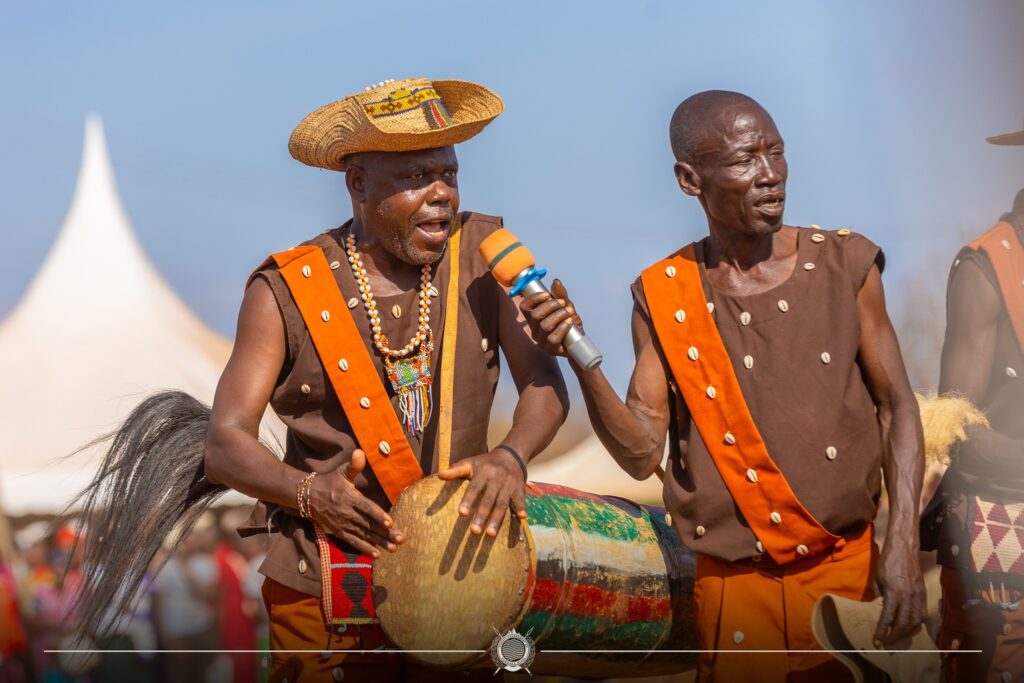
Men and women dressed in colorful regalia perform dances that tell stories of harvest, marriage, and warrior bravery. Drumming and chants fill the air, creating a communal rhythm that unites participants.
Songs and Oral Poetry
Elders and artists recite oral poems and proverbs that carry ancestral wisdom. These sessions are both entertaining and educational, reminding the younger generation of their roots.
Goat Auctions and Animal Displays
Livestock plays an important role in the economy and culture of Tharaka Nithi. During the festival, goat auctions and displays showcase pastoral traditions and provide income to local farmers.
Community Identity and the Role of Elders
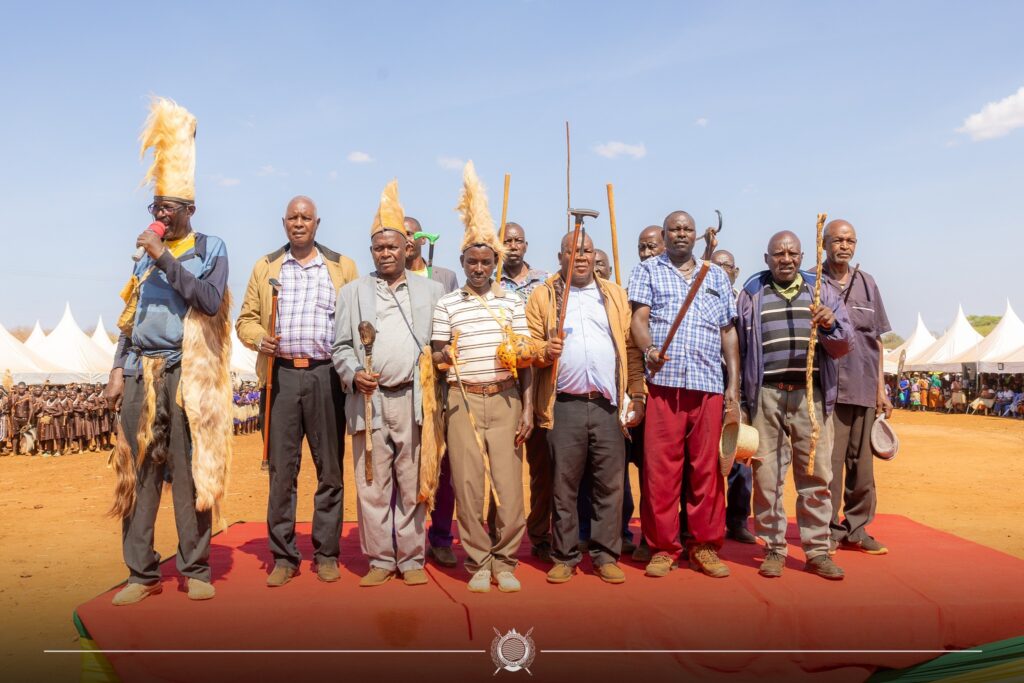
Tharaka Nithi Heritage Day reflects the identity of four key communities: the Tharaka, Chuka, Mwimbi, and Muthambi. Each group brings unique traditions, yet the festival highlights their shared cultural roots.
The Njuri Ncheke Council of Elders plays a central role in guiding the festival. Elders lead prayers, perform blessings, and provide cultural lectures, ensuring that traditions are preserved authentically. Their presence symbolizes continuity, respect, and authority in cultural matters.
Arts, Crafts, and Traditional Cuisine
The festival doubles as an exhibition of artistic creativity and culinary heritage.
Arts and Crafts
Artisan stalls display handmade beadwork, wood carvings, traditional baskets, and musical instruments. These items reflect both artistry and cultural symbolism.
Traditional Cuisine
Food is a major highlight of Tharaka Nithi Heritage Day. Attendees enjoy:
- Kathongo – a traditional porridge dish.
- Goat meat, prepared in communal feasts.
- Millet and sorghum meals, staples of the community diet.
- Banana and pumpkin dishes, showcasing agricultural diversity.
Eating together fosters unity and reflects the community’s emphasis on sharing and hospitality.
Heritage in Practice: Monthly Ceremonies at Mutaranga Hill
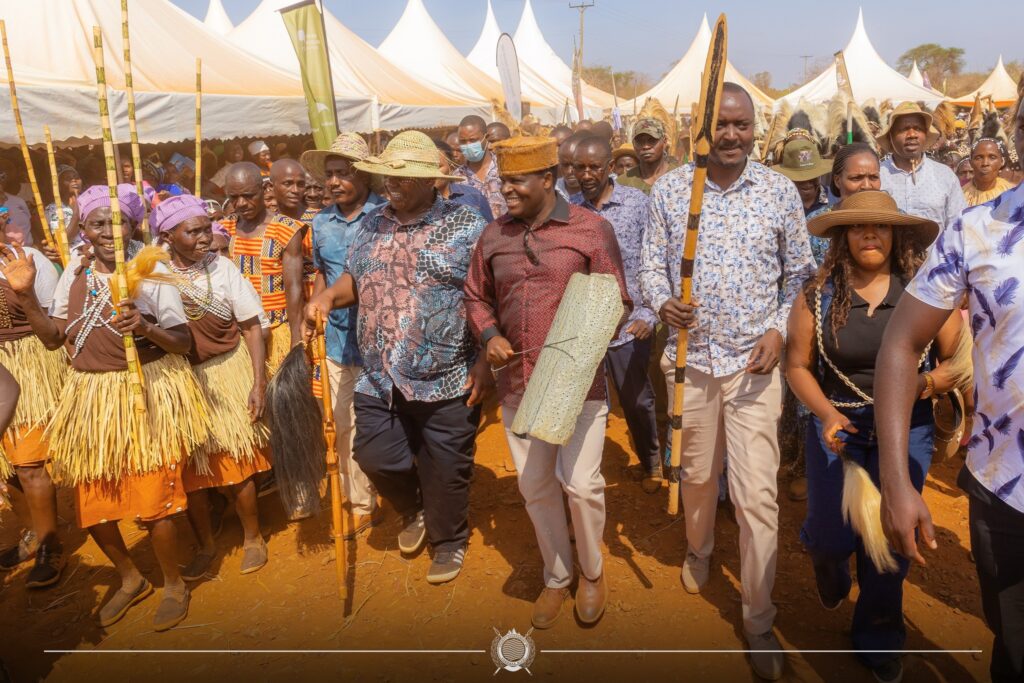
Beyond the main festival, heritage is lived daily in Tharaka Nithi through monthly gatherings at Mutaranga Hill. These ceremonies involve:
- Ancestral prayers and offerings.
- Songs and dances that honor traditions.
- Communal meals featuring traditional dishes.
These rituals keep culture alive year-round and complement the larger Tharaka Nithi Heritage Day festivities.
Conservation and Culture
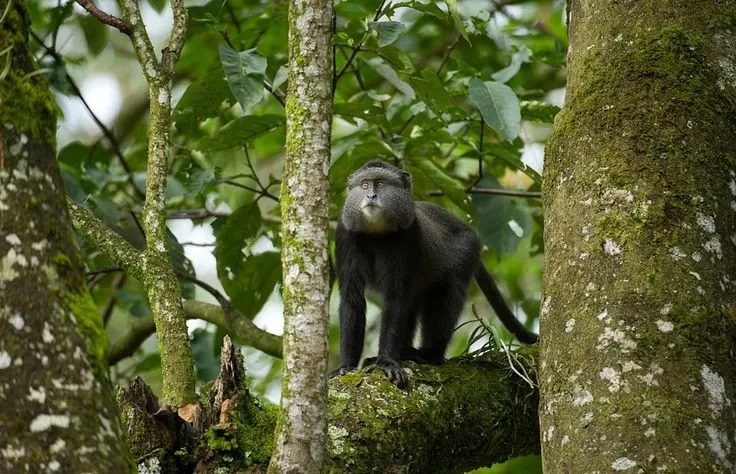
One unique feature of Tharaka Nithi Heritage Day is its integration of conservation themes. With the festival hosted at Meru National Park, agencies like the Kenya Wildlife Service use the event to highlight the importance of wildlife preservation, eco-tourism, and sustainable resource use.
This connection between culture and nature reinforces the community’s historic role as stewards of the environment. It also creates awareness among youth about balancing tradition with ecological responsibility.
Economic and Social Impact
The festival has a wide-reaching impact:
- Tourism boost – Hotels, tour operators, and transport providers benefit from visitors.
- Income generation – Artisans, food vendors, and livestock farmers earn revenue.
- Youth engagement – Young people showcase talents in music, fashion, and crafts.
- Unity and cohesion – Different communities celebrate together, fostering peace.
The economic benefits complement the cultural objectives, making Tharaka Nithi Heritage Day a holistic development tool.
Preserving Tradition Amid Change
Like many cultural festivals, Tharaka Nithi Heritage Day faces challenges. Modernization, urban migration, and globalization threaten the survival of traditional practices. Yet, the festival has become a strong counterbalance, reminding people that culture is not just the past but also the foundation of the future.
By involving youth, partnering with schools, and integrating modern elements such as fashion shows and contemporary music alongside traditional performances, the festival continues to stay relevant while safeguarding authenticity.
Also read:Community-based Tourism In Kenya: Authentic & Sustainable
Wrap-Up
Tharaka Nithi Heritage Day is more than an annual celebration—it is a movement to preserve culture, promote unity, and inspire pride among the people of Tharaka Nithi County. From traditional dances and goat auctions to artisan crafts and conservation dialogues, the event represents a rich tapestry of identity and resilience.
As Kenya continues to celebrate its cultural diversity, Tharaka Nithi Heritage Day stands out as an example of how heritage, community, and nature can come together to create a sustainable and meaningful festival. For locals and visitors alike, attending this event is a journey into the soul of Tharaka Nithi.
10 Frequently Asked Questions (FAQs)
- What is Tharaka Nithi Heritage Day?
It is an annual celebration of the traditions, arts, food, and heritage of Tharaka Nithi County, centered on the Ura Gate Cultural Festival. - Where is it held?
At the Ura Gate entrance to Meru National Park, with other cultural events across the county. - When does it take place?
Every year in late August, typically between August 28–31. - Which communities are celebrated?
The Tharaka, Chuka, Mwimbi, and Muthambi communities. - What cultural performances are featured?
Traditional dances, songs, drumming, oral poetry, and blessings by elders. - What foods are part of the festival?
Kathongo porridge, goat meat, millet, sorghum meals, and pumpkin-based dishes. - What role do elders play?
Elders perform blessings, prayers, and storytelling, ensuring cultural authenticity. - How does the festival promote conservation?
By partnering with the Kenya Wildlife Service and hosting events in Meru National Park, linking culture to nature. - Can tourists attend?
Yes, it is open to both local and international visitors and has become a growing cultural tourism attraction. - Why is Tharaka Nithi Heritage Day important?
It preserves cultural traditions, promotes unity, boosts tourism, and fosters pride among communities.