A Celebration of Identity, Tradition, and Community
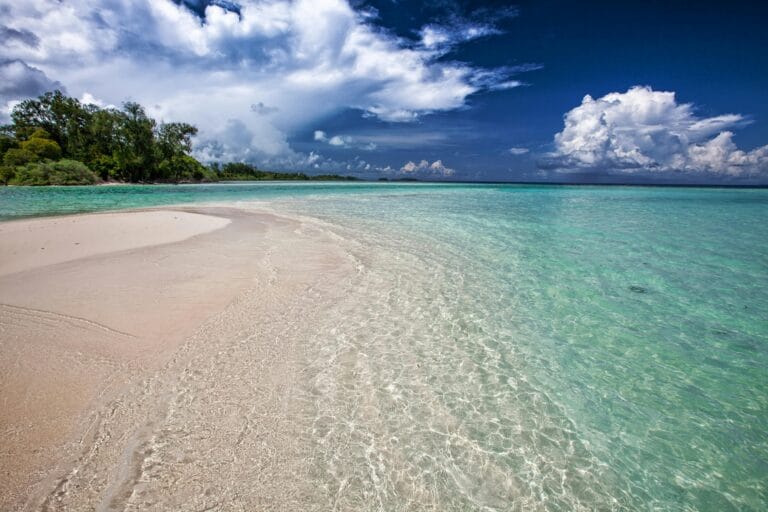
The Suba Cultural Festival is one of Kenya’s most vibrant cultural gatherings, celebrated every December on the picturesque Rusinga Island, located on Lake Victoria. More than just a showcase of heritage, the festival is a deliberate effort to preserve the endangered Suba language and culture while uniting communities through music, dance, food, storytelling, art, and water sports.
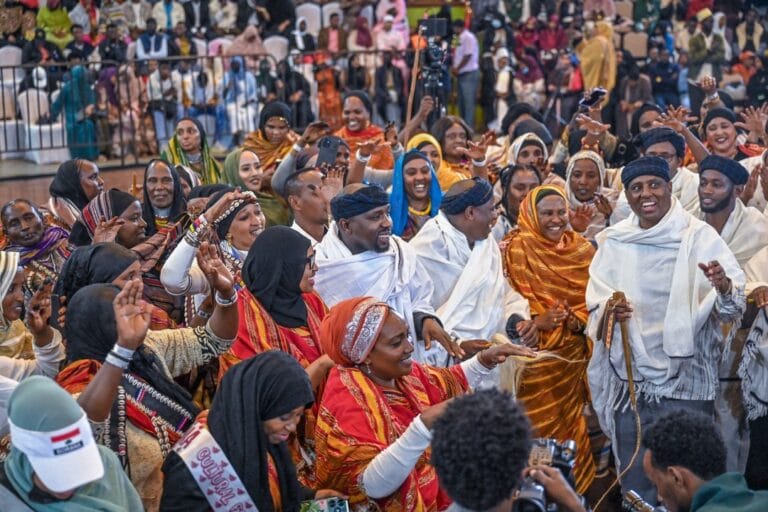
Every year, the island comes alive with thousands of visitors—locals, tourists, cultural enthusiasts, and scholars—drawn by the promise of experiencing the Suba Cultural Festival. It is a space where elders pass down traditions to the youth, where artisans exhibit their crafts, and where boat races across the vast lake capture the adventurous spirit of the Suba people.
This blog takes you on a journey into the Suba Cultural Festival, exploring its origins, significance, activities, and why it matters today more than ever.
What Is the Suba Cultural Festival?
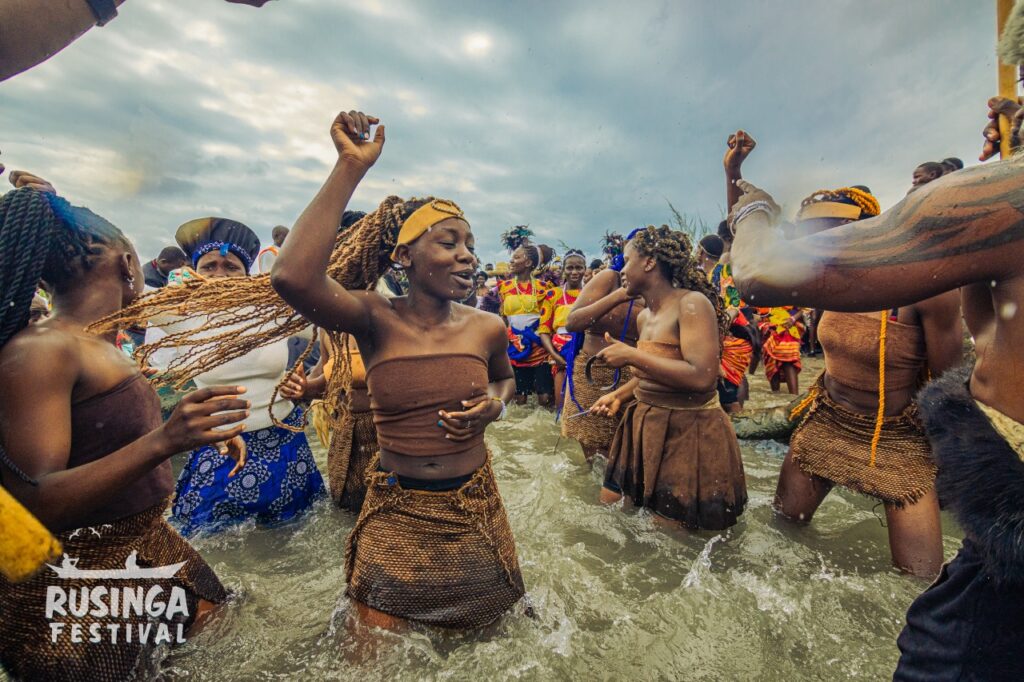
The Suba Cultural Festival is an annual event designed to celebrate and revive the traditions of the Abasuba people. The Suba are a Bantu ethnic group historically inhabiting areas around Rusinga Island and Mfangano Island in Homa Bay County. Over time, the Suba language has faced the threat of extinction due to assimilation into the larger Luo community.
The festival therefore emerged as both a cultural showcase and revival movement. It features:
- Traditional songs, dances, and storytelling.
- Exhibitions of beadwork, wood carvings, and pottery.
- Authentic Suba cuisine.
- Sporting and water-based activities such as boat racing and wrestling.
Through these activities, the Suba Cultural Festival creates a sense of pride, ensures intergenerational transfer of traditions, and gives the world a chance to experience Suba culture firsthand.
When and Where Does the Suba Cultural Festival Take Place?
The Suba Cultural Festival is held every December on Rusinga Island, one of the most scenic islands on Lake Victoria. The timing coincides with the festive season, when many people return home to celebrate with their families, making it a perfect moment for cultural reflection and reunion.
The setting itself is significant. Rusinga Island, surrounded by the waters of Lake Victoria, is not only the spiritual and ancestral home of the Suba but also the resting place of prominent leaders like Tom Mboya, one of Kenya’s most influential independence heroes. This adds historical depth to the celebrations, blending cultural revival with political remembrance.
Origins and Cultural Significance of the Suba Cultural Festival
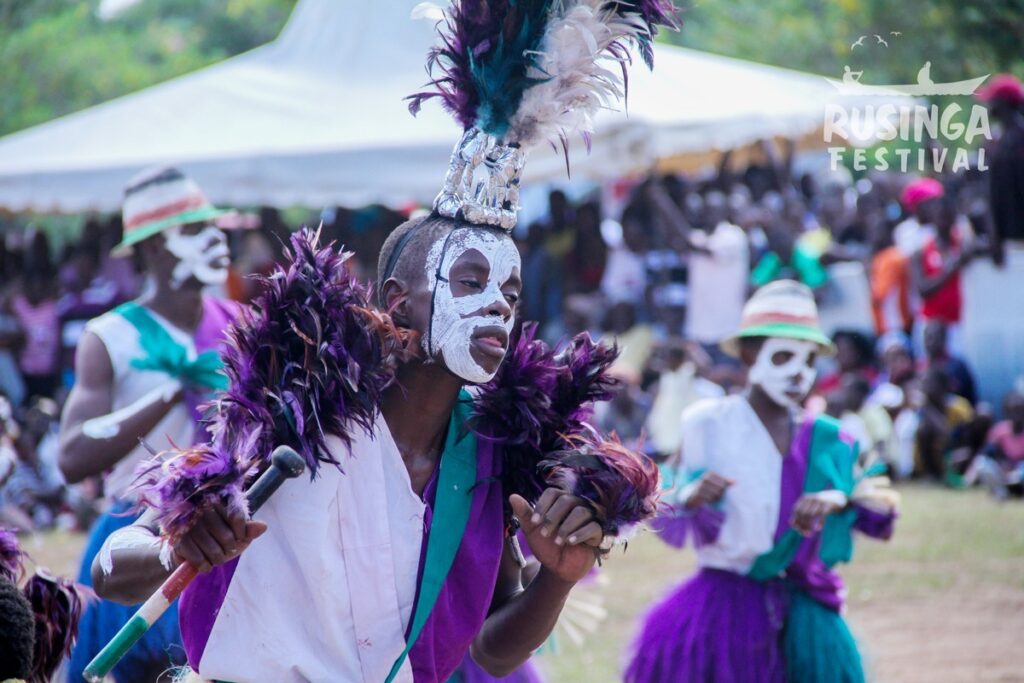
The festival was born out of a concern that the Suba language and traditions were disappearing. By the early 2000s, UNESCO had listed the Suba language as endangered, with fewer than 100,000 speakers remaining. This sparked a movement to revive the language through education, storytelling, and cultural festivals.
The Suba Cultural Festival was thus launched as a platform to:
- Preserve the Suba language through recitals, plays, and songs performed in Suba.
- Promote cultural pride, ensuring the youth see heritage as valuable.
- Showcase diversity, blending Suba traditions with influences from neighboring communities like the Luo.
- Boost tourism in Rusinga Island, bringing economic benefits to the local community.
Traditional Music and Dance at the Suba Cultural Festival
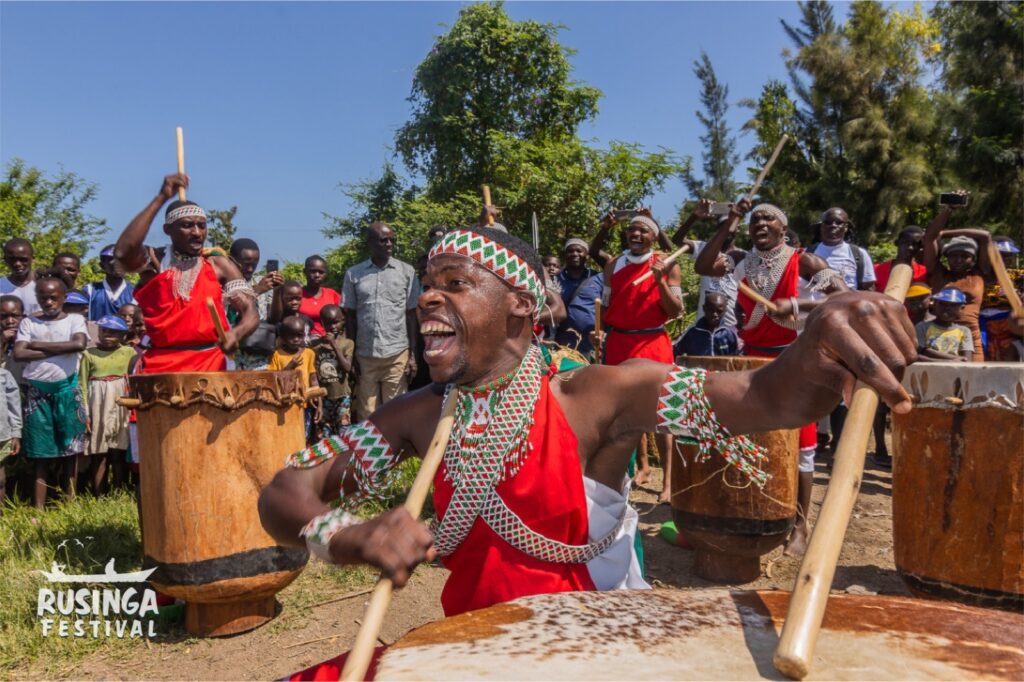
Ramogi and Ohangla Rhythms
Borrowed and adapted through interactions with the Luo, Ohangla drums and Ramogi dances dominate the festival stage. They are performed with high energy, captivating audiences with their rhythm and movement.
Tero Buru Ceremonial Dance
The Tero Buru, originally performed to honor fallen warriors, is recreated at the Suba Cultural Festival. It features processions, chants, and drumming, reminding attendees of the community’s warrior past.
Community Singing and Storytelling
Elders lead groups in traditional songs and proverbs, often teaching children the meanings behind lyrics. These performances help preserve the endangered Suba language by making it a living part of the festival.
Arts, Crafts, and Cultural Exhibitions
The Suba Cultural Festival is also a showcase of artistry and craftsmanship.
- Beadwork: Women display necklaces, earrings, and waistbands that symbolize social status, age, and marital stage.
- Wood Carving: The Suba are skilled woodcarvers, creating household items, masks, and sculptures that carry cultural meaning.
- Pottery and Basketry: Traditional clay pots and woven baskets are exhibited and sold, providing income to local artisans.
- Cultural Displays: Attendees explore exhibitions of tools, clothing, and artifacts that reflect Suba history and daily life.
Culinary Traditions of the Suba
The Suba Cultural Festival is also a gastronomic adventure. Visitors sample traditional Suba and Luo-inspired dishes, including:
- Fresh fish from Lake Victoria – roasted, stewed, or fried.
- Ugali – maize flour staple, often paired with vegetables and fish.
- Sweet potatoes and arrowroots – traditional energy foods.
- Local brews and porridge – consumed in communal gatherings.
Food at the festival is not just about eating; it’s about sharing and bonding, reinforcing community ties.
Sporting and Water Activities
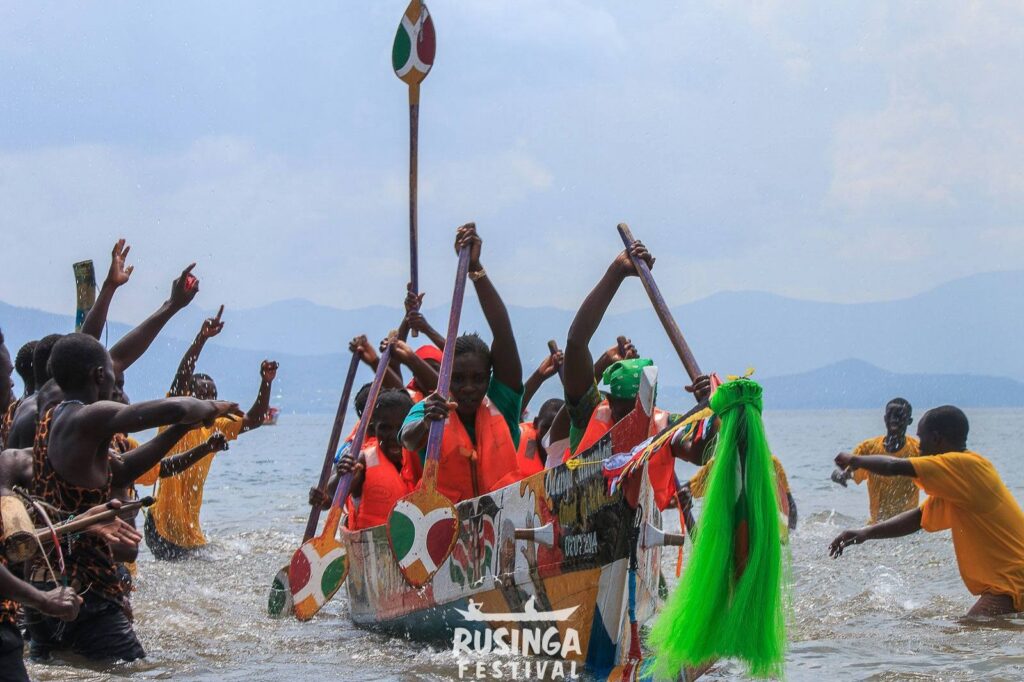
The Suba Cultural Festival is famous for its lively sports and games that reflect the community’s lakeside identity.
Boat Races on Lake Victoria
Traditional canoes and boats take to the waters in thrilling races, often preceded by cultural processions and drumming. The races symbolize the Suba’s deep connection to Lake Victoria, which sustains them through fishing.
Wrestling and Tug-of-War
Men engage in traditional wrestling matches, while communities challenge each other in tug-of-war competitions. These games build camaraderie and showcase physical strength.
Traditional Board Games
Games like Ajua (a traditional mancala-style board game) are played, engaging both elders and youth in a fun, educational way.
Language Revival and Cultural Preservation
One of the most important goals of the Suba Cultural Festival is the revival of the Suba language. With the language facing extinction due to assimilation, the festival provides a platform for:
- Storytelling sessions in Suba.
- School competitions where children recite poems and songs in the language.
- Workshops teaching Suba vocabulary and phrases.
By weaving the language into performances, games, and rituals, the festival ensures that it remains alive in the hearts of the younger generation.
Tourism and Community Impact
The Suba Cultural Festival has also become a significant driver of cultural tourism. Thousands of visitors from across Kenya and abroad travel to Rusinga Island to witness the event. This influx supports local hotels, transport operators, artisans, and vendors.
The festival also strengthens community pride. Elders see it as a way to pass down traditions, while youth see it as a space to showcase modern creativity alongside heritage. The result is a fusion of past and present, making the Suba Cultural Festival relevant to all generations.
Challenges Facing the Suba Cultural Festival
Like many cultural festivals, the Suba Cultural Festival faces challenges:
- Language extinction – The Suba language is endangered, making revival urgent.
- Funding – Organizing large-scale festivals requires financial resources and sponsorship.
- Youth engagement – Ensuring younger generations remain invested in tradition.
- Modernization pressures – Balancing cultural authenticity with tourism and contemporary entertainment.
Despite these challenges, the festival has grown steadily, gaining national and international recognition.
Also read:Top 9 Kenya’s Festivals and Events That You Shouldn’t Miss!
Wrap-Up
The Suba Cultural Festival is a shining example of how cultural festivals can serve as tools of preservation, education, and unity. By celebrating music, dance, storytelling, cuisine, and boat races, the festival connects the Suba people to their heritage while sharing it with the world.
As Kenya continues to embrace its diversity, the Suba Cultural Festival stands out as both a cultural revival movement and a tourism attraction. It ensures that the Suba language and traditions remain alive, inspiring pride among the community and offering unforgettable experiences for visitors.
10 Frequently Asked Questions (FAQs)
- What is the Suba Cultural Festival?
It is an annual celebration of the Suba people’s heritage on Rusinga Island, featuring music, dance, food, storytelling, and boat races. - Where is the Suba Cultural Festival held?
On Rusinga Island in Lake Victoria, Homa Bay County, Kenya. - When does the Suba Cultural Festival take place?
Every December, usually around Christmas week. - What cultural performances are showcased?
Traditional dances like Ramogi, Ohangla, and Tero Buru, alongside music and storytelling. - What foods are served at the festival?
Fresh fish from Lake Victoria, ugali, sweet potatoes, arrowroots, and local brews. - What sports and activities are part of the festival?
Boat races, wrestling, tug-of-war, and traditional board games like Ajua. - How does the festival preserve the Suba language?
Through storytelling, songs, poetry competitions, and workshops conducted in the Suba language. - Who organizes the Suba Cultural Festival?
It is organized by community leaders, cultural groups, and local authorities with support from heritage organizations. - Can tourists attend the Suba Cultural Festival?
Yes, the festival welcomes both local and international visitors, making it a growing cultural tourism attraction.
Why is the Suba Cultural Festival important?
It helps revive the endangered Suba language, preserves traditions, unites communities, and promotes tourism on Rusinga Island.