A Living Tapestry of Tradition in Vihiga County
The Maragoli Cultural Festival is one of Kenya’s most iconic cultural gatherings. Held every year on December 26 (Boxing Day) in Mbale town, Vihiga County, the festival is both a vibrant cultural showcase and a social reunion for the Maragoli people and other Luhya sub-tribes.
Beyond its festive atmosphere, the Maragoli Cultural Festival serves as a vital platform for preserving indigenous customs, songs, proverbs, foods, and rites of passage. It attracts thousands of attendees, including local community members, Kenyan political leaders, cultural enthusiasts, and international visitors who come to experience authentic Luhya heritage.
The festival has grown into more than just a one-day celebration; it is a cultural anchor for the Maragoli community, ensuring that traditions are not lost but passed down to future generations.
Origins and History of the Maragoli Cultural Festival
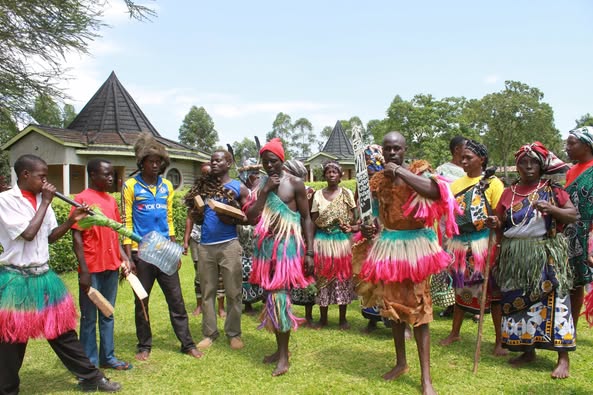
The Maragoli Cultural Festival has roots in the 20th century, founded as a way to preserve and celebrate the customs of the Maragoli people, one of the largest Luhya sub-tribes. The festival was institutionalized under the Vihiga Cultural Society, which has organized the event for decades.
The late Moses Mudavadi, a respected community leader and the father of Kenya’s current Prime Cabinet Secretary Musalia Mudavadi, was the festival’s first patron. His involvement elevated the event from a local celebration to a national cultural gathering.
Over the years, the festival has expanded beyond the Maragoli to include other Luhya sub-tribes such as the Tiriki, Idakho, Kisa, and Bunyore, making it an inclusive representation of Luhya cultural identity.
When and Where: Boxing Day in Mbale Town
The Maragoli Cultural Festival is held annually on December 26 at the Mbale municipal grounds in Vihiga County. The timing is symbolic—Boxing Day is already a public holiday, allowing people to travel and gather after Christmas.
Mbale town becomes the epicenter of cultural celebration, with streets filled with traditional songs, dances, food stalls, and processions. The town’s central location makes it accessible to Luhya communities from Western Kenya, as well as visitors from Nairobi and neighboring counties.
Organizers and Leadership
The Vihiga Cultural Society oversees the planning and execution of the Maragoli Cultural Festival. The organization ensures that the event maintains cultural authenticity while adapting to modern expectations.
Over the decades, political leaders have embraced the festival. In the 45th edition (2025), Prime Cabinet Secretary Musalia Mudavadi attended as guest of honor, emphasizing the festival’s role in cultural cohesion and youth engagement. His participation highlights how the festival has grown into both a cultural and political stage.
Community and Traditions Showcased
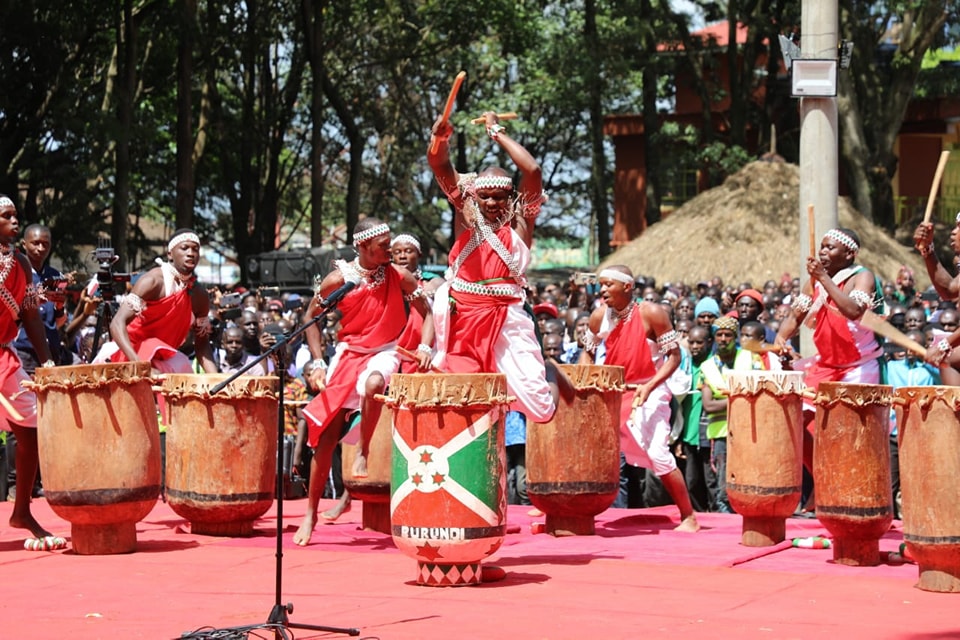
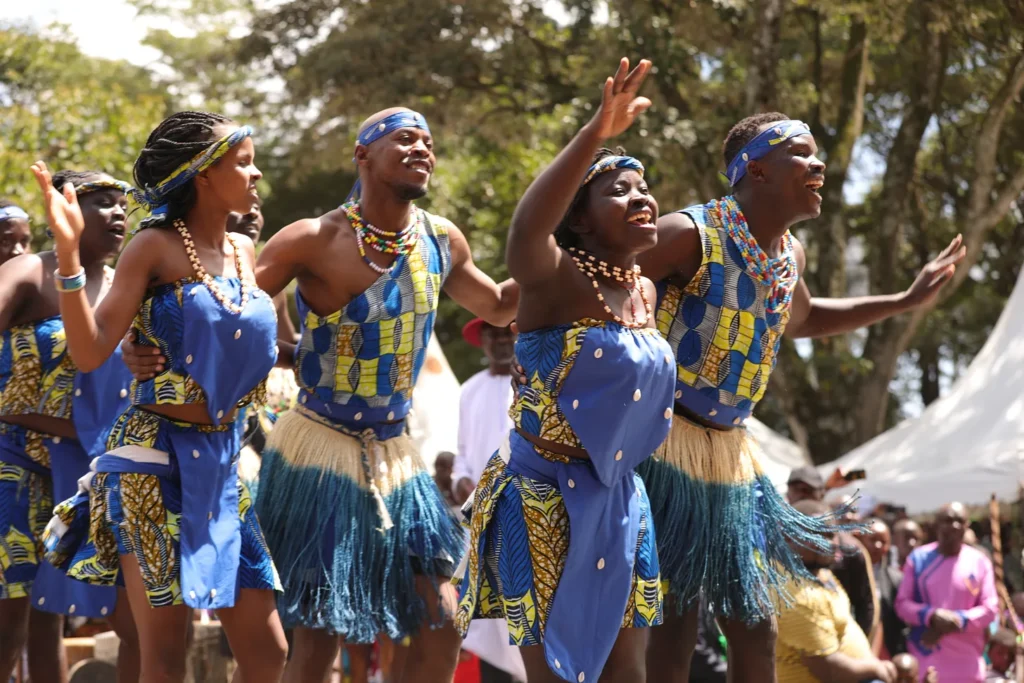
At its core, the Maragoli Cultural Festival is about celebrating and preserving cultural practices. Elderly men and women dressed in traditional regalia perform songs, dances, and recite proverbs that carry ancestral wisdom.
Younger generations are exposed to practices such as:
- Traditional storytelling – Folktales that preserve moral values.
- Music and dance – Drum beats and choreographed dances unique to the Maragoli.
- Proverbs and sayings – Passed down orally, encapsulating communal wisdom.
- Traditional attire – Vibrant clothing and beaded accessories.
By showcasing these practices, the festival ensures cultural transmission across generations.
Rites of Passage: A Core Element
One of the most unique aspects of the Maragoli Cultural Festival is its role in rites of passage. In the 44th edition (2024), thousands of Maragoli boys underwent initiation ceremonies that mark the transition from boyhood to manhood.
This rite of passage is significant because:
- It strengthens community identity.
- It instills discipline and responsibility in the youth.
- It reinforces continuity of tradition in a modernizing world.
The public celebration of such rites within the festival context ensures they remain relevant and respected.
Cultural Exhibits: Food, Crafts, and Artifacts
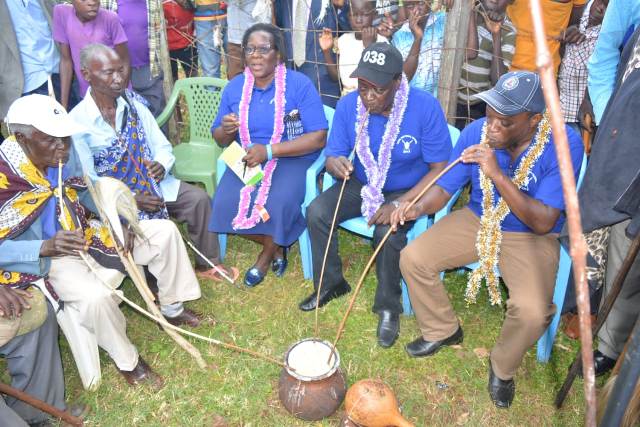
The Maragoli Cultural Festival is also a showcase of traditional foods, crafts, and medicine. Attendees can enjoy local delicacies like:
- Ugali and kunde (traditional greens).
- Ingoho (Luhya chicken delicacy).
- Obusuma (maize meal dish).
- Traditional brews made from millet or sorghum.
Craft exhibitions feature handwoven baskets, gourds, spears, drums, and other artifacts that reflect Maragoli and Luhya heritage. Local herbalists also display traditional medicines, emphasizing the role of indigenous knowledge in community health.
Attendance and Tourism
The Maragoli Cultural Festival attracts thousands of people each year, making it one of the largest cultural festivals in Western Kenya. Families reunite, diaspora members return home, and tourists travel to witness the colorful displays.
Hotels, restaurants, and local businesses benefit greatly from the influx of visitors, making the festival an important economic driver for Vihiga County. Tourism boards also promote the event as a way to diversify Kenya’s cultural tourism beyond wildlife safaris and beaches.
Cultural and Political Significance
The Maragoli Cultural Festival is not just about tradition—it has also become a platform for political messaging and unity. Leaders often use the event to emphasize the importance of cultural pride, national cohesion, and development.
At the 45th edition, Musalia Mudavadi noted that the festival is a model for how culture can unify communities and guide the youth. The presence of national leaders also reinforces the festival’s role as a cultural cornerstone with political influence.
Future of the Maragoli Cultural Festival
As Kenya modernizes, the Maragoli Cultural Festival faces the challenge of staying relevant. Younger generations may be drawn more to global pop culture than to traditional practices. However, the festival’s organizers have responded by:
- Incorporating modern music performances alongside traditional ones.
- Using digital media to promote the event.
- Encouraging youth participation in planning and performances.
With these efforts, the festival continues to thrive and remains a living cultural institution for the Maragoli and broader Luhya community.
Also read:Top 7 Cultural Gems in Kenya: Must See
Wrap-Up
The Maragoli Cultural Festival is more than just a Boxing Day gathering—it is a celebration of identity, heritage, and community. From its origins under Habib Swaleh to its current form under the Vihiga Cultural Society, the festival has remained an enduring tradition.
By combining rites of passage, music, food, and cultural exhibitions, the festival safeguards the Maragoli’s legacy for generations. At the same time, it has become a driver of tourism, economic growth, and even political discourse.
For anyone looking to experience the soul of Luhya culture, attending the Maragoli Cultural Festival is a must.
10 Frequently Asked Questions (FAQs)
- What is the Maragoli Cultural Festival?
It is an annual Boxing Day cultural celebration in Mbale, Vihiga County, showcasing Maragoli and Luhya traditions. - When is the festival held?
Every year on December 26. - Where does it take place?
At the Mbale municipal grounds in Vihiga County. - Who organizes the festival?
The Vihiga Cultural Society. - Who was the first patron?
The late Moses Mudavadi, father of Prime Cabinet Secretary Musalia Mudavadi. - Which communities participate?
Primarily the Maragoli, but also Tiriki, Idakho, Kisa, and Bunyore sub-tribes. - Are rites of passage part of the festival?
Yes, initiation ceremonies for boys are often incorporated into the celebrations. - How many people attend?
Thousands of community members, leaders, and tourists gather annually. - What cultural elements are showcased?
Music, dance, storytelling, traditional foods, crafts, and herbal medicine.
Why is the Maragoli Cultural Festival important?
It preserves cultural heritage, unites the community, attracts tourism, and strengthens intergenerational bonds.