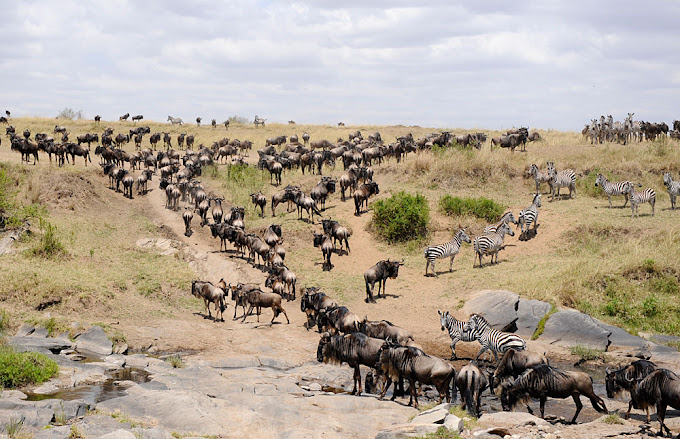
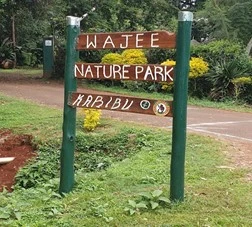
Wajee Nature Park is a privately owned bird sanctuary and forest reserve in Mukurwe-ini, Nyeri County. Known for its rich birdlife and dense indigenous forest, the park is a haven for bird watchers and conservation travelers.
Also Read:Top 20 Must-See Kenya’s Hidden Gems Uncovered
A Detailed Explanation of Wajee Nature Park
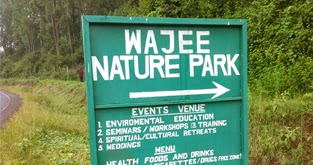
Wajee Nature Park spans about 10 hectares. It was established by Reverend James Gakunju Gathigi in the 1990s. He aimed to preserve the forest cover and protect the unique species in this part of central Kenya. His vision has created one of the most important community-based conservation areas in Kenya.
Why Birders Love Wajee
Over 120 bird species have been recorded here. The park is home to both endemic and migratory birds. The most sought-after is the Hinde’s Babbler, an endangered bird found only in Kenya. Other common species include:
- African Goshawk
- Hartlaub’s Turaco
- African Paradise Flycatcher
- Black-headed Oriole
- Red-chested Cuckoo
Birding here is easy. The forest trails are well-maintained. You don’t need special equipment or training to spot most species. Guides are available and helpful.
A Model for Eco-Tourism
Wajee Nature Park is not a commercial resort. It’s a conservation-first project. All visitors help fund forest protection, local employment, and education programs. The park also offers:
- Eco-cottages for overnight stays
- Guided bird walks
- Tree-planting sessions
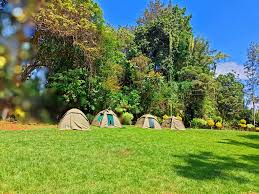
- Camping zones
You support local conservation with every visit.
Accessibility and Location
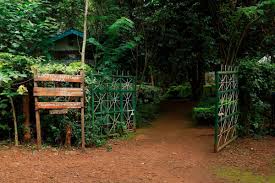
The park is located 160 kilometers from Nairobi. From Nyeri town, it’s a 30-minute drive. The route is tarmacked up to Mukurwe-ini, then a short dirt road leads to the park gate.
Directions:
- From Nairobi, take the A2 highway to Nyeri.
- Branch off toward Mukurwe-ini at Gatitu.
- Follow signs to Wajee Park.
You don’t need a 4×4 vehicle unless it rains heavily.
Best Time to Visit
Birding is good all year. However, the best months are:
- November to April: Migratory birds arrive.
- June to August: Dry season makes for easier hiking.
- March and October: Best for photography, with flowering trees attracting more species.
Visit early in the morning for the most activity. Birdsong peaks at dawn.
What to Pack
Wajee Nature Park is not a high-altitude trek, but it helps to be prepared. Pack:
- Binoculars
- Camera with zoom lens
- Lightweight hiking boots
- Insect repellent
- Water bottle
- Notebook for sightings
If you plan to camp, bring a flashlight and warm clothes for the night.
Conservation Highlights
The park protects more than birds. It is part of the Upper Tana catchment, a key water source for Kenya. Trees preserved here help reduce soil erosion and maintain rainfall patterns. Locals are trained as guides, rangers, and eco-lodge staff.
Community benefits include:
- Environmental education for schools
- Jobs for residents
- Forest-friendly farming workshops
The park is an example of how conservation and community development can succeed together.
Activities Beyond Birding
You can do more than bird watching. Other activities include:
- Forest walks with a naturalist
- Identification of indigenous plants
- Photography tours
- Picnicking under tree canopies
- Tree planting for groups
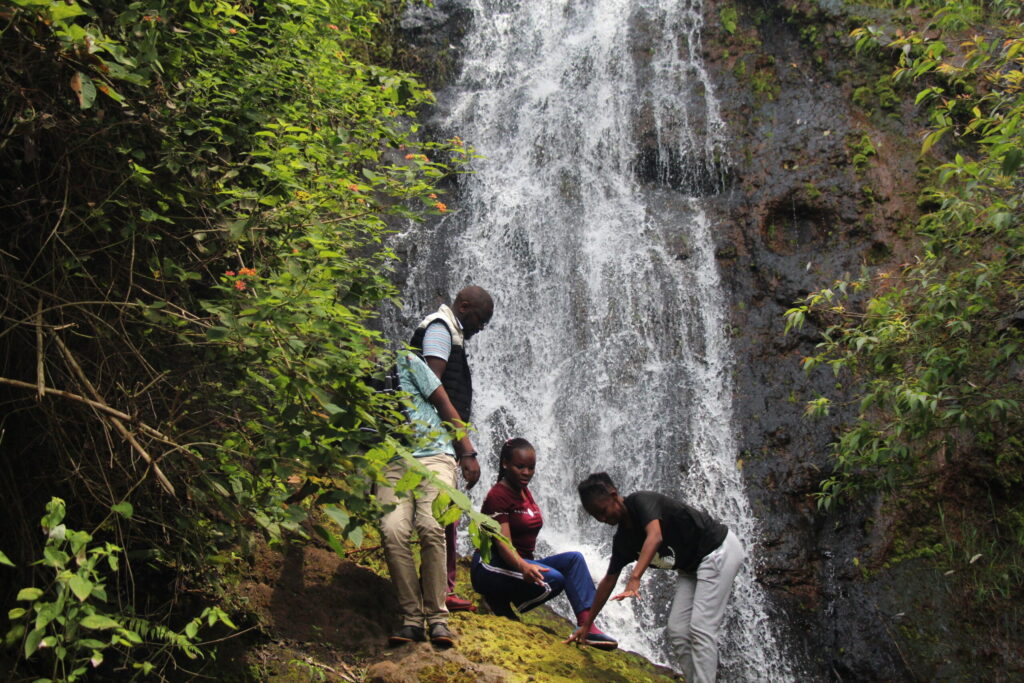
You can also visit nearby attractions such as Wamagana Falls and the Mau Mau caves.
Accommodation Options
The park offers eco-cottages for individuals, couples, and small groups. Each unit is simple, clean, and solar-powered. Camping sites are also available. You must book in advance, especially during peak seasons.
Nearby towns like Mukurwe-ini and Nyeri also offer lodges and guesthouses if you prefer to stay offsite.
Safety and Visitor Tips
Wajee Nature Park is safe for solo travelers and families. Here are a few tips to enhance your visit:
- Wear dull-colored clothing to avoid startling birds
- Respect quiet zones
- Avoid smoking or littering in the park
- Stick to marked trails
- Book guides early, especially during bird migration season
The park is family-friendly. Children can learn a lot from birding and tree identification walks.
How to Support the Park
You can support Wajee Park in several ways:
- Visit and pay the modest entrance fee
- Donate to their conservation fund
- Volunteer in reforestation events
- Sponsor a school trip to the park
Even a single visit helps keep the forest alive.
Local Community Involvement
Wajee Park is run with strong community participation. Local elders and youth take part in decision-making and day-to-day operations. The park provides:
- School nature trips
- Conservation clubs
- Native tree nurseries
Its success has inspired similar projects in the region.
Cultural Significance
Wajee is located in a region with rich Kikuyu traditions. You’ll hear local folk stories about birds and forests. Some tree species in the park have spiritual significance. You may also meet elders who share insights about local conservation customs.
Ideal for School Groups and Researchers
Schools, universities, and researchers often use Wajee as a field site. Its bird diversity and accessible terrain make it ideal for:
- Ornithology studies
- Environmental education
- Forest ecology projects
Guides have training in natural sciences and can support student programs.
Budget and Entry Fees
Wajee Nature Park is affordable. Current rates (as of 2025):
- Adults: KES 500
- Children: KES 300
- Guided bird walk: KES 1,000 per group
- Camping: KES 800 per night
Eco-cottage pricing starts at KES 3,000 per night. Special rates are available for schools and groups.
Why Wajee Matters
Wajee Nature Park is a rare success story in grassroots conservation. It proves that you don’t need a massive reserve to protect biodiversity. Local knowledge, community buy-in, and focused goals can make a lasting impact.
It’s also proof that birding doesn’t need to be expensive or far from home. You can experience the beauty of Kenya’s birdlife in a quiet forest, guided by people who live and care for the land.
FAQs
1. Where is Wajee Nature Park located?
In Mukurwe-ini, Nyeri County, about 160 km from Nairobi.
2. What is the best time to visit?
November to April for migratory birds, and June to August for dry-weather visits.
3. Are there endangered species?
Yes. The Hinde’s Babbler, a Kenyan endemic, is commonly seen here.
4. Is it family-friendly?
Yes. Kids enjoy bird walks and nature education sessions.
5. How do I book a visit?
Call the park or email their office. Walk-ins are also welcome.
6. Do I need to bring my own gear?
Bring binoculars and a camera. Guides offer checklists and ID help.
7. Can I stay overnight?
Yes. There are eco-cottages and camping grounds on-site.
8. Is it safe?
Yes. The park is secure and has trained staff on-site.
9. Are group discounts available?
Yes. Special rates apply to schools, researchers, and large groups.
10. How can I support the park?
Visit, donate, volunteer, or promote Wajee Park on social media.