Ndere Island is not on the average tourist’s radar. Located in the northeastern part of Lake Victoria, this quiet slice of Kenya is often skipped in favor of more popular destinations like the Maasai Mara or Diani Beach. Yet, for travelers seeking raw beauty, peace, and a glimpse into local life, Ndere Island offers unmatched value.
Also read:The 5 Best Romantic Getaway Destinations in Kenya
A Detailed Explanation of Why You Should Visit Ndere Island
Ndere Island National Park is small—only 4.2 square kilometers—but it’s rich in biodiversity, scenery, and history. It lies just off the northern shore of Lake Victoria, near the city of Kisumu.
This park was gazetted in 1986. Since then, it has become home to several animal species, including impalas, monitor lizards, hippos, crocodiles, and more than 100 species of birds. You will not find lions or elephants here. What you get is a calm, personal, and intimate safari experience.
Getting There
- Nearest city: Kisumu (about 45 km away)
- Access point: Kaloka Beach or Asat Beach
- Transport: Boat ride (20–45 minutes depending on departure point)
- Road trip: 2–3 hours from Kisumu, depending on traffic
There are no ferries. You’ll need to arrange a private or community boat. Most are affordable and offer a scenic ride across the lake.
What to Expect
The island is undeveloped. No hotels. No shops. No cars. You’ll hear birds, waves, and little else. That’s the appeal.
What you will find:
- Walking trails
- Basic picnic sites
- Park rangers for guided tours
- Clean lake shores
- Traditional fishing villages on the mainland
Bring your supplies. There are no restaurants or lodges on the island.
Wildlife Without the Crowds
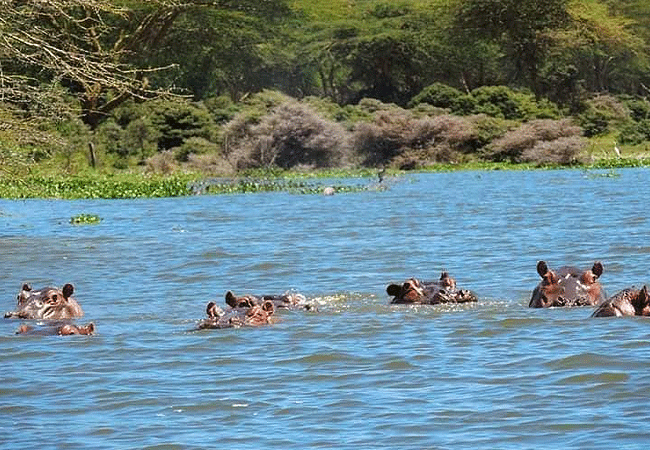
Ndere Island’s wildlife is not about big thrills. It’s about stillness and observation. You’ll walk close to herds of impala. You might see monitor lizards basking in the sun. Rare birds like fish eagles and goliath herons fly overhead. The park is also home to:
- Vervet monkeys
- African hares
- Hippos (mostly seen offshore)
- Waterbucks
- Pythons (rarely seen)
No motor vehicles means no pollution, no noise. Just you and nature.
Birdwatching Heaven
Over 100 species of birds make Ndere Island their home. For birders, this is paradise. You may spot:
- African fish eagle
- Grey-headed kingfisher
- Black-headed gonolek
- African paradise flycatcher
- Yellow-billed stork
Bring binoculars. Early morning and late afternoon offer the best chances.
Cultural Significance
“Ndere” means “meeting place” in Dholuo. Local legends say the island was a resting point for migrating communities. Today, it retains that spirit—a meeting place for nature lovers, peace seekers, and curious travelers.
Luo communities along the shore still rely on traditional fishing. A visit to these villages offers insight into daily life, food traditions, and the challenges of lake-based economies.
Hiking and Nature Walks
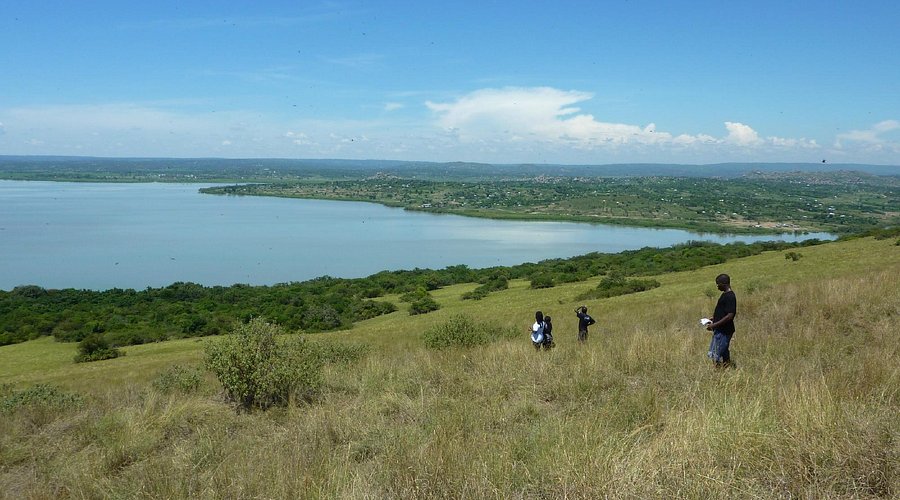
There are no roads. You hike across the island. Most trails are unmarked but manageable. Rangers can guide you.
Top hikes:
- Summit Hike: A short, steep climb to a hilltop offering views of Lake Victoria
- Lakeside Trail: A walk along the water’s edge with bird sightings
Wear proper hiking shoes. Carry water and sun protection. Expect no shops or rescue services.
Ideal for Solitude and Reflection
If you want silence, this is your place. Writers, artists, birdwatchers, and photographers often use it as a retreat.
There’s no Wi-Fi, no electricity, and no distractions. For those looking to unplug, it’s perfect.
Best Time to Visit
- Dry season: June to September, and January to February
- Avoid: Heavy rains in April and May; the lake gets rough, and access becomes tricky
Start your trip early in the day. Afternoon winds make the lake choppy.
Entry Requirements and Fees
Ndere Island is managed by Kenya Wildlife Service (KWS). You must pay park fees.
- Citizen adult: KES 200
- Resident adult: KES 300
- Non-resident adult: USD 25
- Children: Lower rates apply
Carry identification or passport. Payment is digital via KWS platforms or M-Pesa.
What to Pack
- Comfortable hiking shoes
- Hat and sunscreen
- Drinking water
- Packed lunch or snacks
- Camera and binoculars
- First aid kit
Leave no trace. Bring back your trash.
Combine with Nearby Attractions
Ndere Island is not far from other interesting spots:
- Kisumu Impala Sanctuary: See giraffes, leopards, and more
- Dunga Hill Camp: Relax with music and lake views
- Kit Mikayi Rock: A sacred Luo site 30 minutes from Kisumu
- Rusinga Island: Further west, great for history and more adventure
If you’re already in western Kenya, it’s easy to combine these.
Why Most Tourists Miss It
Ndere Island lacks infrastructure. No hotels, no packaged tours, and limited marketing. But that’s changing slowly. Community tourism and eco-travelers are starting to take interest.
Its off-the-grid feel is not for everyone. But for those who value authenticity, it’s a gem.
Eco-Friendly Travel Tip
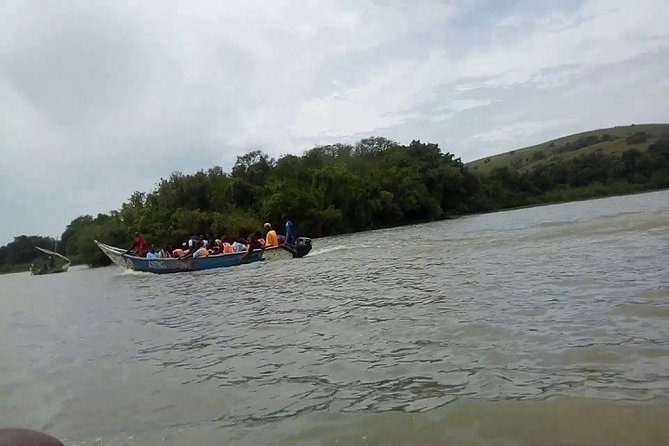
Support local boat operators and guides. Buy your food and crafts from nearby villages. This keeps tourism income within the community.
Use biodegradable products. Avoid soaps or plastics that can pollute the lake.
Safety Tips
- The island is safe, but remote
- Always inform someone before going
- Hire a guide if possible
- Beware of snakes, especially in thick grass
- Watch your step near the shoreline
If you swim, do so with caution. Parts of the lake are home to hippos and crocodiles.
To Wrap It Up:
Ndere Island is a rare place where you can walk among wildlife, listen to birds without background noise, and experience Kenya as it was before mass tourism. There are no crowds. No queues. No distractions. Just you, nature, and stillness. Most people rush past it. If you choose to go, you won’t forget it.
10 FAQs About Ndere Island
1. Is Ndere Island safe?
Yes, it’s safe. Guided visits are recommended due to its remote nature.
2. How do you get to Ndere Island?
By boat from Kaloka or Asat Beach, reachable by road from Kisumu.
3. Can you stay overnight on Ndere Island?
No, there are no accommodation facilities on the island.
4. What animals live there?
Impalas, monkeys, lizards, hippos, waterbucks, and birds.
5. Do you need a guide?
Not mandatory but highly recommended for safety and insights.
6. Is it good for kids?
Yes, with supervision and preparation. It’s an educational trip.
7. What should I wear?
Comfortable clothes, hiking shoes, a hat, and sunscreen.
8. Are there toilets or food kiosks?
No. Carry everything you need.
9. What’s the best time to go?
Dry seasons—June to September and January to February.
10. Can you swim?
It’s allowed but not recommended due to hippos and crocodiles.