A Hidden Gem of East Africa
Lake Chala is one of East Africa’s most breathtaking natural wonders. Tucked away near the slopes of Mount Kilimanjaro, the lake is a volcanic caldera filled with turquoise-blue water. Its striking beauty, rich biodiversity, and cultural significance make it a must-visit destination for travelers seeking tranquility, adventure, and heritage.
The Geography and Formation of Lake Chala
Location and Accessibility
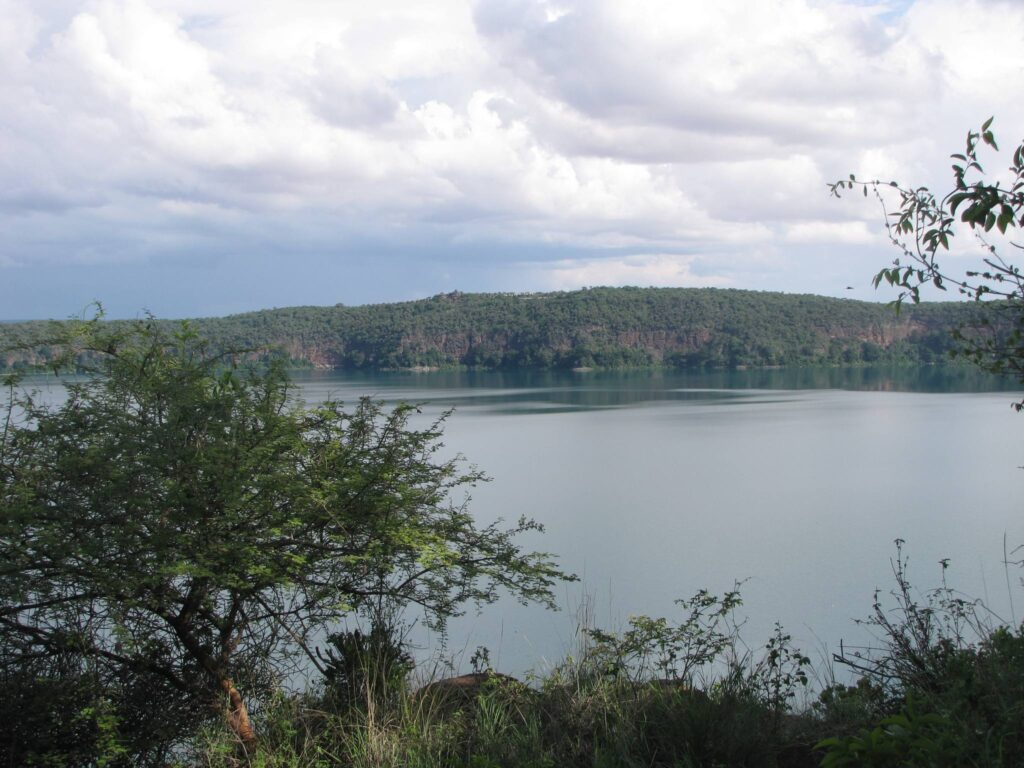
Lake Chala lies about 8 km from the town of Taveta in Kenya and just 55 km from Moshi in Tanzania. This location gives it a dual identity, shared by both nations. The lake is a perfect weekend getaway for visitors exploring Kilimanjaro or Tsavo West National Park.
Geological Formation
Lake Chala was formed nearly 250,000 years ago by volcanic activity. A massive eruption created a caldera that later filled with groundwater from Kilimanjaro’s underground aquifers. Unlike other lakes, it has no surface inflow or outflow, making it an endorheic basin.
The Ecological Importance of Lake Chala
Biodiversity
The lake is home to a unique species of cichlid fish (Oreochromis hunteri), found nowhere else in the world. Birdwatchers will encounter African fish eagles, weaver birds, and kingfishers, while the surrounding savannah hosts monkeys, baboons, and even elephants during migration seasons.
Water Source and Climate Influence
Lake Chala plays a crucial ecological role as it is fed by underground streams from Mount Kilimanjaro. The surrounding microclimate supports rich vegetation, making it a green oasis in an otherwise semi-arid region.
Cultural and Historical Significance
Folklore and Legends
Local Chagga and Taita communities have long regarded the lake as sacred. Legends tell of spirits dwelling within the lake, and oral traditions warn against fishing in certain sections believed to be guarded by ancestral forces.
Historical Importance
During the colonial era, the lake’s strategic location on the border made it significant for trade routes and territorial mapping between Kenya and Tanzania. Today, it remains a cultural meeting point for communities from both countries.
Things to Do at Lake Chala
Hiking and Nature Walks
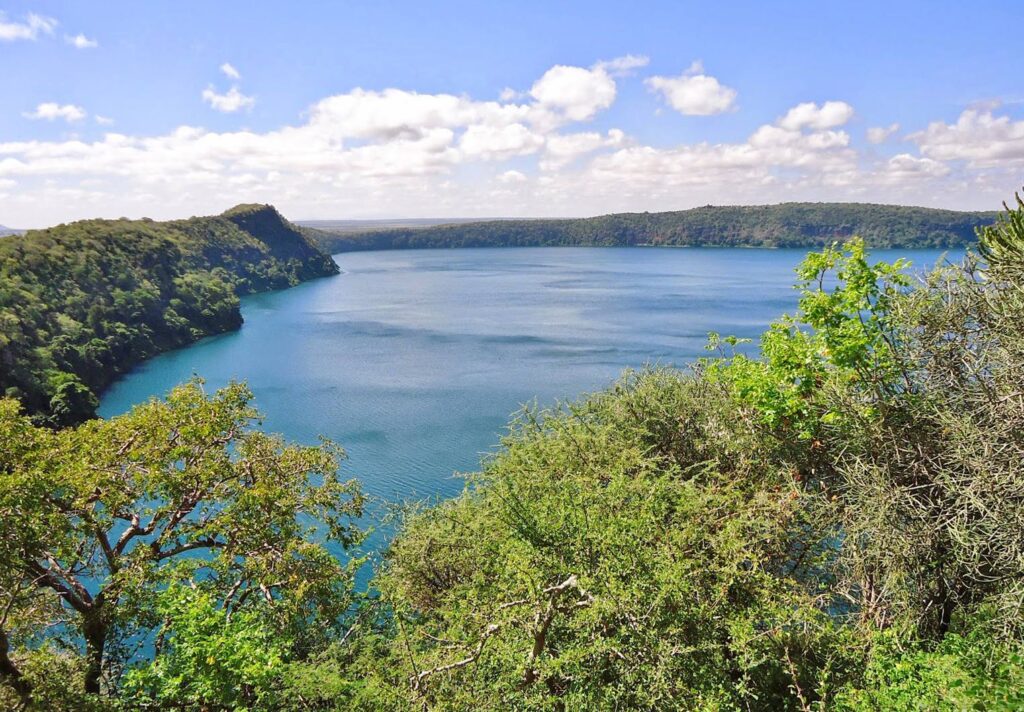
The steep crater walls surrounding the lake make for challenging but rewarding hikes. Trails offer panoramic views of the lake, Mount Kilimanjaro, and the surrounding savannah.
Kayaking and Canoeing
Tourists can rent kayaks to explore the lake’s turquoise waters. The serene environment is ideal for peaceful paddling while spotting birds and fish.
Swimming
Though swimming is possible, visitors are cautioned as parts of the lake are deep, and there are strong undercurrents in some areas.
Camping and Picnicking
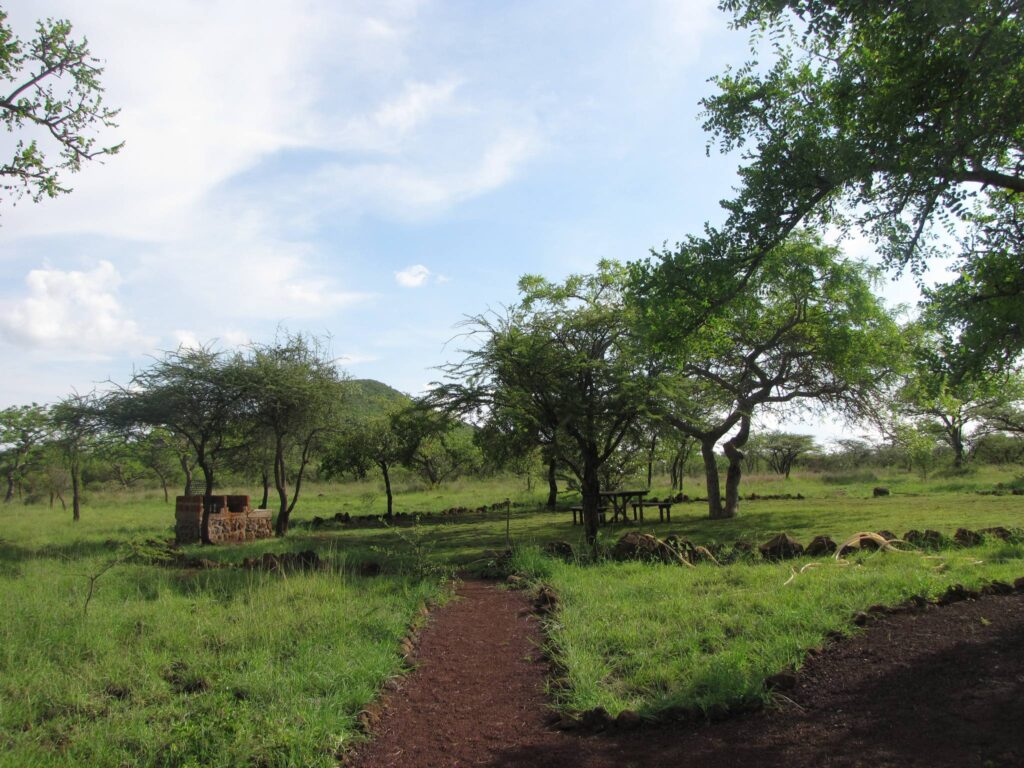
There are designated campsites and eco-lodges along the rim, offering rustic experiences under the stars. Many travelers enjoy picnics with views of the sparkling water.
Travel Guide to Lake Chala
Best Time to Visit
The ideal time to visit Lake Chala is during the dry seasons—June to October and December to February. During these months, the trails are accessible, and the water appears more vividly turquoise.
Entry Fees and Regulations
Visitors on the Kenyan side pay a small conservancy fee, while those entering from Tanzania may do so via Chala Safari Camp. The funds support conservation and local community projects.
Packing Essentials
- Hiking boots and comfortable clothes
- Sunscreen and hats
- Binoculars for birdwatching
- Swimwear for those wishing to dip in the lake
- A camera for capturing panoramic views
Safety and Conservation
Safety Tips
- Stick to marked trails to avoid accidents on steep slopes.
- Supervise children near the water.
- Avoid swimming alone in deep areas.
- Respect cultural sites around the lake.
Conservation Efforts
Conservation organizations, together with local communities, are working to protect Lake Chala. Initiatives focus on combating pollution, preventing illegal fishing, and conserving surrounding forests.
Accommodation Around Lake Chala
Eco-Lodges and Campsites
The most popular option is Lake Chala Safari lodge on the Tanzanian side, offering eco-friendly cottages and camping facilities. On the Kenyan side, local guesthouses and homestays provide budget-friendly alternatives.
Luxury Options Nearby
Travelers seeking comfort can book lodges in Moshi or Taveta, which offer modern amenities while still keeping Lake Chala within easy reach.
Food and Culinary Experience
Local Cuisine
A visit to Lake Chala is enhanced by sampling local dishes. On the Kenyan side, you’ll find staples like ugali with goat stew, while in Tanzania, spiced rice dishes such as pilau are popular.
Fresh Produce
The region around Lake Chala is fertile, producing tropical fruits, vegetables, and fresh fish. Visitors often enjoy locally brewed tea and coffee.
Why Visit Lake Chala: A Crater Lake on the Kenya–Tanzania Border?
Unique Geography
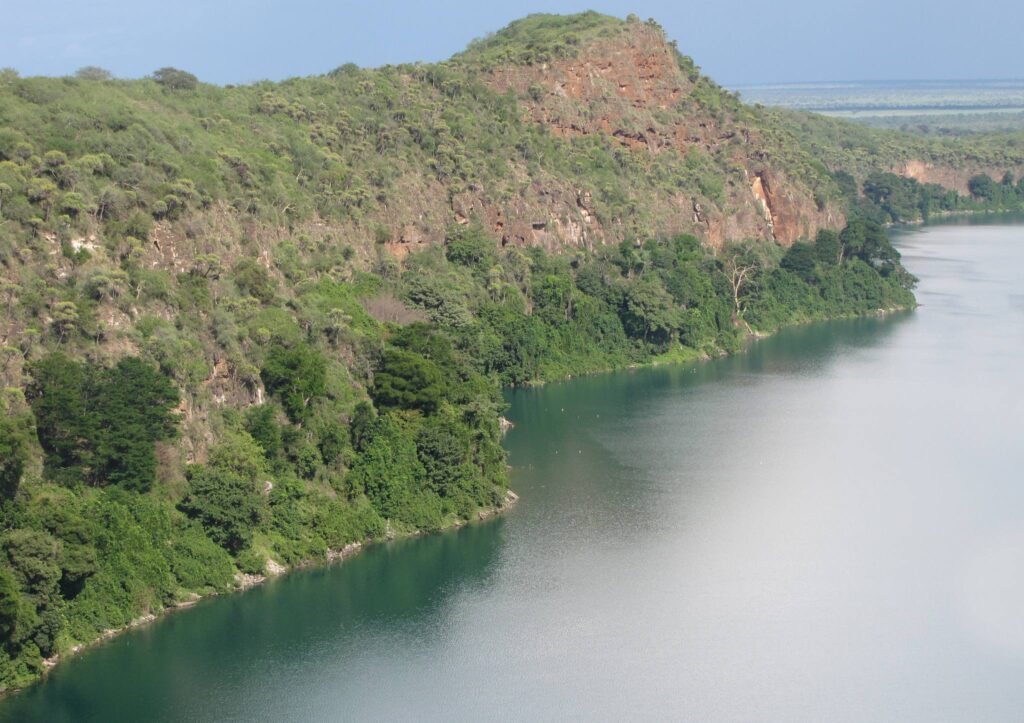
The lake’s volcanic origin and location on an international border make it one of the most unique natural attractions in East Africa.
Eco-Tourism Destination
Lake Chala offers unspoiled beauty, less commercialized than other East African tourist destinations. Its tranquility makes it ideal for eco-tourists and nature lovers.
Cultural Enrichment
Visitors can interact with both Chagga and Taita communities, experiencing cross-border cultural exchange.
Also read:The Top 7 Best Lakes Worth Visiting In Kenya
Wrap up
Lake Chala is more than just a scenic attraction—it is a living tapestry of history, culture, and biodiversity. Whether you’re drawn by adventure, spirituality, or relaxation, the lake promises an unforgettable experience. As conservation efforts grow, Lake Chala will remain a shining example of how nature and culture can coexist harmoniously.
FAQs About Lake Chala
1. Where exactly is Lake Chala located?
Lake Chala is situated on the Kenya–Tanzania border near Taveta, Kenya, and Moshi, Tanzania.
2. How was Lake Chala formed?
It was formed about 250,000 years ago by volcanic activity that created a caldera later filled with underground water from Mount Kilimanjaro.
3. Is swimming allowed in Lake Chala?
Yes, but only in designated areas. Some parts are very deep with strong undercurrents.
4. What makes Lake Chala unique?
Its turquoise waters, unique cichlid fish species, and location on the Kenya–Tanzania border make it special.
5. Can you hike around Lake Chala?
Yes, hiking trails around the crater rim provide spectacular views of the lake and surrounding landscapes.
6. Is there wildlife around Lake Chala?
Yes, the area hosts monkeys, baboons, elephants during migrations, and many bird species.
7. What is the best time to visit Lake Chala?
The dry seasons—June to October and December to February—offer the best conditions for travel and activities.
8. Are there accommodations near Lake Chala?
Yes, options include eco-lodges like Chala Safari Camp, local guesthouses, and luxury hotels in nearby towns.
9. What cultural significance does the lake hold?
Local Chagga and Taita communities regard the lake as sacred and have myths tied to its waters.
10. Why should travelers visit Lake Chala?
It offers a unique blend of adventure, cultural experience, and ecological diversity unmatched by many destinations in East Africa.


